Dry Bones Cover Image

Dry Bones: TTBB, <i>a cappella</i> Choral Octavo

$1.75 USD
Sale price  $1.75 USD Regular price 
Skip to product information
Dry Bones Cover Image

Dry Bones: TTBB, a cappella Choral Octavo

American Spiritual / arr. Donald Moore

Item: 00-31042

makemusic Cloud badge

Need it now?

Buy Digital Version
$1.75
Shipped

One moment…

Description
Here is a practical and useful arrangement of a well-known American spiritual for 4-part men's choirs. A pleasure to sing, with energized rhythms, achievable a cappella, and chromatic modulations as the body part lyrics unfold. Solid men's repertoire.

Don't just read it, hear it, play along with it, and watch your students grow with it. In MakeMusic Cloud, Dry Bones: TTBB, a cappella Choral Octavo comes alive with professional accompaniment, adjustable tempo, and built-in practice tools that turn solo practice into real progress.

Sample Pages

Sample Audio
0:00
0:00
Sample Video
Additional Details
Series: Alfred Choral Designs
Publisher: Alfred Music
Page Count: 8
UPC: 038081338149
SKU: 00-31042

More about this title

About the Arranger: Donald Moore
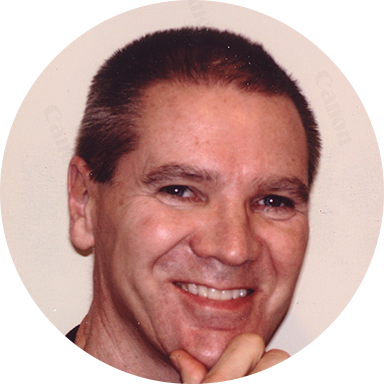
Donald Moore

Donald Moore earned degrees in organ performance and music education from Kent State University and has established himself as a versatile composer and arranger across multiple genres. As Organist-Choirmaster at Pilgrim United Church of Christ in Cuyahoga Falls, Ohio, Moore has built an extensive catalog of over 500 published works distributed through Alfred Music, Hal Leonard, Heritage Music Press, and other major publishers. His compositions span sacred and secular choral literature, educational collections, and organ and piano works, earning recognition as a seventeen-time ASCAP Composers Standard Award winner and inclusion in the American Choral Directors Association's roster of 400 elite composers significant to American choral history.

Why we love this

Moore's treatment of this spiritual strips away unnecessary complexity while preserving the authentic energy and narrative arc that makes the song work. The chromatic modulations feel earned rather than forced, building momentum as the lyrics move through each body part, and the a cappella writing sits naturally for male voices without requiring heroic ranges or divisi challenges. For a men's choir needing repertoire that entertains both singers and audiences, this delivers immediate impact.

What to expect

Energetic and grounded, with the kind of rhythmic swagger that defines American spiritual tradition. The progression of body parts creates natural momentum, and the chromatic harmonic shifts add sophistication while the melody remains singable and memorable.

Who it's for

Men's choirs at the high school, college, and community level looking for well-crafted spiritual arrangements that sound impressive with minimal accompaniment. Directors seeking accessible a cappella repertoire that engages singers through rhythmic vitality and narrative interest will find this practical addition to their seasonal programming.

How to get the most out of it

  • Shape the rhythmic drive without sacrificing clarity. The energized rhythms work best when each voice part maintains crisp articulation, especially during unison or homophonic sections.
  • Approach the chromatic modulations as structural landmarks. Slight tempo adjustments or breath placement can help the choir hear and execute these shifts as intentional musical events rather than accidents.
  • Balance blend and definition in the close voicing. TTBB chords can blur together quickly; lean into vowel consistency while keeping sufficient separation between parts.

How to use it

Pair this with other spirituals or American sacred music for a thematic concert set, or use it as a standalone closer that leaves audiences smiling. Its accessibility makes it suitable for festival performances, community concerts, or as a warm-up to more demanding repertoire in a longer rehearsal season.

Skills your students will build

  • Singing a cappella with secure intonation through chromatic harmonic movement
  • Maintaining rhythmic precision and articulation in energized, syncopated material
  • Executing smooth voice leading through sectional modulations
  • Balancing blend and clarity in four-part close voicing
  • Connecting narrative and lyrical content to musical interpretation

You May Also Like
