Dreamscapes, Book 2 Cover Image

Dreamscapes, Book 2: Piano Book

$5.95 USD
Sale price  $5.95 USD Regular price 
Skip to product information
Dreamscapes, Book 2 Cover Image

Dreamscapes, Book 2: Piano Book

Six Intermediate to Late Intermediate Piano Solos That Are Warmly Lyrical and Dreamily Romantic...

By George Peter Tingley

Level: Intermediate / Late Intermediate

Item: 00-18102

$5.95
Shipped

One moment…

Description
Once you've explored Dreamscapes Book 1 in its entirety, you'll be ready to master the enchanting intermediate and late intermediate selections in Dreamscapes Book 2. Here you'll discover six impassioned works that explore the full range of the piano keyboard with their colorful modulations, effective tempo changes, and lush flowing lines. Book 2 contains George Peter Tingley's immensely popular solo Reverie (#3690) which was first published as a sheet music solo and is widely performed at weddings, church services, recitals and other special occasions.

Dreamscapes, Book 2: Piano Book isn't in MakeMusic Cloud just yet...but it could be. Let us know you'd like to see it, and you'll help shape what comes next. In the meantime, start a free trial and dive into thousands of interactive titles your students can play along with today.

Sample Pages

Sample Audio
No sample audio found.
Sample Video
Additional Details
Publisher: Alfred Music
Page Count: 16
UPC: 038081159546
SKU: 00-18102

More about this title

About the Composer: George Peter Tingley
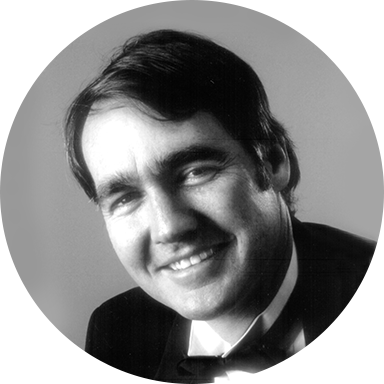
George Peter Tingley

George Peter Tingley grew up in Oakland, California, where he began violin at age four before switching to piano at ten. His formal training includes a Bachelor of Arts in Piano Performance from California State University, Hayward, and both Bachelor and Master of Music degrees in Music Theory from the University of Southern California. During the 1970s, he studied composition privately with Nadia Boulanger in Paris, an experience that shaped his approach to melody and harmonic color.

Since returning to the United States, Tingley has built a dual career as a private teacher and composer for music education. He has published over 75 piano pieces, including his signature work Reverie (1991), which has become a standard at weddings, church services, and recitals across the country. His catalog also includes the piano duet collection Fiddle and the Tuba and a composition for Olympic figure skater Kristi Yamaguchi that was arranged for full orchestra and recorded with Tingley as soloist. He currently resides in Point Richmond, California.

Why we love this

Tingley writes intermediate repertoire with genuine musical substance rather than filler. These six pieces showcase sophisticated harmonic language and structural clarity, making them rewarding for students who are ready to move beyond simple accompaniment patterns. The inclusion of Reverie, his best-known composition, gives students immediate access to a piece that holds genuine cultural weight in recital programming.

What to expect

These pieces evoke introspection and reverie through Tingley's warm harmonic palette and flowing melodic lines. The full keyboard range creates a sense of expansiveness, while the colorful modulations invite pianists to discover new emotional territories within familiar tonalities.

Who it's for

Intermediate and late intermediate pianists ready for repertoire that combines technical growth with artistic expression. Students who have completed foundational technique and rhythm studies will find these six pieces offer both immediate musicality and room for interpretive choice.

How to get the most out of it

  • Pay close attention to the modulations Tingley specifies in each piece; they're written to create color and emotional depth, so allow the tonal shifts to breathe naturally without rushing through them.
  • Shape the flowing lines with legato pedaling rather than relying on the sustain pedal alone; Tingley's voice leading rewards careful attention to melodic phrasing.
  • Observe tempo markings as structural markers, not mere indications of speed; the tempo changes in these pieces create dramatic turning points that benefit from slight flexibility.
  • Balance lush harmonies with clarity; use judicious pedal changes to let the full keyboard range register without muddying the middle voices.

How to use it

Book 2 works equally well as a recital collection or as teaching material spanning an entire semester. Many of these pieces are suitable for student showcases, weddings, or background music for school events, making them practical for both performance contexts and curricular goals.

Skills your students will build

  • Navigating modulations and tonal color shifts
  • Interpreting tempo changes as structural and emotional markers
  • Pedaling for clarity and resonance across the full keyboard
  • Shaping flowing, legato melodic lines with varied accompaniment patterns
  • Balance between lush harmony and textural clarity

You May Also Like