Dreaming Cover Image

Dreaming: Piano Sheet

$3.50 USD
Sale price  $3.50 USD Regular price 
Skip to product information
Dreaming Cover Image

Dreaming: Piano Sheet

By George Peter Tingley

Level: Early Elementary

Item: 00-22408

$3.50
Shipped

One moment…

Description
Beginning students of all ages will enjoy this lyrical solo written in a romantic style. The melody, in Middle C position, is divided between the hands. Careful counting is required in both the four-bar introduction and the coda. These sections are written entirely using half notes. The melodic theme is a sequential pattern of quarter notes followed by a half note. The optional duet part is rich in harmonies and provides warmth, adding to the gentle feel of the piece.

Dreaming: Piano Sheet isn't in MakeMusic Cloud just yet...but it could be. Let us know you'd like to see it, and you'll help shape what comes next. In the meantime, start a free trial and dive into thousands of interactive titles your students can play along with today.

Sample Pages

Sample Audio
No sample audio found.
Sample Video
Additional Details
Publisher: Alfred Music
Page Count: 4
UPC: 038081232898
SKU: 00-22408

More about this title

About the Composer: George Peter Tingley
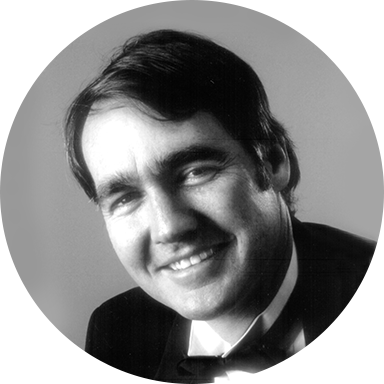
George Peter Tingley

George Peter Tingley grew up in Oakland, California, where he discovered music early: violin at age four, then piano at ten, which he taught himself through improvisation and songwriting before formal lessons began. His musical foundation came as much from playing along with Beatles records as from institutional training. He holds degrees in Piano Performance from California State University, Hayward, and completed both Bachelor and Master of Music degrees in Music Theory at the University of Southern California. During the 1970s, he studied composition privately with Nadia Boulanger in Paris.

After returning to the United States, Tingley established himself as a private piano teacher and composer. Beginning in 1989, he turned his attention to educational repertoire, publishing over 75 piano pieces for student musicians. His work has received recognition within music education circles; his piano duet collection Fiddle and the Tuba appears in the National Federation of Music Clubs bulletin, and in 1992 he composed Kristi's Theme for Olympic figure skater Kristi Yamaguchi, which was orchestrated and recorded with Tingley as soloist. He continues to live in Point Richmond in the San Francisco Bay Area.

Why we love this

Tingley writes for beginners with genuine musicality rather than oversimplification. The sequential quarter-note patterns give young pianists a satisfying melodic shape to sink into, while the half-note introduction and coda teach counting discipline without overwhelming hands still learning the staff. The optional duet part transforms the piece from a simple solo into a collaborative experience, letting a teacher or advanced student contribute genuine harmonic color that makes the student feel supported and heard.

What to expect

Gentle and introspective, like a quiet moment of reflection. The piece breathes slowly through its half-note sections and moves with warmth in its quarter-note melody, creating an emotional arc that feels substantial even within a beginner's technical constraints. With the optional duet part, the texture deepens into something almost wistful.

Who it's for

Early elementary piano students of any age who are comfortable reading in Middle C position and managing basic rhythmic values. The lyrical, romantic character makes it especially appealing to students drawn to melody-driven pieces rather than technical studies.

How to get the most out of it

  • Count aloud through the four-bar introduction before playing any notes. The half-note duration requires steady pulse awareness, so establish the tempo completely before the melody enters.
  • Shape each sequential phrase as a gentle arc rather than a flat recitation. Even at this level, the quarter-note patterns benefit from slight dynamic shaping that emphasizes the shape of the line.
  • If performing with the duet part, rehearse the coda together first. Both hands working with half notes means precision matters more than speed; lock the ending before integrating it into the full piece.

How to use it

Program this early in a student recital to establish a warm, lyrical tone that sets the mood for the pieces that follow. It works equally well as a teaching piece that students can master in a few weeks, gaining confidence in both rhythm reading and melodic phrasing before moving to more complex material. The optional duet makes it a natural choice for a teacher-student performance or a studio recital where you want to feature an emerging pianist with accompaniment.

Skills your students will build

  • Reading melodic passages in Middle C position across both hands
  • Sustaining half notes with consistent tone quality
  • Counting and maintaining pulse through sparse, rhythmically open sections
  • Shaping sequential quarter-note patterns with musical intent
  • Collaborative listening and ensemble synchronization (with duet part)

You May Also Like