Dragonhunter Cover Image

Dragonhunter: String Orchestra Conductor Score

$10.00 USD
Sale price  $10.00 USD Regular price 
Skip to product information
Dragonhunter Cover Image

Dragonhunter: String Orchestra Conductor Score

By Richard Meyer

Grade: 1

Item: 00-20797S

$10.00
Shipped

One moment…

Description
Using only the notes of the D major scale, Richard Meyer has fashioned a medieval-sounding piece that is sure to fascinate your beginning string students. The minor key, modal harmonies and driving rhythms give this piece a very mature sound. The aggressive main theme is introduced by violins and violas, with cello and bass in counterpoint. The theme later returns in canon, with cellos and basses being chased (hunted) by the violins and violas. Very dramatic from start to finish! (2:51) This title is available in MakeMusic Cloud.

Dragonhunter: String Orchestra Conductor Score isn't in MakeMusic Cloud just yet...but it could be. Let us know you'd like to see it, and you'll help shape what comes next. In the meantime, start a free trial and dive into thousands of interactive titles your students can play along with today.

Sample Pages

Sample Audio
No sample audio found.
Sample Video
Additional Details
Series: Highland/Etling String Explorer
Publisher: Alfred Music
Page Count: 8
ISBN10: 1-4706-4848-2
ISBN13: 978-1-4706-4848-0
UPC: 038081219455
SKU: 00-20797S

More about this title

About the Composer: Richard Meyer
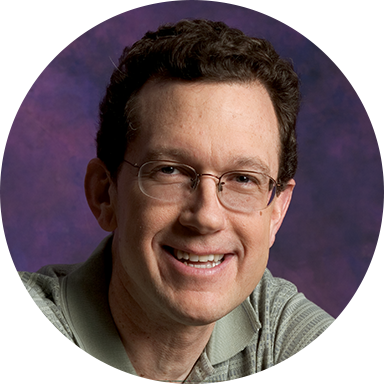
Richard Meyer

Richard Meyer spent 35 years teaching strings across elementary, middle, and high school levels in Southern California public schools. At Oak Avenue Intermediate School in Temple City, he directed the orchestras for 22 years, expanding the program from 29 students to 200 while overseeing the city's elementary string initiative. He also led the Pasadena Youth Symphony Orchestra for 16 years, taking the ensemble to performances in New York, Washington D.C., Vienna, Australia, and Canada.

Beyond the classroom, Meyer has established himself as a composer and clinician with national reach. He has over 190 compositions and arrangements published, served 16 years as string editor for Alfred Publishing Company, and co-authored multiple string method books including the String Explorer Series. In 2009, he created the "Giving Bach" program at his school, which has gained national recognition for using interactive concerts to bring music education to students with special needs and in underserved communities throughout Southern California. He has been a featured clinician at the A.S.T.A. National Conference, the Texas Orchestra Directors' Association Conference, and string workshops at Ohio State University and Birch Bay, Washington, in addition to guest-conducting All-State and Honor Orchestras in several states.

Why we love this

Meyer writes with a clear understanding of what beginning string students can do musically, and this piece proves it. Working within the D major scale, he builds something that sounds far more sophisticated than its technical demands, giving your orchestra an immediately rewarding experience while staying within their reach. The canonic chase between sections at the climax gives everyone a part that matters.

What to expect

Medieval in mood but modern in energy, Dragonhunter captures the intensity of pursuit and conflict through its modal harmonies and propulsive rhythms. The minor key and restricted scale create an atmosphere that feels both focused and ominous, while the canonic chasing section builds genuine tension as the upper strings pursue the lower voices in a musical game of hunter and hunted.

Who it's for

Conductors leading Grade 1 string orchestras ready to tackle a piece with musical maturity and dramatic storytelling. Students at this level get to experience compositional technique (counterpoint and canon) in an immediately engaging context, and you get a performance piece that holds an audience's attention from start to finish.

How to get the most out of it

  • Balance the aggressive main theme between the violin and viola line and the counterpoint in cellos and basses. Both parts drive the piece forward, so neither should disappear.
  • Lock the rhythmic energy throughout. The driving rhythms are what give this piece its medieval, dramatic character; loose ensemble playing will flatten the effect.
  • Prepare the canon section with deliberate clarity. Mark exactly when each section enters so the "hunting" effect lands as written rather than muddy.

How to use it

Program this as the centerpiece of a concert exploring medieval and folk-inspired music, or use it to open a concert where you want to establish strong ensemble energy immediately. It also works as a teaching performance in a spring concert, where you can highlight what your students have learned about texture, counterpoint, and rhythmic precision during the year.

Skills your students will build

  • Playing in canon and recognizing staggered entries
  • Balancing two independent melodic lines (counterpoint)
  • Maintaining steady rhythm and pulse in driving, repetitive patterns
  • Creating musical drama through dynamic control and ensemble coordination
  • Reading and executing modal harmonies in a minor context

You May Also Like