
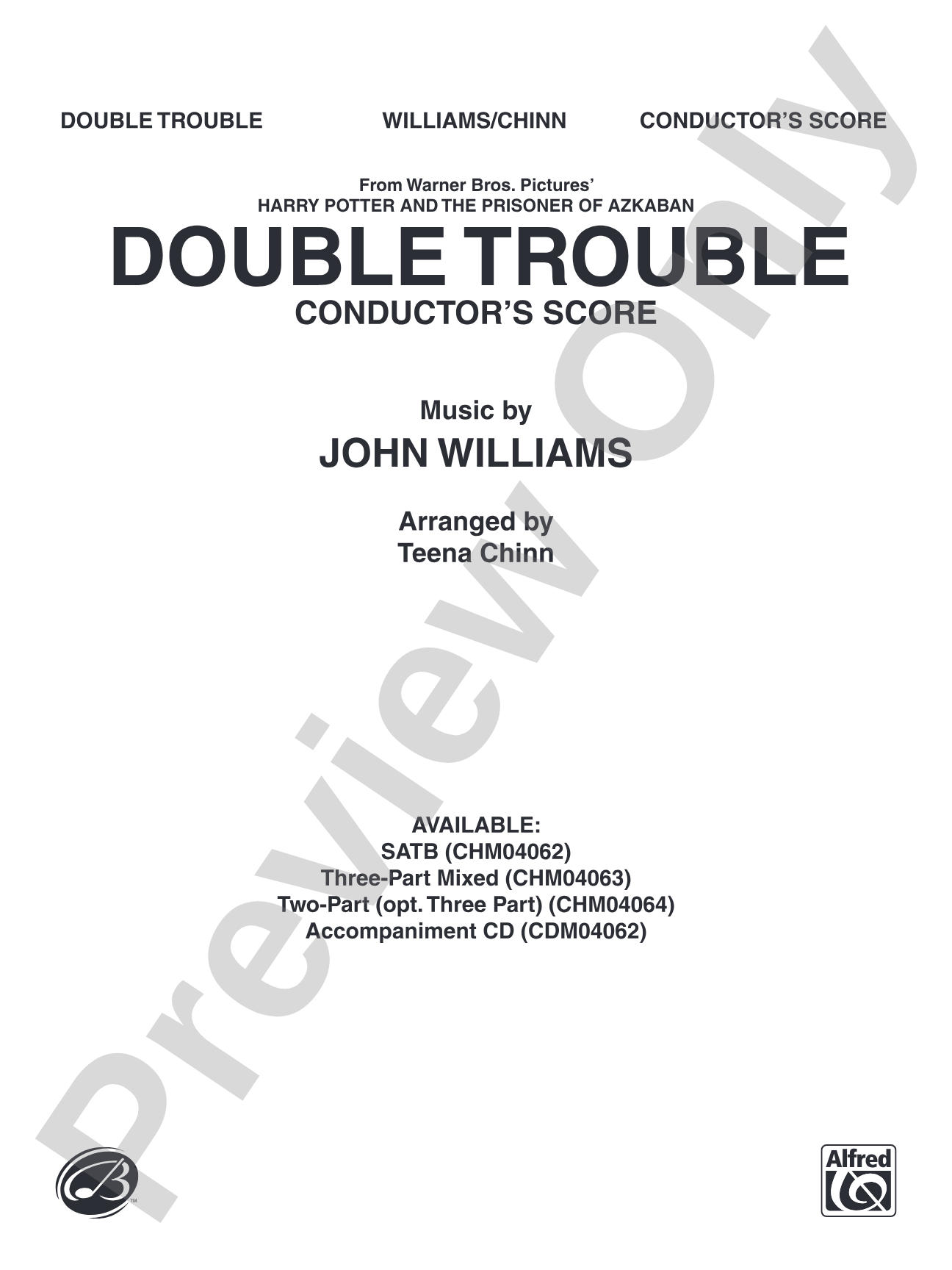

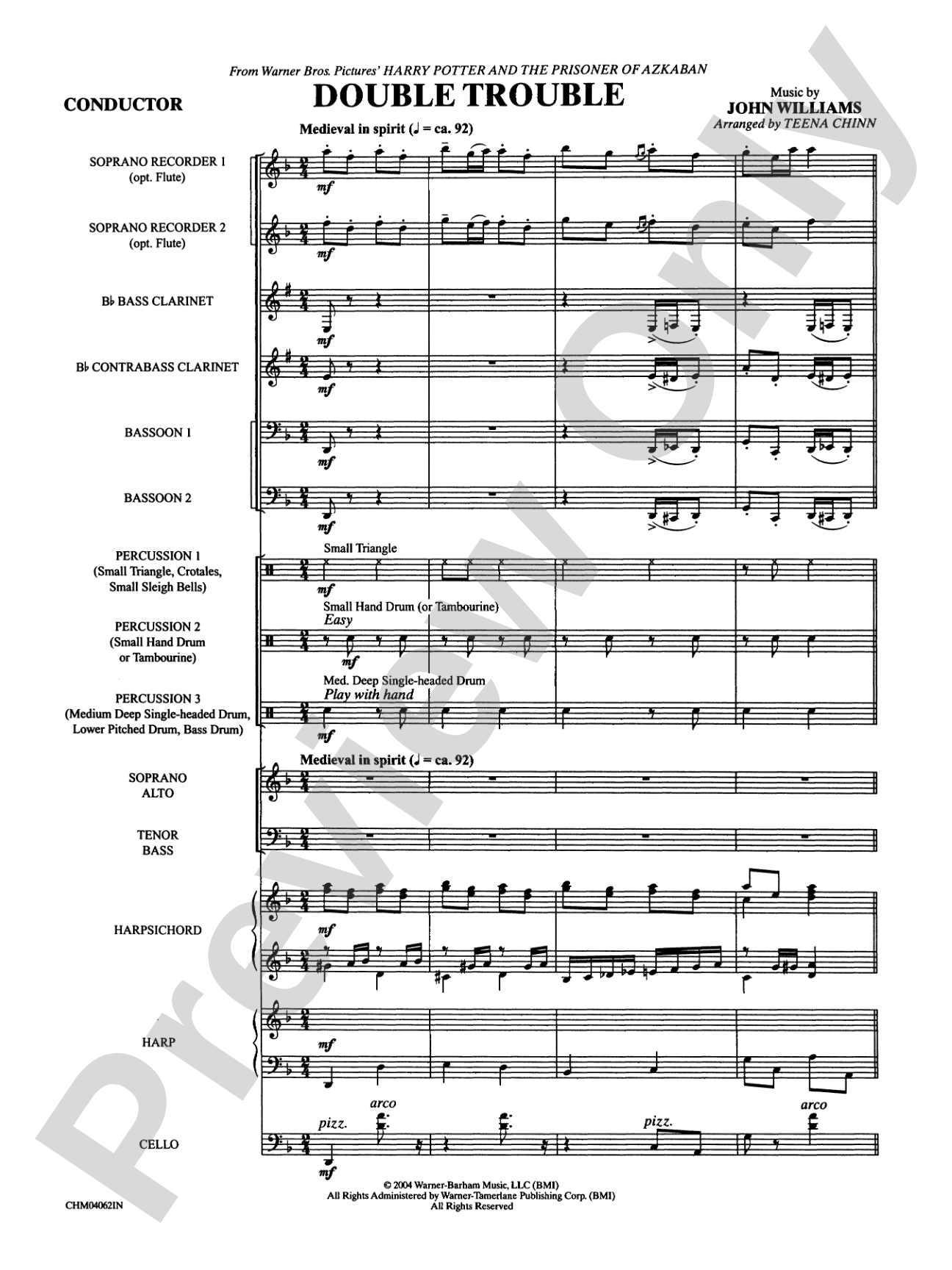
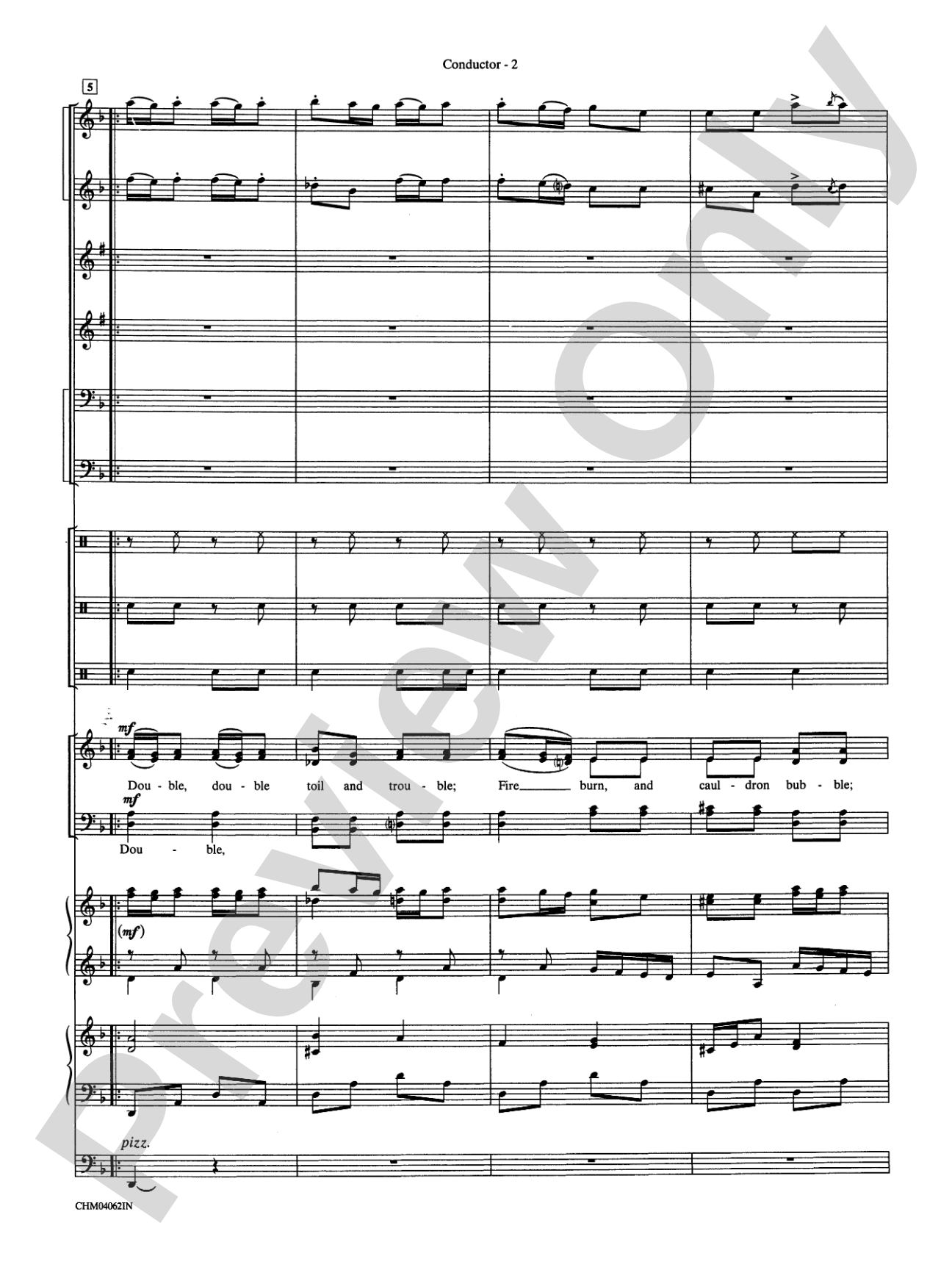
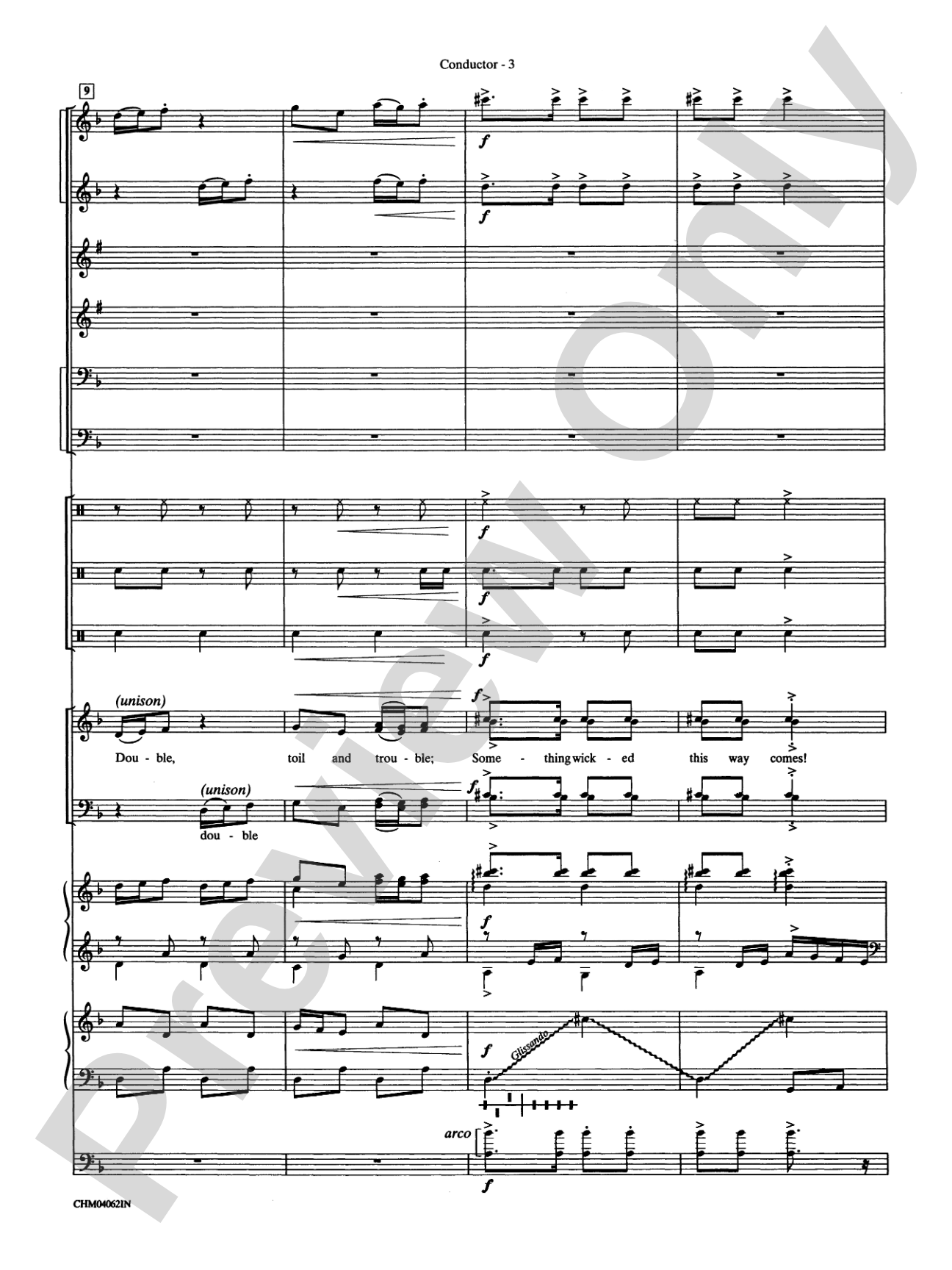
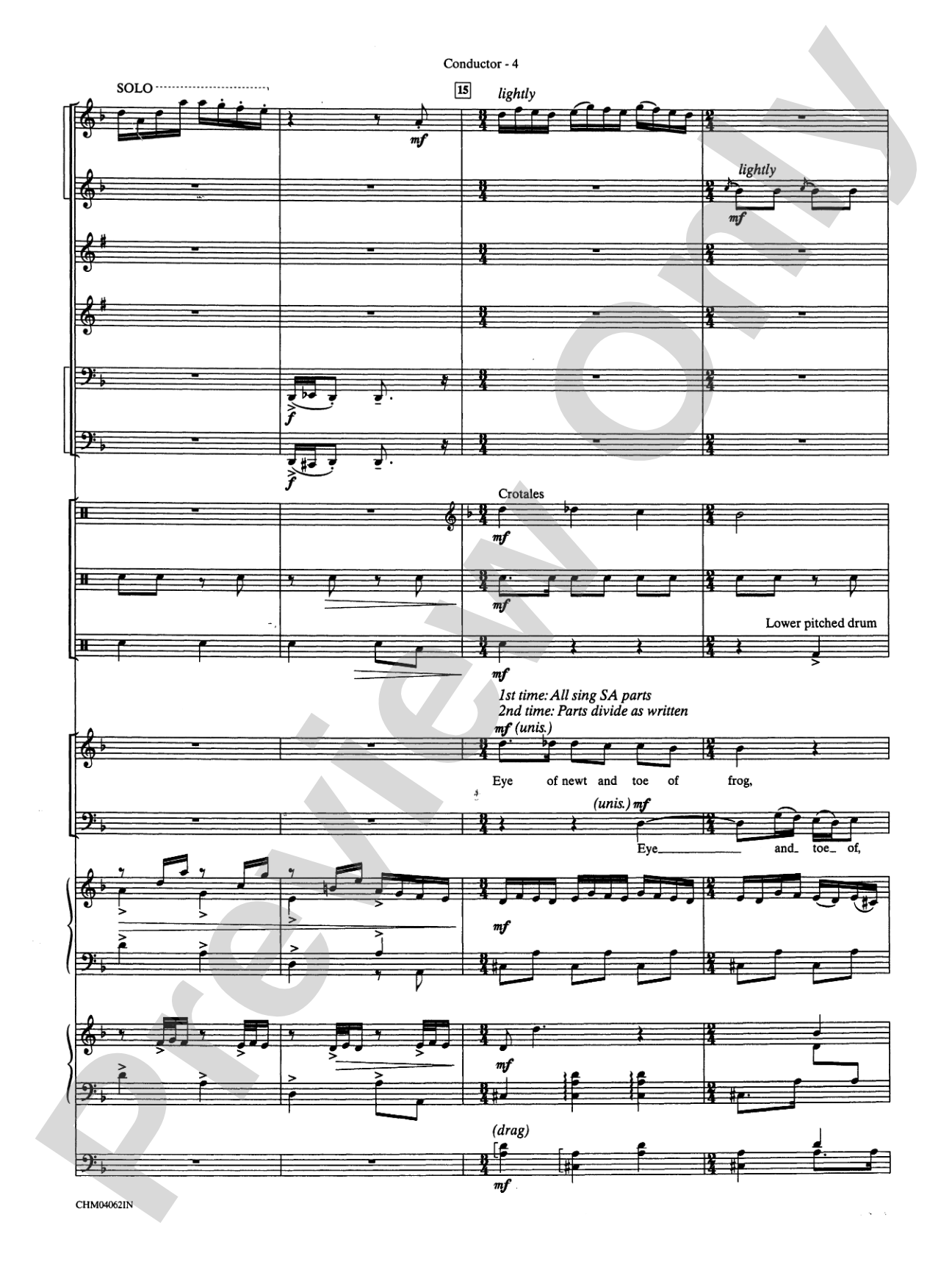
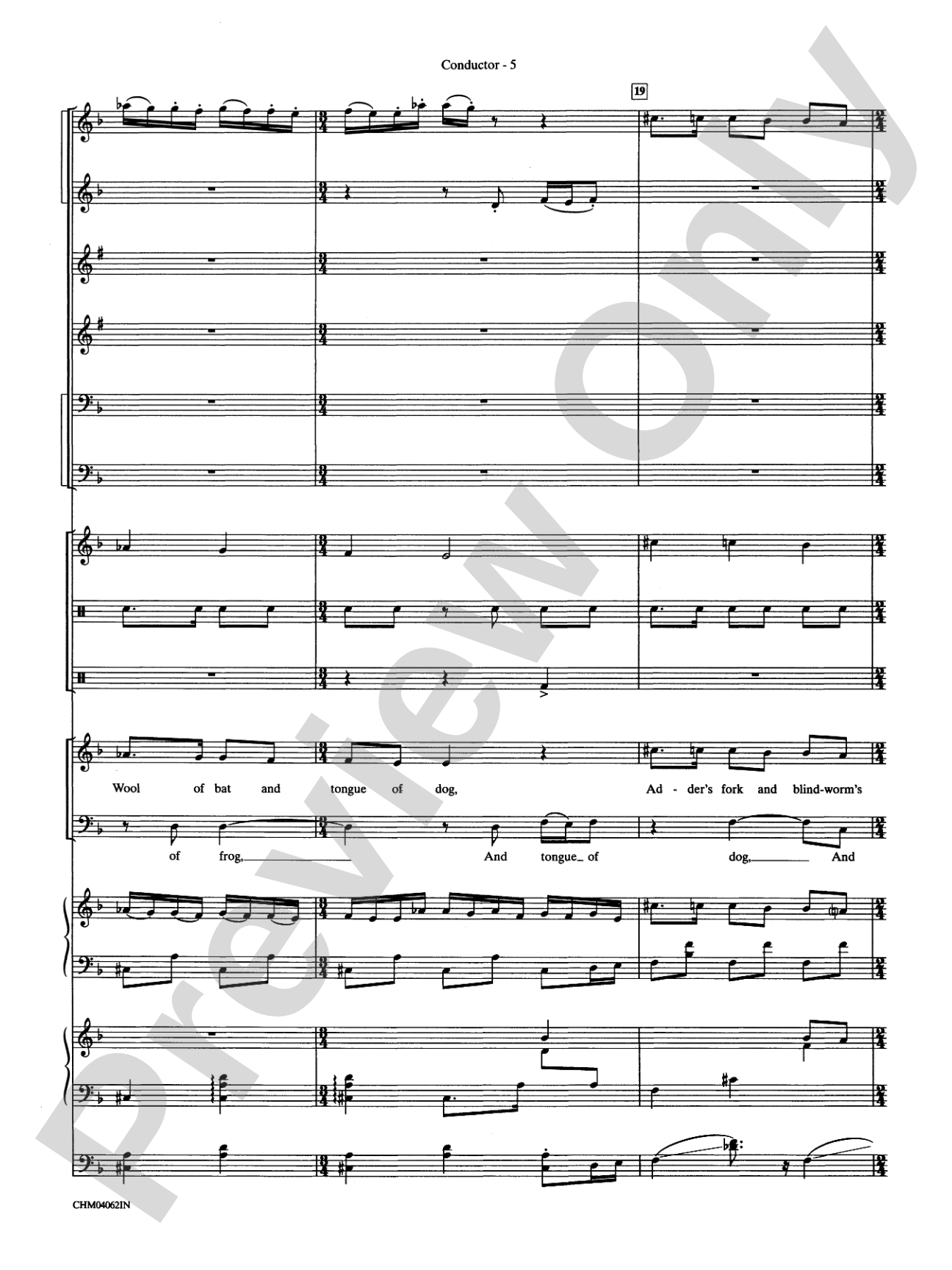
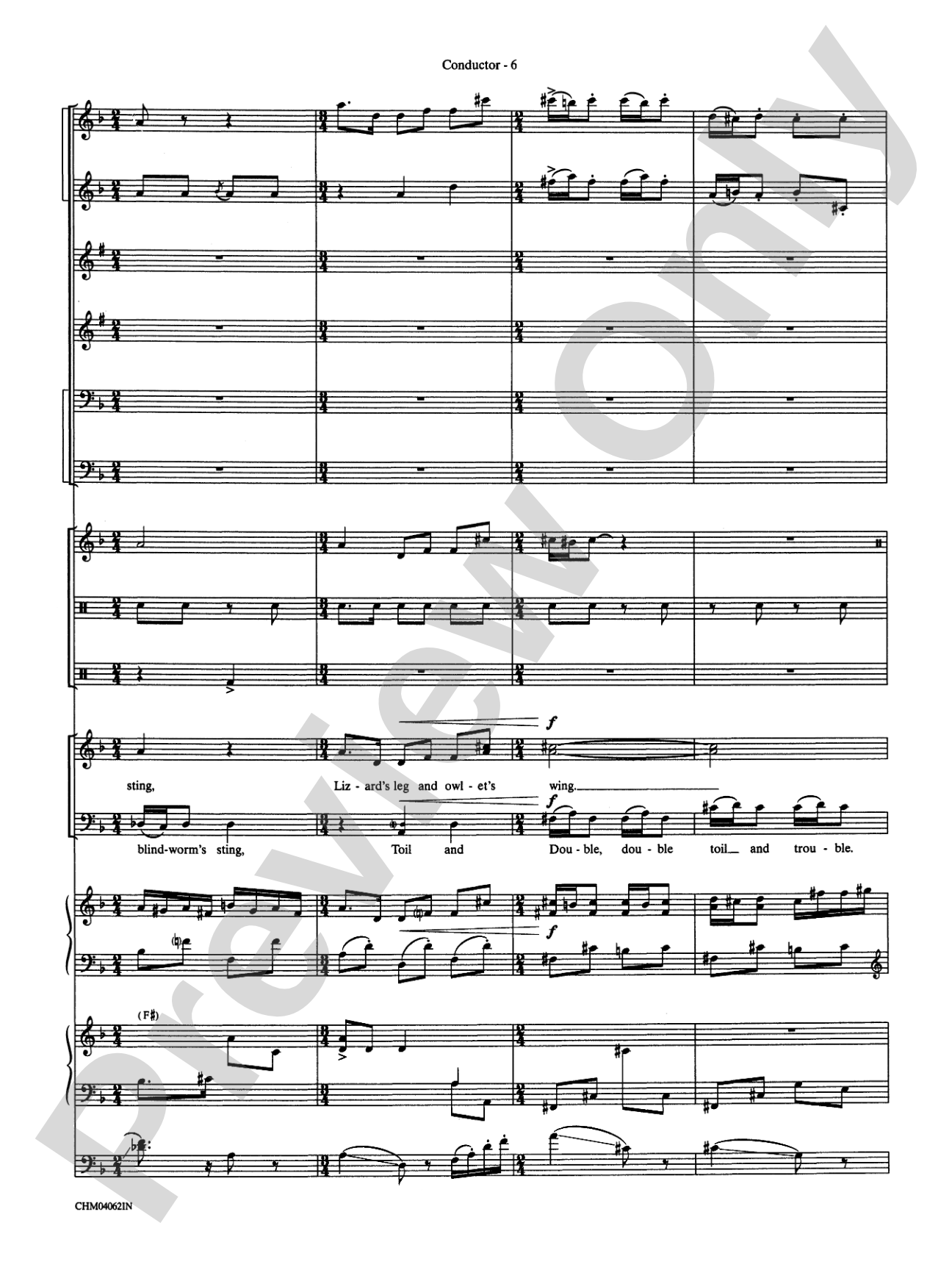
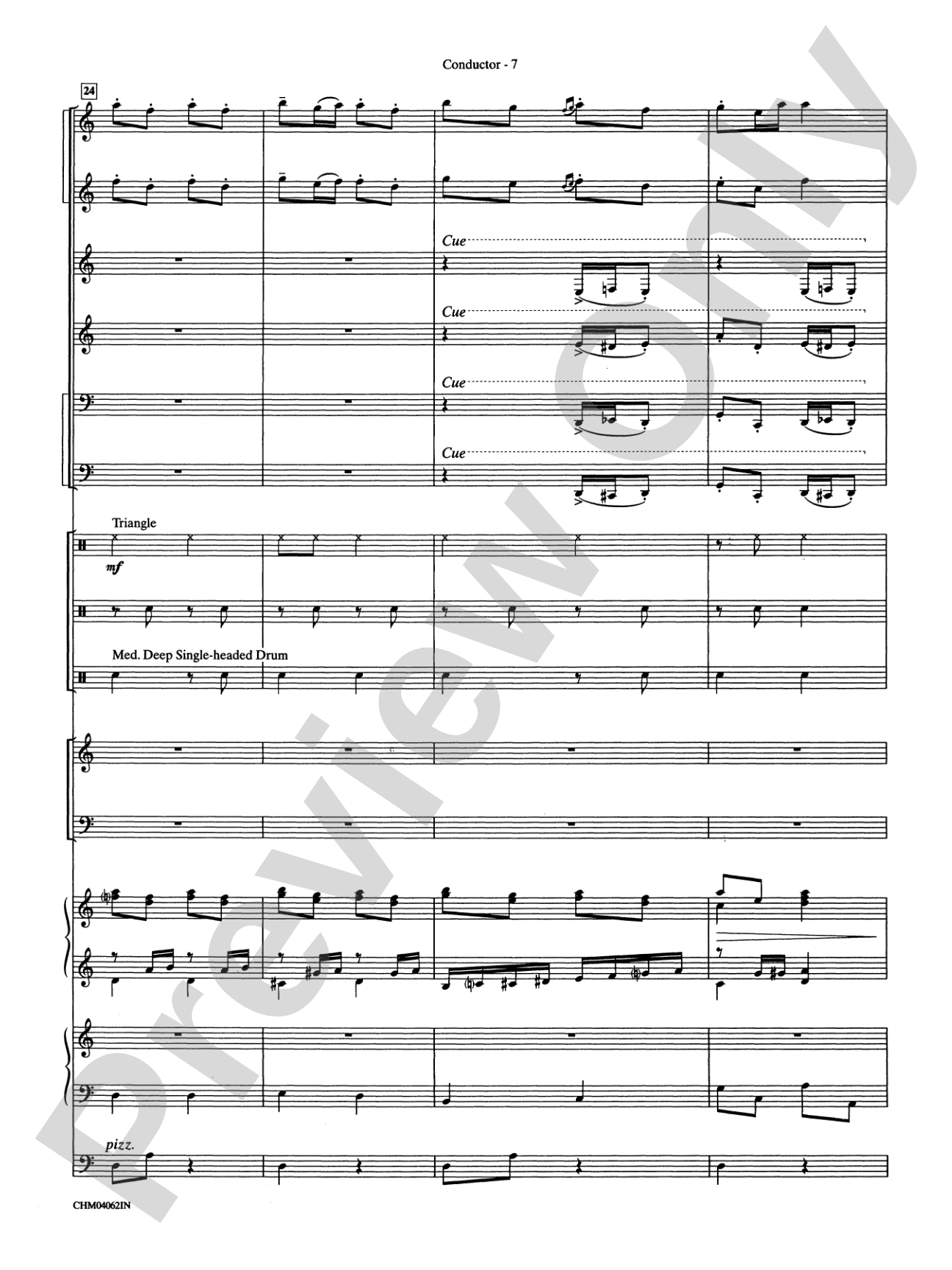
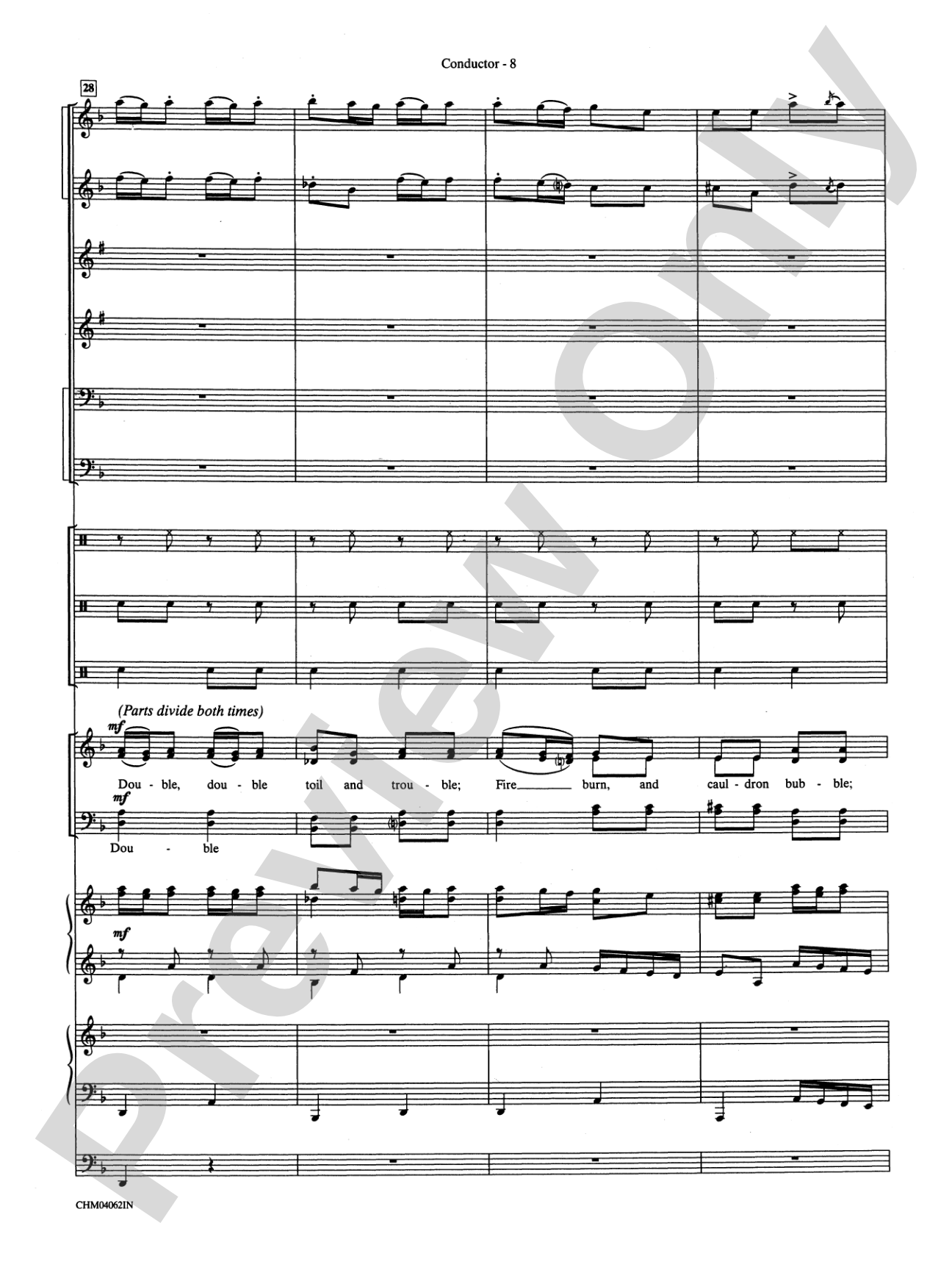
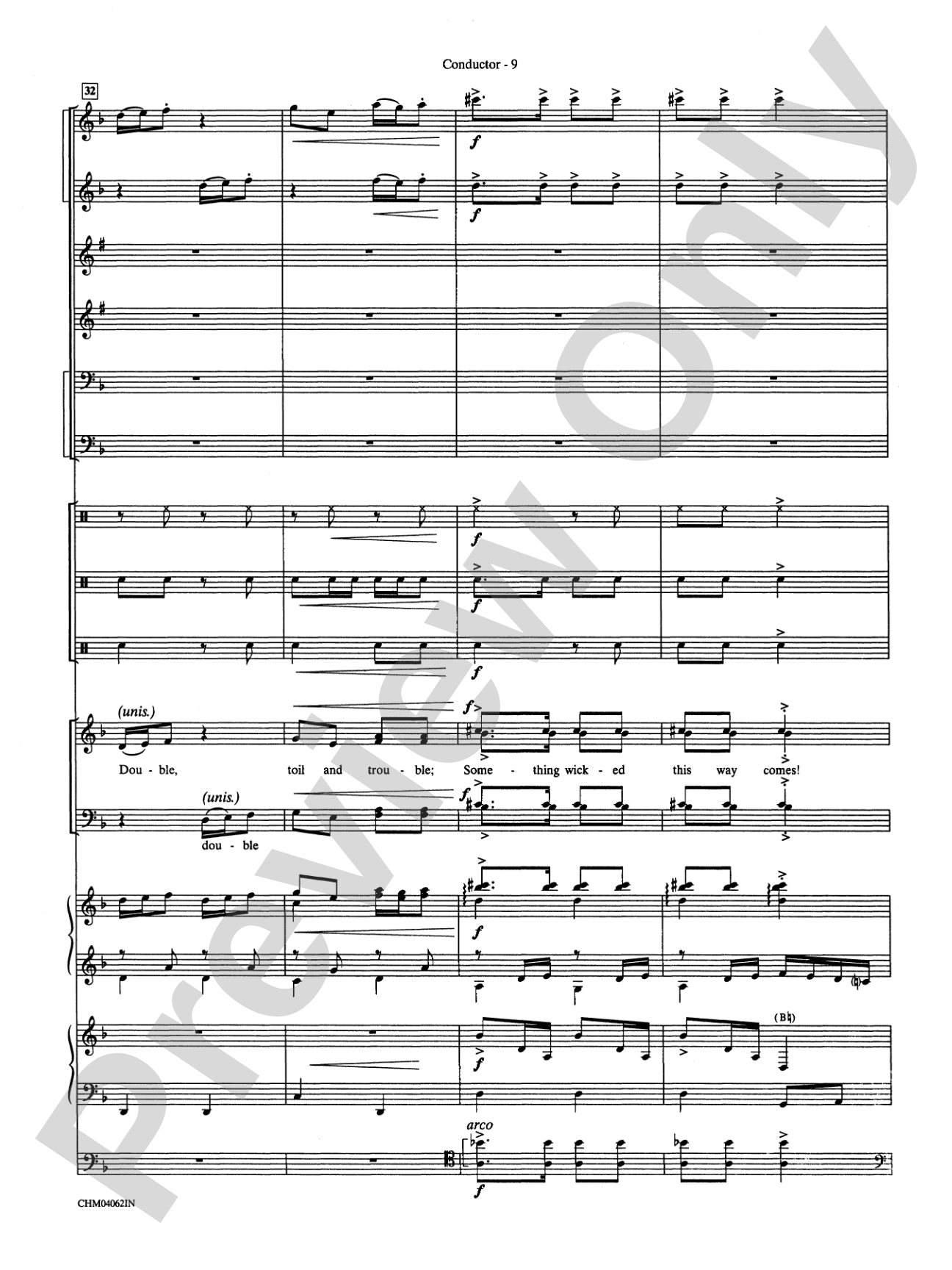
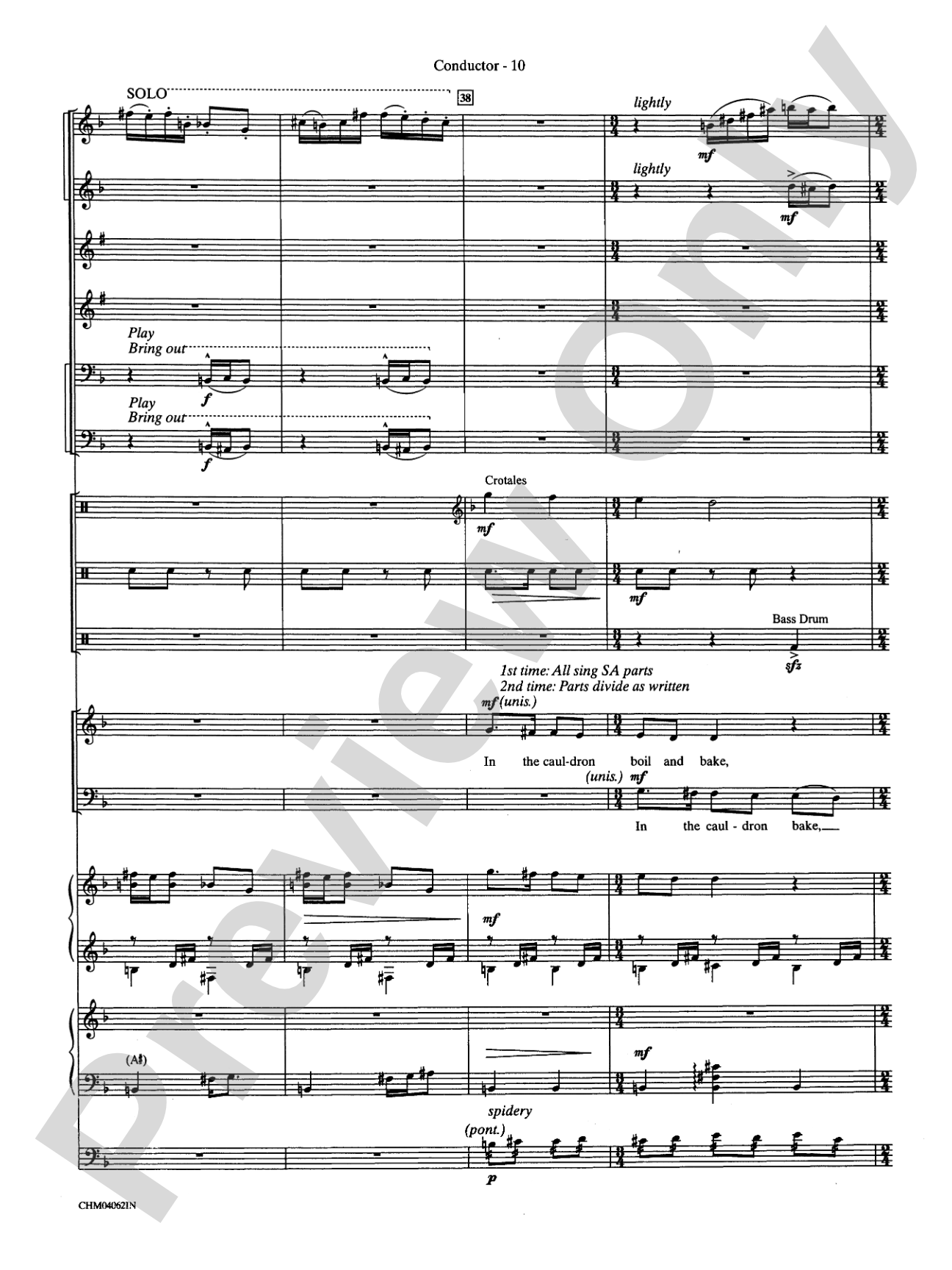
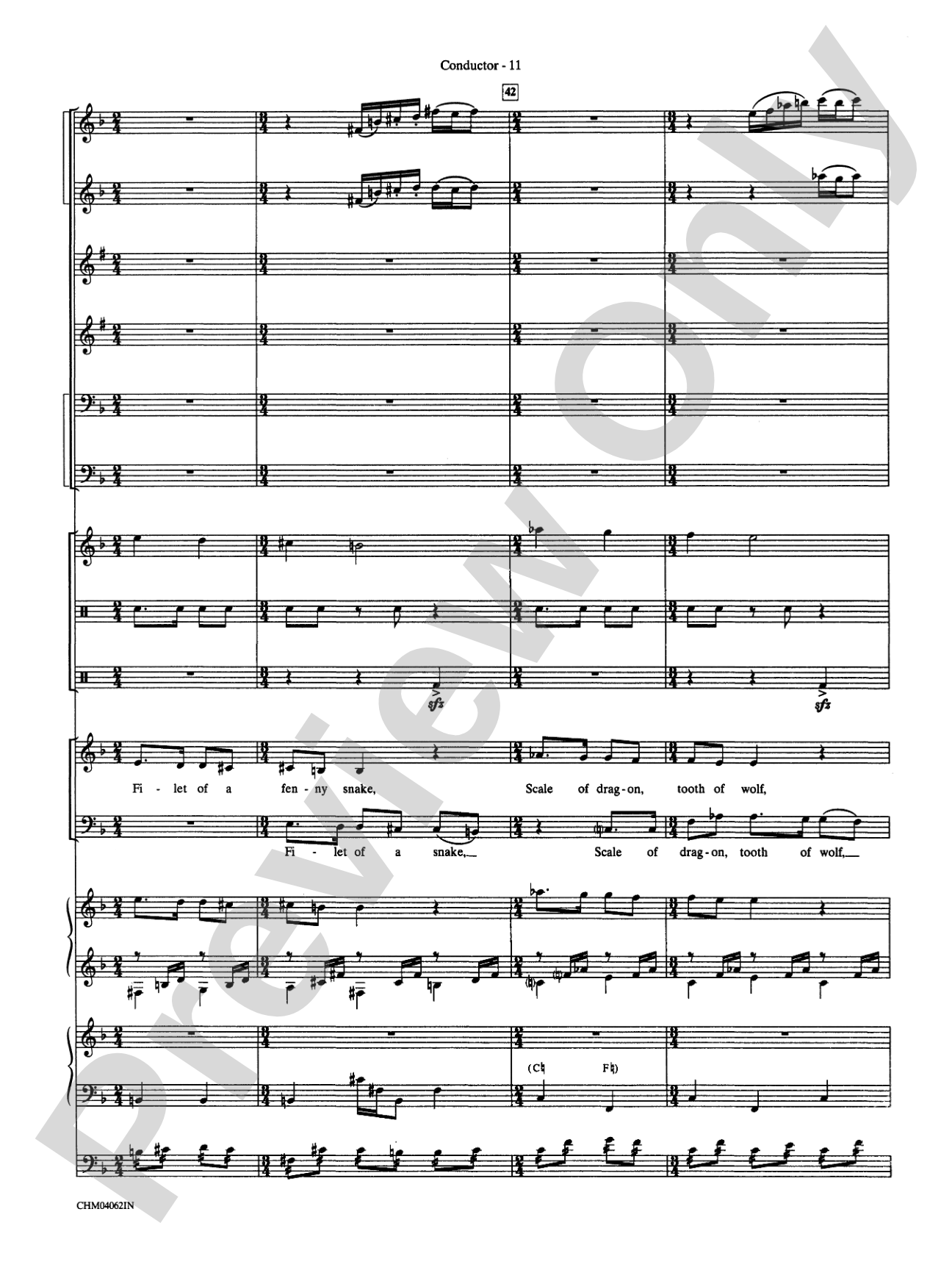
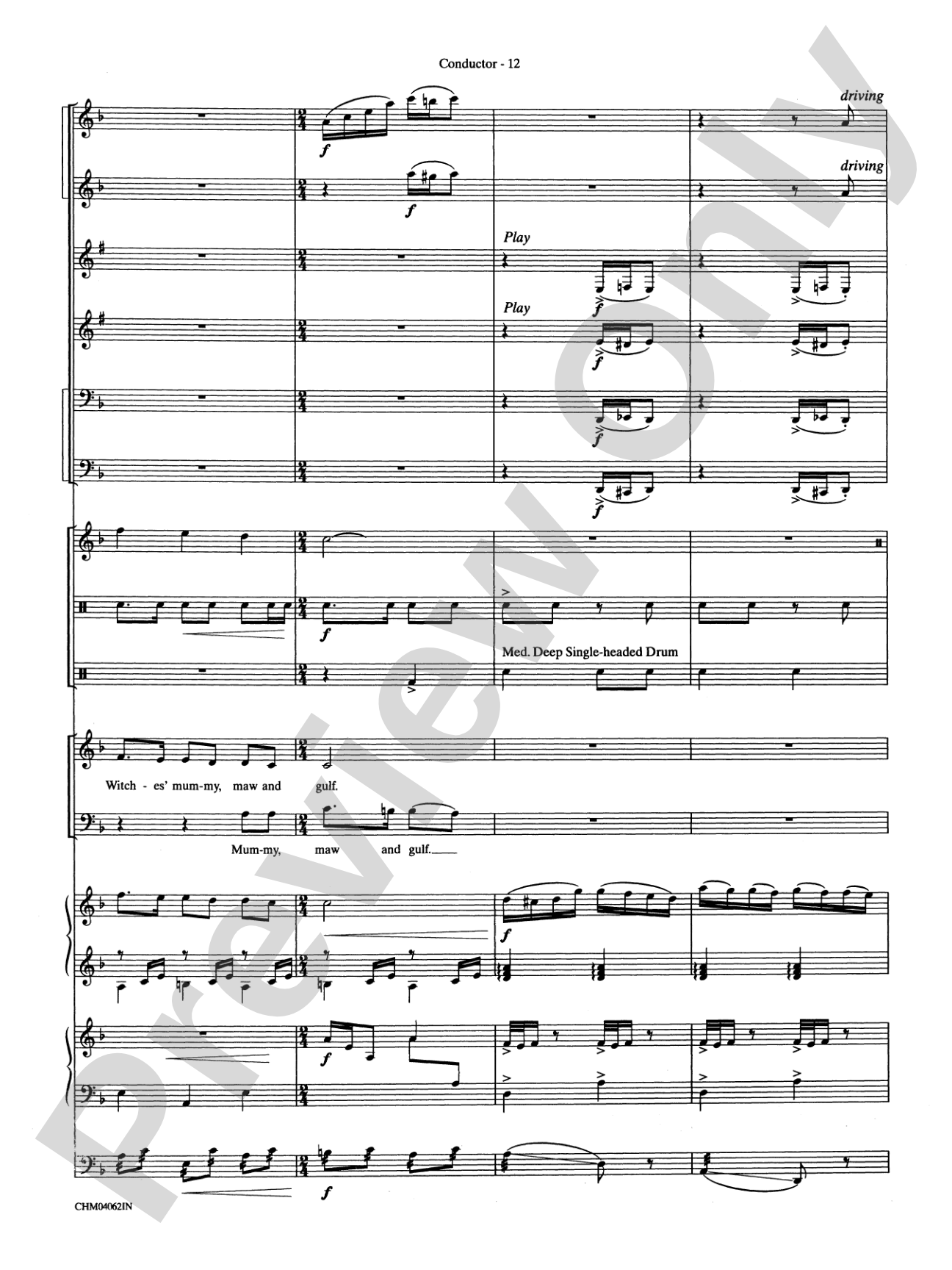
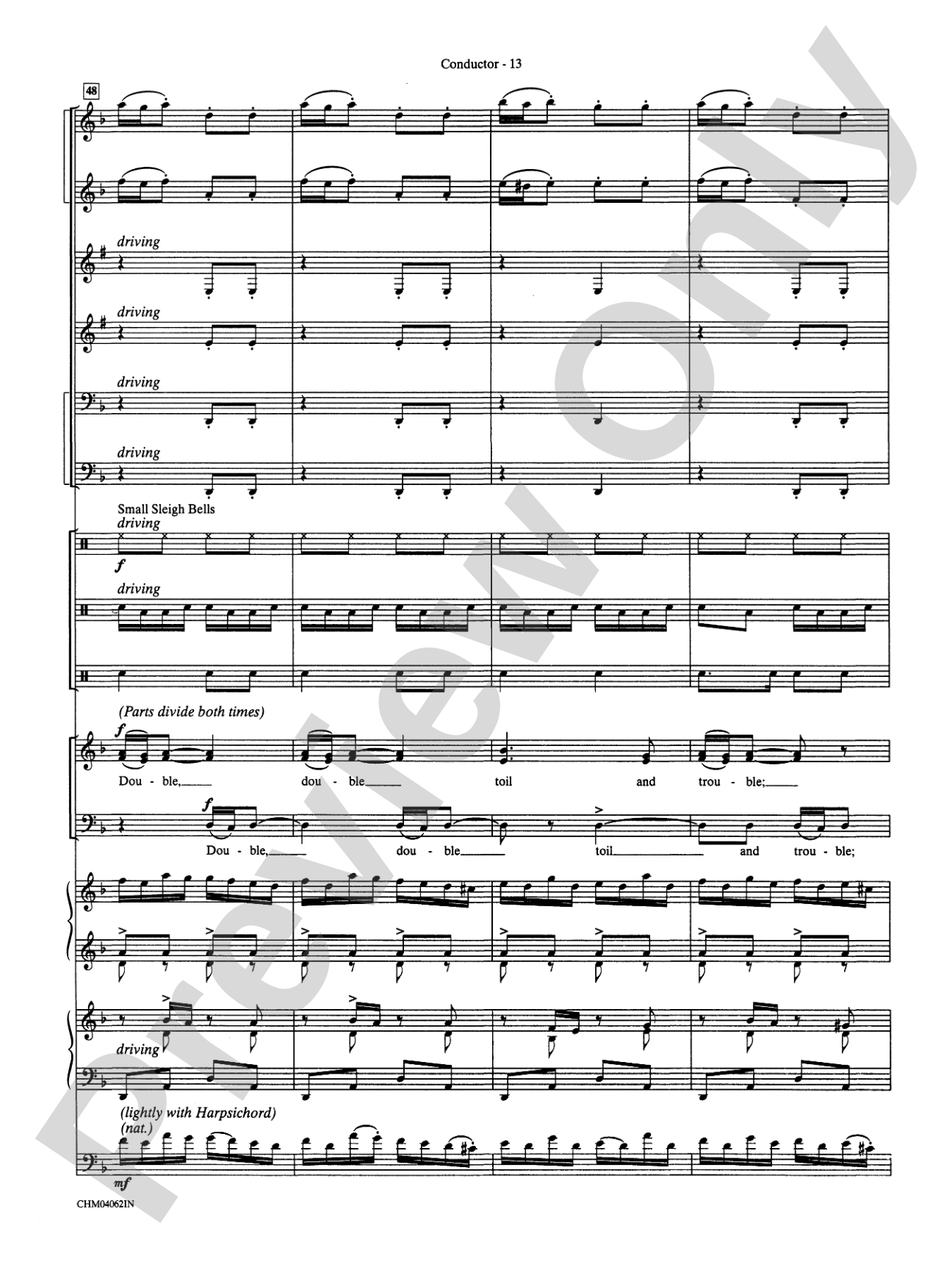
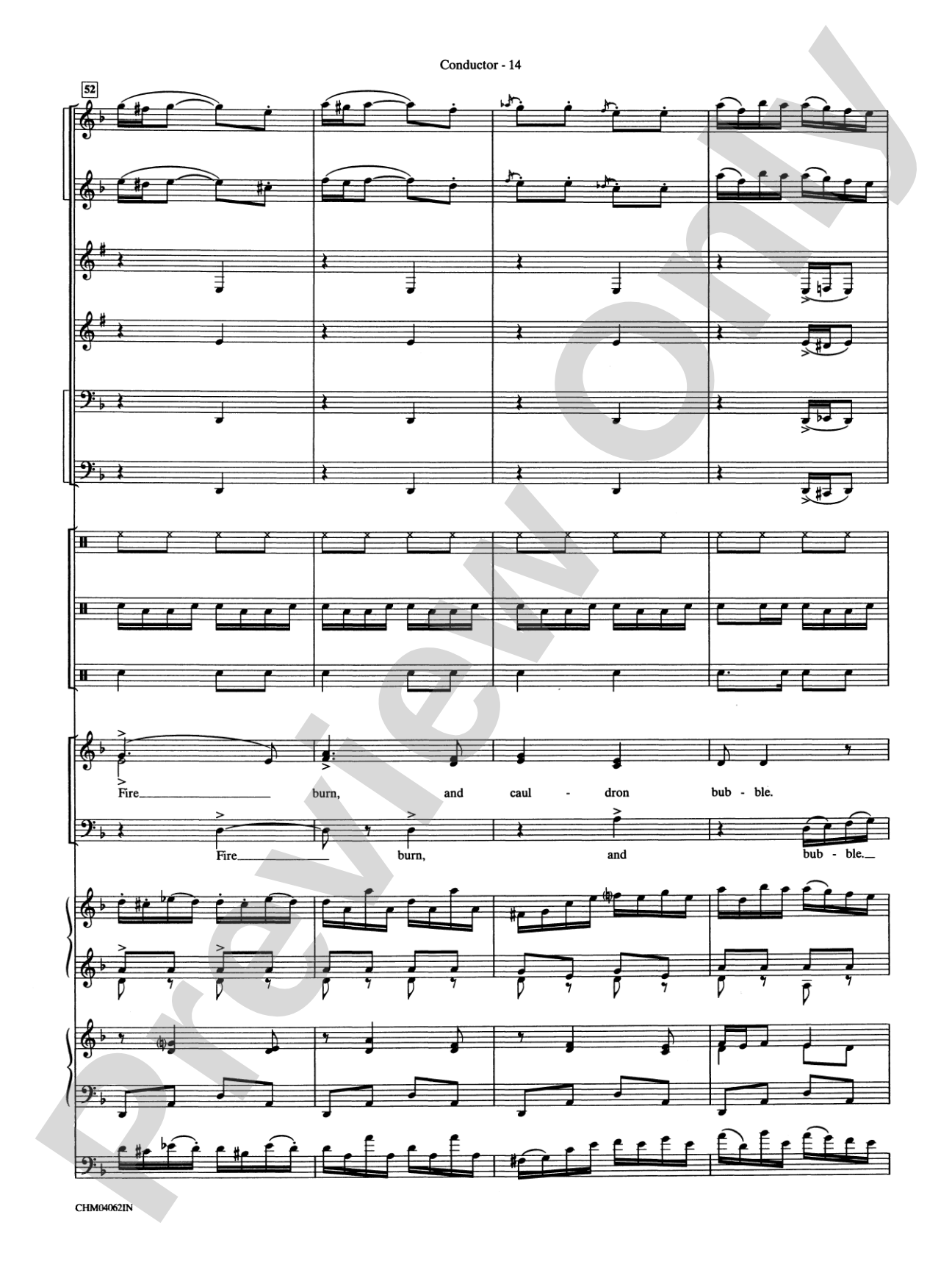
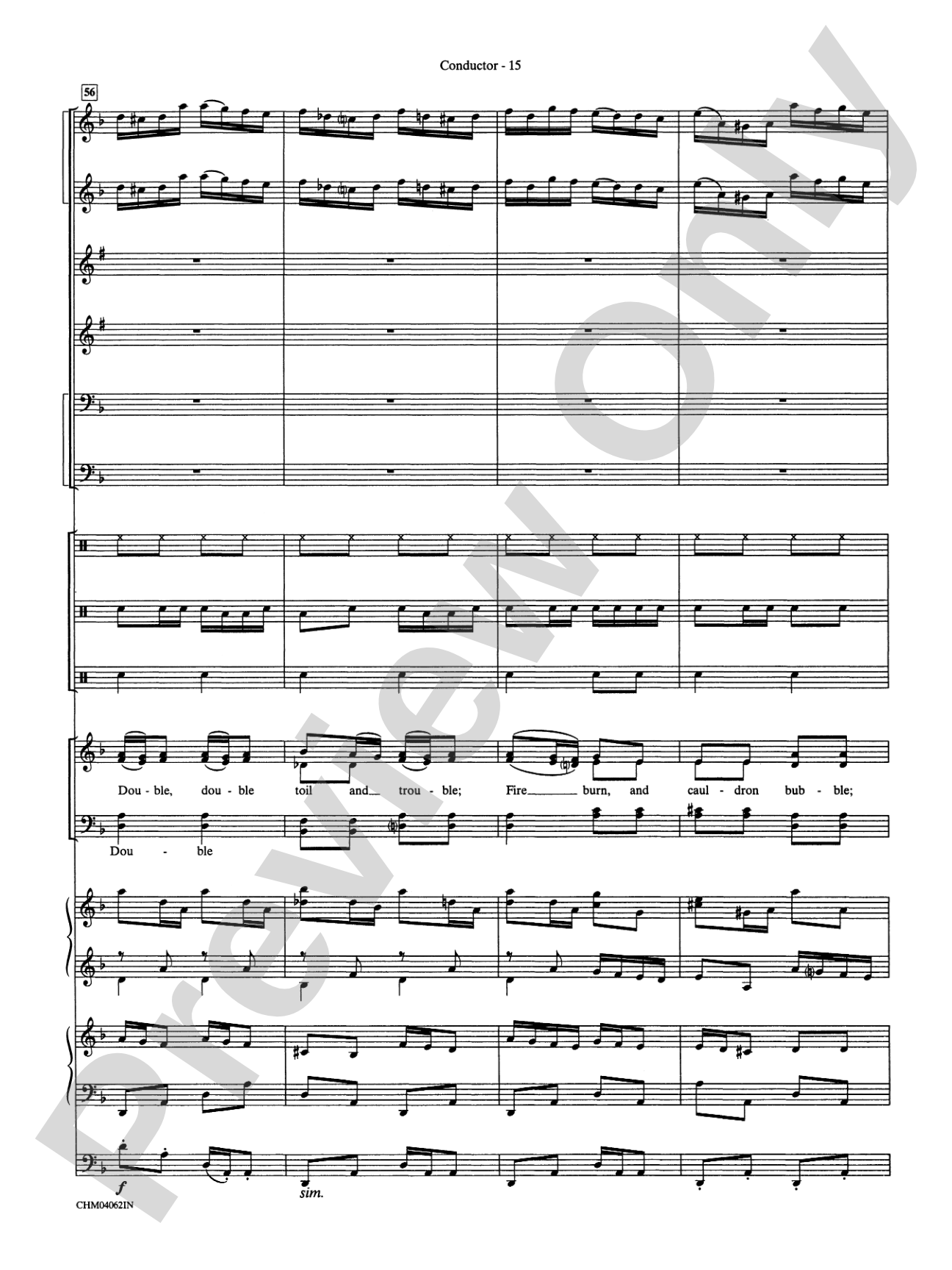
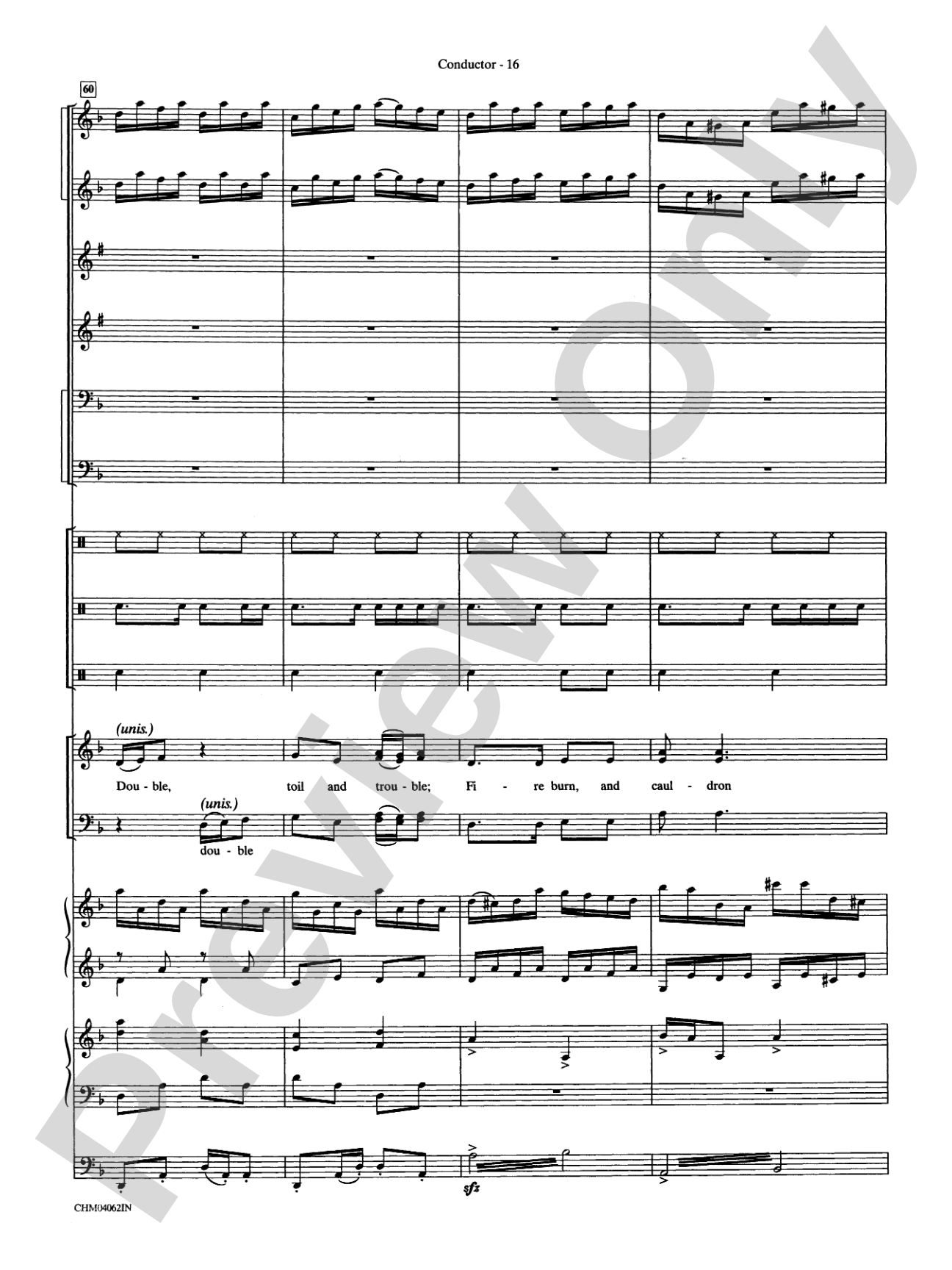
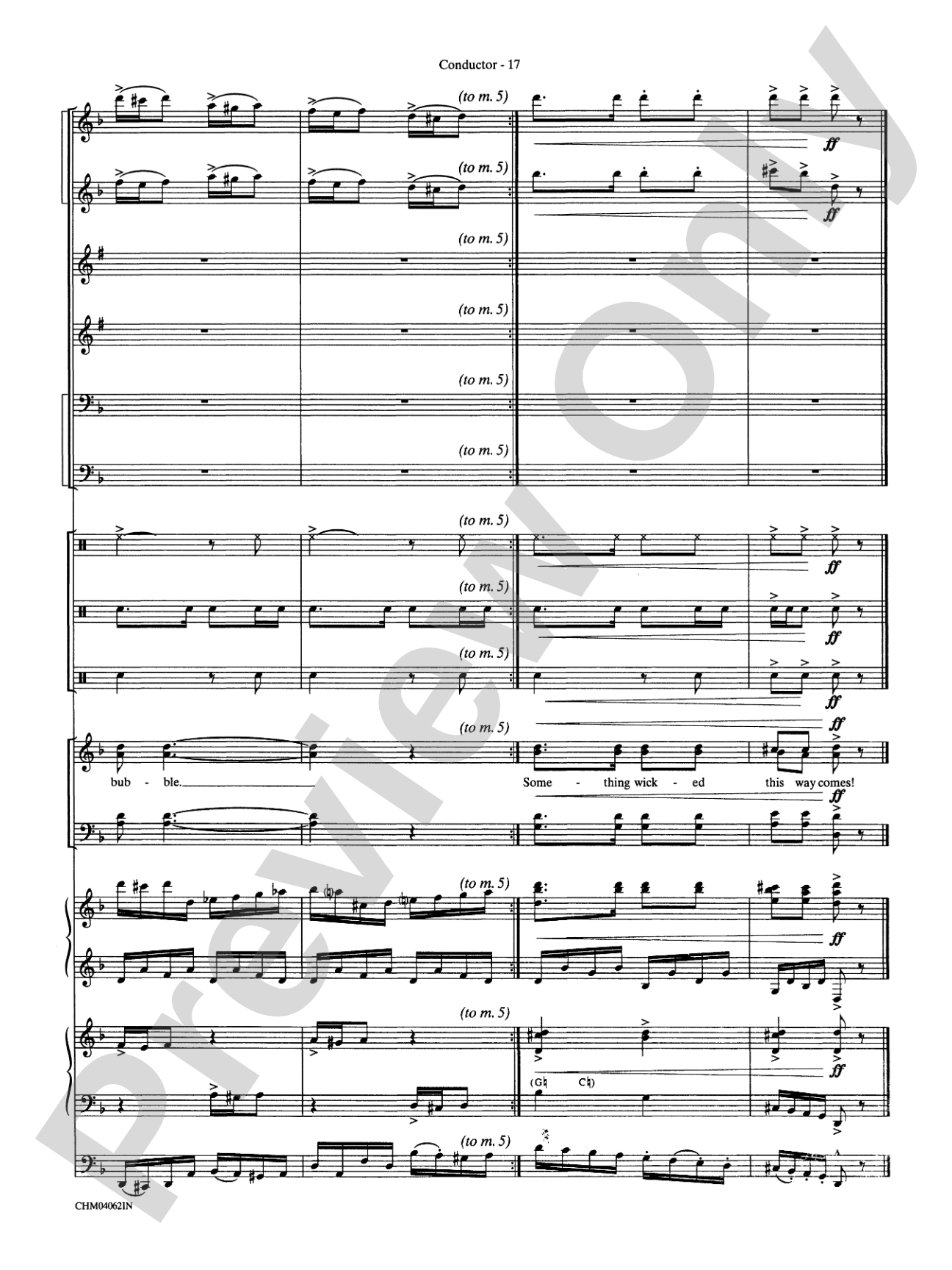

Double Trouble (from Harry Potter and the Prisoner of Azkaban): Choral Instrumental Parts
From Harry Potter and the Prisoner of Azkaban
By John Williams / arr. Teena Chinn
Item: 00-PK-0004952

$50.00
Pickup currently not available
Buy Extra Parts (Digital PDF Download)
Parts Added to Cart!
Related Items
Double Trouble (from Harry Potter and the Prisoner of Azkaban): SATB Choral Octavo |
$2.10
|
View | |
Double Trouble (from Harry Potter and the Prisoner of Azkaban): 3-Part Mixed Choral Octavo |
$2.10
|
View | |
Double Trouble (from Harry Potter and the Prisoner of Azkaban): 2-Part (Opt. 3-Part) Choral Octavo |
$2.10
|
View | |
Double Trouble: SATB Choral Octavo |
$2.10
|
View | |
Double Trouble: 3-Part Mixed Choral Octavo |
$2.10
|
View | |
Double Trouble: 2-Part (Opt. 3-Part) Choral Octavo |
$2.10
|
View | |
Double Trouble: Choral Instrumental Parts |
$50.00
|
View | |
Double Trouble: Choral Octavo SoundTrax CD |
$27.99
|
View |
Description
From the award-winning Harry Potter and the Prisoner of Azkaban comes this delightful John Williams choral work. Utilize the accompaniment track or the optional instrumental parts to capture the sounds of the original soundtrack.


Don't just read it, hear it, play along with it, and watch your students grow with it. In MakeMusic Cloud, Double Trouble (from Harry Potter and the Prisoner of Azkaban): Choral Instrumental Parts comes alive with professional accompaniment, adjustable tempo, and built-in practice tools that turn solo practice into real progress.
Open in the Player
Jump straight in and assign it today.
Start Your Free Trial
Open this title and explore the full library in minutes.
Sample Audio
No sample audio found.
Sample Video
No sample videos found.
Additional Details
Series:
Alfred Pop Choral Series
Publisher:
Alfred Music
Page Count:
34
SKU:
00-PK-0004952
More about this title
About the Composer: John Williams
John Williams has defined the sound of modern film for nearly five decades. His scores for the Harry Potter series, Star Wars, Jaws, and Indiana Jones have shaped how millions of people experience cinema, and his melodies have become part of popular culture in ways few composers achieve. In the classroom and rehearsal hall, his film music offers students immediate engagement with sophisticated orchestration and memorable melodic writing that rewards careful musical attention.
Why we love this
This arrangement captures the playful mischief of the Marauders without sacrificing the harmonic richness Williams brings to the original score. The choral writing sits comfortably for mixed ensembles, and the optional instrumental parts let you add texture and authenticity that brings the film's orchestral palette into your concert hall. Students recognize the source material immediately, which means they arrive already invested in nailing the musical details.
What to expect
The piece bubbles with mischievous energy and playful harmony, conjuring the sneaking and scheming at the heart of the film's plot. Williams' orchestration translates to the voice with unexpected corners and moments of harmonic color that keep the ear engaged across repeated listens. There's an infectious quality here that balances sophistication with accessibility.
Who it's for
This works for intermediate to advanced mixed choirs looking for concert repertoire with immediate appeal and strong musicianship demands. Directors seeking music that engages students through recognizable source material while maintaining solid harmonic and rhythmic challenges will find it rewarding. It also serves ensembles building a film music unit or planning a concert with a Harry Potter theme.
How to get the most out of it
- Balance the choir's rhythmic precision with the recorded accompaniment by rehearsing sections with and without the track; this builds independence and clarity in your ensemble's part-singing.
- Lean into the whimsical character by shaping phrases with subtle dynamic variation rather than uniform block singing; Williams' original orchestration moves constantly, and your choir should too.
- If using the optional instrumental parts, double-check ensemble balance during rehearsal by running sections with only the choir, only the instruments, and then together to ensure no voice part disappears.
How to use it
Program this as a concert centerpiece that appeals to families and younger audience members while maintaining artistic credibility. It pairs well alongside other contemporary film scores or as part of a pops concert celebrating Williams' catalog. The 34-page score and optional instrumental parts make it substantial enough to anchor a full choral concert or to serve as a standout feature in a mixed-repertoire program.
Skills your students will build
- Reading and performing syncopated rhythmic patterns in choral context
- Balancing choir with recorded and live instrumental accompaniment
- Shaping phrasing across dialogue-driven, conversational harmonic movement
- Blend and balance in mixed harmonic textures typical of film scoring
- Sight-reading complex orchestral textures scored for voices