
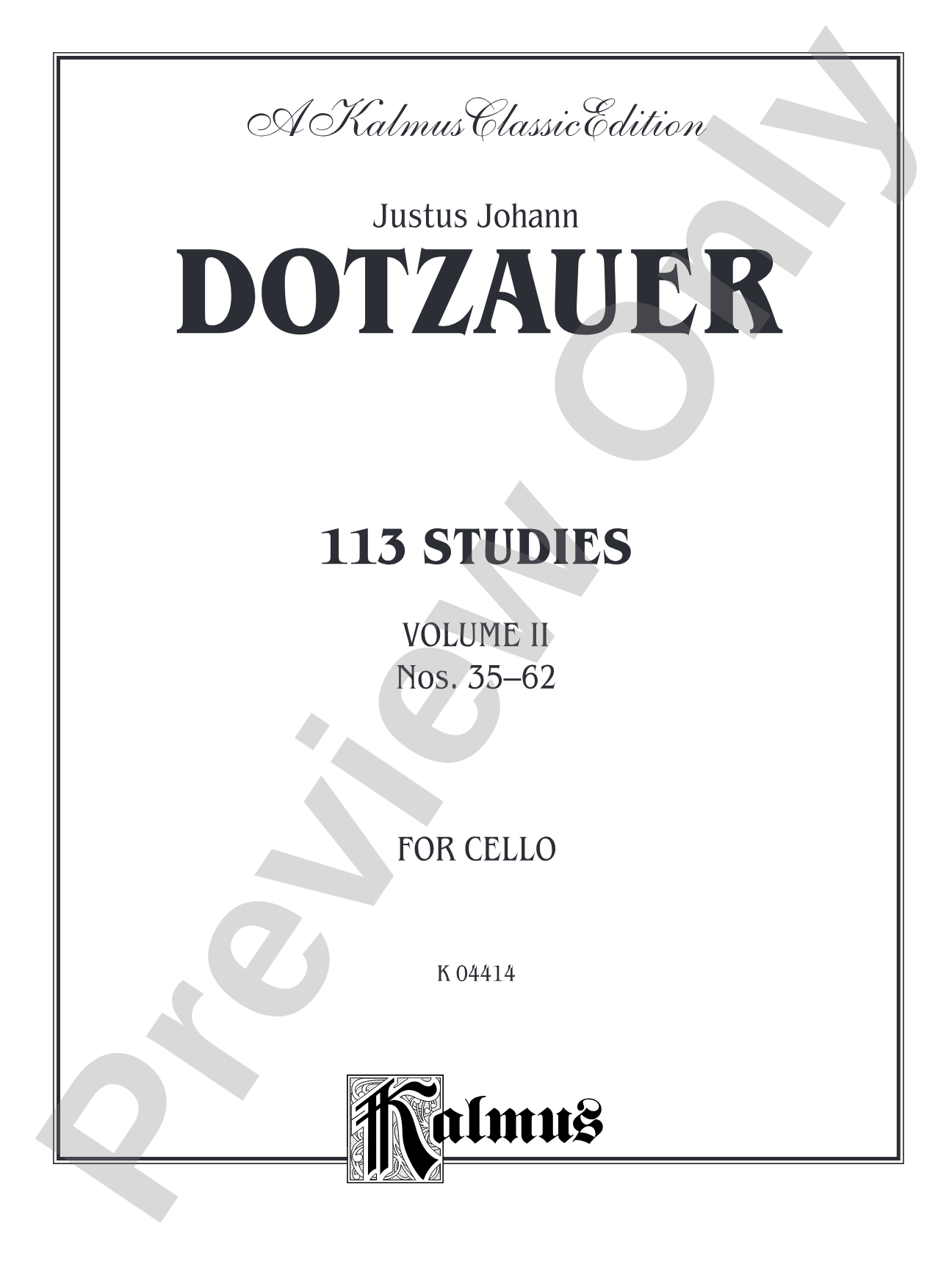

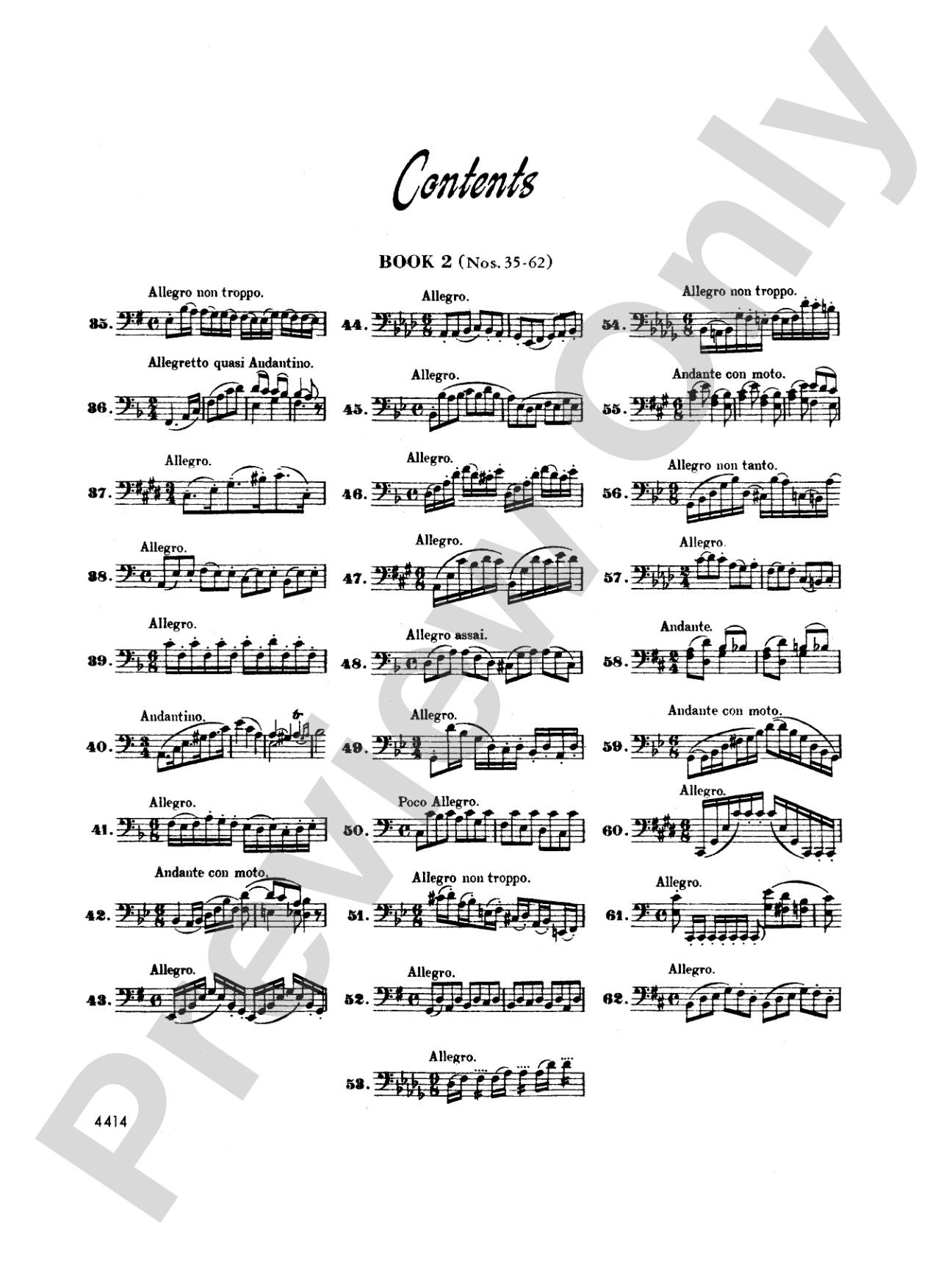
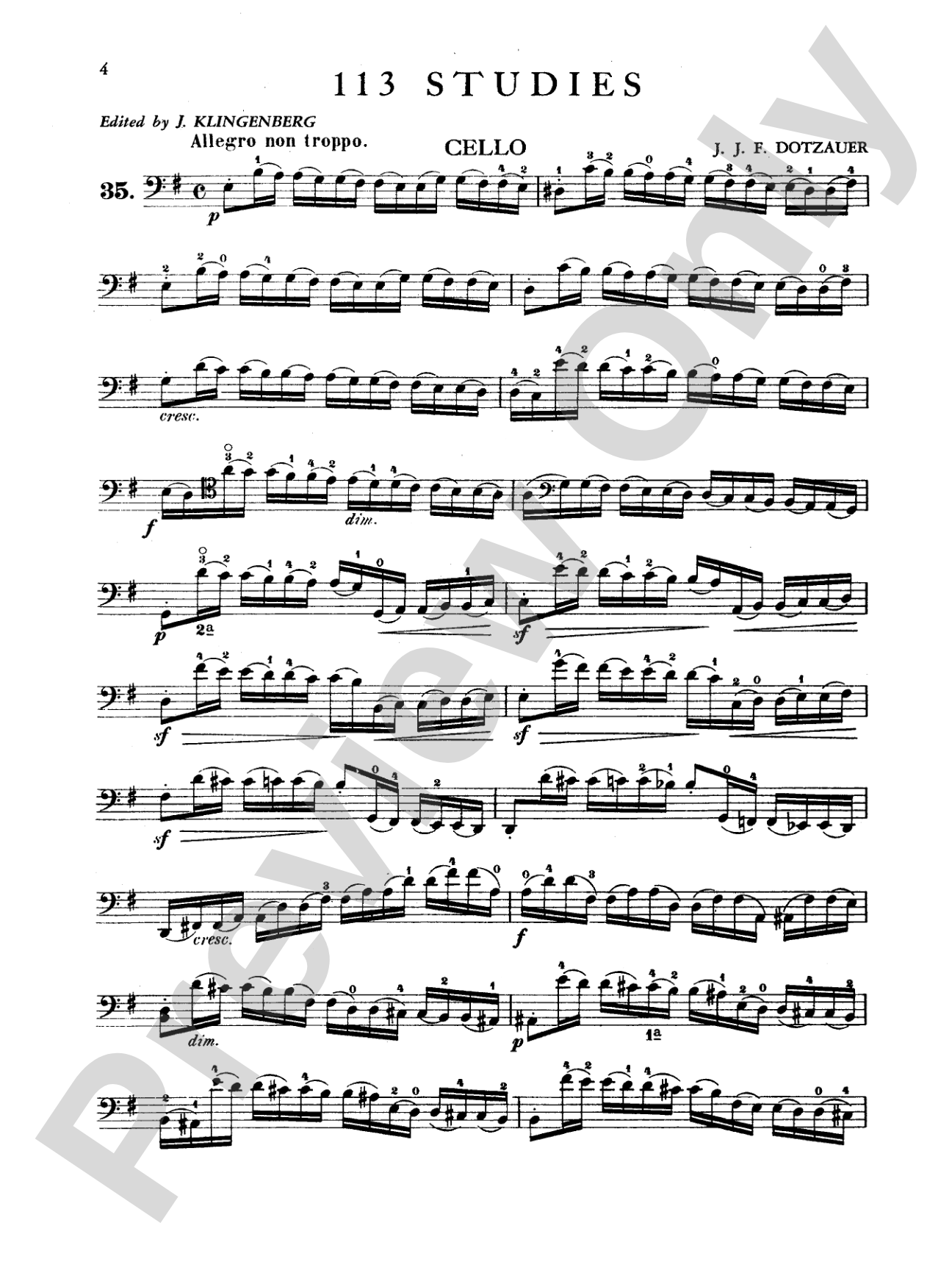
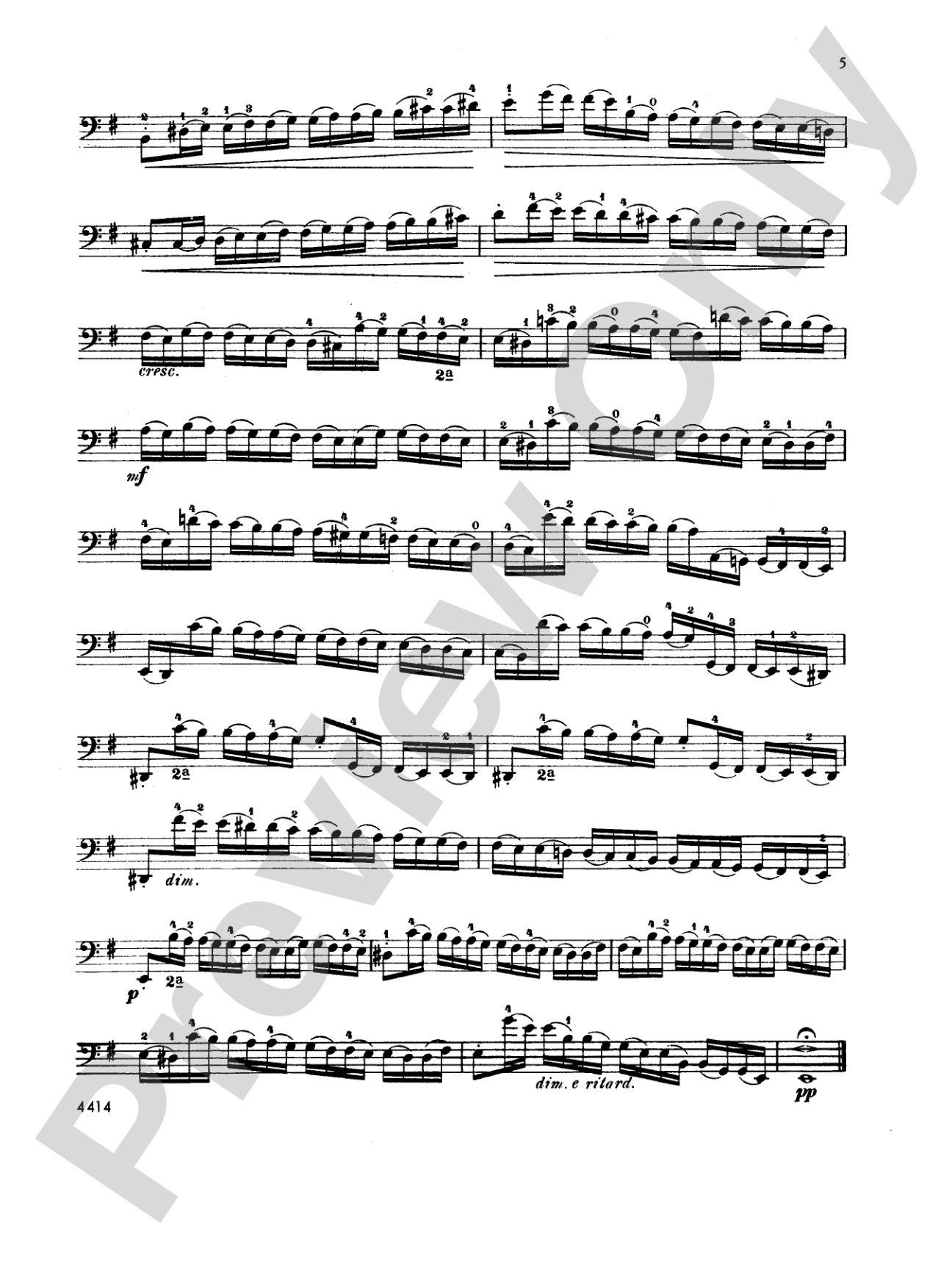
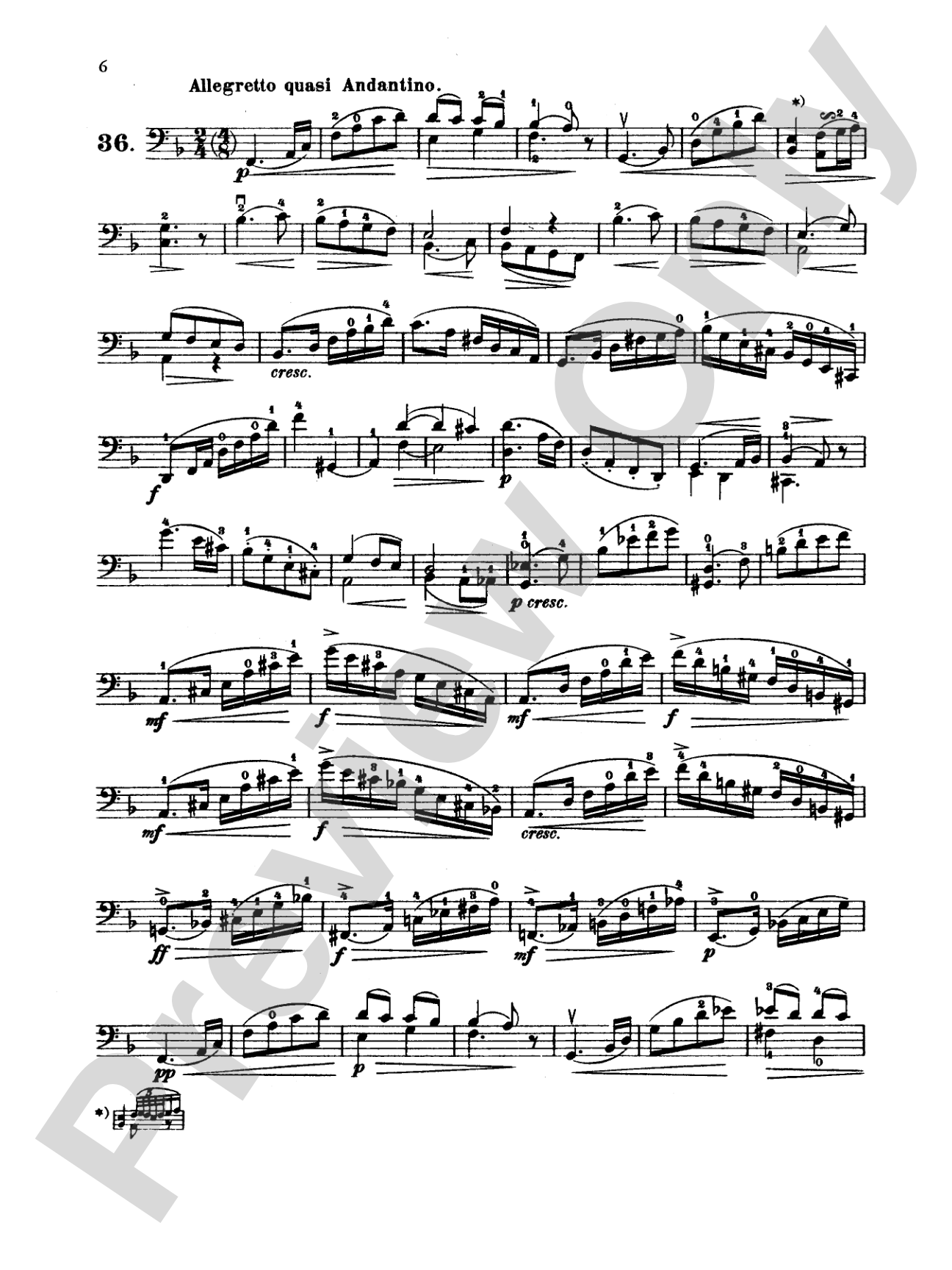
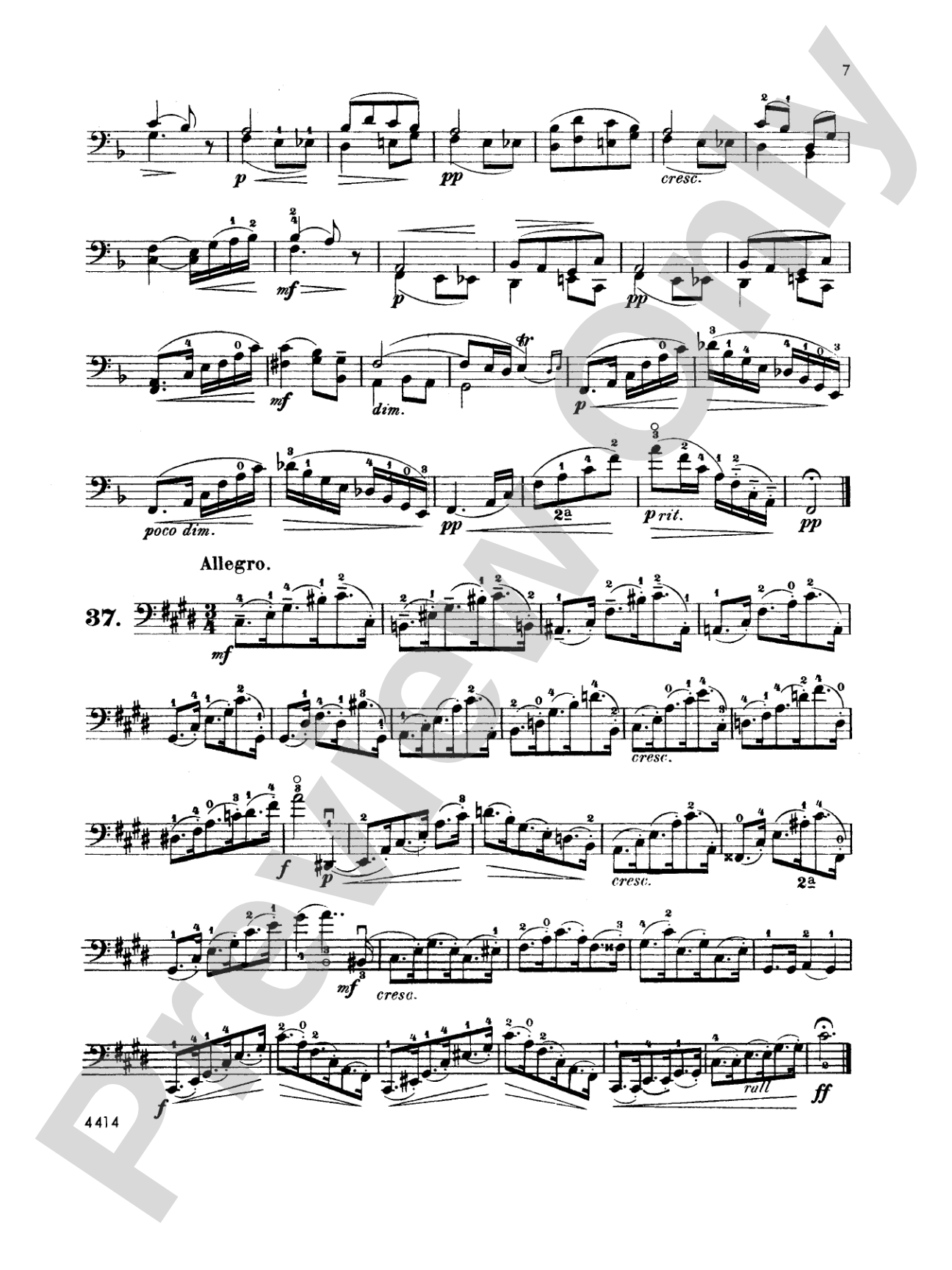
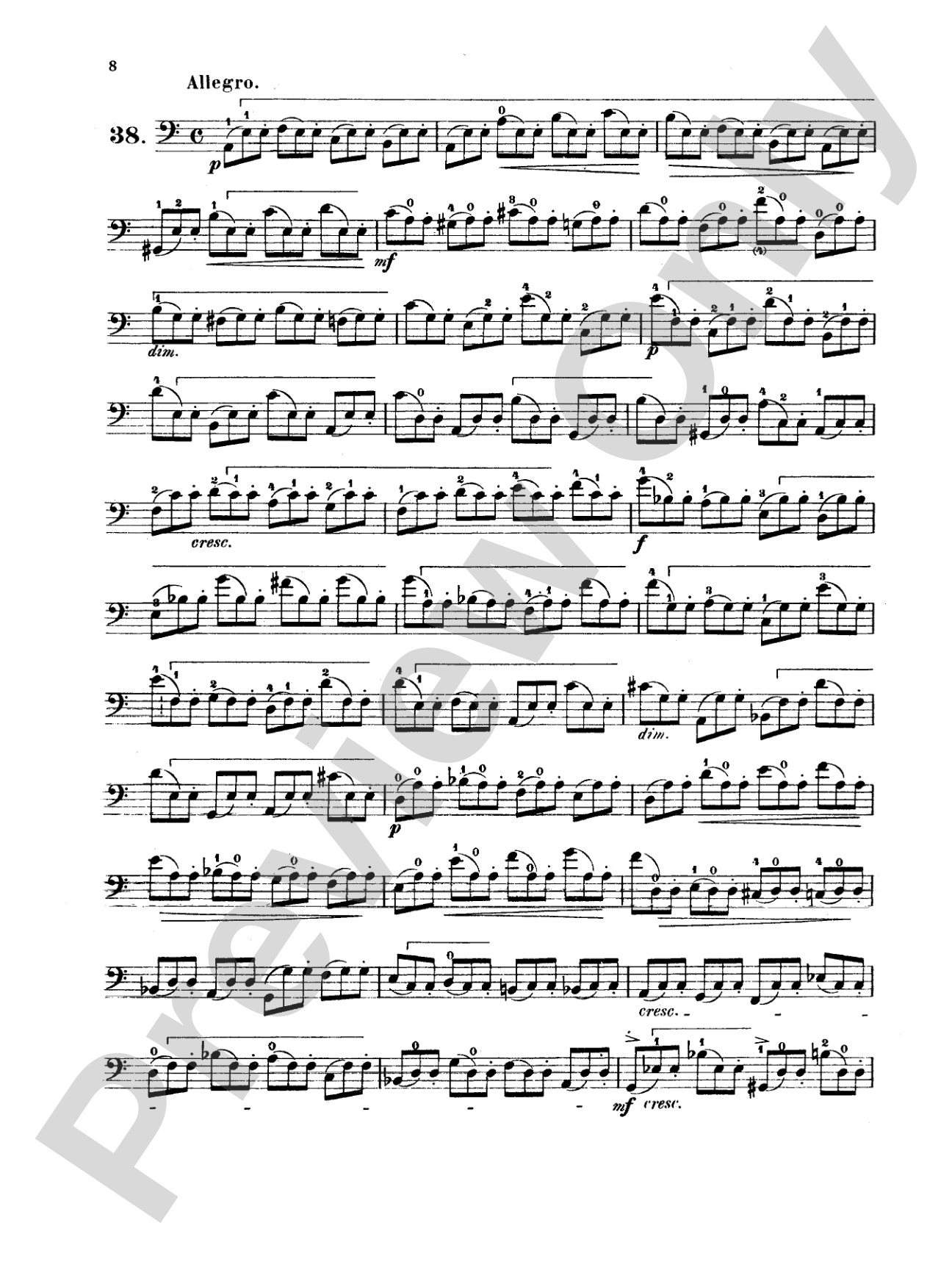
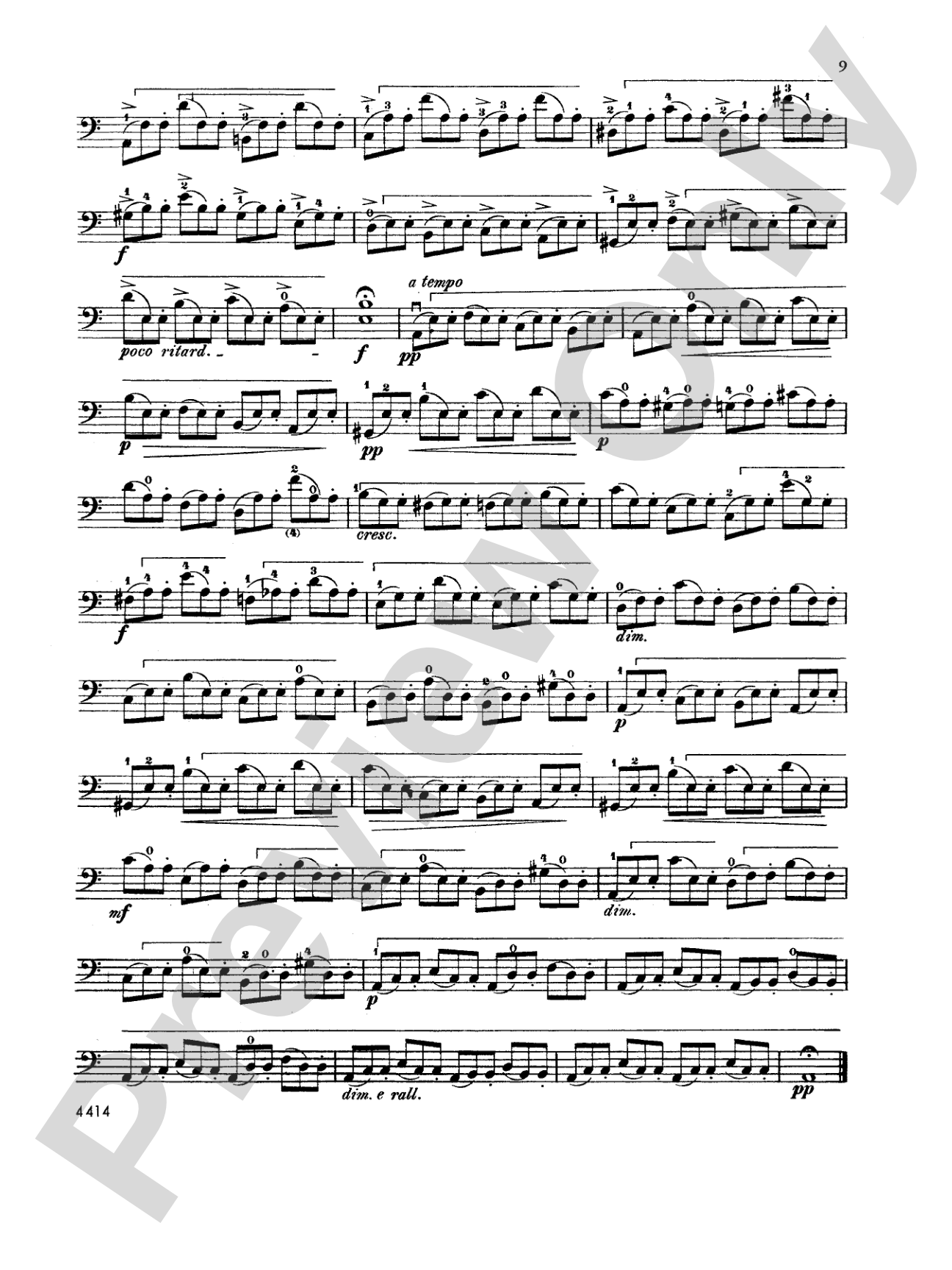
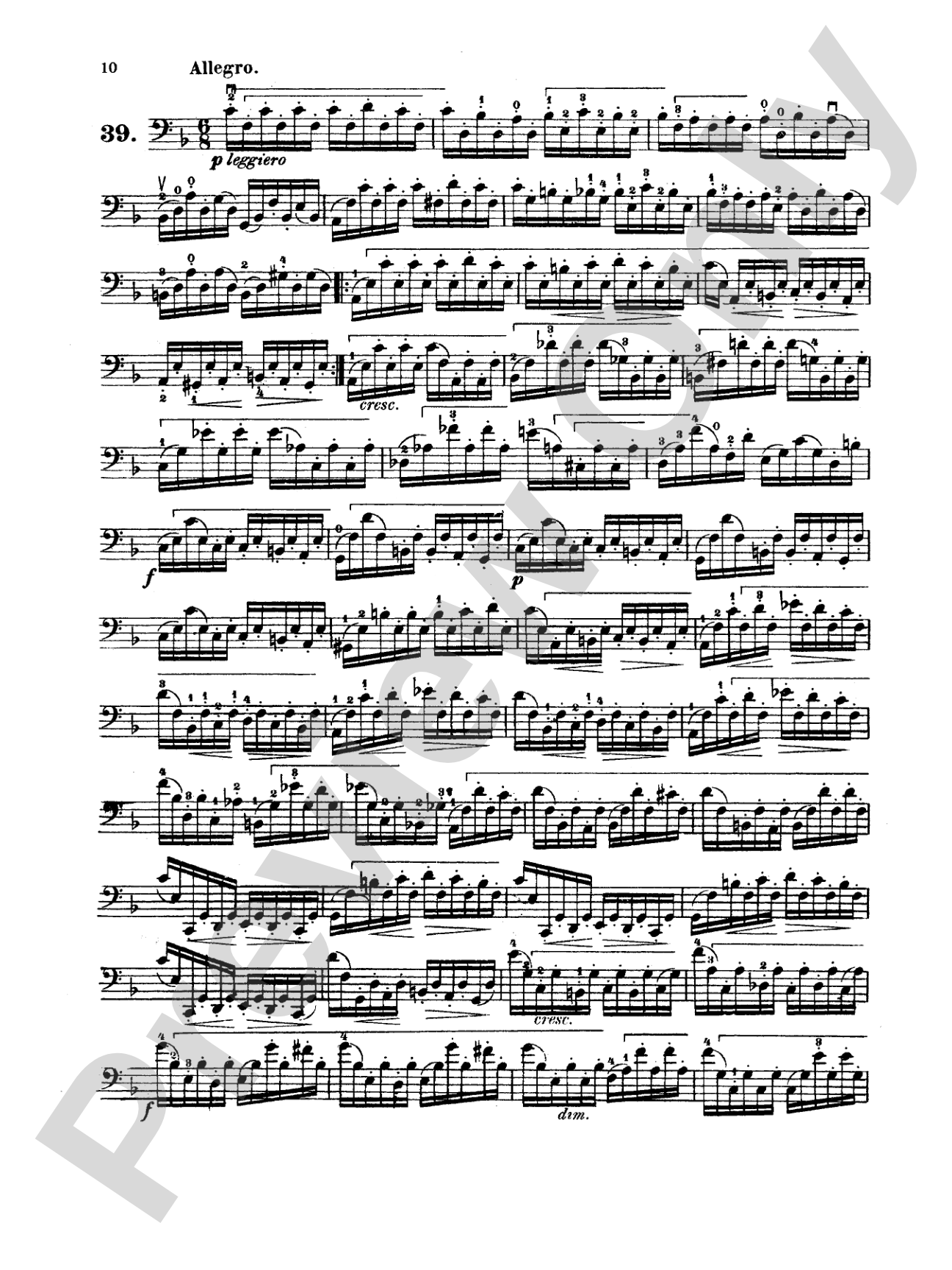
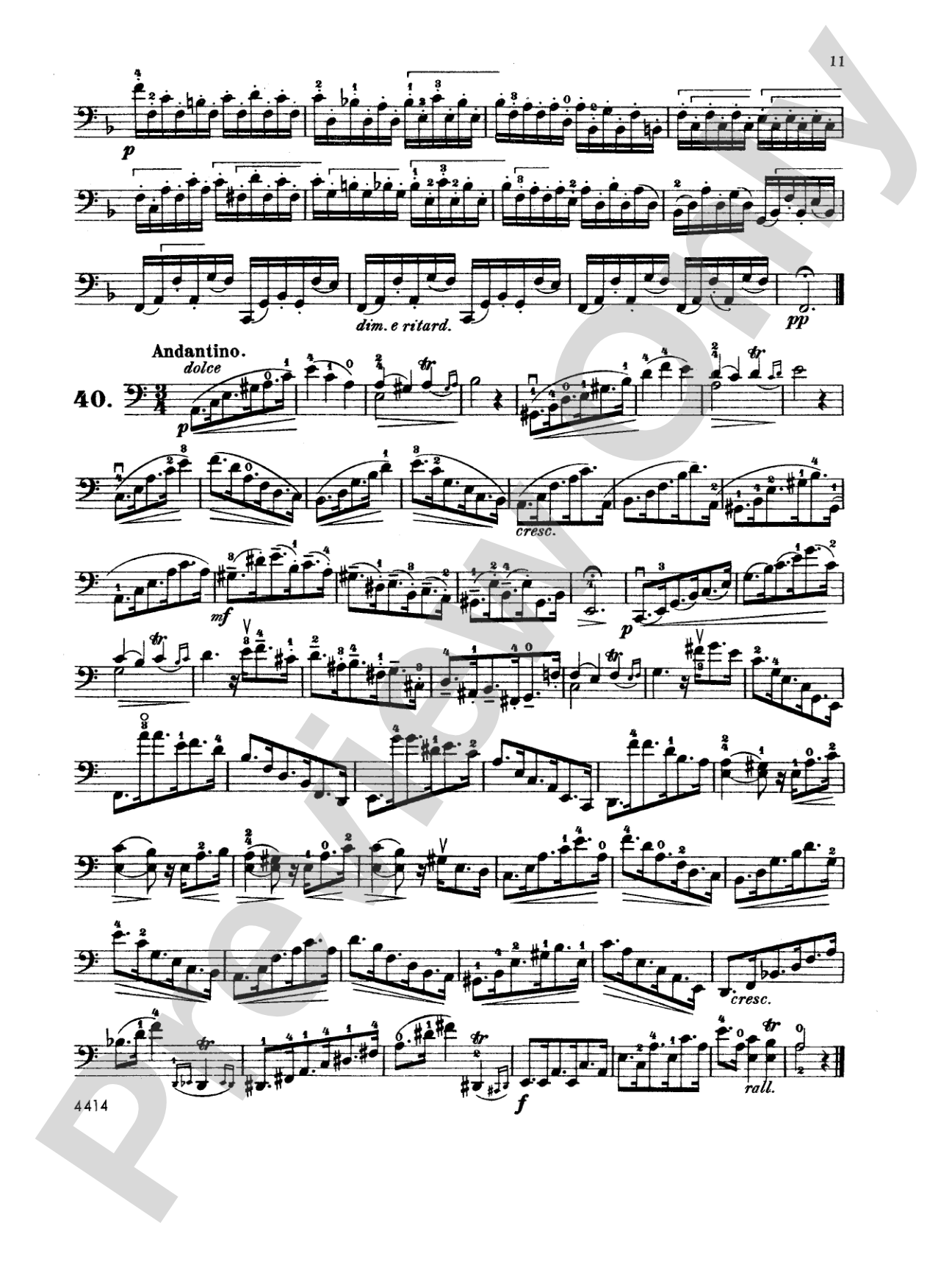
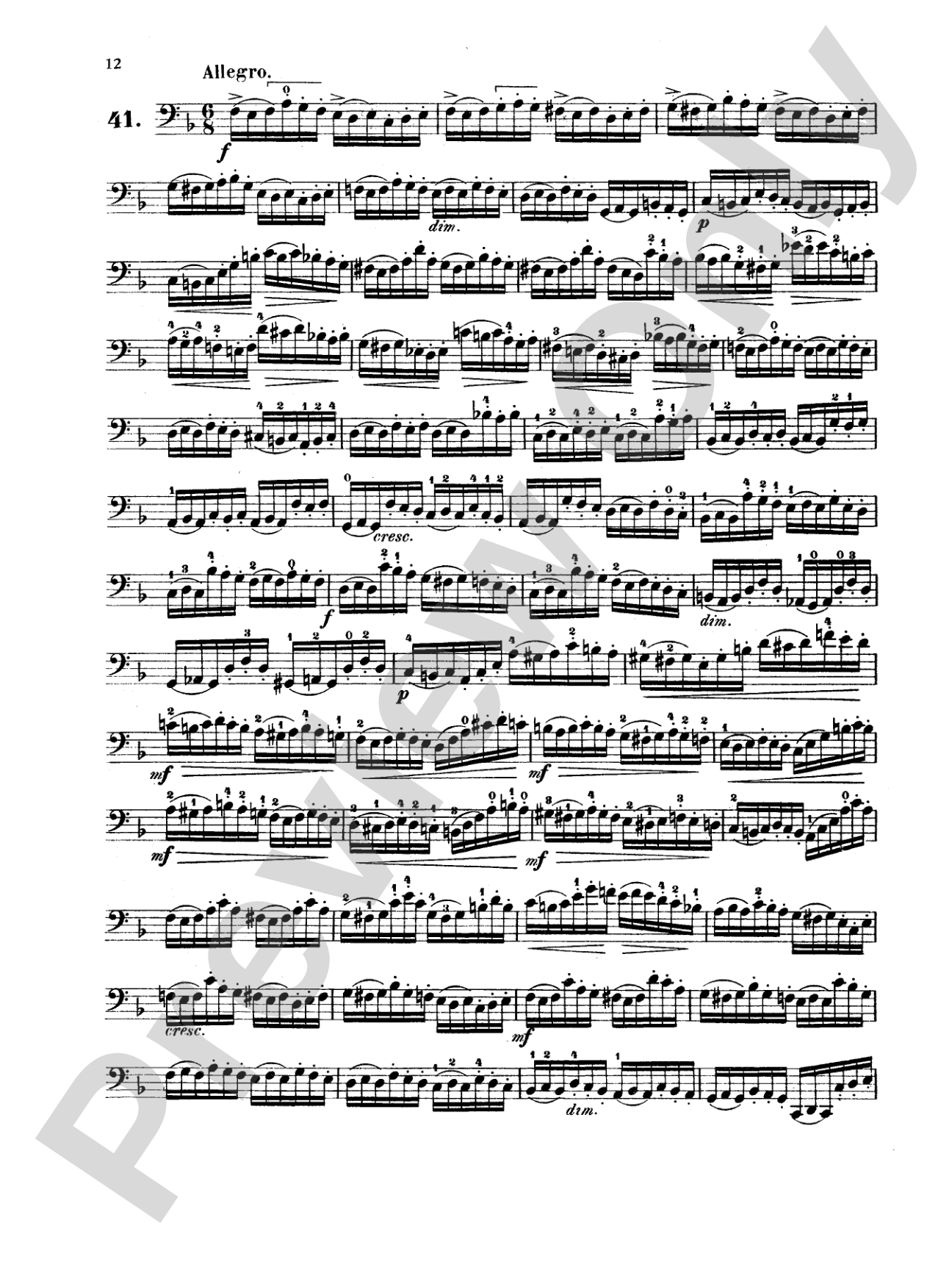
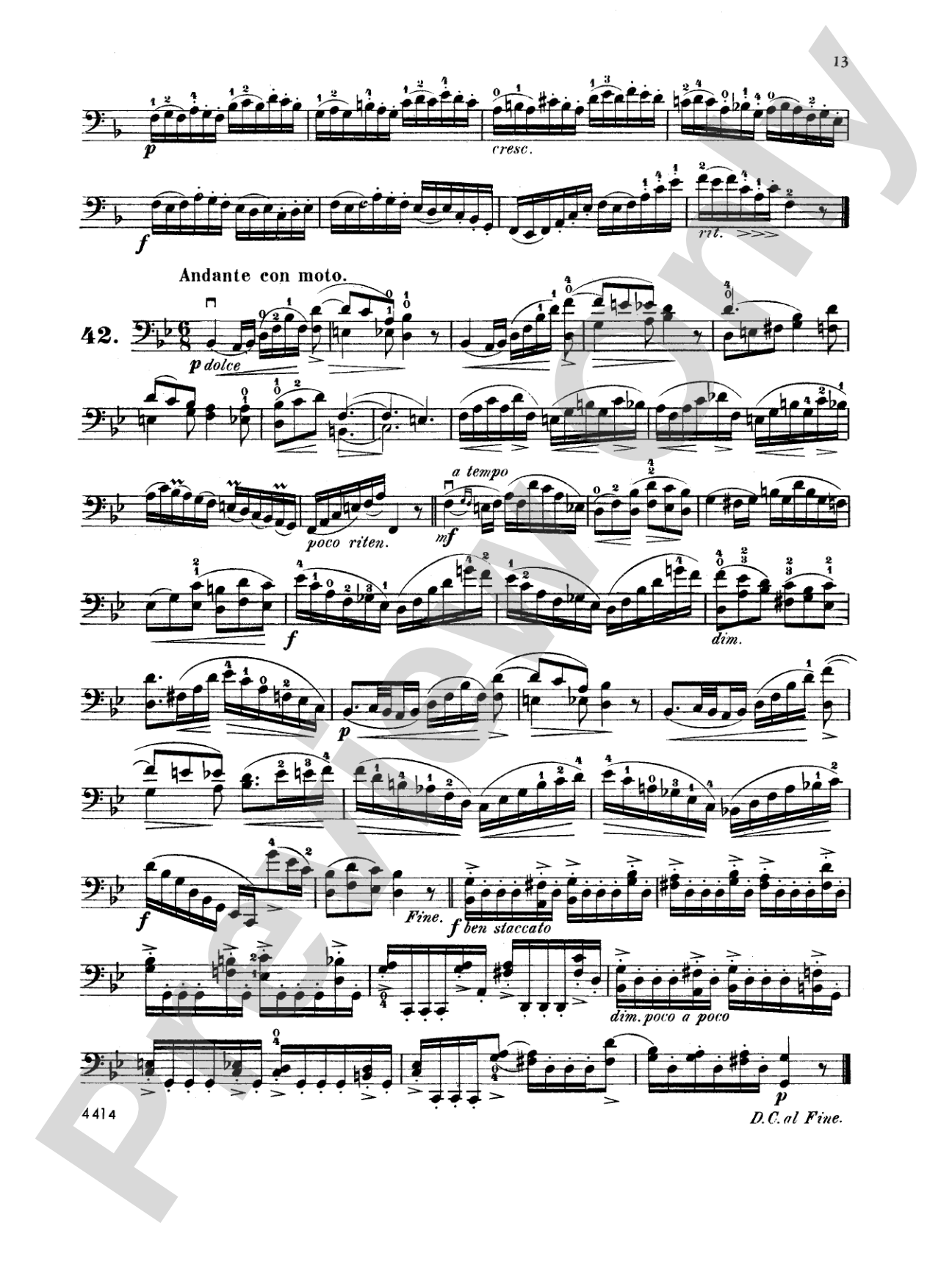
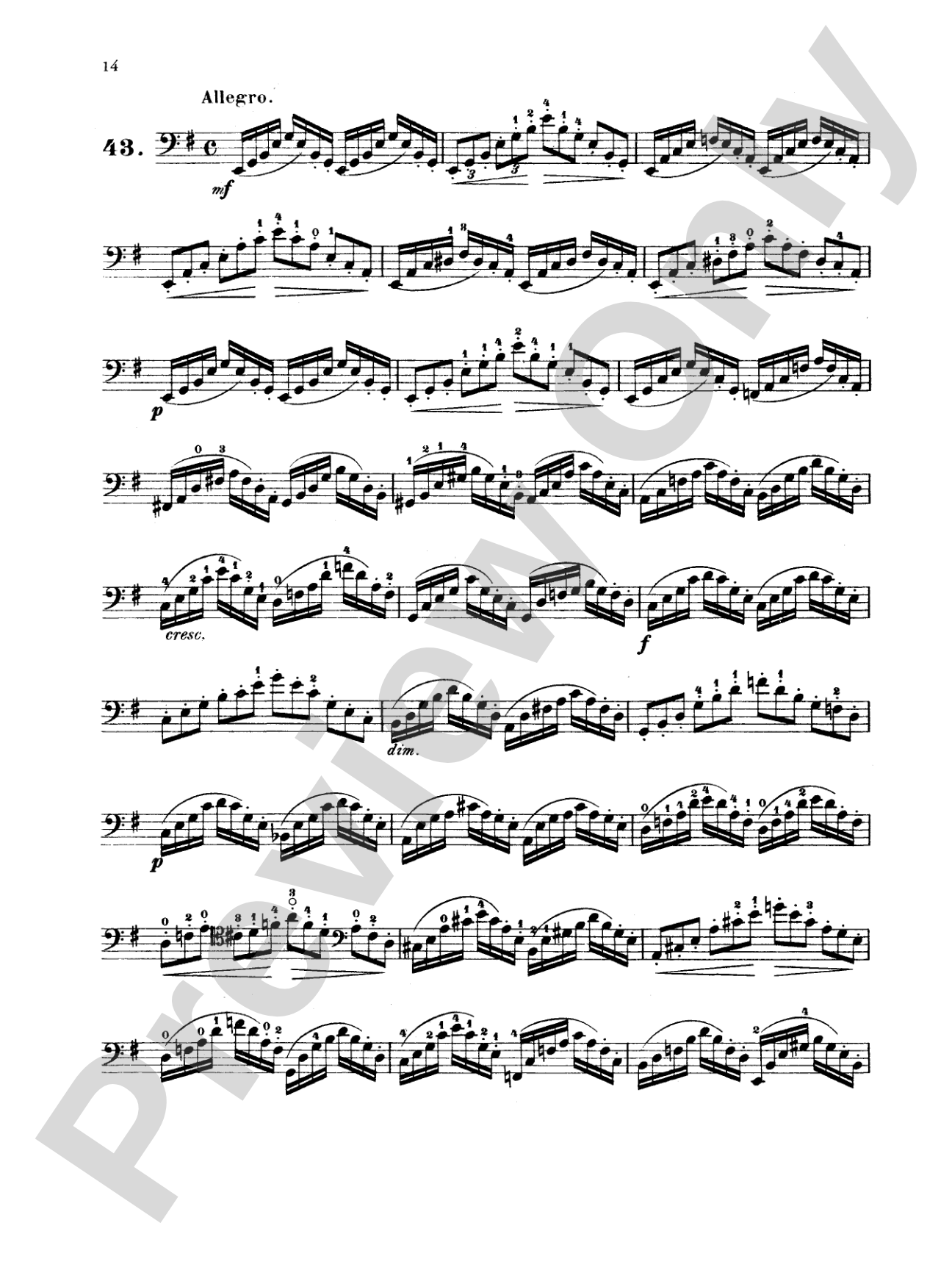
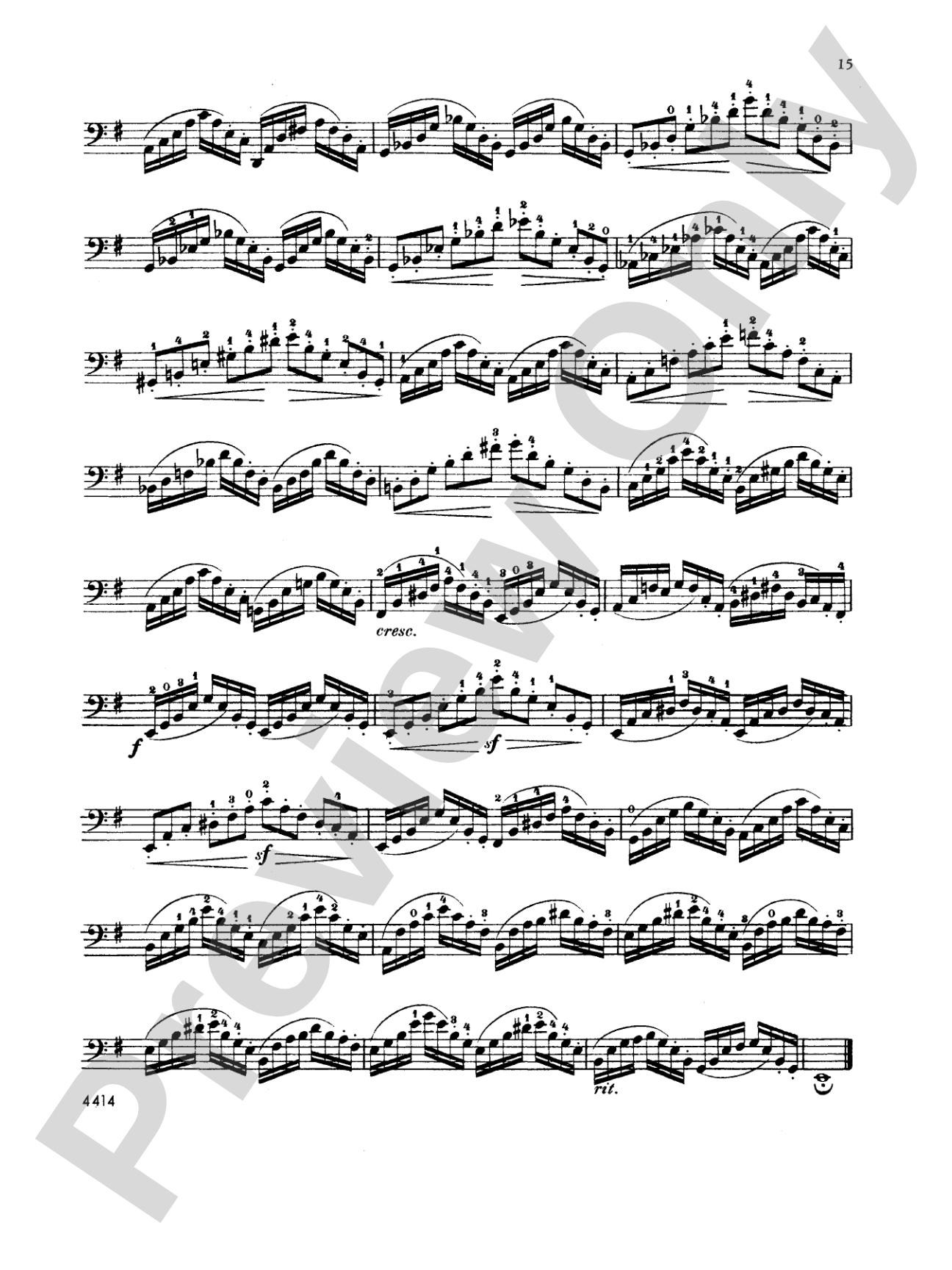
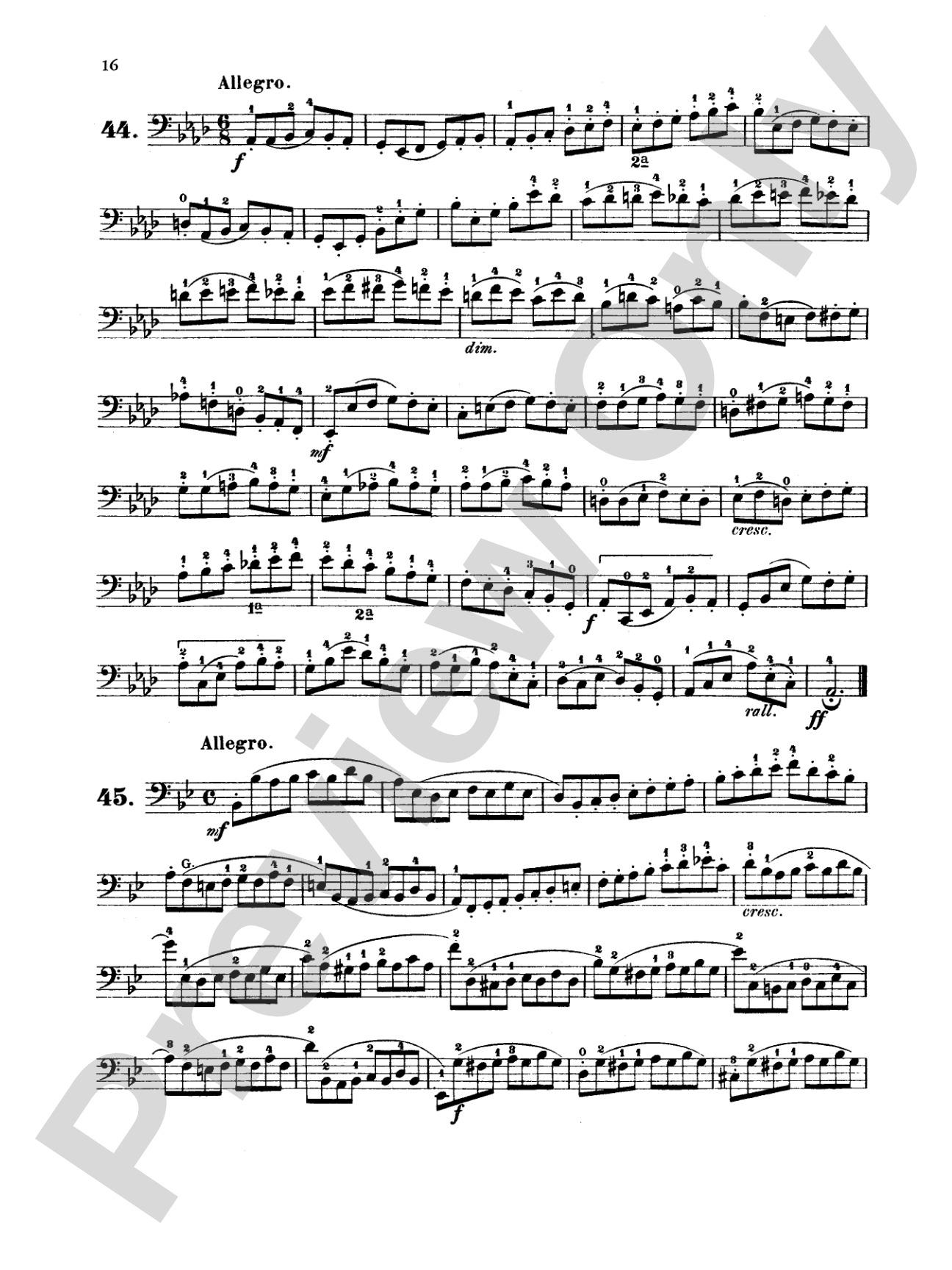
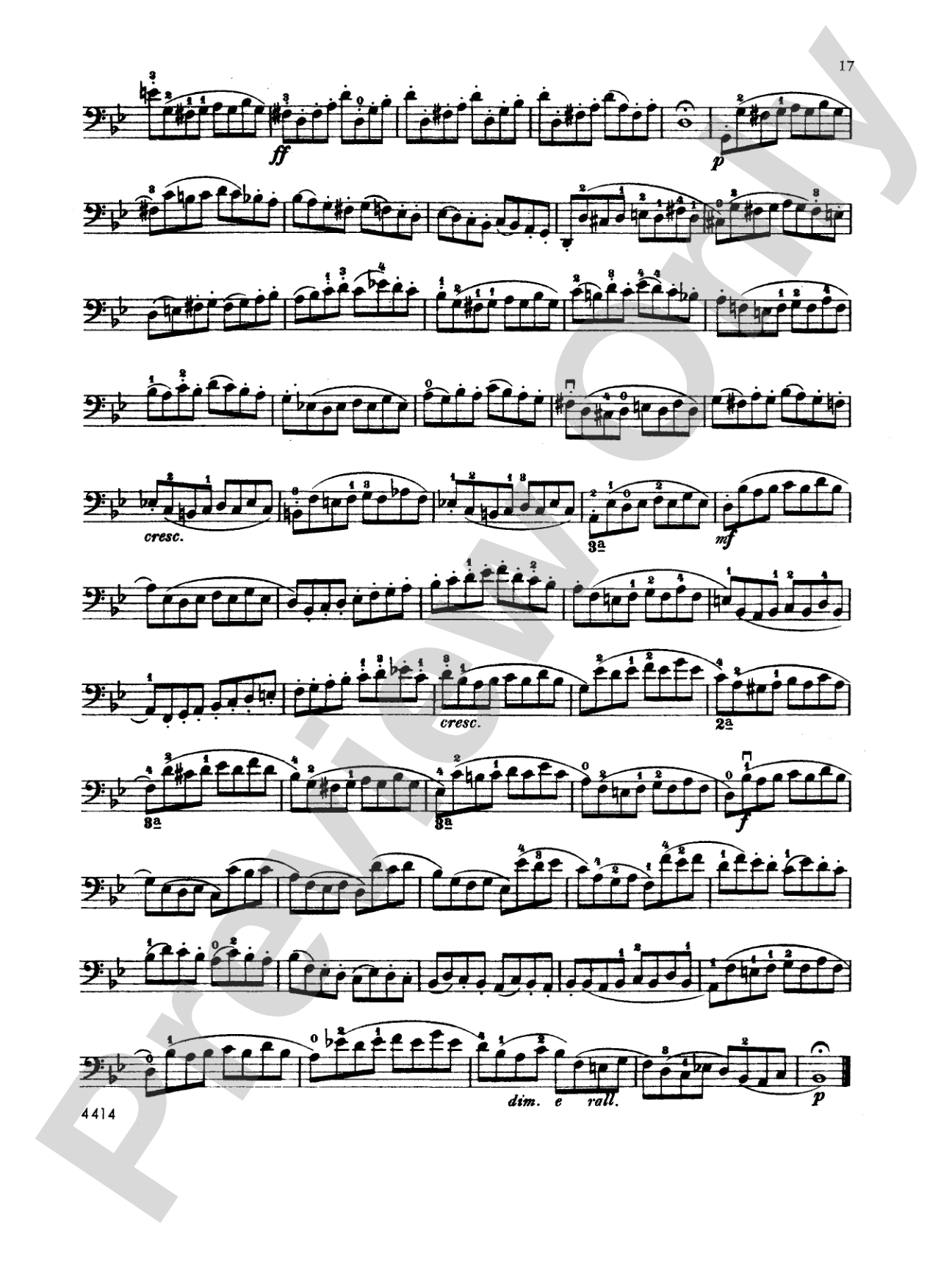
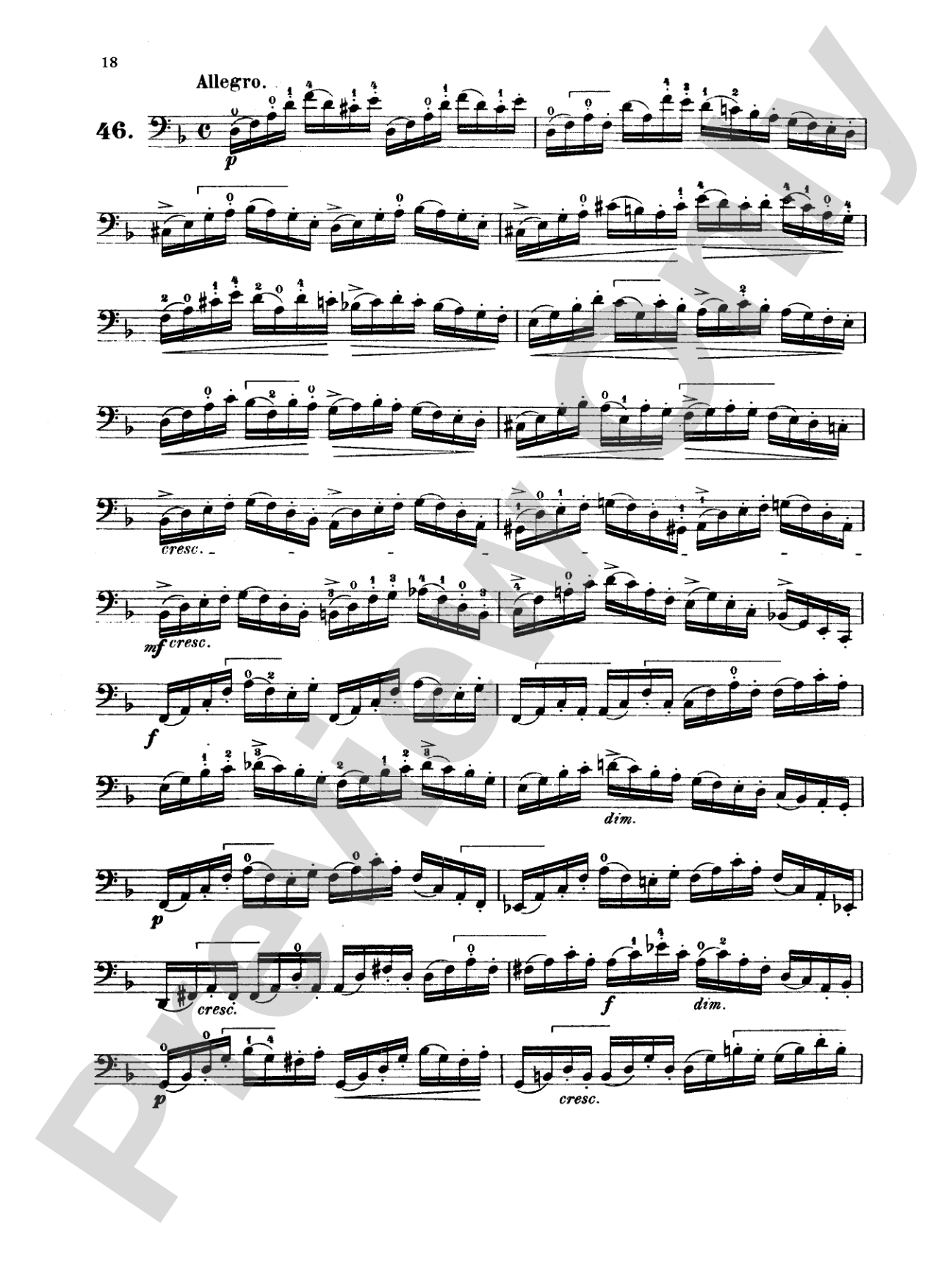
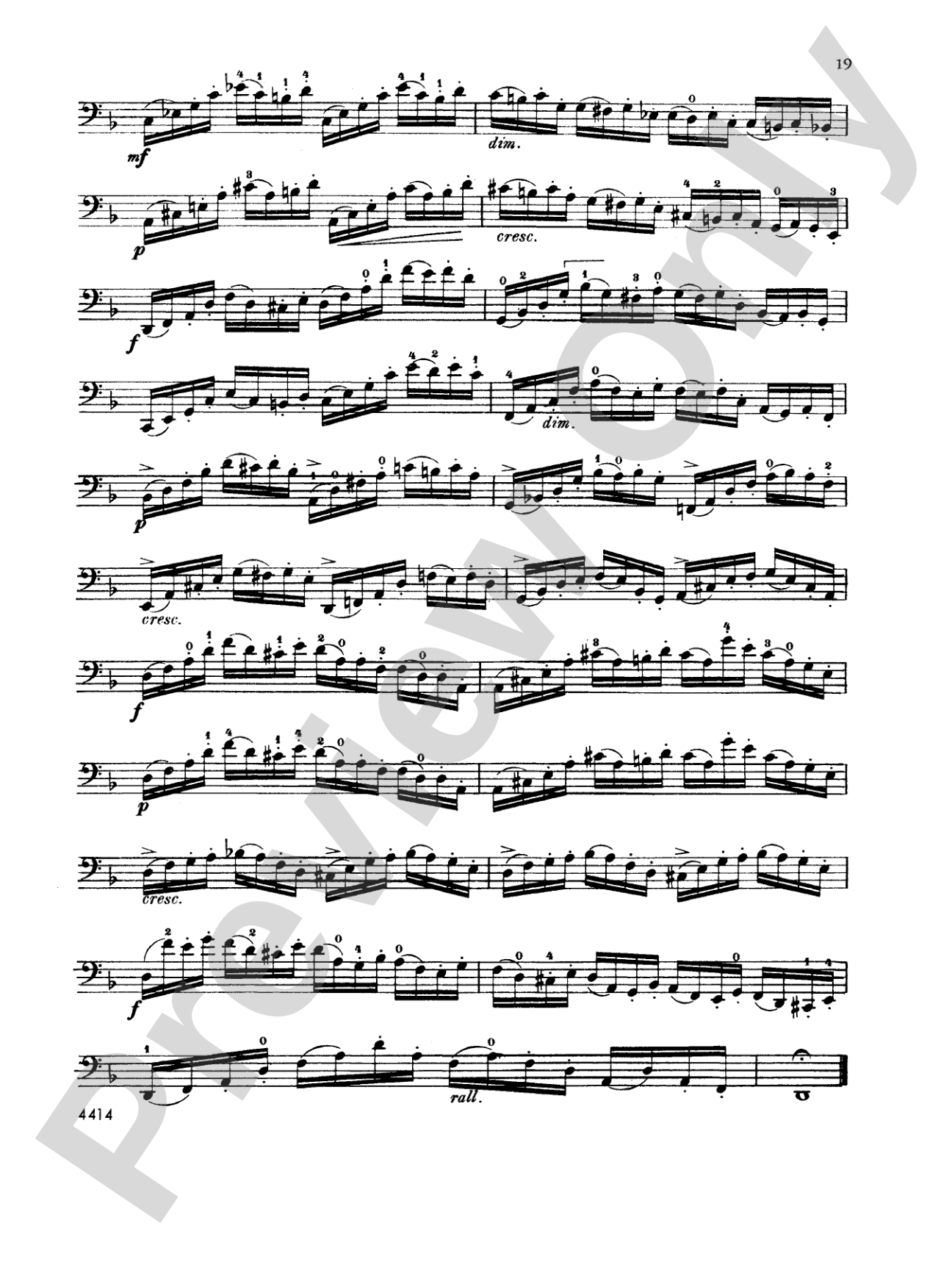
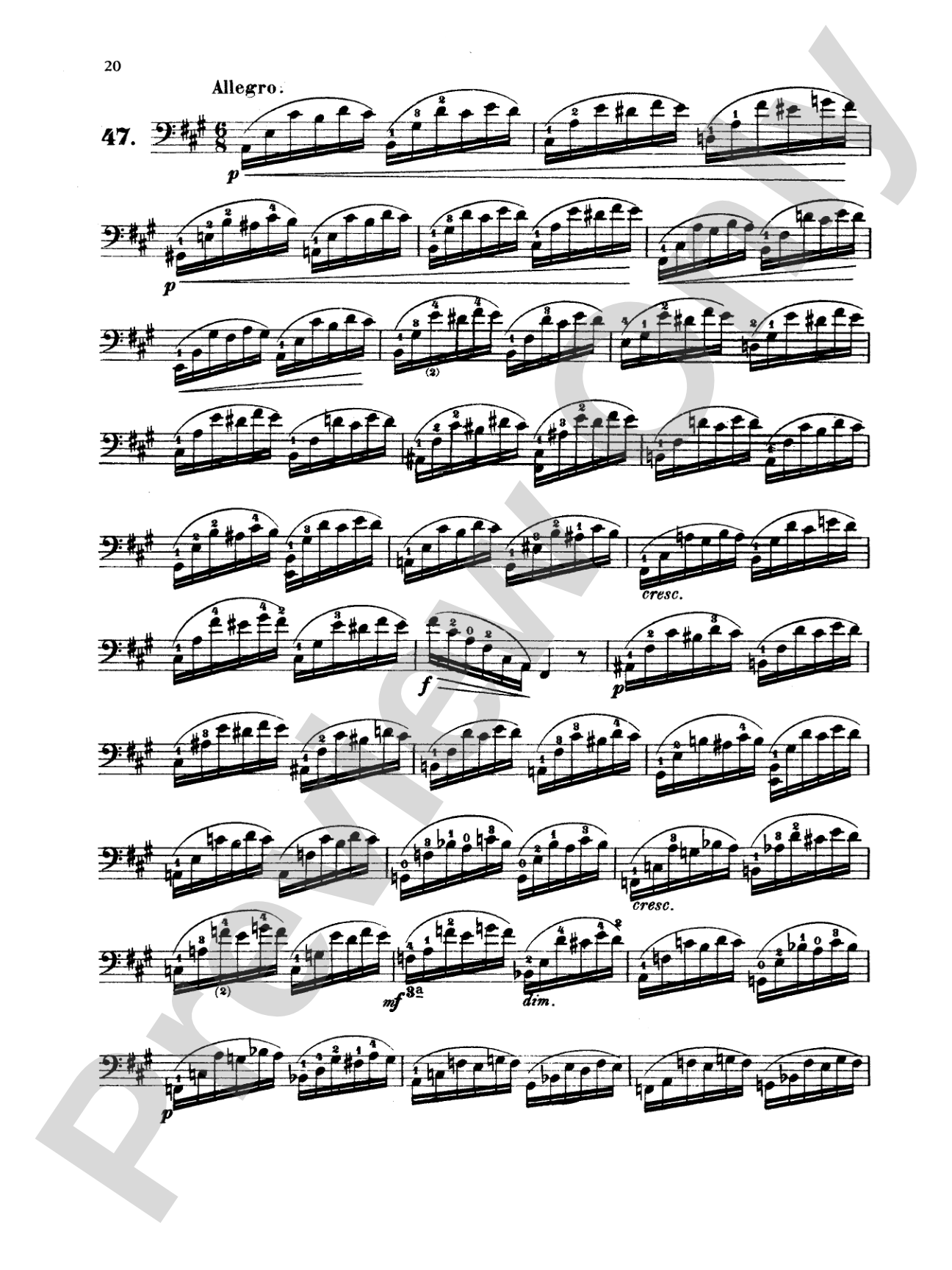
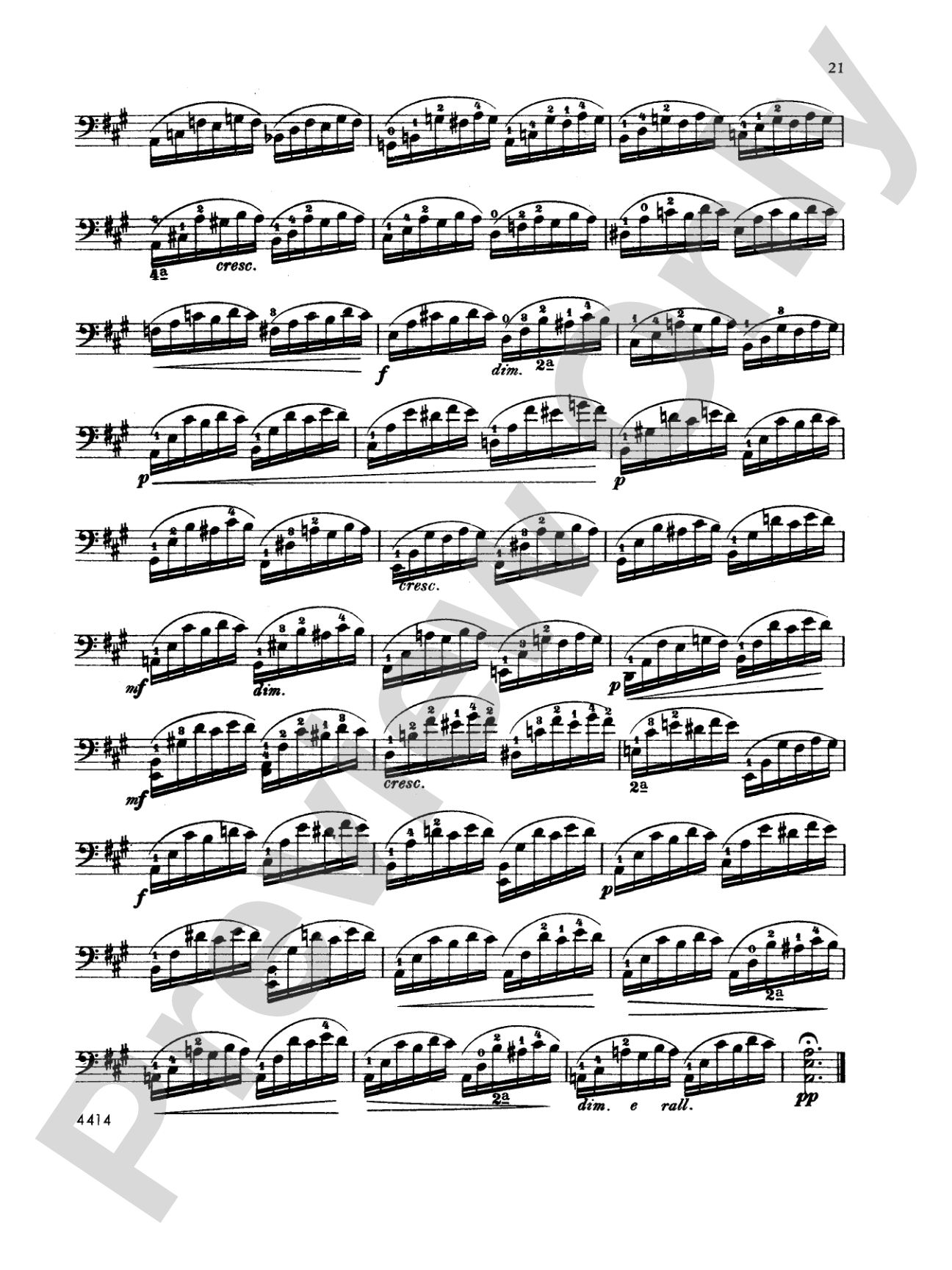
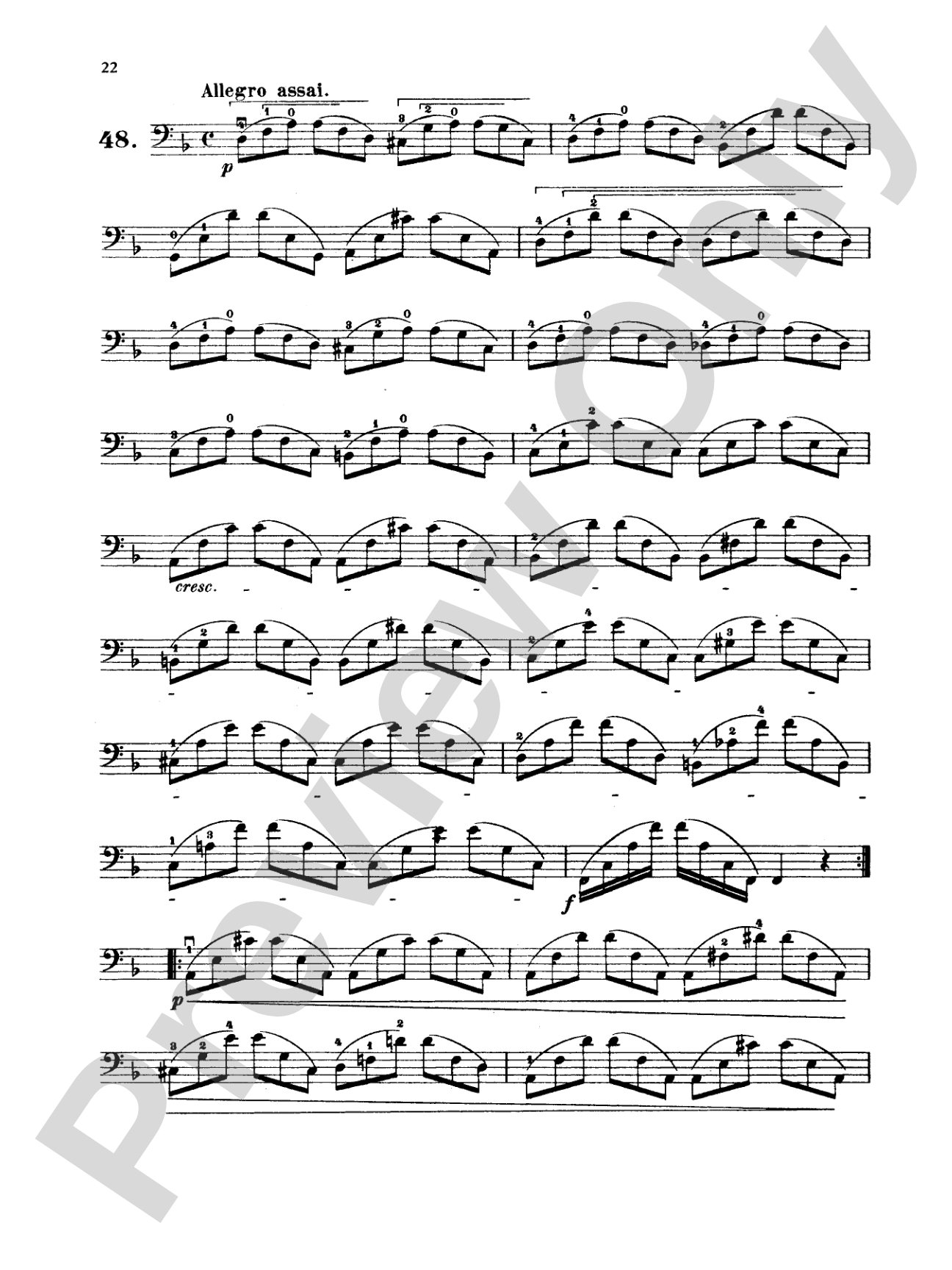
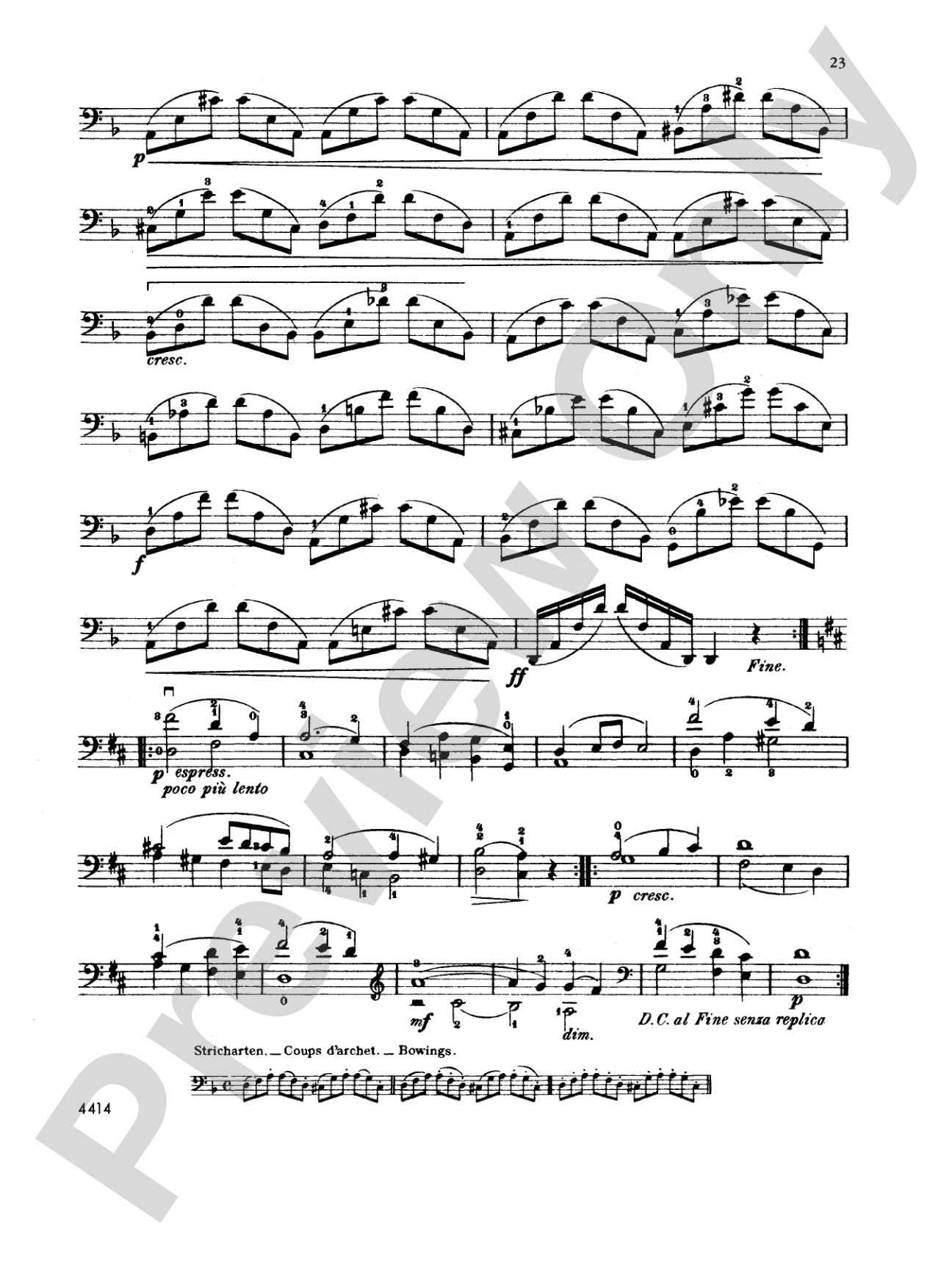
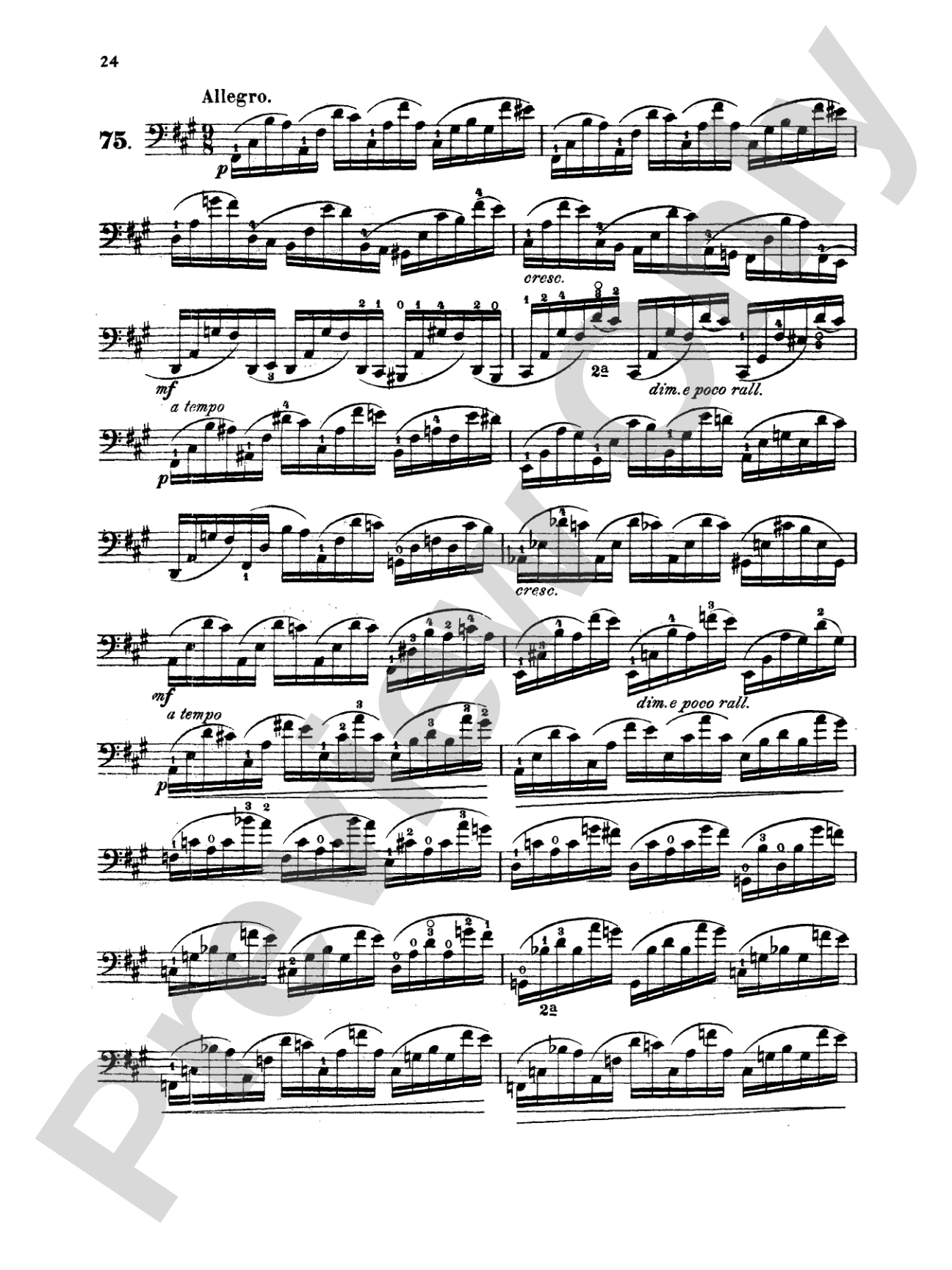
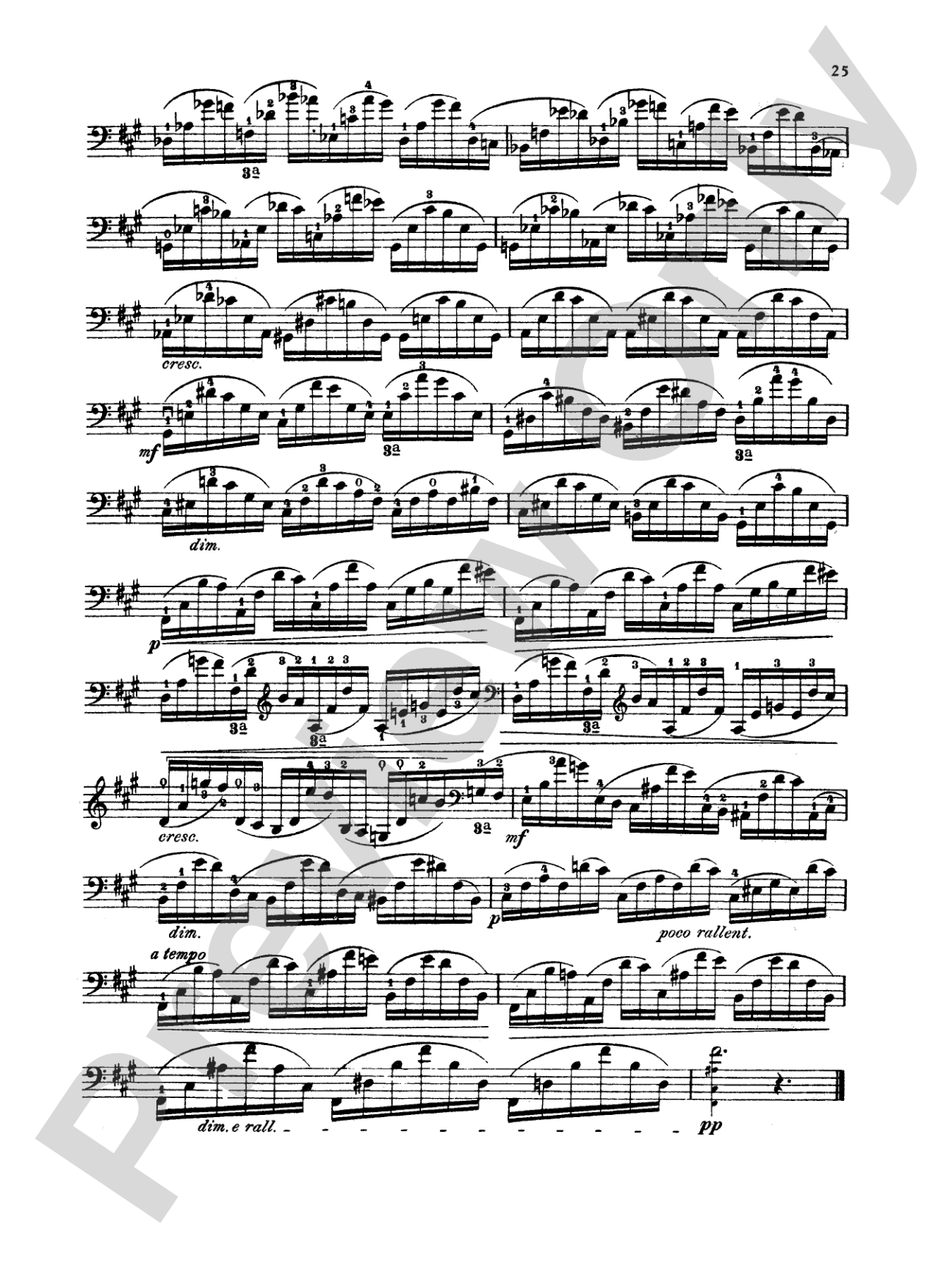
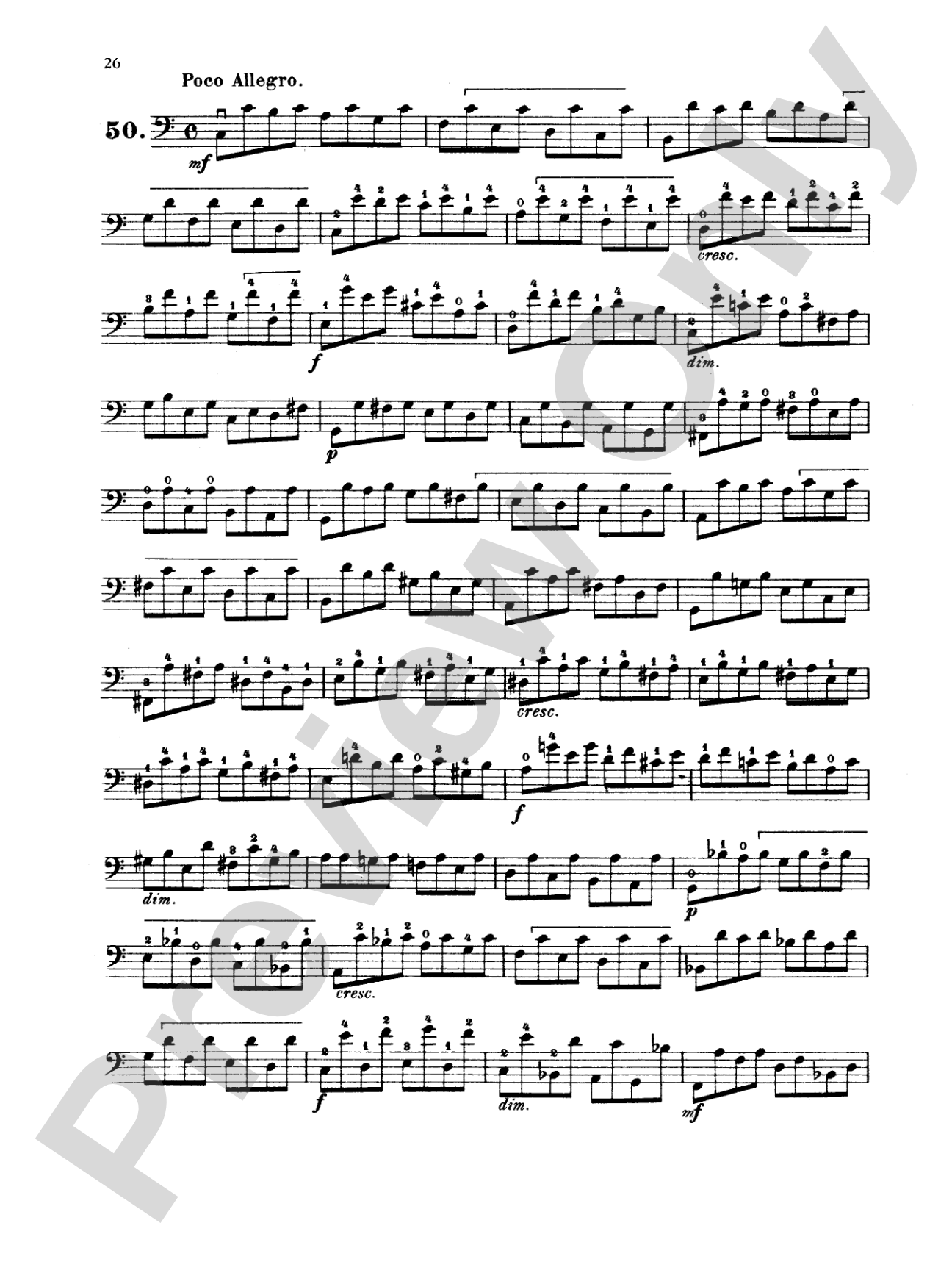
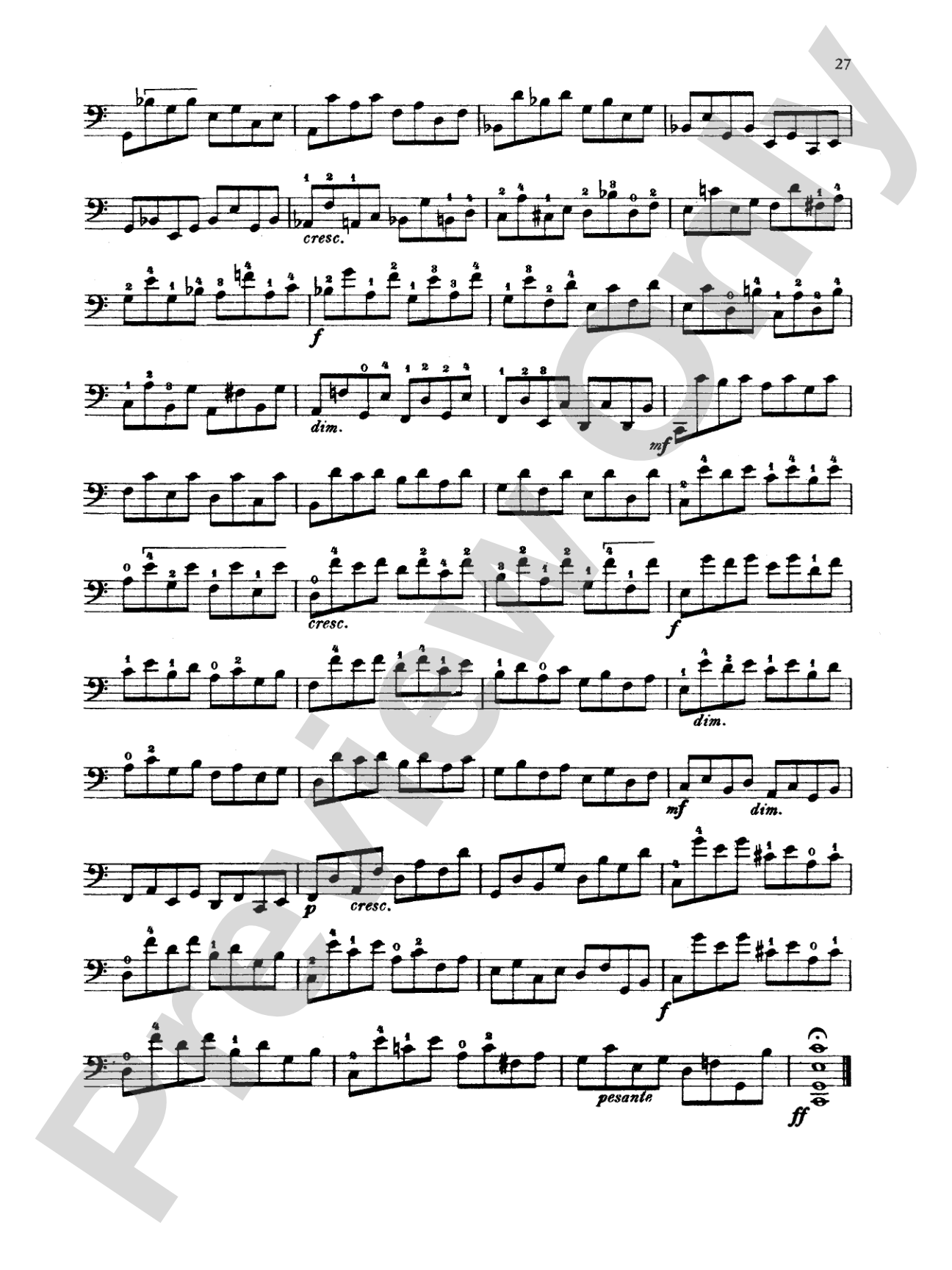
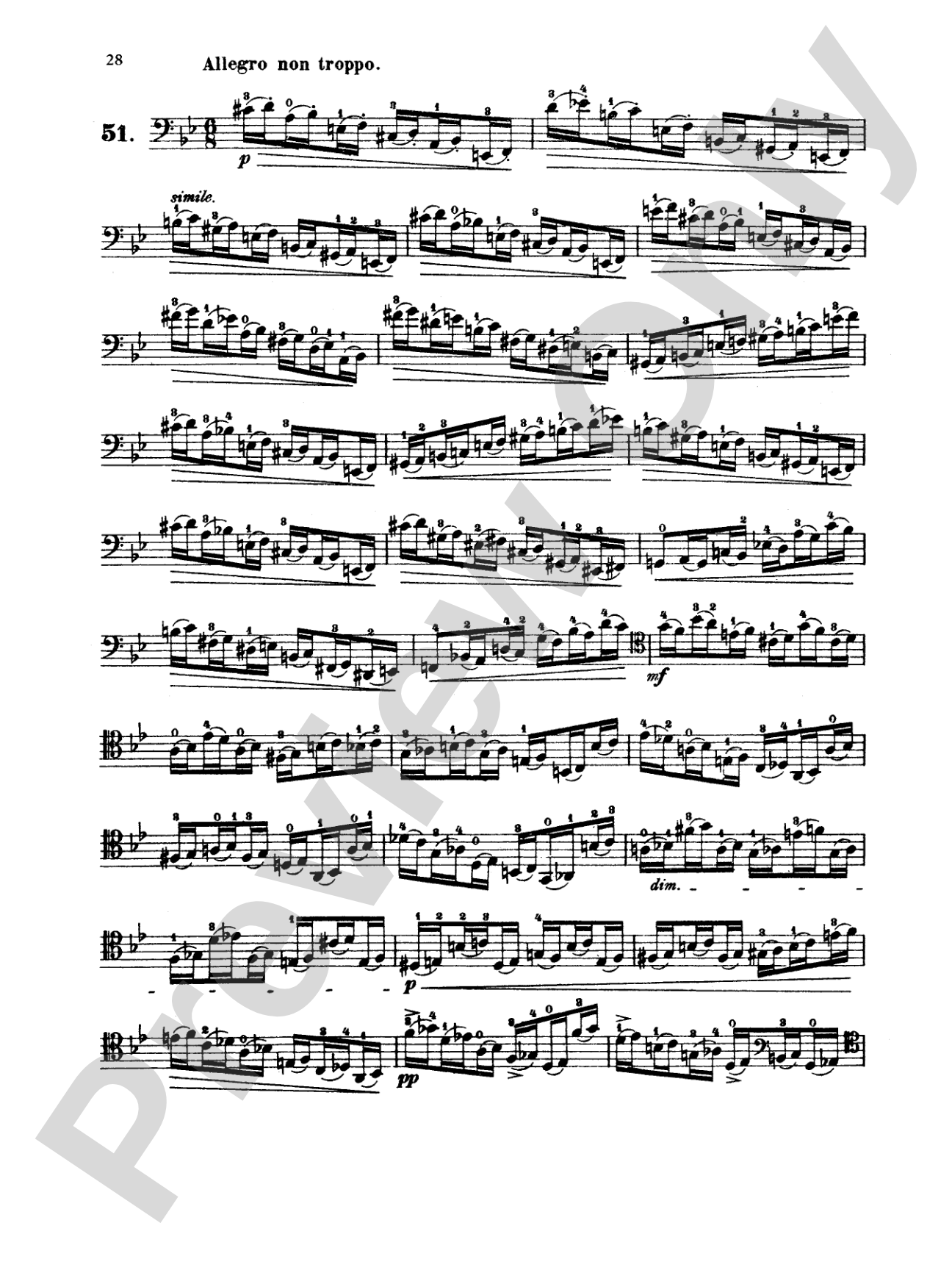
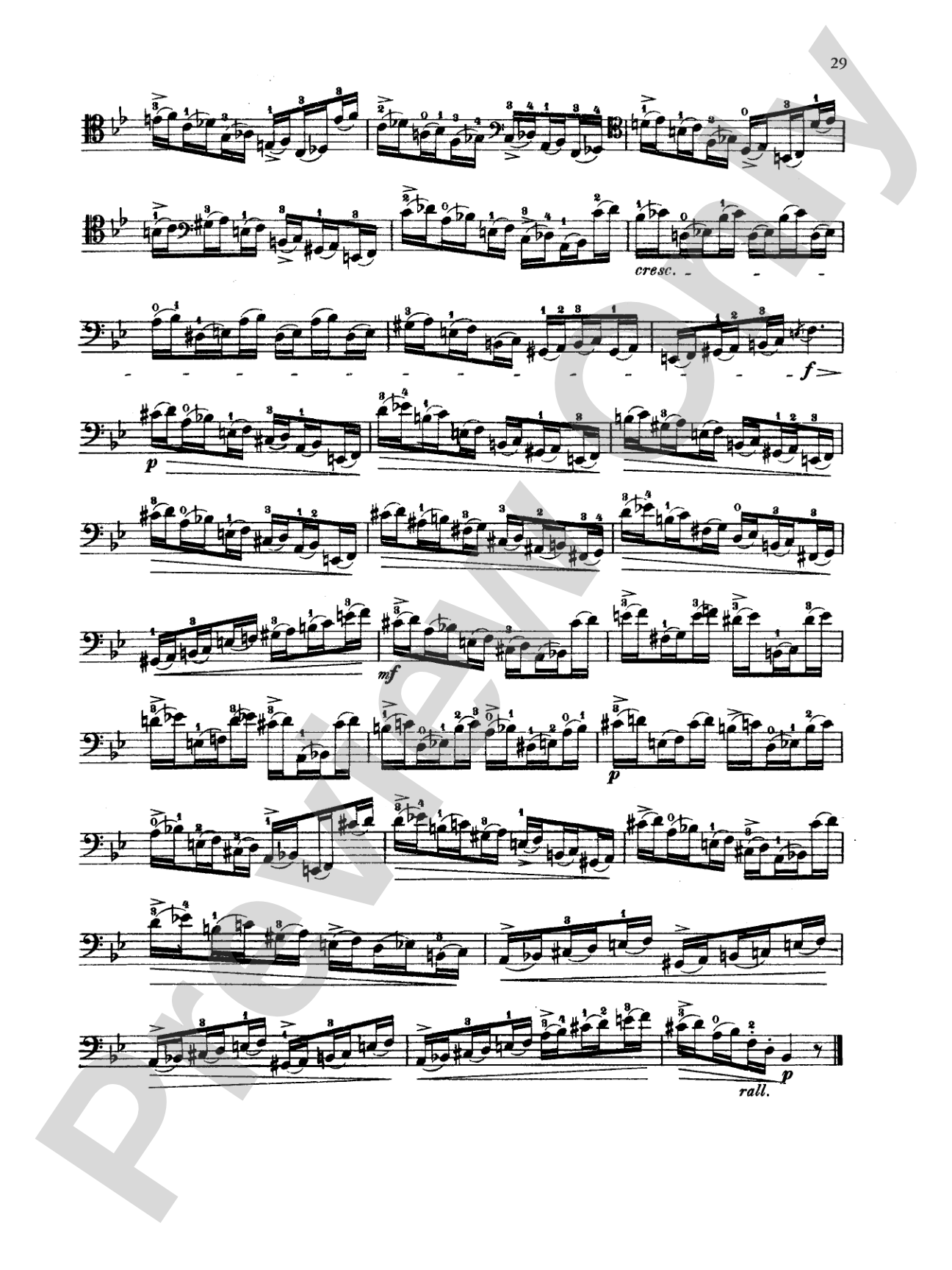
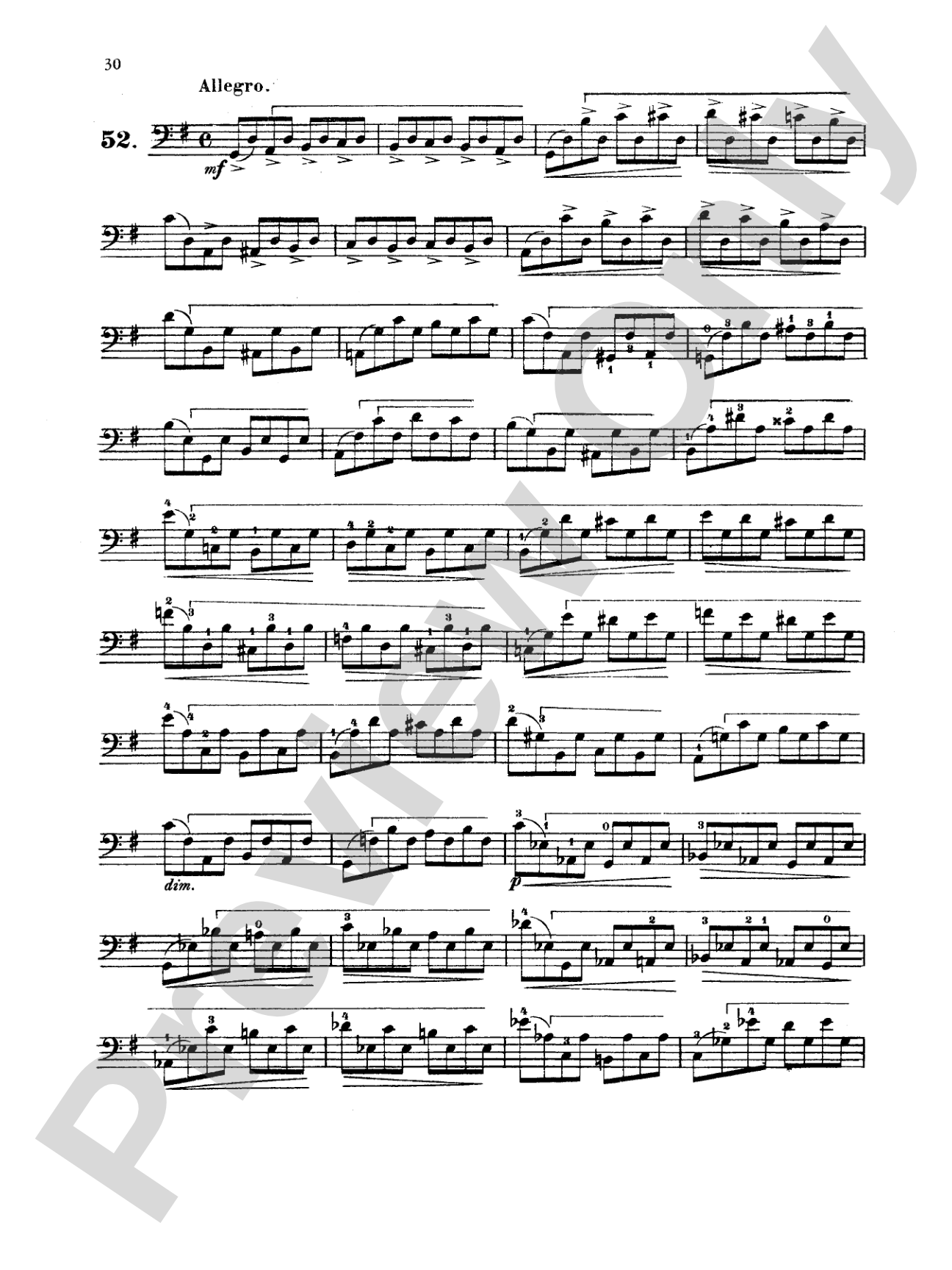
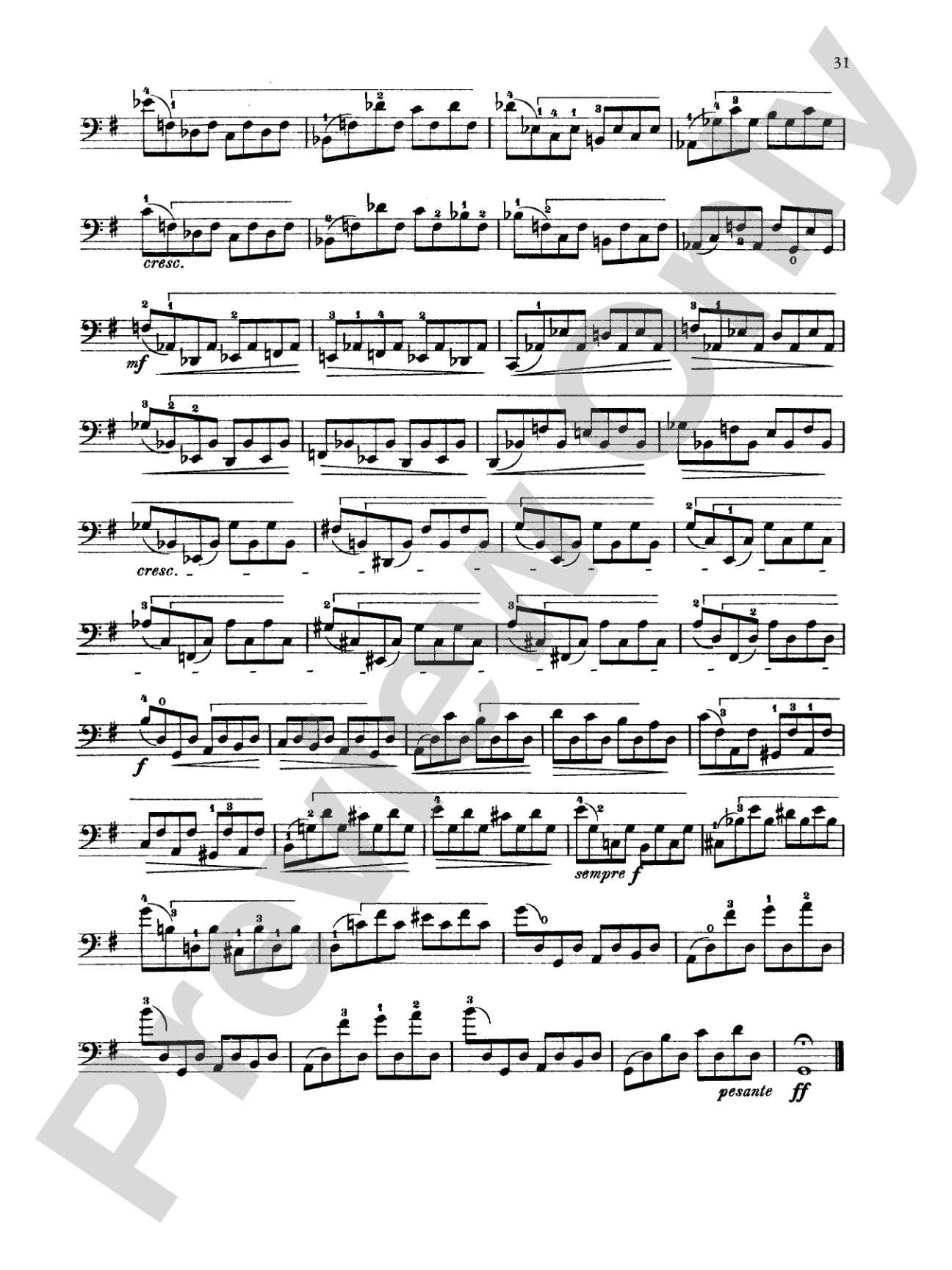
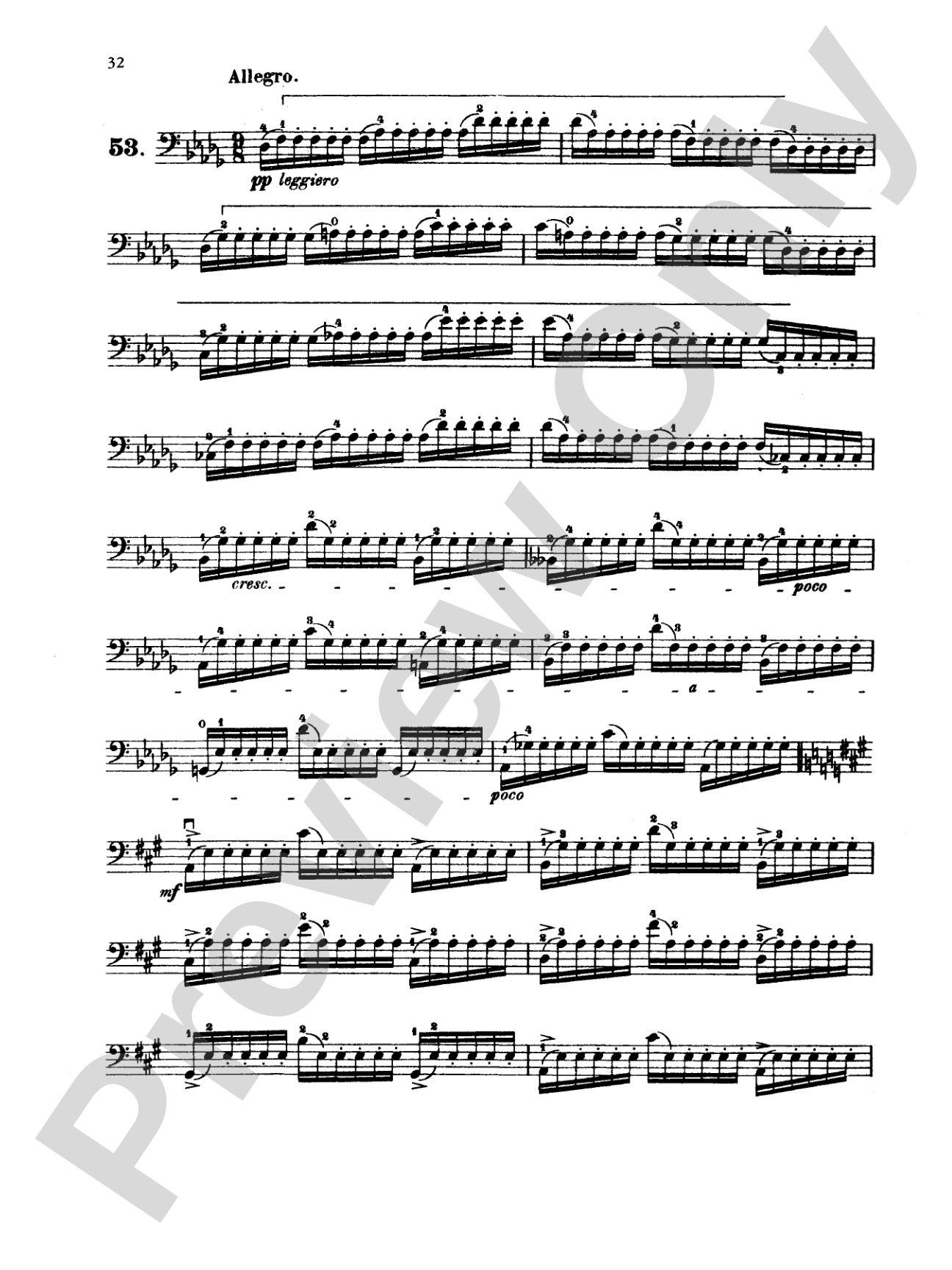
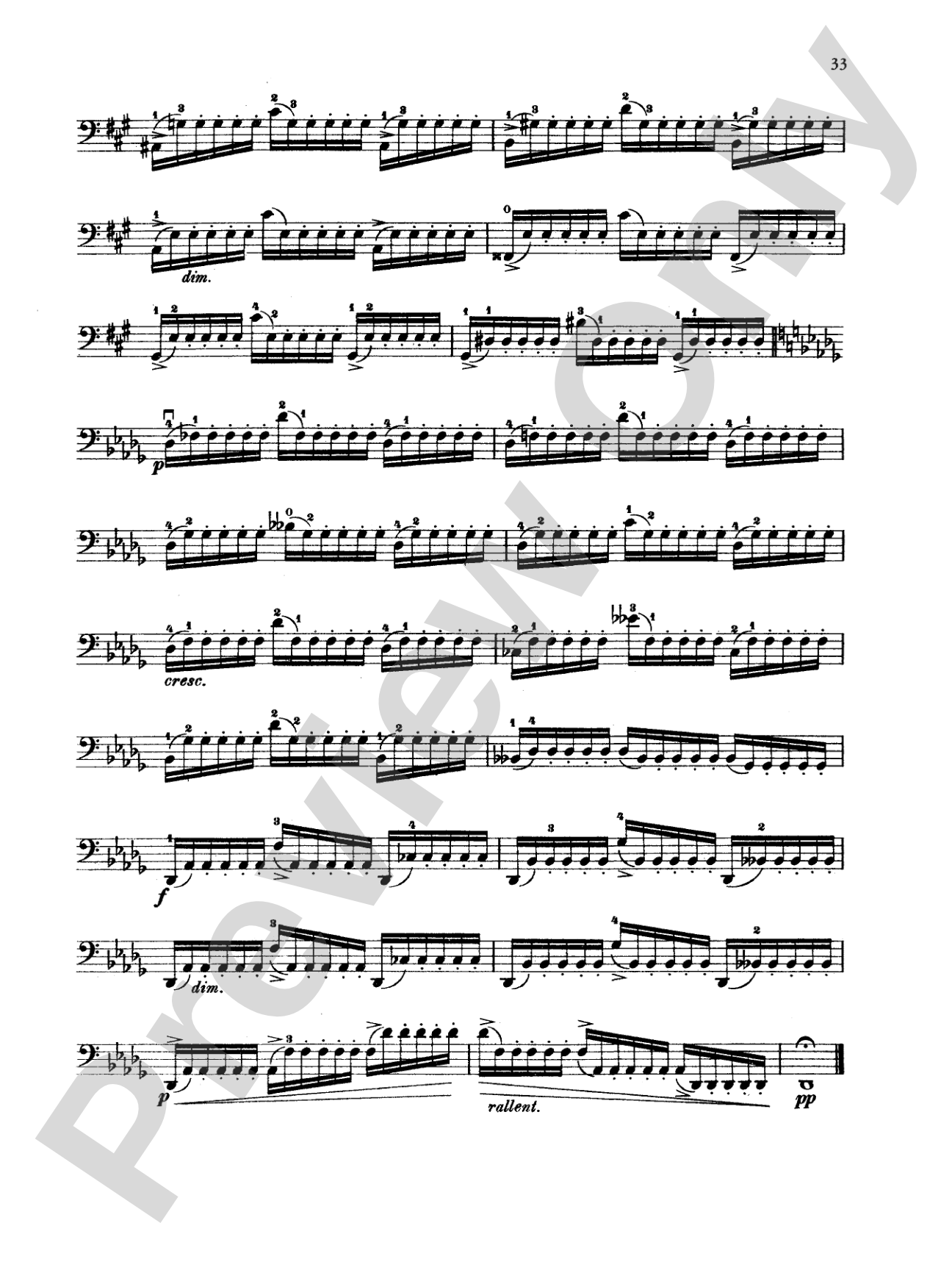
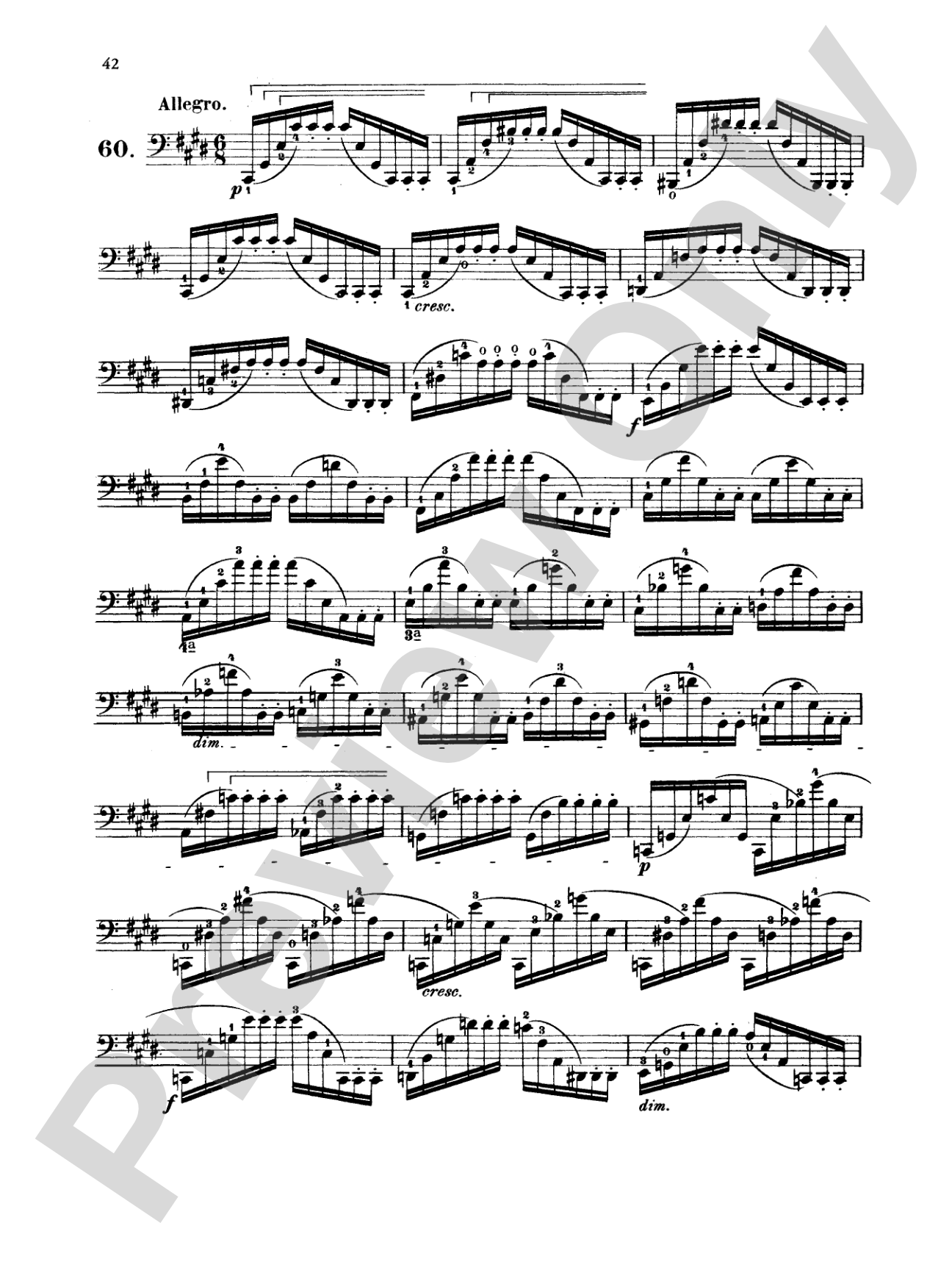
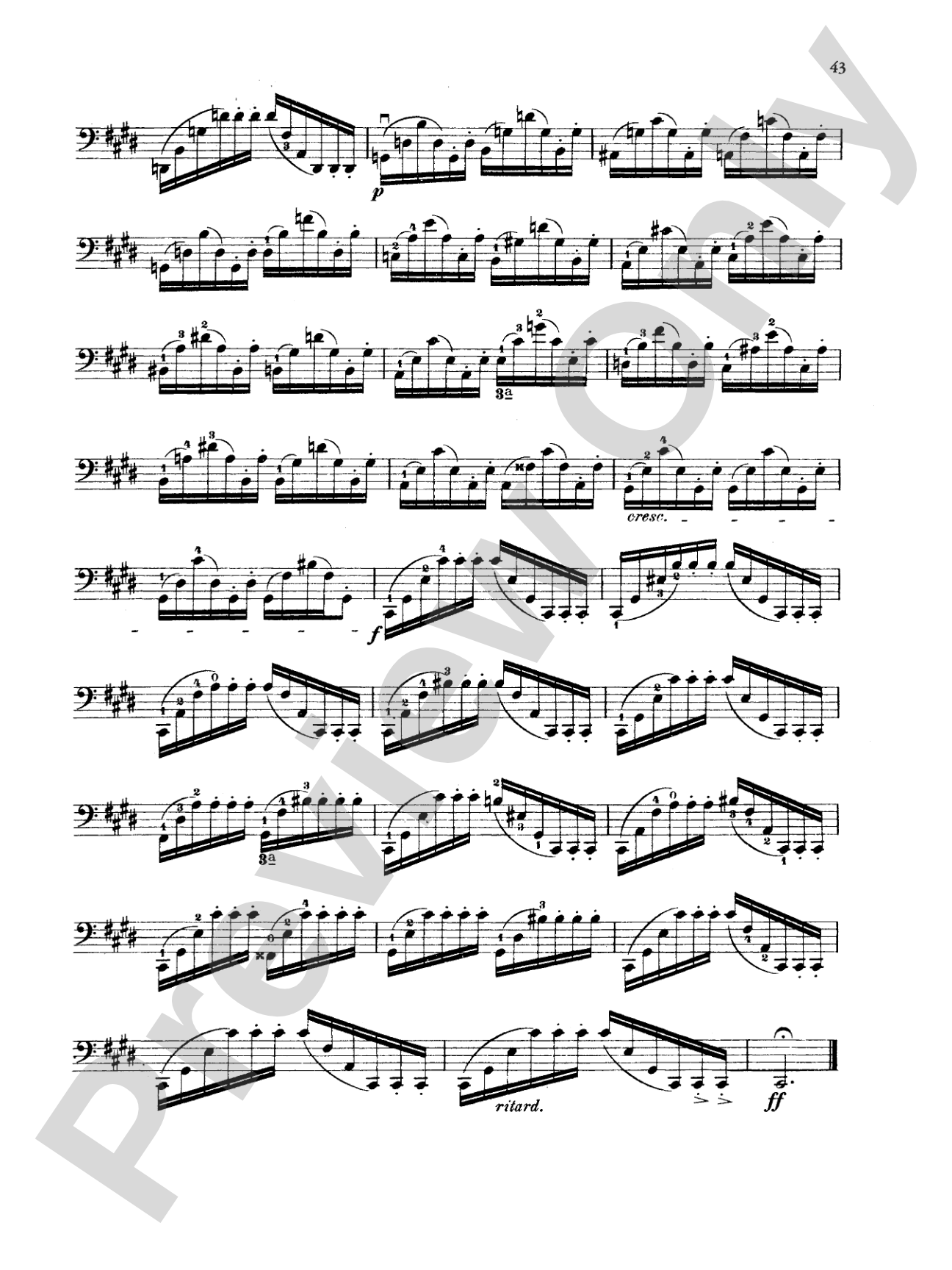
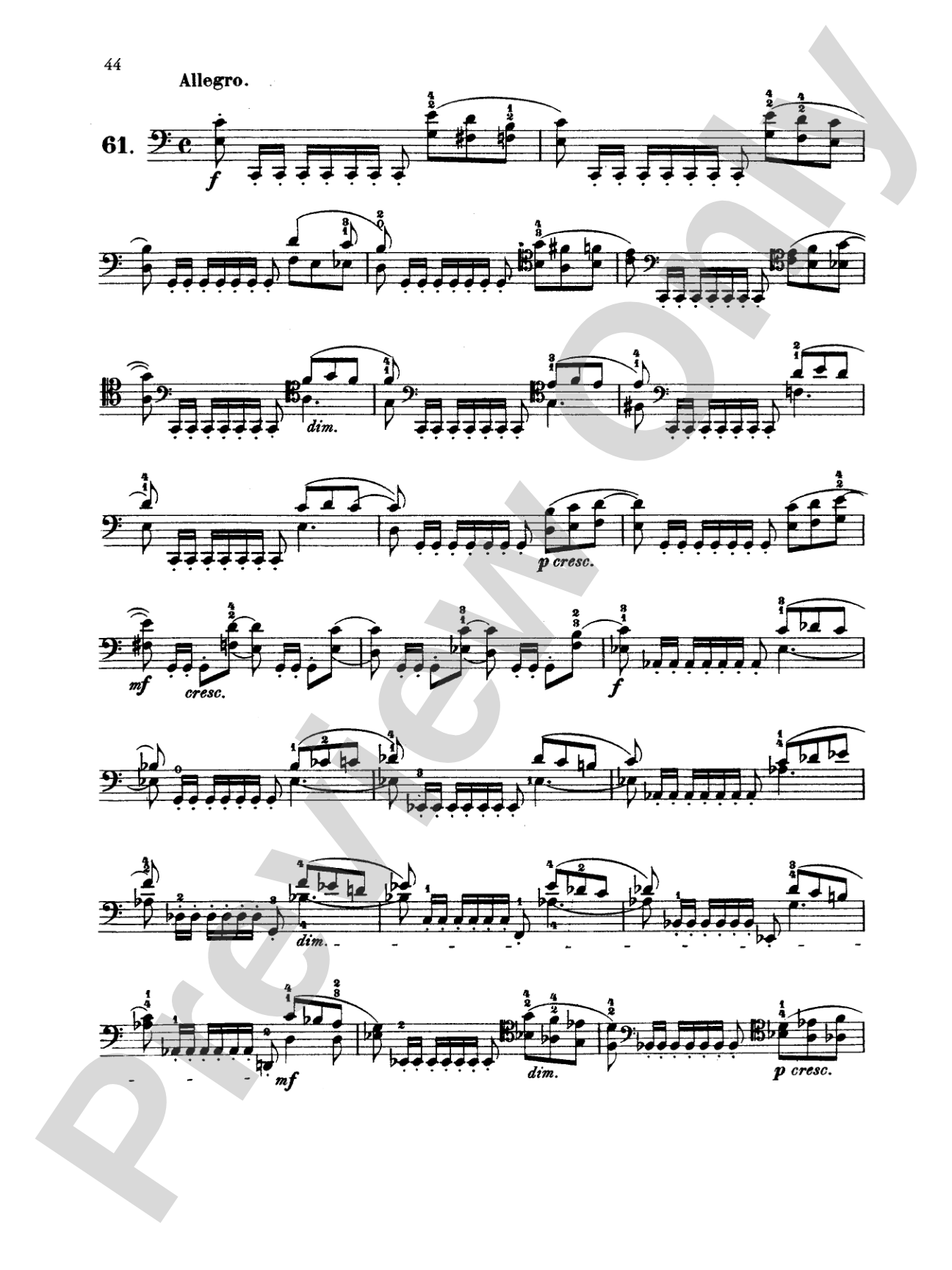
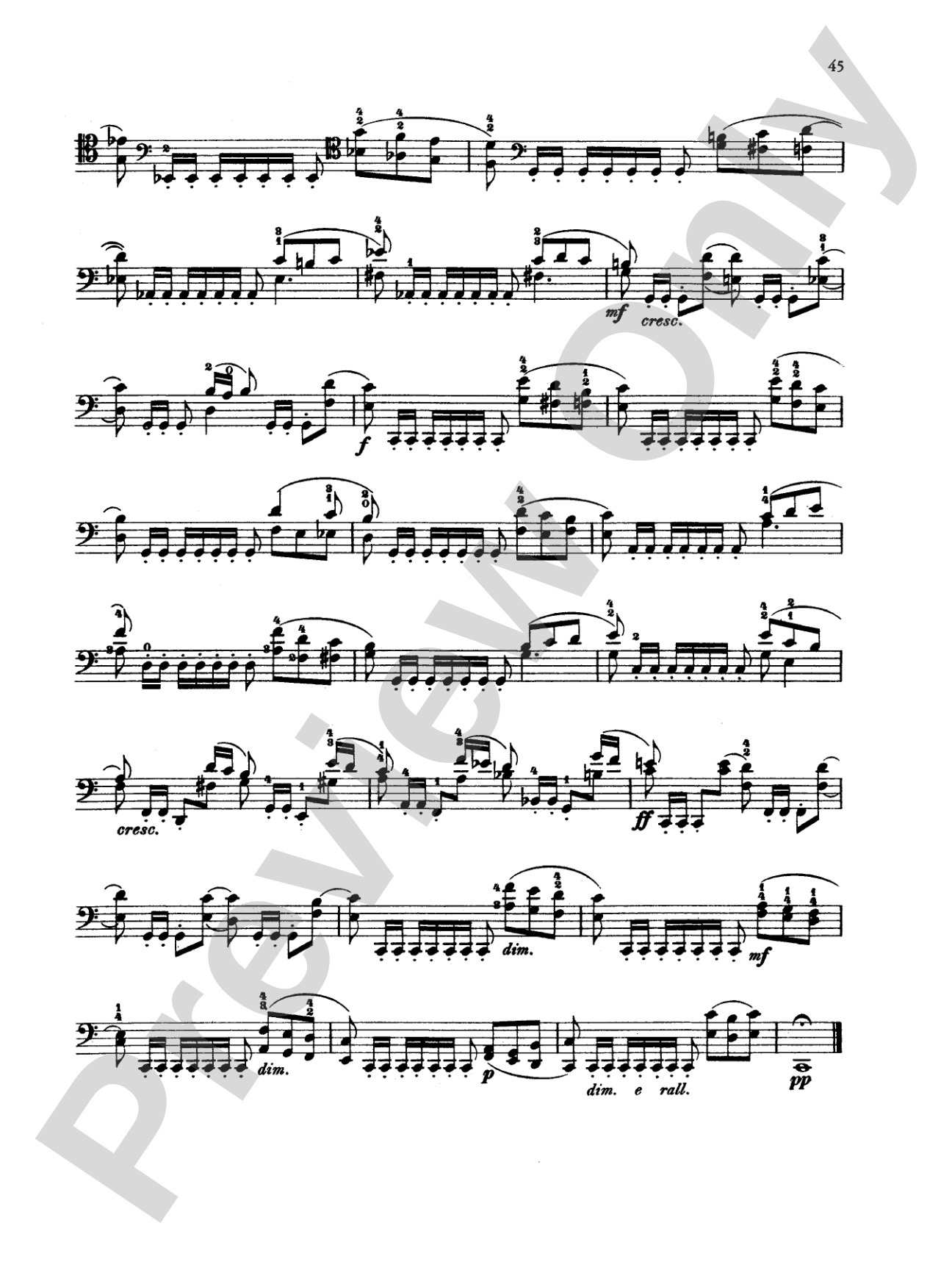


Dotzauer: 113 Studies, Volume II (Nos. 35-62): Cello Book
By Justus Johann Dotzauer
Item: 00-PK-0003503
$9.95
Pickup currently not available
Buy Extra Parts (Digital PDF Download)
| Product | Price | Quantity |
|---|---|---|
| Dotzauer: 113 Studies, Volume II (Nos. 35-62) | $8.95 |
Parts Added to Cart!
Related Items
113 Studies, Volume II: Cello Book |
$9.95
|
View |
Description
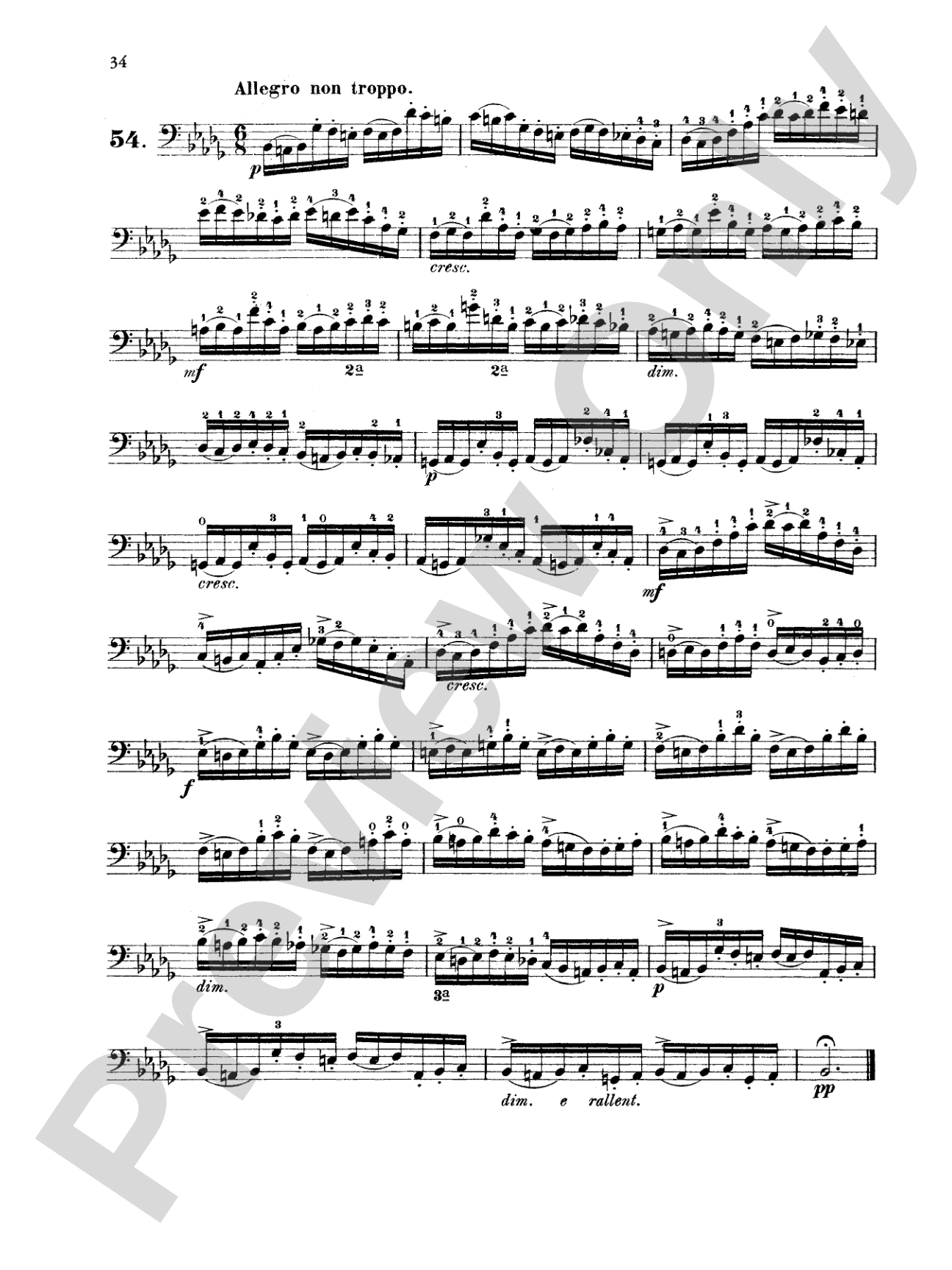
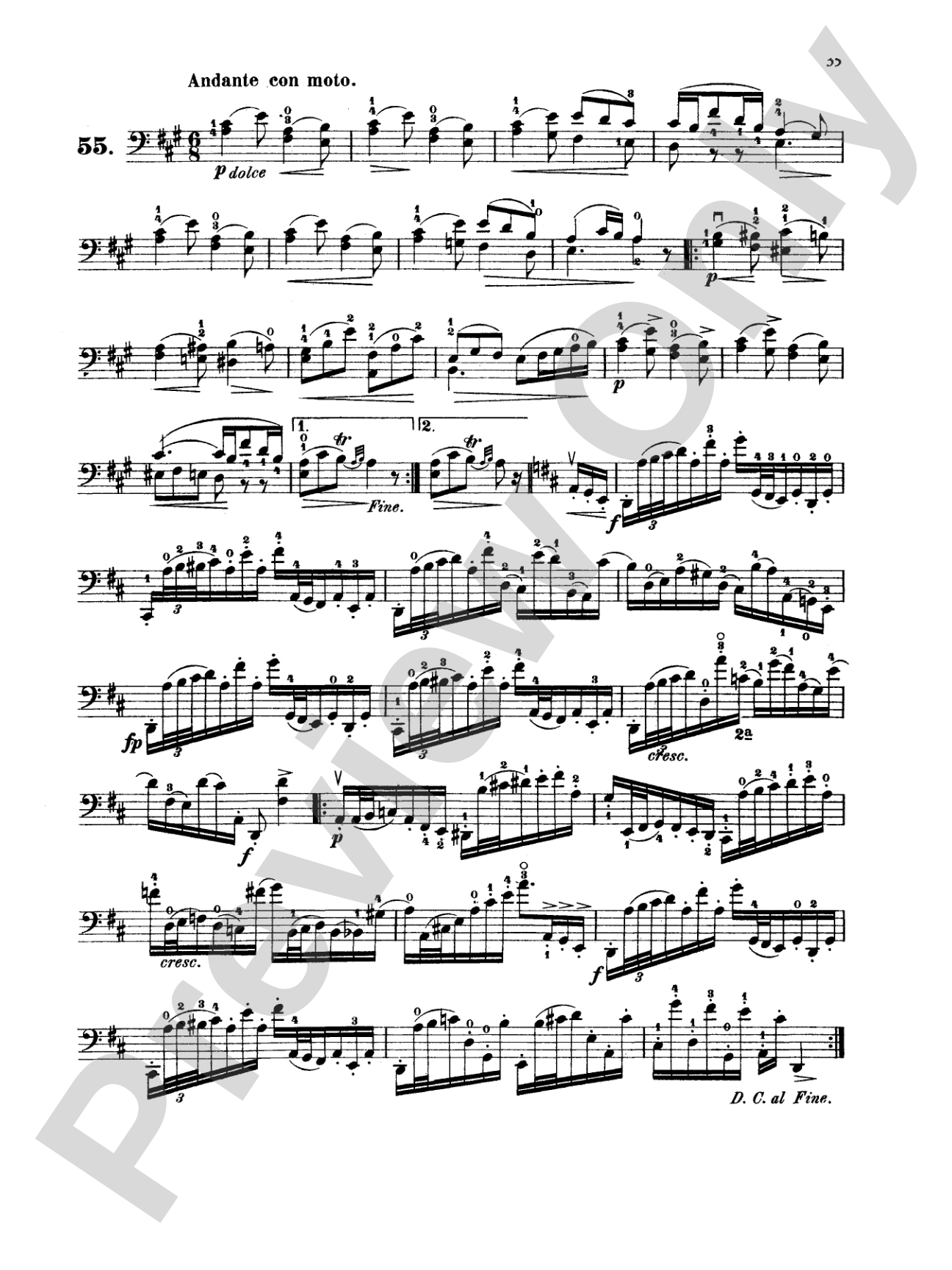
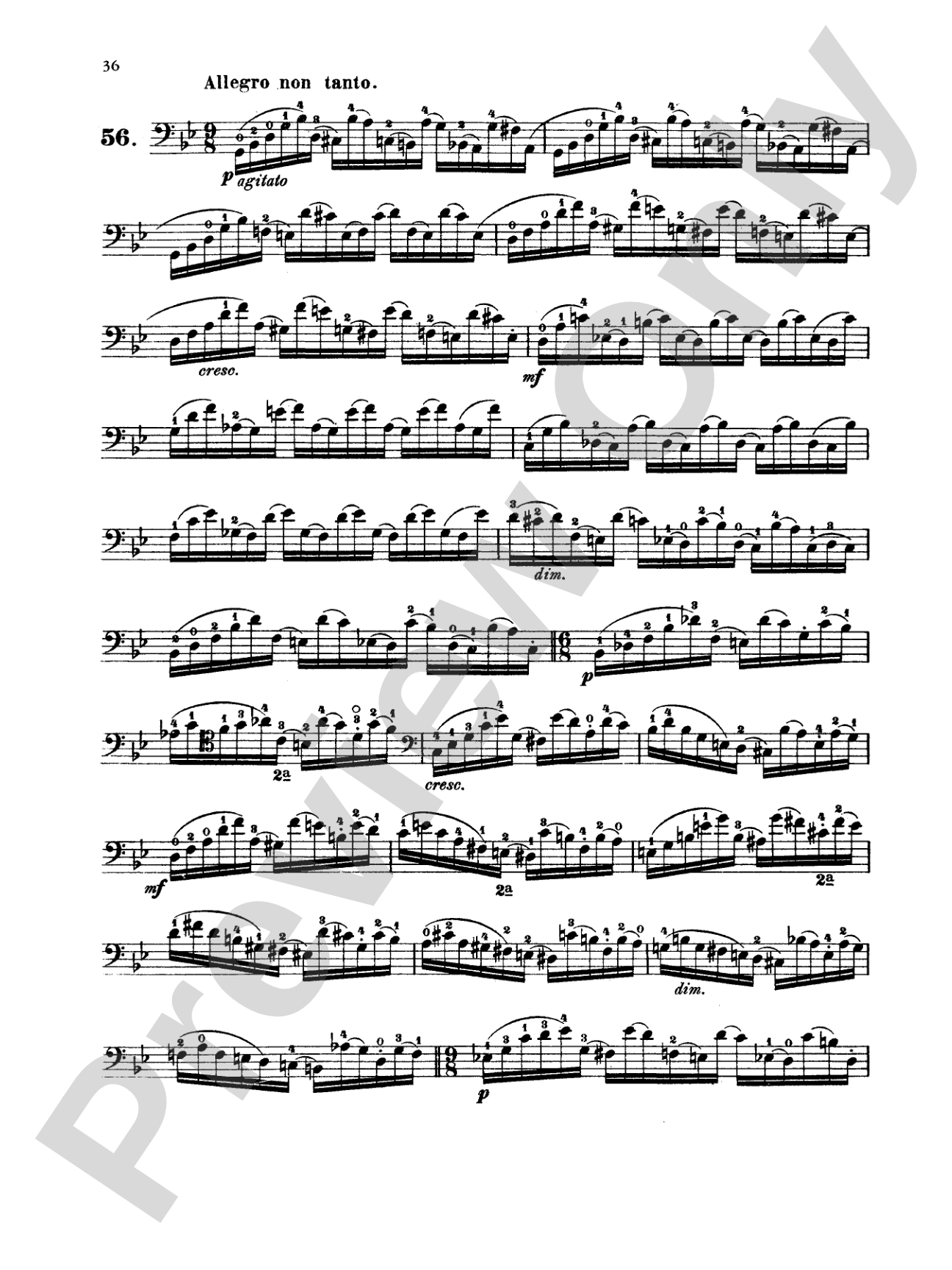
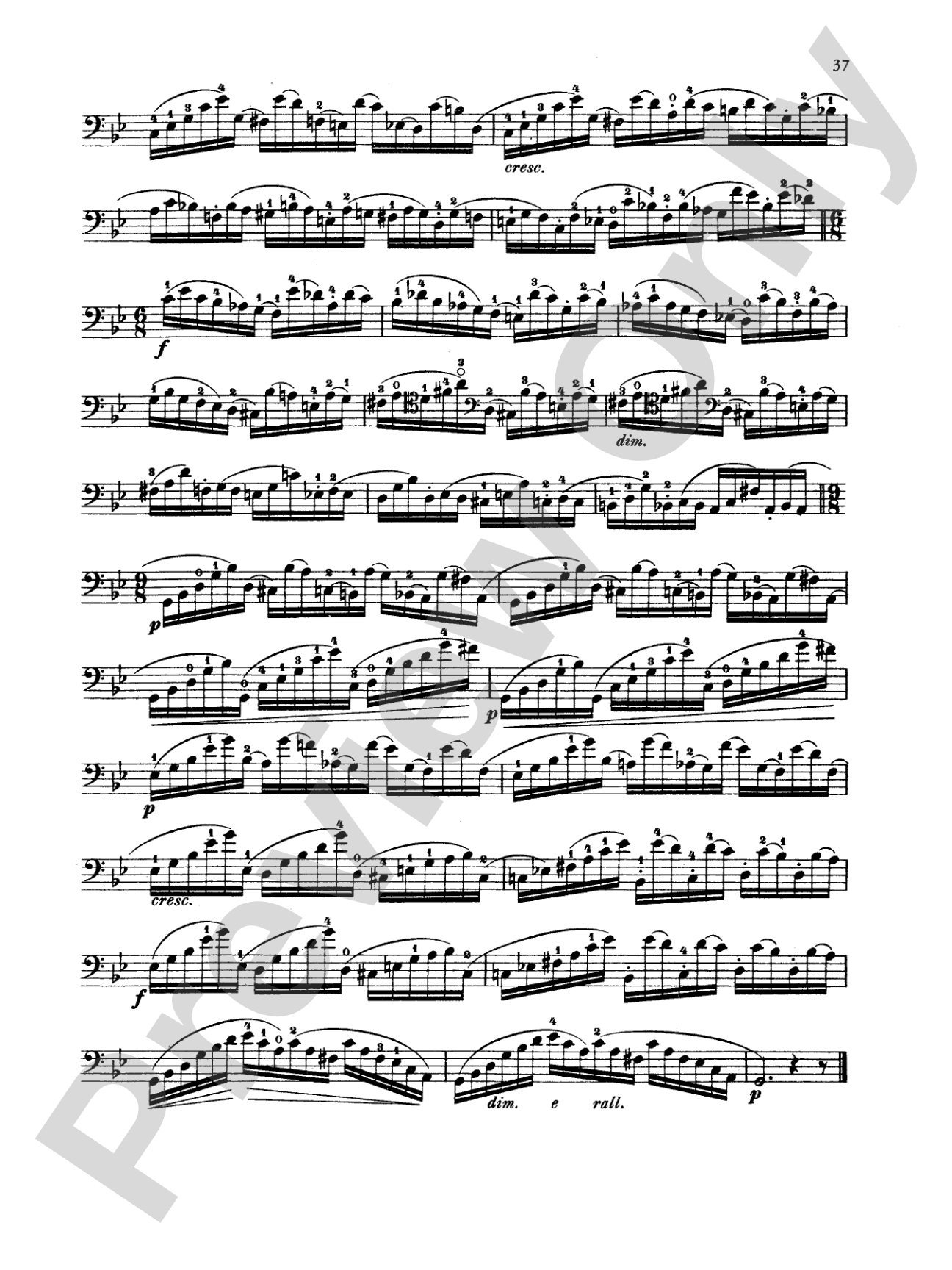
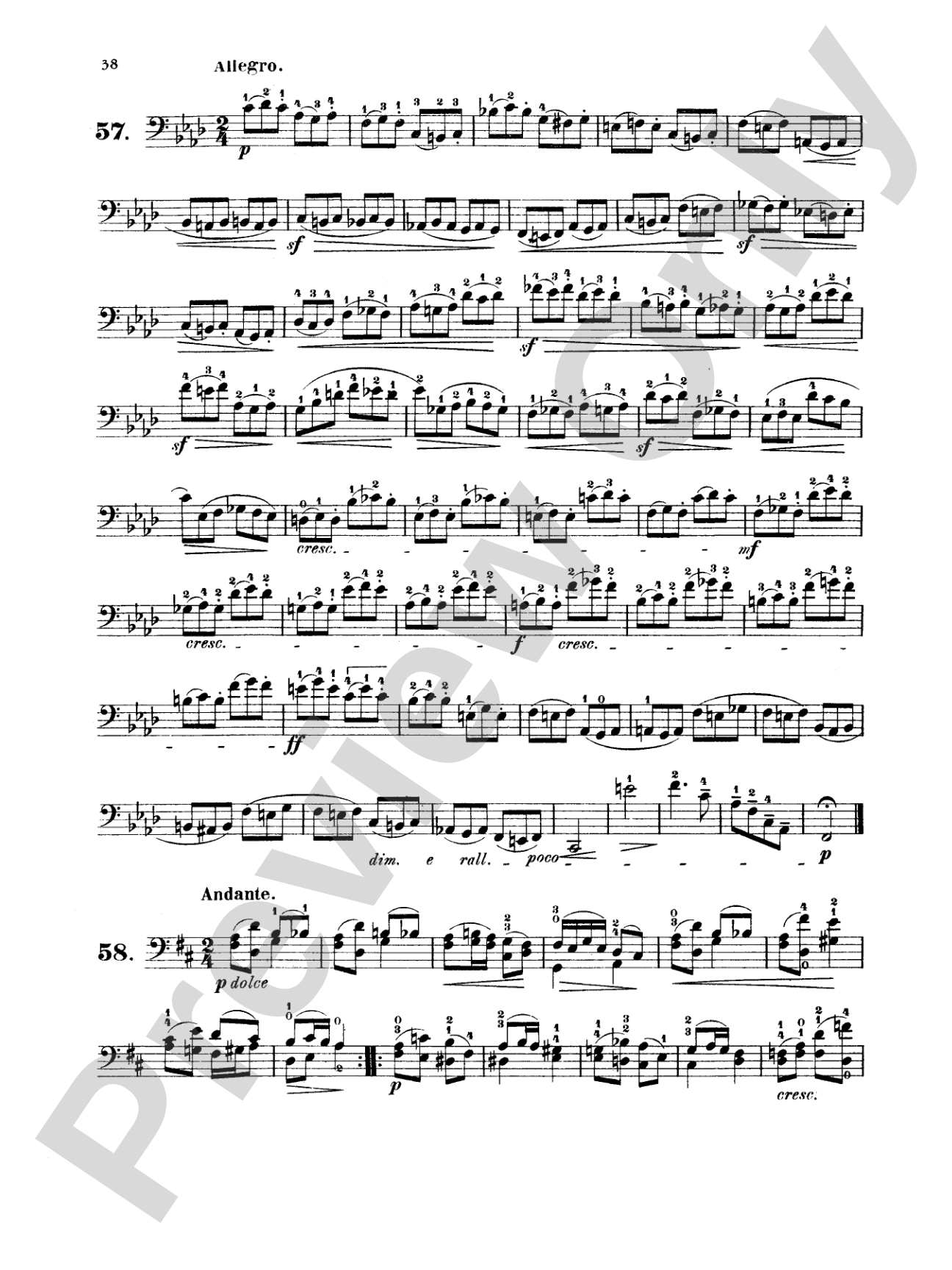
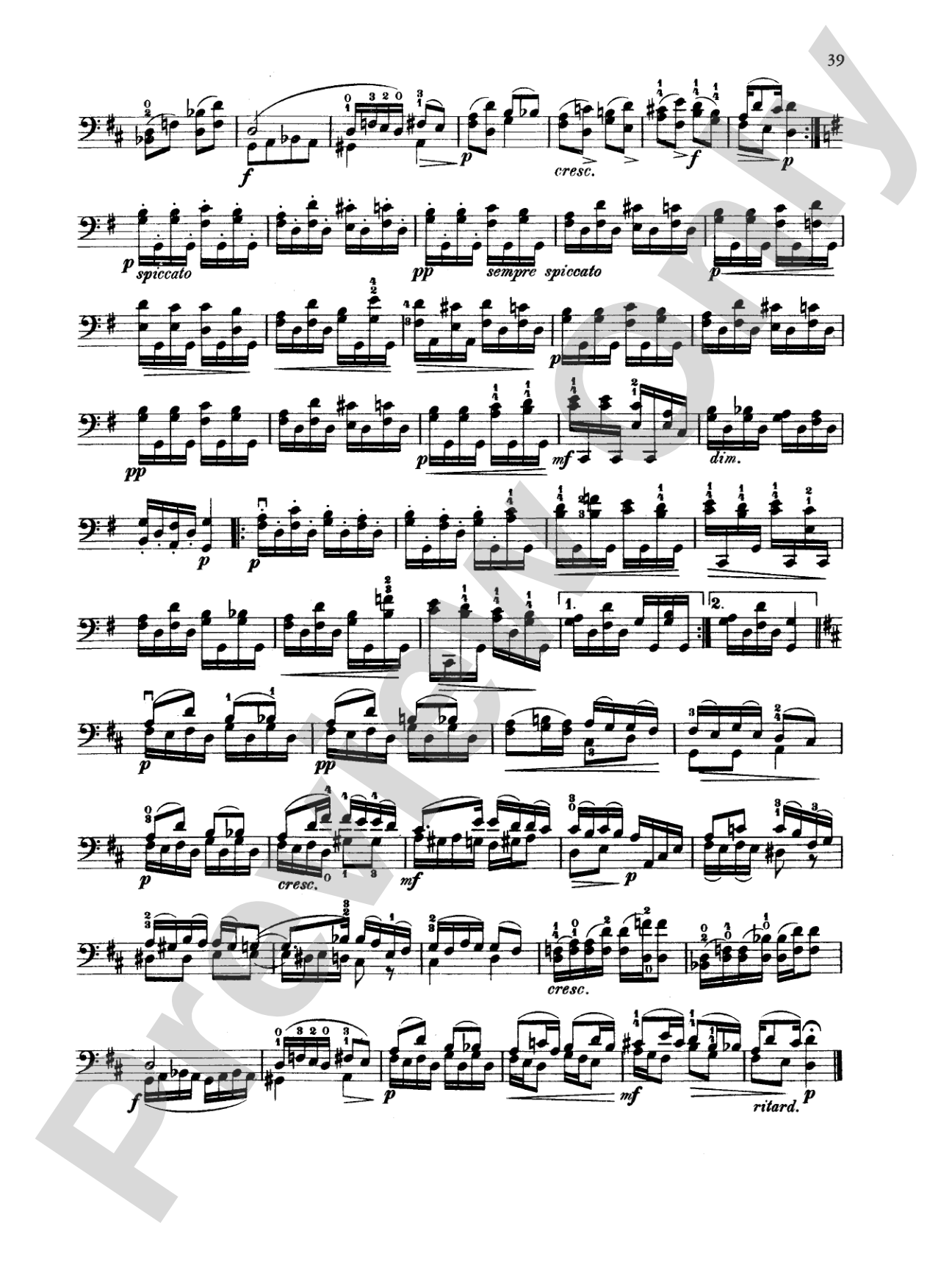
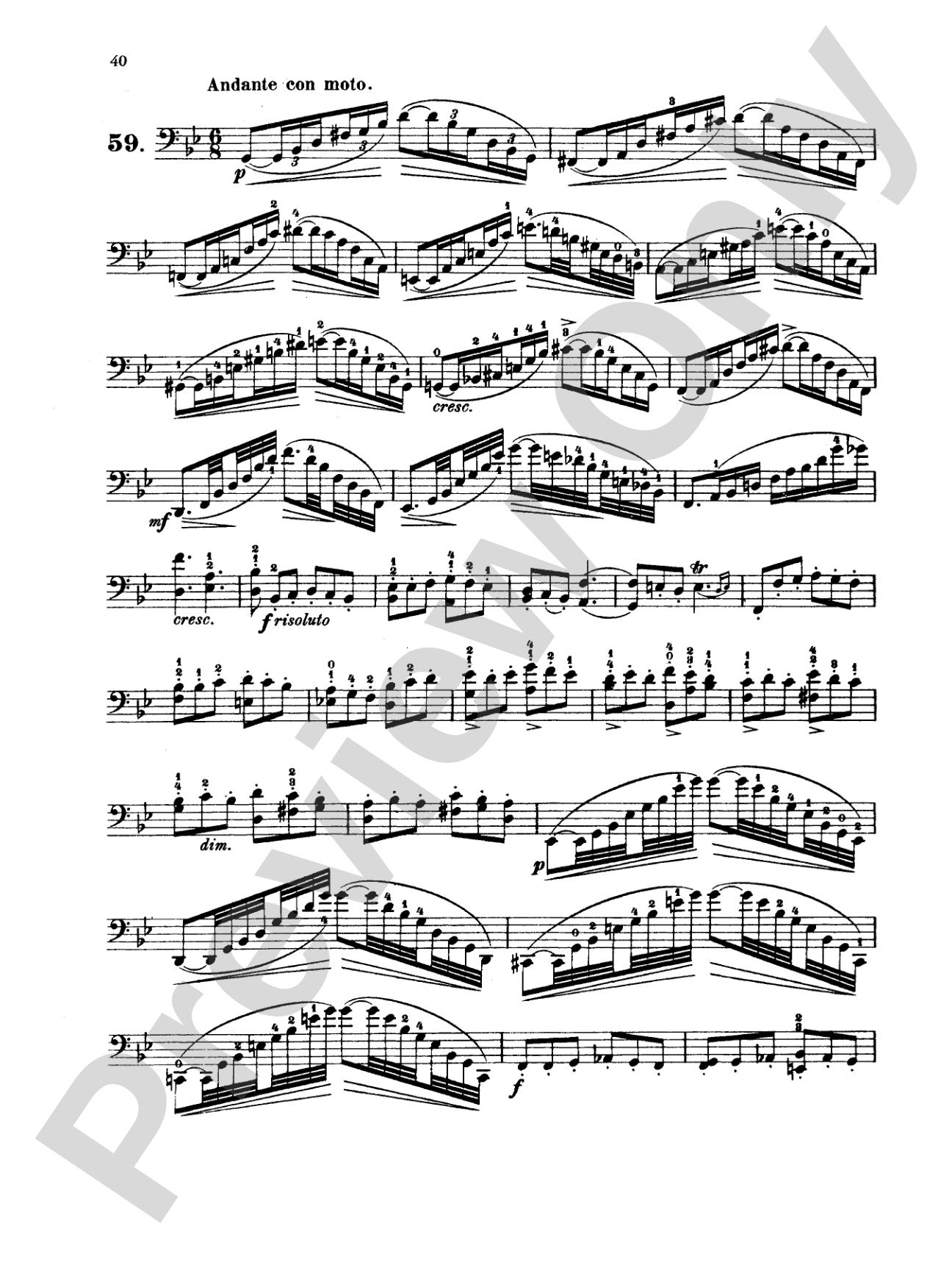
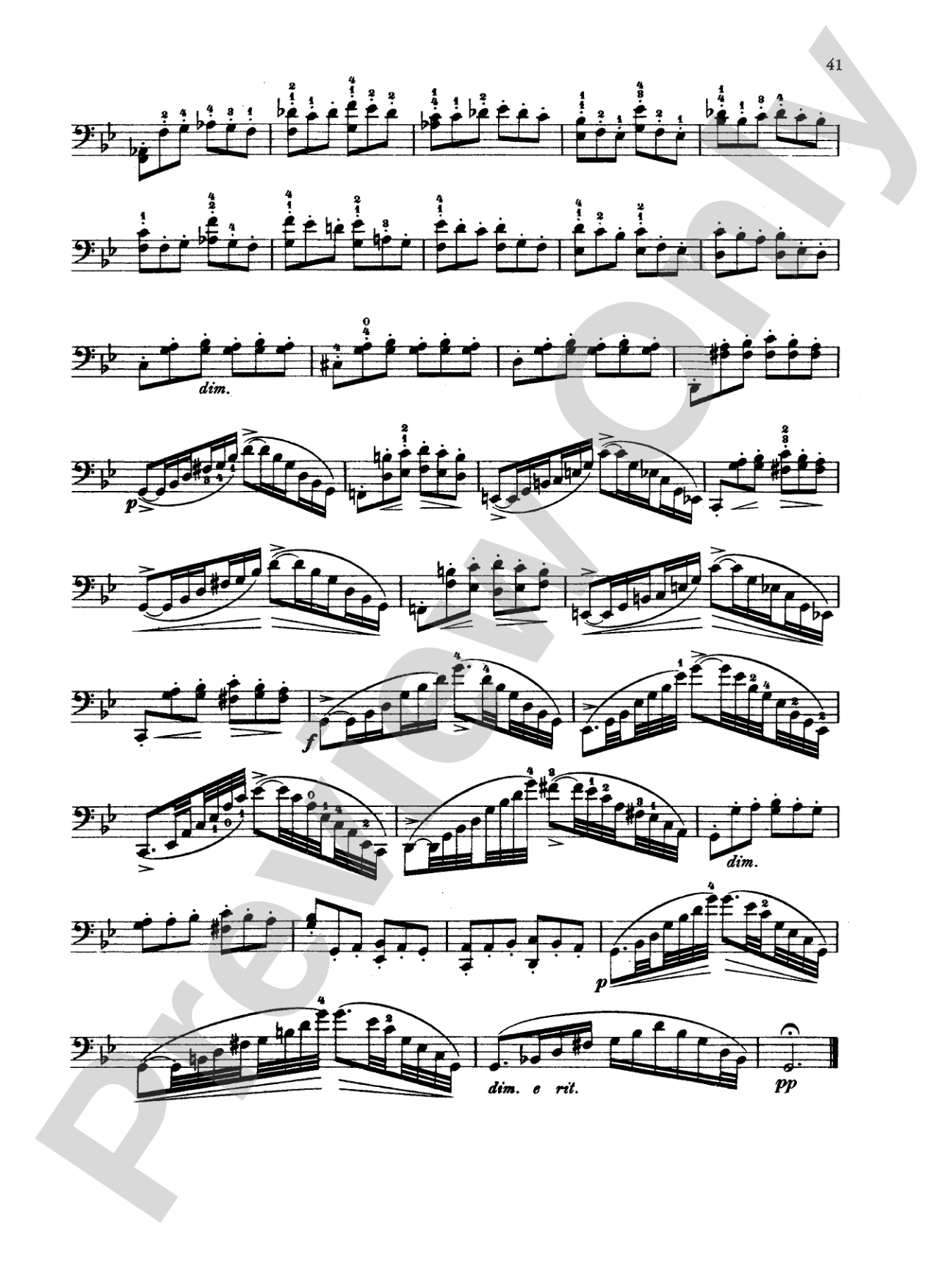
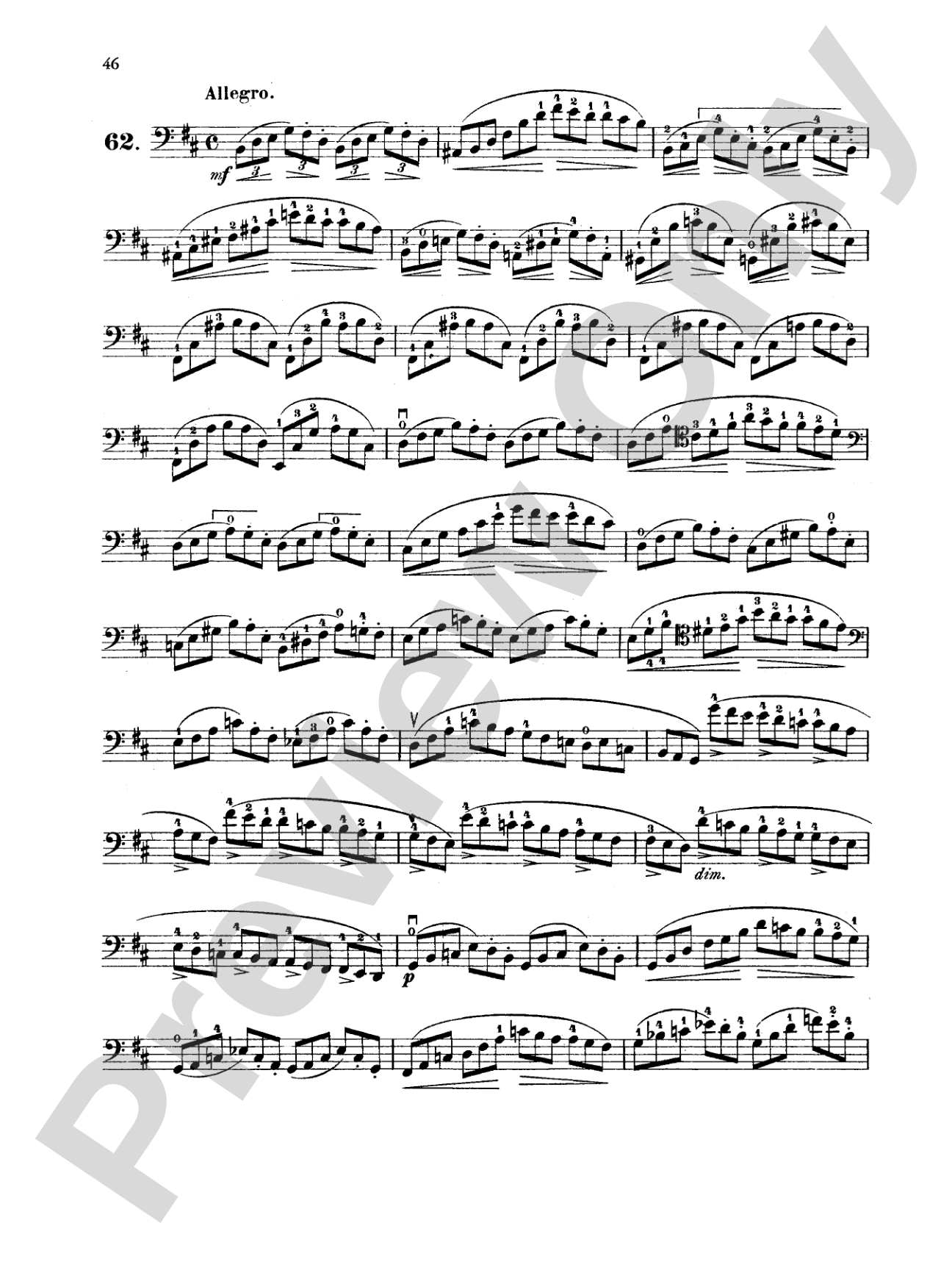
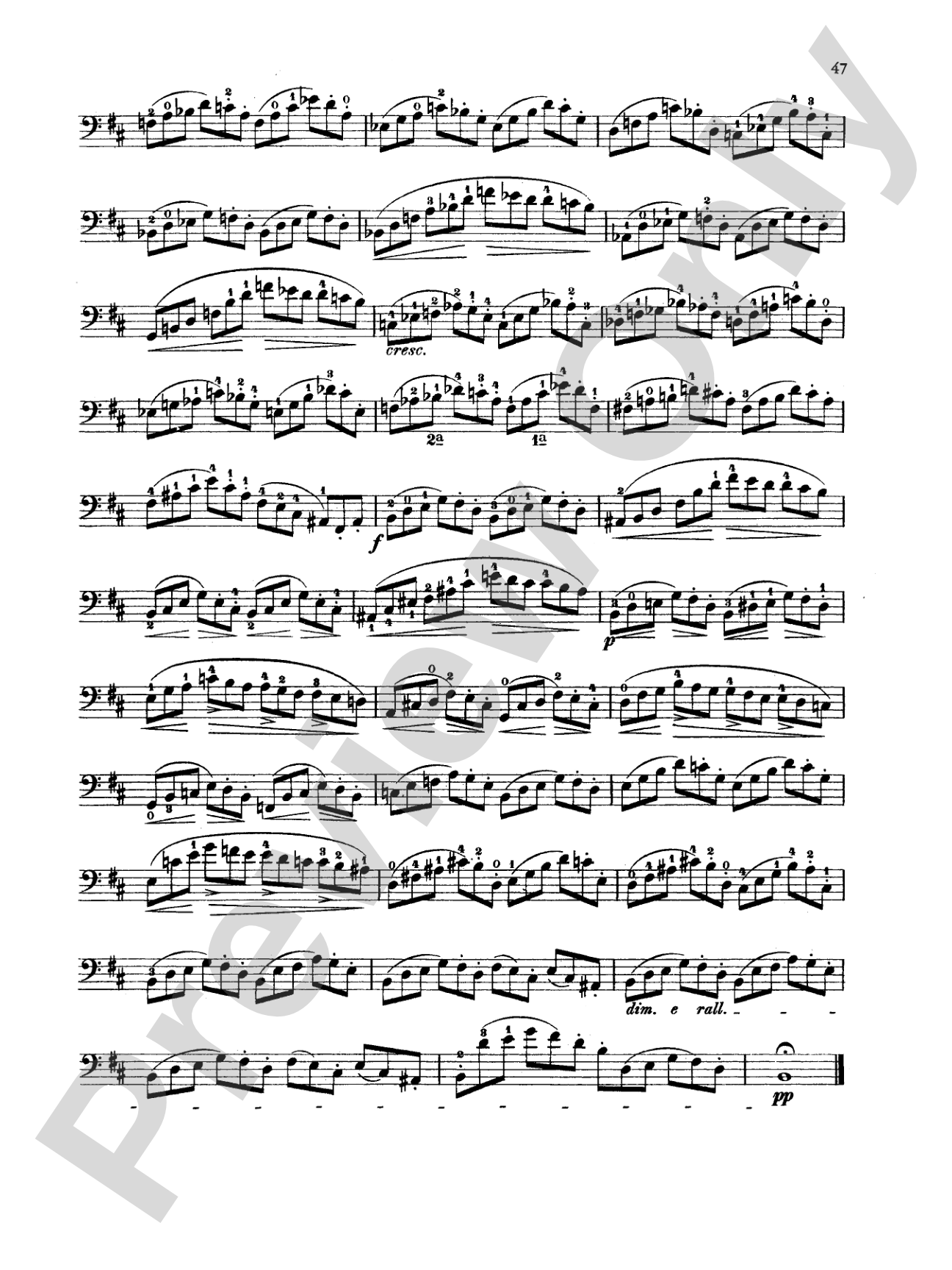
A collection of cello pieces, composed by J.J.F. Dotzauer.


Dotzauer: 113 Studies, Volume II (Nos. 35-62): Cello Book isn't in MakeMusic Cloud just yet...but it could be. Let us know you'd like to see it, and you'll help shape what comes next. In the meantime, start a free trial and dive into thousands of interactive titles your students can play along with today.
Request This Title
Tell us you want it.
Start Your Free Trial
Explore everything that's ready to play right now.
Sample Audio
No sample audio found.
Sample Video
No sample videos found.
Additional Details
Series:
Kalmus Edition
Publisher:
Alfred Music
Page Count:
48
SKU:
00-PK-0003503
More about this title
About the Composer: J.J.F. Dotzauer
Justus Johann Friedrich Dotzauer (1783-1860) was a German cellist and pedagogue whose influence on cello repertoire and technique shaped the instrument's development throughout the 19th century. As principal cellist of the Dresden court orchestra and a prolific composer, he created works that bridged Classical restraint and Romantic expression, earning respect from contemporaries and establishing himself as a foundational voice in cello literature.
His 113 studies remain essential to cello training because they address real technical challenges with musical integrity. Dotzauer never divorced technique from musicality; each study unfolds as a complete musical thought, making them engaging to practice and rewarding to perform.
Why we love this
These studies occupy the critical middle ground between early technical work and advanced repertoire, where students genuinely need scaffolding that doesn't feel like etudes. Dotzauer writes studies that sound like music, building intonation security and bow control through melodic and harmonic context rather than mechanical repetition. Teachers return to this collection across multiple lessons because the musical substance keeps both teacher and student invested.
What to expect
Dotzauer's studies balance forward momentum with lyrical breathing; you move through passages with purpose while maintaining connection to the line. The harmonic vocabulary feels both familiar and exploratory, grounded in Romantic sensibilities that invite expressive interpretation without demanding the virtuosity of concert repertoire.
Who it's for
Intermediate cellists preparing for more demanding repertoire will find these studies calibrate their technique precisely where it matters most. Advanced students benefit from revisiting them to refine tone production and interpretive detail. Teachers use them as targeted problem-solvers for specific technical areas without sacrificing musical context.
How to get the most out of it
- Treat the melodic line as a singing voice rather than a sequence of technical challenges; this shapes your phrasing choices and bow distribution.
- Establish steady tempo before increasing speed; Dotzauer's rhythmic clarity depends on confident pulse, not rushing through passages.
- Listen for the harmonic progression underneath each study to refine intonation; your ear will guide your left hand more reliably than muscle memory alone.
- Pay attention to dynamics and articulation markings, which often reveal the intended character; they are working compositional choices, not optional refinements.
How to use it
These studies work best as part of systematic lesson preparation rather than as standalone recital pieces, though individual numbers can surface in student showcases or studio classes as demonstrations of technical mastery. Assign them in sequence or selectively to address emerging technical needs; Volume II bridges intermediate fundamentals and the refined control required for standard Romantic cello repertoire.
Skills your students will build
- Intonation in extended positions using harmonic context
- Bow control across varied rhythmic patterns and articulations
- Sustained tone production in moderate tempos
- Reading and interpreting dynamic and expressive markings
- Left-hand security and smooth position shifts
- Musical phrasing within technically demanding passages