Dominique's Dance Cover Image

Dominique's Dance: String Orchestra Conductor Score & Parts

$42.00 USD
Sale price  $42.00 USD Regular price 
Skip to product information
Dominique's Dance Cover Image

Dominique's Dance: String Orchestra Conductor Score & Parts

By John Nieto

Grade: 1

Item: 00-29660

makemusic Cloud badge

Need it now?

Buy Digital Version
$42.00
Shipped

One moment…

Description
A lyrical mariachi waltz entirely in first position! Imagine a father holding his precious newborn girl, all the while, visions of her Quinceañera (15th birthday celebration) dance through his mind. The Quinceañera is an important celebration in the Mexican American community, where the girl is given her last doll and dances a waltz (vals) with her father. The easy finger patterns, cross-cultural themes and opportunities for each section to play the melody make this a perfect first ensemble piece! (1:50)

Don't just read it, hear it, play along with it, and watch your students grow with it. In MakeMusic Cloud, Dominique's Dance: String Orchestra Conductor Score & Parts comes alive with professional accompaniment, adjustable tempo, and built-in practice tools that turn solo practice into real progress.

Sample Pages

Sample Audio
0:00
0:00
Sample Video
Additional Details
Series: Belwin Very Beginning String Orchestra
Publisher: Alfred Music
Page Count: 64
UPC: 038081330907
SKU: 00-29660

More about this title

About the Composer: John Nieto
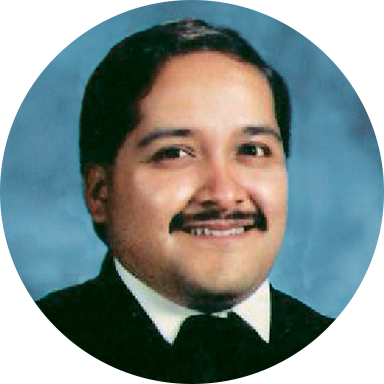
John Nieto

John Nieto directs the mariachi program at Brackenridge High School in San Antonio and leads instruction for the San Antonio ISD All District Mariachi ensemble. He serves as instructor, arranger, transcriber, and copyist at major mariachi conferences including Albuquerque and Tucson, and performs professionally with ensembles throughout Texas. His students have earned recognition at the Ford, Lincoln-Mercury Mariachi Extravaganza and the Albuquerque Mariachi Spectacular, and have represented San Antonio as cultural ambassadors internationally.

Nieto's connection to mariachi runs deep. What began as reluctant attendance at Our Lady of Guadalupe church rehearsals nearly three decades ago has become his life's work. He has shared the stage with legendary groups including Mariachi Vargas de Tecalitlan and Mariachi Sol De Mexico de Jose Hernandez, bringing that same professional artistry and cultural authenticity to his teaching.

Why we love this

A Grade 1 piece that honors a meaningful cultural celebration while respecting young string players' technical realities. Nieto stays in first position throughout, keeps the finger patterns accessible, and distributes the melody across sections so every player experiences being featured. The waltz rhythm and lyrical character feel genuine because they come from someone who lives this music daily.

What to expect

Tender and warm, like watching a celebration unfold through a father's eyes. The waltz meter creates forward motion without urgency, and the melody sits so naturally under the fingers that players can focus on bringing shape and expression rather than managing technical hurdles. There is celebration here, but it's grounded in love and reflection.

Who it's for

Beginning string orchestras ready to move beyond workshop repertoire into culturally resonant music that engages both mind and heart. This works equally well for your first concert of the year or as a festival selection where the piece's authenticity and straightforward technical demands build confidence.

How to get the most out of it

  • Bring out the storytelling arc: the opening captures quiet wonder and tenderness as the father gazes at his newborn, so establish a gentle, legato approach to the melody before building toward the celebratory energy that emerges as the piece progresses.
  • Rotate the melody among sections deliberately and with intention, allowing each group to listen actively when they're accompanying and commit fully when the tune moves to them.
  • Shape the waltz rhythm naturally without over-conducting; let the three-beat feel breathe, avoiding the mechanical quality that can trap young ensembles in Latin idioms.
  • Keep violins I and II balanced so the divisi sections maintain clarity without one part dominating the other.

How to use it

Open a concert with this piece to set an intimate, culturally enriching tone, or pair it alongside other accessible repertoire that represents diverse musical traditions. Its modest length (1 minute 50 seconds) makes it ideal for festival performances or as an encore that reminds audiences why we do this work.

Skills your students will build

  • Sustaining legato lines in first position across multiple measures
  • Playing in waltz meter and responding to three-beat phrasing
  • Balancing as supporting voices when melody shifts to another section
  • Ensemble listening and awareness of how individual parts fit into a whole
  • Navigating easy divisi writing between violin I and violin II

You May Also Like
