DNA Cover Image

DNA: String Orchestra Conductor Score

$7.00 USD
Sale price  $7.00 USD Regular price 
Skip to product information
DNA Cover Image

DNA: String Orchestra Conductor Score

By Vince Gassi

Grade: 1

Item: 00-40481S

$7.00
Shipped

One moment…

Description
The perfect code, or blueprint, for an enjoyable, playable, musical work! Everyone plays the tune, as well as the recurring motif. Add a touch of percussion to this calypso and you'll be able to replicate oodles of fun at concerts to come.

DNA: String Orchestra Conductor Score isn't in MakeMusic Cloud just yet...but it could be. Let us know you'd like to see it, and you'll help shape what comes next. In the meantime, start a free trial and dive into thousands of interactive titles your students can play along with today.

Sample Pages

Sample Audio
No sample audio found.
Sample Video
Additional Details
Series: Highland/Etling String Orchestra
Publisher: Alfred Music
Page Count: 8
UPC: 038081456362
SKU: 00-40481S

More about this title

About the Composer: Vince Gassi
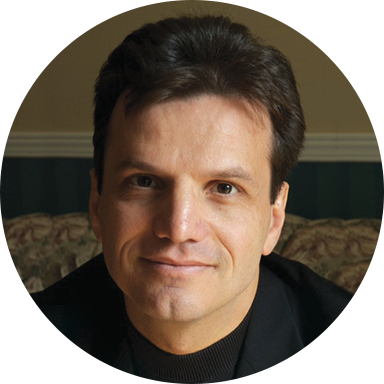
Vince Gassi

Vince Gassi brings twenty-five years of classroom teaching experience to his compositional work, paired with advanced training in music theory and arranging. He earned his Bachelor of Music from the University of Western Ontario, refined his craft at the Dick Grove School of Music in Los Angeles, and completed his Ph.D. at York University in Toronto.

As a prolific composer with more than 100 published titles, Gassi has become known for energetic writing that connects with young musicians while maintaining genuine musical substance. His works appear regularly on festival and contest programs across North America, Europe, and Japan. Beyond composition, he serves as a guest conductor, adjudicator, and clinician, and leads seminars on student engagement, arranging concepts, and digital workflows for music directors.

Why we love this

Grade 1 doesn't have to mean thin or forgettable, and Gassi proves it here. Every player gets the melody at some point, building ownership and confidence, while the calypso rhythm creates immediate momentum and fun without demanding complex technique. It's exactly the kind of piece that keeps young orchestras engaged and reminds audiences why live music matters.

What to expect

The piece radiates the warmth and relaxed energy of a calypso, inviting rather than demanding. Every student gets a moment in the spotlight as the melody rotates through the ensemble, creating a sense of shared ownership and joy that carries through to performance.

Who it's for

String orchestras at the early intermediate level and directors seeking concert-ready material that celebrates accessibility without sacrificing style. This works equally well for concerts and festivals, offering young players a chance to play something genuinely musical that audiences recognize as complete and intentional.

How to get the most out of it

  • Emphasize the calypso rhythmic feel from the first rehearsal; this groove is what makes the piece infectious. Lock in the steady pulse before worrying about precise ensemble attacks.
  • Give the recurring motif its own character in early rehearsals so players recognize it instantly when it returns. Isolation and repetition build both accuracy and musicality.
  • Use the percussion sparingly until the final measures of rehearsal. This restraint lets strings shine and makes the full texture count when percussion enters.
  • Allow the ensemble to experience the tune-sharing structure; point out moments when different sections carry the melody so students understand the piece's blueprint and value their individual contribution.

How to use it

Program this as a high-energy centerpiece in a concert that mixes styles and moods, or use it as the finale of a family concert where younger orchestras perform. Its light, celebratory character provides contrast to more serious repertoire and signals confidence in your ensemble's musicianship.

Skills your students will build

  • Recognizing and responding to recurring motifs across the ensemble
  • Playing with consistent rhythmic pulse in a non-traditional meter or feel
  • Balancing melody and accompaniment when the tune migrates between sections
  • Shaping a complete musical phrase with intentional phrasing and articulation
  • Responding to conductor cues for texture changes and dynamic control

You May Also Like