

Didn't My Lord / Dies Irae: SATB Choral Octavo
Traditional Spiritual / arr., with new words and music, by Chad Weirick
Item: 00-PO-0007002
$2.05
Minimum order quantity: 20 copies
Pickup currently not available
Related Items
Didn't My Lord / Dies Irae: SATB Choral Octavo |
$2.05
|
View |
Description
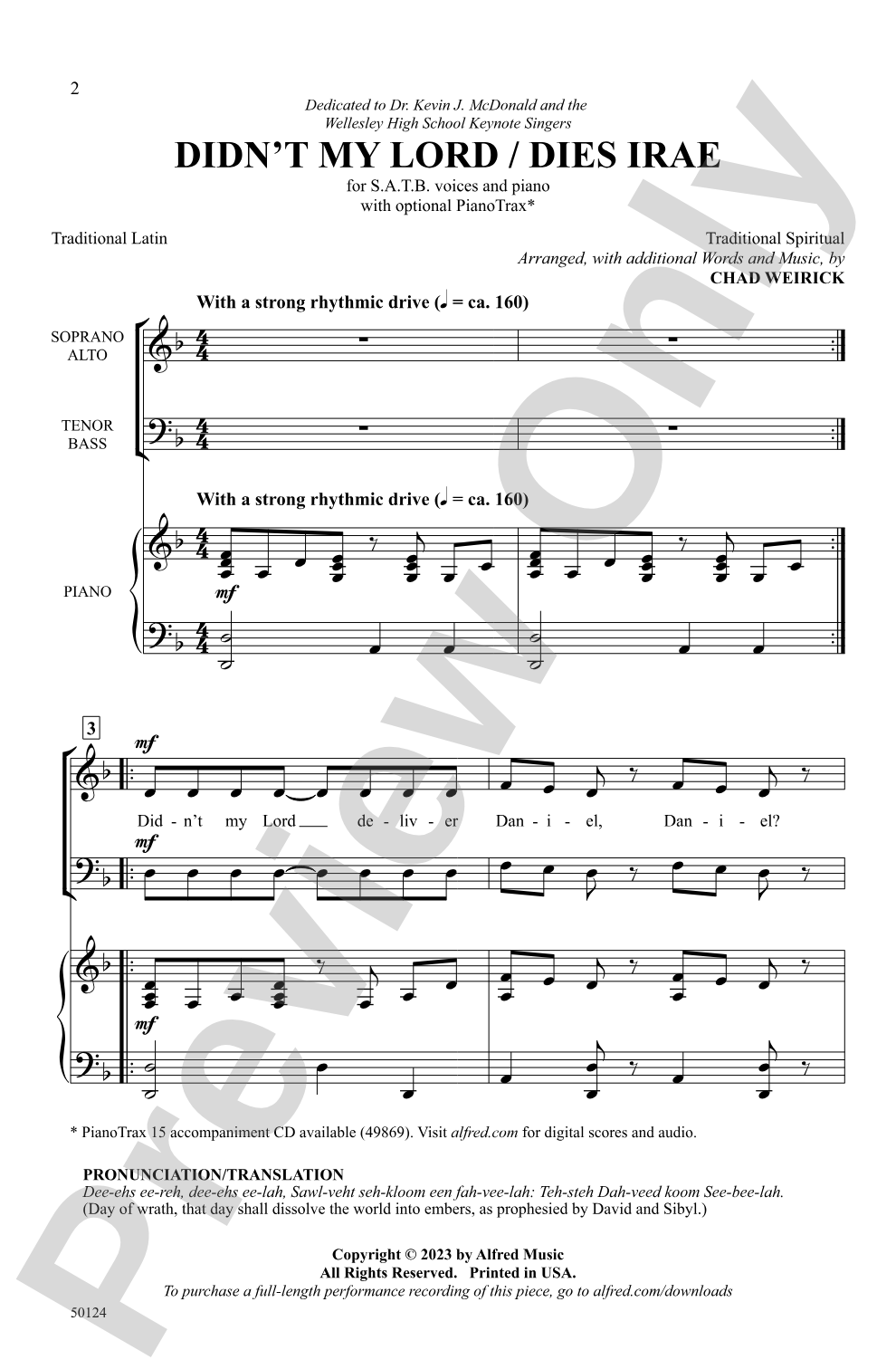
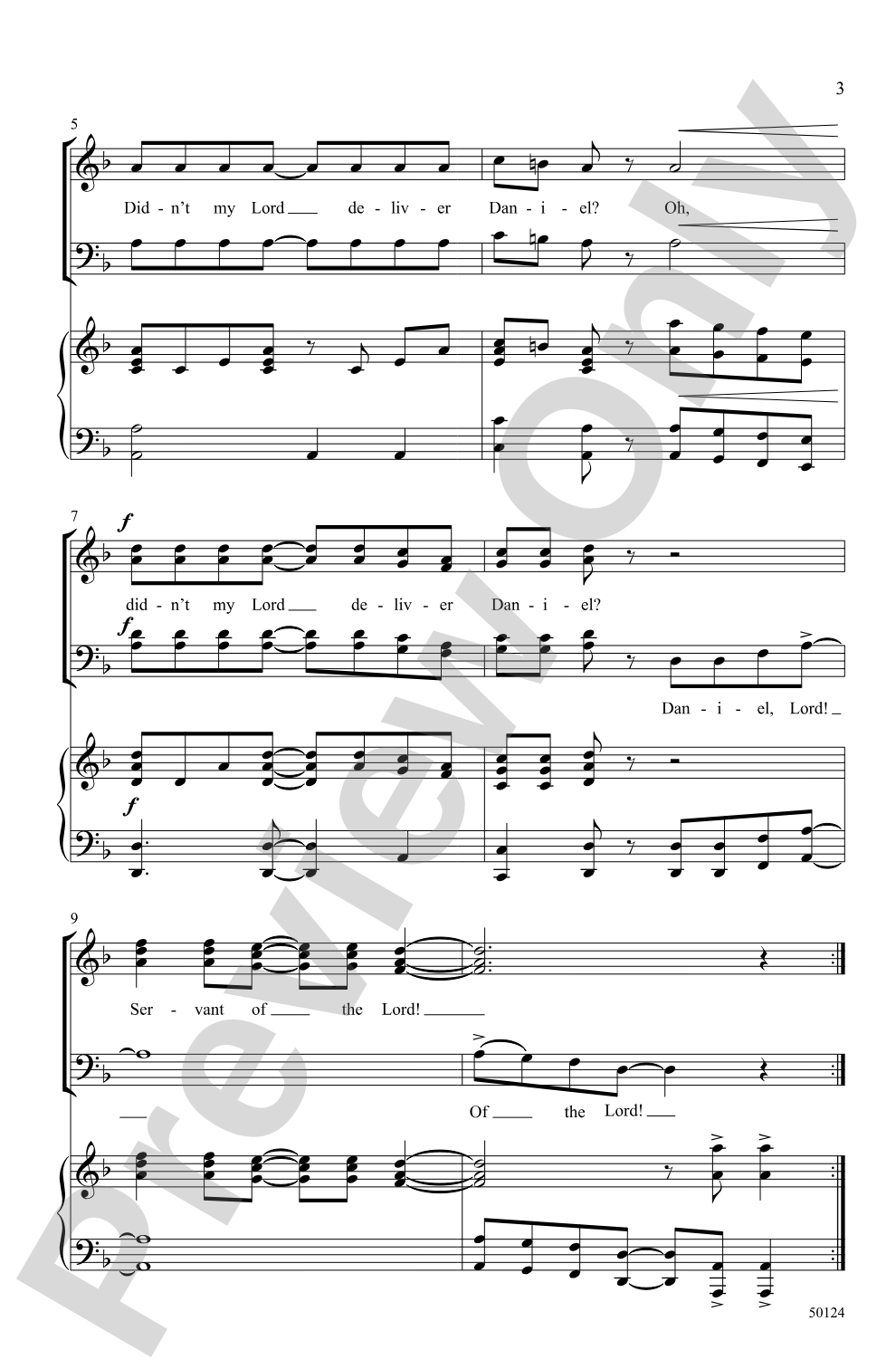
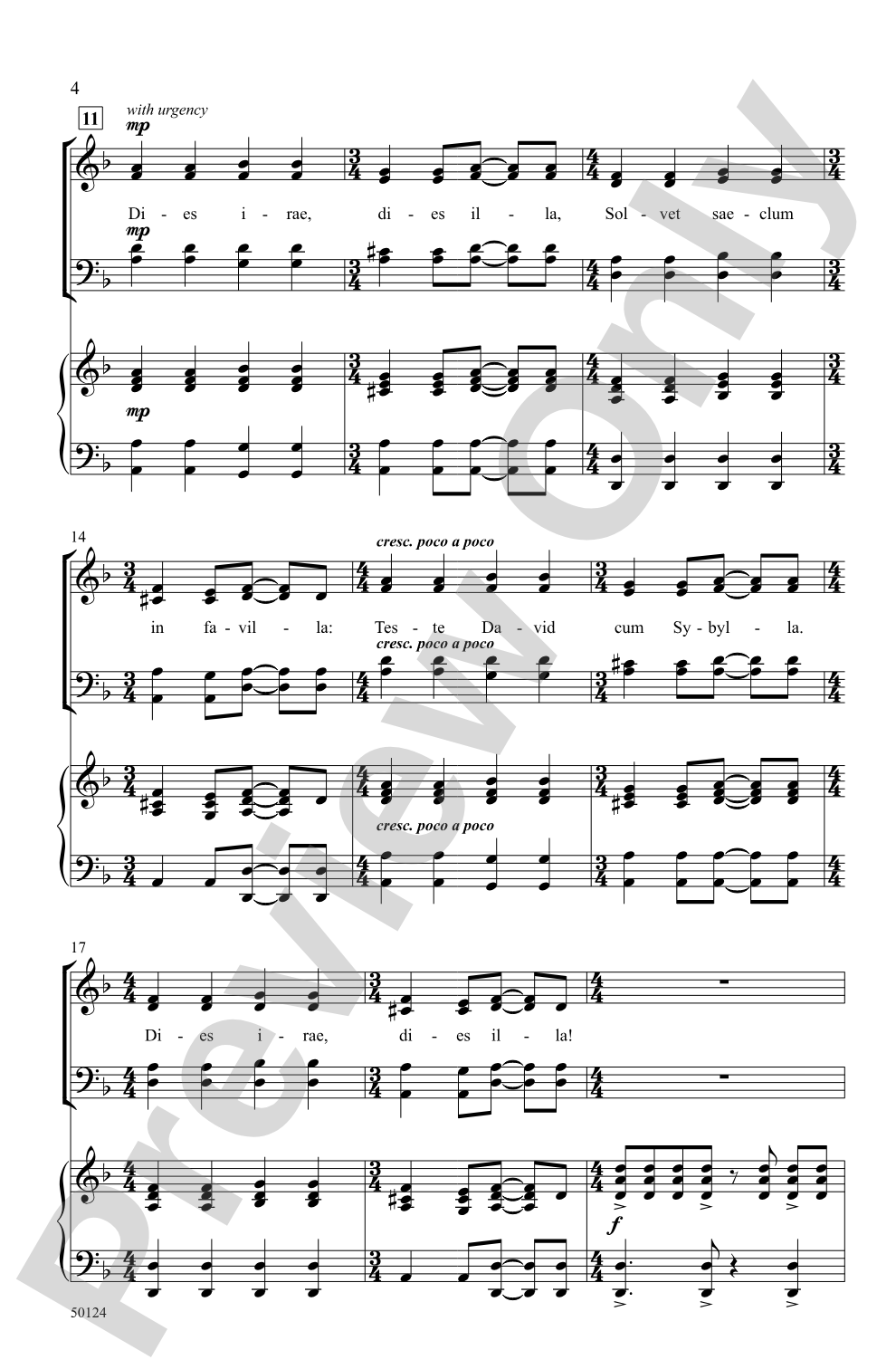
A driving and dramatic spiritual meets the riveting "day of wrath" Latin text in this unique arrangement that's not to be missed. Experience the thrill of mixed and changing meters, soaring and chromatic phrases, ever-increasing rhythmic intensity, and theatrical storytelling in this unexpected pairing---the likes of which you've never heard before. A rewarding challenge for performers, an unforgettable standout for audiences.


Didn't My Lord / Dies Irae: SATB Choral Octavo isn't in MakeMusic Cloud just yet...but it could be. Let us know you'd like to see it, and you'll help shape what comes next. In the meantime, start a free trial and dive into thousands of interactive titles your students can play along with today.
Request This Title
Tell us you want it.
Start Your Free Trial
Explore everything that's ready to play right now.
Sample Audio
1
Audio File
--:--
0:00
0:00
Sample Video
Additional Details
Series:
Alfred Choral Designs
Publisher:
Alfred Music
Page Count:
12
SKU:
00-PO-0007002
More about this title
About the Composer: Chad Weirick
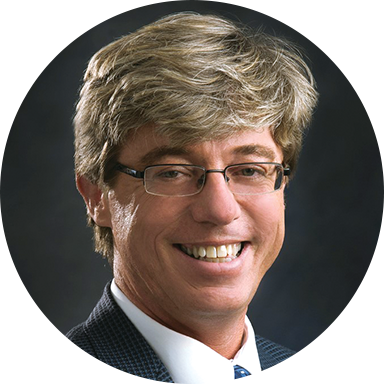
Chad Weirick began his professional music career at an extraordinarily young age, joining Radio City Music Hall as organist while still a teenager and later serving as rehearsal pianist for the Rockettes. This early exposure to high-energy performance and precision musicianship shaped his sensibility for dramatic, engaging arrangements. He went on to work as pianist for multiple Broadway productions including "A Chorus Line" and "Shenandoah" before pursuing formal composition training at the New England Conservatory of Music, where he earned a Master's degree under Malcolm Peyton.
Today, Weirick brings decades of experience in both performance and composition to his work as Assistant Music Director for the Boston Gay Mens Chorus, educator in the choral department at Wellesley High School, and Minister of Music at the First Congregational Church in Hanover, Massachusetts. His choral arrangements have been performed and recorded by ensembles across the country and internationally. Beyond music, he is an accomplished athlete and martial artist, holding a black belt in Tae Kwon Do.
Why we love this
Weirick's pairing of a driving African American spiritual with the Latin Dies Irae text creates something genuinely surprising, not a safe medley but a collision of two powerful traditions that genuinely deepen each other. The arrangement's architectural arc, building through meter shifts and chromatic intensity, gives your singers a clear dramatic shape to sink into and performers something substantial to perform.
What to expect
Urgent and soaring, this piece channels the spiritual's call-and-response energy into a building storm of Latin text and shifting time signatures. Chromatic harmonies and theatrical phrasing create an almost cinematic intensity that builds toward something transformative.
Who it's for
Choirs ready to step beyond conventional arrangements and tackle something with real dramatic and harmonic complexity. Your singers need secure musicianship and willingness to embrace meter changes and chromatic writing, and your audience should expect to encounter something they've genuinely never heard before.
How to get the most out of it
- Establish the metric shifts as intentional architectural moves, not accidents. Rehearse them in isolation so the choir locks in rhythmically and owns the transitions rather than fighting them.
- Balance the dramatic intensity with textural clarity. The soaring phrases and theatrical storytelling only land if audiences hear the harmonic and melodic lines distinctly; resist oversinging at the expense of articulation.
- Use the recorded accompaniment strategically during rehearsal to reinforce the rhythmic grid and let singers hear their parts anchored in context before running the piece a cappella or with live accompaniment.
- Shape the "ever-increasing rhythmic intensity" as a gradual climb, not an abrupt jump. Mark tempo and energy shifts in rehearsal so singers feel the forward momentum building cumulatively.
How to use it
Program this as a concert showstopper or contest piece where you want to demonstrate your choir's technical range and dramatic maturity. The unexpected fusion and theatrical arc make it memorable as a standalone work, and it programs particularly well alongside other sacred or spiritually inflected repertoire where it can create provocative contrast.
Skills your students will build
- Reading and maintaining clarity in mixed and changing meters (3/4 and 4/4 shifts)
- Singing chromatic and non-diatonic harmonic progressions with secure intonation
- Shaping dramatic intensity through rhythmic acceleration and layered textural complexity
- Interpreting texts from two distinct musical and cultural traditions in a unified arrangement