Didn't My Lord / Dies Irae Cover Image

Didn't My Lord / Dies Irae: SATB Choral Octavo

$2.05 USD
Sale price  $2.05 USD Regular price 
Skip to product information
Didn't My Lord / Dies Irae Cover Image

Didn't My Lord / Dies Irae: SATB Choral Octavo

Traditional Spiritual / arr., with new words and music, by Chad Weirick

Item: 00-50124

Need it now?

Buy Digital Version
$2.05
Shipped

One moment…

Description
A driving and dramatic spiritual meets the riveting "day of wrath" Latin text in this unique arrangement that's not to be missed. Experience the thrill of mixed and changing meters, soaring and chromatic phrases, ever-increasing rhythmic intensity, and theatrical storytelling in this unexpected pairing---the likes of which you've never heard before. A rewarding challenge for performers, an unforgettable standout for audiences.

Didn't My Lord / Dies Irae: SATB Choral Octavo isn't in MakeMusic Cloud just yet...but it could be. Let us know you'd like to see it, and you'll help shape what comes next. In the meantime, start a free trial and dive into thousands of interactive titles your students can play along with today.

Sample Pages

Sample Audio
0:00
0:00
Sample Video
Additional Details
Series: Alfred Choral Designs
Publisher: Alfred Music
Page Count: 12
UPC: 038081572949
SKU: 00-50124

More about this title

About the Composer: Chad Weirick
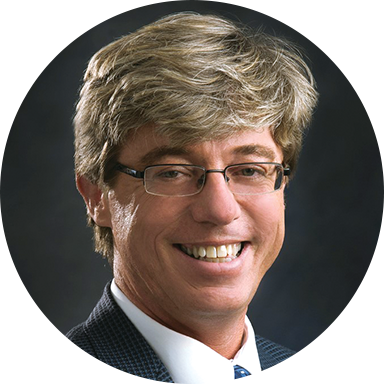
Chad Weirick

Chad Weirick began his music career with remarkable speed, graduating high school at fifteen and moving to New York City where he became the organist for Radio City Music Hall and rehearsal pianist for the Rockettes. This early success earned him a place in Ripley's Believe It Or Not! as the youngest full-time musician on Broadway; he went on to play piano for productions including "A Chorus Line," "Shenandoah," and "The Act." After relocating to Boston to pursue advanced study, he earned a Master's degree in Composition from the New England Conservatory under Malcolm Peyton.

Weirick's choral arrangements have circulated widely among ensembles across the United States and internationally. He currently serves as Assistant Music Director and accompanist for the Boston Gay Men's Chorus, teaches in the choral department at Wellesley High School, and works as Minister of Music at the First Congregational Church in Hanover, Massachusetts. Beyond music, he is a registered black belt in Taekwondo and an accomplished distance runner.

Why we love this

The collision of a propulsive spiritual melody with the ecclesiastical weight of the Dies Irae text creates genuine dramatic tension on the concert stage. Weirick's use of shifting meters and escalating rhythmic complexity keeps singers locked in the moment, and audiences consistently respond with audible reaction to an arrangement this architecturally bold.

What to expect

The spiritual's driving energy collides headlong with the medieval Latin judgment text, creating an unsettling and exhilarating tension that builds relentlessly. Soaring melodic lines snap against chromatic harmonies and fragmented meters, building theatrical momentum that leaves both singers and listeners breathless.

Who it's for

Choirs with solid sight-reading skills and comfort with contemporary harmonic language will thrive here. This works best for ensembles that have rehearsed metric modulation and chromatic writing previously, or for a group ready to invest the extra rehearsal time required to master this level of complexity.

How to get the most out of it

  • Establish the meter shifts in rehearsal early: map them visually on a large chart so singers understand the architecture before drilling rhythmic accuracy.
  • Find the underlying pulse beneath changing time signatures; this grounds sopranos through the chromatic passages and keeps the ensemble unified despite surface complexity.
  • Allow the intensity to genuinely build across the piece rather than starting at full volume; the theatrical arc depends on visible acceleration.
  • Use the recorded accompaniment to lock ensemble rhythm, especially where meters change; singers will reference the click pattern to internalize transitions securely.

How to use it

Program this as a concert centerpiece or festival showcase piece where the dramatic arc and technical demands will impress adjudicators and concert audiences alike. It pairs well with other sacred works, though its contemporary approach and intense staging make it an effective closer or opening statement on a mixed program.

Skills your students will build

  • Reading mixed meters (4/4, 3/4, and less common signatures) with accuracy
  • Singing chromatic passages with secure intonation
  • Building and sustaining rhythmic intensity through escalating complexity
  • Navigating changing time signatures within a continuous melodic line
  • Interpreting theatrical musical storytelling in sacred context

You May Also Like