December Rain Cover Image

December Rain: Piano Sheet

$3.50 USD
Sale price  $3.50 USD Regular price 
Skip to product information
December Rain Cover Image

December Rain: Piano Sheet

By George Peter Tingley

Level: Intermediate

Item: 00-37106

$3.50
Shipped

One moment…

Description
The melancholy mood a rainy day in December can bring is portrayed effectively through the slow tempo, D minor key signature and 4/4 meter used in this solo. The right hand features a beautiful lyrical melody that should be projected over the left-hand broken chord accompaniment, making this piece an excellent study in balance and musicality.

December Rain: Piano Sheet isn't in MakeMusic Cloud just yet...but it could be. Let us know you'd like to see it, and you'll help shape what comes next. In the meantime, start a free trial and dive into thousands of interactive titles your students can play along with today.

Sample Pages

Sample Audio
No sample audio found.
Sample Video
Additional Details
Series: Signature Series
Publisher: Alfred Music
Page Count: 4
ISBN10: 0-7390-7724-4
ISBN13: 978-0-7390-7724-5
UPC: 038081412061
SKU: 00-37106

More about this title

About the Composer: George Peter Tingley
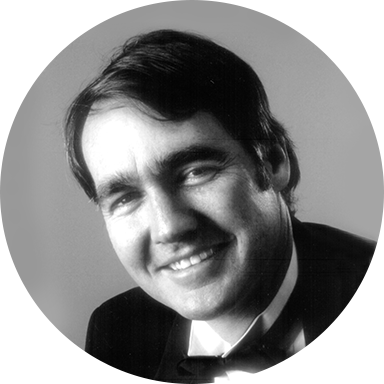
George Peter Tingley

George Peter Tingley is a composer, pianist, and educator based in the San Francisco Bay Area. His musical foundation spans multiple disciplines: he studied violin as a child, earned degrees in piano performance and music theory from California State University, Hayward and the University of Southern California, and spent time in Paris as a private student of the renowned theorist Nadia Boulanger during the 1970s.

Tingley has authored over 75 published piano pieces for the educational market since 1989. His compositions have gained recognition beyond the classroom; his piece "Kristi's Theme," commissioned for Olympic figure skater Kristi Yamaguchi, was orchestrated and recorded with Tingley as piano soloist, and the skater has performed to it in numerous televised events. His collection of teacher-student piano duets, "Fiddle and the Tuba," is recognized by the National Federation of Music Clubs.

Why we love this

Tingley crafts this piece with real pedagogical intent. The interplay between the lyrical right-hand melody and supportive left-hand accompaniment gives intermediate pianists a concrete framework for developing musicality and voicing balance, two skills that transfer directly to more sophisticated repertoire. The D minor tonality and deliberate slow tempo create genuine emotional resonance rather than technical busywork.

What to expect

December Rain unfolds like watching droplets streak a window on a quiet afternoon. The slow, unhurried pacing and minor-key languor create an intimate, reflective space; there is sadness here, but not despair—rather, the kind of pensiveness that gray weather invites. The piece breathes with restraint, asking the pianist to listen as much as to play.

Who it's for

Intermediate pianists who have solidified their technique and are ready to focus on expressive playing and touch differentiation. This piece suits students preparing for recitals, those expanding their winter concert repertoire, or any pianist seeking accessible yet emotionally mature solo material.

How to get the most out of it

  • Establish the broken chord pattern in the left hand first with consistent, quiet voicing; this foundation allows the melody to naturally project without forcing.
  • Shape the right-hand line with long, connected phrasing across multiple measures rather than stopping at bar lines; this mirrors how the rain itself falls continuously.
  • Let the D minor key signature inform your tonal color; resist the impulse to brighten the sound, and instead lean into the minor mode's inherent introspection.
  • Experiment with subtle tempo flexibility in the melody to enhance the reflective mood, but keep the left hand steady as an anchor.

How to use it

Position this as a bridge between lighter seasonal fare and more substantial winter concert offerings. Its four-page length and introspective character make it ideal for a recital's second half or as a solo interlude between ensemble numbers. It pairs naturally with other minor-key or melancholic pieces, or as a moment of reprieve in a program that otherwise emphasizes technical display.

Skills your students will build

  • Balancing melody and accompaniment across two hands
  • Sustaining musical phrasing over multiple measures in a slow tempo
  • Voice leading and sonority control in D minor
  • Expressive use of dynamics and rubato within a minor-key context

You May Also Like