
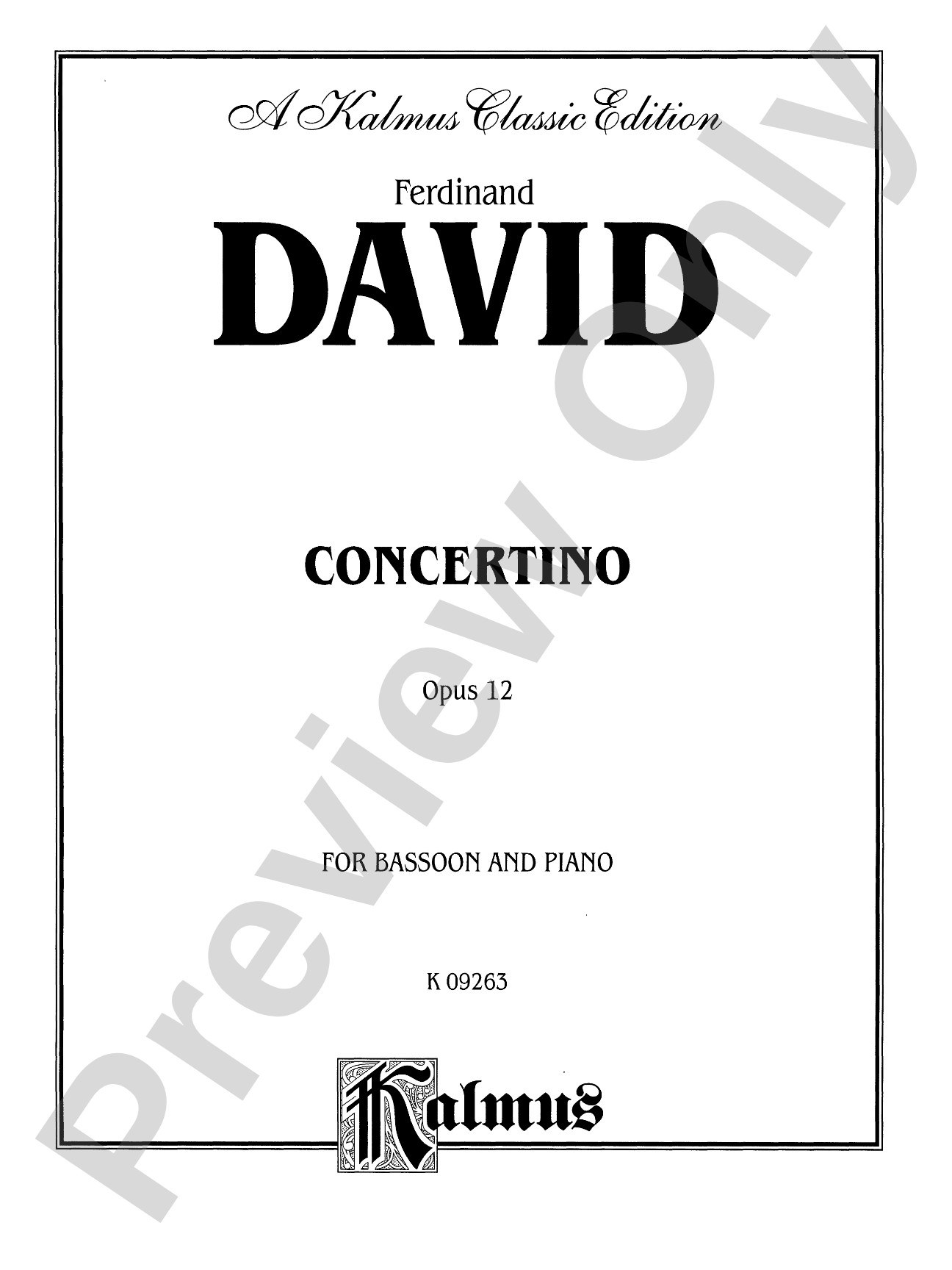

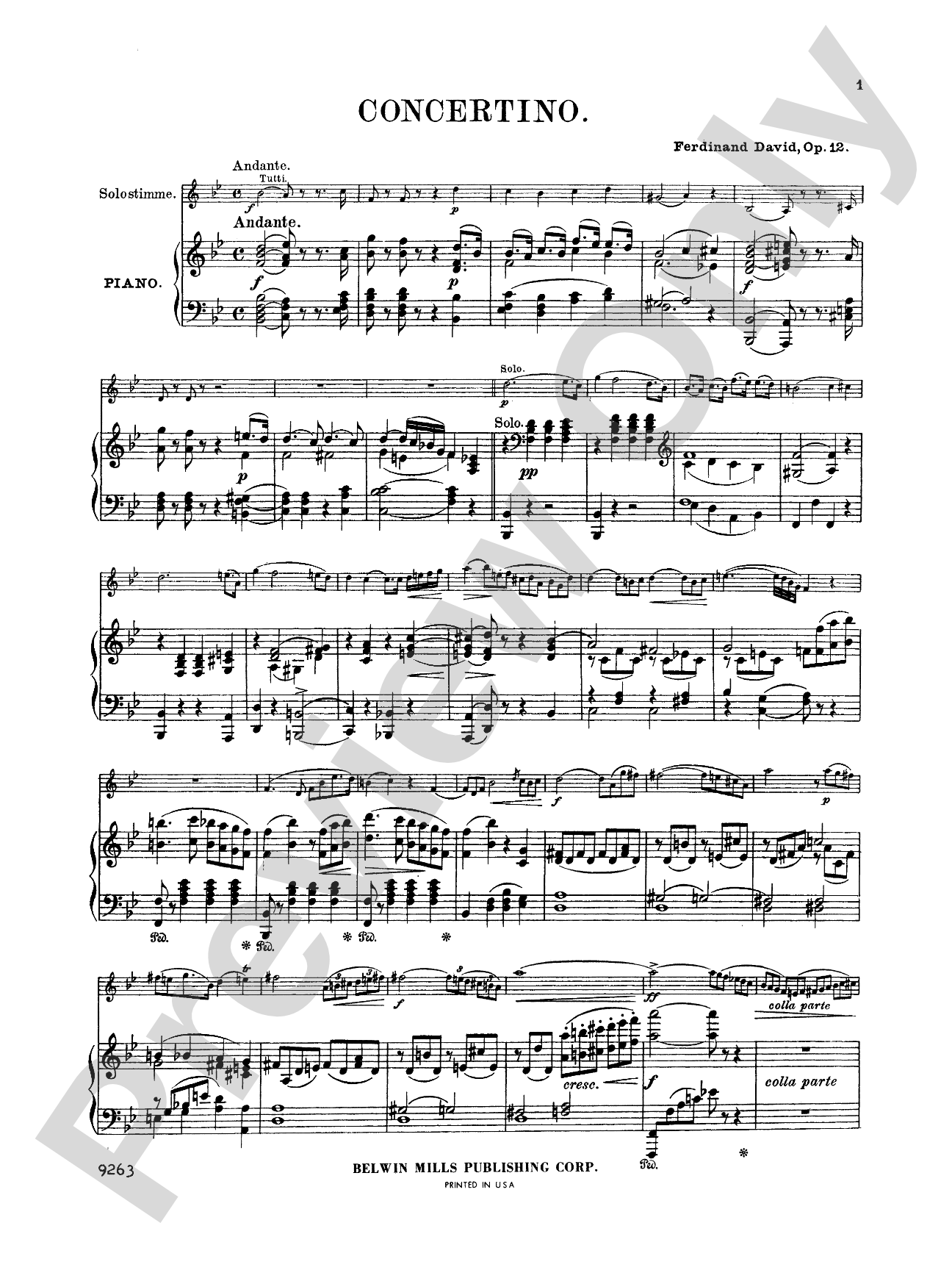
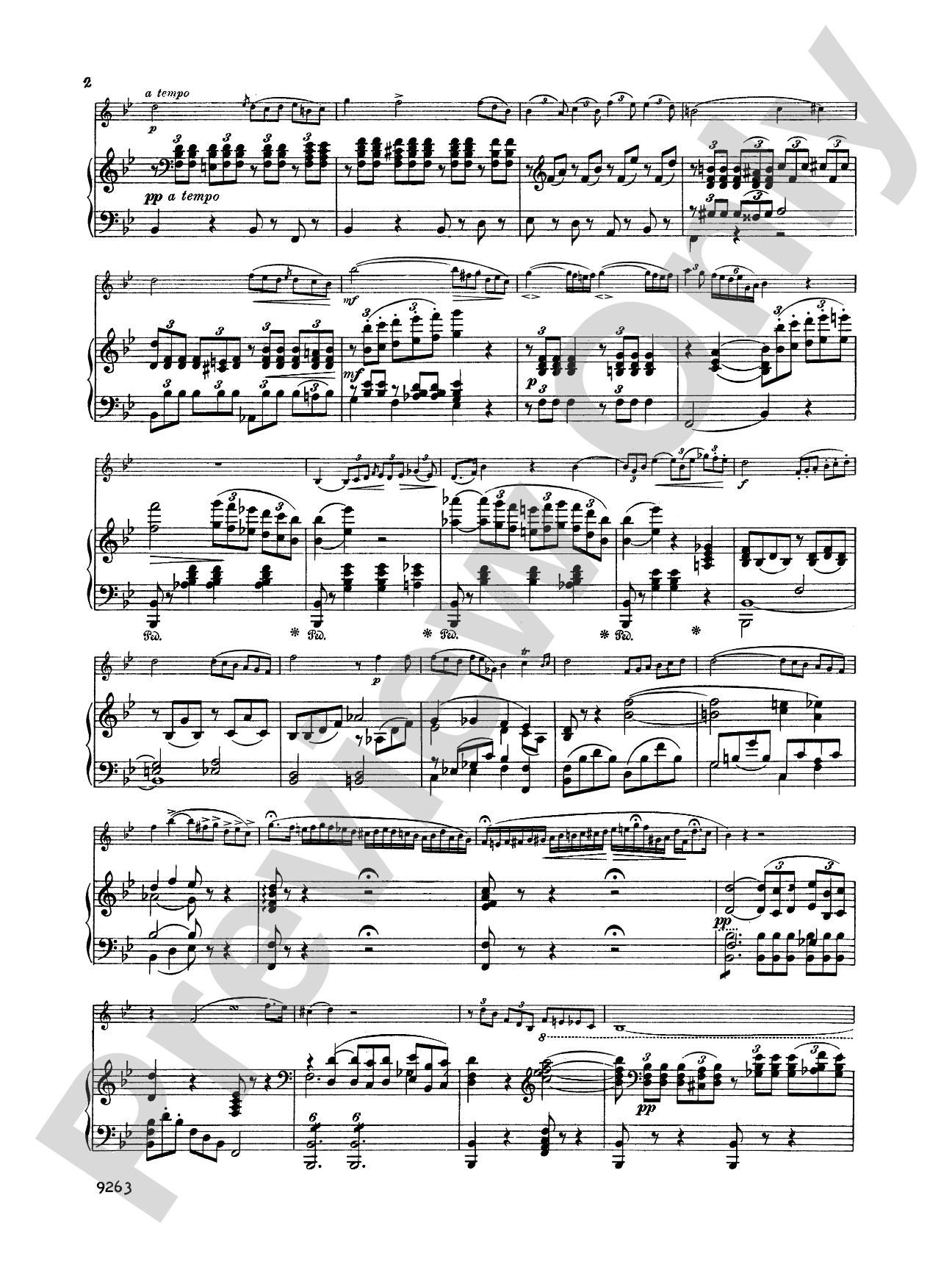
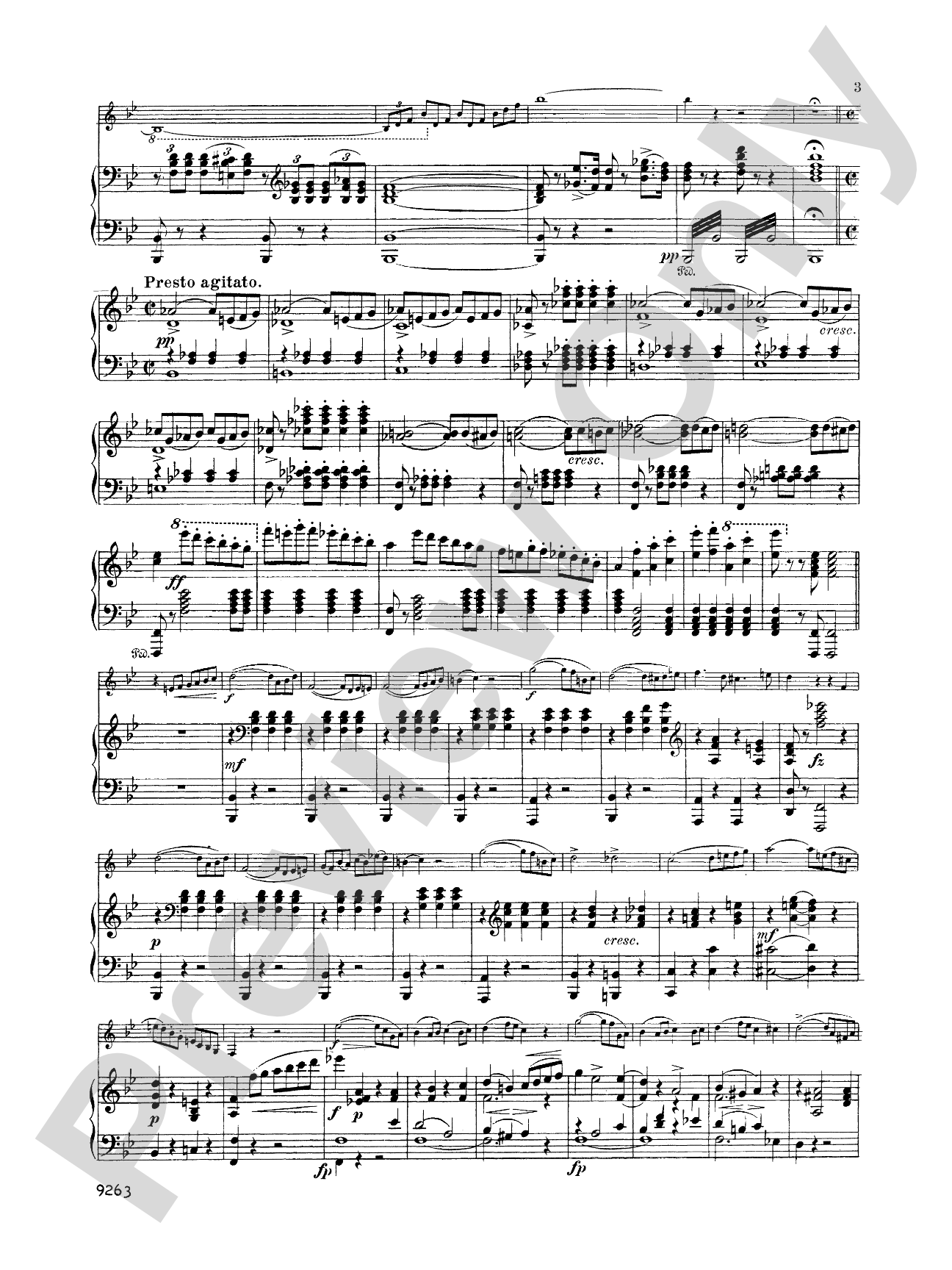
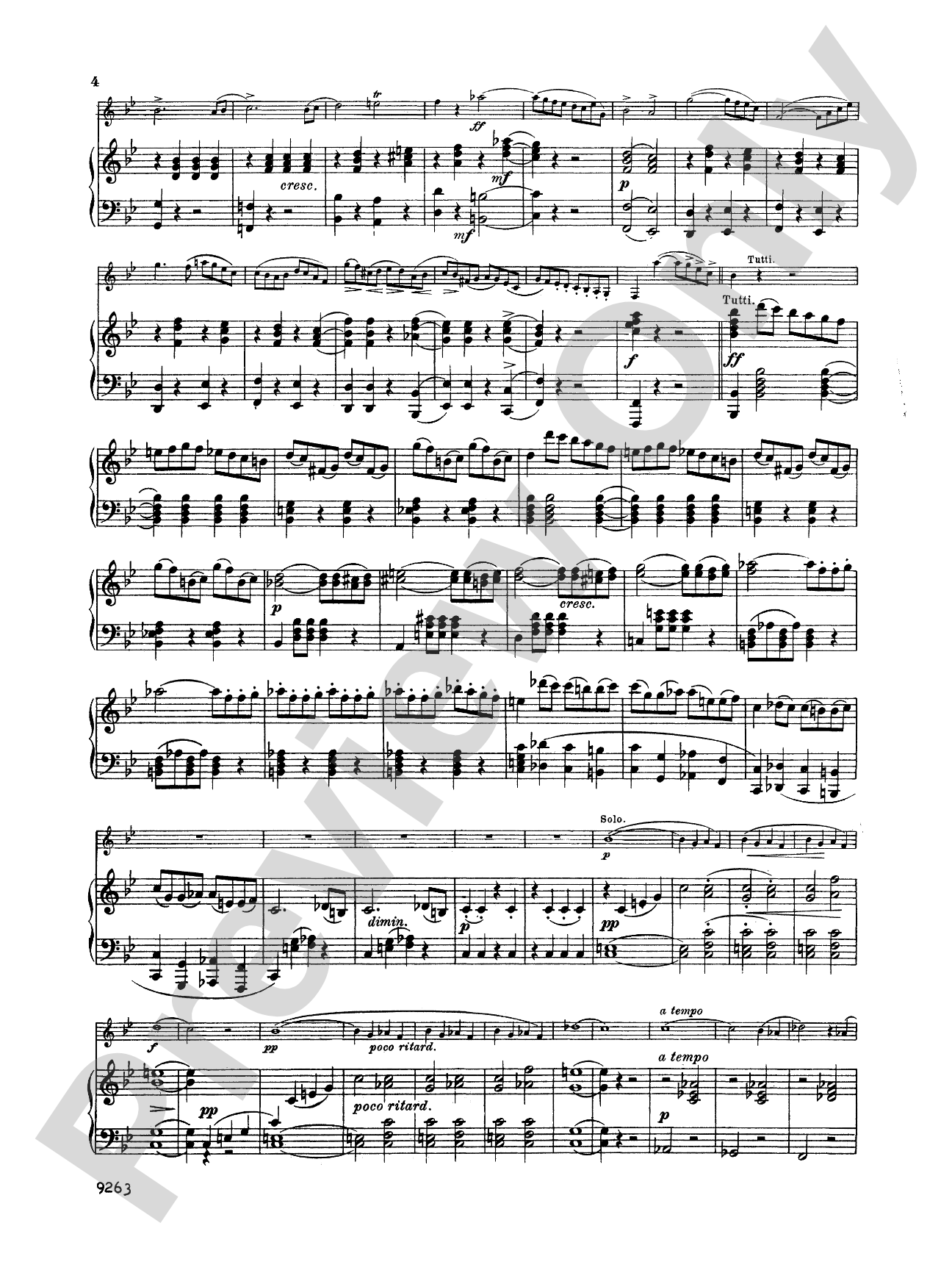
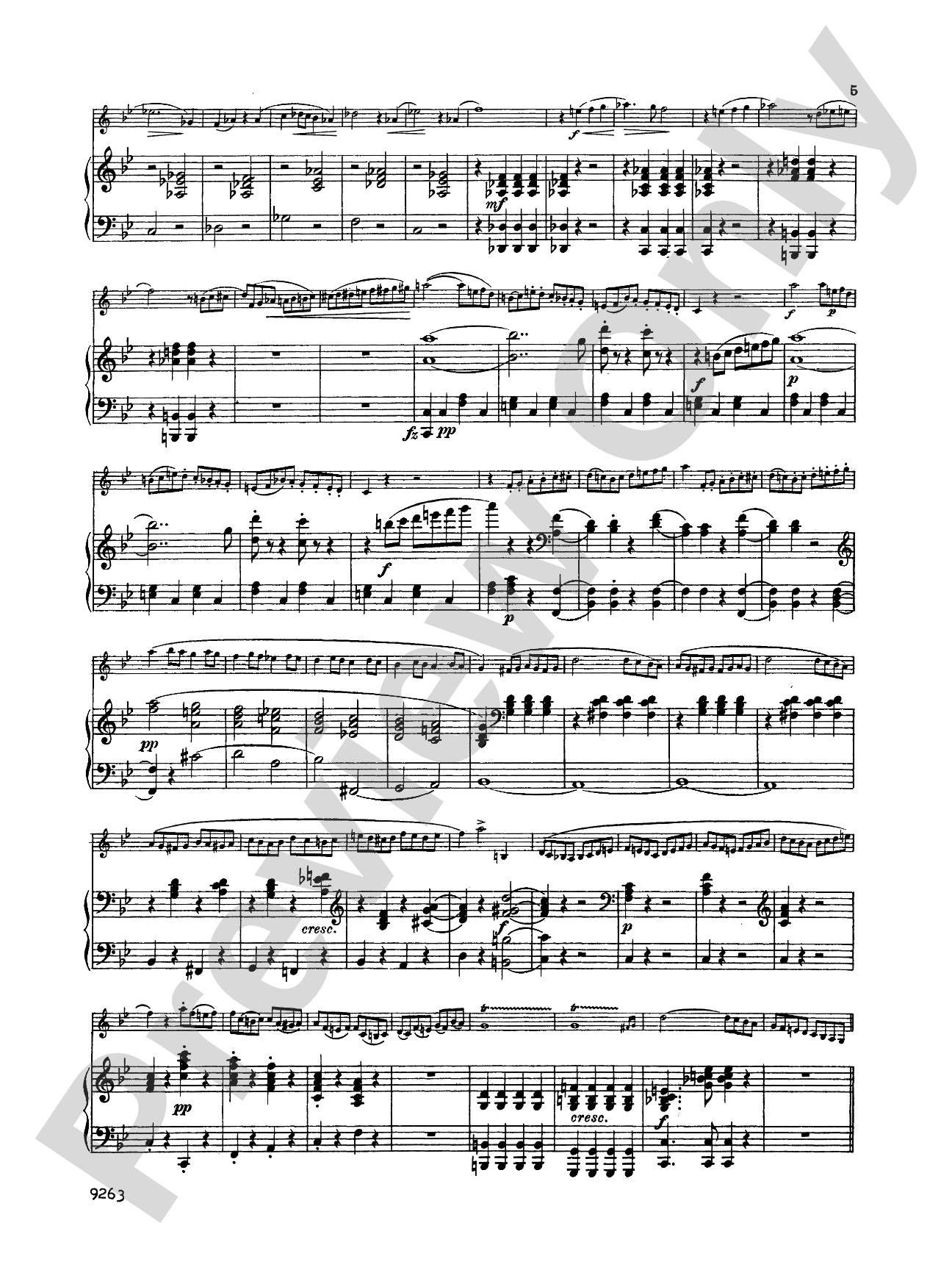
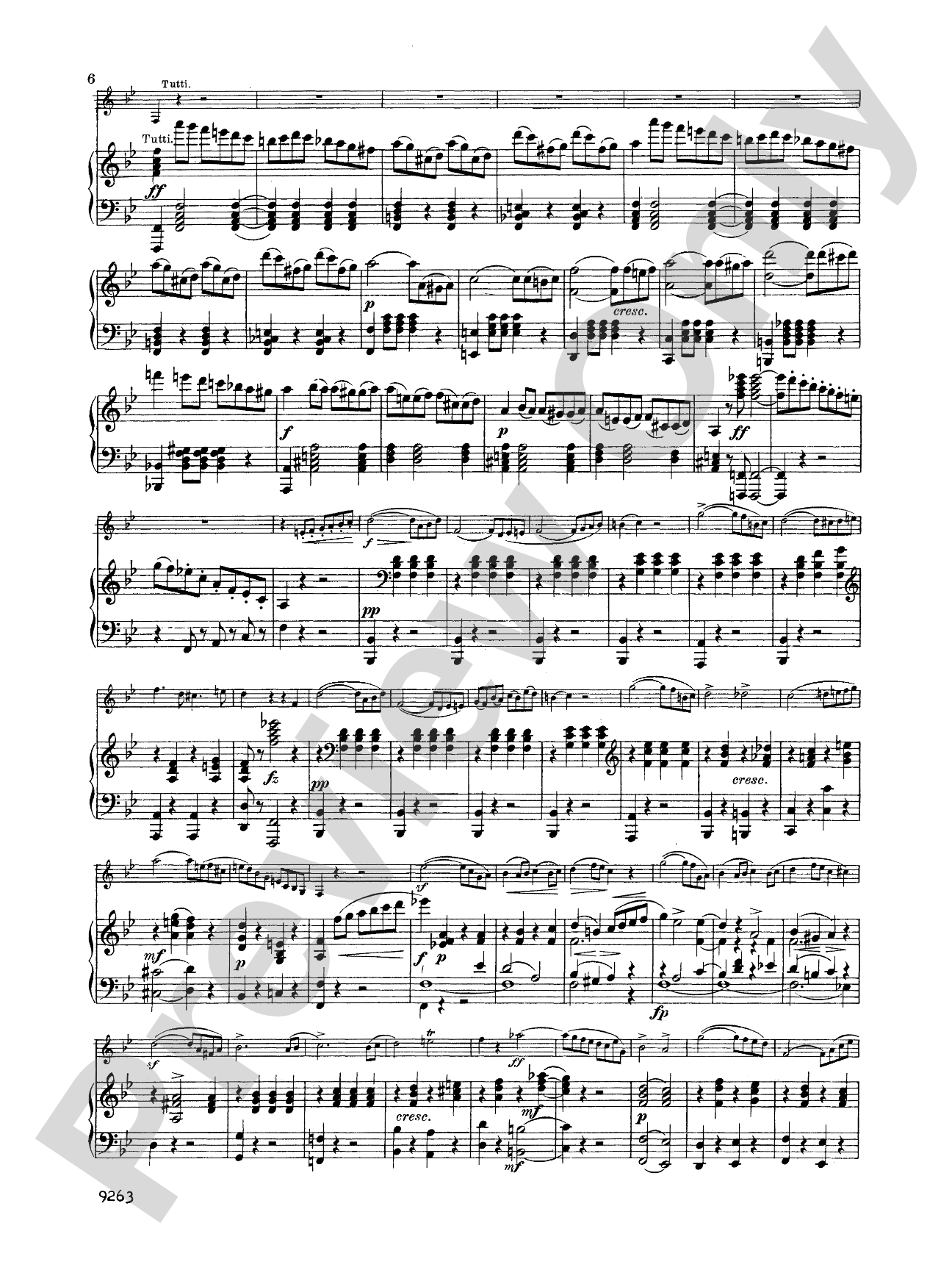
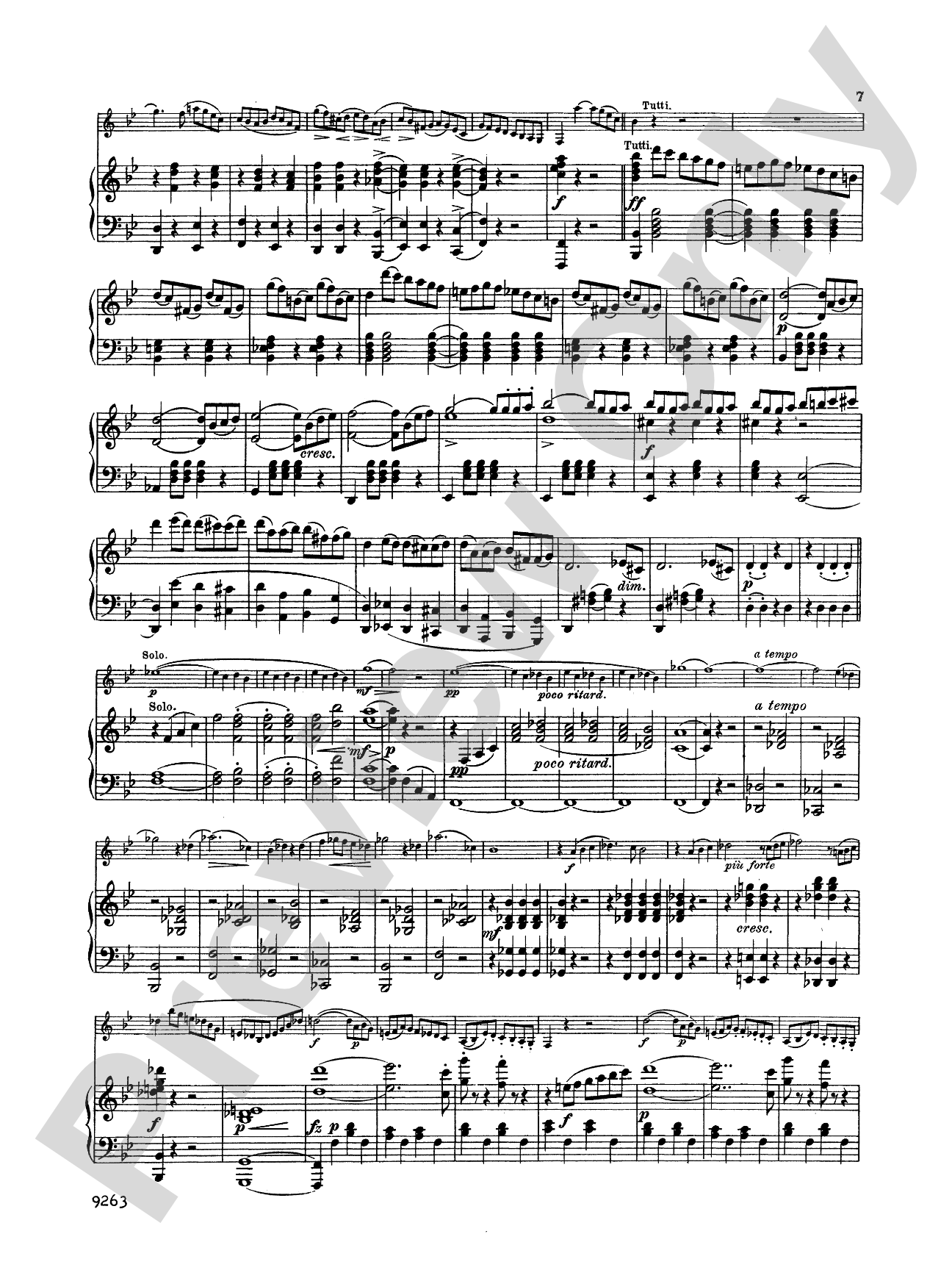
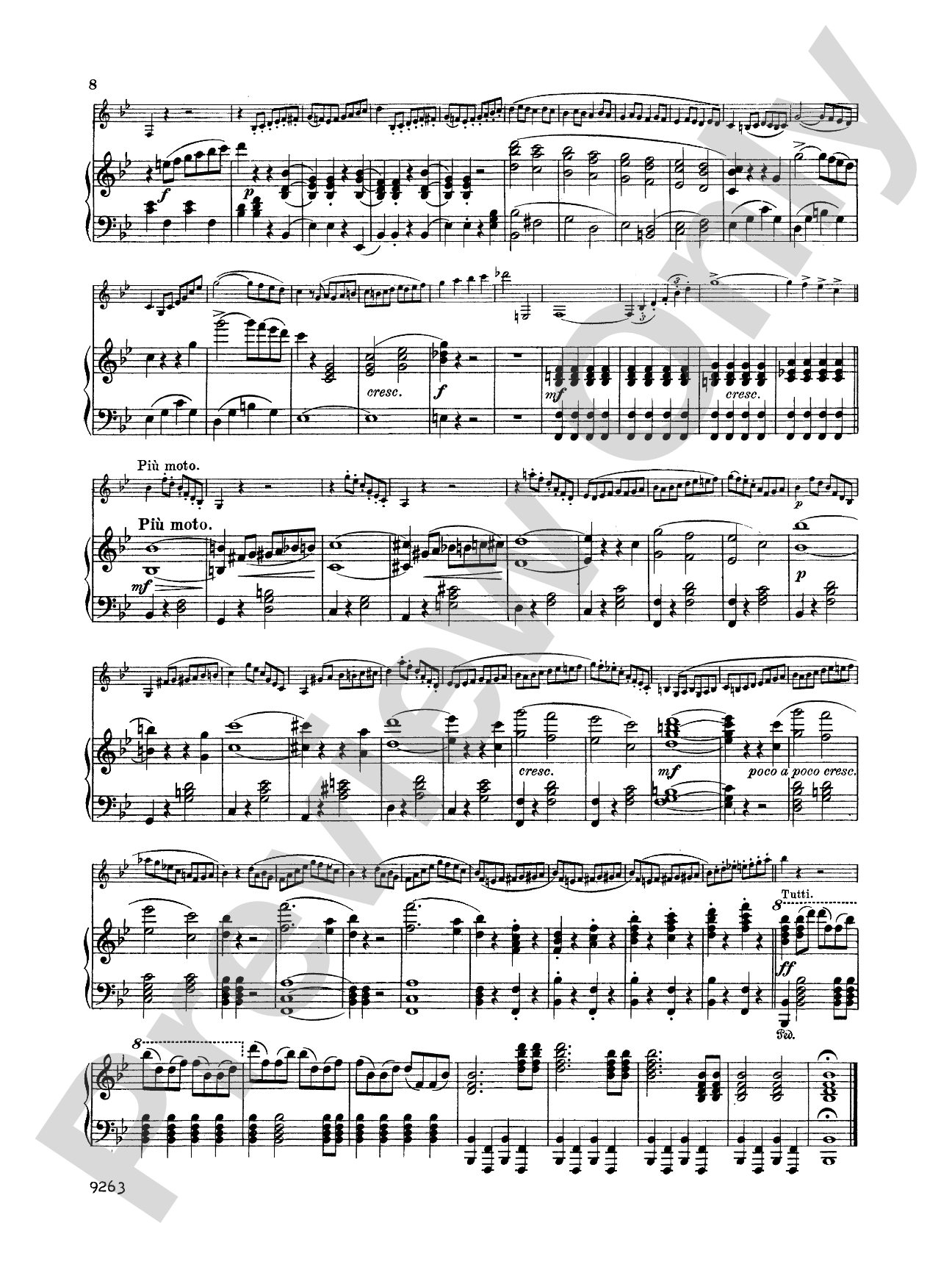



David: Concertino, Op. 12: Bassoon & Piano Part(s)
By Ferdinand David
Item: 00-PK-0003726

$7.99
Pickup currently not available
Parts Added to Cart!
Related Items
Concertino, Opus 12: Bassoon & Piano Part(s) |
$7.95
|
View |
Description
A Basson solo with Piano Accompaniment composed by Ferdinand David.


Don't just read it, hear it, play along with it, and watch your students grow with it. In MakeMusic Cloud, David: Concertino, Op. 12: Bassoon & Piano Part(s) comes alive with professional accompaniment, adjustable tempo, and built-in practice tools that turn solo practice into real progress.
Open in the Player
Jump straight in and assign it today.
Start Your Free Trial
Open this title and explore the full library in minutes.
Sample Audio
No sample audio found.
Sample Video
No sample videos found.
Additional Details
Series:
Kalmus Edition
Publisher:
Alfred Music
Page Count:
16
SKU:
00-PK-0003726
Instrumentation:
Bassoon & Piano
More about this title
About the Composer: Ferdinand David
Ferdinand David (1810-1873) was a German violinist, composer, and conductor whose legacy centers on his role as a virtuoso performer and his advocacy for new music. He premiered Robert Schumann's Violin Concerto and worked closely with Felix Mendelssohn, serving as concertmaster of the Gewandhaus Orchestra in Leipzig. His own compositions reflect the Romantic era's emphasis on lyrical melody and technical brilliance, with particular strength in chamber and solo works.
Why we love this
David writes for the bassoon with genuine understanding of the instrument's lyrical capacity, giving students and professionals alike a vehicle for expressive playing that sits comfortably in the hand. The Concertino Op. 12 ranks among the finest Romantic-era bassoon solo repertoire, offering substantial musical content without the extreme technical demands that limit its accessibility to advancing musicians. Contest adjudicators recognize this work immediately, making it an intelligent choice for festival preparation.
What to expect
The Concertino blends songlike accessibility with genuine Romantic ambition, unfolding in graceful phrases that invite the bassoon to sing without artifice. Moments of technical figuration emerge naturally from the melodic line rather than as display, creating a conversation between soloist and accompanist that feels both intimate and assured.
Who it's for
This work suits advanced high school bassoonists preparing for regional or state solo competitions, as well as college students seeking substantial repertoire that demonstrates musicality alongside technical control. Professionals building recital programs will find it both rewarding to perform and immediately recognizable to knowledgeable audiences.
How to get the most out of it
- Shape the opening theme with a clear melodic arc; David's phrasing often mirrors vocal style, so think in terms of breathing rather than mechanical sectioning.
- Balance dynamic contrast against the piano part carefully in passages where both instruments carry important material; your sound should lead without forcing.
- Approach the faster technical passages with rhythmic security first, then layer in expressive flexibility; rushing these sections undermines the lyrical architecture.
- Use the repeat sections strategically to refine interpretation rather than perform them identically; small interpretive adjustments between repeats maintain listener engagement.
How to use it
Position this as a centerpiece solo on a wind or chamber music recital, where it can hold its own beside more virtuosic works. It pairs well with lighter contemporary pieces or early Romantic salon miniatures, offering audiences a bridge between classical restraint and full Romantic expression.
Skills your students will build
- Sustained legato phrasing across register breaks
- Dynamic shaping and tonal color variation
- Balance and dialogue with piano accompaniment
- Rhythmic flexibility within Romantic formal structures
- Technical passage work in moderate to brisk tempos