Dave Brubeck: Points on Jazz Cover Image

Dave Brubeck: Points on Jazz: Piano Duo (2 Pianos, 4 Hands) Book (2 copies required)

$19.95 USD
Sale price  $19.95 USD Regular price 
Skip to product information
Dave Brubeck: Points on Jazz Cover Image

Dave Brubeck: Points on Jazz: Piano Duo (2 Pianos, 4 Hands) Book (2 copies required)

Original Two-Piano Score

By Dave Brubeck

Level: Advanced

Item: 00-TPF0164

$19.95
Shipped

One moment…

Description
This eight-movement ballet is presented in this new edition for two pianos/four hands. Points on Jazz is a serious work by the renowned Dave Brubeck, and thus is suitable for inclusion in recitals on the concert stage. Notes on the ballet and performances are included in the score.

Dave Brubeck: Points on Jazz: Piano Duo (2 Pianos, 4 Hands) Book (2 copies required) isn't in MakeMusic Cloud just yet...but it could be. Let us know you'd like to see it, and you'll help shape what comes next. In the meantime, start a free trial and dive into thousands of interactive titles your students can play along with today.

Sample Pages

No sample pages found.

Sample Audio
No sample audio found.
Sample Video
Additional Details
Series: Dave Brubeck Classics Series
Publisher: Alfred Music
Page Count: 88
ISBN10: 0-7692-1387-1
ISBN13: 978-0-7692-1387-3
UPC: 029156077629
SKU: 00-TPF0164

More about this title

About the Composer: Dave Brubeck
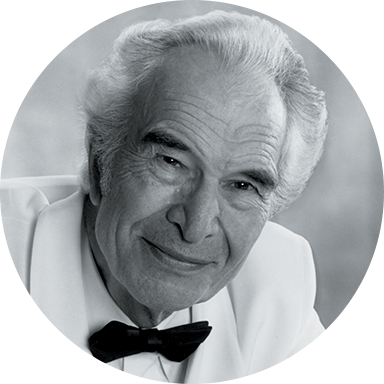
Dave Brubeck

Dave Brubeck was a pianist and composer who bridged jazz improvisation and classical form throughout his career. Beyond his legendary role in jazz history (including the groundbreaking album "Time Out" and its hit "Take Five"), he composed substantial works across genres: choral pieces, orchestral suites, a string quartet, and large-scale works for chorus and orchestra. He studied with French composer Darius Milhaud at Mills College after World War II, and Milhaud's encouragement to synthesize jazz language with classical craft shaped his entire compositional voice.

Brubeck's significance extends beyond music into social progress; he played a pivotal role in breaking racial barriers in mid-20th-century America. His sacred works, including the mass "To Hope!" and oratorios such as "The Voice of the Holy Spirit" and "Beloved Son," have been performed and recorded internationally by ensembles ranging from cathedral choirs to the London Symphony Orchestra. He received the Grammy Lifetime Achievement Award, the Presidential Medal of the Arts, and was elected to the American Classical Music Hall of Fame in 2003.

Why we love this

Points on Jazz stands as a concert work of genuine substance; this is not light background music but a fully realized eight-movement ballet that belongs on a recital program. The piano duo format makes it accessible to serious amateur and pre-professional pianists who want to perform Brubeck's sophisticated compositional voice rather than only his jazz recordings. Commissioning this eight-copy set gives your program immediate distinction and introduces audiences to a side of Brubeck they may not know.

What to expect

Points on Jazz blends the spontaneity and rhythmic sophistication of jazz with the formal coherence of a composed ballet suite. Across eight movements, you'll encounter Brubeck's signature blend of classical structure and jazz language: modal harmonies, syncopated rhythms, and passages that feel both notated and improvised.

Who it's for

Advanced pianists seeking a two-piano work that carries genuine artistic weight and will impress in a formal recital setting. This is for duos who are comfortable with jazz inflection and rhythmic flexibility but want to perform a composed work rather than a lead sheet or informal arrangement.

How to get the most out of it

  • Study the included notes on the ballet and its historical performances; understanding the conceptual architecture of the eight movements will deepen your interpretive choices and help you shape transitions between sections
  • Establish a clear physical setup during rehearsal so both pianists can communicate through eye contact and gesture; the ensemble feel here depends on synchronized attacks and shared rubato, not just technical precision
  • Balance the two piano parts by ear during run-throughs rather than relying solely on marked dynamics; Brubeck's orchestrational thinking often places melody and accompaniment across both instruments unpredictably

How to use it

Anchor a recital's second half with this eight-movement work, either performed complete or broken into two sets with intermission. The ballet context gives you programming flexibility; you might pair it with other 20th-century piano duos or bookend it with earlier classical repertoire to show how Brubeck reimagined the relationship between jazz and concert music.

Skills your students will build

  • Interpreting jazz articulation and swing within a notated classical score
  • Balancing two independent pianistic voices while maintaining ensemble unity
  • Managing rhythmic flexibility and rubato in syncopated passages
  • Reading complex jazz harmonies and modal language
  • Collaborating on phrasing and interpretation across two separate instruments

You May Also Like