Dave Brubeck: It's About Time Cover Image

Dave Brubeck: It's About Time: Concert Band Conductor Score & Parts

$87.00 USD
Sale price  $87.00 USD Regular price 
Skip to product information
Dave Brubeck: It's About Time Cover Image

Dave Brubeck: It's About Time: Concert Band Conductor Score & Parts

Featuring: Take Five / Unsquare Dance / Blue Rondo a la Turk

The music of Dave Brubeck / arr. Charles Sayre

Grade: 4 (Medium)

Item: 00-CB9727

makemusic Cloud badge

Need it now?

Buy Digital Version
$87.00
Shipped

One moment…

Description
The Dave Brubeck Quartet literally broke the ice regarding odd time signatures with their recordings Time Out and Time Further Out. Today, the ability to play in all time signatures is in every musician's repertoire. Charles Sayre skillfully combines "Take Five," "Unsquare Dance," and "Blue Rondo a la Turk" to take us back to when it all began. This is a magnificent medley! (4:40)

Don't just read it, hear it, play along with it, and watch your students grow with it. In MakeMusic Cloud, Dave Brubeck: It's About Time: Concert Band Conductor Score & Parts comes alive with professional accompaniment, adjustable tempo, and built-in practice tools that turn solo practice into real progress.

Sample Pages

Sample Audio
No sample audio found.
Sample Video
Additional Details
Series: Pop Symphonic Band
Publisher: Alfred Music
Page Count: 308
UPC: 029156662757
SKU: 00-CB9727

More about this title

About the Composer: Dave Brubeck
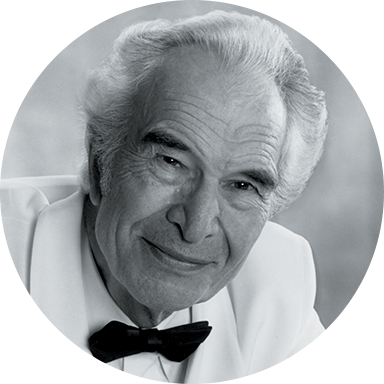
Dave Brubeck

Dave Brubeck's career spanned decades as both a virtuoso pianist and prolific composer working across jazz and classical idioms. He studied composition with Darius Milhaud at Mills College after World War II, an influence that shaped his ability to synthesize jazz language with sophisticated classical structures. His 1959 album Time Out became the first jazz record to sell over a million copies, largely on the strength of "Take Five" and its exploration of meters beyond 4/4. Beyond performance, Brubeck created a substantial catalog of orchestral works, choral pieces, chamber music, and large-scale compositions including the mass To Hope! and several oratorios.

Brubeck's impact extended far beyond the recording studio. He actively challenged racial segregation in mid-20th-century America through integrated performances and collaborations. His compositional legacy spans from solo keyboard works to pieces written for major orchestras and ballet companies. He received the Grammy Lifetime Achievement Award for jazz, the Presidential Medal of the Arts from President Clinton, and was elected to the American Classical Music Hall of Fame in 2003.

Why we love this

Charles Sayre's arrangement distills three Brubeck classics into a single, cohesive concert experience that works beautifully for band while preserving the harmonic sophistication and metric adventurousness of the originals. At Grade 4, this gives students direct access to the exact music that changed how jazz musicians and classical players think about rhythm. The medley format keeps energy high and gives your ensemble a genuine landmark moment that audiences recognize instantly.

What to expect

Fresh, approachable, and undeniably cool. The three movements flow naturally from the contemplative cool of "Take Five" through the rhythmic playfulness of "Unsquare Dance" to the Moroccan-inflected groove of "Blue Rondo a la Turk." Students feel the history they're playing.

Who it's for

Concert bands at the Grade 4 level seeking substantial, recognizable repertoire that also teaches genuine musicianship around odd meters. This works for directors who want their students playing music that matters, pieces that changed the language of American music.

How to get the most out of it

  • Lock in the 5/4 feel in "Take Five" by establishing it as a genuine pulse rather than a subdivision of 4/4; your rhythm section and woodwinds set the foundation here, so isolate that feel in sectionals before combining with the melody.
  • Lean into the swing articulation without overdoing it; Brubeck's writing sits between straight jazz and concert music, so a light separation works better than full shuffle tonguing.
  • Balance the piano voicings (if using the recorded accompaniment or live keyboard) with the brass; these harmonies need clarity but shouldn't overpower the ensemble texture.

How to use it

Program this as the centerpiece of a concert focused on American jazz influences or 20th-century innovation; it pairs well with other mid-century concert band works or with classical arrangements of standard tunes. It's also ideal for a winter or spring concert where you want something familiar enough to draw an audience but sophisticated enough to showcase your ensemble's abilities.

Skills your students will build

  • Playing confidently in 5/4 and 7/4 time signatures
  • Understanding jazz harmony and voicing in a concert band context
  • Executing swing articulation with precision and control
  • Maintaining rhythmic independence across a medley structure
  • Reading and balancing multiple simultaneous rhythmic layers

You May Also Like
