Dancing Jelly Beans Cover Image

Dancing Jelly Beans: String Orchestra Conductor Score

$6.00 USD
Sale price  $6.00 USD Regular price 
Skip to product information
Dancing Jelly Beans Cover Image

Dancing Jelly Beans: String Orchestra Conductor Score

By Edmund J. Siennicki

Grade: 2

Item: 00-20713S

$6.00
Shipped

One moment…

Description
If you're looking for something a little different on your next concert, Dancing Jelly Beans is the perfect piece. In 3/4, the first phrases are three measures in length, providing contrast to the more common four-measure phrase structure which appears later in the piece. Hooked bowing, slurred bowing and double stops are featured throughout. Changes in dynamics are important for adding excitement and should be emphasized.

Dancing Jelly Beans: String Orchestra Conductor Score isn't in MakeMusic Cloud just yet...but it could be. Let us know you'd like to see it, and you'll help shape what comes next. In the meantime, start a free trial and dive into thousands of interactive titles your students can play along with today.

Sample Pages

No sample pages found.

Sample Audio
No sample audio found.
Sample Video
Additional Details
Series: Highland/Etling Strictly Strings
Publisher: Alfred Music
Page Count: 8
UPC: 038081207391
SKU: 00-20713S

More about this title

About the Composer: Edmund J. Siennicki
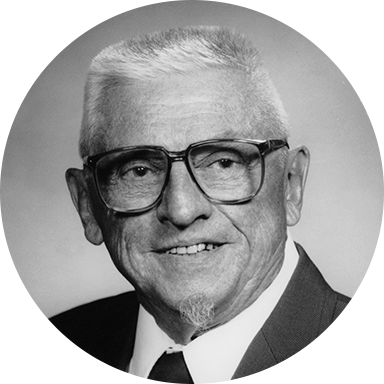
Edmund J. Siennicki

Edmund J. Siennicki grew up in Cleveland, Ohio, where at age 12 he met the legendary pianist Ignacy Jan Paderewski, a conversation that shaped his musical direction for life. He earned his Bachelor's degree from Kent State University, where he composed Fight on for KSU, a piece still performed at the university's football games. In recognition of his contributions to music, he received the Distinguished Alumnus Award from the School of Music in 1994.

Siennicki pursued advanced study at Teachers College, Columbia University, earning his MA while studying composition with Herbert Elwell and electronic music with Sergio Barroso, with consultation from Vincent Persichetti. A skilled performer on both bassoon and piano, he built a teaching career primarily in Cleveland's junior high schools while also serving on the faculty at Michigan and Kent State University. His prolific output includes approximately 200 compositions in print, many of which have won recognition in National School Orchestra composition contests. He has spent two separate residencies at the MacDowell Colony and has received continuous special awards from ASCAP for the past two decades.

Why we love this

Siennicki delivers genuine musical content at Grade 2 without sacrificing character or teaching value. The unusual three-measure phrase structure in the opening immediately sets this apart from standard repertoire, giving young orchestras a chance to grapple with phrase architecture that feels fresh rather than predictable. Dynamic contrast becomes a dramatic tool here, not an afterthought, and the variety of bowing techniques ensures students stay engaged while building real independence.

What to expect

Playful and lighthearted, with the bounciness you'd expect from the title. The piece moves with energy thanks to the 3/4 meter and rhythmic drive, while the varied bowing techniques and dynamic shifts create visual and sonic interest that keeps young players invested from start to finish.

Who it's for

Grade 2 string orchestras seeking repertoire that challenges young players without overwhelming them. Directors who want students to encounter real compositional technique and rhythmic variety rather than generic string arrangements.

How to get the most out of it

  • Bring out the unexpected phrase lengths in the opening section by having students feel the three-measure arc as a complete thought, then emphasizing the shift when four-measure phrasing appears later.
  • Separate the double stop passages in rehearsal; have students master them with a slow bow first, then gradually increase tempo to full speed.
  • Use dynamic changes as your primary rehearsal focus. Mark them clearly in all parts and have the section leaders take responsibility for shaping dynamics cleanly within their own areas.

How to use it

Ideal for a concert opener or mid-program pick-me-up when you need something that showcases technique without heavy emotional lifting. Its upbeat character and manageable length (8 pages) make it perfect for a family concert or a full program where you want to balance more serious works with something that lets the orchestra enjoy itself.

Skills your students will build

  • Reading three-measure phrases and recognizing phrase contrast within a piece
  • Double stop intonation and clarity
  • Hooked bowing and slurred bowing articulation
  • Dynamic shaping and ensemble balance across multiple dynamic changes
  • Counting in 3/4 with confidence and independence

You May Also Like