Dancing Jelly Beans Cover Image

Dancing Jelly Beans: String Orchestra Conductor Score & Parts

$40.00 USD
Sale price  $40.00 USD Regular price 
Skip to product information
Dancing Jelly Beans Cover Image

Dancing Jelly Beans: String Orchestra Conductor Score & Parts

By Edmund J. Siennicki

Grade: 2

Item: 00-20713

$40.00
Shipped

One moment…

Description
If you're looking for something a little different on your next concert, Dancing Jelly Beans is the perfect piece. In 3/4, the first phrases are three measures in length, providing contrast to the more common four-measure phrase structure which appears later in the piece. Hooked bowing, slurred bowing and double stops are featured throughout. Changes in dynamics are important for adding excitement and should be emphasized.

Dancing Jelly Beans: String Orchestra Conductor Score & Parts isn't in MakeMusic Cloud just yet...but it could be. Let us know you'd like to see it, and you'll help shape what comes next. In the meantime, start a free trial and dive into thousands of interactive titles your students can play along with today.

Sample Pages

Sample Audio
0:00
0:00
Sample Video
Additional Details
Series: Highland/Etling Strictly Strings
Publisher: Alfred Music
Page Count: 1
UPC: 038081207384
SKU: 00-20713

More about this title

About the Composer: Edmund J. Siennicki
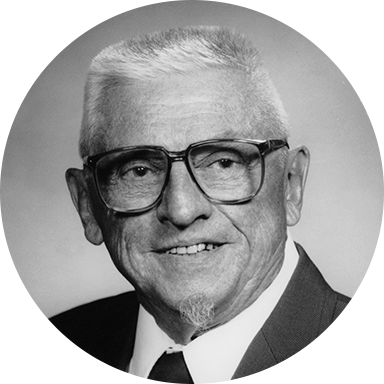
Edmund J. Siennicki

Edmund J. Siennicki grew up in Cleveland, Ohio, and at age 12 had a formative conversation with the legendary pianist Ignacy Jan Paderewski that shaped his artistic direction. He completed his Bachelor's degree at Kent State University, where he composed the school's fight song (still performed at football games), and earned his MA from Teachers College, Columbia University. His composition studies included work with Herbert Elwell and Vincent Persichetti, alongside electronic music training with Sergio Barroso.

A versatile musician who performed on bassoon and piano, Siennicki built a distinguished career as a composer and educator. His works have won prizes in the National School Orchestra composition contests, and he served as composer in residence at the MacDowell Colony twice. With approximately 200 compositions in print and two decades of consecutive ASCAP special awards, he taught extensively in Cleveland junior high schools while also holding faculty positions at Michigan and Kent State University. He continues composing, visiting schools, and leading clinics.

Why we love this

Siennicki writes with a clear understanding of what young string players can accomplish, and this piece proves it. The rhythmic hook of three-measure phrases in 3/4 creates genuine musical interest without overwhelming developing orchestras, while the technical demands (hooked bowing, slurs, double stops) build real skills without feeling like etudes.

What to expect

Playful but sophisticated, with the lightness of the title matched by the musical writing. The alternating phrase lengths and varied bowing create a sense of rhythmic surprise, while dynamic shifts keep the piece energized and engaged throughout.

Who it's for

Grade 2 string orchestras looking for a concert piece with genuine harmonic and rhythmic interest that doesn't rely on being "cute" to succeed. This work suits orchestras ready to handle phrasing that breaks from predictable four-measure patterns and technical elements like double stops and varied bowing techniques.

How to get the most out of it

  • Shape the three-measure phrases as complete musical statements rather than fragments. Bring the strings together on the final note of each phrase to clarify the unexpected phrase length.
  • Emphasize dynamic changes as dramatic events. When the orchestra shifts from soft to loud passages, let it feel like a genuine contrast, not just a gradual swell.
  • Distinguish between the hooked bowing figures and the slurred passages by having violins execute the hooks cleanly and separately, then allow the slurs to be more connected and lyrical.
  • Give the double stops appropriate space in rehearsal. Work through them slowly first to build confidence, then gradually bring them up to tempo with the rest of the texture.

How to use it

Program this as a concert opener to immediately establish that your orchestra has rhythmic independence and technical polish. The compact nature makes it an excellent choice for festival competitions where you want to show musicianship and precision in a brief time slot.

Skills your students will build

  • Playing three-measure phrases in 3/4 time with phrasing awareness
  • Hooked bowing technique and clarity of articulation
  • Slurred bowing and connection across phrases
  • Double stops on multiple string combinations
  • Dynamic control and dramatic contrast
  • Listening for ensemble balance in varied textures

You May Also Like