Dance of the Cossacks Cover Image

Dance of the Cossacks: String Orchestra Conductor Score

$7.00 USD
Sale price  $7.00 USD Regular price 
Skip to product information
Dance of the Cossacks Cover Image

Dance of the Cossacks: String Orchestra Conductor Score

By Loreta Fin

Grade: 2.5

Item: 76-32797S

$7.00
Shipped

One moment…

Description
Although this dance is energetic, it mustn't begin too quickly, to allow for the accelerando in the final section. However, when the ensemble is confident with the rhythms, a more adventurous tempo could be attempted. The off-beats in the 2nd violins and violas need to be short and precise and the bass line very solid. The conductor can decide whether the ensemble uses pizzicato or col legno at bar 21. It is vital that each section counts very carefully from bar 29. The final bars should be exciting, but remain controlled.

Dance of the Cossacks: String Orchestra Conductor Score isn't in MakeMusic Cloud just yet...but it could be. Let us know you'd like to see it, and you'll help shape what comes next. In the meantime, start a free trial and dive into thousands of interactive titles your students can play along with today.

Sample Pages

No sample pages found.

Sample Audio
No sample audio found.
Sample Video
Additional Details
Series: Wilfin String Orchestra: Young String Ensemble Series
Publisher: Wilfin Music
Page Count: 12
UPC: 038081357041
SKU: 76-32797S

More about this title

About the Composer: Loreta Fin
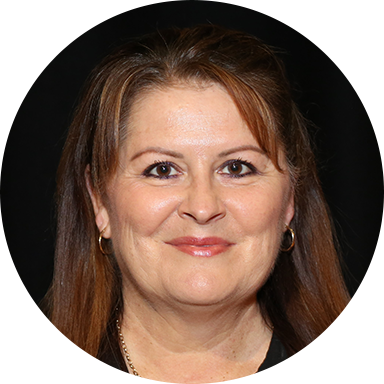
Loreta Fin

Loreta Fin AM is an Australian violist, educator, and prolific composer for string ensemble. A first violinist with the Sydney Youth Orchestra early in her career, she went on to serve as Principal Viola player with the Queensland Pops Orchestra for more than 25 years while maintaining an active performance schedule in chamber and orchestral settings. Since 1993, she has directed the strings program at Somerville House School in Brisbane, establishing herself as one of Australia's leading string educators.

Fin's contributions to music education extend well beyond her school position. She has presented at multiple Australian National Music Conferences and American National String Teachers' Conferences, adjudicated major competitions throughout Australia, and served as State and National President of the Australian Strings Association. Her published output includes over 100 works for string orchestra distributed worldwide by Alfred Music. In recent years, she has conducted the State and National Honours Ensembles Programs in Brisbane and the Miri Music Project in Malaysia. She received the National Award for Services to Music and String Teaching in Australia and was nominated for an ARIA "Best Teacher" award, reflecting her deep impact on string pedagogy across the region.

Why we love this

Fin writes string orchestra music that respects young players' technical limitations while delivering genuine energy and excitement. The conductor notes here are remarkably specific—she addresses the exact challenges your ensemble will face (precise off-beats, counting accuracy, tempo control) rather than offering vague interpretive suggestions, which makes this piece both teachable and musically rewarding.

What to expect

The piece captures the driving, earthy spirit of a Cossack dance, building from a controlled opening into an exhilarating finish. The interplay between short, snappy rhythmic figures in the upper voices and a steady bass creates infectious forward momentum that young players feel immediately when it's played well.

Who it's for

String orchestras at the intermediate level will find this piece both accessible and energizing. It works well for ensembles developing their rhythmic precision and control while still learning to balance technical demands with musical expression.

How to get the most out of it

  • Establish the initial tempo deliberately. The opening must have room to breathe before the accelerando in the final section takes hold. Undershooting the opening tempo gives you dynamic space for the drive to the finish.
  • Drill the second violin and viola off-beats in isolation until they snap with precision. Short attacks and clean releases here create the rhythmic foundation everything else sits on.
  • Lock down the bass line as your ensemble's anchor. A solid foundation gives the upper voices the confidence to commit to their rhythmic figures without rushing.
  • Pay close attention to bars 29 onward, where careful counting becomes essential. Whether you choose pizzicato or col legno at bar 21, ensure the section has internalized the rhythmic pattern before attempting full tempo.

How to use it

Program this as a second-half opener to invigorate an audience, or use it as a concert closer if your ensemble has mastered the accelerando technique. The energetic character and intermediate difficulty level make it an ideal choice for spring concerts or ensemble showcase performances where you want to demonstrate both technical growth and musical maturity.

Skills your students will build

  • Executing precise off-beat rhythms in ensemble context
  • Maintaining steady tempo through accelerando transitions
  • Coordinating pizzicato or col legno articulation choices across sections
  • Counting through complex rhythmic passages with accuracy
  • Balancing individual part clarity with ensemble cohesion

You May Also Like