Dance of the Cossacks Cover Image

Dance of the Cossacks: String Orchestra Conductor Score & Parts

$45.00 USD
Sale price  $45.00 USD Regular price 
Skip to product information
Dance of the Cossacks Cover Image

Dance of the Cossacks: String Orchestra Conductor Score & Parts

By Loreta Fin

Grade: 2.5

Item: 76-32797

Need it now?

Buy Digital Version
$45.00
Shipped

One moment…

Description
Although this dance is energetic, it mustn't begin too quickly, to allow for the accelerando in the final section. However, when the ensemble is confident with the rhythms, a more adventurous tempo could be attempted. The off-beats in the 2nd violins and violas need to be short and precise and the bass line very solid. The conductor can decide whether the ensemble uses pizzicato or col legno at bar 21. It is vital that each section counts very carefully from bar 29. The final bars should be exciting, but remain controlled.

Dance of the Cossacks: String Orchestra Conductor Score & Parts isn't in MakeMusic Cloud just yet...but it could be. Let us know you'd like to see it, and you'll help shape what comes next. In the meantime, start a free trial and dive into thousands of interactive titles your students can play along with today.

Sample Pages

No sample pages found.

Sample Audio
No sample audio found.
Sample Video
Additional Details
Series: Wilfin String Orchestra: Young String Ensemble Series
Publisher: Wilfin Music
Page Count: 114
UPC: 038081357034
SKU: 76-32797

More about this title

About the Composer: Loreta Fin
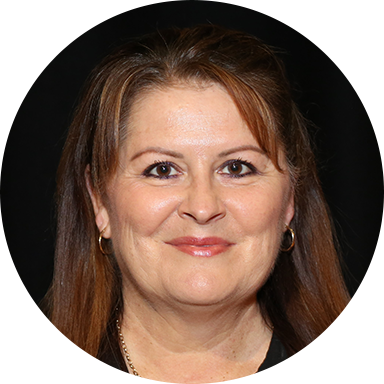
Loreta Fin

Loreta Fin AM is an Australian violist, educator, and composer whose career spans performance, teaching, and advocacy. A first violinist with the Sydney Youth Orchestra and principal viola player with the Queensland Pops Orchestra for over 25 years, she has worked alongside world-class artists across chamber and orchestral settings. She directs strings at Somerville House School in Brisbane and has shaped string education as a longtime committee member and president of the Australian Strings Association.

Fin's compositional output exceeds 100 works for string orchestra, published internationally by Alfred Music. She has adjudicated major competitions across Australia, presented at national string teaching conferences in both Australia and America, and conducted the State and National Honours Ensembles Programs in Brisbane since 2015. Her contributions to music education earned her the National Award for Services to Music and String Teaching, and she currently serves as State Advisor for Strings with the Australian Music Examinations Board.

Why we love this

Fin writes for young string orchestras with insider knowledge of what actually works in the rehearsal room. She builds technical challenges gradually (the off-beat precision required of second violins and violas is achievable at this level) and gives conductors real interpretive choices, like the pizzicato or col legno decision at bar 21, which keeps the piece fresh across multiple rehearsals. The accelerando structure rewards rhythmic confidence without punishing early-stage ensembles.

What to expect

Energy and propulsion drive this dance, but with a controlled, building intensity rather than flat-out speed from the start. The rhythmic complexity of offset figures creates a folk-dance texture that feels earthy and grounded, building toward an exciting finale that maintains structural integrity even as excitement peaks.

Who it's for

This score and parts suit string orchestras at the early intermediate level where rhythmic precision and sectional independence are growing skills. Conductors working with groups that can hold a steady tempo and respond to clear cueing will find the piece accessible and rewarding.

How to get the most out of it

  • Establish the opening tempo conservatively. Fin's note about allowing room for the final accelerando is not optional; a too-quick start eliminates your dynamic range and makes the build feel flat.
  • Isolate second violins and violas on their off-beat figures. These need to land short and clean, not blurred or swallowed. Separate rehearsals of just those parts pay dividends.
  • Lock the bass line before anything else. A solid foundation lets the rhythmic complexity above it breathe and sit securely in the ensemble.
  • Prepare bar 29 counting exercises weeks ahead. Mark rehearsal letters clearly and run the section as a timed drill until it feels automatic; ensemble members who are thinking about where they are cannot execute the musical gestures that follow.

How to use it

Program this as an anchor piece for a concert built around world music or dance repertoire. At under five minutes, it pairs well with a slower movement or lyrical piece, allowing you to showcase rhythmic mastery without overloading a young ensemble's stamina or attention span. Consider it for a spring concert after winter fundamentals work has solidified ensemble rhythmic reading.

Skills your students will build

  • Counting complex rhythmic structures, especially coordinating across multiple off-beat patterns
  • Executing short, precise articulations (off-beats in second violins and violas)
  • Maintaining ensemble synchronization during accelerando
  • Responding to conductor cues with accuracy at faster tempos
  • Balancing independent rhythmic lines while serving the harmonic foundation

You May Also Like