Dance! Cover Image

Dance!: SATB, <i>a cappella</i> Choral Octavo

$2.05 USD
Sale price  $2.05 USD Regular price 
Skip to product information
Dance! Cover Image

Dance!: SATB, a cappella Choral Octavo

Words and music by Robert T. Gibson

Item: 00-50135

Need it now?

Buy Digital Version
$2.05
Shipped

One moment…

Description
New voicings! An outside-the-box rhythmic explosion that culminates with a notated step routine! Lyrics encourage listeners to "dance to the rhythm of your own drum," embracing individuality and celebrating differences. The vocal percussion and satisfying parallel harmonies are a breeze to learn. Step instructions are included in the octavo, and an instructional video by composer Robert T. Gibson is available at alfred.com.

Dance!: SATB, a cappella Choral Octavo isn't in MakeMusic Cloud just yet...but it could be. Let us know you'd like to see it, and you'll help shape what comes next. In the meantime, start a free trial and dive into thousands of interactive titles your students can play along with today.

Sample Pages

Sample Audio
0:00
0:00
Sample Video
Additional Details
Series: Alfred Choral Designs
Publisher: Alfred Music
Page Count: 8
UPC: 038081573052
SKU: 00-50135

More about this title

About the Composer: Robert T. Gibson
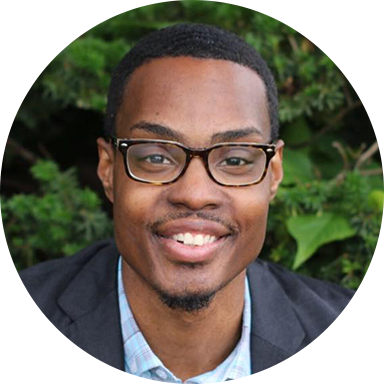
Robert T. Gibson

Robert T. Gibson is a conductor, composer, and educator based in Houston who has shaped choral programs across multiple states and educational levels. He holds degrees in music education from the University of North Texas and the University of Missouri, and has directed ensembles at middle and high schools, universities, and churches while serving as a guest clinician in Texas, Missouri, Pennsylvania, Kansas, Tennessee, and New York. His work at Missouri State University included conducting the Gospel Choir and founding the Multicultural Ensemble, an initiative that bridged campus and community musicians and performed at the 2019 Missouri Music Educator Association Conference.

Gibson's contributions to choral music and his community have earned significant recognition, including the 2020 Missouri Choral Directors Association Opus Award for his arrangement of "We Shall Overcome" and the 2022 NAACP Trailblazer Award. His compositions and arrangements have been performed by Texas All-State ensembles and Missouri summer all-state choirs. He is an active member of Phi Beta Sigma Fraternity, Phi Mu Alpha Sinfonia, and Phi Kappa Lambda Nation.

Why we love this

Gibson taps into what students actually want to do: move, groove, and express themselves. The rhythmic language here feels contemporary without sacrificing musicality, and the parallel harmonies stay accessible while the step choreography gives your group something tangible to rehearse and own. This is the rare piece that energizes both a high school auditorium and your directors' room.

What to expect

Infectious and grounded. The rhythmic drive creates forward momentum that keeps the piece from ever feeling static, while the parallel harmonies land with warmth and accessibility. There's real joy in the permission the text gives performers to celebrate what makes them individuals, and that philosophy translates into the sound itself.

Who it's for

High school and advanced middle school choirs looking for concert repertoire with immediate appeal to both performers and audiences. Directors who want their singers to experience the connection between physical movement and vocal presence without requiring dancers or elaborate staging.

How to get the most out of it

  • Teach the vocal percussion patterns first as isolated rhythmic cells before layering them into the harmonic texture; students lock in faster when they understand the pulse underneath.
  • Have your ensemble watch Gibson's instructional video during the early learning phase so everyone visualizes the movement together from the start.
  • Schedule dedicated staging rehearsals separate from music rehearsals once parts are secure; the choreography deserves its own focused time to feel natural rather than tacked on.
  • Record a rough run-through of the step routine in week two and play it back so singers hear how the movement changes the energy and commitment of the sound.

How to use it

Program this as a closing number on a concert where you want to leave the audience smiling and energized. It also works perfectly as an opening statement if you're leading with a contemporary piece and want to set an upbeat, inclusive tone for the evening.

Skills your students will build

  • Rhythmic independence and layering of ostinati
  • Singing sustained parallel harmony without blend concerns
  • Coordination of vocal production with choreographed movement
  • Ensemble awareness during rhythmic syncopation
  • Interpreting text through both voice and body

You May Also Like