

Daily Warm-Ups, Set 4: Minor Scales & Arpeggios (One Octave): Piano
Minor Scales & Arpeggios (One Octave)
By Gayle Kowalchyk and E. L. Lancaster
Item: 00-PB-0001096
$5.99
Pickup currently not available
Related Items
Daily Warm-Ups, Set 4: Piano Book |
$5.99
|
View |
Description
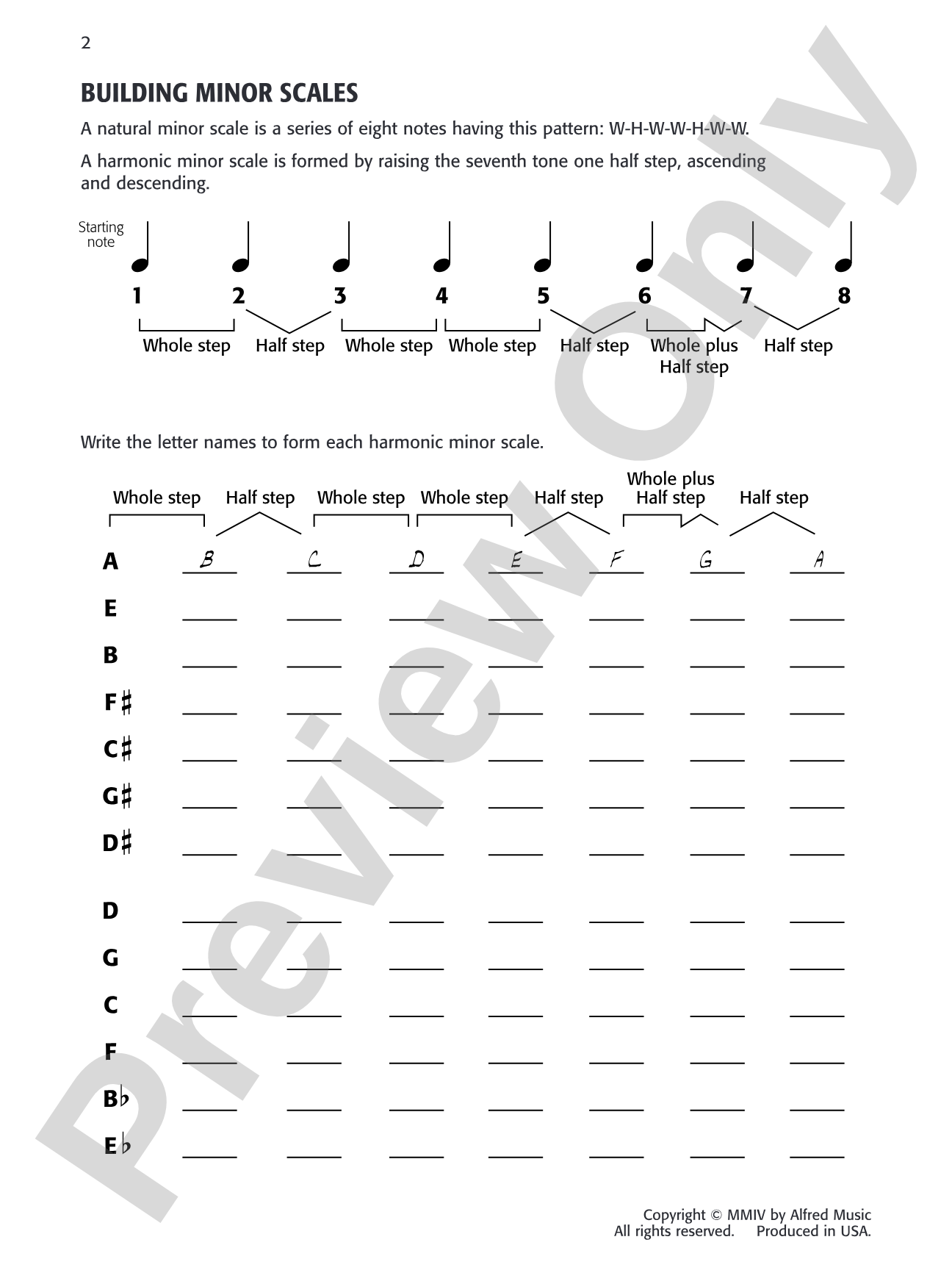
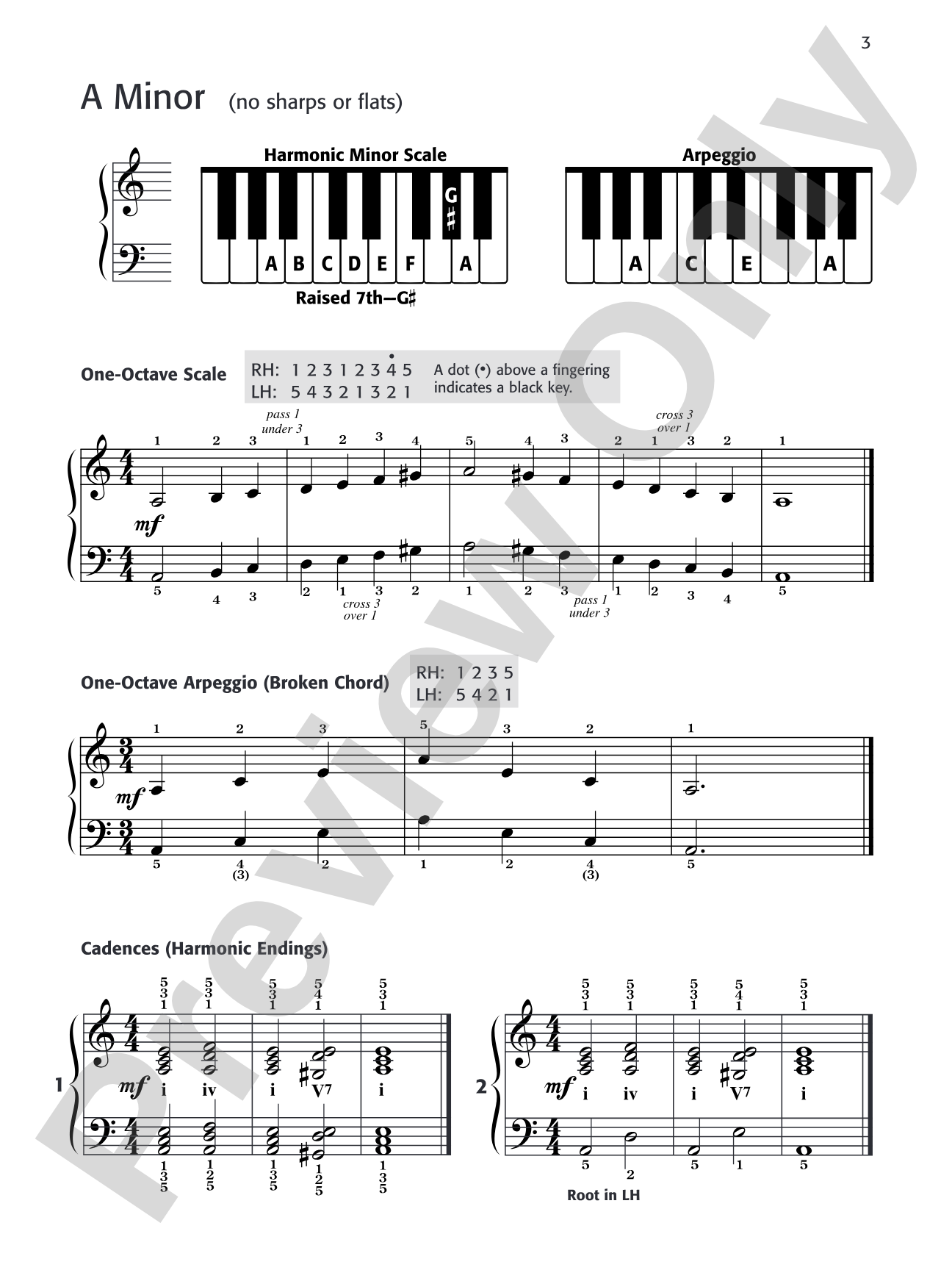
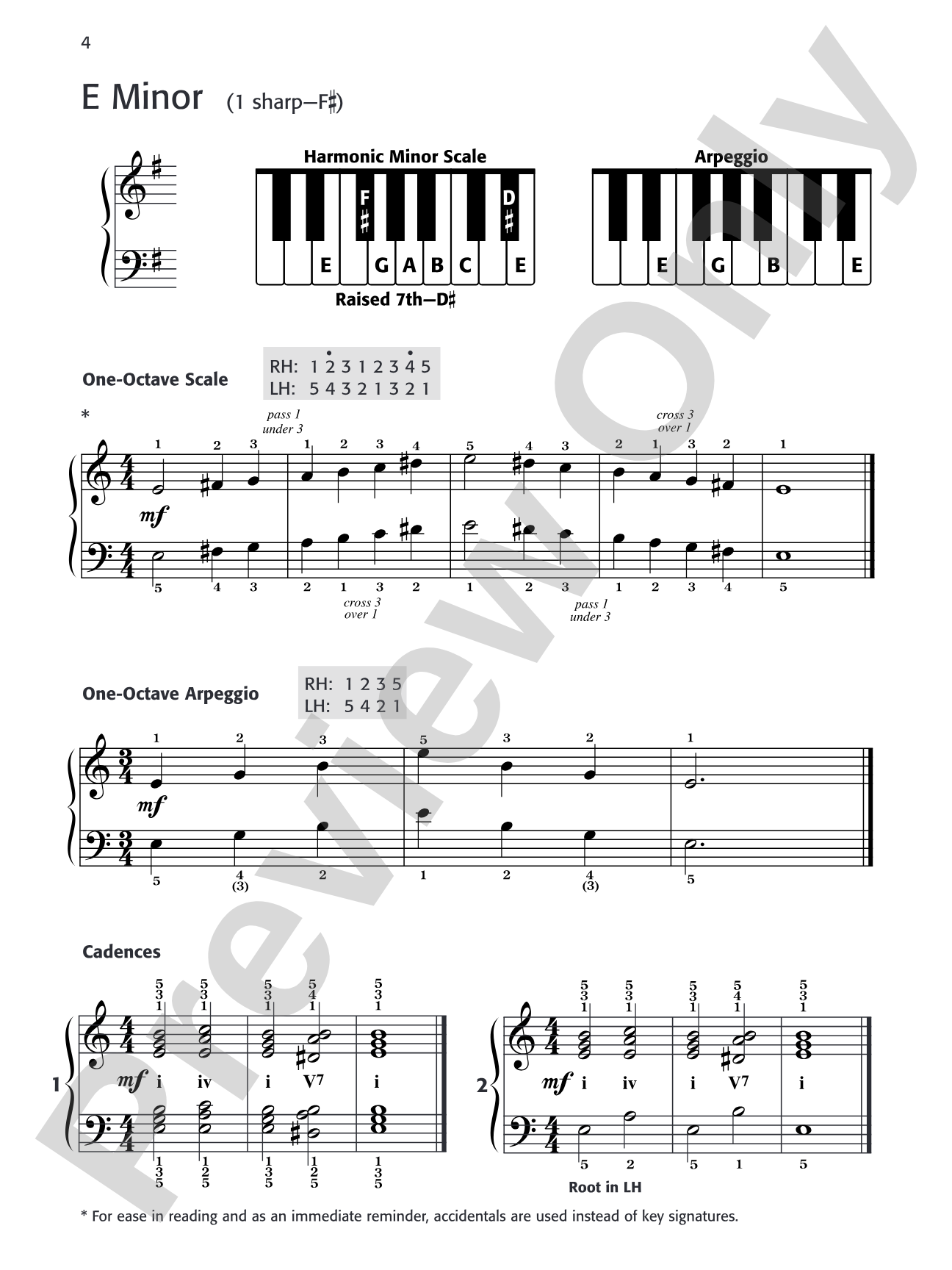
Help your students prepare for auditions and contests with these exceptional new reference guides to five-finger patterns, scales, arpeggios, cadences and key signatures. Convenient and easy to use, the six sets of Daily Warm-Ups include concise theoretical explanations and practical practice suggestions.


Daily Warm-Ups, Set 4: Minor Scales & Arpeggios (One Octave): Piano isn't in MakeMusic Cloud just yet...but it could be. Let us know you'd like to see it, and you'll help shape what comes next. In the meantime, start a free trial and dive into thousands of interactive titles your students can play along with today.
Request This Title
Tell us you want it.
Start Your Free Trial
Explore everything that's ready to play right now.
Sample Audio
No sample audio found.
Sample Video
No sample videos found.
Additional Details
Publisher:
Alfred Music
Page Count:
16
SKU:
00-PB-0001096
More about this title
About the Composer: Gayle Kowalchyk

Dr. Gayle Kowalchyk has shaped piano pedagogy across multiple institutions, including California State University, Northridge, where she teaches class piano, individual piano, and piano pedagogy. Her academic foundation spans Ohio University (piano performance), Northwestern University (piano performance and pedagogy), and Teachers College, Columbia University (Ed.D. in piano pedagogy). She has served on faculty at Eastern Illinois University, Oklahoma Baptist University, and the University of Oklahoma, and spent summers teaching at the National Music Camp in Interlochen, Michigan.
With her husband, Dr. E. L. Lancaster, Kowalchyk has authored more than 300 educational piano publications, including the widely adopted Alfred's Premier Piano Course and Music for Little Mozarts. A sought-after clinician and adjudicator, she regularly presents at national conferences including the Music Teachers National Association, Music Educators National Conference, and the World Piano Pedagogy Conference. Her studio teaching experience and pedagogical expertise inform every resource she creates.
Why we love this
This set cuts through the clutter of scale practice by pairing clear technical instruction with purposeful patterns that students actually need for auditions and contests. The one-octave minor scales and arpeggios are appropriately scoped for developing pianists, and the inclusion of key signatures and cadences gives students the harmonic context that makes technical work meaningful rather than rote.
What to expect
Working through minor scales has a contemplative quality quite different from major scale work. The harmonic and melodic variants add color and complexity that keeps the fingers engaged and the mind active rather than operating on autopilot.
Who it's for
Piano students preparing for auditions, contests, or advancement exams who need a structured reference for minor scale patterns and arpeggio work. Teachers seeking a concise, theoretically grounded warm-up resource that doesn't waste class or lesson time.
How to get the most out of it
- Use the theoretical explanations as a foundation before students begin practicing; understanding which minor form applies to a given key prevents mechanical repetition and builds genuine music literacy.
- Have students practice one key per session rather than cycling through all keys daily; this deepens muscle memory and allows time for reflection on fingering choices and hand position.
- Encourage students to listen for the harmonic quality of each arpeggio; the character shifts between natural, harmonic, and melodic minor, and that awareness strengthens both ear and technique.
How to use it
Assign one set per week during the contest or audition preparation season, rotating through the daily warm-ups to build systematic familiarity with all five-finger patterns. These resources also integrate cleanly into studio curriculum as a supplementary technical reference whenever a student needs to review scale fundamentals or solidify key signature knowledge.
Skills your students will build
- Playing minor scales in three forms (natural, harmonic, melodic) with proper fingering and hand position
- Constructing and executing minor arpeggios across one octave
- Reading and identifying key signatures in minor keys
- Understanding harmonic function through cadence patterns
- Building finger independence and evenness of tone through repetitive technical work