
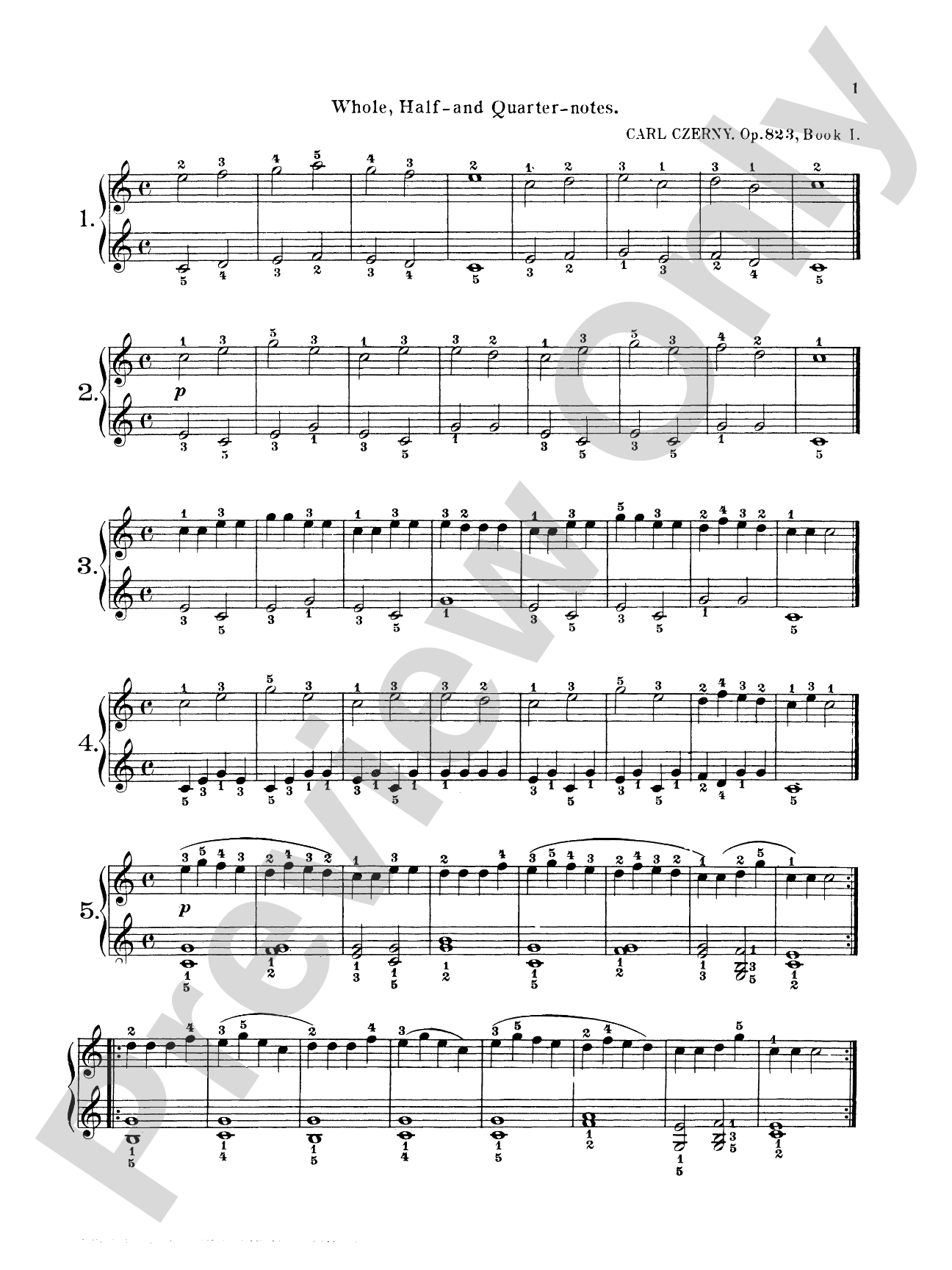
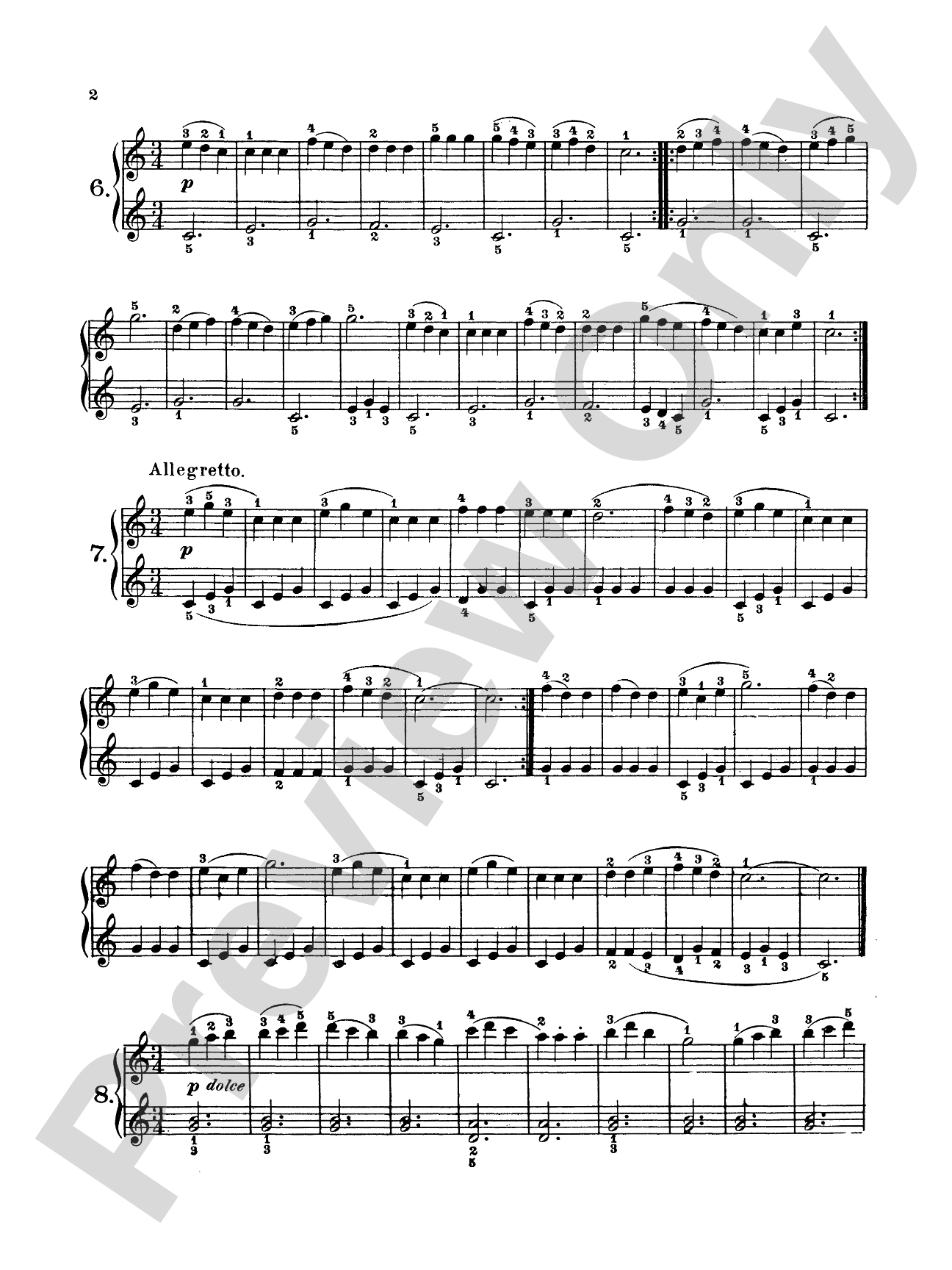
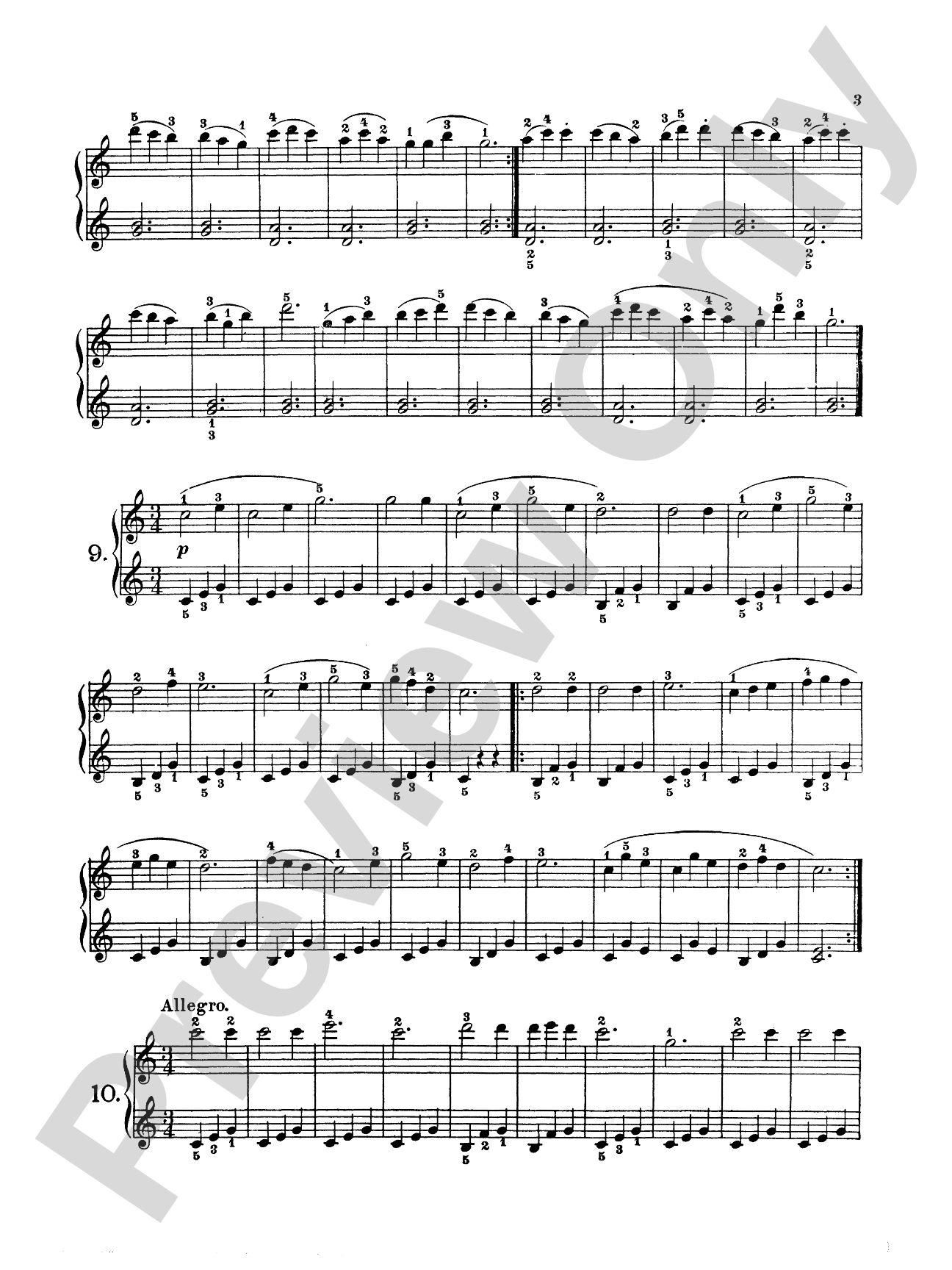
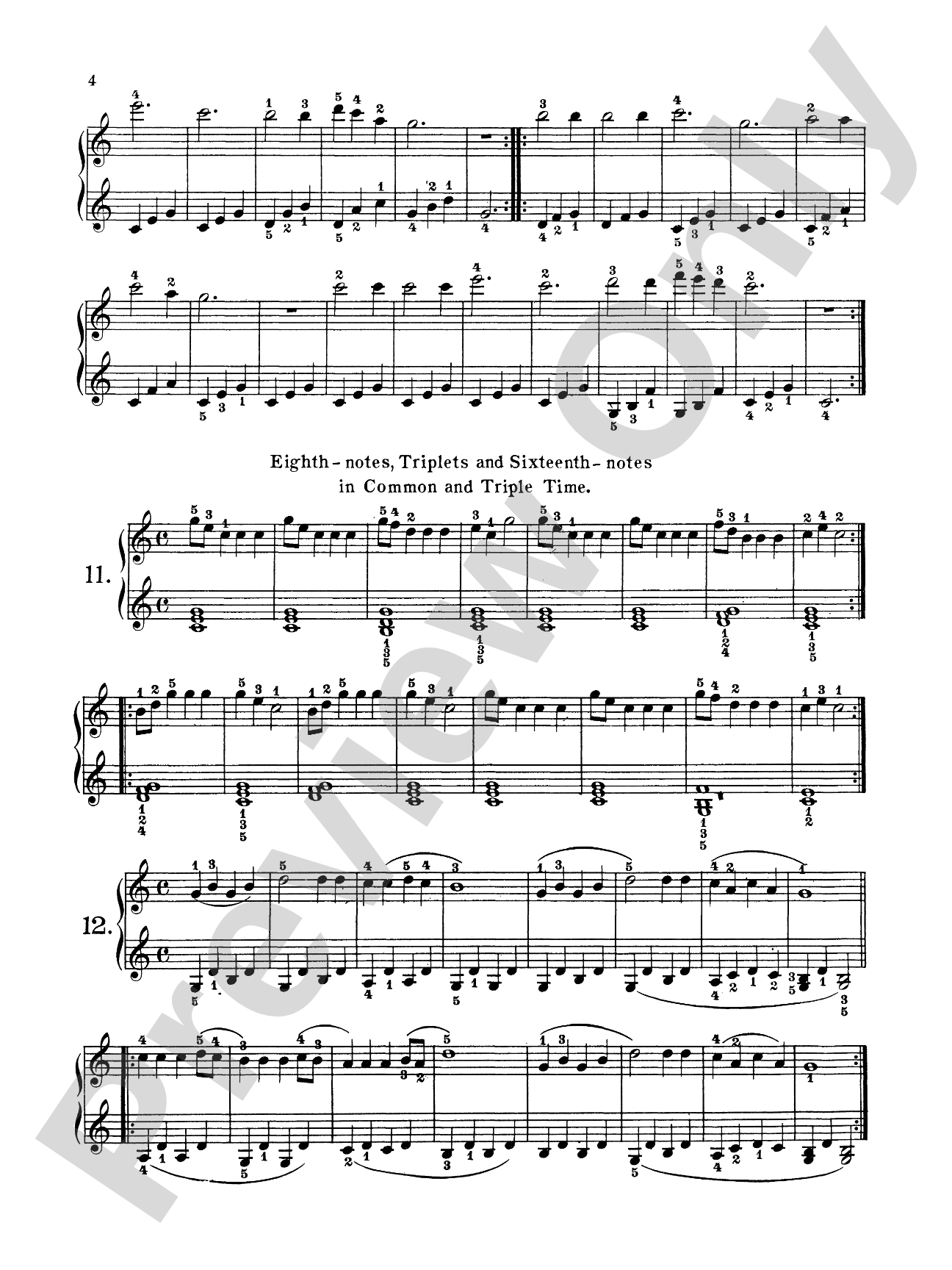

Czerny: Little Pianist, Op. 823: Piano Book
By Carl Czerny
Level: Intermediate / Advanced
Item: 00-PK-0003035

$9.99
Pickup currently not available
Buy Extra Parts (Digital PDF Download)
| Product | Price | Quantity |
|---|---|---|
| Czerny: Little Pianist, Op. 823 | $0.99 | |
| Czerny: Little Pianist, Op. 823 | $0.99 | |
| Czerny: Little Pianist, Op. 823 | $0.99 | |
| Czerny: Little Pianist, Op. 823 | $0.99 | |
| Czerny: Little Pianist, Op. 823 | $0.99 | |
| Czerny: Little Pianist, Op. 823 | $0.99 | |
| Czerny: Little Pianist, Op. 823 | $0.99 | |
| Czerny: Little Pianist, Op. 823 | $0.99 | |
| Czerny: Little Pianist, Op. 823 | $0.99 | |
| Czerny: Little Pianist, Op. 823 | $0.99 | |
| Czerny: Little Pianist, Op. 823 | $0.99 | |
| Czerny: Little Pianist, Op. 823 | $0.99 | |
| Czerny: Little Pianist, Op. 823 | $0.99 | |
| Czerny: Little Pianist, Op. 823 | $0.99 | |
| Czerny: Little Pianist, Op. 823 | $0.99 | |
| Czerny: Little Pianist, Op. 823 | $0.99 |
Parts Added to Cart!
Related Items
Little Pianist, Opus 823: Piano Book |
$9.95
|
View |
Description
Carl Czerny (1791--1857) was an Austrian pianist, composer and teacher. Today he is best remembered for his volumes of études for the piano. Czerny's music was greatly influenced by his teachers, Clementi, Hummel, Salieri and Beethoven. This book contains Czerny's Opus 823 (Books 1 and 2), "The Little Pianist," exercises 1-73.


Don't just read it, hear it, play along with it, and watch your students grow with it. In MakeMusic Cloud, Czerny: Little Pianist, Op. 823: Piano Book comes alive with professional accompaniment, adjustable tempo, and built-in practice tools that turn solo practice into real progress.
Open in the Player
Jump straight in and assign it today.
Start Your Free Trial
Open this title and explore the full library in minutes.
Sample Audio
No sample audio found.
Sample Video
No sample videos found.
Additional Details
Series:
Kalmus Edition
Publisher:
Alfred Music
Page Count:
64
SKU:
00-PK-0003035
More about this title
About the Composer: Carl Czerny
Carl Czerny spent his formative years in Vienna surrounded by the titans of his era. As a student of Muzio Clementi, Johann Hummel, Antonio Salieri, and Ludwig van Beethoven, he absorbed the technical demands and artistic innovations of the Classical period while witnessing the Romantic movement take shape. His teaching career proved even more influential than his performing life; he spent decades refining pedagogical materials that balanced musical substance with progressive difficulty.
Czerny's études remain foundational to piano pedagogy precisely because he understood what students actually need to hear. Rather than create abstract finger gymnastics, he embedded musicality into every exercise, ensuring that technical work never feels divorced from artistic expression. His prolific output, over a thousand compositions, reflects his commitment to serving teachers and students at every level.
Why we love this
Czerny resists the trap that catches so many method books: the material actually sounds like music. Exercises 1, 73 build genuine keyboard fluency without resorting to drudgery, and students emerge with stronger hands, better musicality, and real confidence in their ability to navigate repertoire. The progression is intentional enough that teachers can assign selectively based on what a particular student needs to address.
What to expect
These pieces crackle with contained energy. They move quickly, often in quick march-like or perpetual motion textures, with enough harmonic change to keep the ear engaged even as the fingers work. There's a buoyancy to them, a Classical restraint that avoids sentimentality while never feeling cold or purely mechanical.
Who it's for
Intermediate to advanced pianists aged 10 and up who are building stamina and technical facility without yet tackling full concertos or extended sonata movements. Suzuki piano teachers will find these exercises valuable for supplementing repertoire, particularly for students in Books 4-5 and beyond, since they reinforce technique within a musical context.
How to get the most out of it
- Map the hand position shifts before playing through each exercise; Czerny writes leaps that demand preparation, not surprise.
- Treat the dynamic markings seriously, even in early studies. They're not ornaments, they shape how the student hears musical phrasing.
- Start slowly enough to observe the articulation. Crisp finger work at moderate tempo teaches more than sloppy speed.
- Use exercises 1, 73 as warm-up material as well as study pieces. Revisiting earlier exercises with advancing students deepens their technical control.
How to use it
Use these as daily technical work rather than recital pieces. Students benefit from cycling through several exercises over a practice week or month, then moving forward rather than performing them in concert. They work beautifully as warm-up material before tackling heavier technical passages in the week's primary repertoire.
Skills your students will build
- Even passagework across multiple note values and rhythmic figures
- Finger independence and controlled rapid scale and arpeggio work
- Dynamic contrast and articulation clarity within repetitive figurations
- Sight-reading fluency through exposure to varied technical patterns
- Hand position stability during extended passages requiring wide intervallic jumps
- Left-hand accompaniment patterns (Alberti bass, broken chords) that unlock later sonata literature