
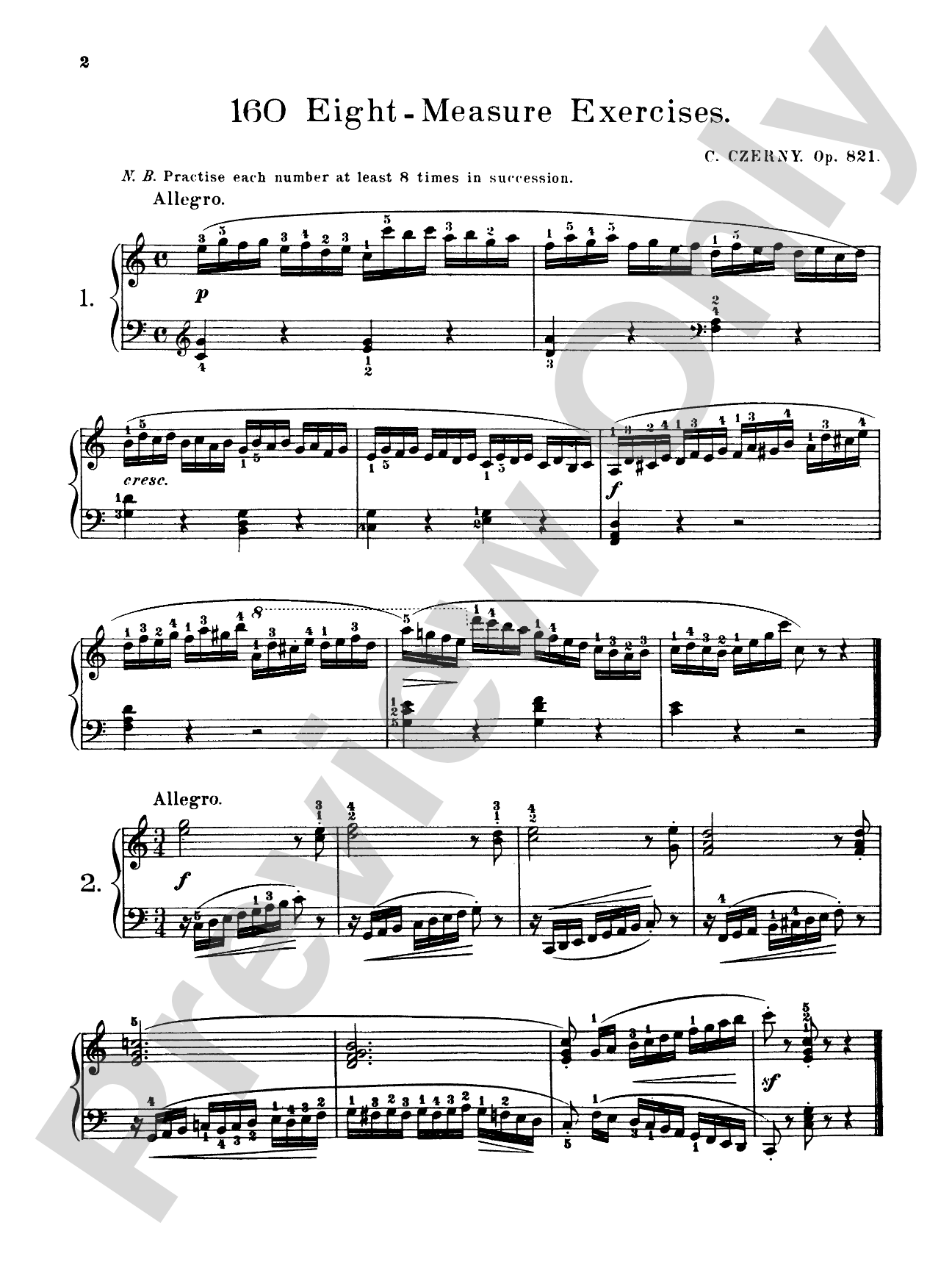
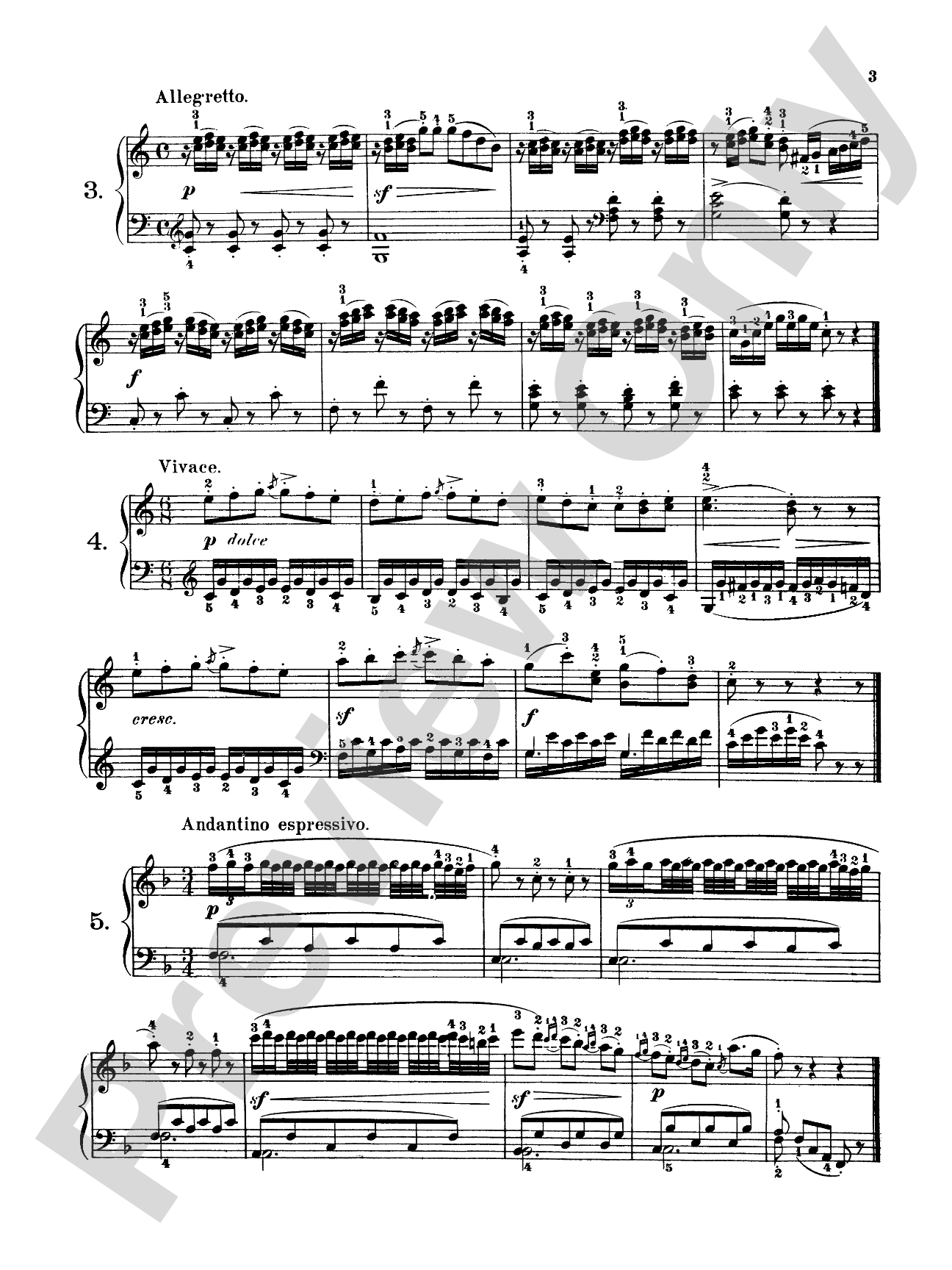
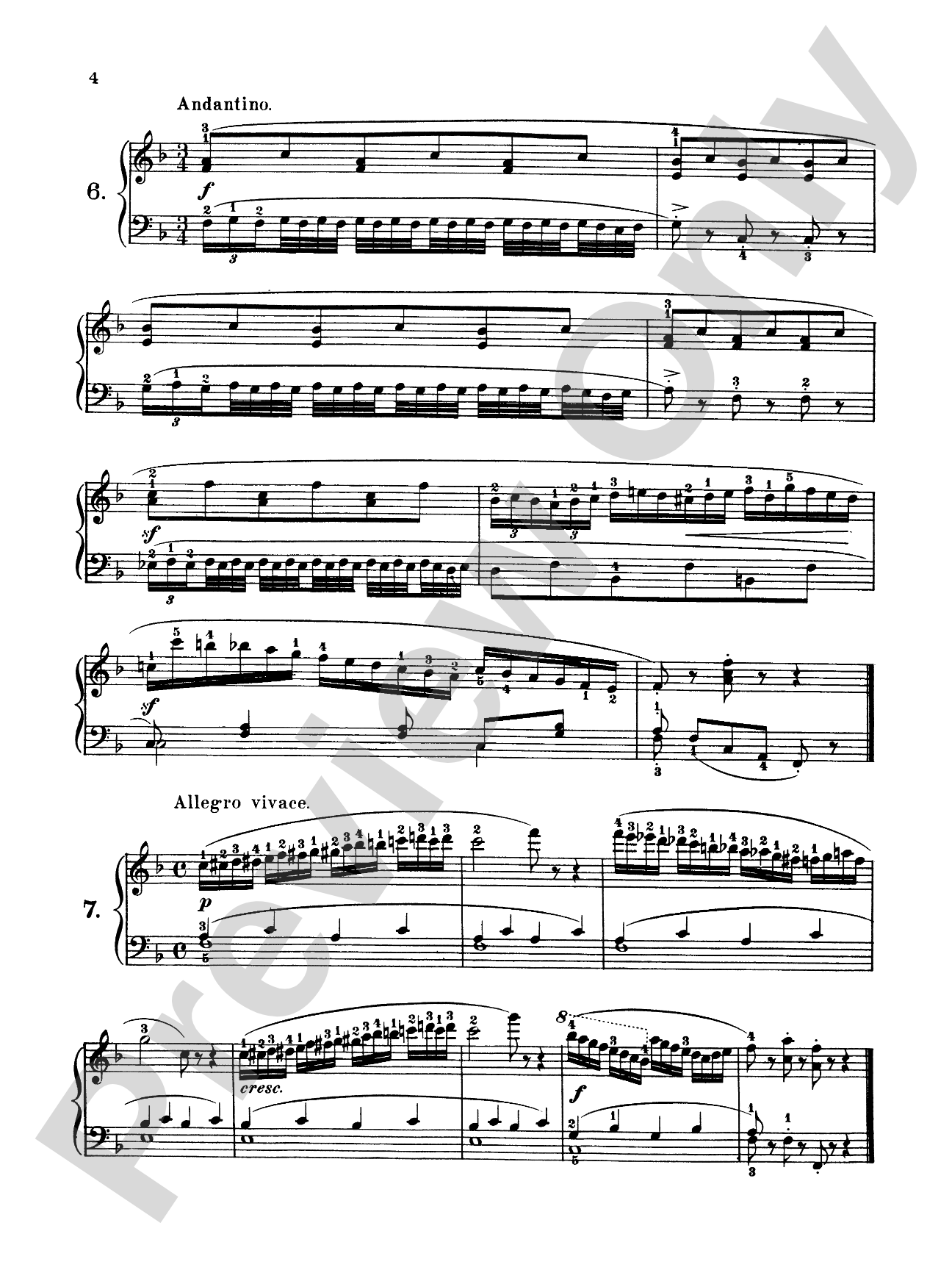
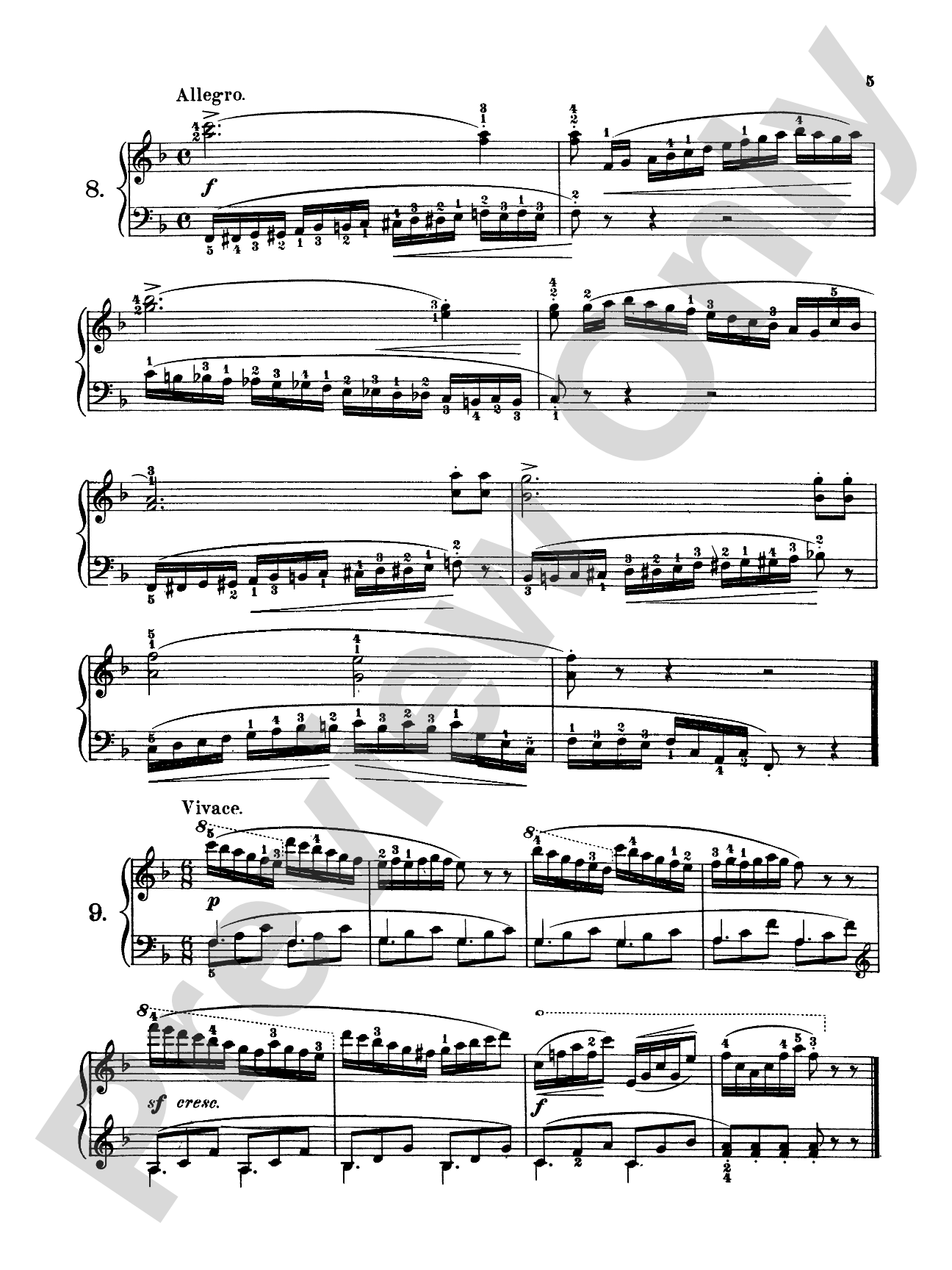
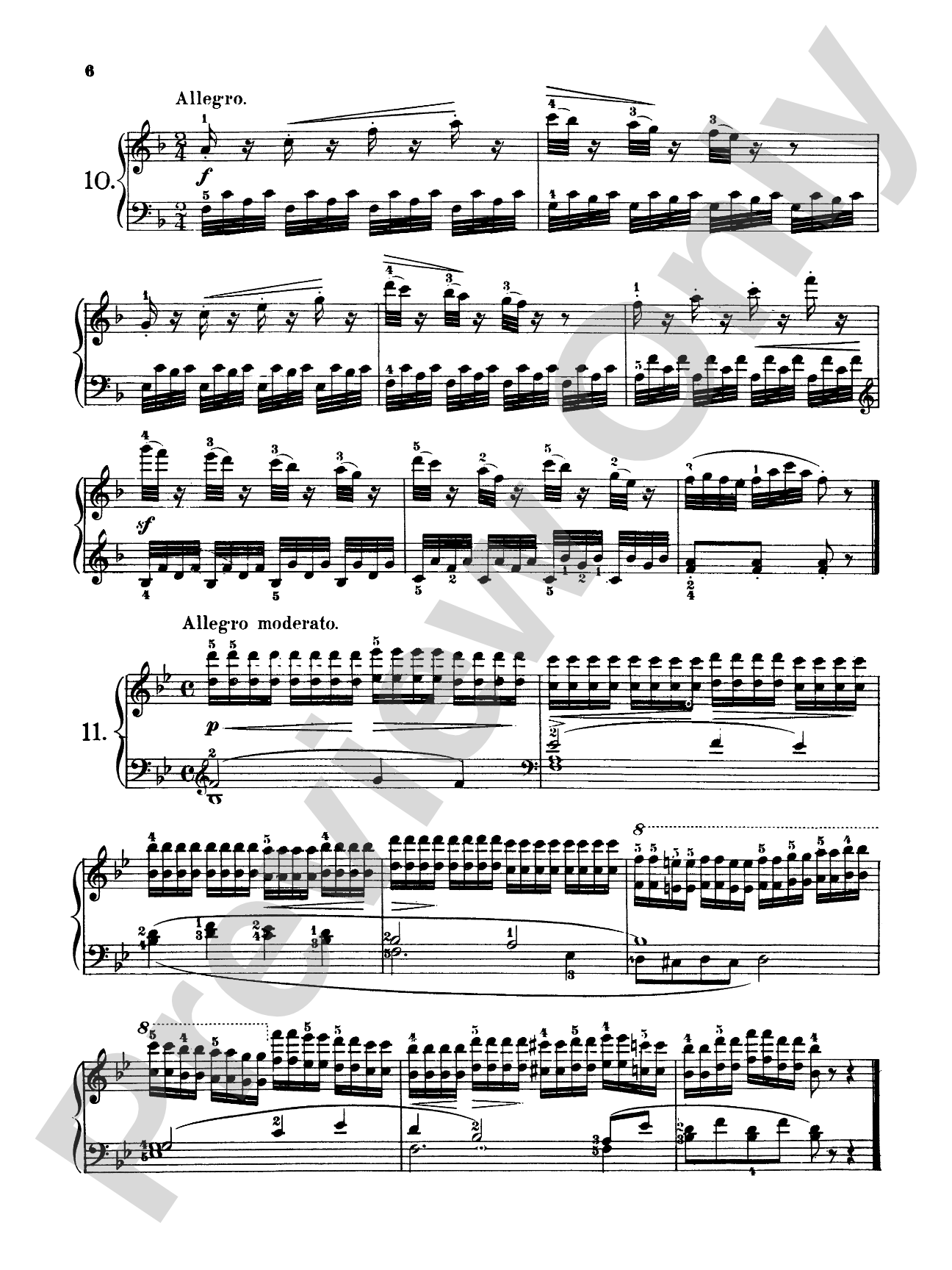
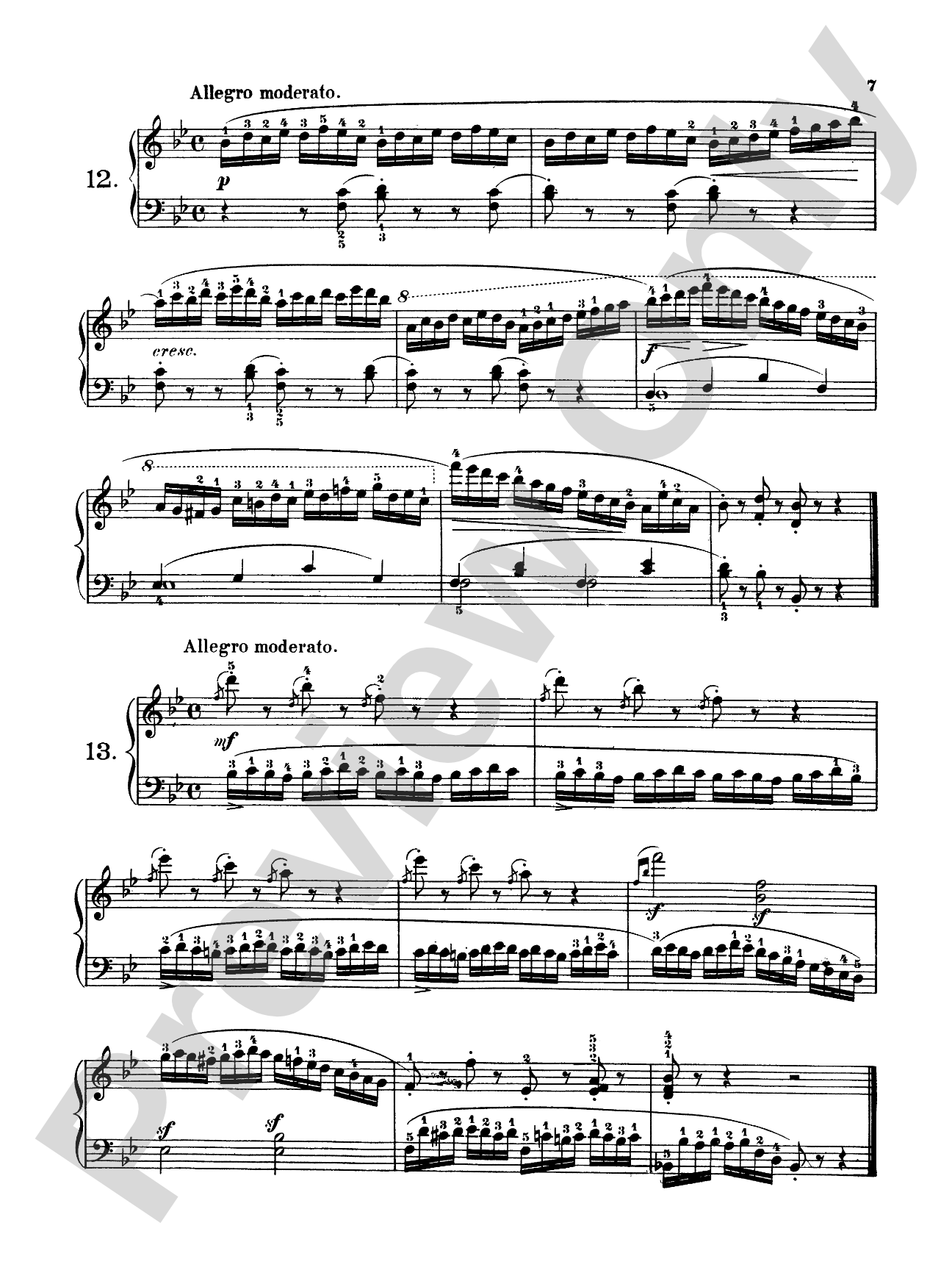
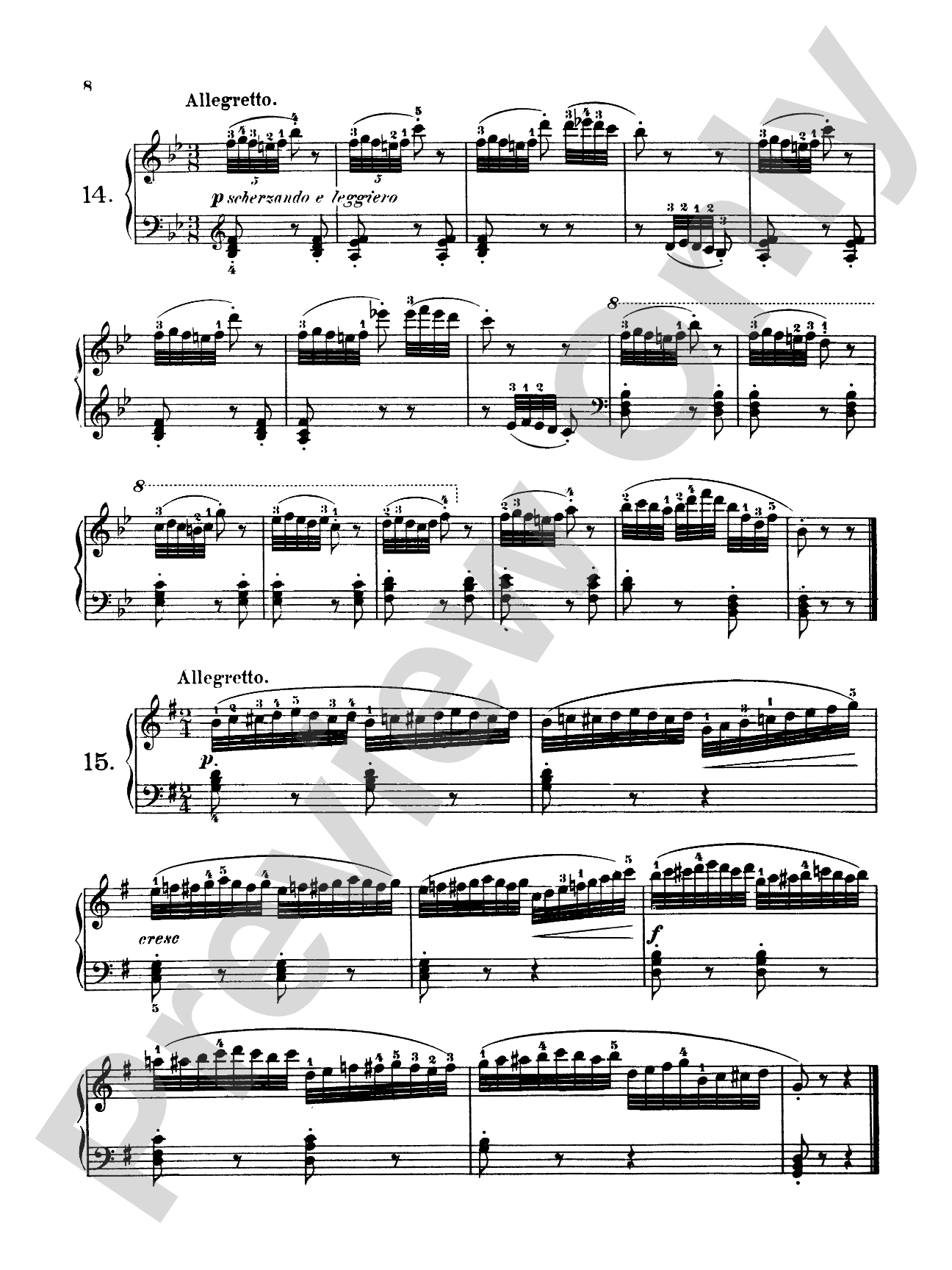
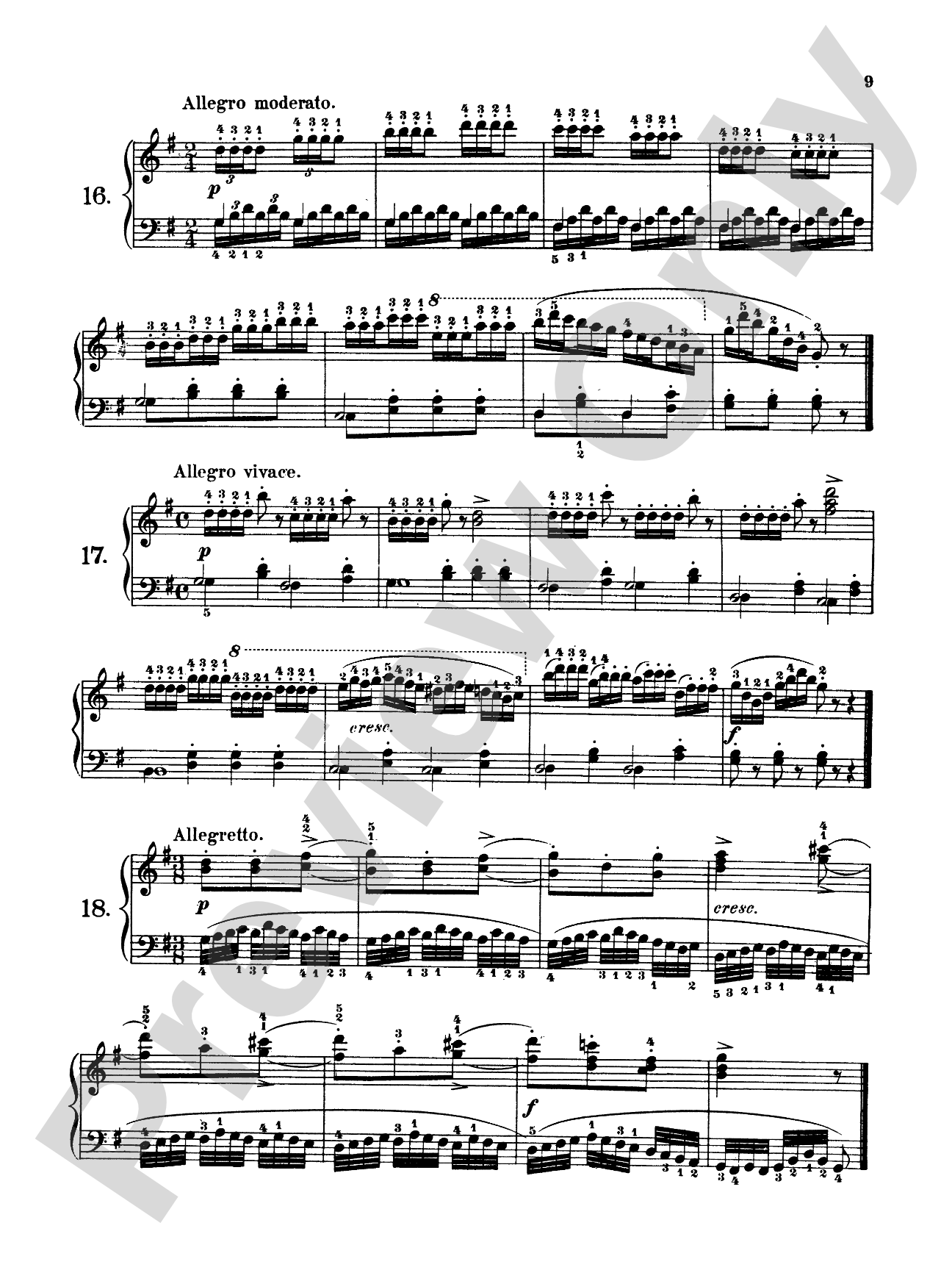
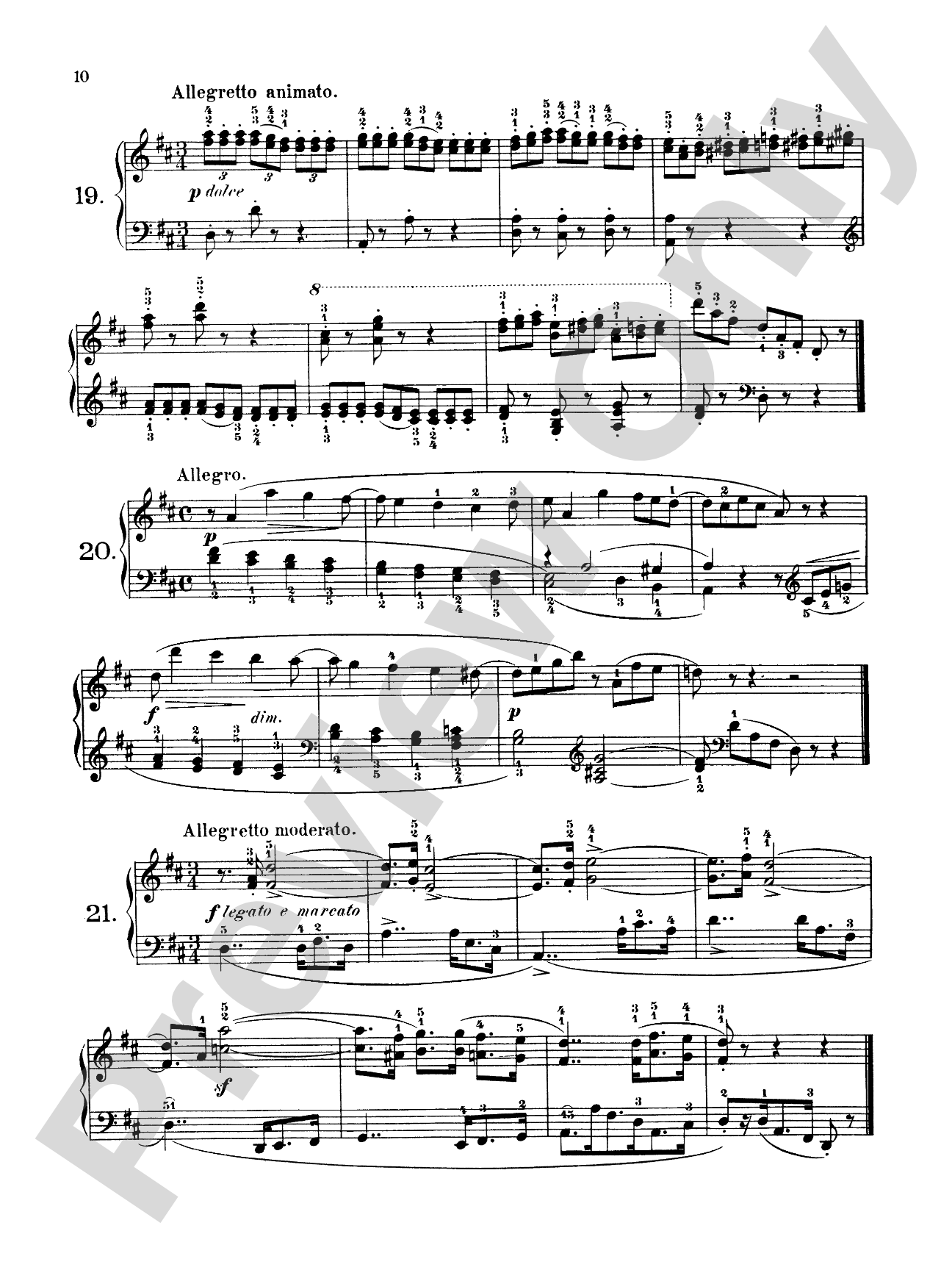
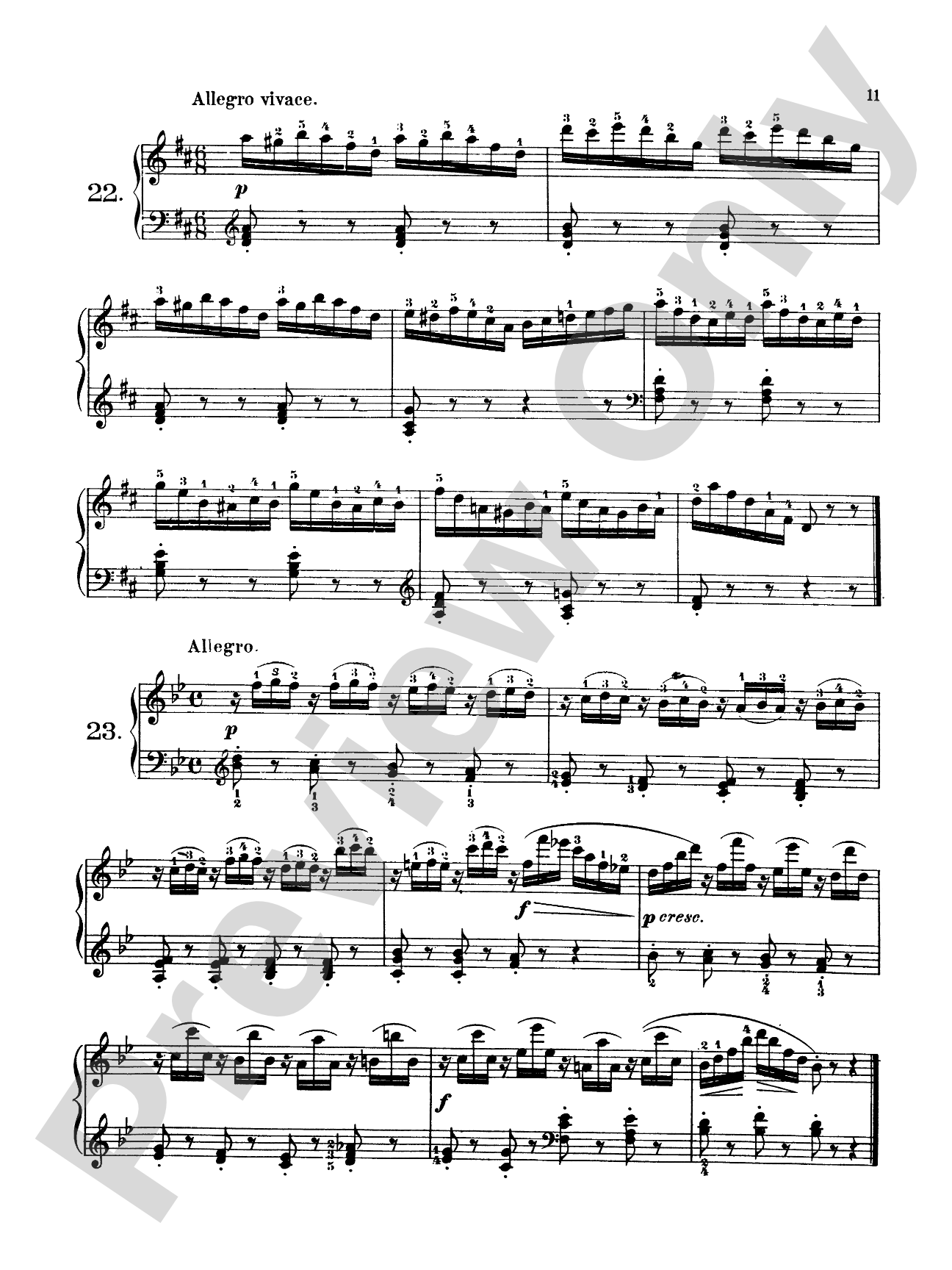
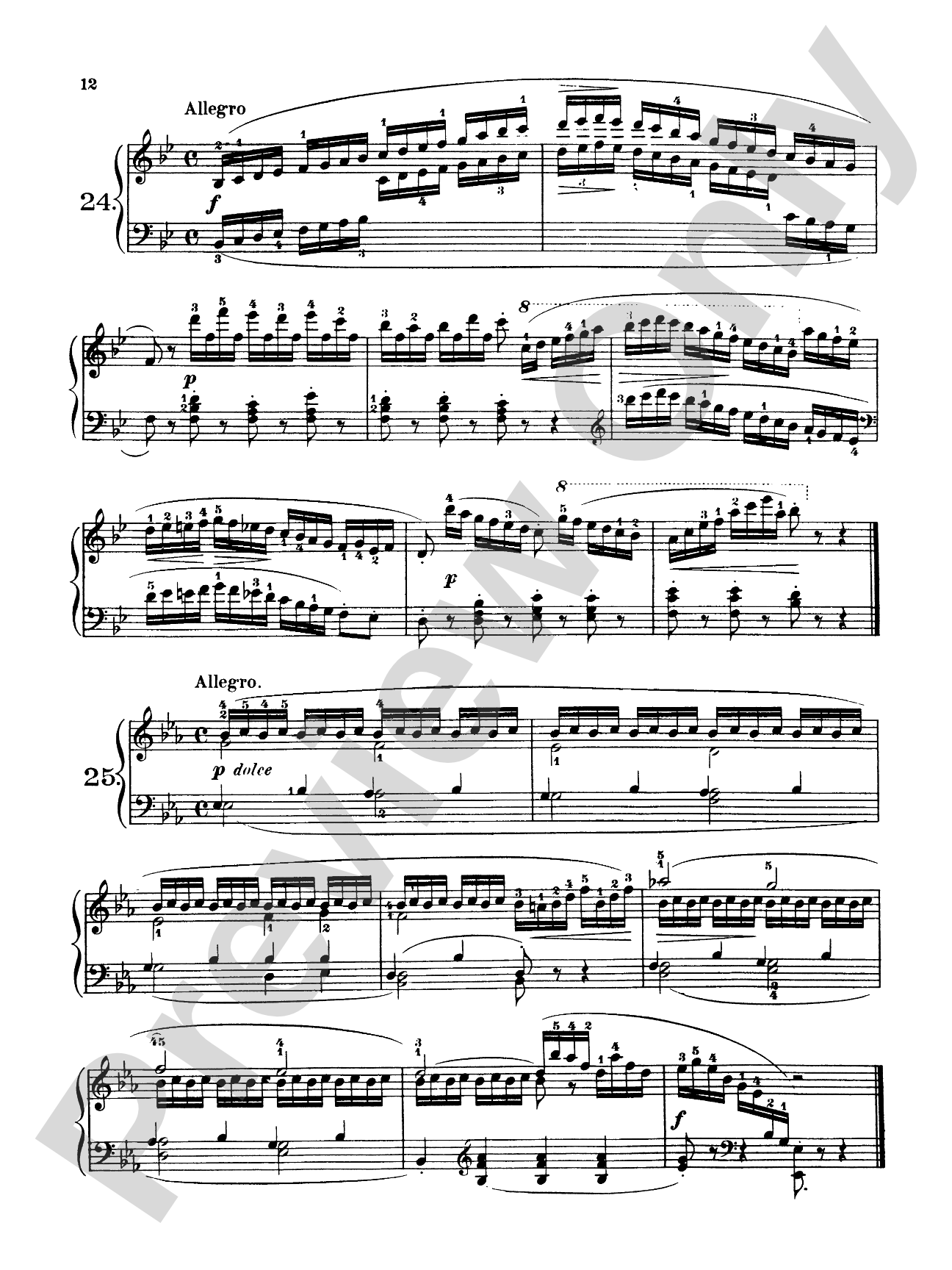
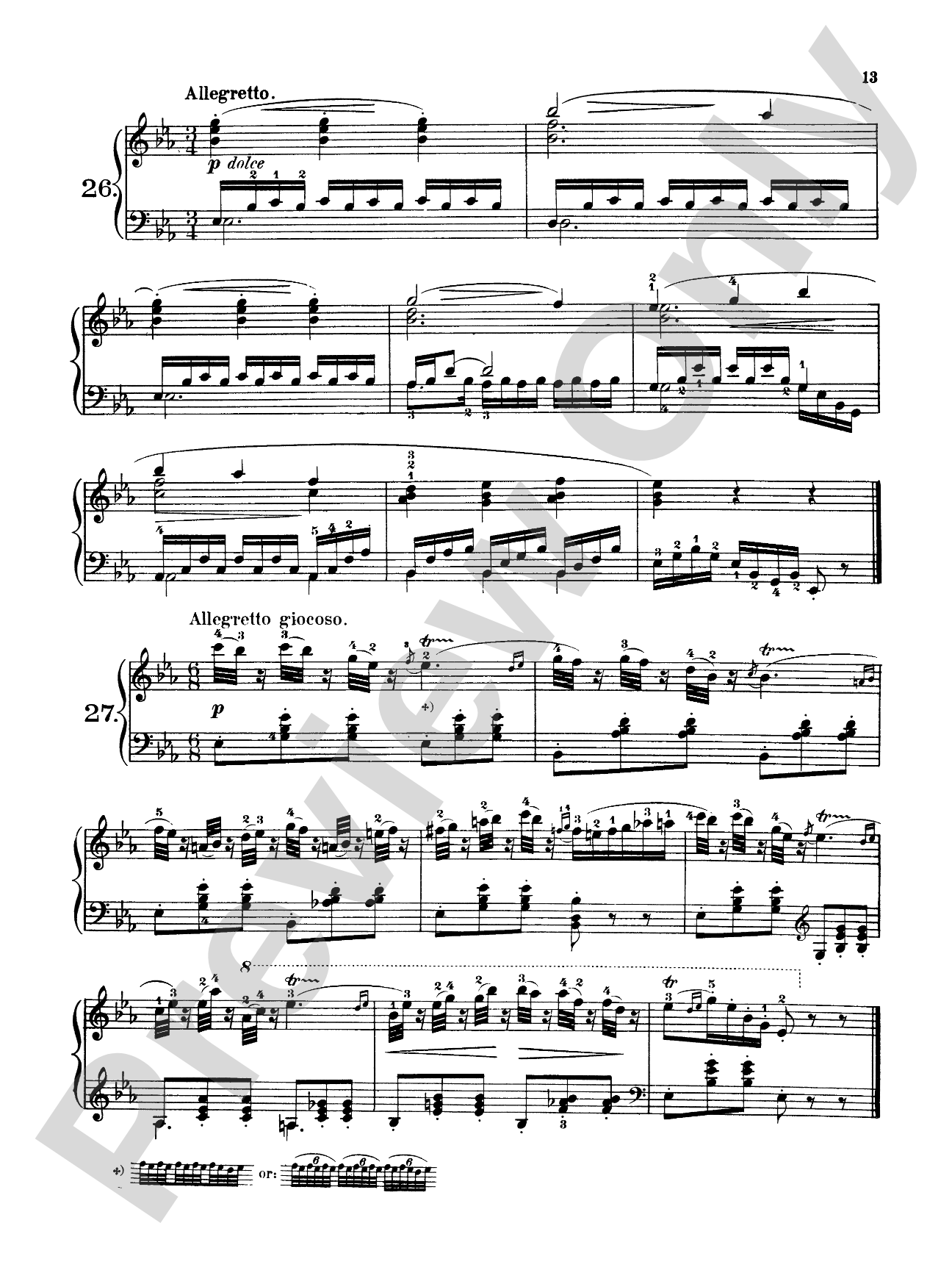
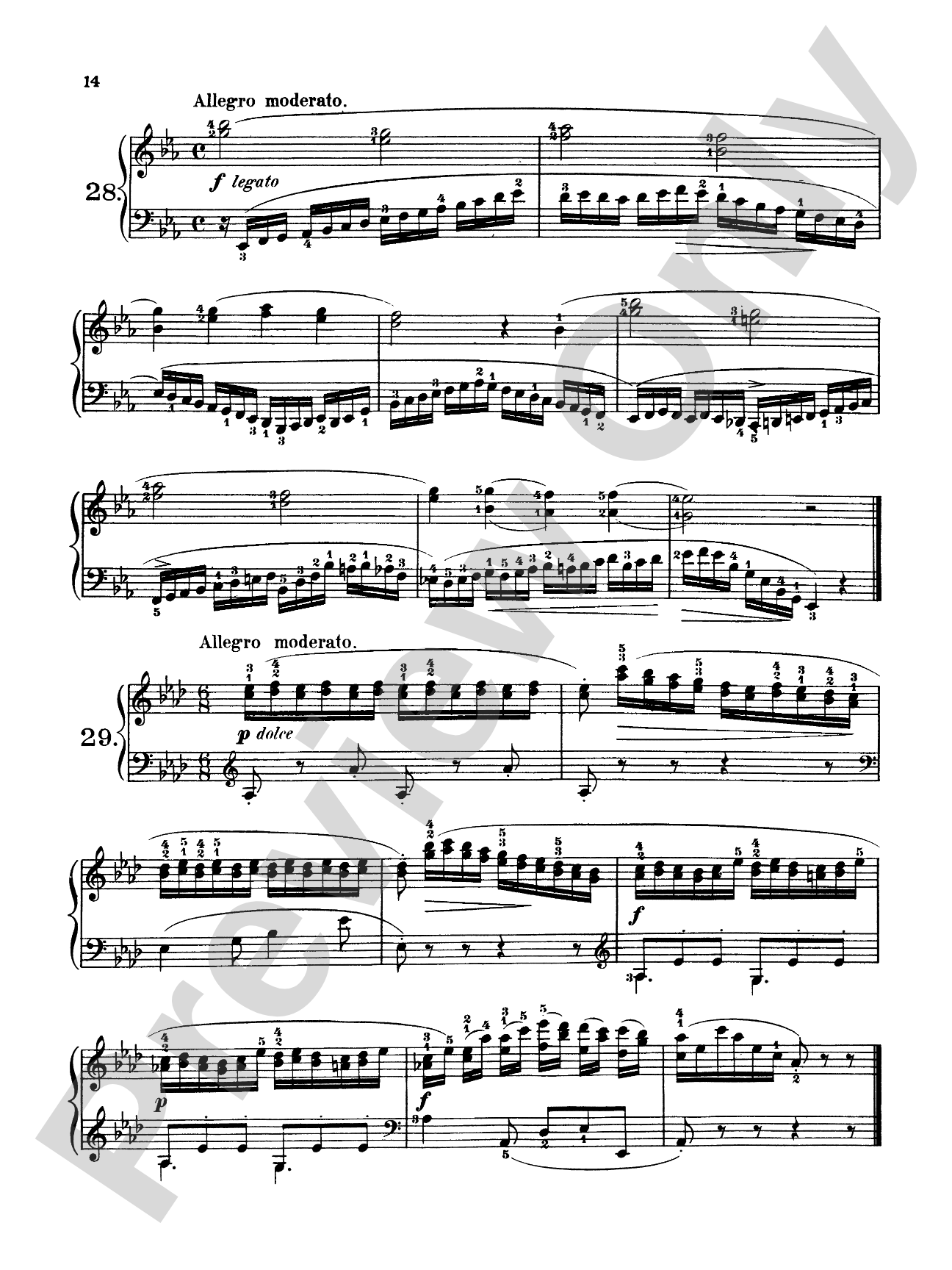
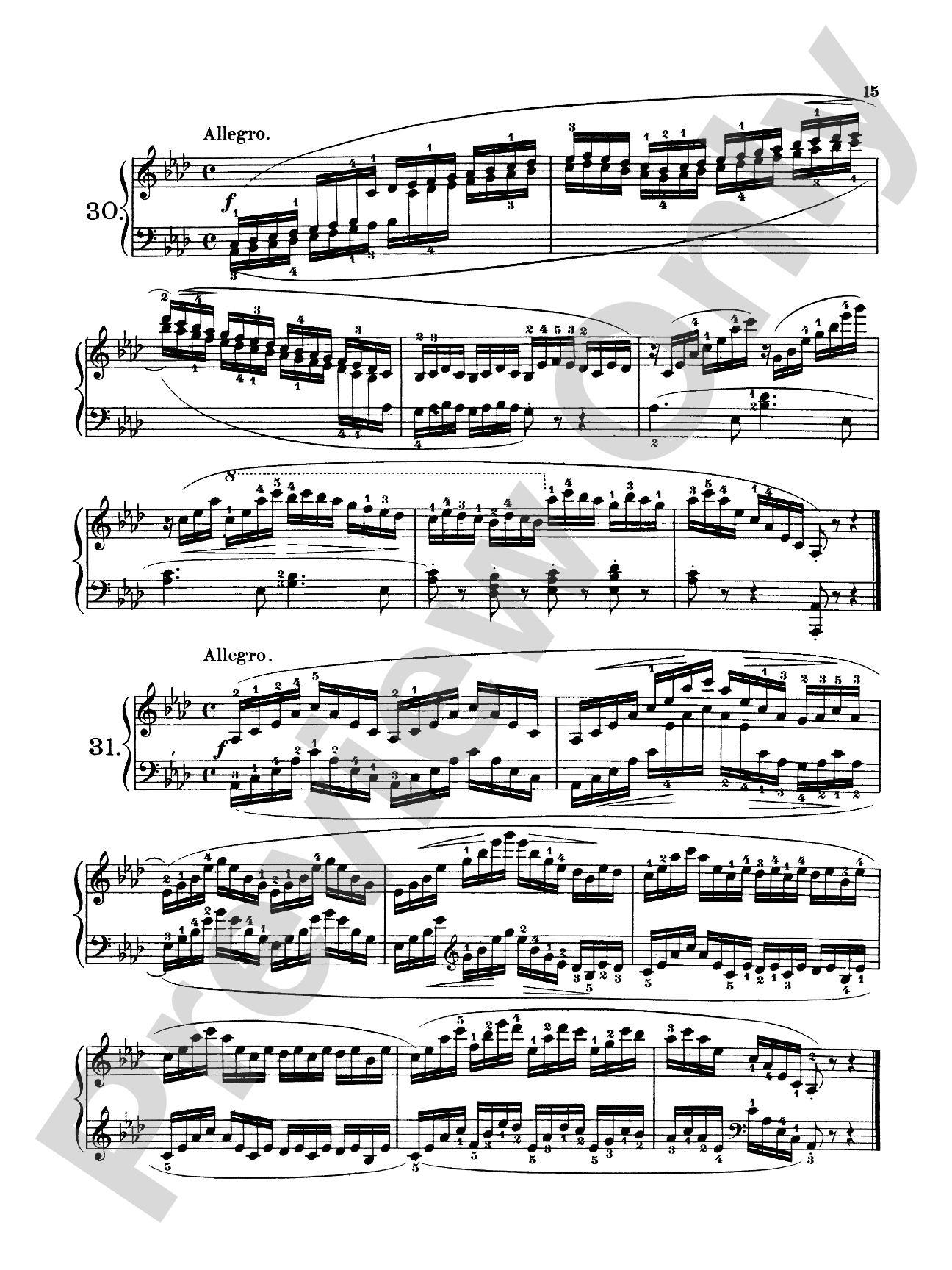
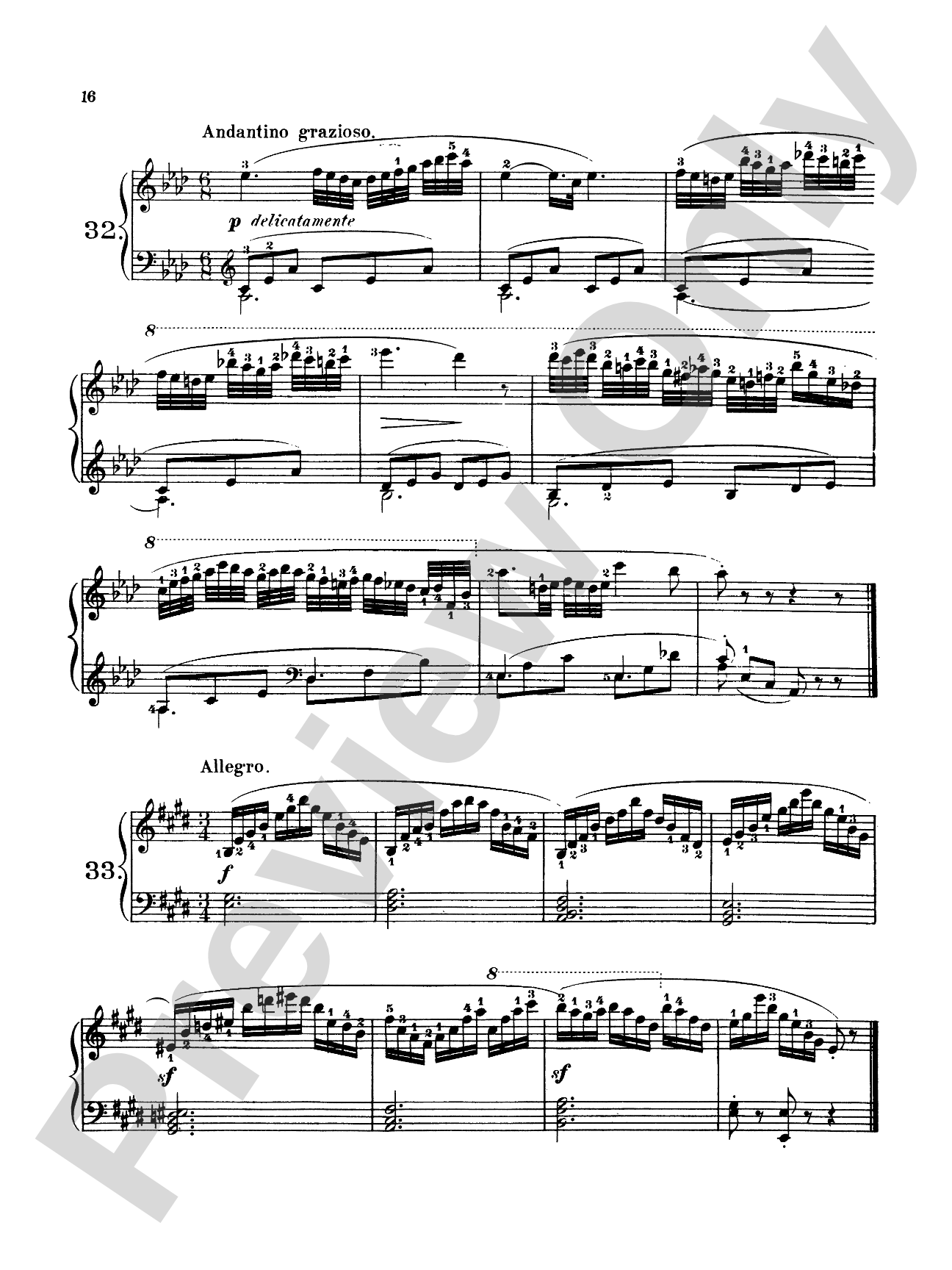
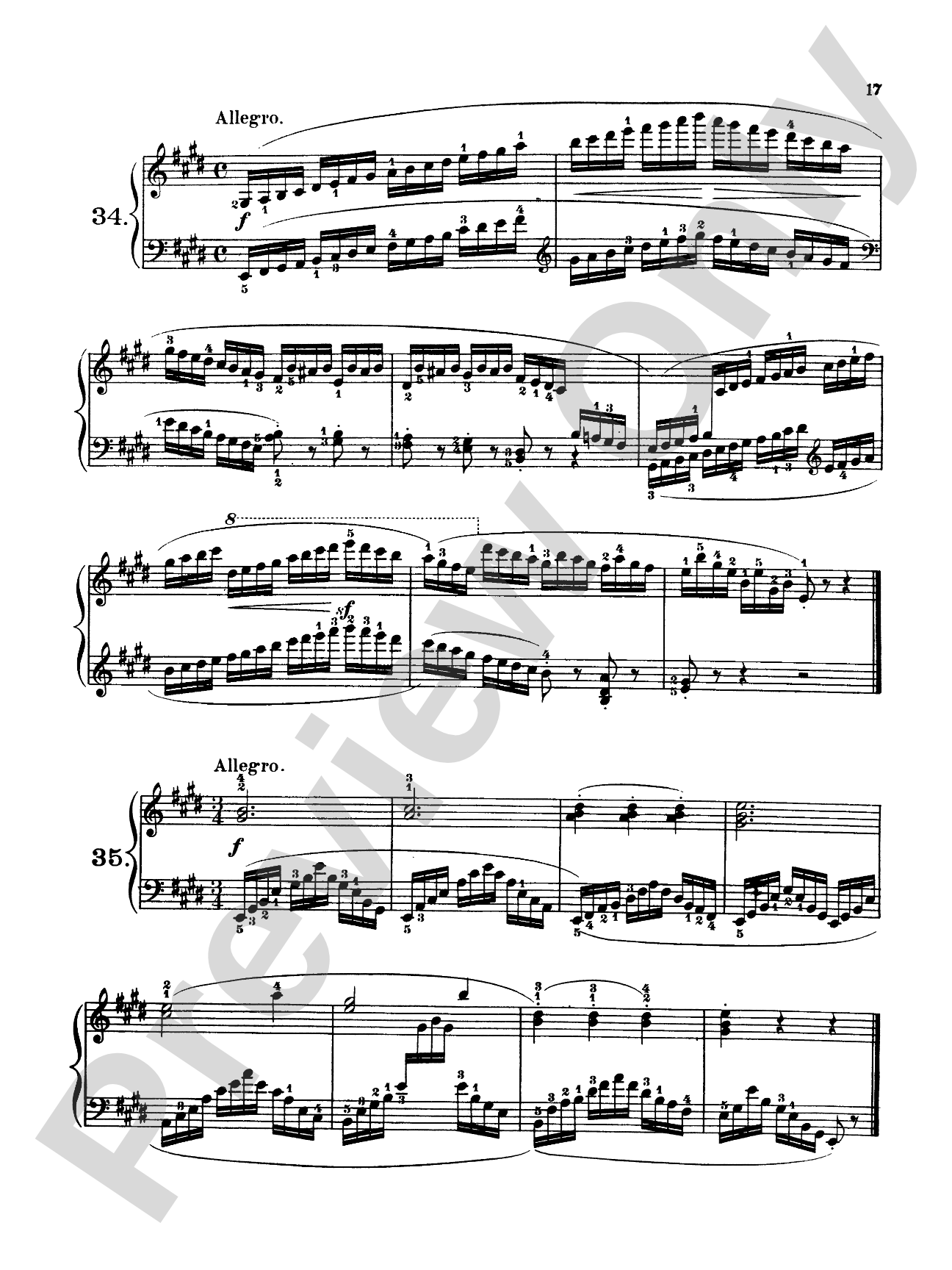
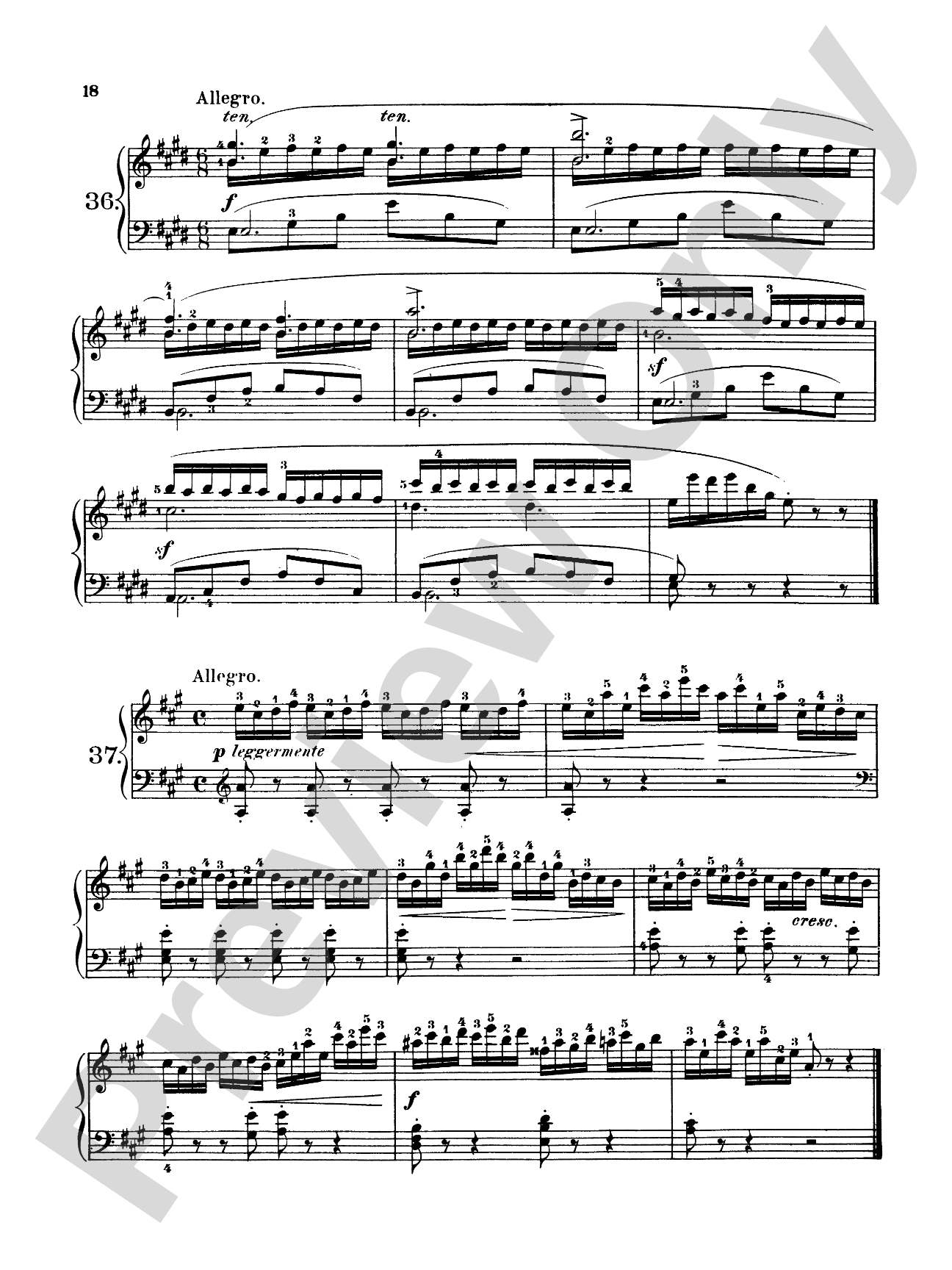
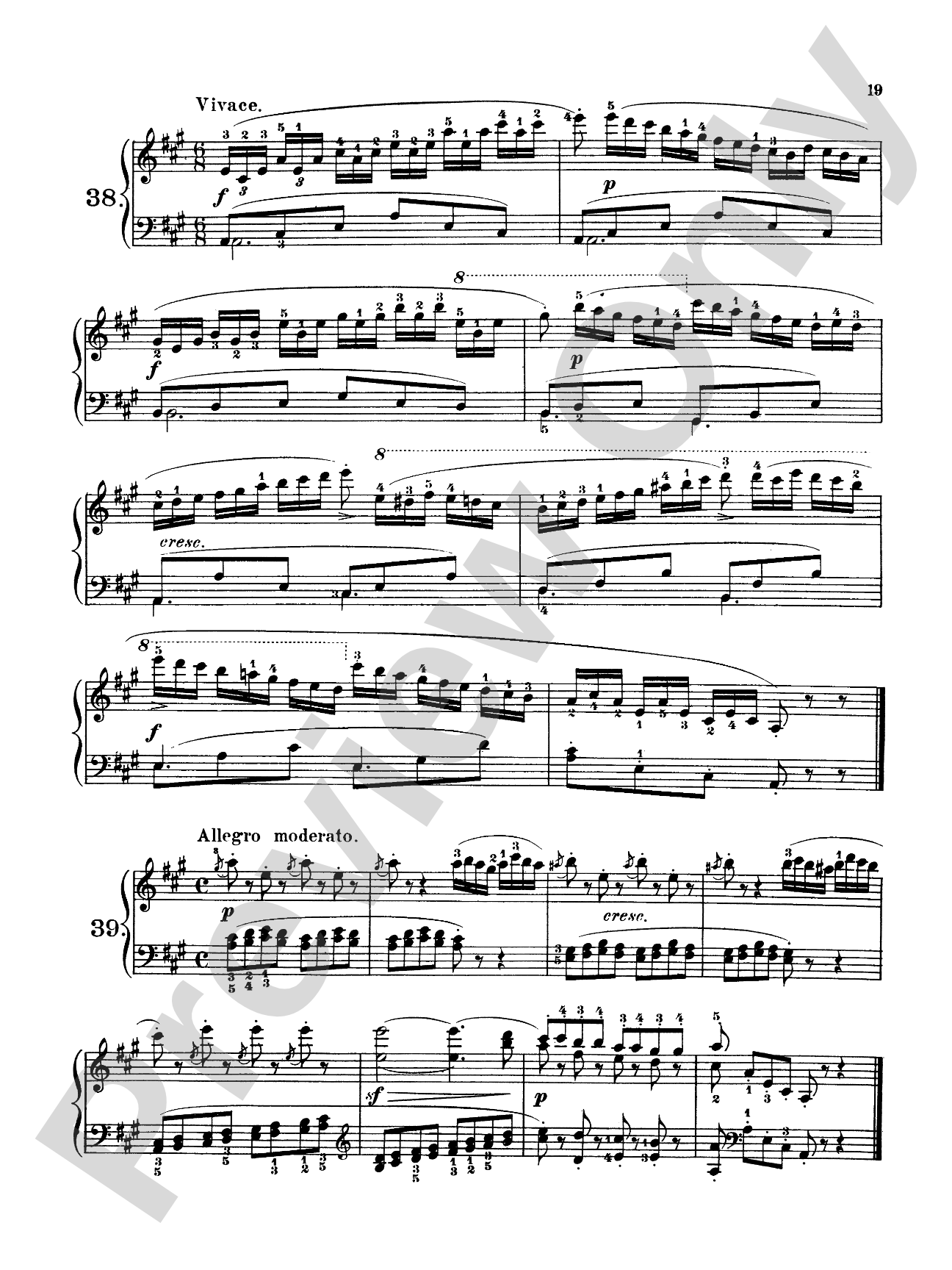
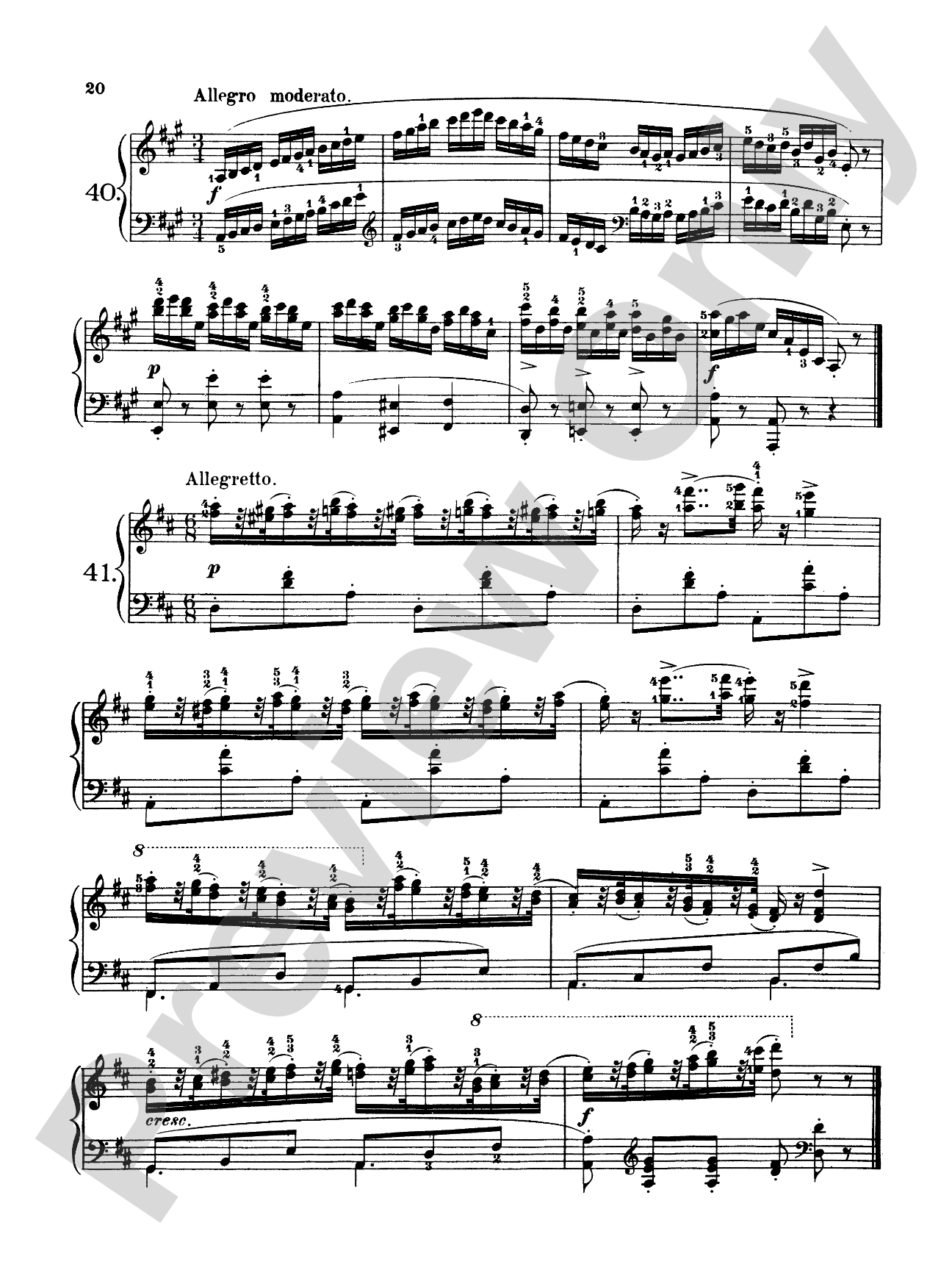
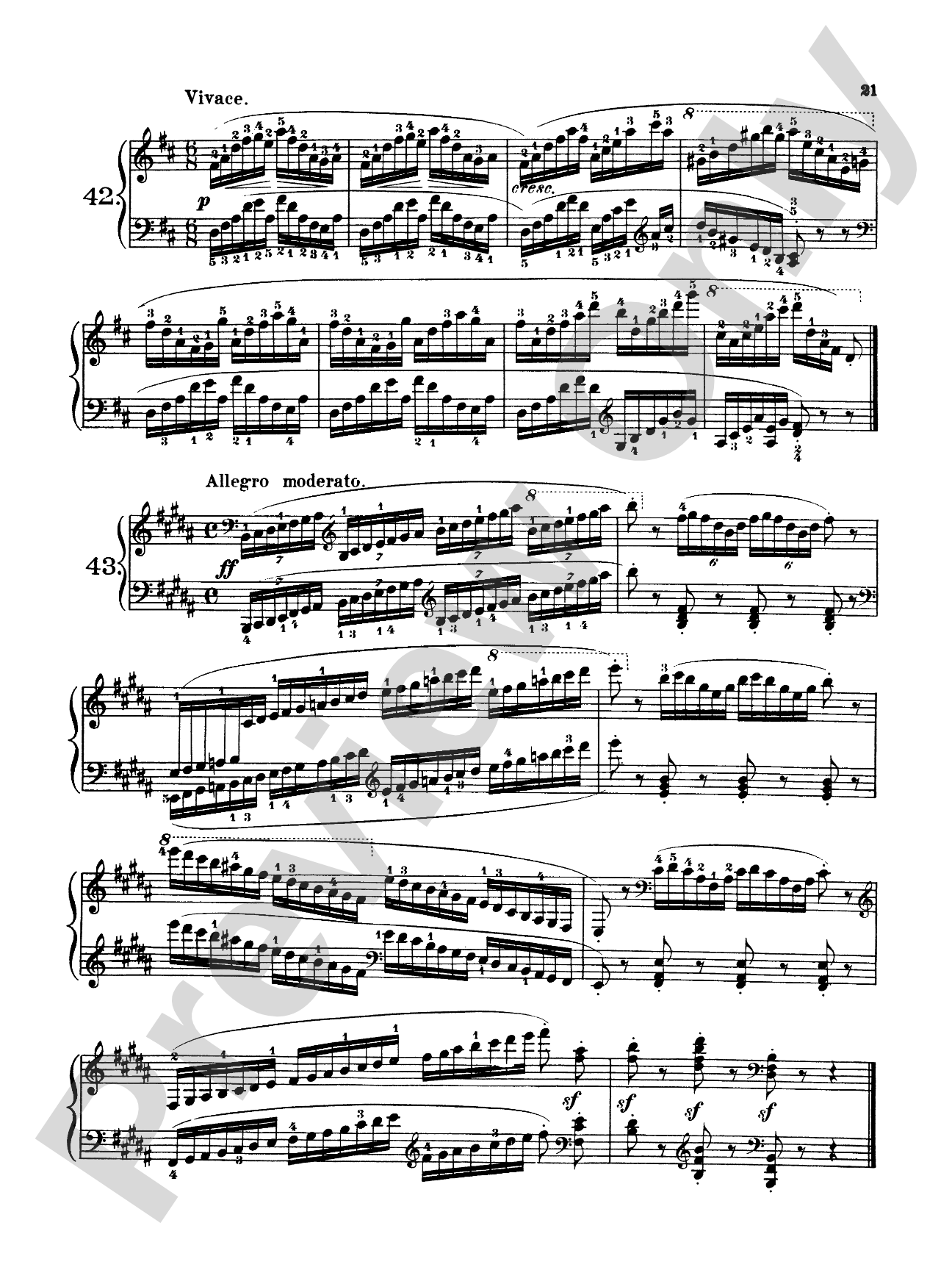
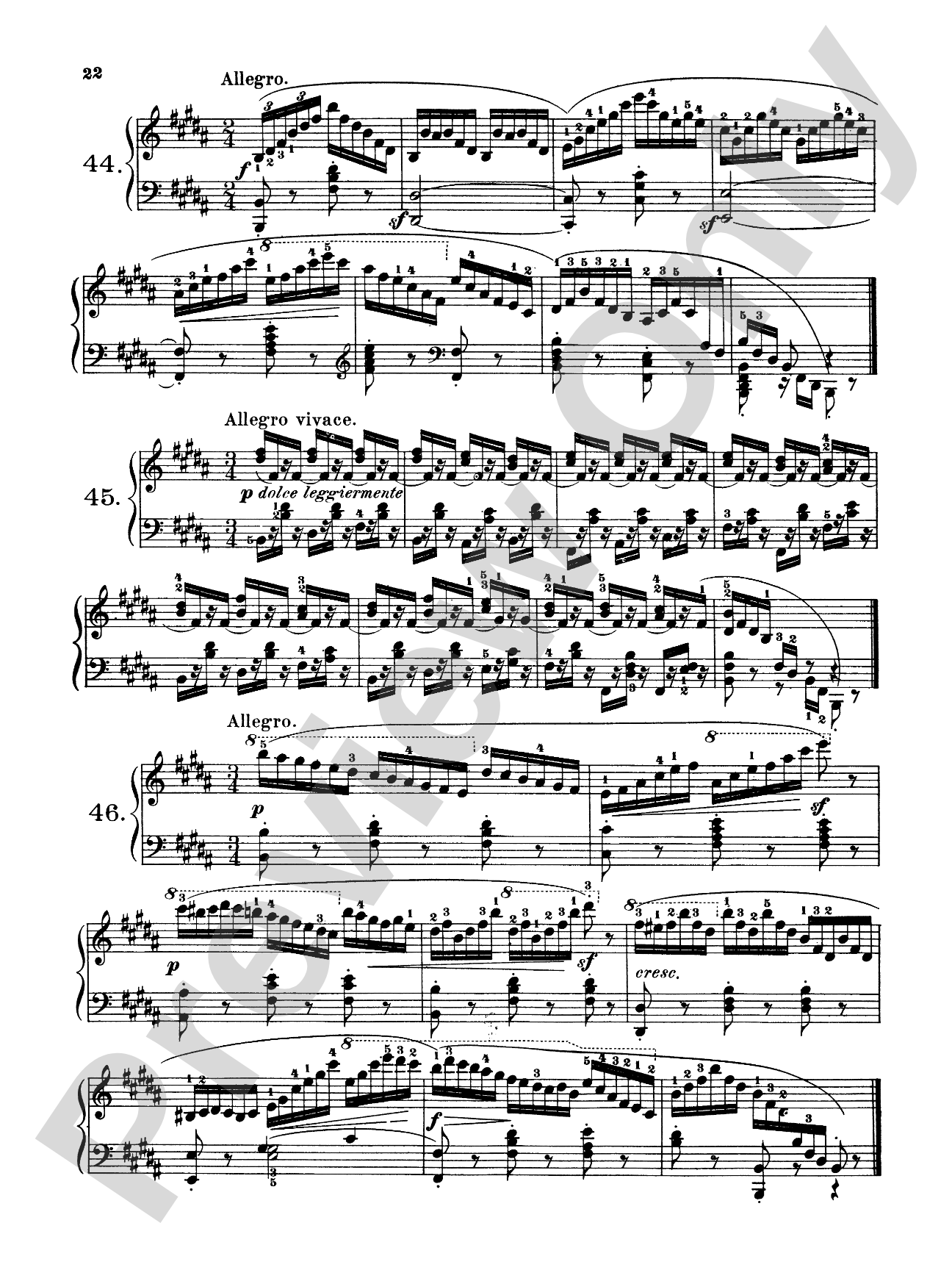
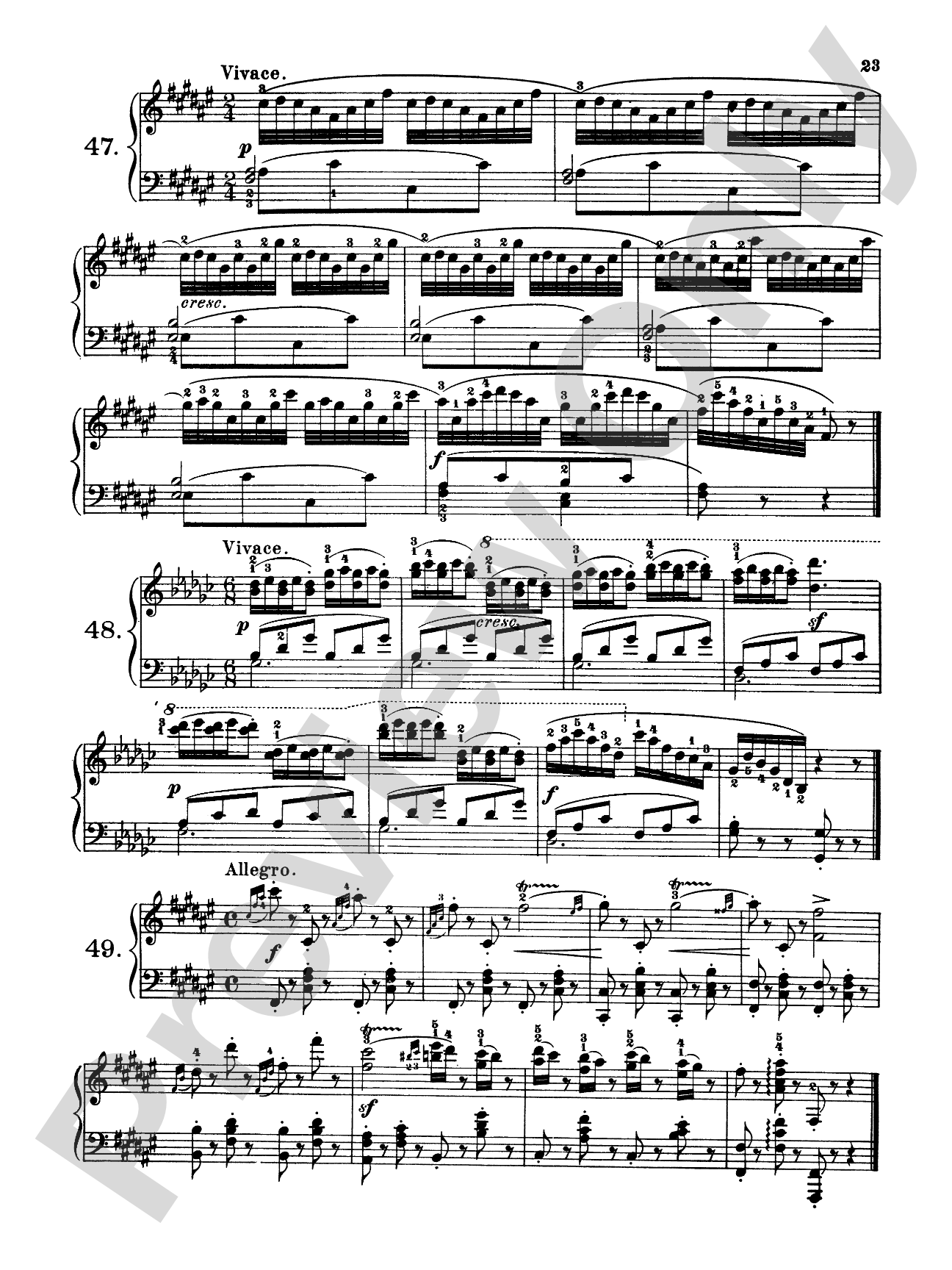
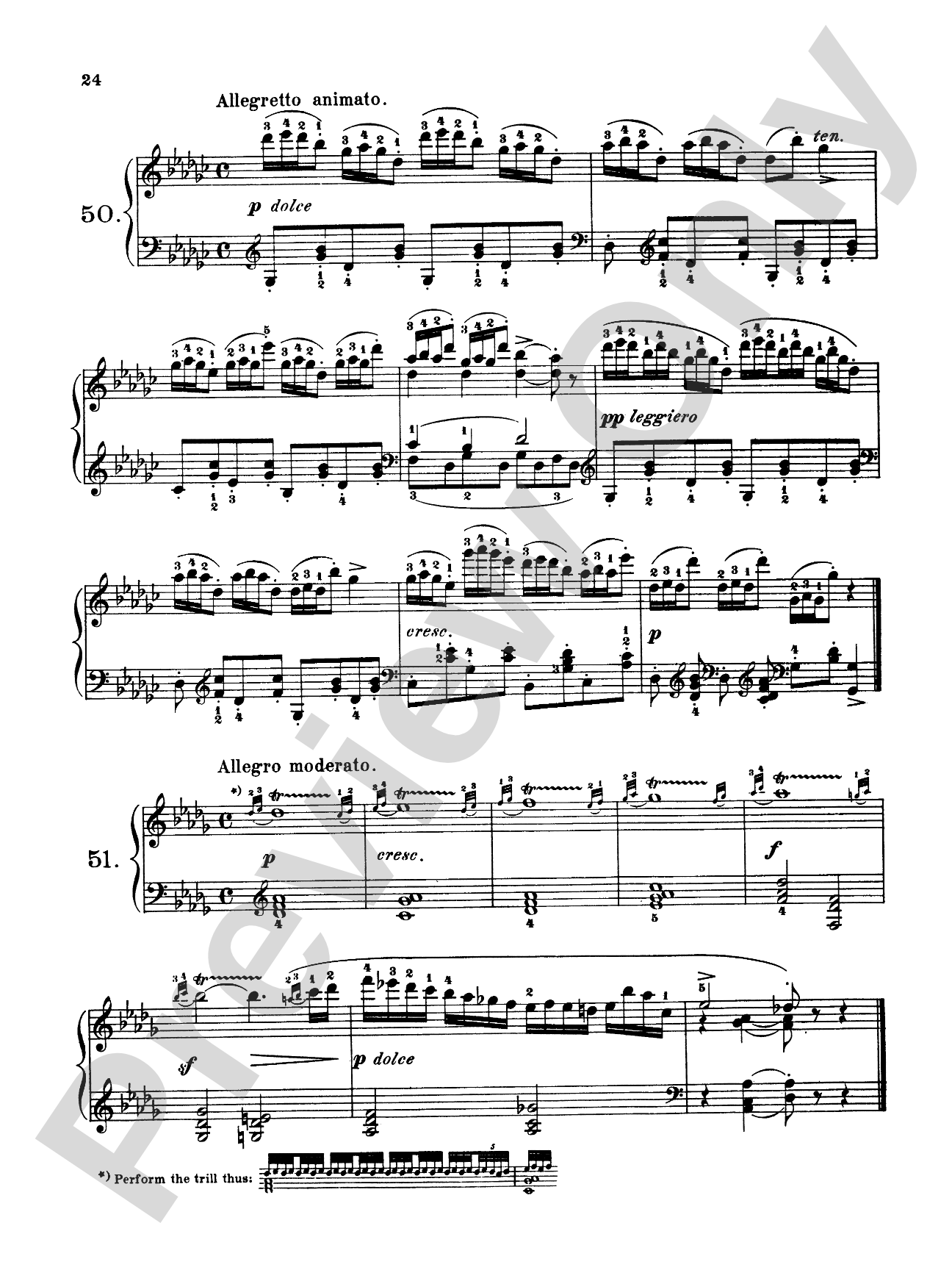
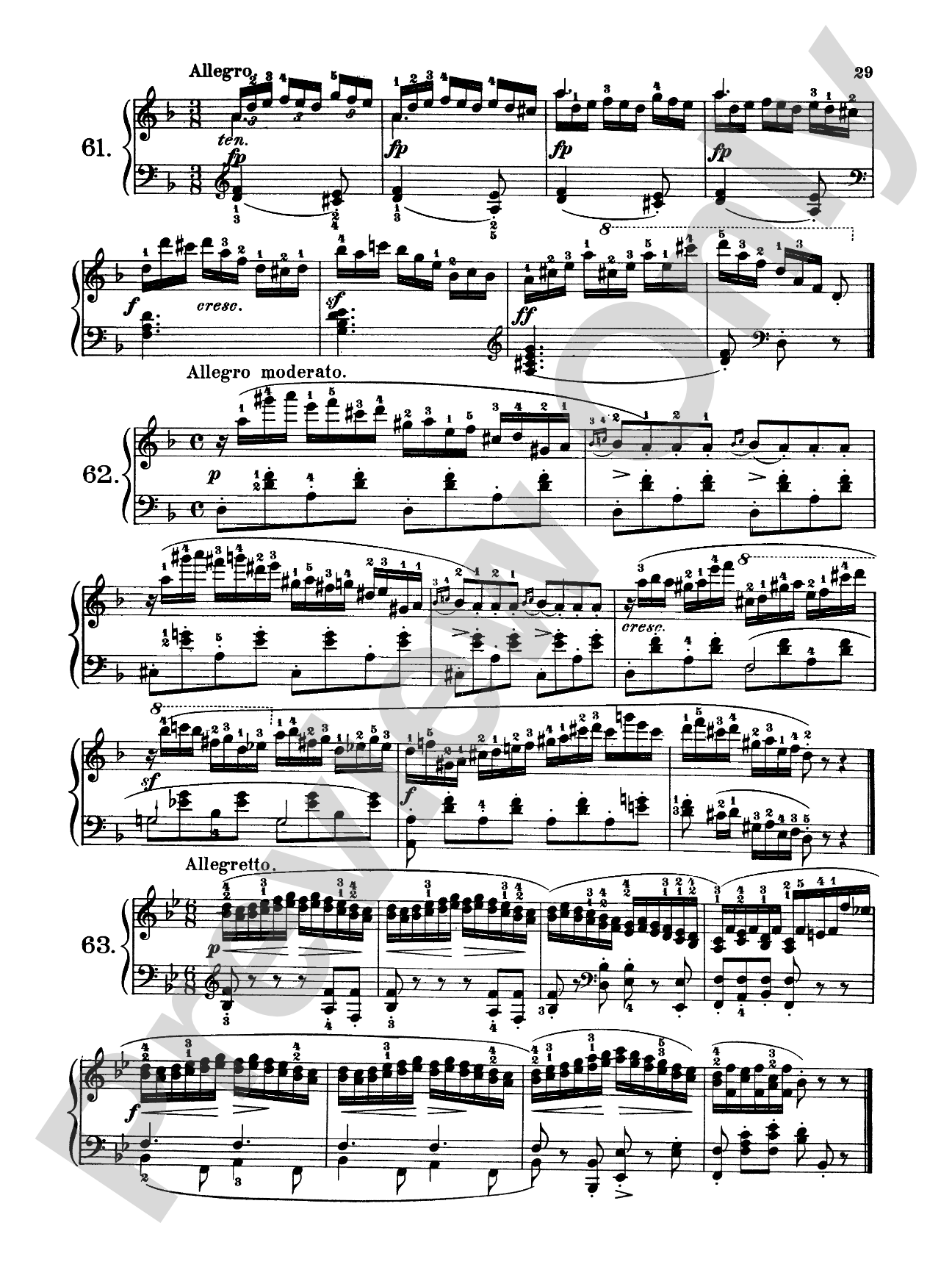
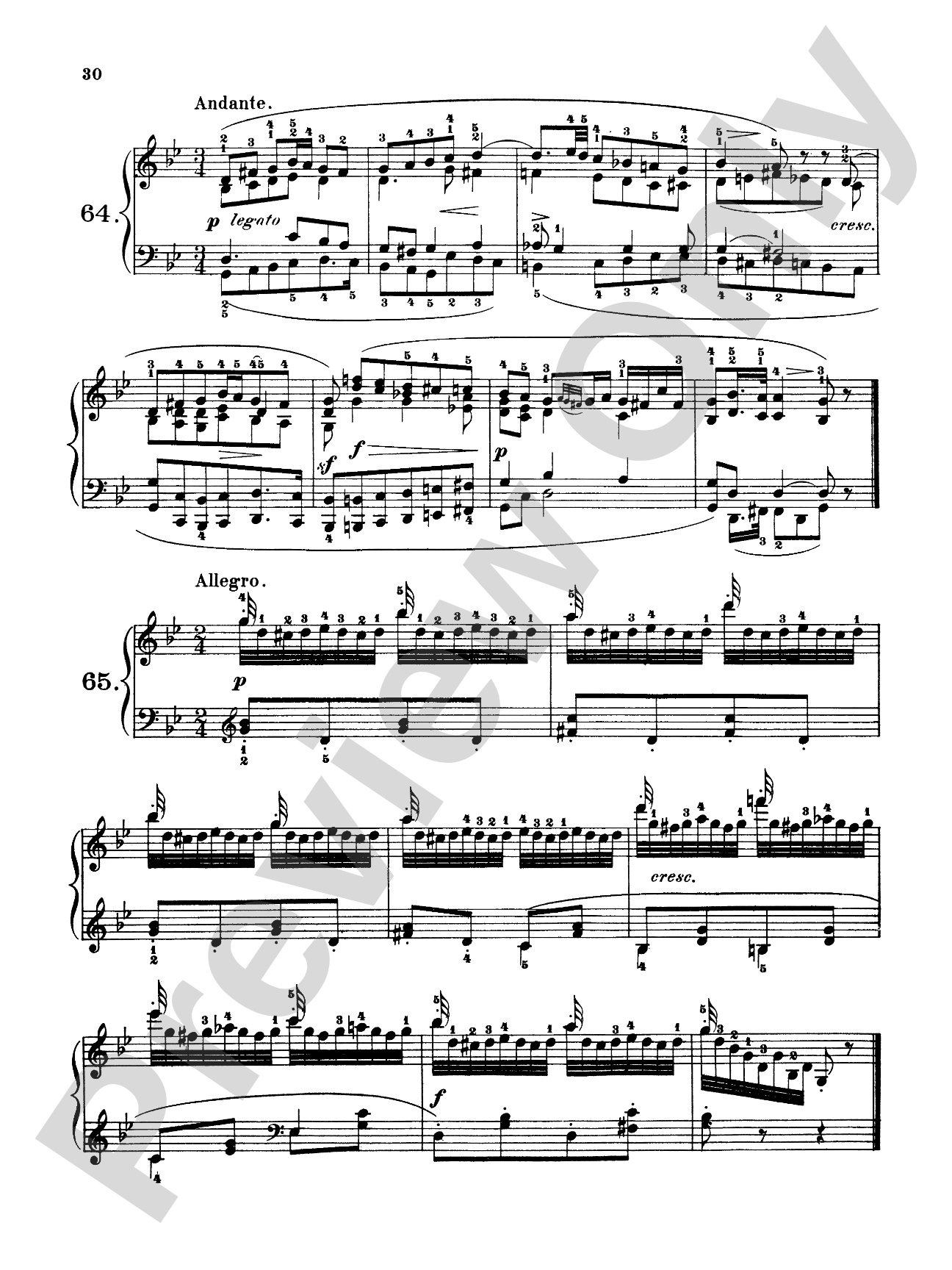
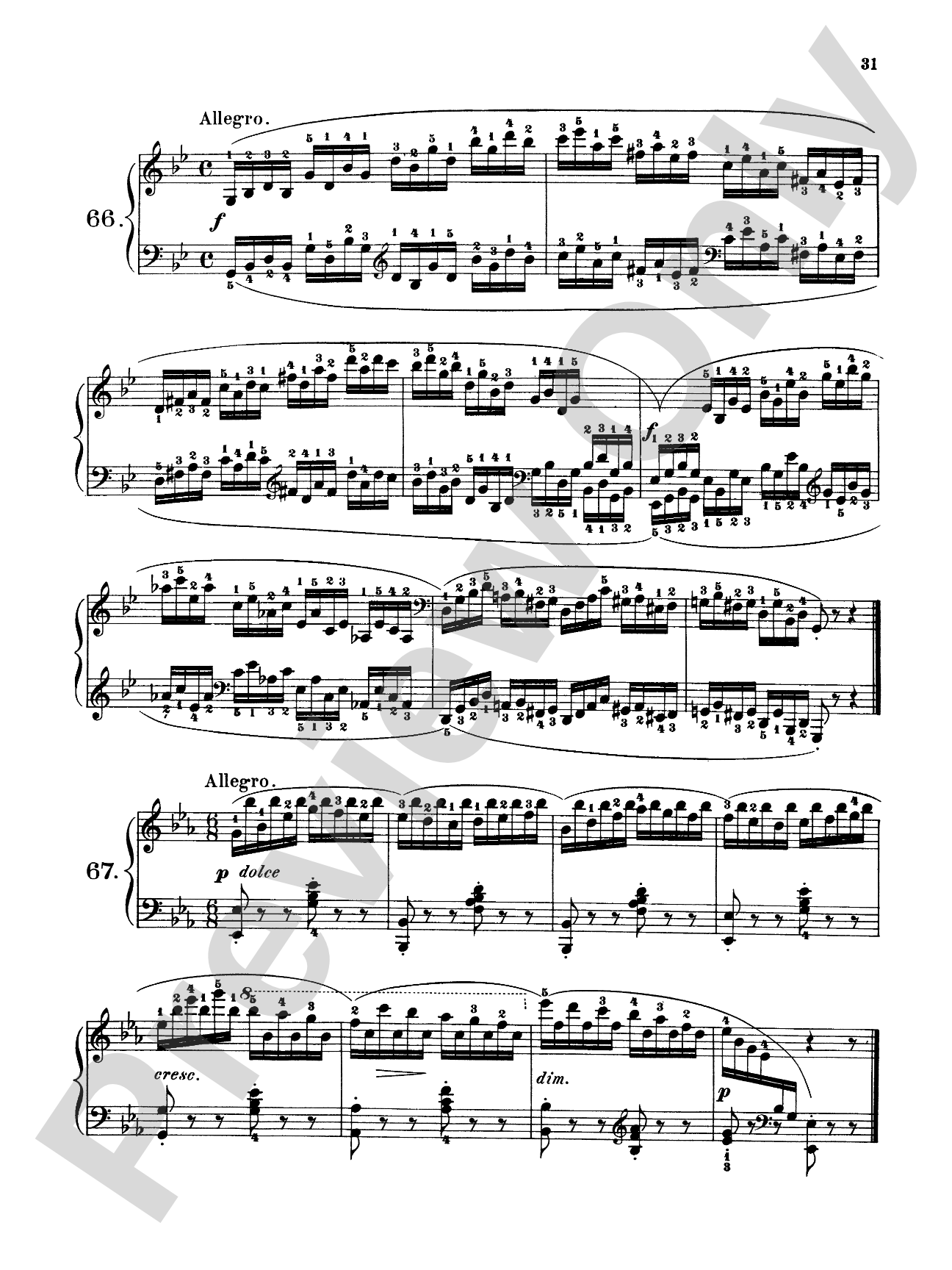
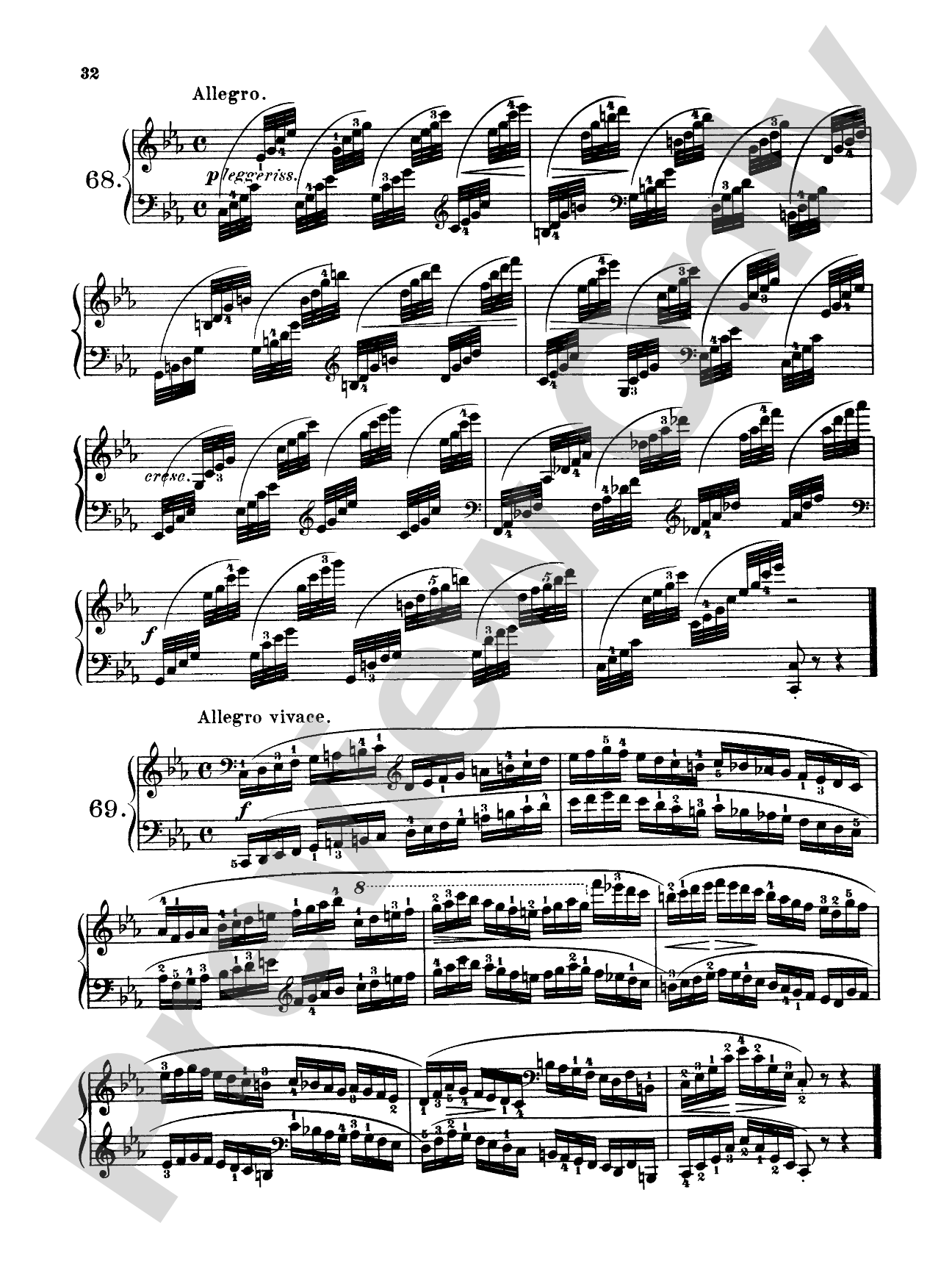
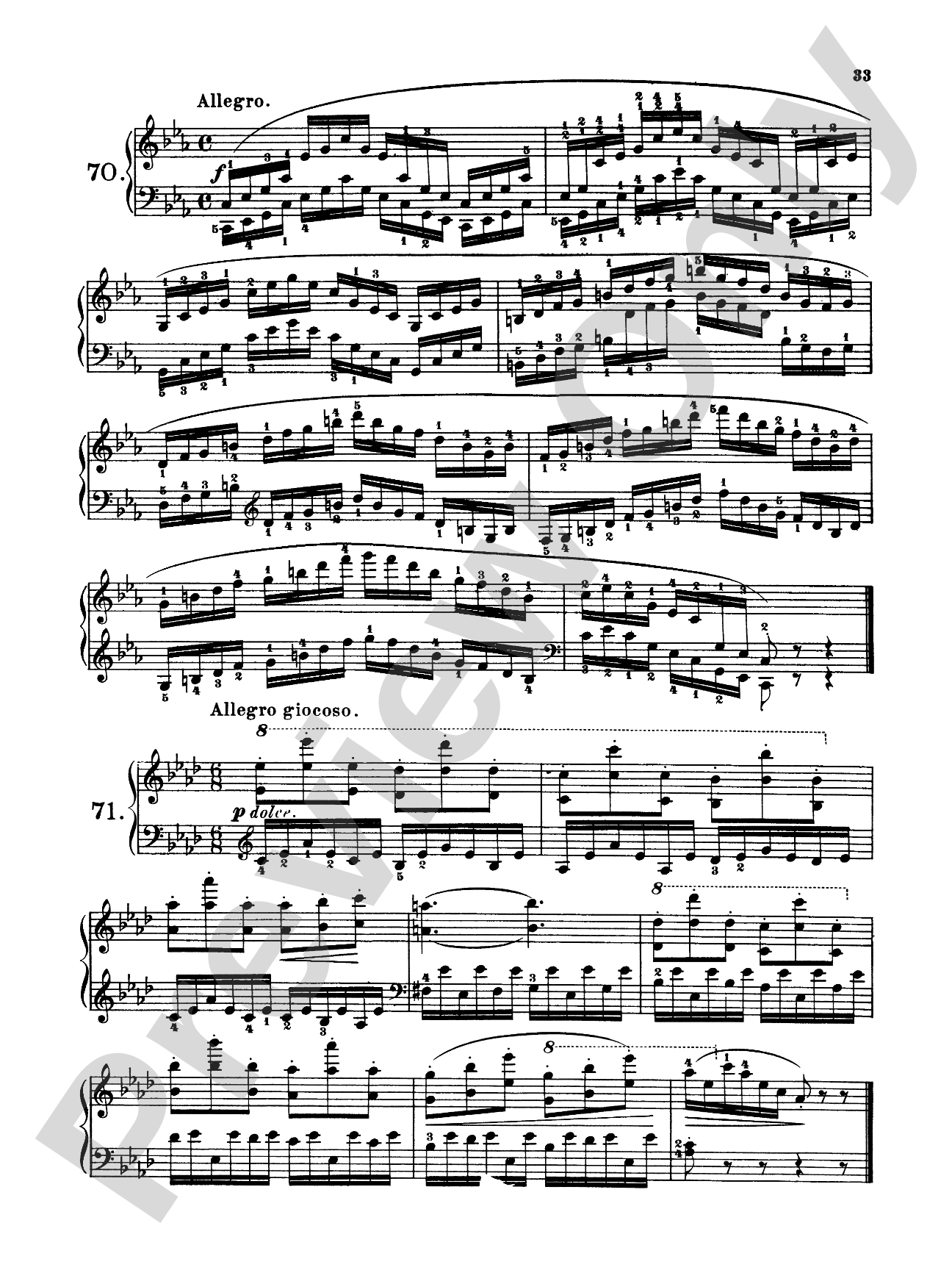
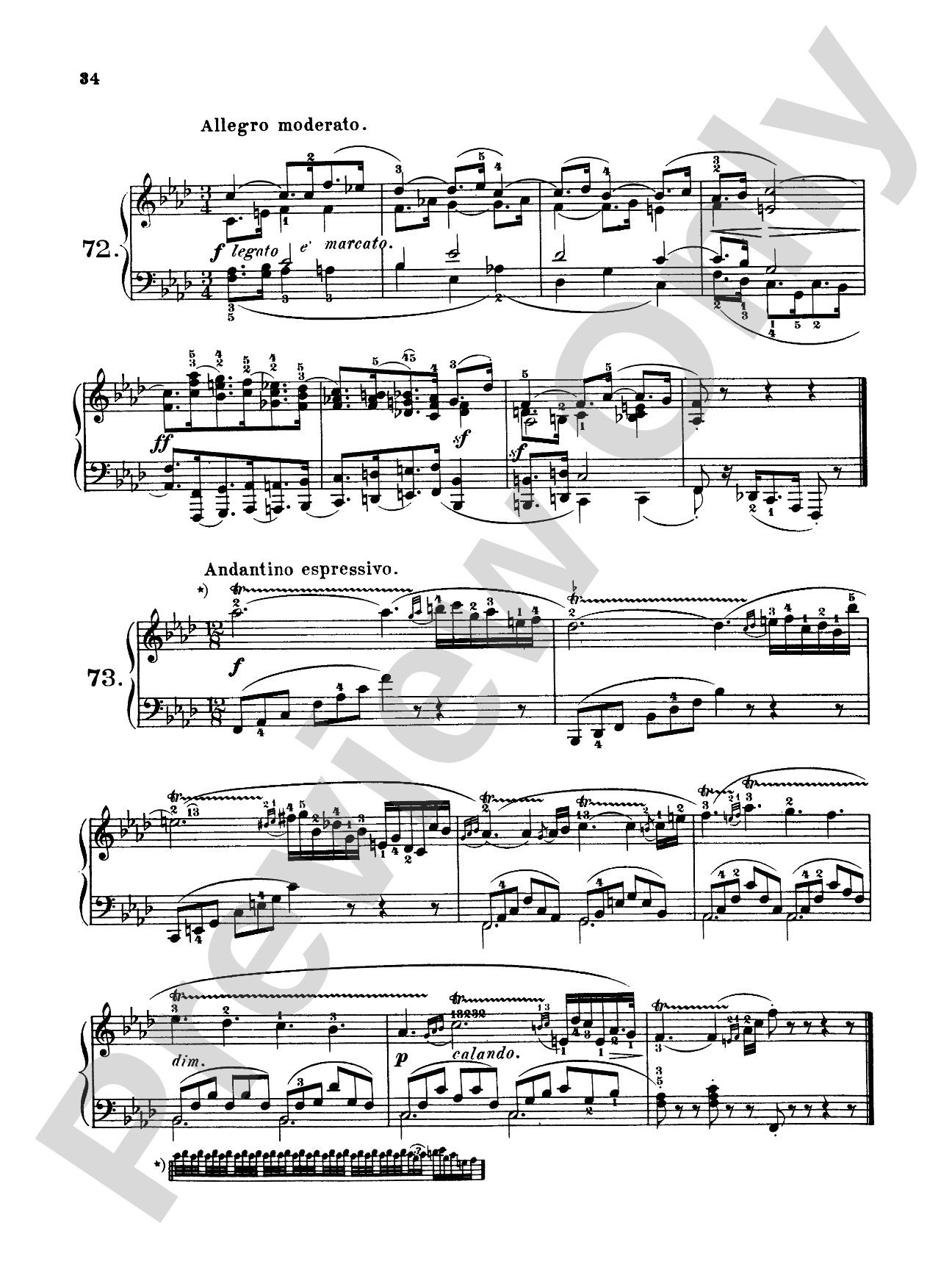
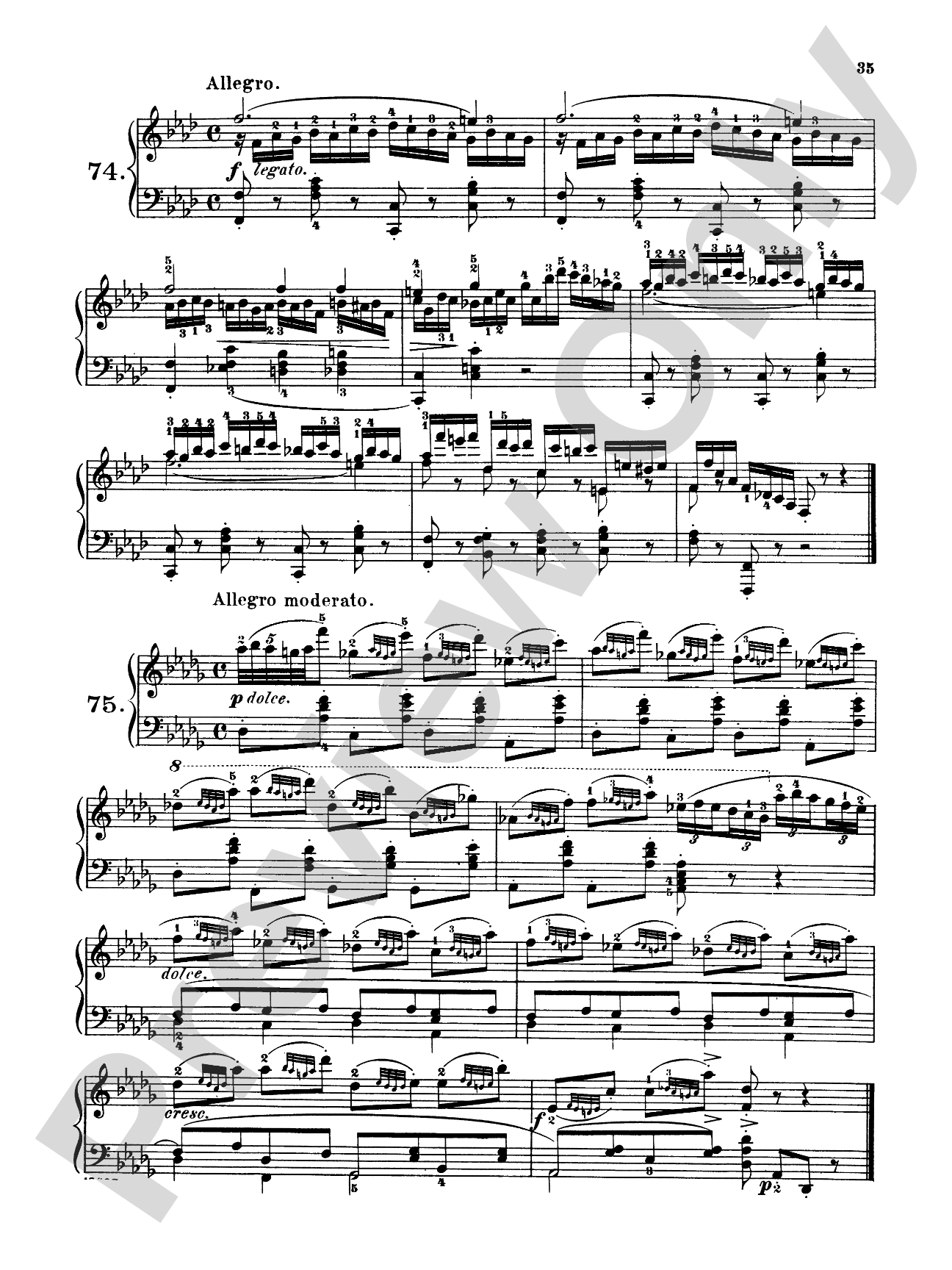
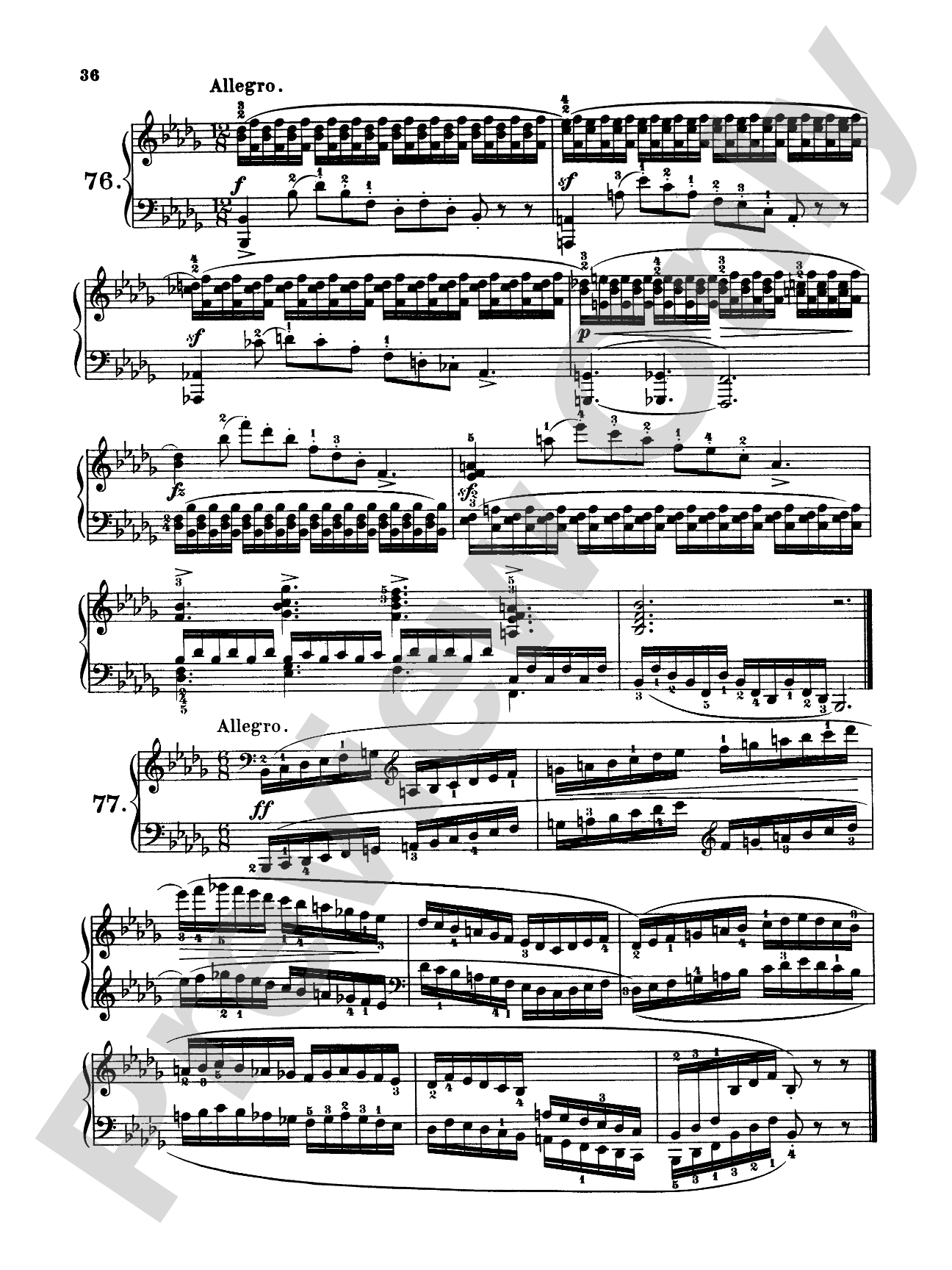
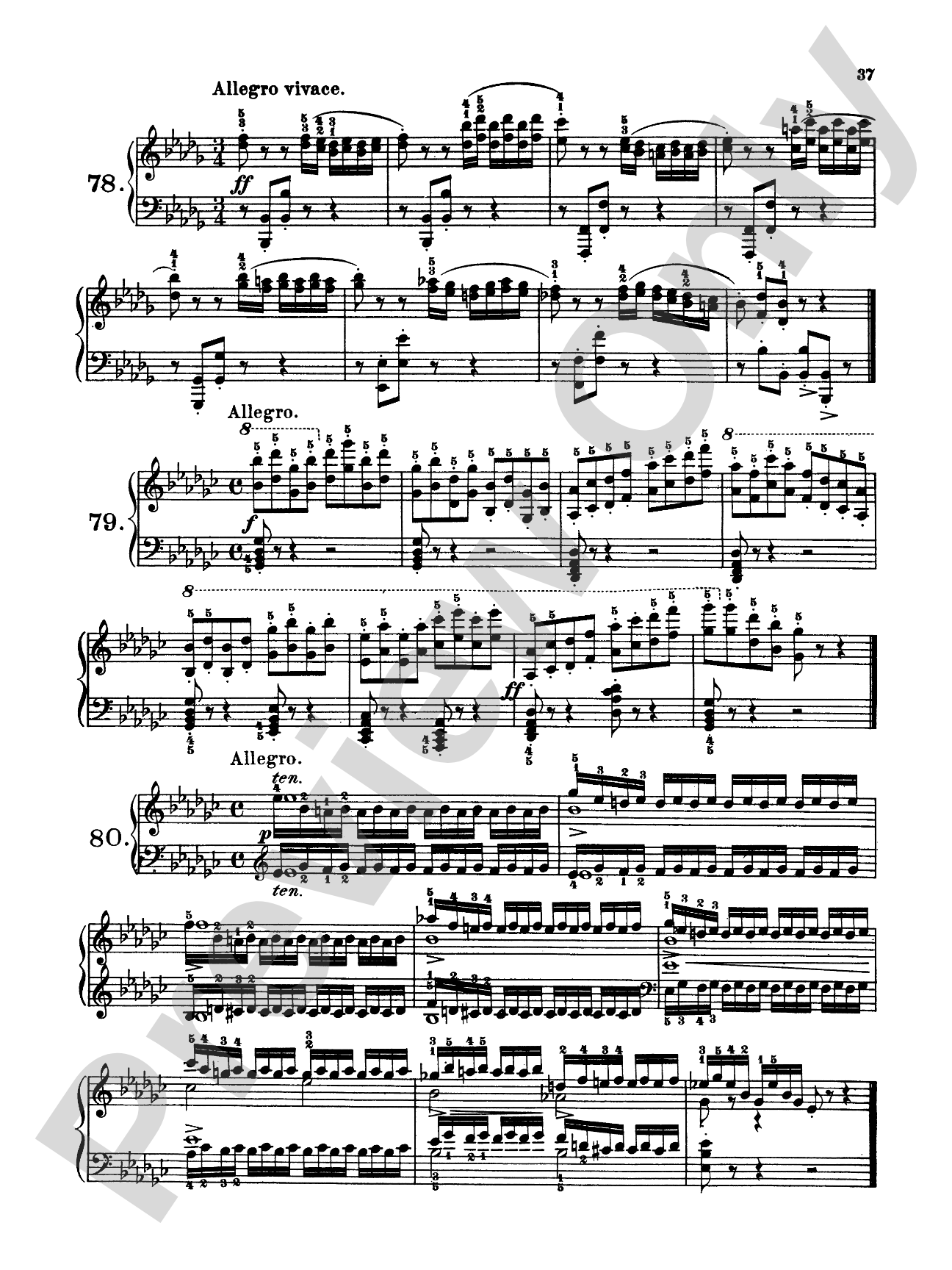
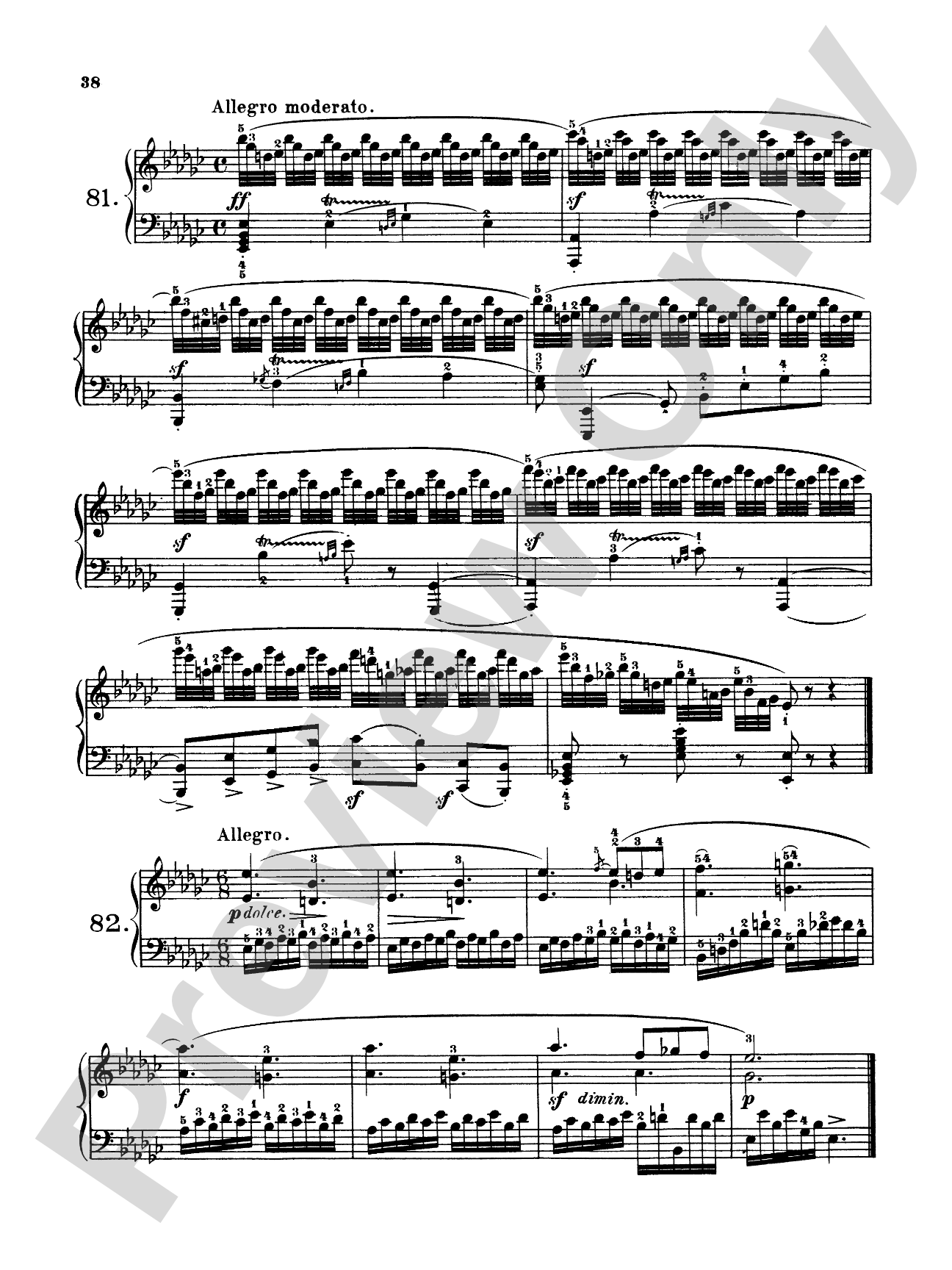
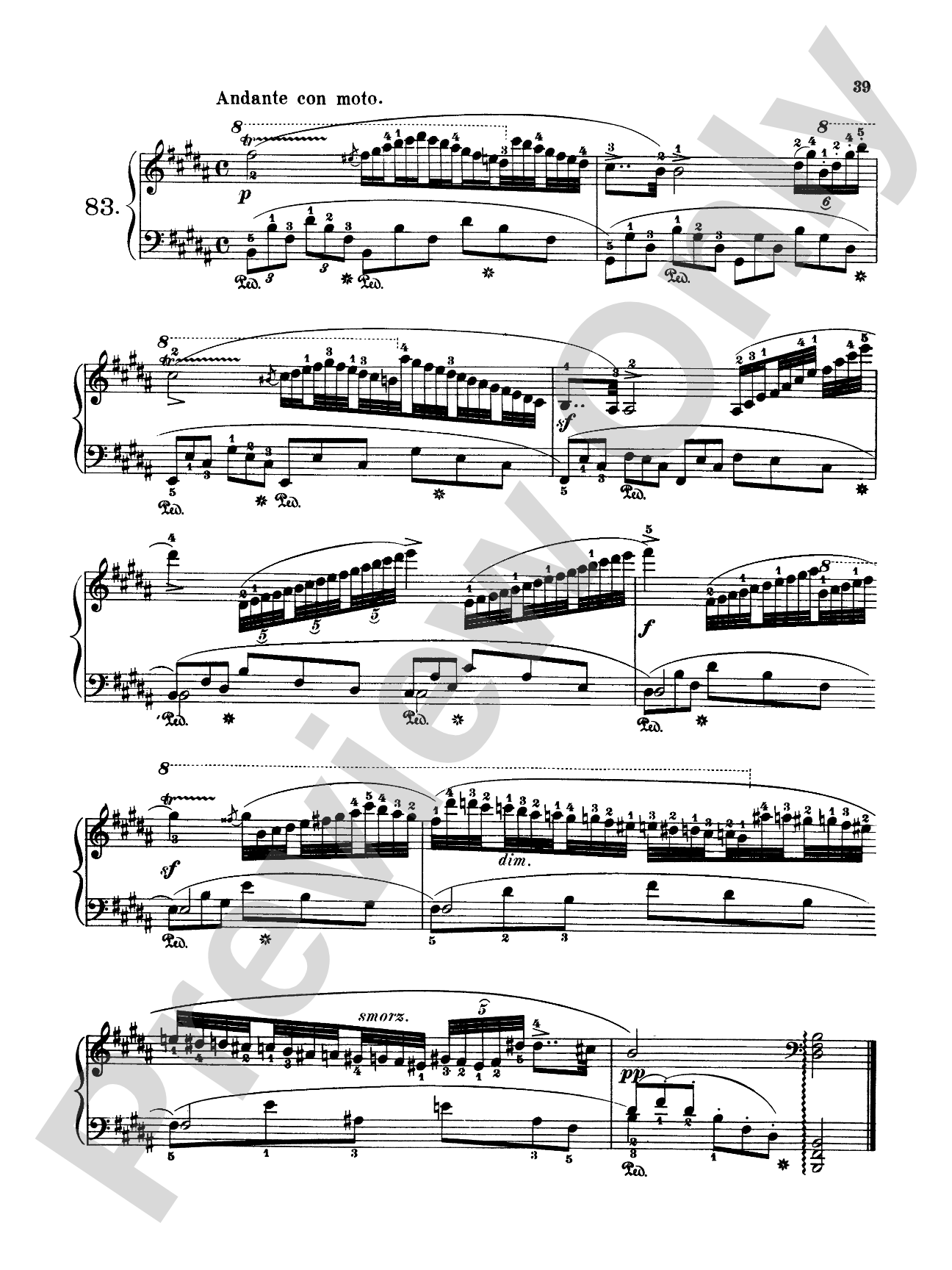
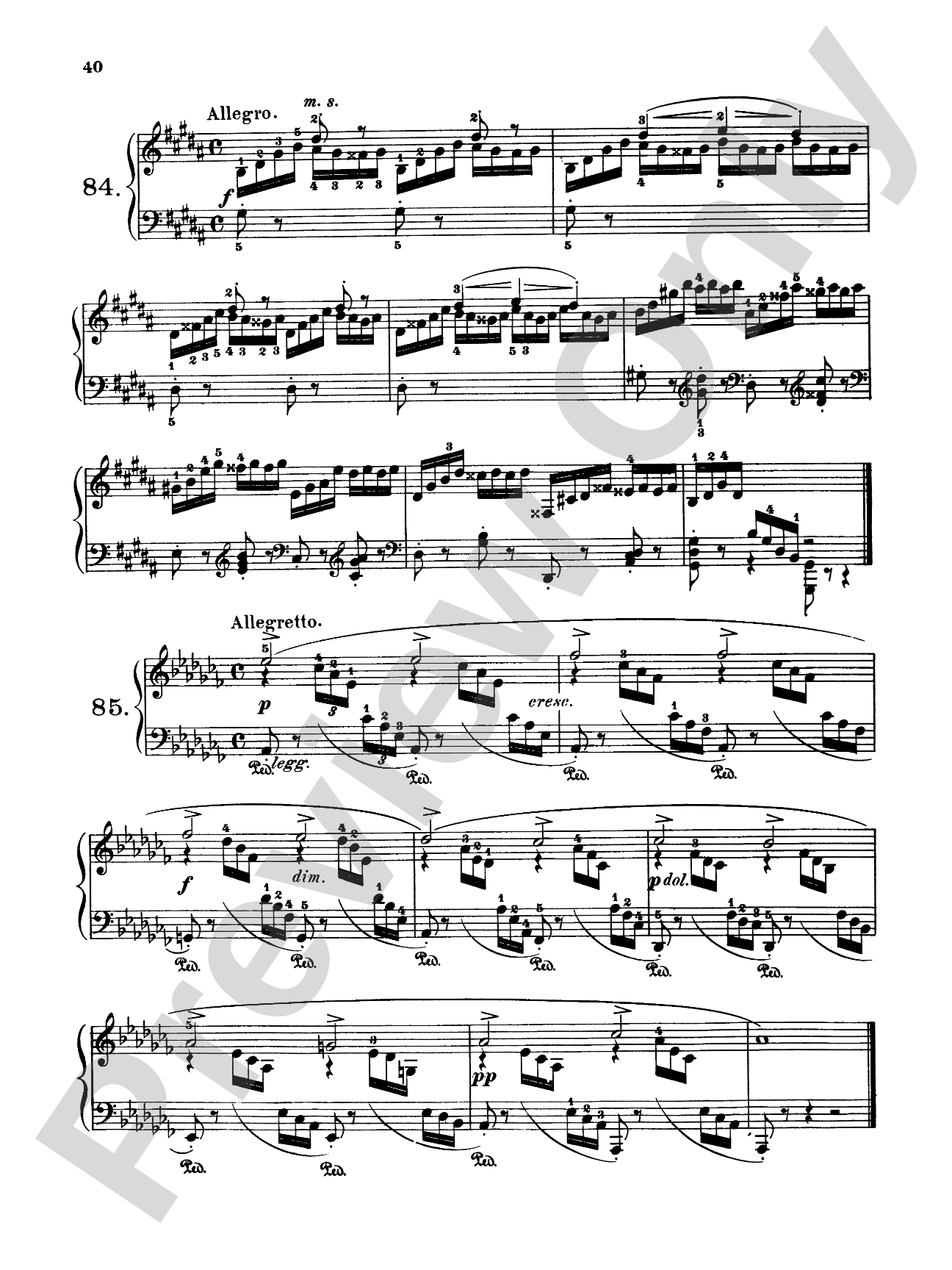
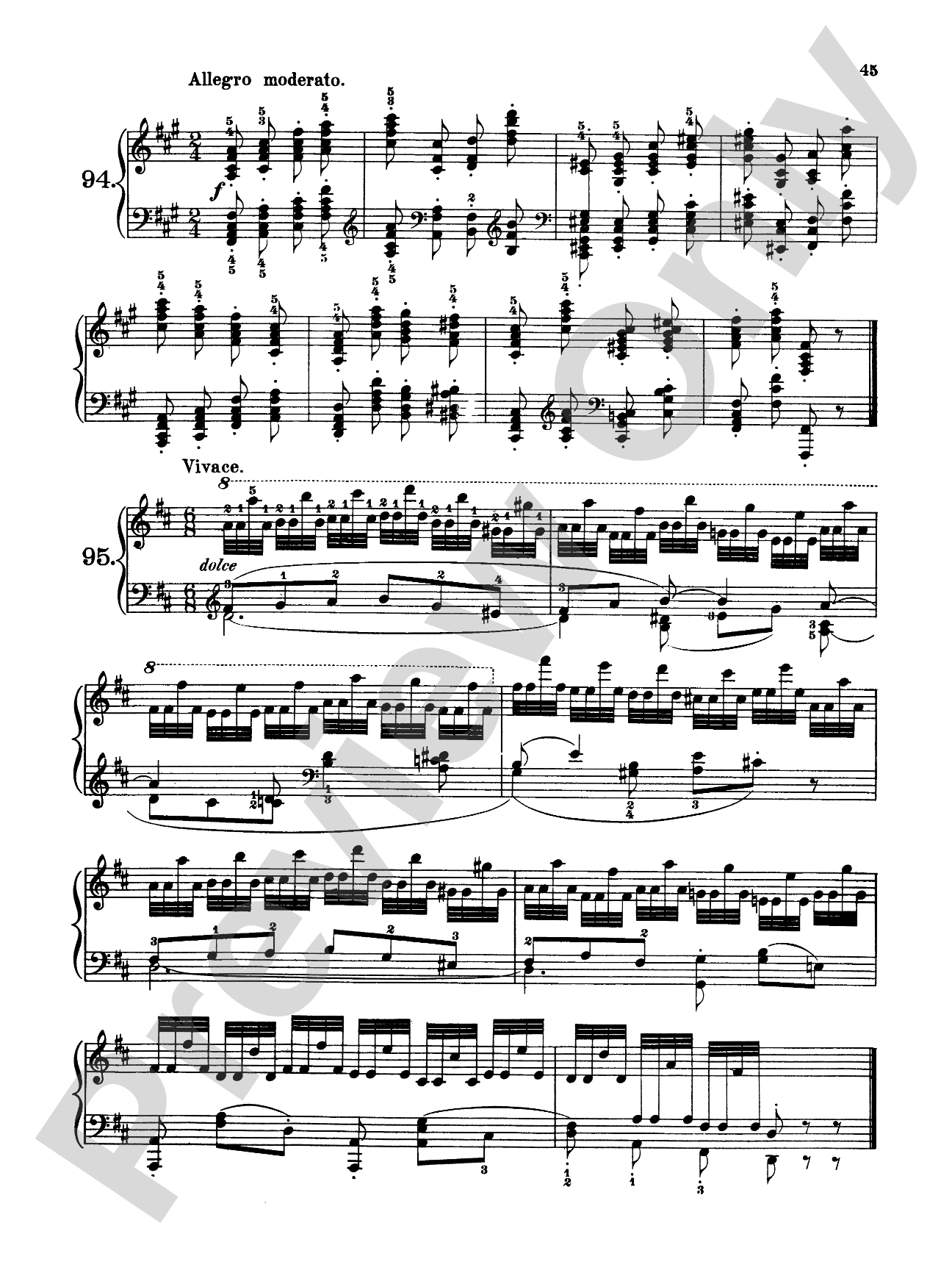
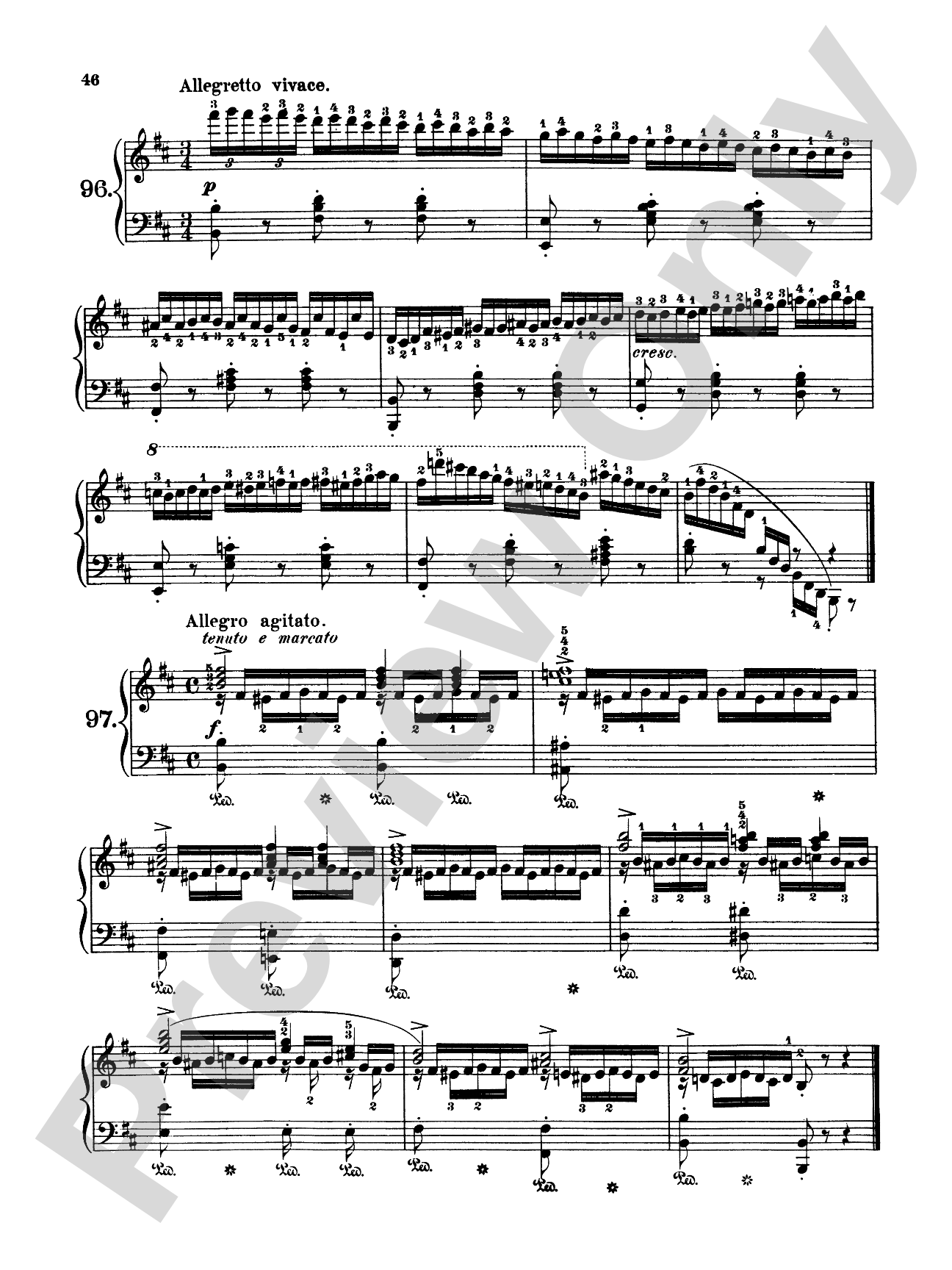
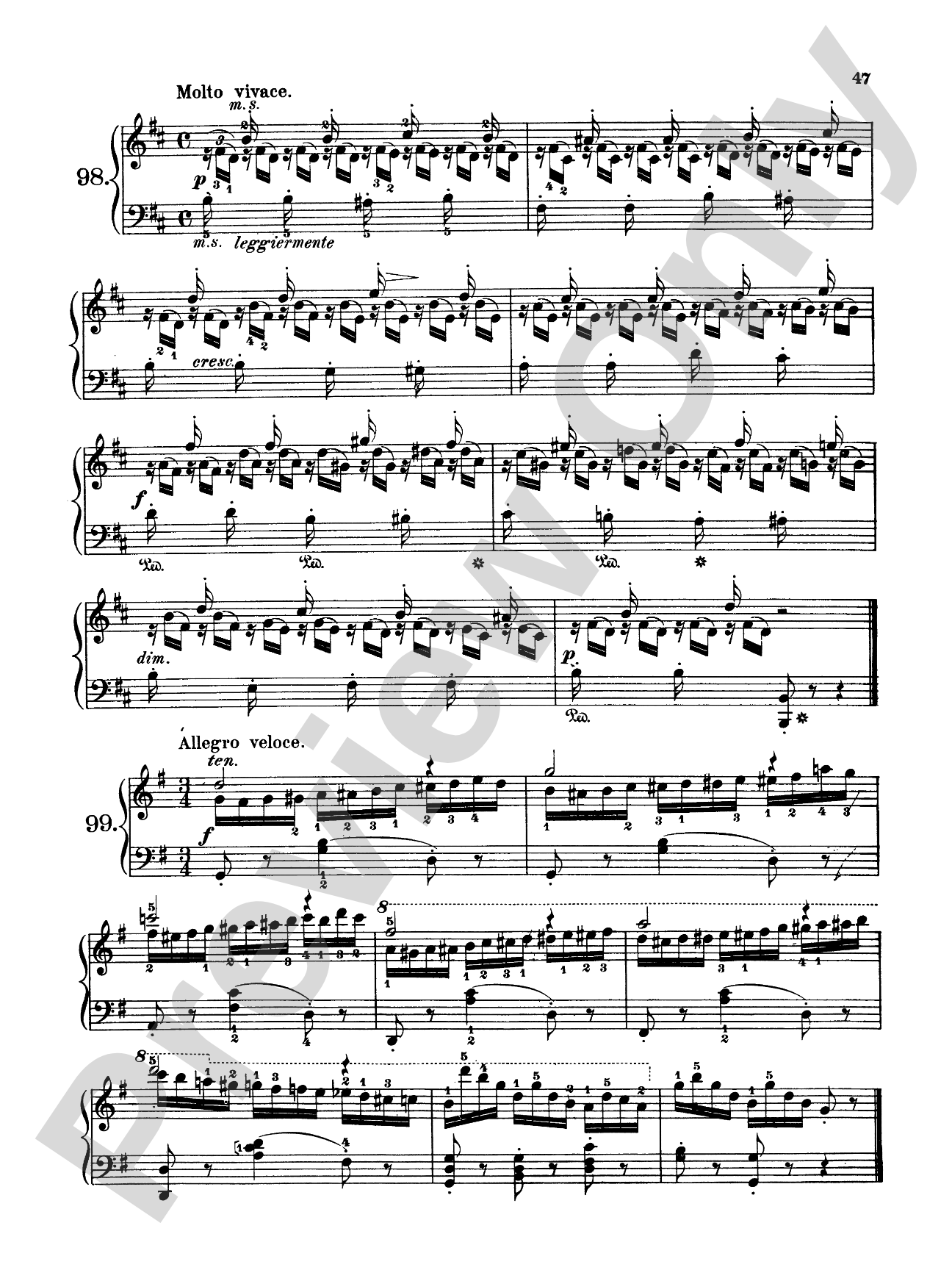
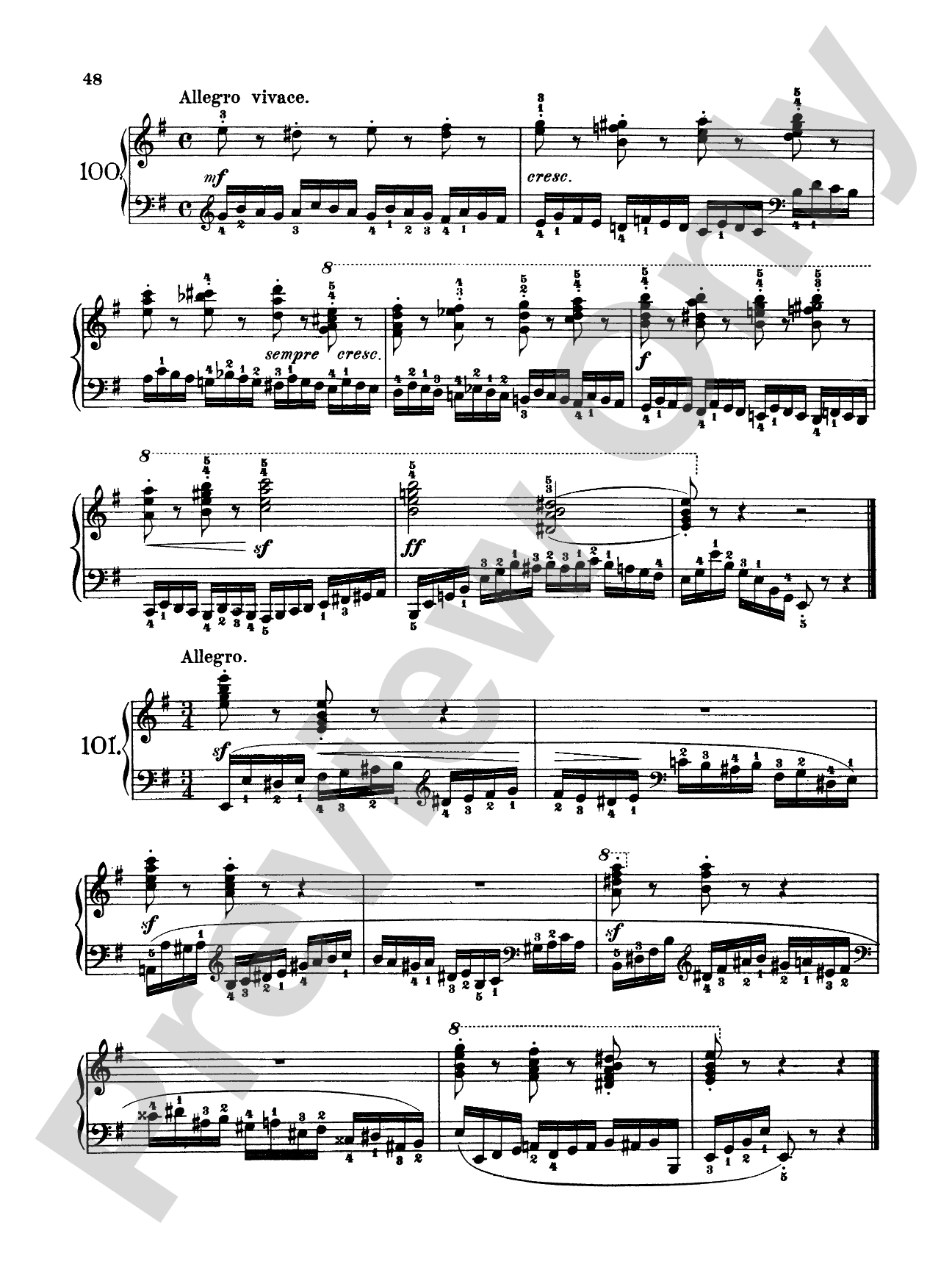

Czerny: 160 Eight-Measure Exercises, 821: Piano Book
By Carl Czerny
Level: Intermediate / Advanced
Item: 00-PK-0003034
$12.95
Pickup currently not available
Buy Extra Parts (Digital PDF Download)
| Product | Price | Quantity |
|---|---|---|
| Czerny: 160 Eight-Measure Exercises, 821 | $11.95 |
Parts Added to Cart!
Related Items
160 8-measure Exercises, Opus 821: Piano Book |
$12.95
|
View |
Description
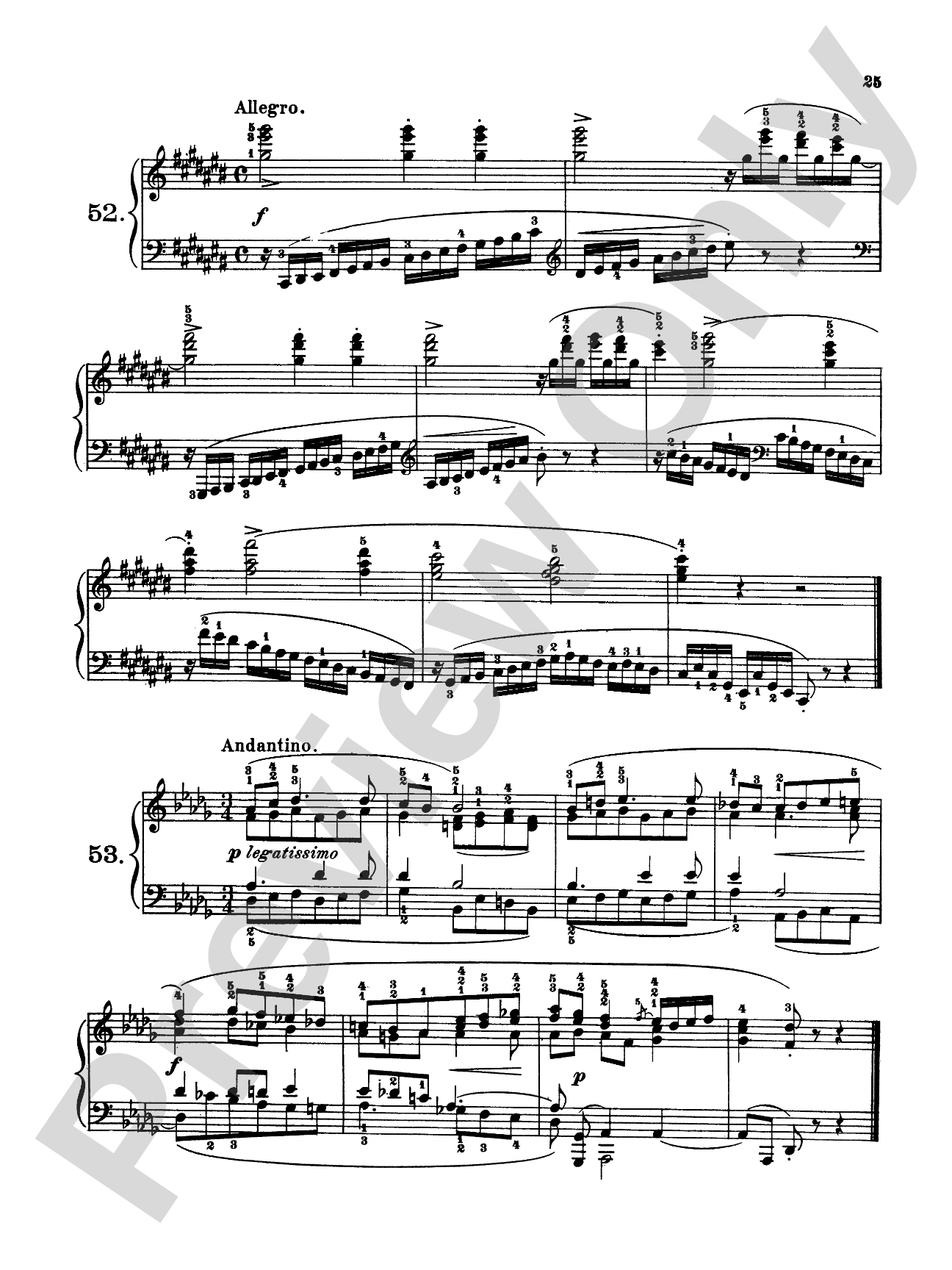
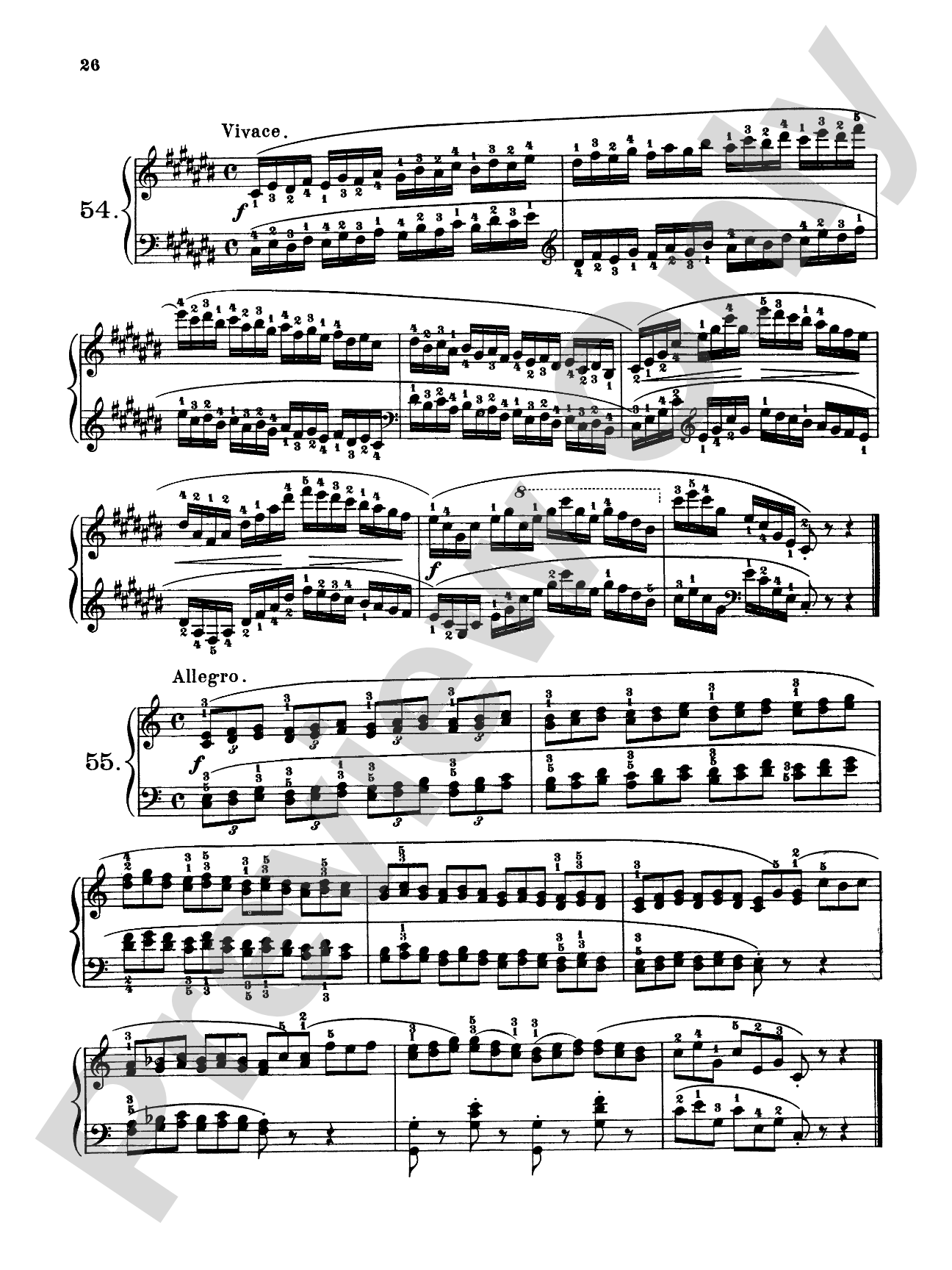
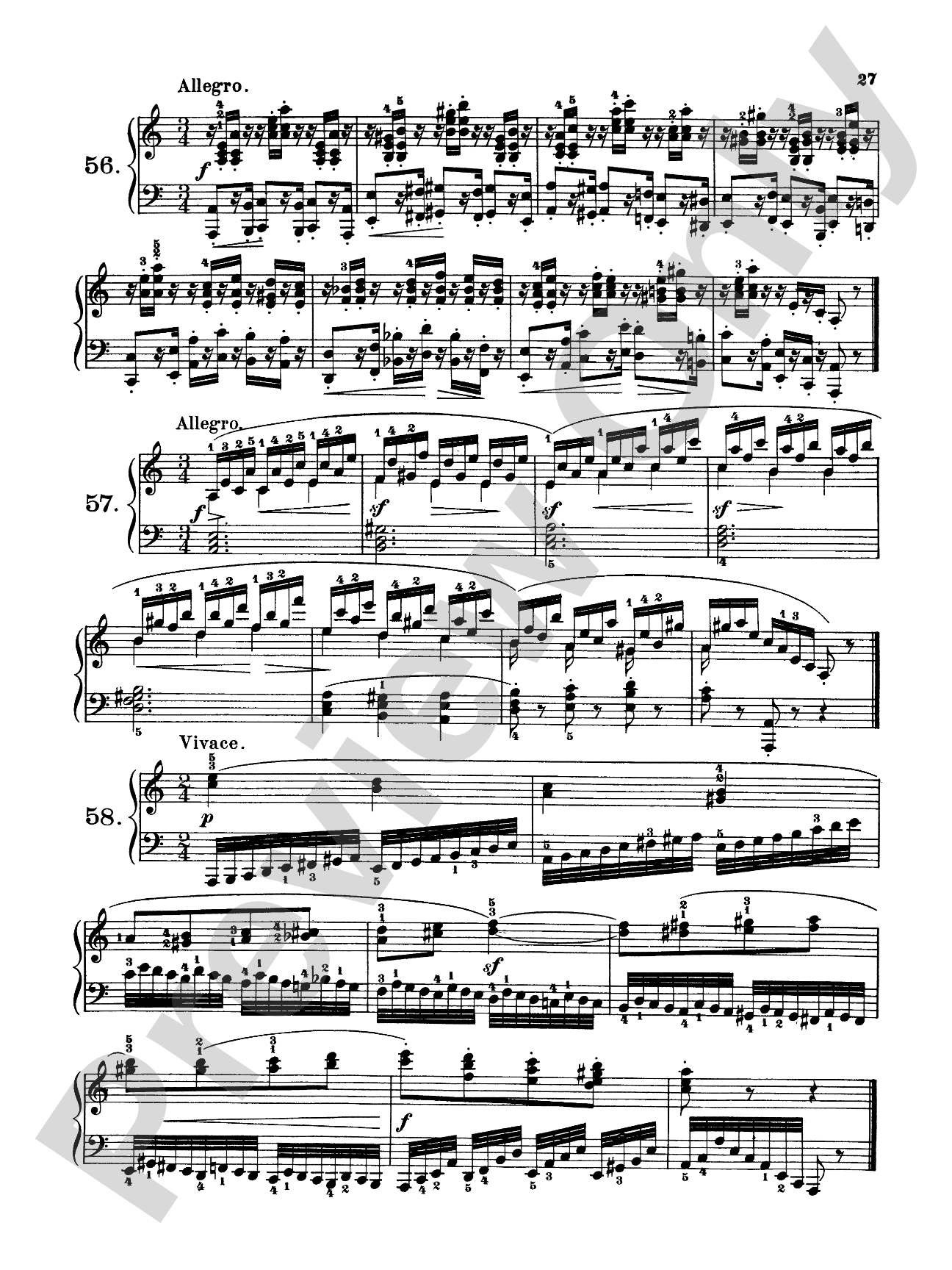
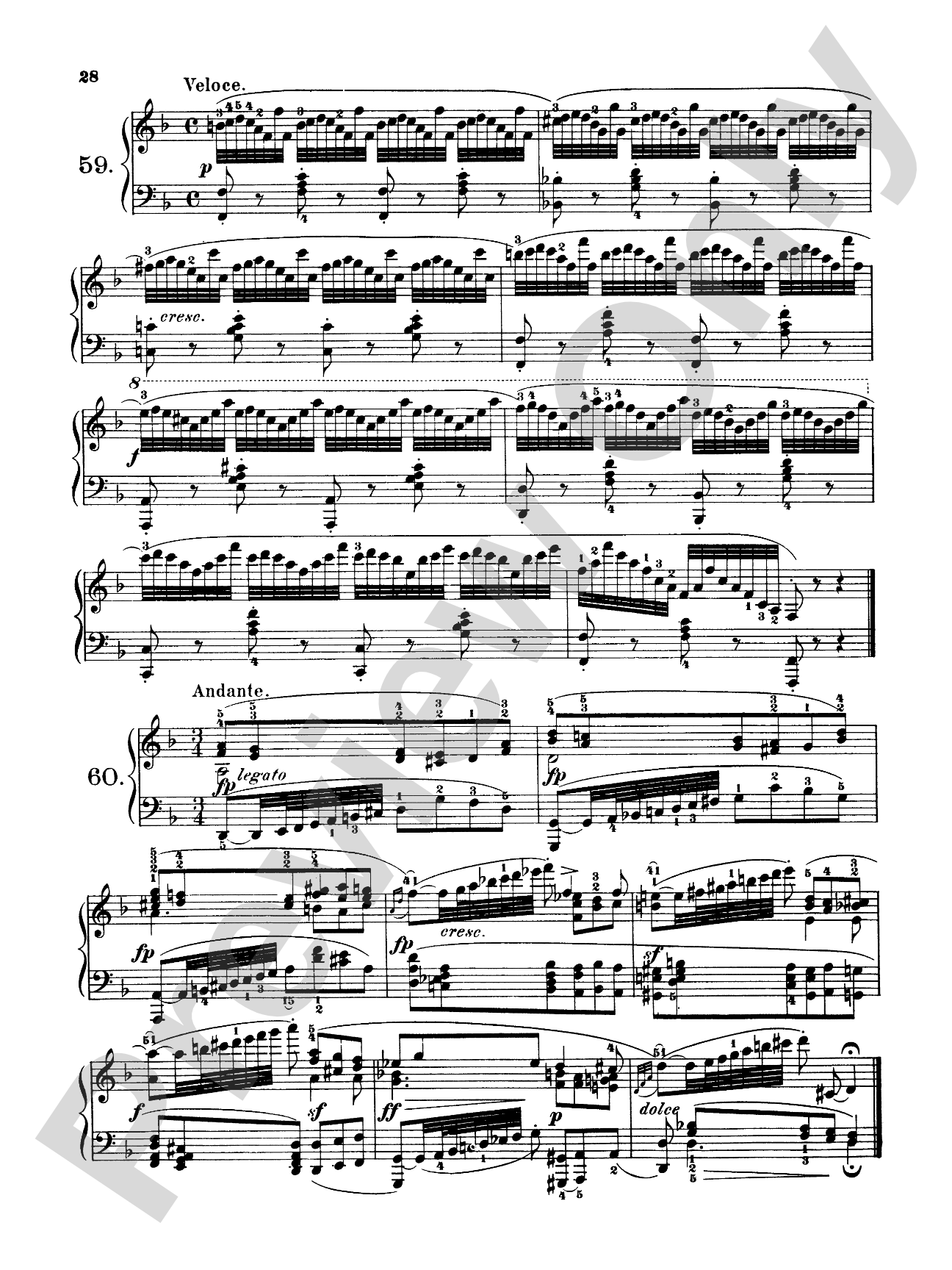
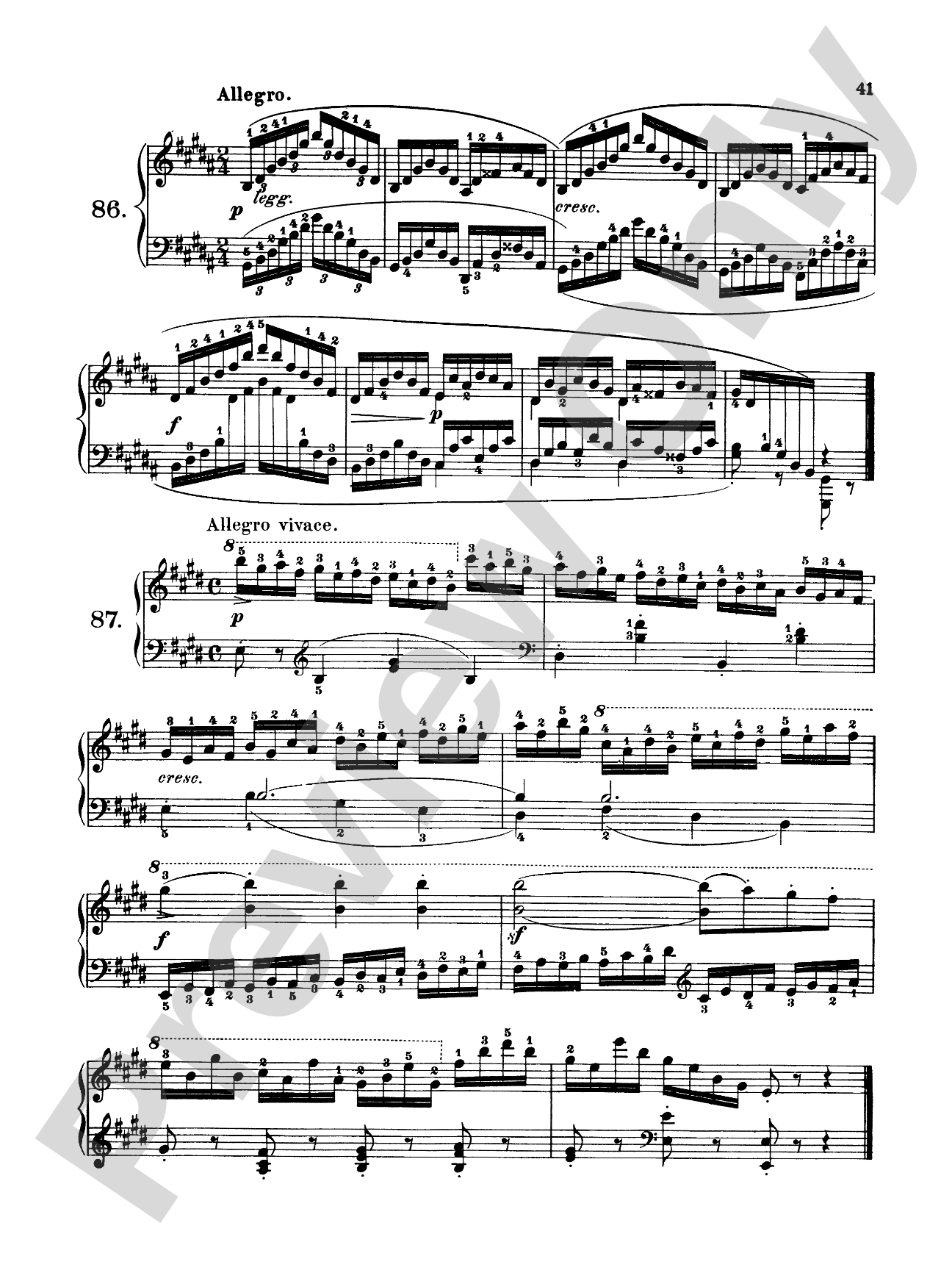
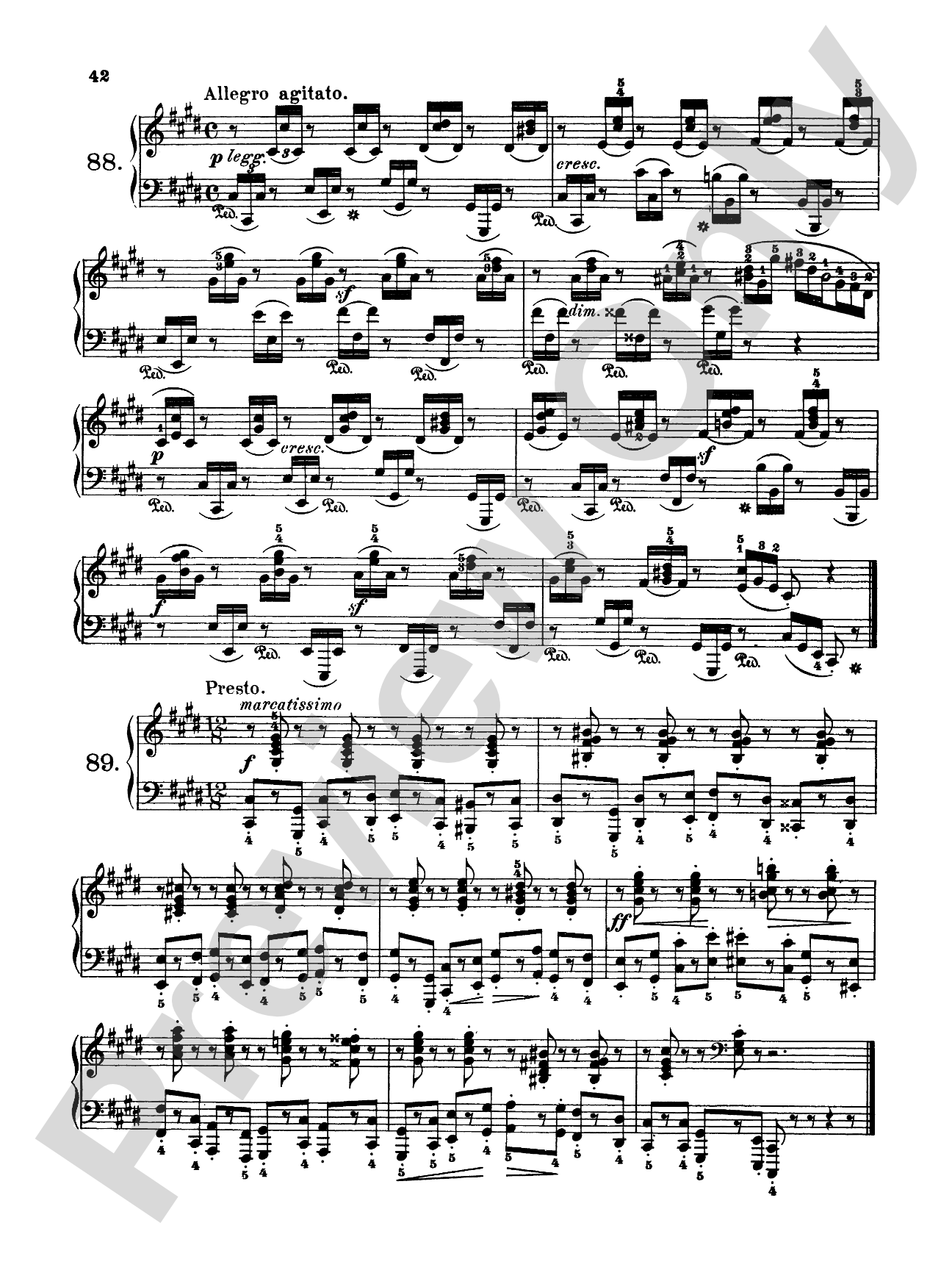
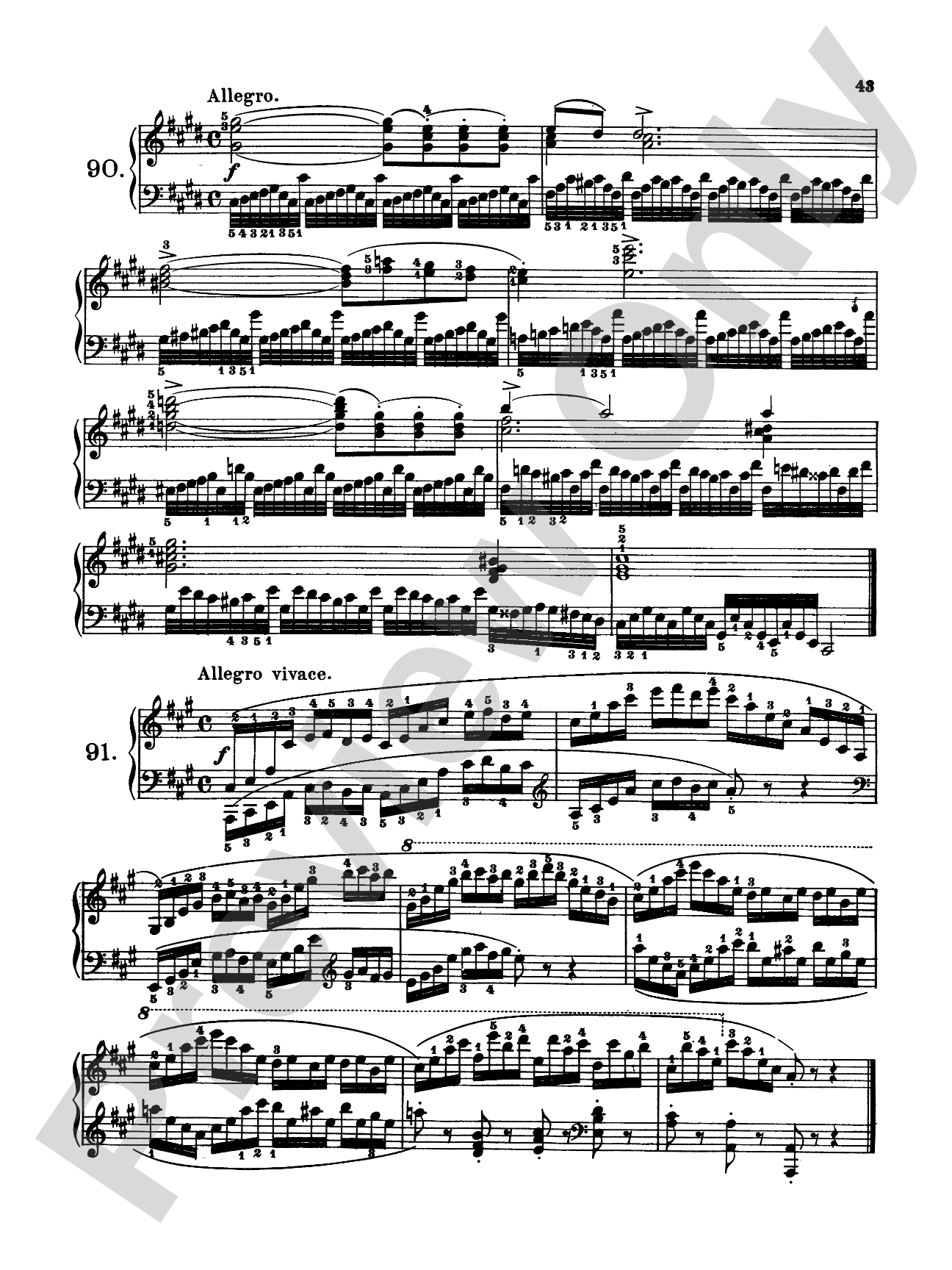
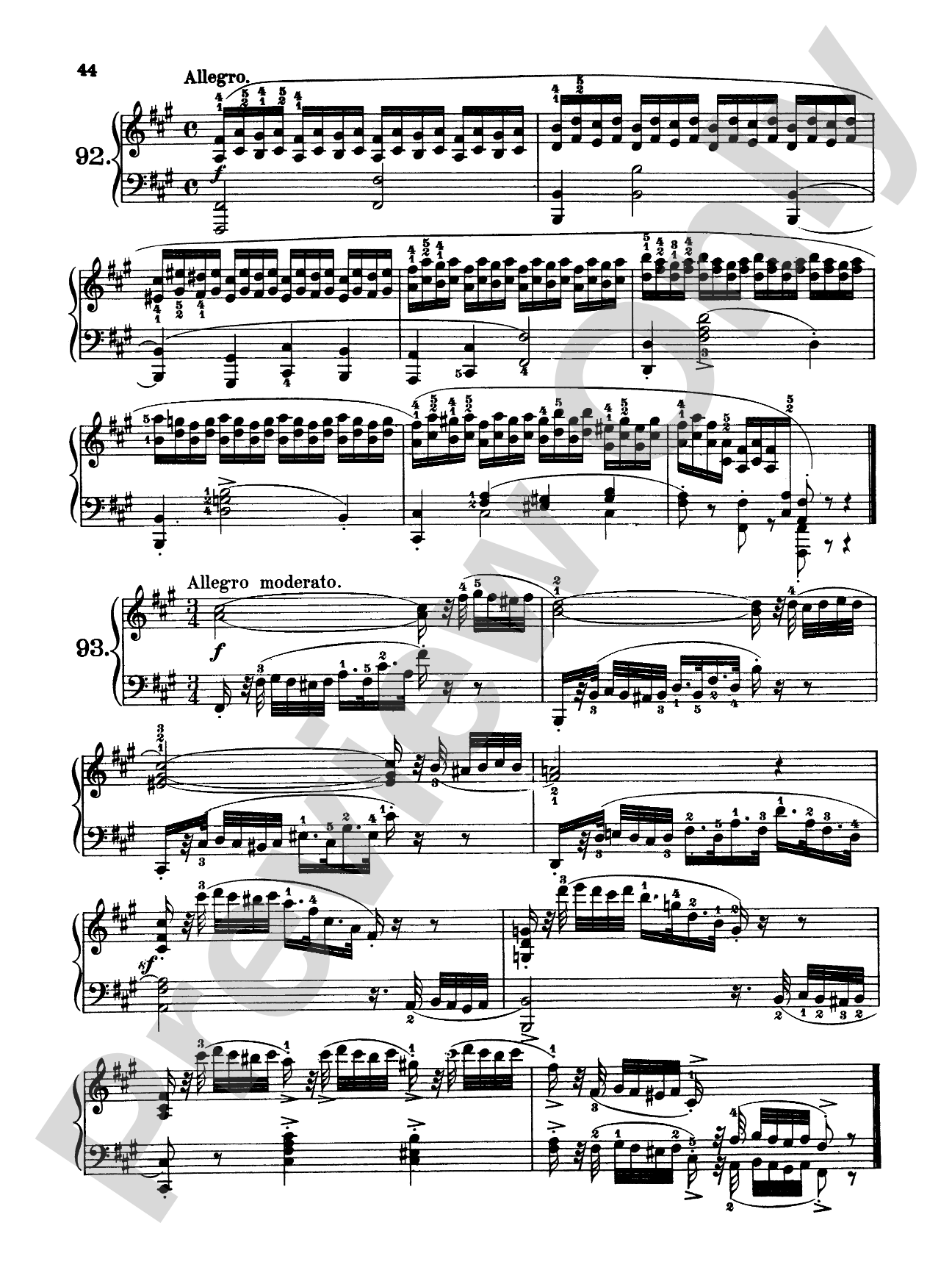
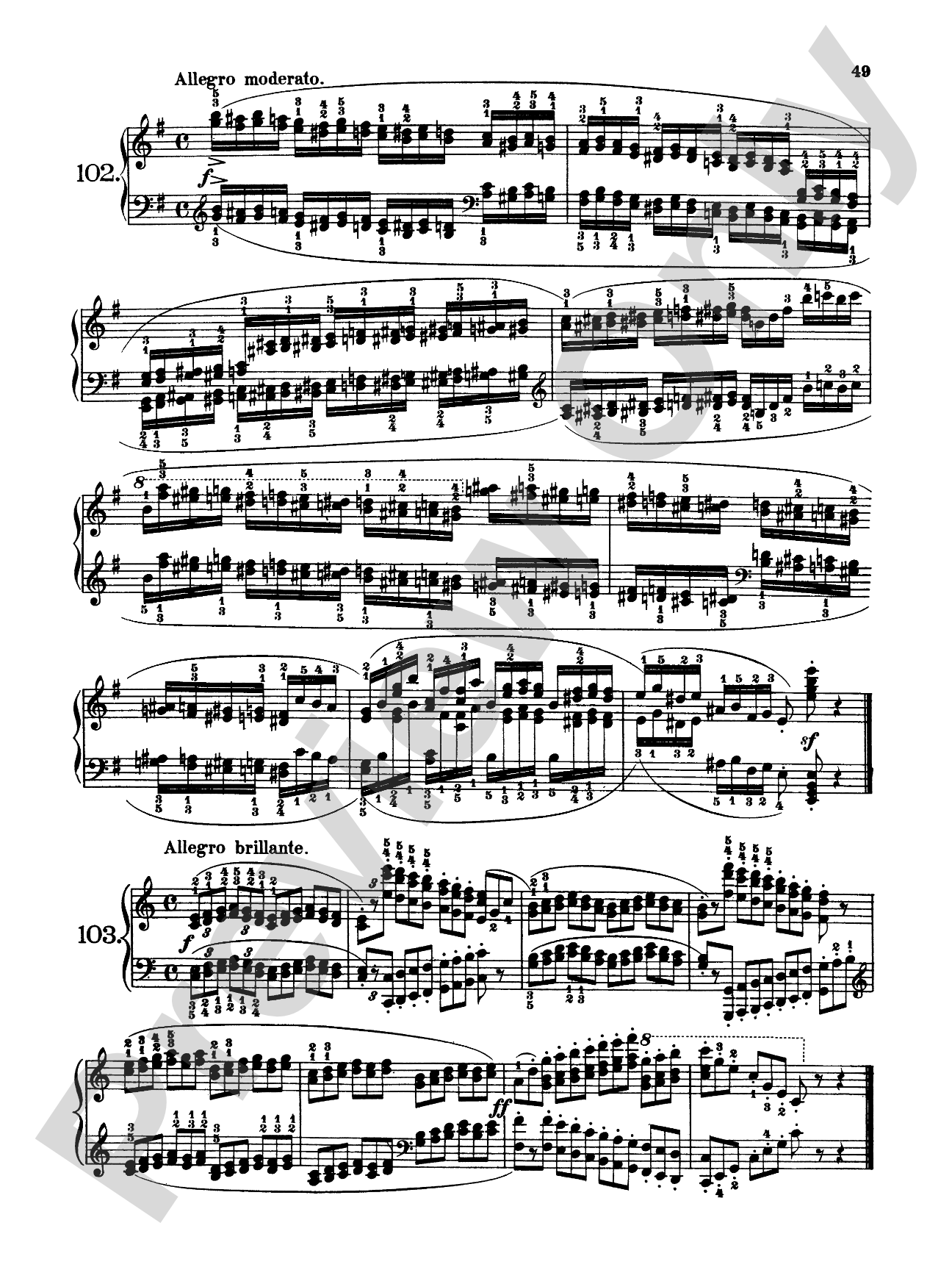
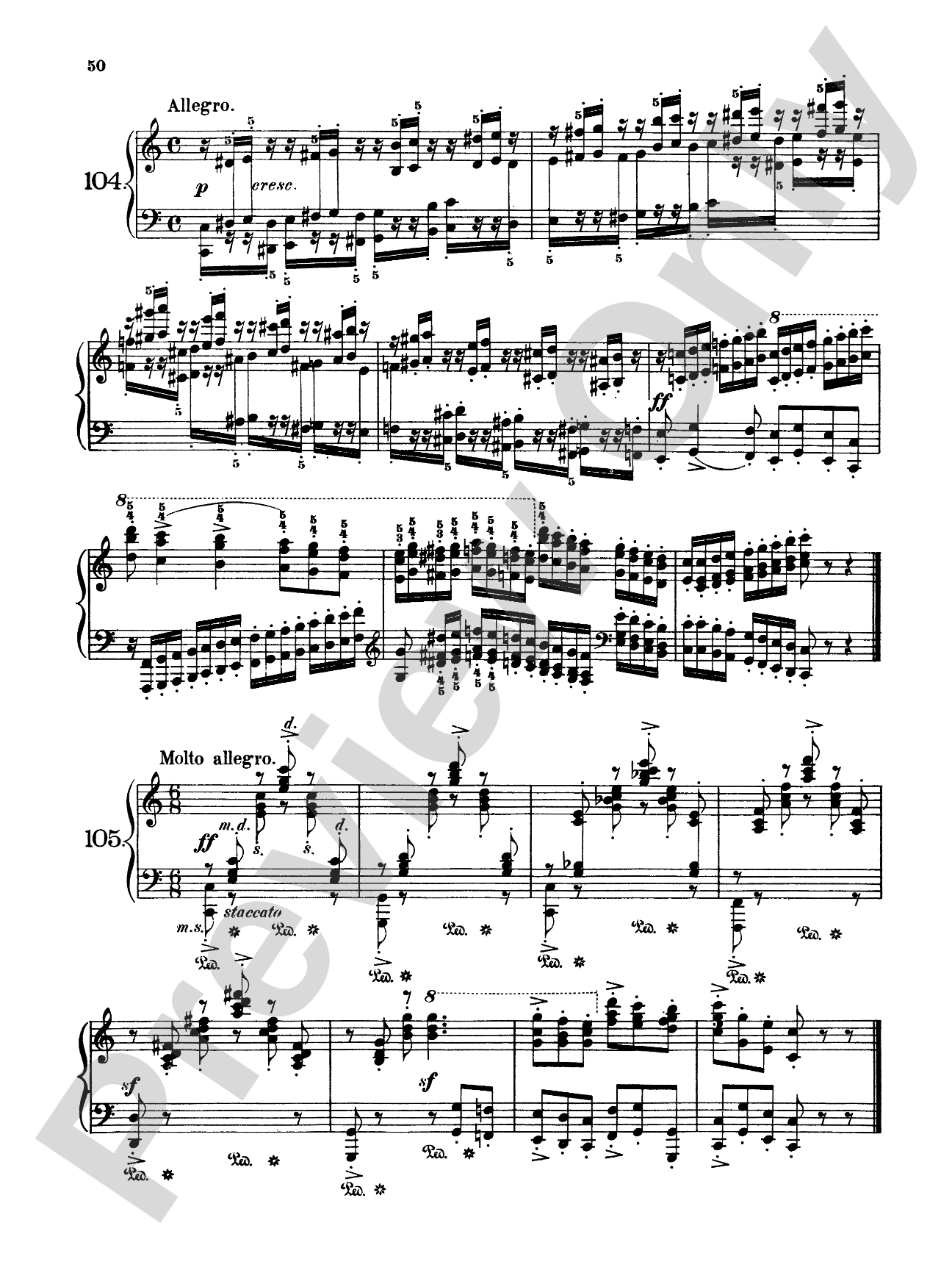
Carl Czerny (1791--1857) was an Austrian pianist, composer and teacher. Today he is best remembered for his volumes of études for the piano. Czerny's music was greatly influenced by his teachers, Clementi, Hummel, Salieri and Beethoven. This book contains Czerny's Opus 821, "160 Eight-Measure Exercises."


Discover MakeMusic Cloud: thousands of interactive titles your students can play along with today.
Sample Audio
No sample audio found.
Sample Video
No sample videos found.
Additional Details
Series:
Kalmus Edition
Publisher:
Alfred Music
Page Count:
76
SKU:
00-PK-0003034
More about this title
About the Composer: Karl Czerny
Karl Czerny (1791, 1857) was a Viennese pianist and prolific composer whose career bridged the Classical and Romantic eras. A student of Beethoven, Hummel, Clementi, and Salieri, he absorbed the technical and musical innovations of his teachers and synthesized them into a vast catalog of pedagogical works. His influence on piano pedagogy remains foundational; generations of pianists have built their technique through his carefully crafted études and exercises.
Czerny's gift was understanding exactly what pianists needed at each stage of development. Rather than writing showy display pieces, he created systematic progressions that target specific technical challenges while maintaining musical substance. His 160 Eight-Measure Exercises represent the distilled wisdom of a master teacher who knew precisely how to build facility and musicianship simultaneously.
Why we love this
Czerny's Op. 821 offers something rare: short, self-contained exercises that function as micro-compositions rather than mechanical drills. Each eight-measure piece targets a specific technical goal while maintaining enough melodic interest to keep students engaged over the course of 160 exercises. Teachers trust this collection because students actually want to work through it.
What to expect
Purposeful and elegant. Czerny's eight-measure format creates a satisfying sense of completion; you play something, it ends, and you move to the next challenge. The writing is never clunky or finger-twisting for its own sake; instead, each exercise unfolds naturally while quietly building the specific technical control needed for the next level of concert repertoire.
Who it's for
Intermediate to advanced pianists building technical facility and musicianship during the transition from early studies to more sophisticated repertoire. Studio teachers and conservatory instructors use this collection when students need focused work on specific technical challenges without abandoning the requirement that every piece sound musical.
How to get the most out of it
- Treat each exercise as a complete musical thought. Even at eight measures, shape the phrase with a clear beginning, middle, and point of arrival rather than rushing through mechanically.
- Group exercises by technical focus rather than playing them sequentially. Work several pieces targeting the same skill (finger independence, arpeggiation, hand position) in succession, then move to a different technical area.
- Use a tempo that allows clean execution of the written technical material. Czerny's exercises reveal their purpose only when played accurately; rushing obscures the learning objective.
How to use it
This collection works best as the foundation of a student's daily technical practice rather than as concert material. Studio teachers integrate exercises from Op. 821 into lesson plans over months or years, assigning them alongside more ambitious pieces to strengthen technique in isolation without competing for practice time.
Skills your students will build
- Finger independence and evenness in scalar passages
- Arpeggiation across multiple octaves
- Hand position stability and weight transfer
- Rhythmic precision and control at varied tempos
- Sight-reading fluency and pattern recognition
- Musical phrasing within constrained harmonic and melodic frameworks