

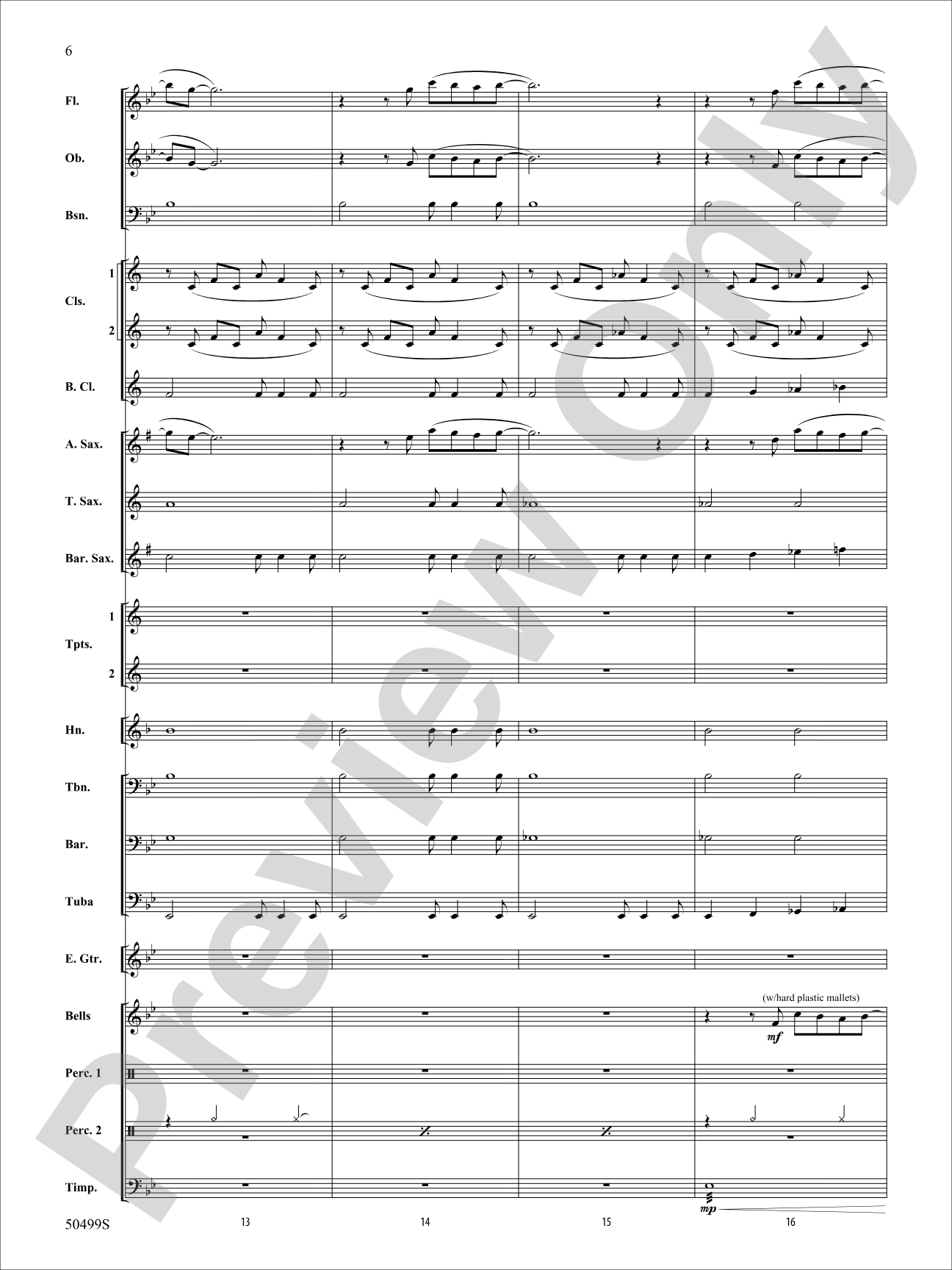
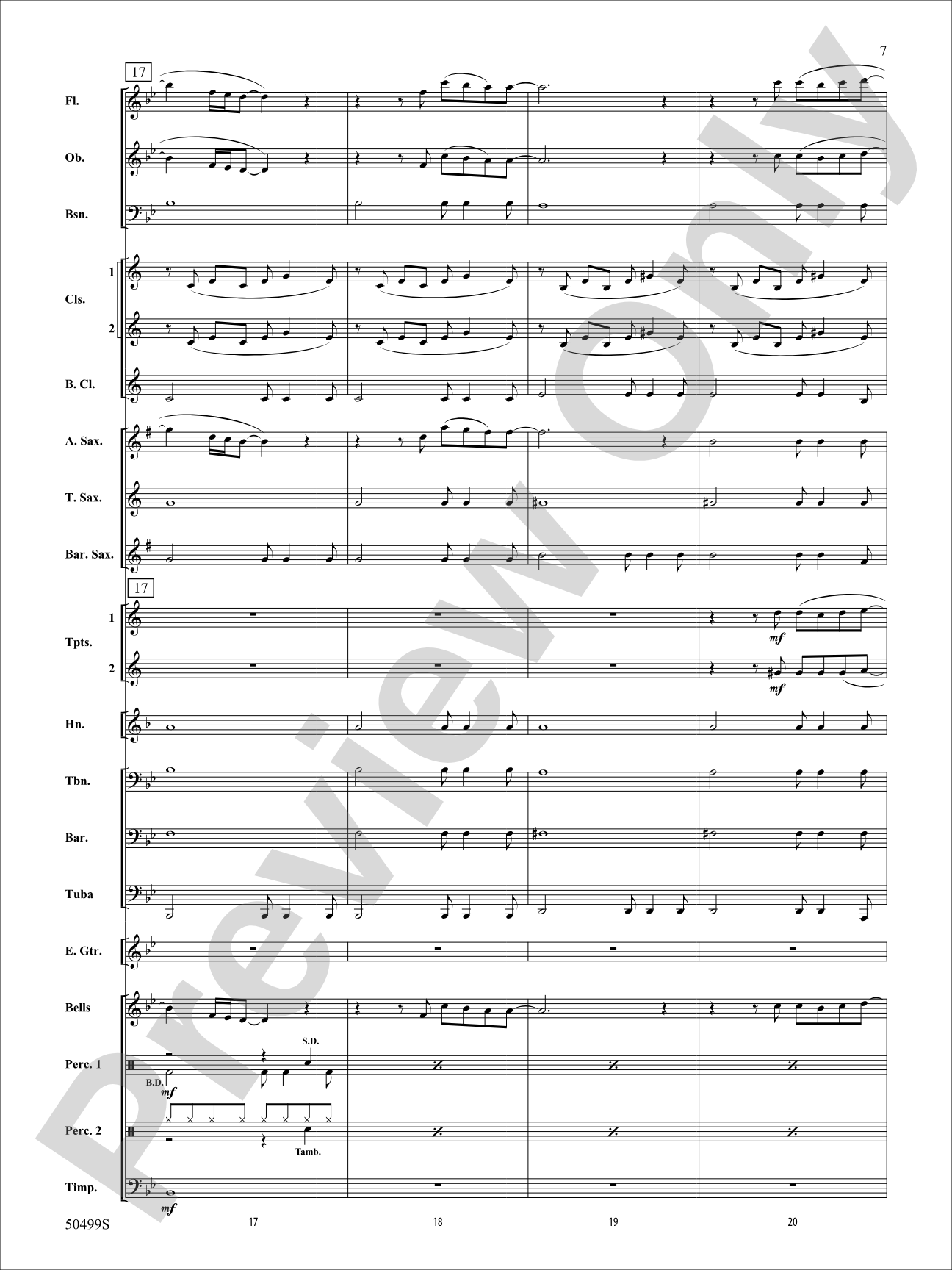
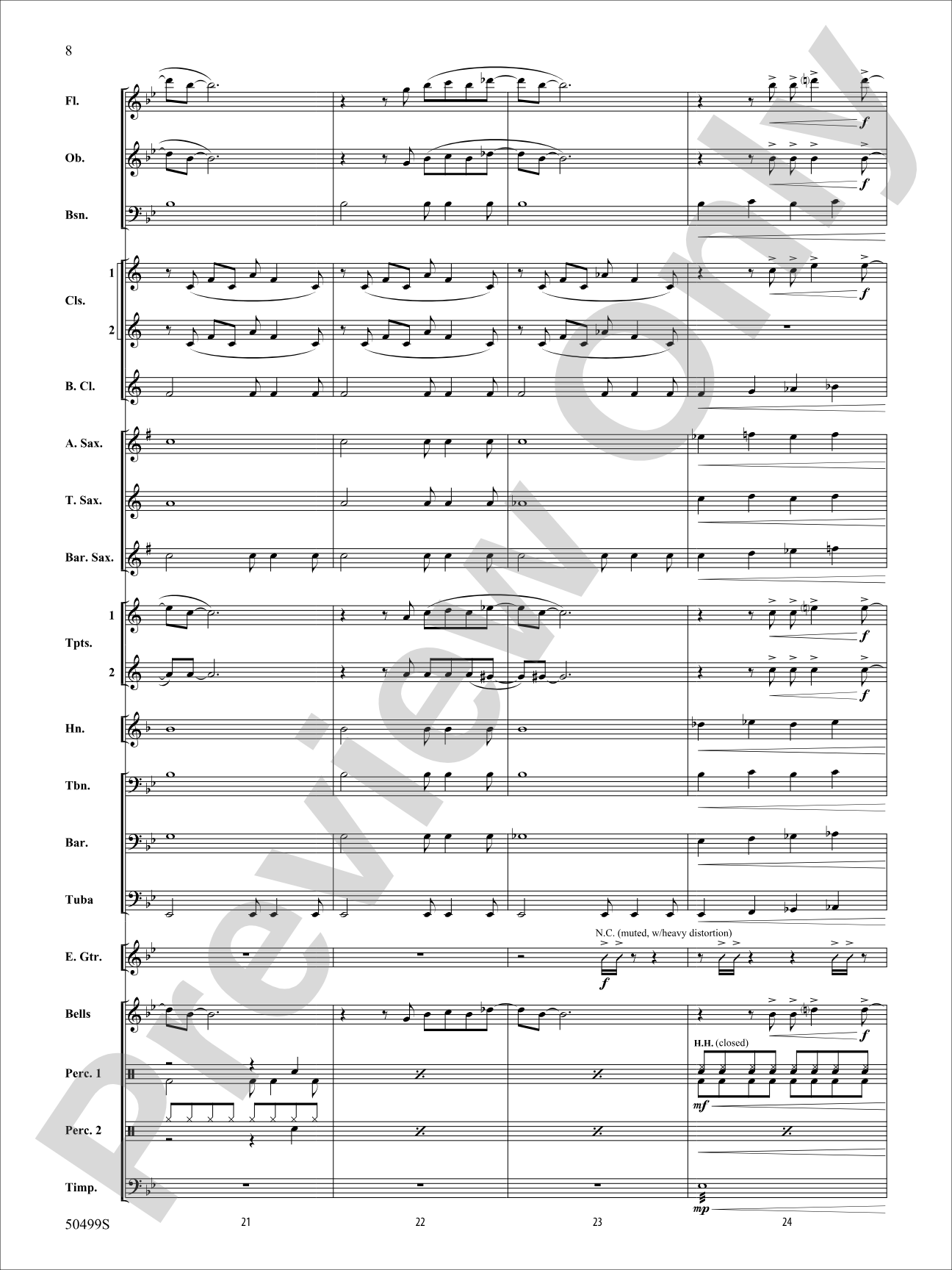
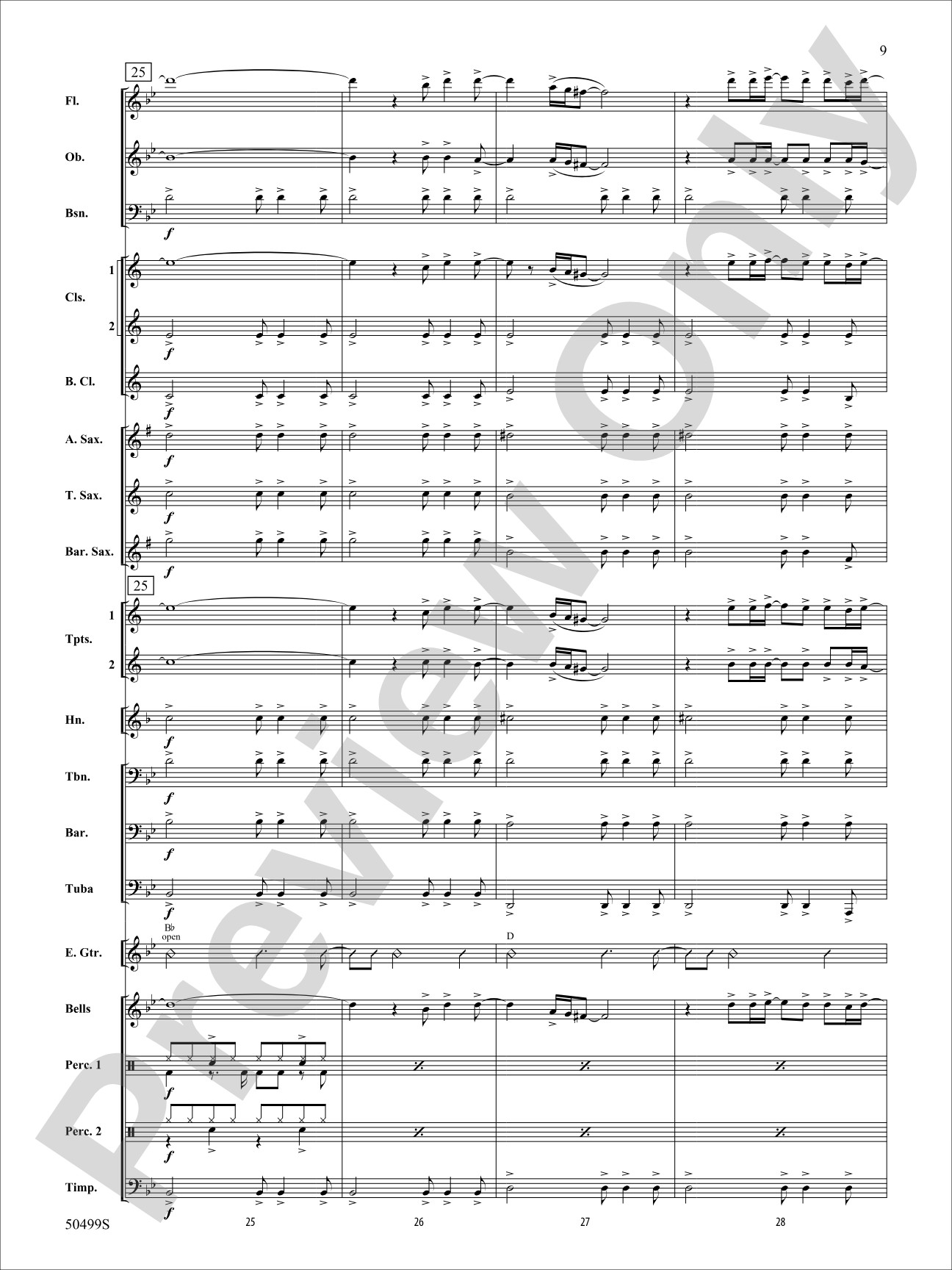
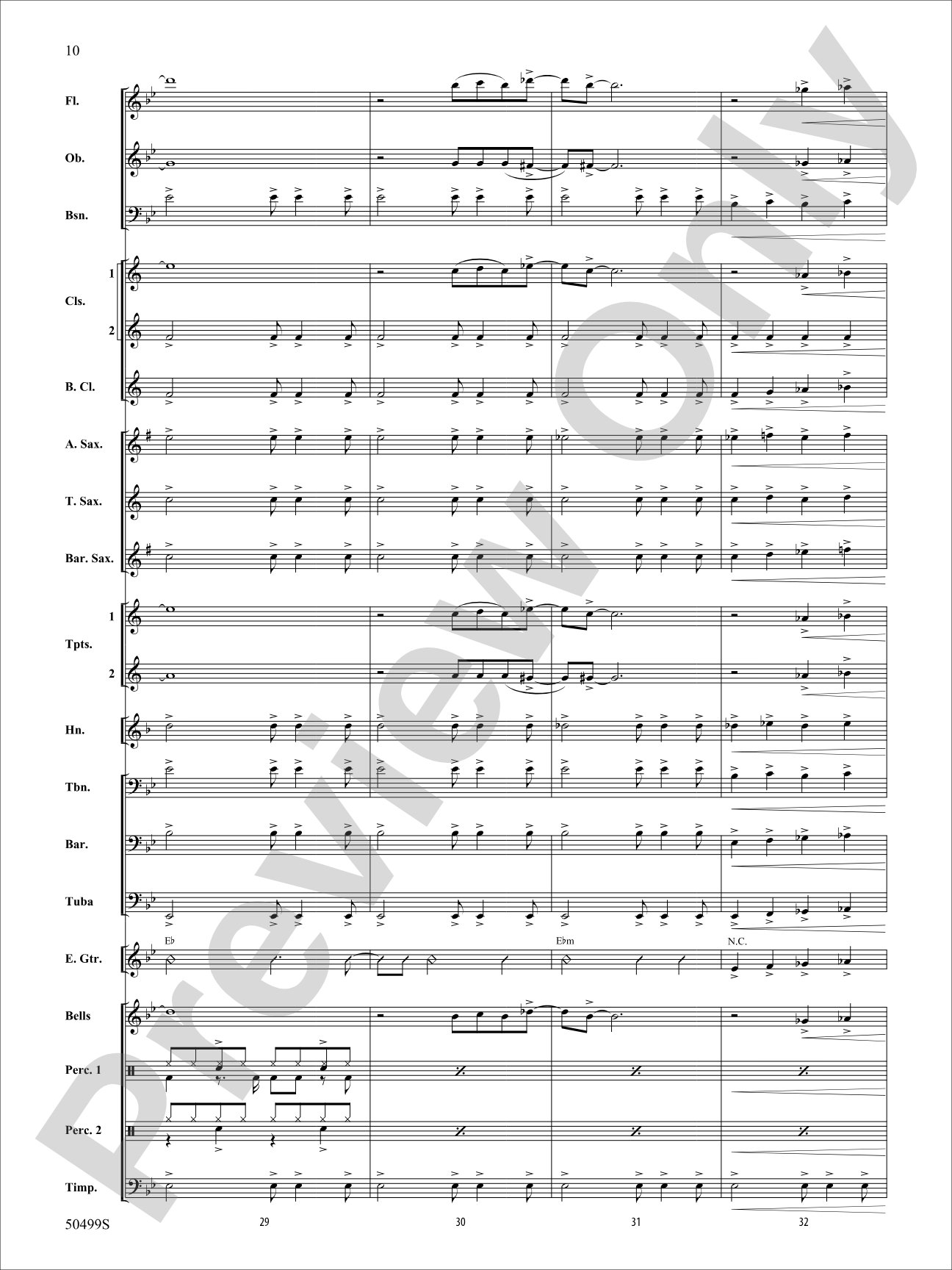
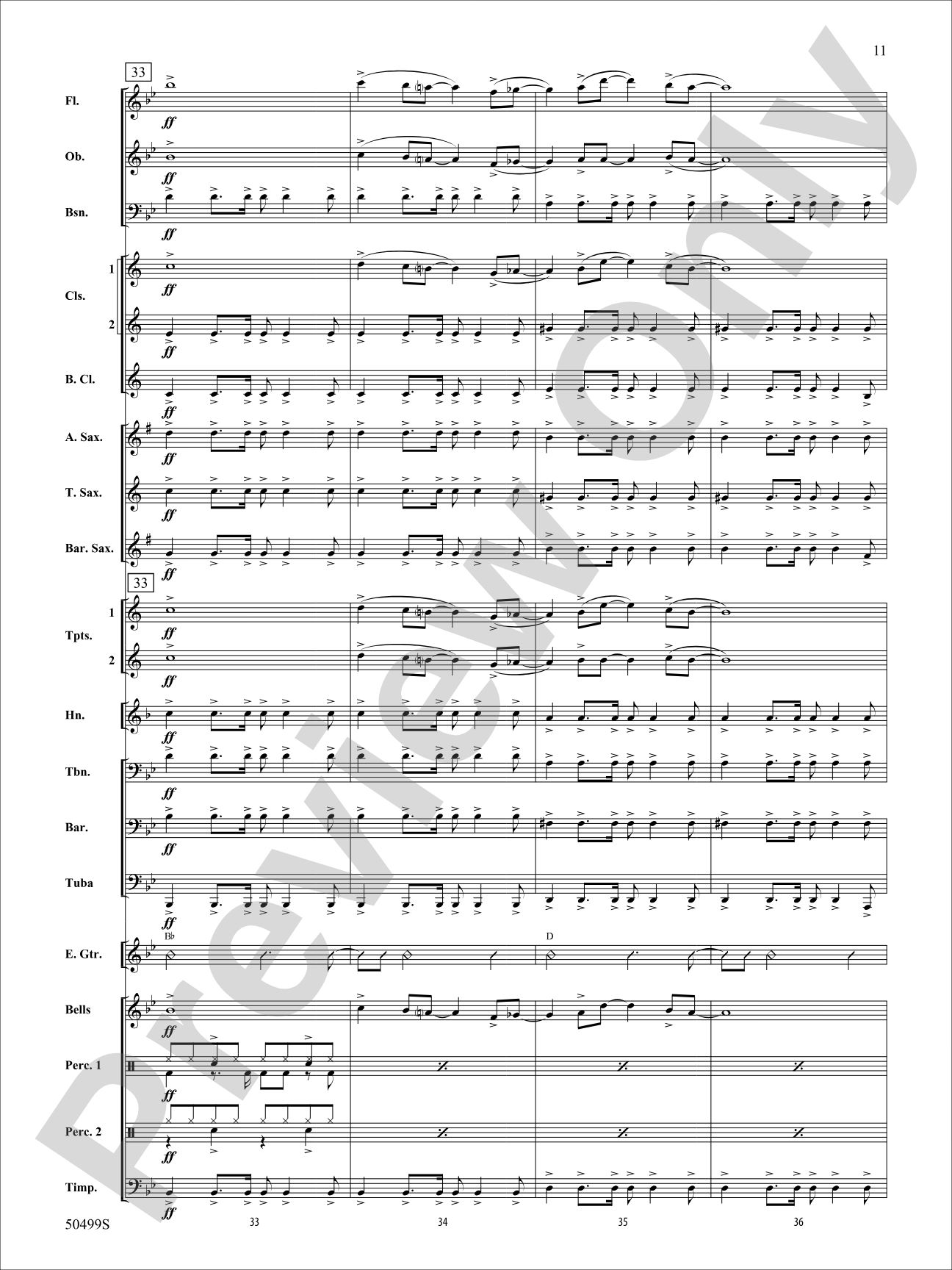
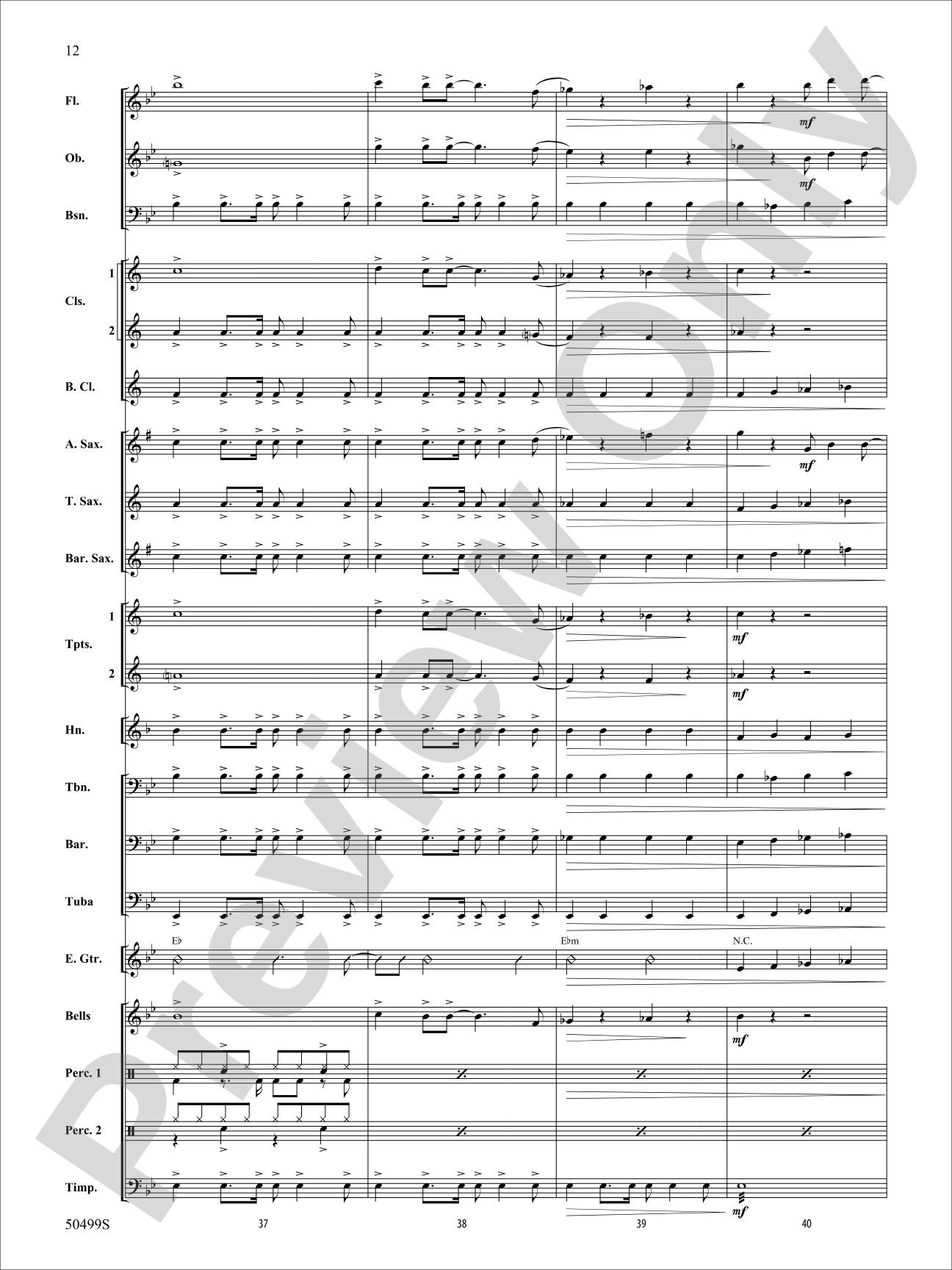
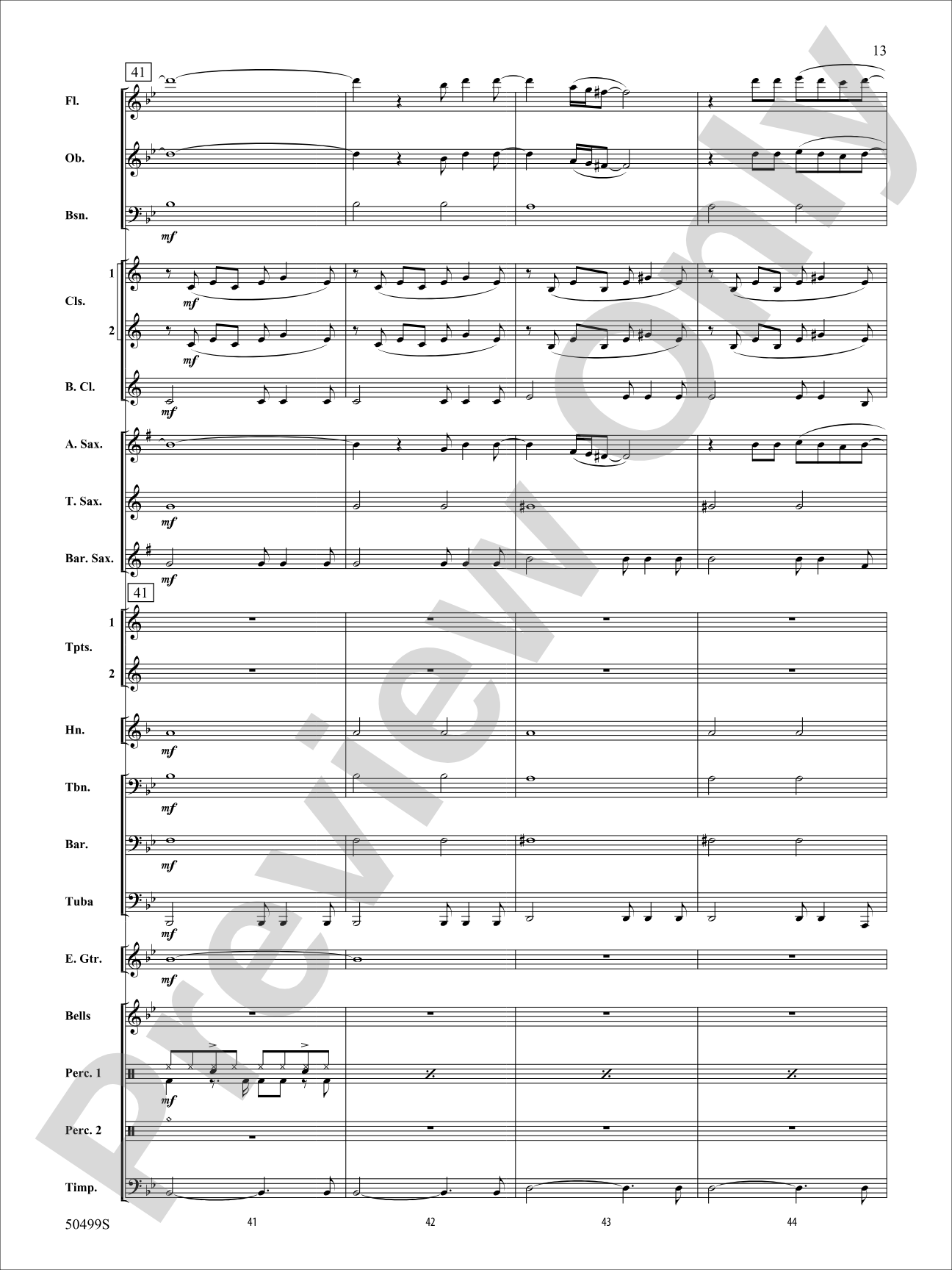

Creep: Concert Band Conductor Score & Parts
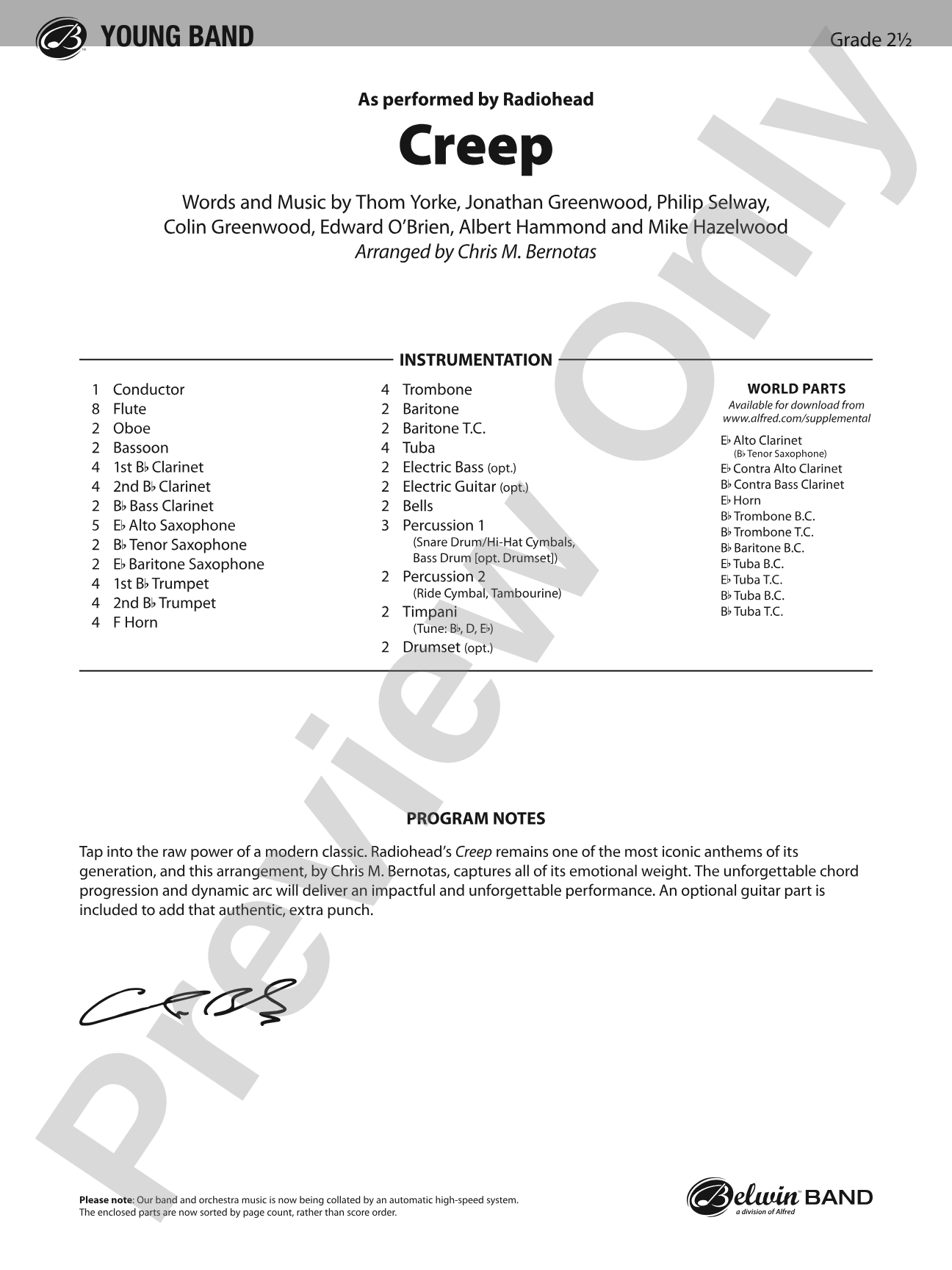
Words and music by Thom Yorke, Jonathan Greenwood, Philip Selway, Colin Greenwood, Edward O'Brien, Albert Hammond and Mike Hazelwood / arr. Chris M. Bernotas
Grade: 2.5
Item: 00-PK-0009356

$75.00
One moment…
Related Items
Creep: String Orchestra Conductor Score & Parts |
$65.00
|
View | |
Creep: String Orchestra Conductor Score & Parts |
$65.00
|
View | |
Creep: HybridNOW String Orchestra Conductor Score & Parts |
$65.00
|
View | |
Creep: String Orchestra Conductor Score |
$12.00
|
View | |
Creep: Concert Band Conductor Score & Parts |
$75.00
|
View | |
Creep: HybridNOW Concert Band Conductor Score & Parts |
$75.00
|
View | |
Creep: Concert Band Conductor Score |
$12.00
|
View |
Description
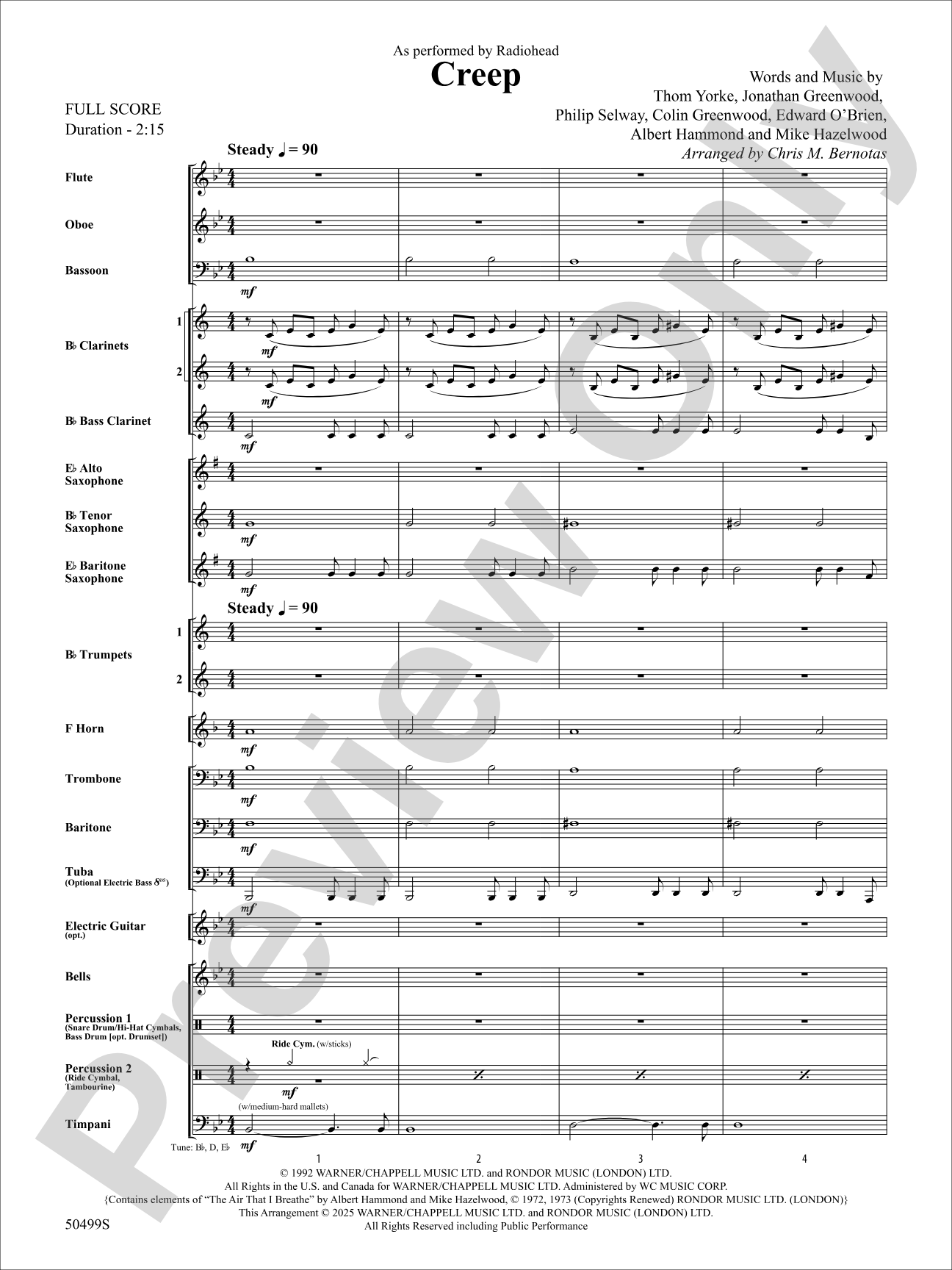
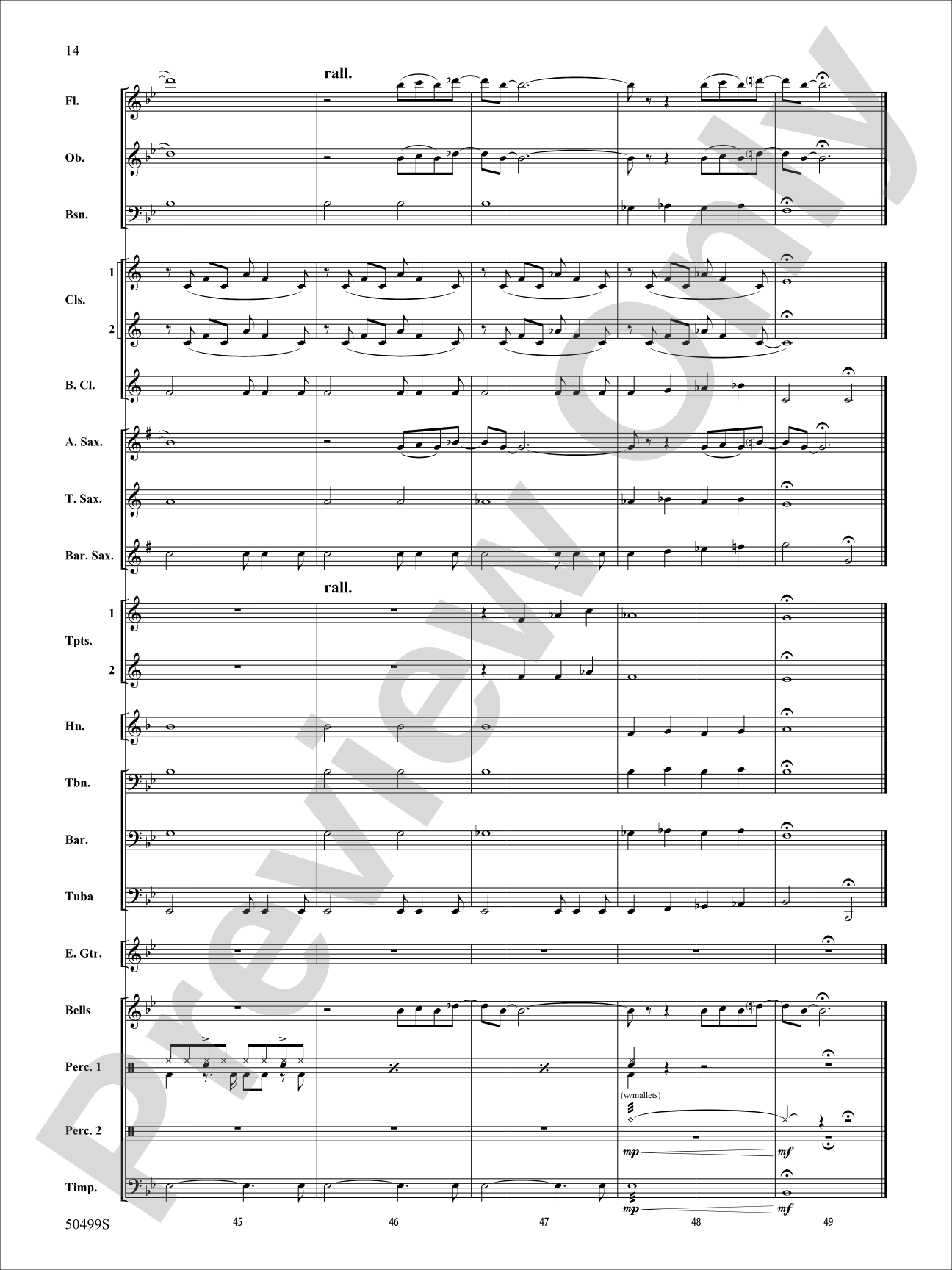
Tap into the raw power of a modern classic. Radiohead's Creep remains one of the most iconic anthems of its generation, and this arrangement, by Chris M. Bernotas, captures all of its emotional weight. The unforgettable chord progression and dynamic arc will deliver an impactful and unforgettable performance. An optional guitar part is included to add that authentic, extra punch.


Don't just read it, hear it, play along with it, and watch your students grow with it. In MakeMusic Cloud, Creep: Concert Band Conductor Score & Parts comes alive with professional accompaniment, adjustable tempo, and built-in practice tools that turn solo practice into real progress.
Open in the Player
Jump straight in and assign it today.
Start Your Free Trial
Open this title and explore the full library in minutes.
Sample Audio
1
Creep (no guitar)
--:--
2
Creep (with guitar)
--:--
Creep (no guitar)
0:00
0:00
Sample Video
Additional Details
Series:
Belwin Pop Young Band
Publisher:
Alfred Music
SKU:
00-PK-0009356
More about this title
About the Composer: Thom Yorke
Thom Yorke is the lead vocalist and primary songwriter of Radiohead, the Oxford-based band that fundamentally reshaped alternative rock in the 1990s and beyond. His compositional approach blends angular melodies with innovative harmonic structures, drawing from classical music theory, electronic experimentation, and emotional directness. Yorke's work across Radiohead's catalog has influenced a generation of musicians and remains central to contemporary music education.
Why we love this
This arrangement by Bernotas proves that great pop songwriting translates powerfully to concert band without losing its emotional core. The chord progression that made Creep unforgettable on the radio becomes an ideal vehicle for teaching dynamic shape, ensemble balance, and how to sustain interest through harmonic repetition. At Grade 2.5, it's accessible enough for developing bands while remaining genuinely moving for audiences who grew up with this song.
What to expect
Haunting, introspective, and ultimately cathartic. The arrangement preserves Creep's signature blend of self-doubt and quiet longing, unfolding through carefully placed dynamics and harmonic momentum. It builds from sparse vulnerability to fuller sound, never quite shouting but always compelling.
Who it's for
Concert band directors seeking contemporary repertoire that connects with student musicians and audiences alike. This arrangement serves both developing ensembles (Grade 2.5 playability) and programs looking to program music that resonates beyond traditional concert band circles.
How to get the most out of it
- Shape the iconic four-chord progression with slight dynamic breathing in each iteration. Let the tension build gradually from statement to statement rather than maintaining uniform volume throughout.
- Balance the melody clearly against sustained harmonies in the low brass and woodwinds. This arrangement thrives when listeners hear the singable top line floating above a cohesive harmonic bed.
- If using the optional guitar part, rehearse it separately with your band to ensure it locks rhythmically with the main ensemble. The guitar adds textural authenticity, but only if its entries and rhythmic subdivisions align precisely.
- Resist rushing through the softer sections. The emotional power of Creep lives in restraint and vulnerability; allow silence and space to breathe between phrases.
How to use it
Program this as a centerpiece on a concert that balances traditional and contemporary repertoire, or as a conversation starter on a pops concert where it will resonate immediately with audiences. It also works effectively as a spring concert closer, offering a modern reflection that contrasts with earlier season programming.
Skills your students will build
- Sustaining tone quality across dynamic shifts
- Voice independence within homophonic textures
- Ensemble balance when melody and harmony carry equal weight
- Phrasing and shape in music without traditional melodic climax
- Rhythmic precision in repetitive harmonic structures