Cradle Song Cover Image

Cradle Song: String Orchestra Conductor Score

$7.00 USD
Sale price  $7.00 USD Regular price 
Skip to product information
Cradle Song Cover Image

Cradle Song: String Orchestra Conductor Score

By Loreta Fin

Grade: 1.5

Item: 76-46179S

$7.00
Shipped

One moment…

Description
Dedicated to the composer's new grandchild (due in 2018), this gentle lullaby is in simple triple time is perfectly suited to a young orchestra---as a first step to playing in parts.

Cradle Song: String Orchestra Conductor Score isn't in MakeMusic Cloud just yet...but it could be. Let us know you'd like to see it, and you'll help shape what comes next. In the meantime, start a free trial and dive into thousands of interactive titles your students can play along with today.

Sample Pages

Sample Audio
No sample audio found.
Sample Video
Additional Details
Series: Wilfin String Orchestra: Young String Ensemble Series
Publisher: Wilfin Music
Page Count: 8
UPC: 038081540351
SKU: 76-46179S

More about this title

About the Composer: Loreta Fin
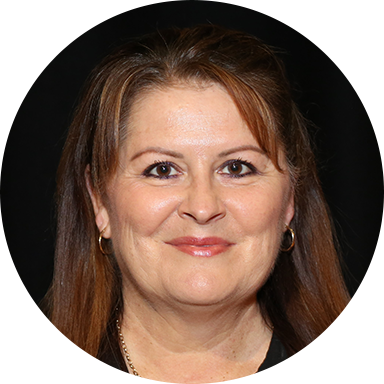
Loreta Fin

Loreta Fin trained at the Sydney Conservatorium of Music and built a career as both a performer and educator across Australia. She served as Principal Viola player with the Queensland Pops Orchestra for over 25 years, performed regularly in chamber and orchestral settings, and directed the strings program at Somerville House School in Brisbane starting in 1993. Her leadership in the Australian Strings Association spanned more than 25 years, including terms as State and National President, and she received a Queensland State Award for her contributions to AUSTA in 2009.

As a composer, Fin has created over 100 works for string orchestra published internationally by Alfred Music. She serves as an examiner with the Australian Music Examinations Board and as State Advisor for Strings, while regularly conducting the State and National Honours Ensembles Programs in Brisbane. Her work conducting the Miri Music Project in Malaysia (2018-2019) and her nomination for an ARIA "Best Teacher" award reflect her commitment to string music education at all levels. In 2017, she released a Beginner String Ensemble Series, and she was honored with the National Award for Services to Music and String Teaching in Australia.

Why we love this

Fin writes with the ear of someone who has spent decades teaching young string players. The piece moves through parts naturally, giving each section a moment to shine without overwhelming younger musicians. Its warmth and simplicity mask real compositional craft, and the pedagogical sequencing makes it genuinely rewarding to conduct and to hear.

What to expect

A quiet moment of tenderness that feels intimate and unhurried. The gentle rocking of triple meter creates a soothing quality, while the warm harmonic language wraps around the melody like a comfortable embrace. There's nothing wistful or overly sentimental here, just honest simplicity and kindness.

Who it's for

Young string orchestras tackling their first experience with independent part writing. This score works for ensembles at the beginning of their multipart journey, where players still need clarity and simplicity but are ready to move beyond unison and octaves.

How to get the most out of it

  • Establish a gentle, steady pulse in rehearsal; let the triple meter breathe naturally without rushing the lilting quality.
  • Balance the melody between your first violins and violas, ensuring the supporting lines underneath stay warm and supporting rather than mechanical.
  • Use rehearsal time to let each section hear how their part fits into the whole; younger players often play with more musicality when they understand their role in the texture.
  • Shape phrases with slight dynamic swells rather than rigid dynamics; this encourages string players to listen to each other and respond musically.

How to use it

Open a concert with this piece to establish an attentive audience and give your young players a confidence-building moment early in the program. It pairs naturally with other Grade 1.5 repertoire or can serve as a gentle palate cleanser between more assertive works. Consider it as well for winter concerts, family events, or any occasion where you want to showcase the musicality emerging in a developing ensemble.

Skills your students will build

  • Playing independent parts in simple triple meter
  • Listening to ensemble balance across multiple voice lines
  • Sustaining tone quality in slower, lyrical contexts
  • Following conductor gestures in legato, flowing passages
  • Reading and responding to dynamic shaping in a collaborative texture

You May Also Like