Cradle Song Cover Image

Cradle Song: String Orchestra Conductor Score & Parts

$45.00 USD
Sale price  $45.00 USD Regular price 
Skip to product information
Cradle Song Cover Image

Cradle Song: String Orchestra Conductor Score & Parts

By Loreta Fin

Grade: 1.5

Item: 76-46179

$45.00
Shipped

One moment…

Description
Dedicated to the composer's new grandchild (due in 2018), this gentle lullaby in simple triple time is perfectly suited to a young orchestra. A great first step to playing in parts.

Cradle Song: String Orchestra Conductor Score & Parts isn't in MakeMusic Cloud just yet...but it could be. Let us know you'd like to see it, and you'll help shape what comes next. In the meantime, start a free trial and dive into thousands of interactive titles your students can play along with today.

Sample Pages

Sample Audio

Molto Mambo

0:00
0:00
Sample Video
Additional Details
Series: Wilfin String Orchestra: Young String Ensemble Series
Publisher: Wilfin Music
Page Count: 66
UPC: 038081540344
SKU: 76-46179

More about this title

About the Composer: Loreta Fin
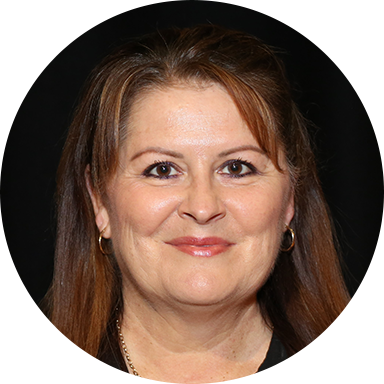
Loreta Fin

Loreta Fin studied violin at the Sydney Conservatorium of Music and served as concertmaster of the Sydney Youth Orchestra before establishing herself as a chamber and orchestral performer. For over 25 years, she held the position of Principal Viola with the Queensland Pops Orchestra while simultaneously directing the strings program at Somerville House School in Brisbane, where she shaped generations of young musicians.

Recognized as both a composer and advocate for string education in Australia, Fin has published more than 100 works for string orchestra through Alfred Music. She has adjudicated at major competitions across Australia, presented at national and international string teaching conferences, and served on the Australian Strings Association leadership for over two decades. In 2018, she received the National Award for Services to Music and String Teaching in Australia, and she continues to conduct honors ensembles and mentor young string musicians.

Why we love this

A composer who has spent decades teaching young string players brings unmatched clarity to this piece. The writing is genuinely intuitive for orchestras just learning to balance parts and listen across sections, and the gentle character means rehearsals focus on ensemble cohesion rather than technical struggle. This is the kind of work that makes students feel capable and proud on their first concert.

What to expect

A quiet moment of affection and wonder. The piece moves in gentle waves, never demanding intensity, creating space for young players to hear themselves as part of something larger. Its simplicity feels deliberate and tender rather than thin.

Who it's for

Beginning string orchestras in their first or second year of combined ensemble playing. This score and parts set provides exactly what Grade 1.5 students need: uncomplicated writing that rewards musicianship without requiring advanced technical skill.

How to get the most out of it

  • Shape the melody with slight dynamic swells rather than rigid steady tones; this lullaby comes alive when players listen to each other's phrasing across the parts.
  • Balance the accompaniment voices so they support without dominating. Young orchestras often play too loudly in inner parts, which muddies the piece's gentleness.
  • Let the simple triple time breathe naturally. Avoid over-metronomic conducting; allow small rubato to emerge from the singers in the ensemble.
  • Mark entrances clearly, especially for divisi players who may be sight-reading their first divided passage. Clear preparation prevents hesitation.

How to use it

This works beautifully as a opening piece for a young orchestra concert, setting a reflective tone that contrasts with more energetic repertoire to follow. It also pairs naturally with other Grade 1-2 ensemble works in a spring or fall concert where establishing confidence matters as much as technical display.

Skills your students will build

  • Playing in multiple parts with attention to balance and blend
  • Maintaining consistent tempo and phrasing in triple meter
  • Reading and executing divisi passages
  • Listening across the ensemble to shape collective expression
  • Sustaining long tones with steady tone quality

You May Also Like