
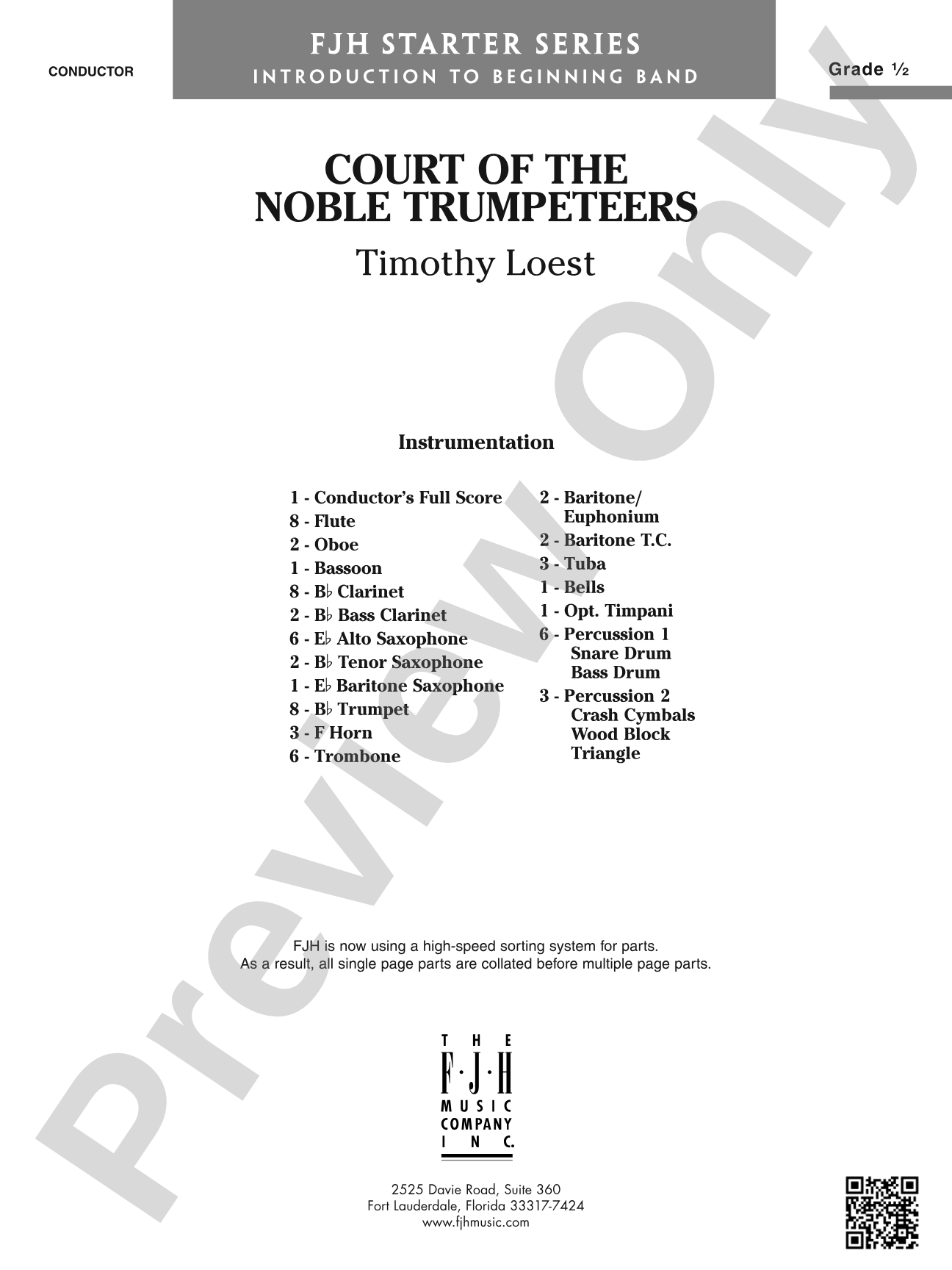

Court of the Noble Trumpeteers: Concert Band Conductor Score & Parts
By Timothy Loest
Level:.5
Item: 98-DB1198
$45.00
Pickup currently not available
Buy Extra Parts (Digital PDF Download)
Parts Added to Cart!
Description
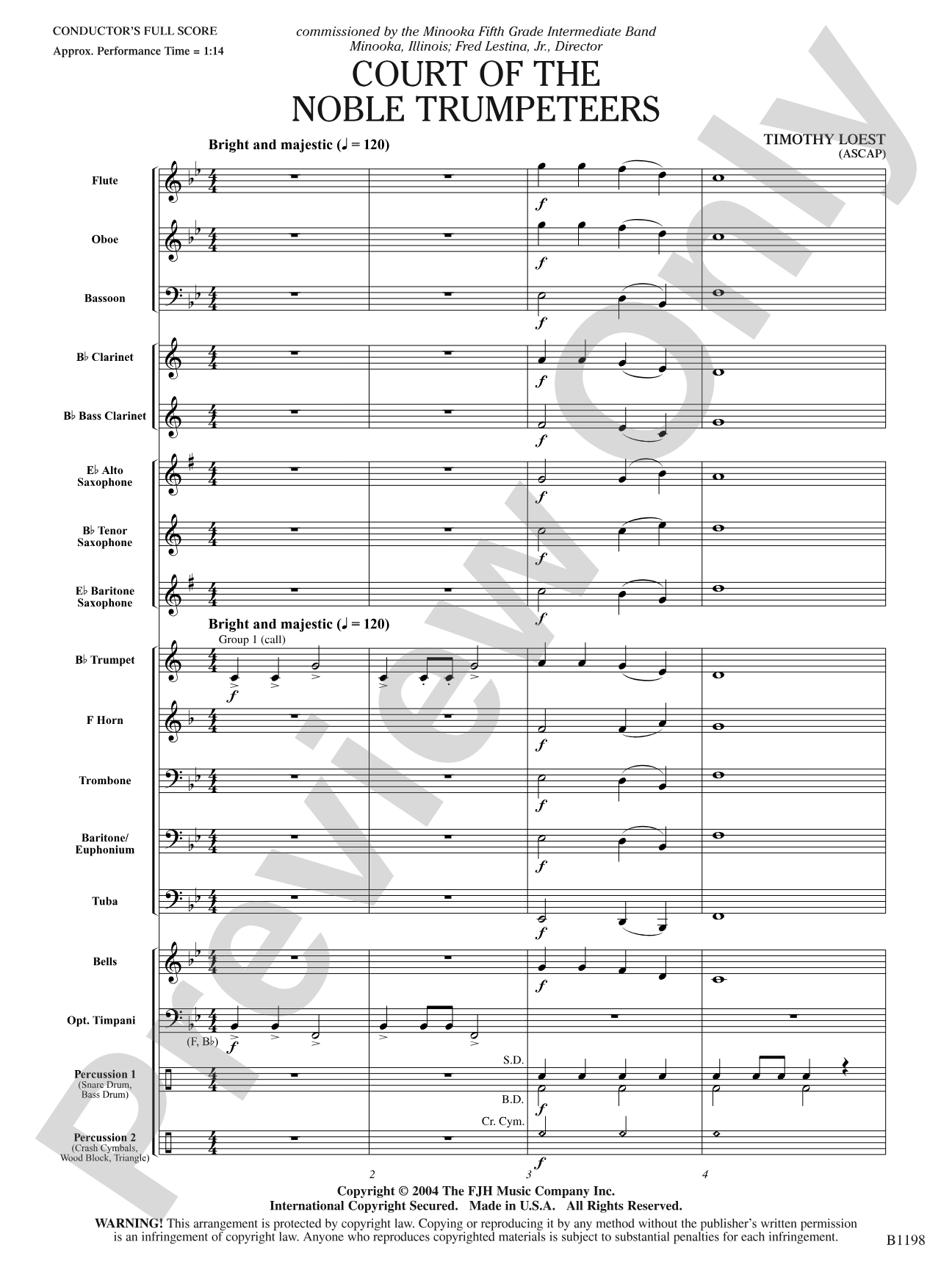
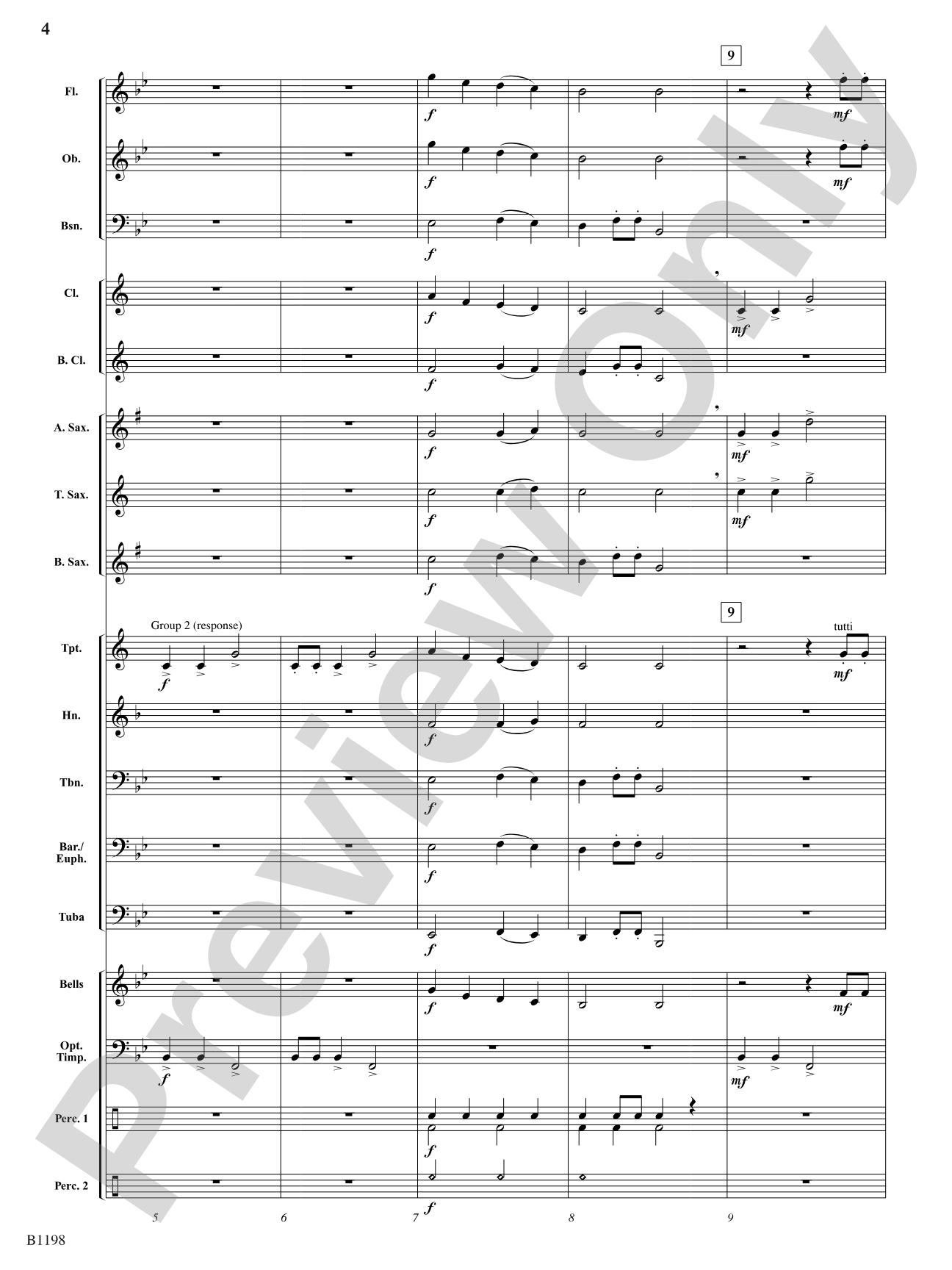
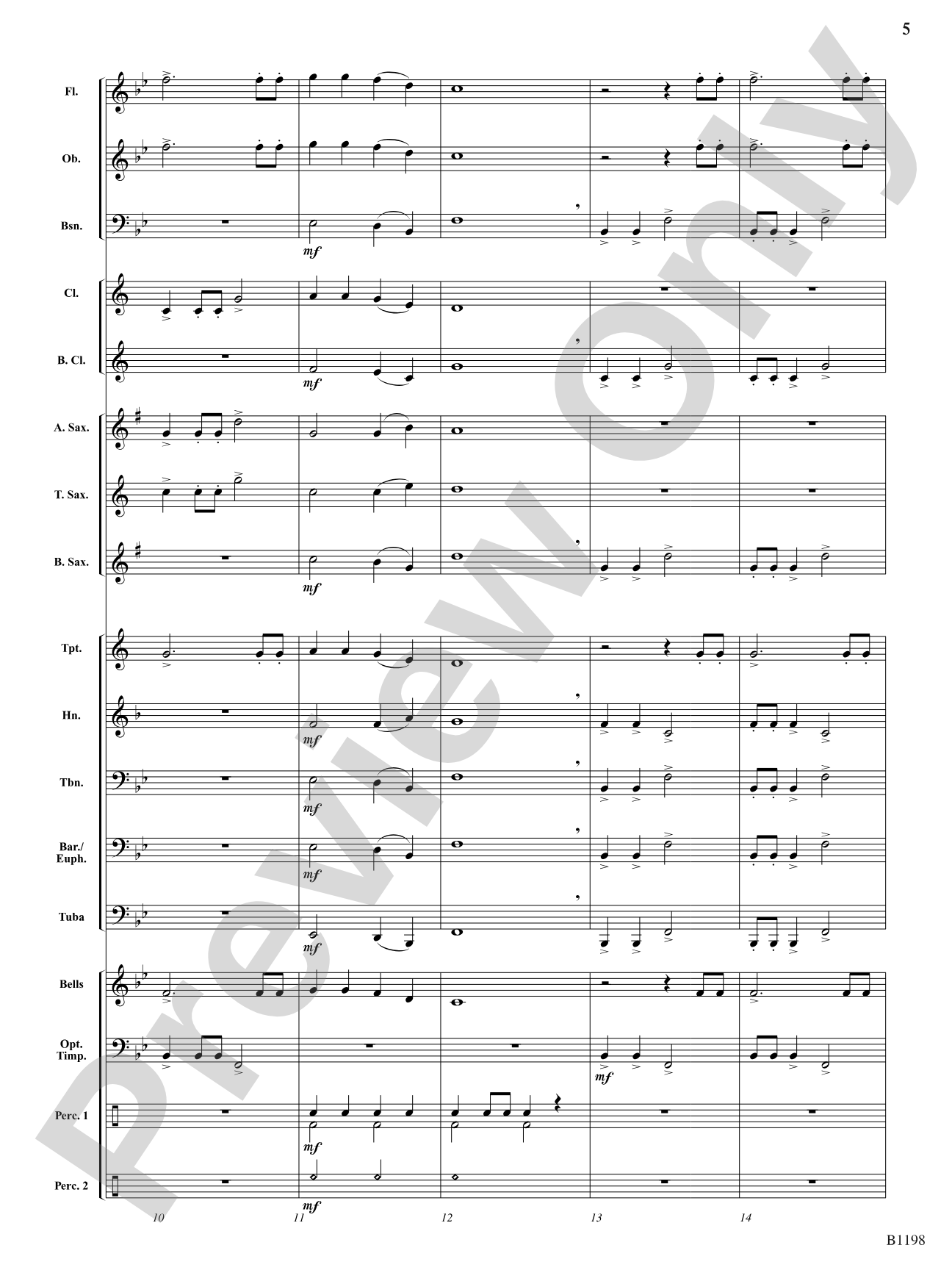
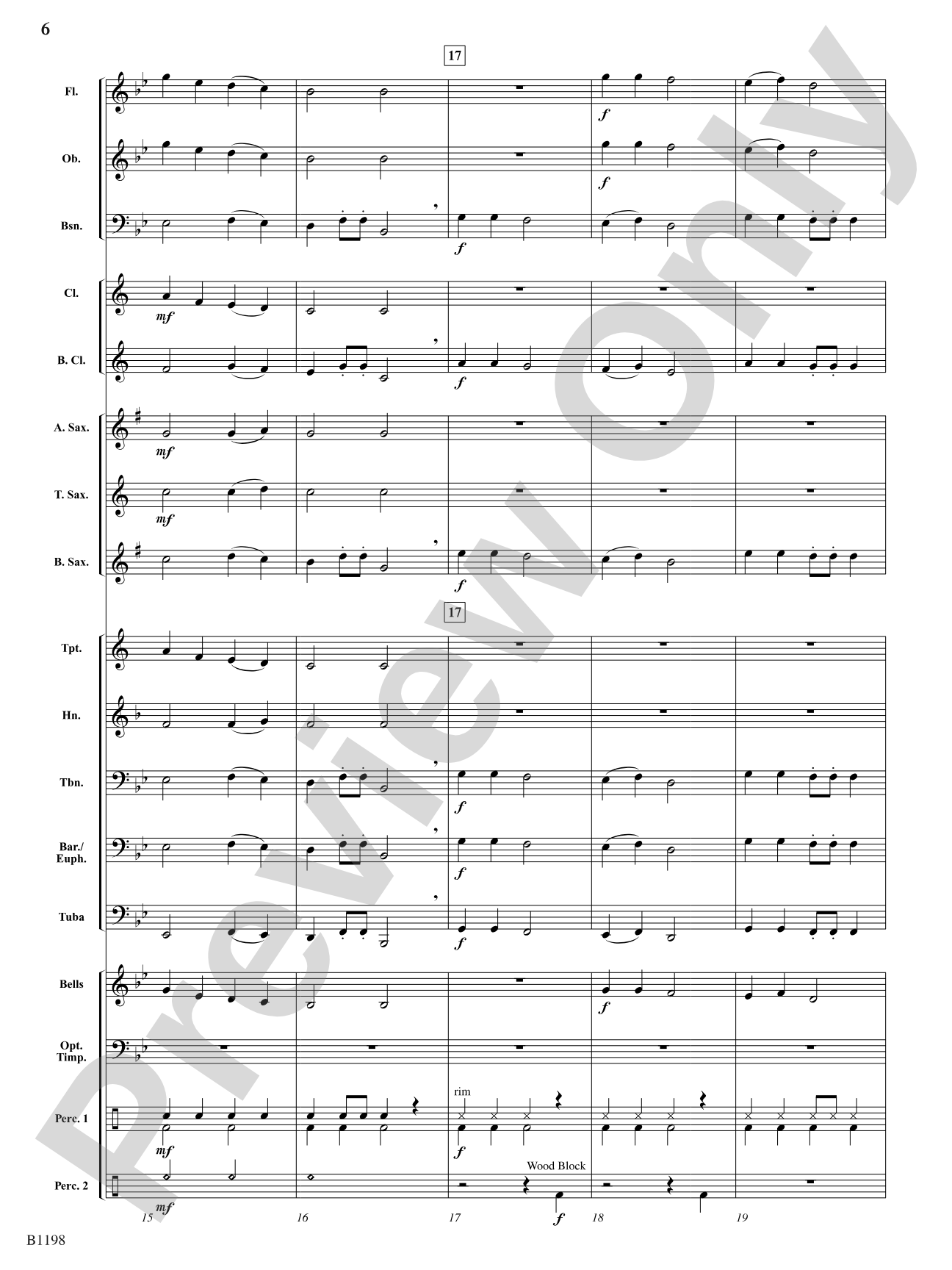
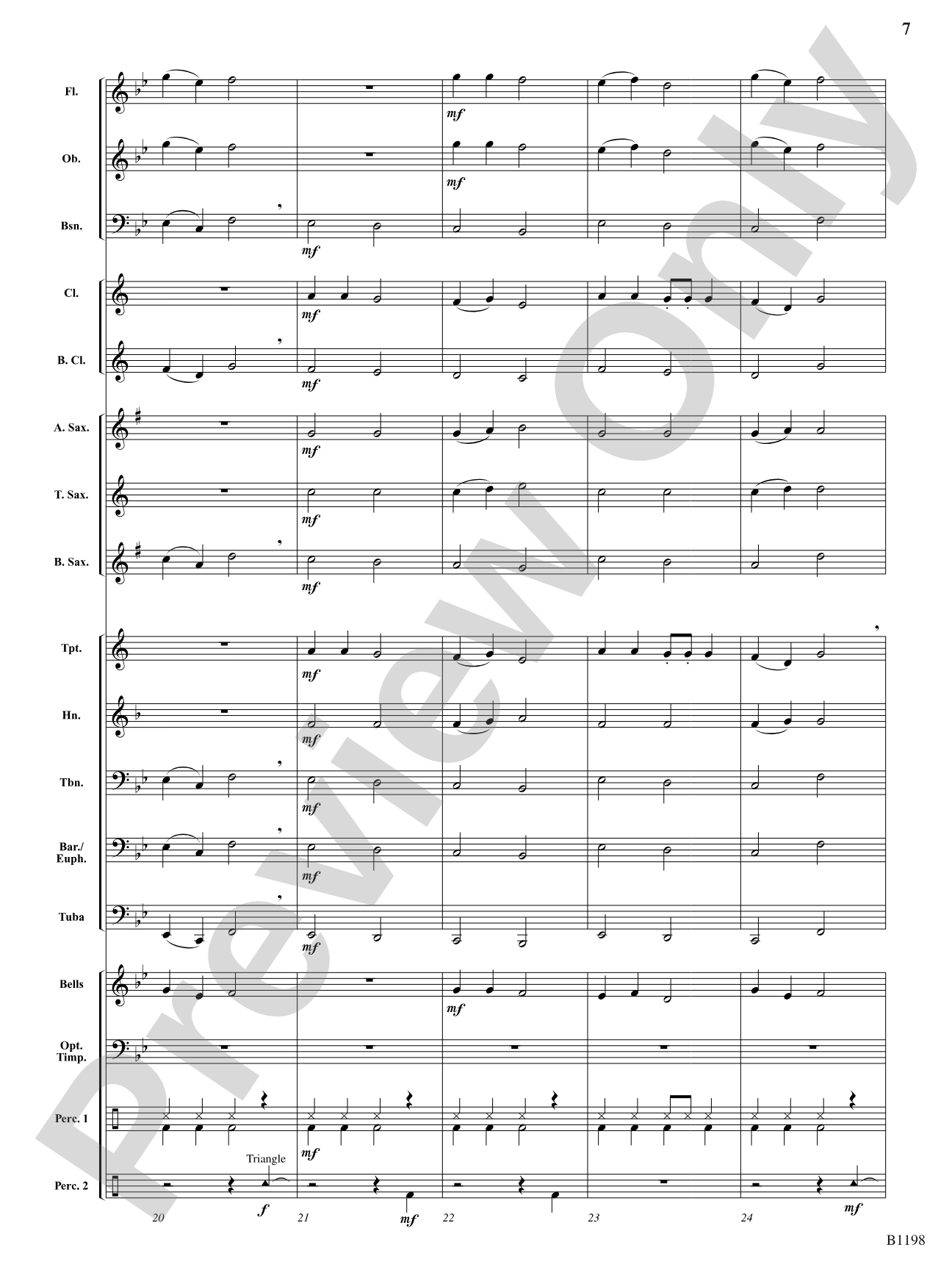
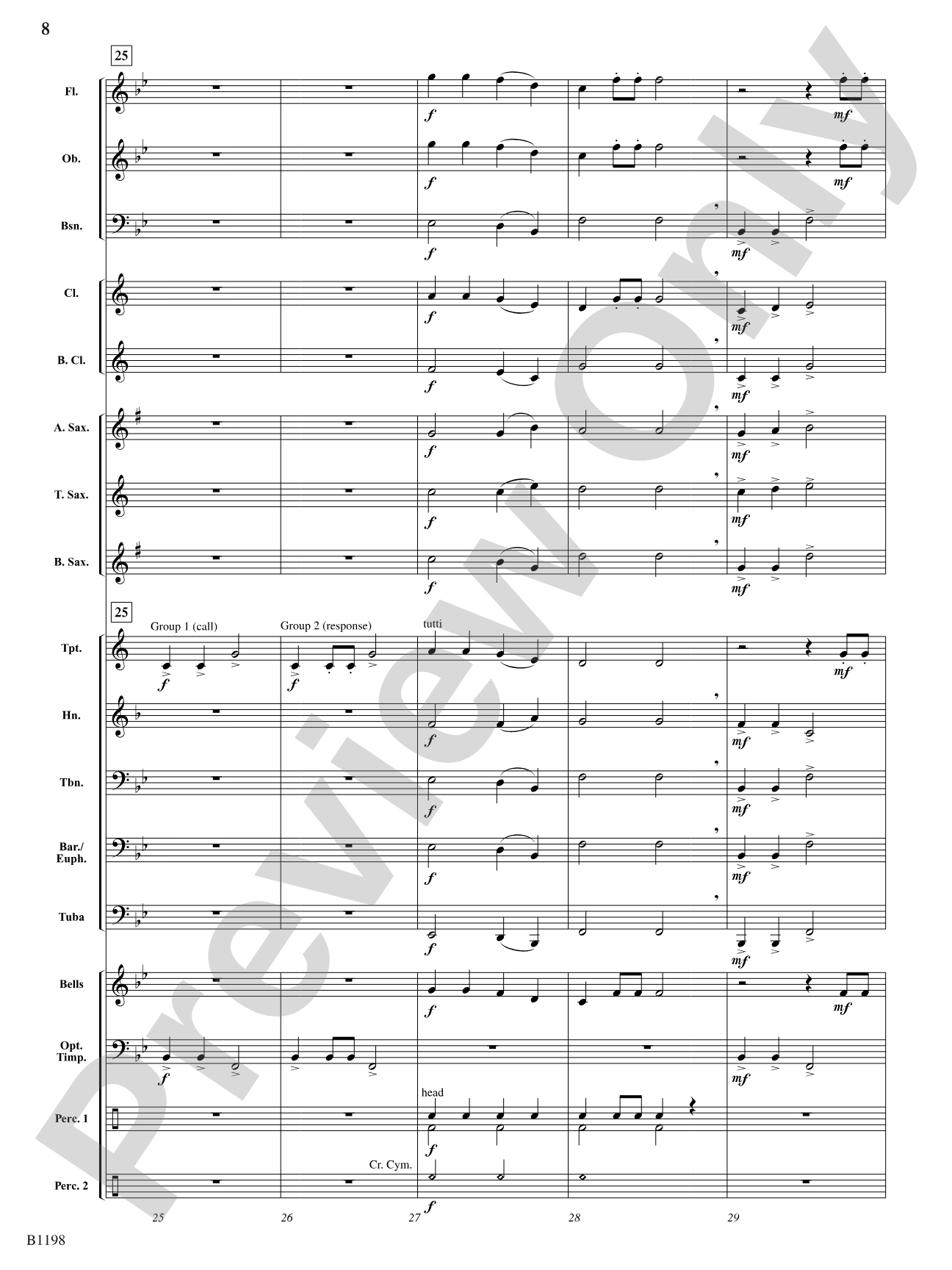
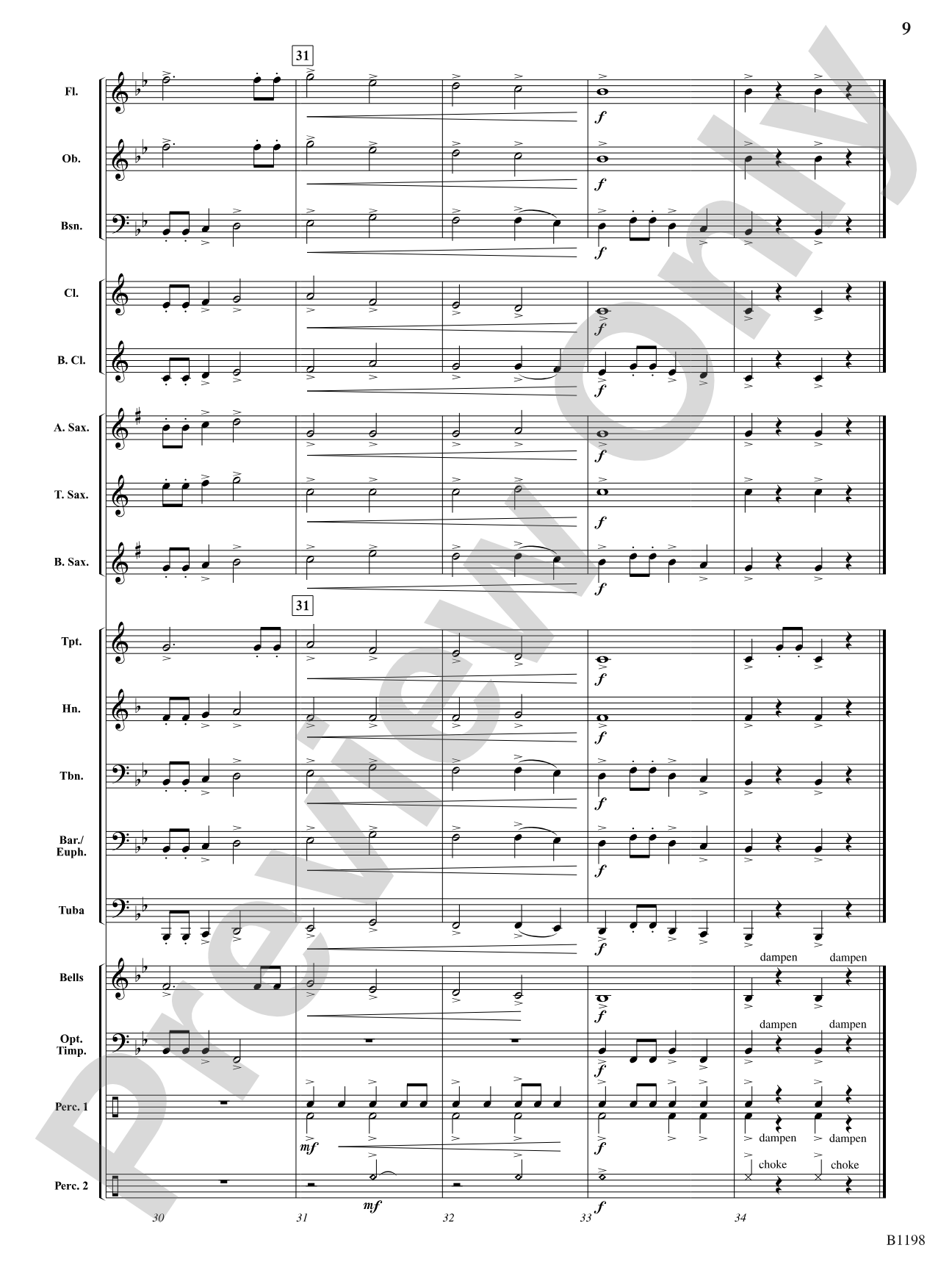
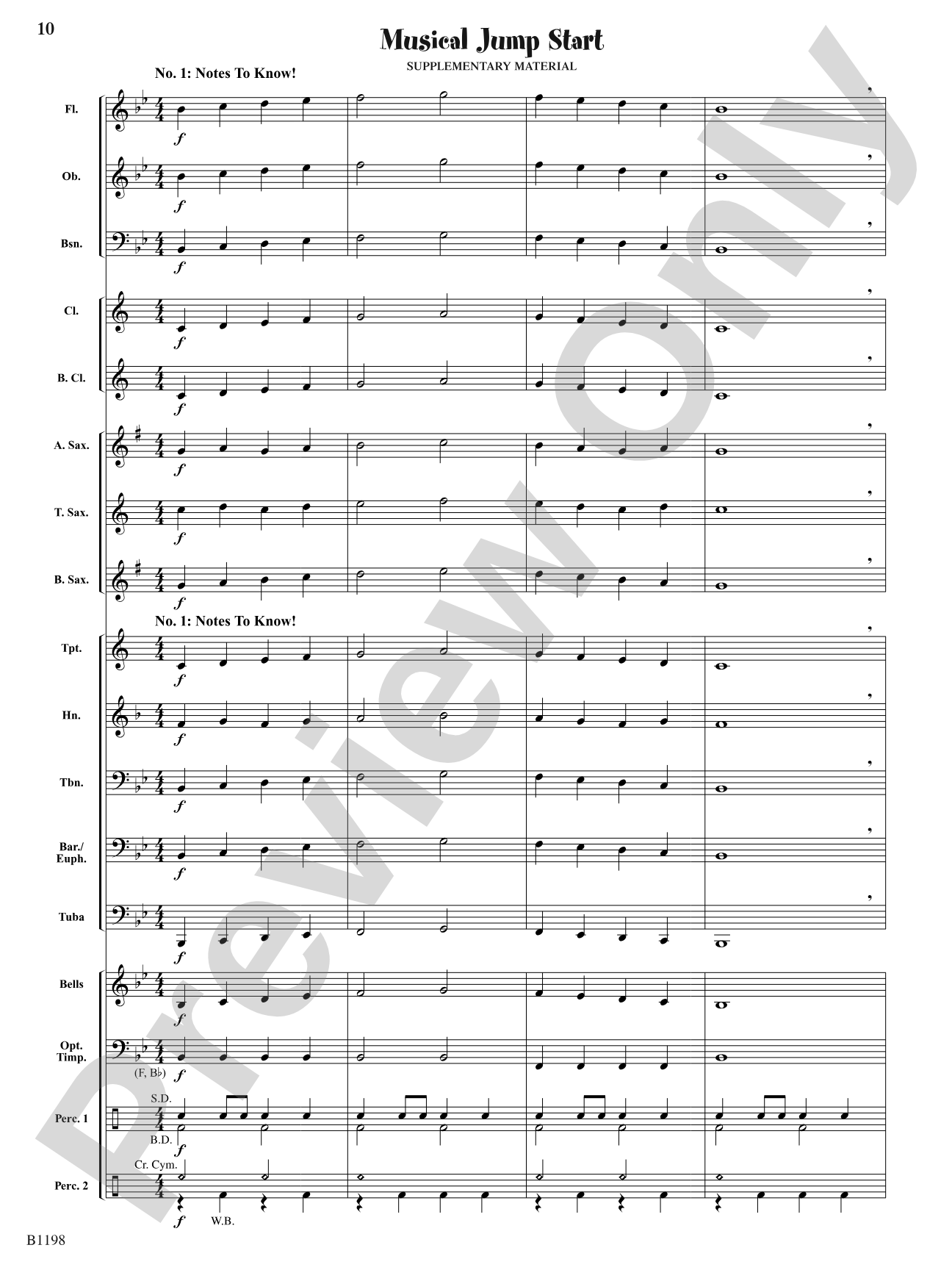
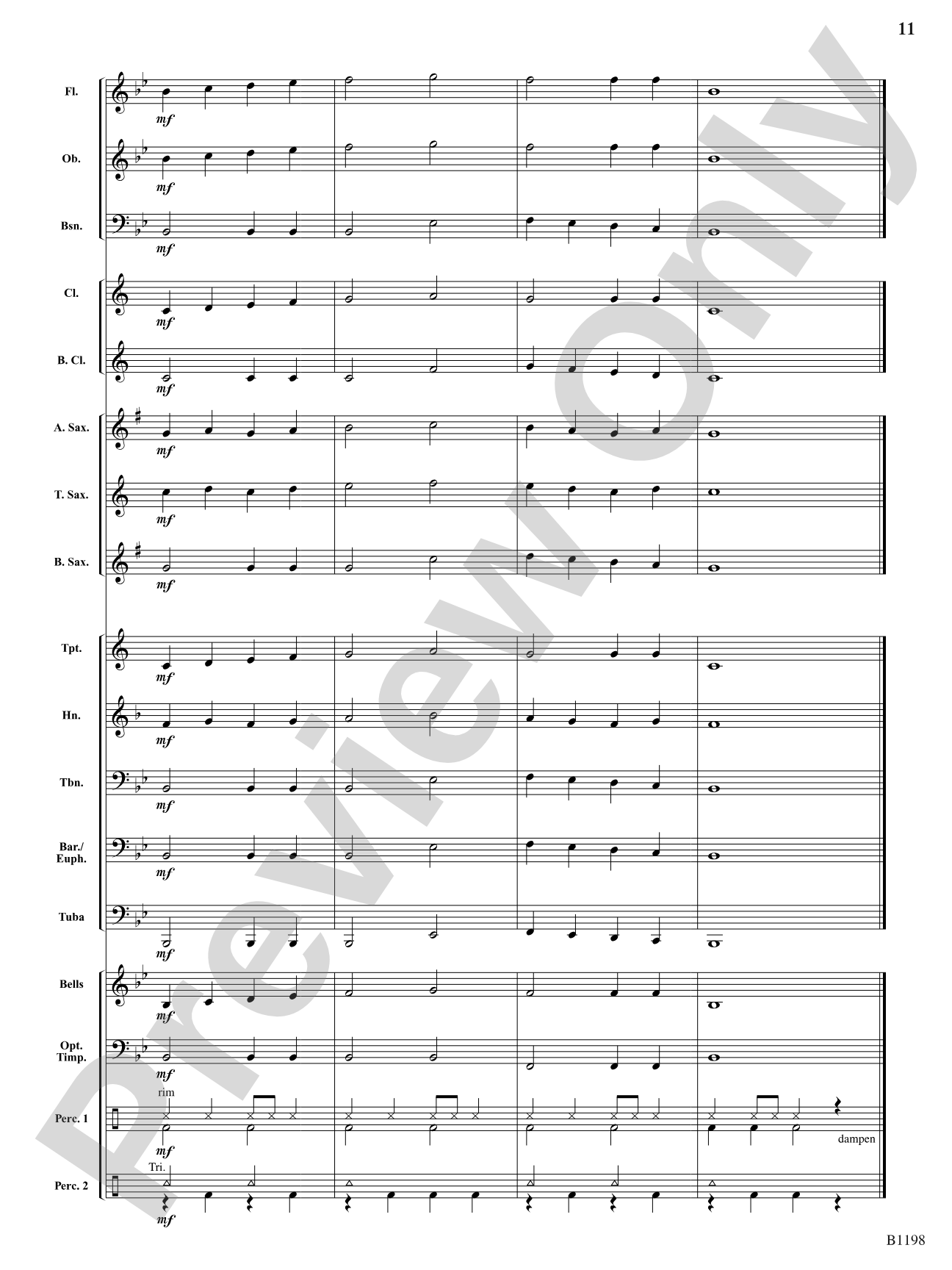
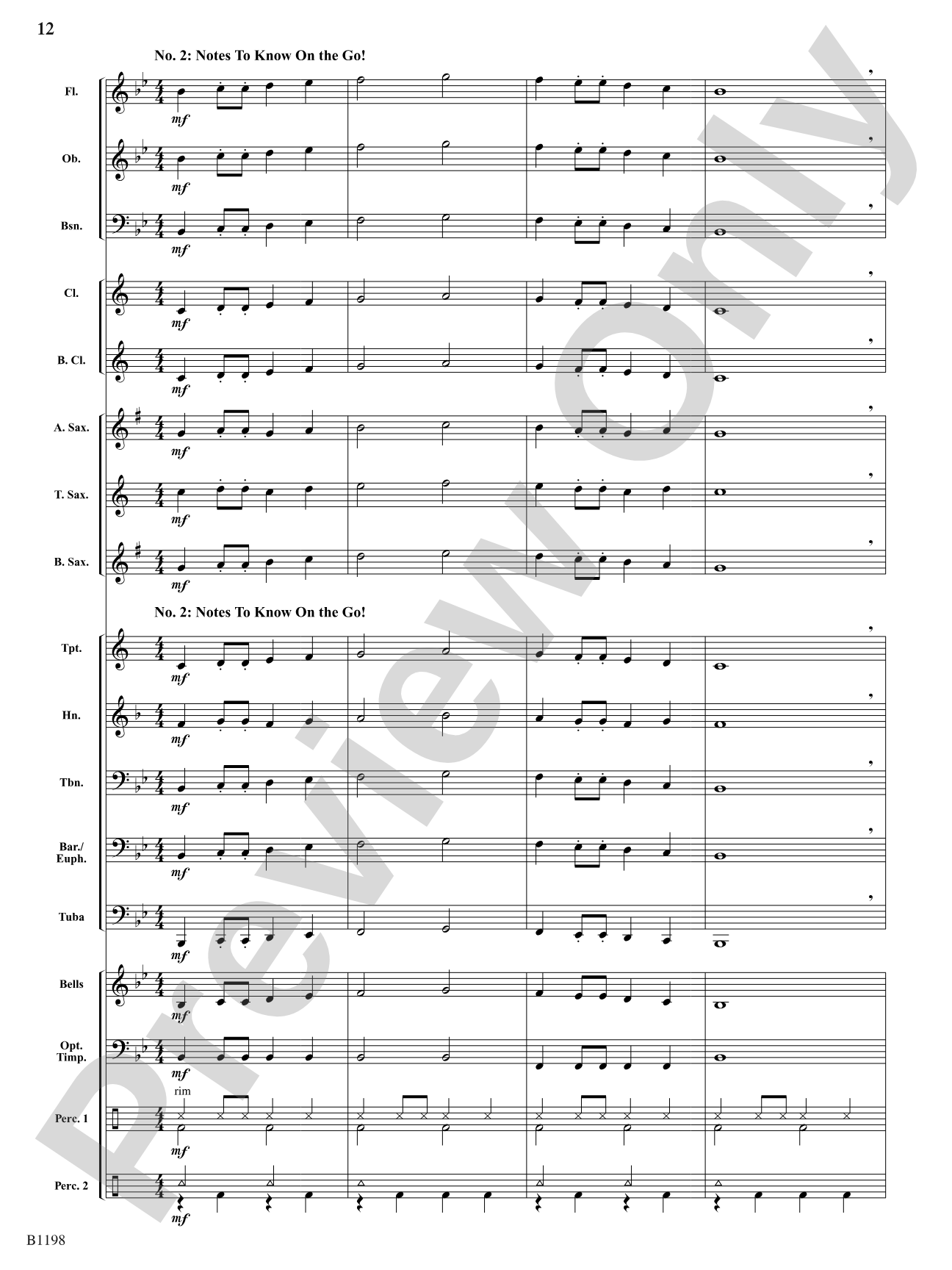
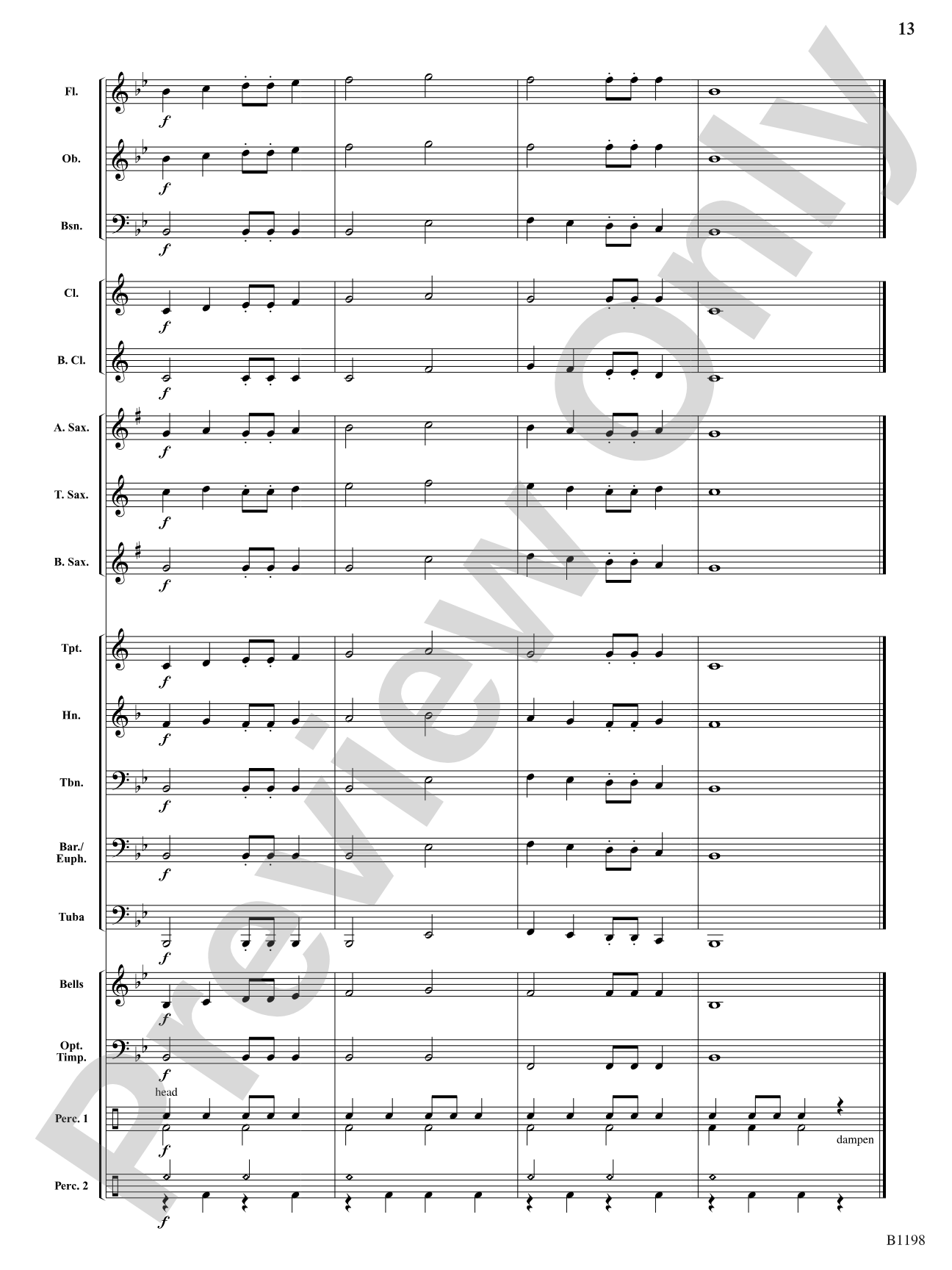
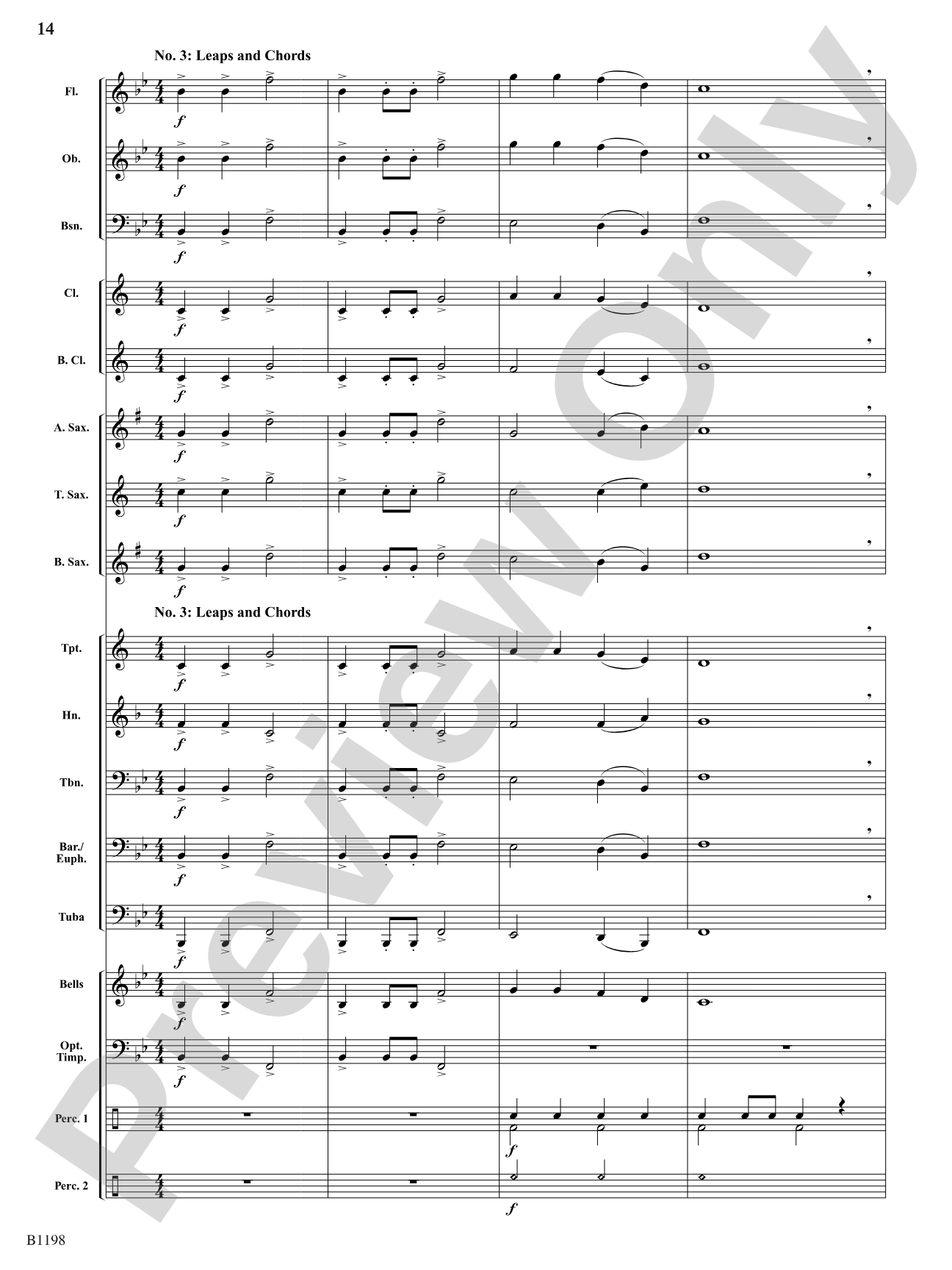
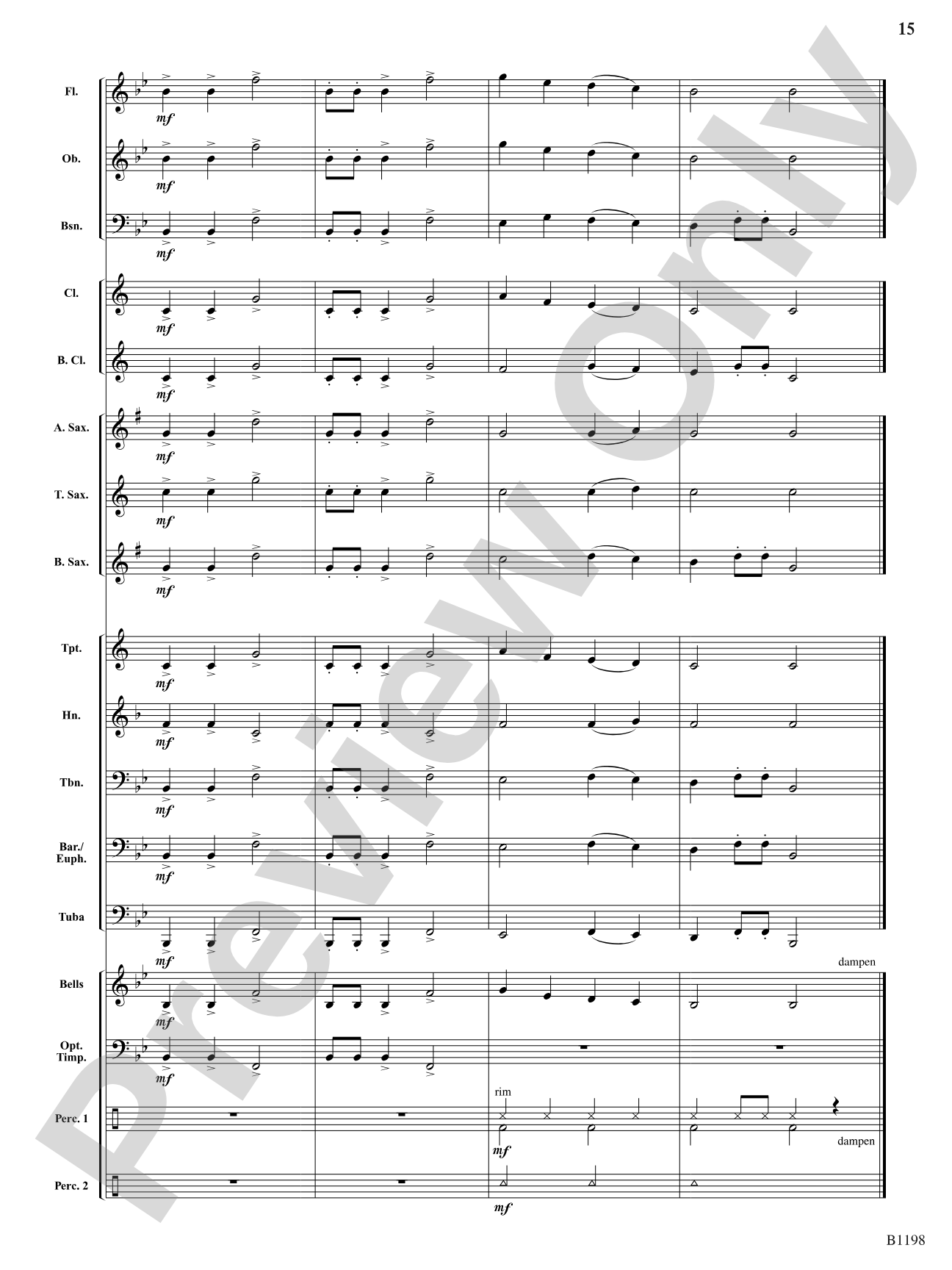
This innovative trumpet feature gives you the unique option of using two groups of antiphonal trumpets set up on either side of the band. All instruments use just six notes in this excellent opener or trumpet feature for your next concert. The piece uses only two dynamic levels and helps you teach accents and staccatos. For added visual splendor, consider having your "trumpeteers" hang colorful pennants from their instruments. Very easy.


Court of the Noble Trumpeteers: Concert Band Conductor Score & Parts isn't in MakeMusic Cloud just yet...but it could be. Let us know you'd like to see it, and you'll help shape what comes next. In the meantime, start a free trial and dive into thousands of interactive titles your students can play along with today.
Request This Title
Tell us you want it.
Start Your Free Trial
Explore everything that's ready to play right now.
Sample Audio
1
Audio File
--:--
0:00
0:00
Sample Video
No sample videos found.
Additional Details
Series:
FJH Starter Series
Publisher:
The FJH Music Company, Inc.
SKU:
98-DB1198
More about this title
About the Composer: Timothy Loest

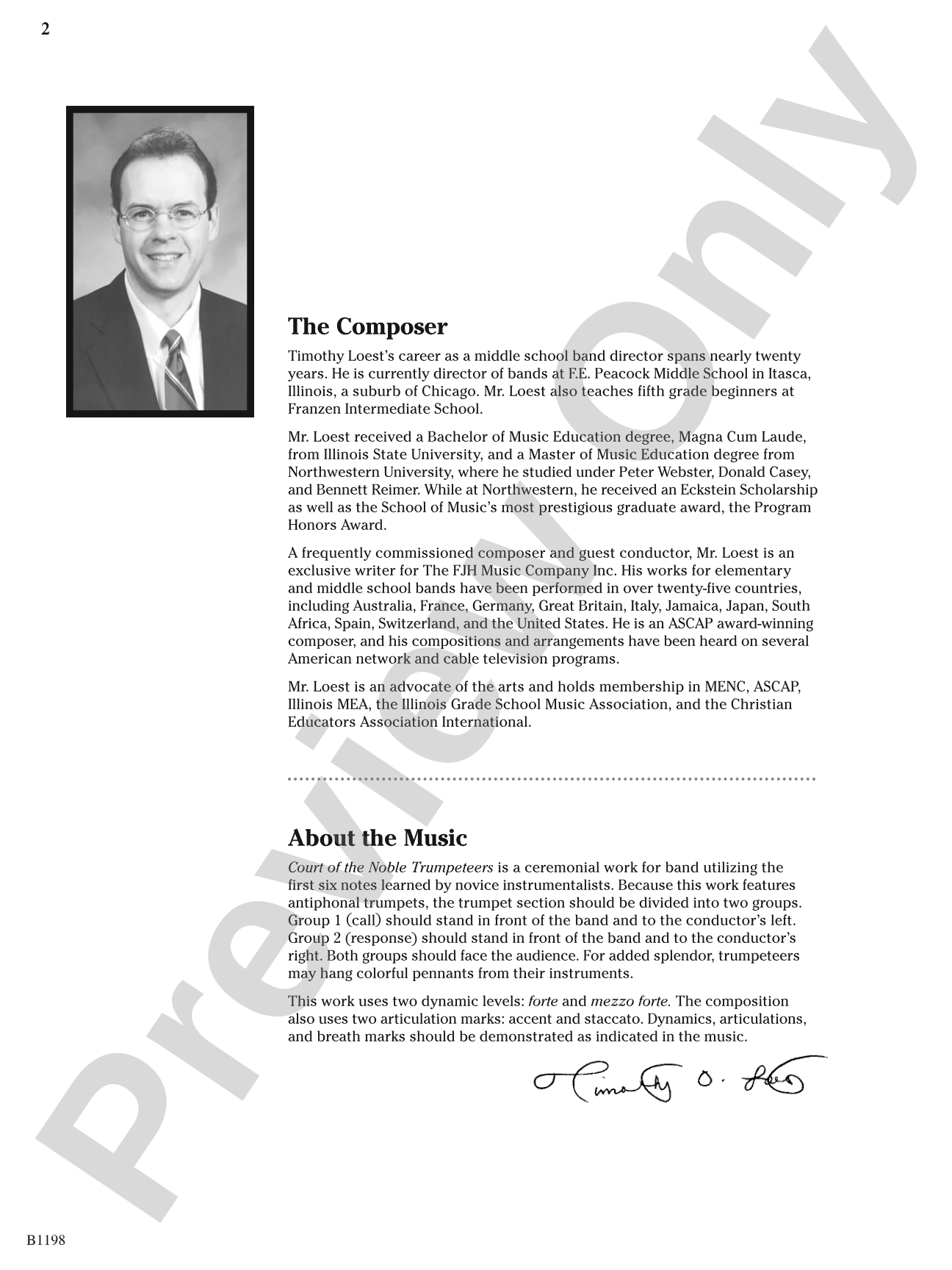
Timothy Loest has shaped young band programs across the country through compositions that balance accessibility with genuine musical value. His work has reached audiences far beyond the concert hall; pieces bearing his name have been performed on network television, including The Tonight Show Starring Jimmy Fallon and Good Morning America, while his 2017 composition Cloud Gate drew over 5,000 listeners at Chicago's Millennium Park. The Illinois Grade School Music Association honored him with the Cloyd Myers Memorial Award for Excellence in Music Education that same year.
With three decades of classroom experience at F.E. Peacock Middle School in Itasca, Illinois, Loest brings deep pedagogical insight to every score he writes. He has collaborated with major publishers including C.L. Barnhouse Company, FJH Music Company, and MakeMusic Publications, and founded Fanfare Music Press in 2022 to champion quality compositions for band. His methods including Measures of Success and Warm-ups and Beyond have become standards in instrumental music education. Loest holds degrees in music education from Illinois State University and a master's degree from Northwestern University, and maintains membership in ASCAP.
Why we love this
This piece solves a real programming challenge: you need an opener that's genuinely engaging for young players and audiences alike, with a gimmick that's musical rather than gimmicky. The antiphonal trumpet setup transforms a simple six-note vocabulary into genuine spectacle, and Loest's choice to limit dynamics and focus on articulation means your section players get laser-focused teaching on the fundamentals that matter most at this level.
What to expect
Bright and processional, with a courtly pomp that comes from the back-and-forth call between your trumpet groups. The repeated six-note patterns create momentum and clarity, allowing younger players to feel the satisfaction of a tight, coordinated section sound without complex technical demands.
Who it's for
Beginning and early intermediate concert bands looking for a feature that rewards ensemble precision without overwhelming inexperienced soloists. The limited note vocabulary makes this accessible to sections that are still building range and technique, while the antiphonal setup keeps the audience engaged.
How to get the most out of it
- Set up your two trumpet groups deliberately on opposite sides of the stage or in the band. Even spacing matters; the antiphonal effect weakens if one group is too far forward or back.
- Lock the rhythm section early. With only six notes available, precision in tempo and pulse becomes the foundation everything else rests on.
- Shape your accents with intention. Since staccatos and accents are the primary expressive tools, brass players should hear the difference clearly in rehearsal before attempting it in performance.
- If you choose to add pennants, secure them so they don't interfere with mouthpiece contact or slide movement. A brief physical rehearsal prevents frustration during the actual performance.
How to use it
Launch your concert with this piece when you need a strong visual opener that grabs attention immediately. The novelty appeal and straightforward execution make it an excellent choice early in the season when you're building section confidence, or as an interlude between heavier repertoire at a mid-season performance.
Skills your students will build
- Articulation control (distinguishing accents from staccatos)
- Antiphonal ensemble listening and balance between spatially separated groups
- Rhythmic precision at varied tempos
- Stage awareness and synchronized entrances across distance