Countdown to Christmas Cover Image

Countdown to Christmas: SAB Choral Octavo

$2.30 USD
Sale price  $2.30 USD Regular price 
Skip to product information
Countdown to Christmas Cover Image

Countdown to Christmas: SAB Choral Octavo

Words by Deborah Craig-Claar, music from "March of the Toys" by Victor Herbert / arr. Mark Hayes

Item: 00-48928

makemusic Cloud badge

Need it now?

Buy Digital Version
$2.30
Shipped

One moment…

Description
Presenting Victor Herbert's instantly recognizable "March of the Toys" with all-new hilarious lyrics! This festive feature reads like a wacky to-do list of holiday preparations with non-stop punchlines from the choir and a couple cameo soloists. Your fullest sounds, brightest faces, and biggest personalities are on full display with this theatrical celebration of the season. Get ready to giggle when handheld percussion instruments and sound effects (played by choristers) introduce a parade of unwanted out-of-town guests. It's a crazy cast of characters and Christmas chaos straight out of a comedic holiday movie. Mark Hayes provides a showy piano reduction and a grand orchestration (on the SoundTrax or SoundPax) from fanfare to finish. Visit to download free staging suggestions: alfred.com/countdownstaging

Don't just read it, hear it, play along with it, and watch your students grow with it. In MakeMusic Cloud, Countdown to Christmas: SAB Choral Octavo comes alive with professional accompaniment, adjustable tempo, and built-in practice tools that turn solo practice into real progress.

Sample Pages

Sample Audio
0:00
0:00
Sample Video
Additional Details
Series: Alfred Choral Designs
Publisher: Alfred Music
Page Count: 20
UPC: 038081562520
SKU: 00-48928

More about this title

About the Arranger: Mark Hayes
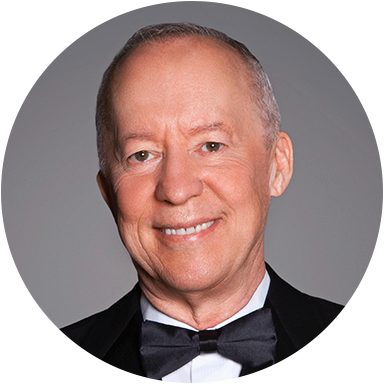
Mark Hayes

Mark Hayes brings three decades of prolific output to choral music, with over 1,750 published compositions spanning concert works, theater scores, and sacred music. A summa cum laude graduate in piano performance from Baylor University, he has conducted at Lincoln Center, the National Cathedral, and Carnegie Hall, while his works have premiered internationally from Hong Kong to Rome.

Why we love this

Hayes transforms a beloved classical melody into pure theatrical gold here, layering in comedic lyrics and built-in chaos that keeps audiences laughing from the first cymbal crash to the final bow. The writing demands personality and precision in equal measure, turning your singers into confident comedians who own the stage.

What to expect

Imagine a parade of holiday mishaps set to a toe-tapping march, complete with sound effects, cameo performances, and enough comedic zingers to keep both audience and singers grinning. The energy builds from introduction through finale with the kind of contagious joy that fills a concert hall with laughter and applause.

Who it's for

Directors looking for a show-stopping choral feature that lands with general audiences and engages singers who thrive on theatrical delivery. This works equally well for community choirs and school ensembles comfortable with comedy and choreographic elements.

How to get the most out of it

  • Commit fully to the comedic timing; the lyrics and sound effects land hardest when choristers deliver lines with theatrical confidence rather than shy restraint.
  • Use the handheld percussion and sound effects as characters themselves. Brief rehearsal time spent nailing cues for these moments pays enormous dividends in performance clarity.
  • Build contrast between the ensemble passages and soloists by isolating solo sections in rehearsal to ensure they cut through the orchestration without forcing the vocalist's technique.

How to use it

Anchor a winter concert as your closing number or second-to-last piece, where the comedic release and theatrical payoff send audiences out on a high. The piece thrives in casual concert settings, pops concerts, and holiday specials where mood and humor matter as much as musical polish.

Skills your students will build

  • Rhythmic precision in comedic delivery and syncopated ensemble figures
  • Projection and articulation across contrasting dynamics without strain
  • Coordination between vocal parts, soloists, and instrumental cues
  • Theatrical presence and confidence in character-driven performance
  • Quick scene changes and spatial awareness for staged ensemble work

You May Also Like
