

Corelli: Twenty-Four Pieces: Piano Book
By Arcangelo Corelli
Item: 00-PK-0002817

$12.99
Pickup currently not available
Buy Extra Parts (Digital PDF Download)
| Product | Price | Quantity |
|---|---|---|
| Corelli: Twenty-Four Pieces | $0.99 | |
| Corelli: Twenty-Four Pieces | $0.99 | |
| Corelli: Twenty-Four Pieces | $0.99 | |
| Corelli: Twenty-Four Pieces | $0.99 | |
| Corelli: Twenty-Four Pieces | $0.99 | |
| Corelli: Twenty-Four Pieces | $0.99 | |
| Corelli: Twenty-Four Pieces | $0.99 | |
| Corelli: Twenty-Four Pieces | $0.99 | |
| Corelli: Twenty-Four Pieces | $0.99 | |
| Corelli: Twenty-Four Pieces | $0.99 | |
| Corelli: Twenty-Four Pieces | $0.99 | |
| Corelli: Twenty-Four Pieces | $0.99 | |
| Corelli: Twenty-Four Pieces | $0.99 | |
| Corelli: Twenty-Four Pieces | $0.99 | |
| Corelli: Twenty-Four Pieces | $0.99 | |
| Corelli: Twenty-Four Pieces | $0.99 | |
| Corelli: Twenty-Four Pieces | $0.99 | |
| Corelli: Twenty-Four Pieces | $0.99 | |
| Corelli: Twenty-Four Pieces | $0.99 | |
| Corelli: Twenty-Four Pieces | $0.99 | |
| Corelli: Twenty-Four Pieces | $0.99 | |
| Corelli: Twenty-Four Pieces | $0.99 | |
| Corelli: Twenty-Four Pieces | $0.99 | |
| Corelli: Twenty-Four Pieces | $0.99 |
Parts Added to Cart!
Related Items
Twenty-Four Pieces: Piano Book |
$12.99
|
View |
Description
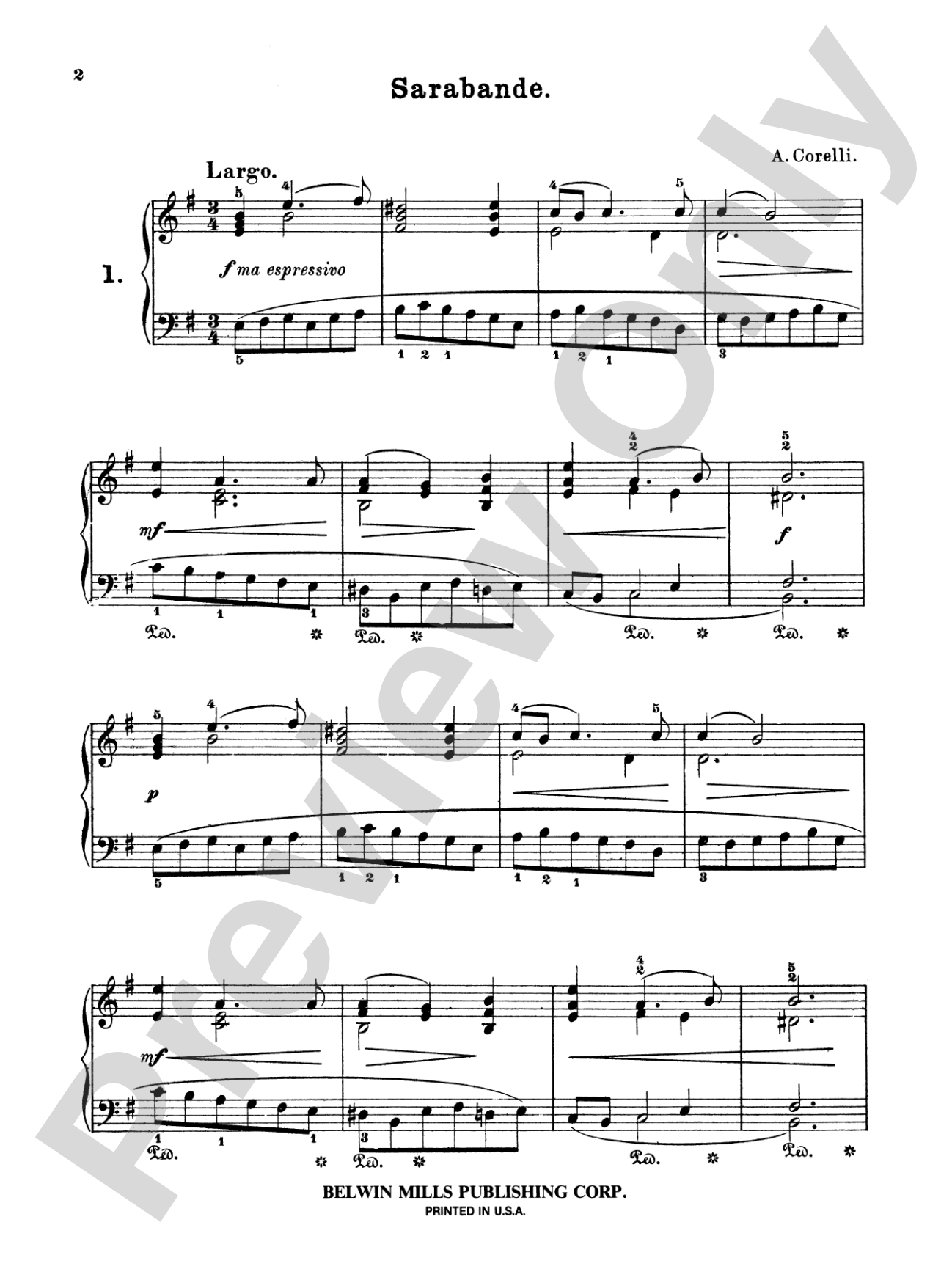
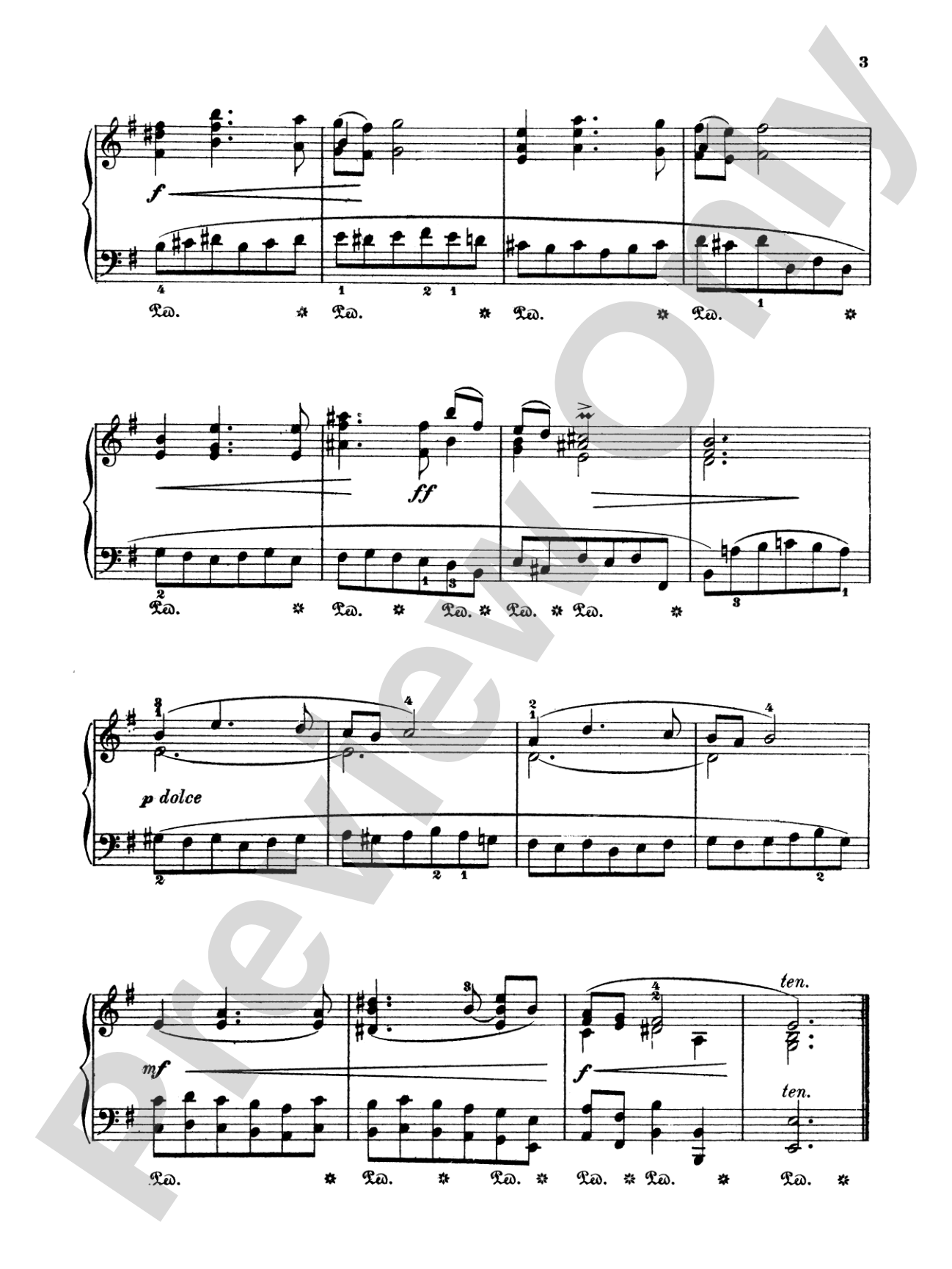
Arcangelo Corelli (1653--1713) was an Italian violinist and composer of Baroque music. This collection of 24 pieces for keyboard includes: Adagio in B minor * Adagio in D minor * Allegro in B major * Allegro in D major * Corrente in F major * Corrente in F major * Folies d'Espagne in D major * Gavotte in A major * Gavotte in A major * Gavotte in B major * Gavotte in B minor * Gavotte in E major * Gavotte in G major * Gigue in A major * Largo in D major * Menuett in C major * Praludium in E major * Praludium in E minor * Praludium in E minor * Sarabande in B major * Sarabande in D minor * Sarabande in E minor * Sarabande in F major.


Don't just read it, hear it, play along with it, and watch your students grow with it. In MakeMusic Cloud, Corelli: Twenty-Four Pieces: Piano Book comes alive with professional accompaniment, adjustable tempo, and built-in practice tools that turn solo practice into real progress.
Open in the Player
Jump straight in and assign it today.
Start Your Free Trial
Open this title and explore the full library in minutes.
Sample Audio
No sample audio found.
Sample Video
No sample videos found.
Additional Details
Series:
Kalmus Edition
Publisher:
Alfred Music
Page Count:
60
SKU:
00-PK-0002817
More about this title
About the Composer: Arcangelo Corelli
Arcangelo Corelli (1653, 1713) fundamentally shaped the violin as a concert instrument and established many of the performance practices that defined Baroque music. His twelve concerti grossi and twelve sonatas became the foundation of instrumental technique for generations, and his influence extended well beyond Italy into the musical centers of Europe. For keyboard players, his works offer direct access to the compositional language of the High Baroque, written with the clarity and structural elegance that made him one of the most respected figures of his time.
Corelli's keyboard pieces distill his mastery of melody and harmonic progression into manageable forms. These 24 pieces span the dance suite tradition and the expressive territories of the adagio, giving pianists the chance to work through the essential musical vocabulary of the late 17th century. His writing is never gratuitous; every note serves the architecture of the phrase.
Why we love this
This collection offers students and teachers a curated view of Baroque keyboard writing at its most refined. The variety of dance forms and character pieces provides accessible entry points into genuine Baroque style without requiring advanced technical facility, making it ideal for pianists working through intermediate repertoire alongside more challenging works.
What to expect
These pieces capture the elegance and restraint characteristic of late Baroque keyboard writing. Dance forms move with courtly grace while intimate Adagios and Largo passages reveal a gift for cantabile writing, each piece maintaining a clear sense of structure and purpose without unnecessary ornamentation.
Who it's for
Intermediate pianists seeking exposure to authentic Baroque keyboard repertoire will find these pieces rewarding both musically and technically. Students preparing for university entrance exams or music history courses benefit from studying pieces that represent a major composer's work across multiple forms. Teachers building comprehensive Baroque units appreciate having a single source with enough variety to explore different character and structural types.
How to get the most out of it
- Shape each phrase with a gentle arc rather than strict evenness; Baroque melody thrives on subtle emphasis at strategic points within the line.
- Allow the ornaments (particularly in the Gavottes and Praludiums) to breathe naturally rather than executing them as quick afterthoughts; they are integral to the melodic design.
- Pay attention to the harmonic rhythm in the Sarabandes and Adagios, where slower-moving bass lines support the melodic voice and deserve clarity in touch.
- Experiment with tempo relationships between repeated sections; a slight flexibility often brings out the structural coherence Corelli built into these forms.
How to use it
Pair these works with violin or string ensemble versions of Corelli's music to show students how the same composer adapted material across instrumental families. Individual pieces work well as recital material for intermediate students, or program several contrasting selections (an Adagio with a Gavotte, for instance) to demonstrate Baroque formal variety.
Skills your students will build
- Reading Baroque notation and ornamentation conventions
- Shaping long phrases with period-appropriate articulation and phrasing
- Understanding dance forms (Gavotte, Gigue, Sarabande, Corrente) through performance
- Balancing melodic expression with harmonic clarity in two-part writing
- Interpreting historically informed tempo and articulation choices