Corelli: Twenty-Four Pieces Sheet Music Preview

Corelli: Twenty-Four Pieces

By Arcangelo Corelli

Item: 00-PC-0004117

Digital Download
$0.99
Description
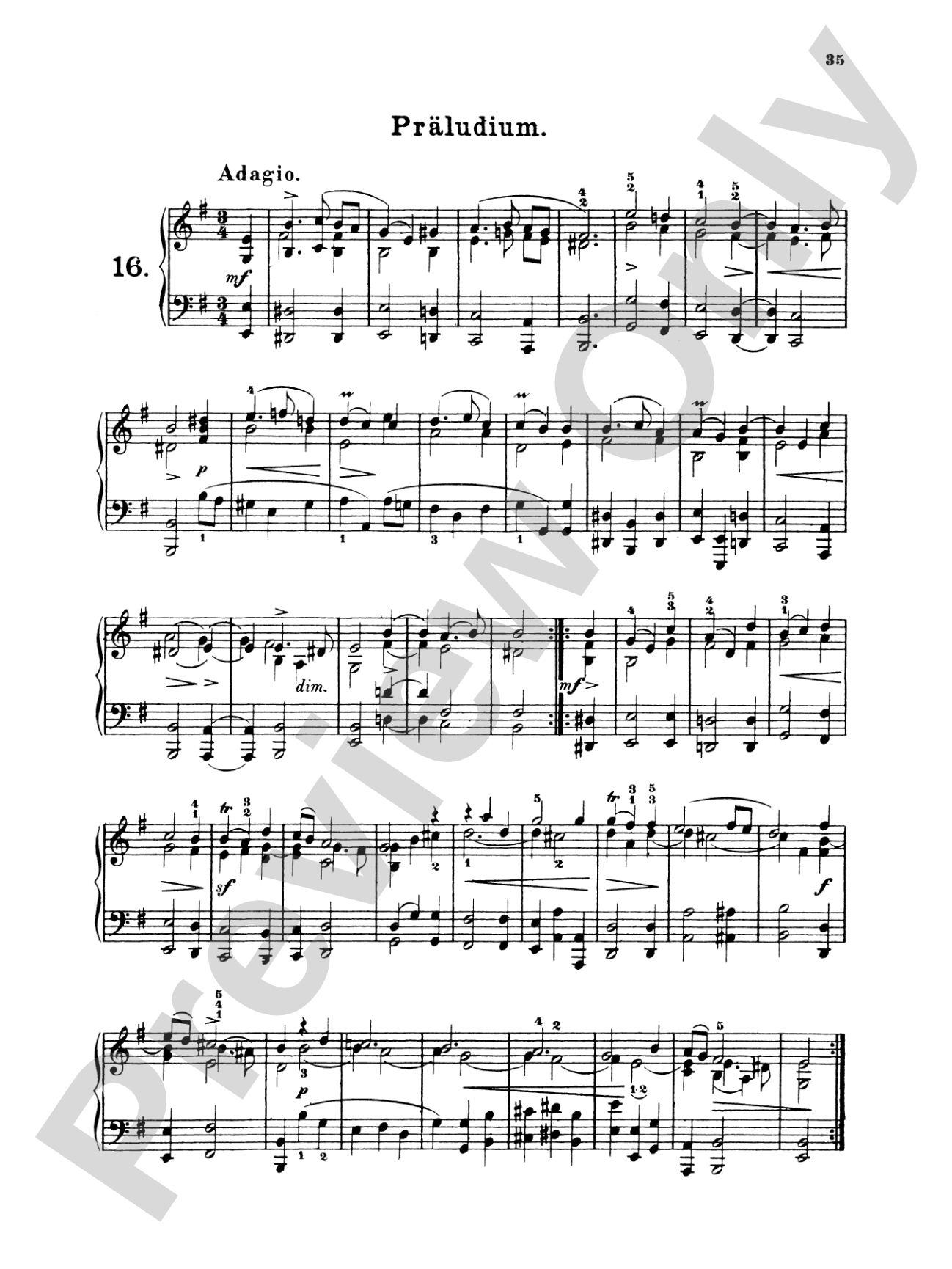
Arcangelo Corelli (1653--1713) was an Italian violinist and composer of Baroque music. This collection of 24 pieces for keyboard includes: Adagio in B minor * Adagio in D minor * Allegro in B major * Allegro in D major * Corrente in F major * Corrente in F major * Folies d'Espagne in D major * Gavotte in A major * Gavotte in A major * Gavotte in B major * Gavotte in B minor * Gavotte in E major * Gavotte in G major * Gigue in A major * Largo in D major * Menuett in C major * Praludium in E major * Praludium in E minor * Praludium in E minor * Sarabande in B major * Sarabande in D minor * Sarabande in E minor * Sarabande in F major.

Don't just read it, hear it, play along with it, and watch your students grow with it. In MakeMusic Cloud, Corelli: Twenty-Four Pieces comes alive with professional accompaniment, adjustable tempo, and built-in practice tools that turn solo practice into real progress.

Sample Audio
No sample audio found.
Sample Video
Additional Details
Series: Kalmus Edition
Publisher: Alfred Music
Page Count: 60
SKU: 00-PC-0004117

More about this title

About the Composer: Arcangelo Corelli

Arcangelo Corelli (1653–1713) stands as one of the most influential violinists and composers of the Baroque era. His work established conventions for violin playing and ensemble writing that shaped instrumental music for generations, and his compositional approach balanced technical display with elegant, singing melodic lines.

Corelli's keyboard pieces reveal a composer equally skilled in writing for instruments beyond the violin. These works showcase the structural clarity and harmonic sophistication that made his music essential study material for musicians of his time and continue to serve that function in music education today.

Why we love this

This collection offers students and teachers a curated view of Baroque keyboard writing at its most refined. The variety of dance forms and character pieces provides accessible entry points into genuine Baroque style without requiring advanced technical facility, making it ideal for pianists working through intermediate repertoire alongside more challenging works.

What to expect

These pieces capture the elegance and restraint characteristic of late Baroque keyboard writing. Dance forms move with courtly grace while intimate Adagios and Largo passages reveal a gift for cantabile writing, each piece maintaining a clear sense of structure and purpose without unnecessary ornamentation.

Who it's for

Intermediate pianists seeking exposure to authentic Baroque keyboard repertoire will find these pieces rewarding both musically and technically. Students preparing for university entrance exams or music history courses benefit from studying pieces that represent a major composer's work across multiple forms. Teachers building comprehensive Baroque units appreciate having a single source with enough variety to explore different character and structural types.

How to get the most out of it

  • Shape each phrase with a gentle arc rather than strict evenness; Baroque melody thrives on subtle emphasis at strategic points within the line.
  • Allow the ornaments (particularly in the Gavottes and Praludiums) to breathe naturally rather than executing them as quick afterthoughts; they are integral to the melodic design.
  • Pay attention to the harmonic rhythm in the Sarabandes and Adagios, where slower-moving bass lines support the melodic voice and deserve clarity in touch.
  • Experiment with tempo relationships between repeated sections; a slight flexibility often brings out the structural coherence Corelli built into these forms.

How to use it

Pair these works with violin or string ensemble versions of Corelli's music to show students how the same composer adapted material across instrumental families. Individual pieces work well as recital material for intermediate students, or program several contrasting selections (an Adagio with a Gavotte, for instance) to demonstrate Baroque formal variety.

Skills your students will build

  • Reading Baroque notation and ornamentation conventions
  • Shaping long phrases with period-appropriate articulation and phrasing
  • Understanding dance forms (Gavotte, Gigue, Sarabande, Corrente) through performance
  • Balancing melodic expression with harmonic clarity in two-part writing
  • Interpreting historically informed tempo and articulation choices

You May Also Like