
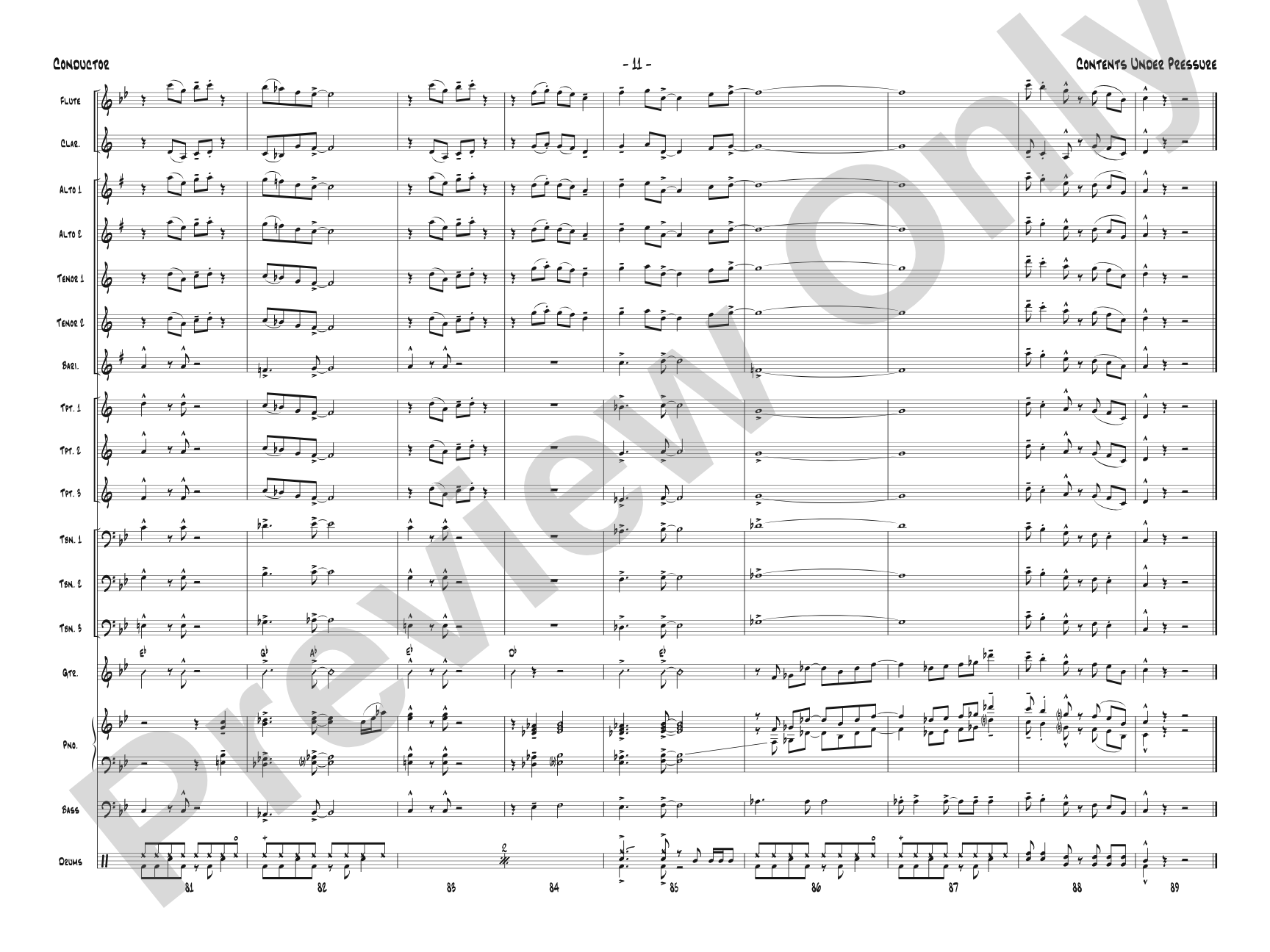

Contents Under Pressure: Jazz Ensemble Conductor Score & Parts
By Vince Gassi
Grade: 1 (Easy)
Item: 00-PK-0007228

$42.00
Pickup currently not available
Buy Extra Parts (Digital PDF Download)
Parts Added to Cart!
Related Items
Contents Under Pressure: Jazz Ensemble Conductor Score & Parts |
$42.00
|
View |
Description
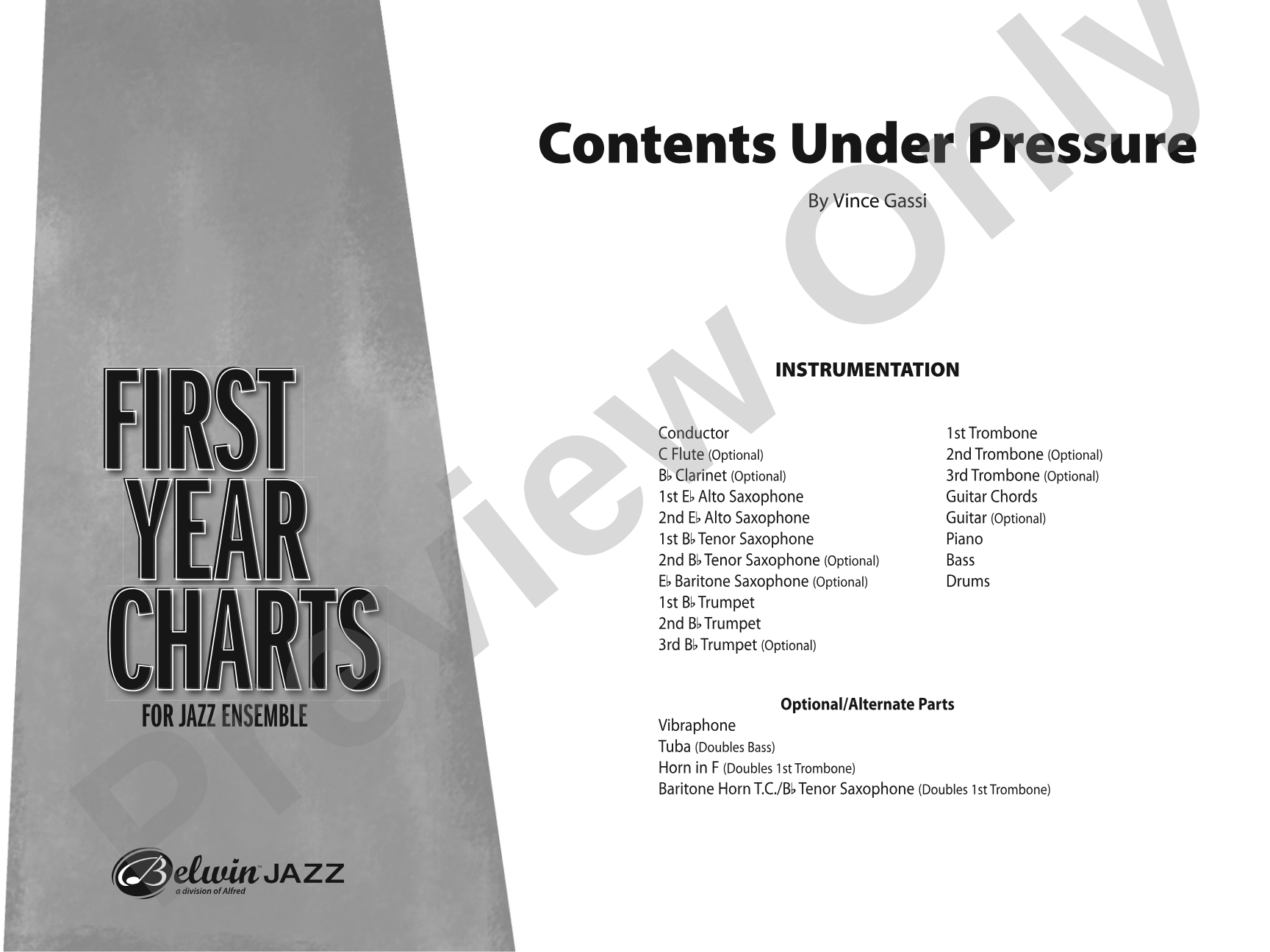
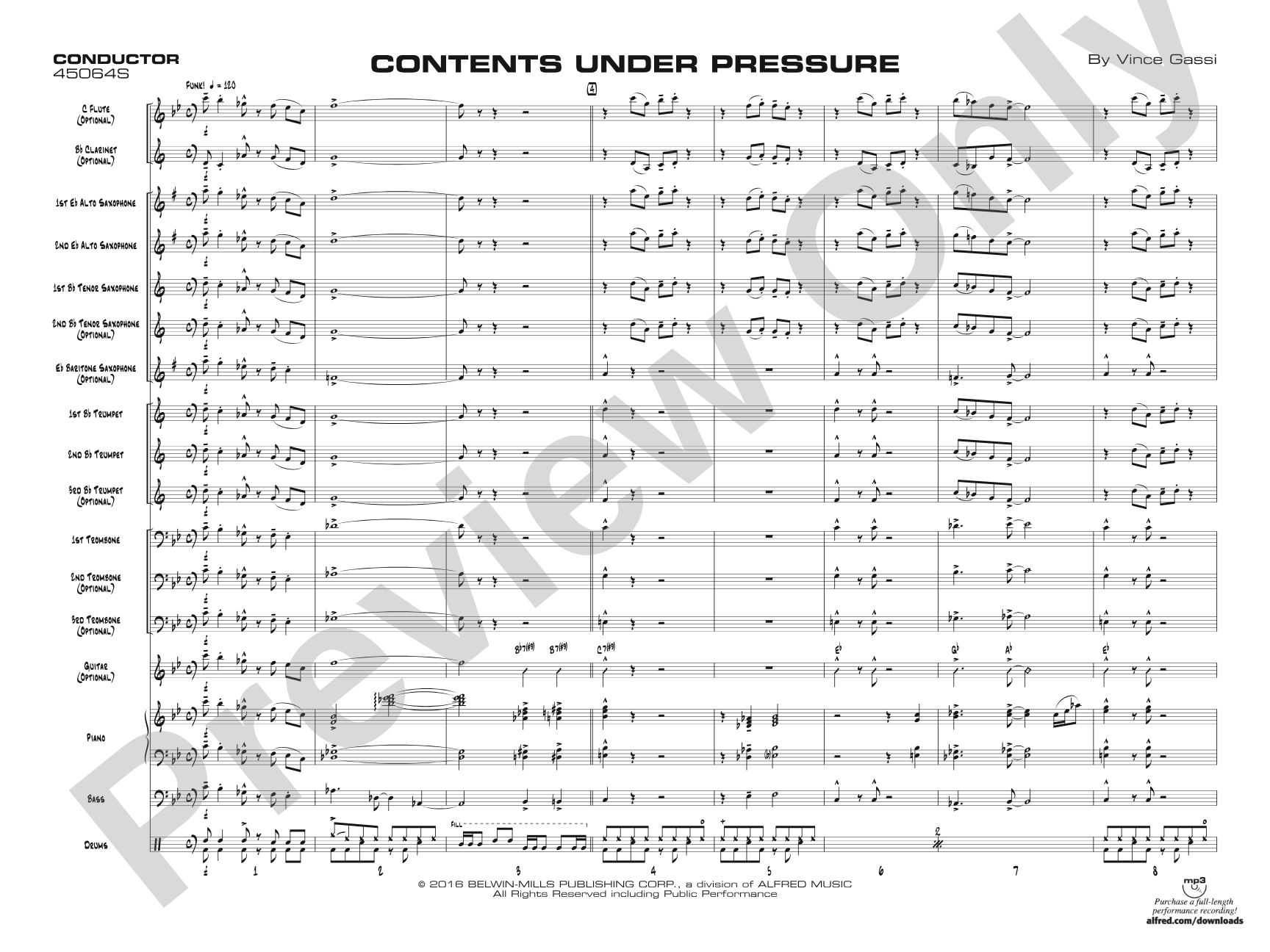
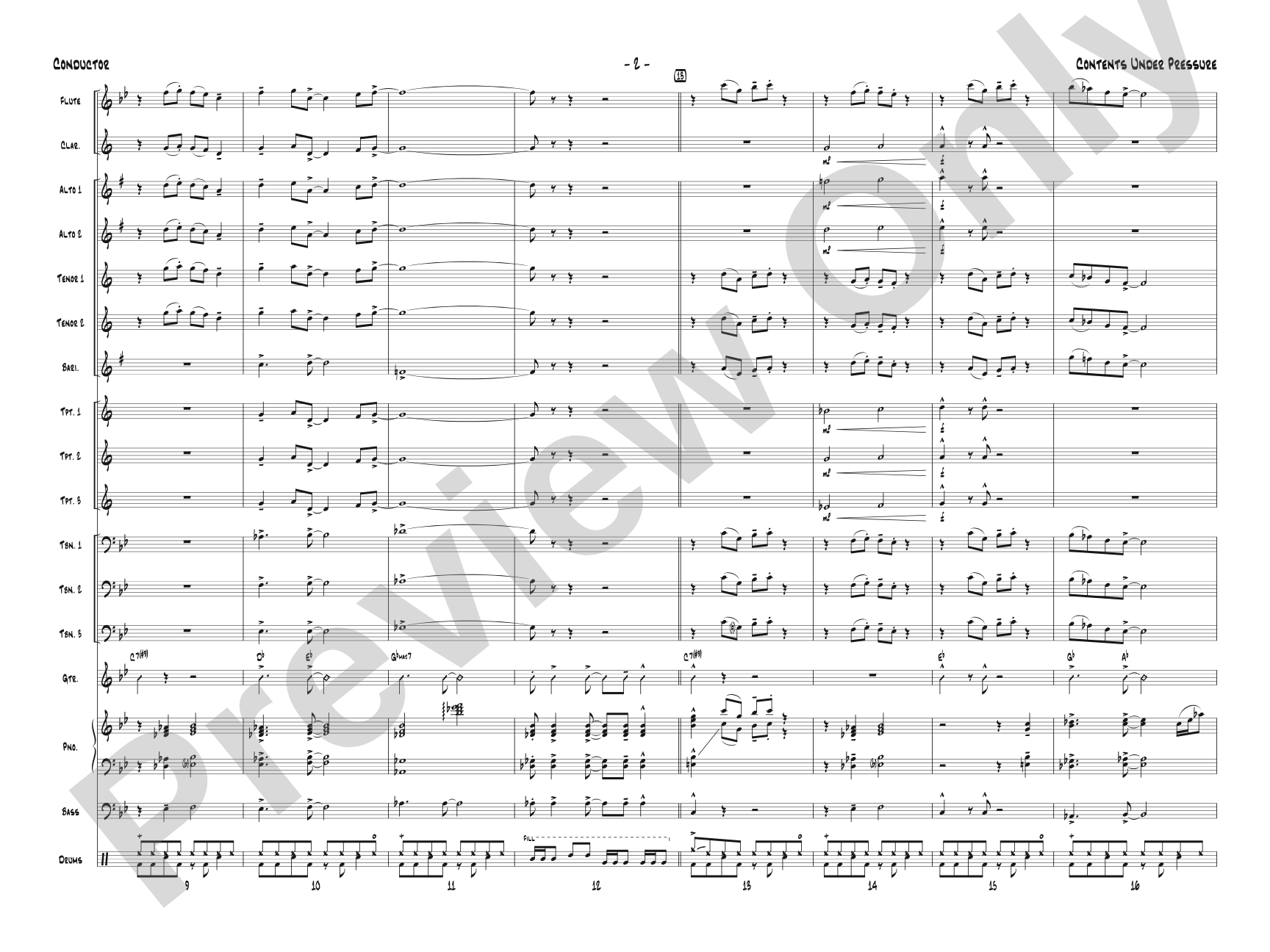
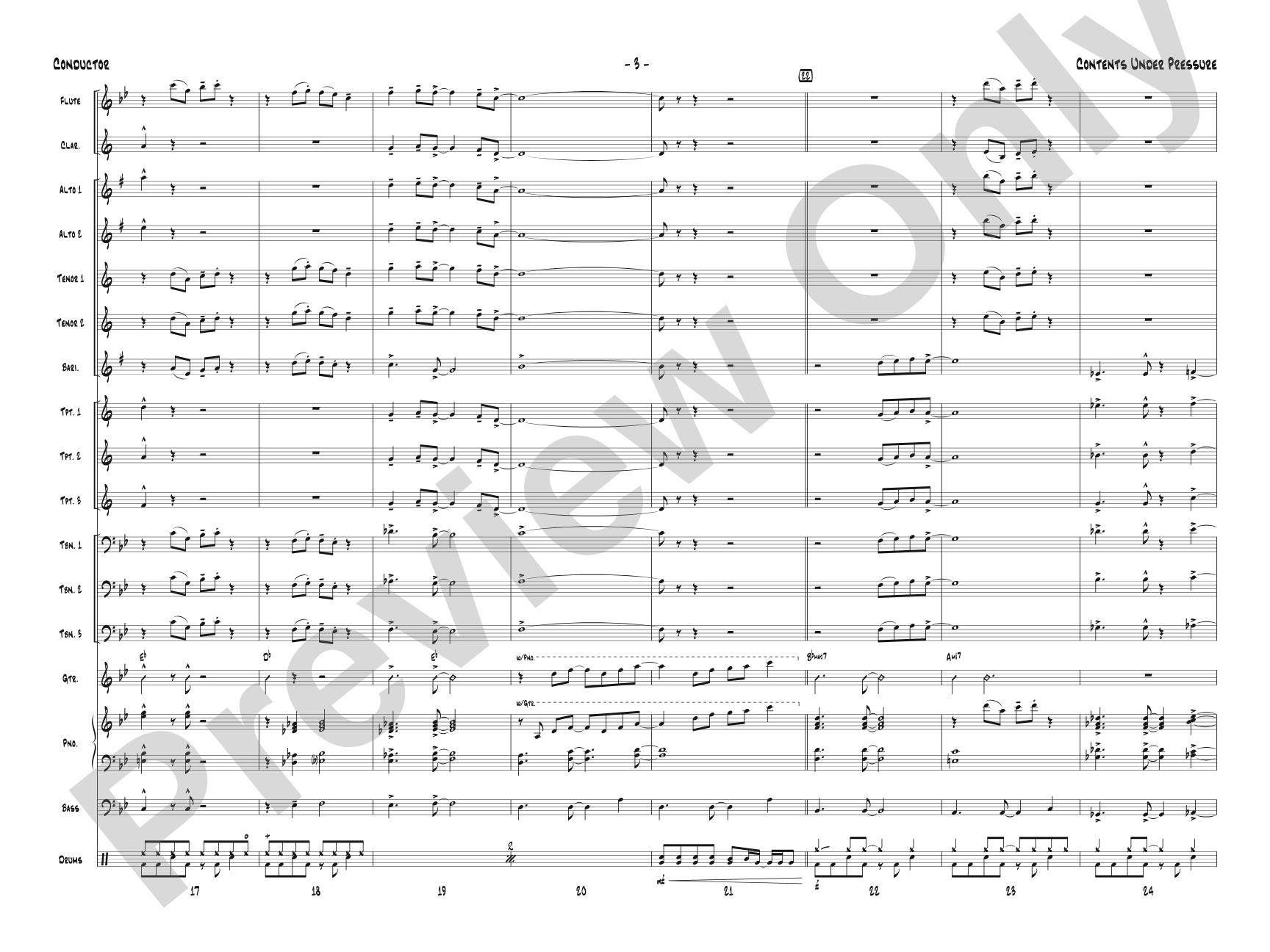
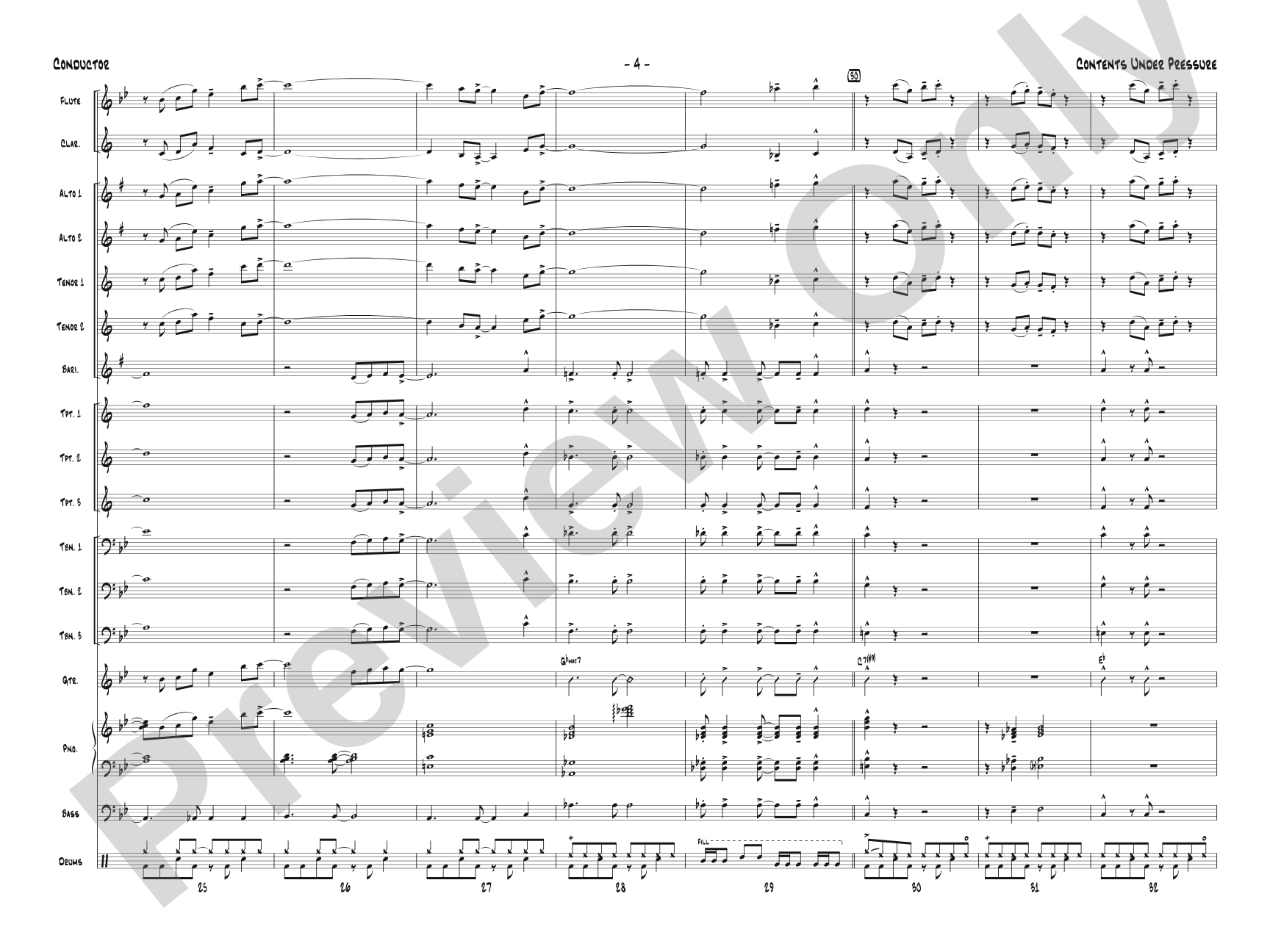
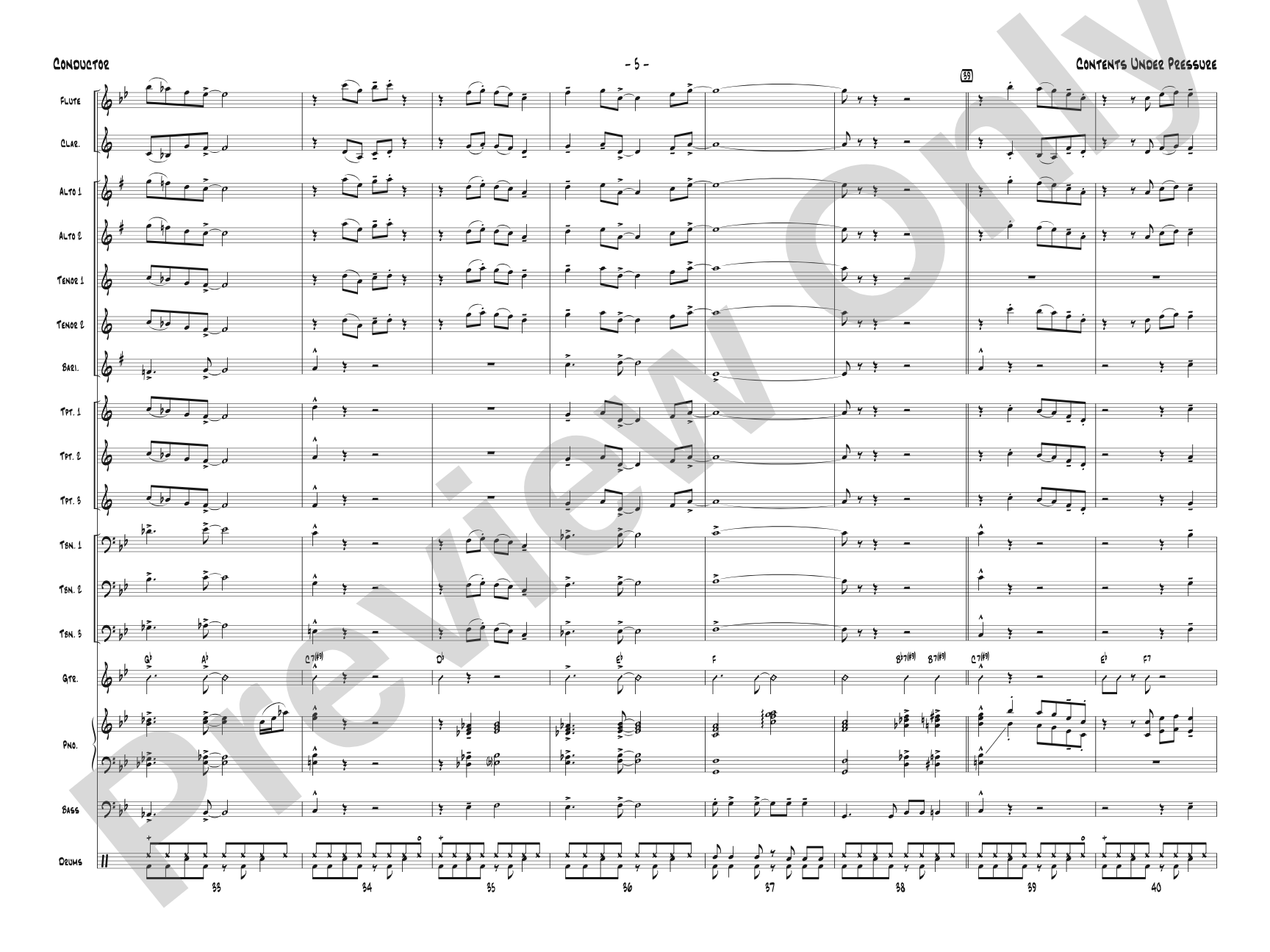
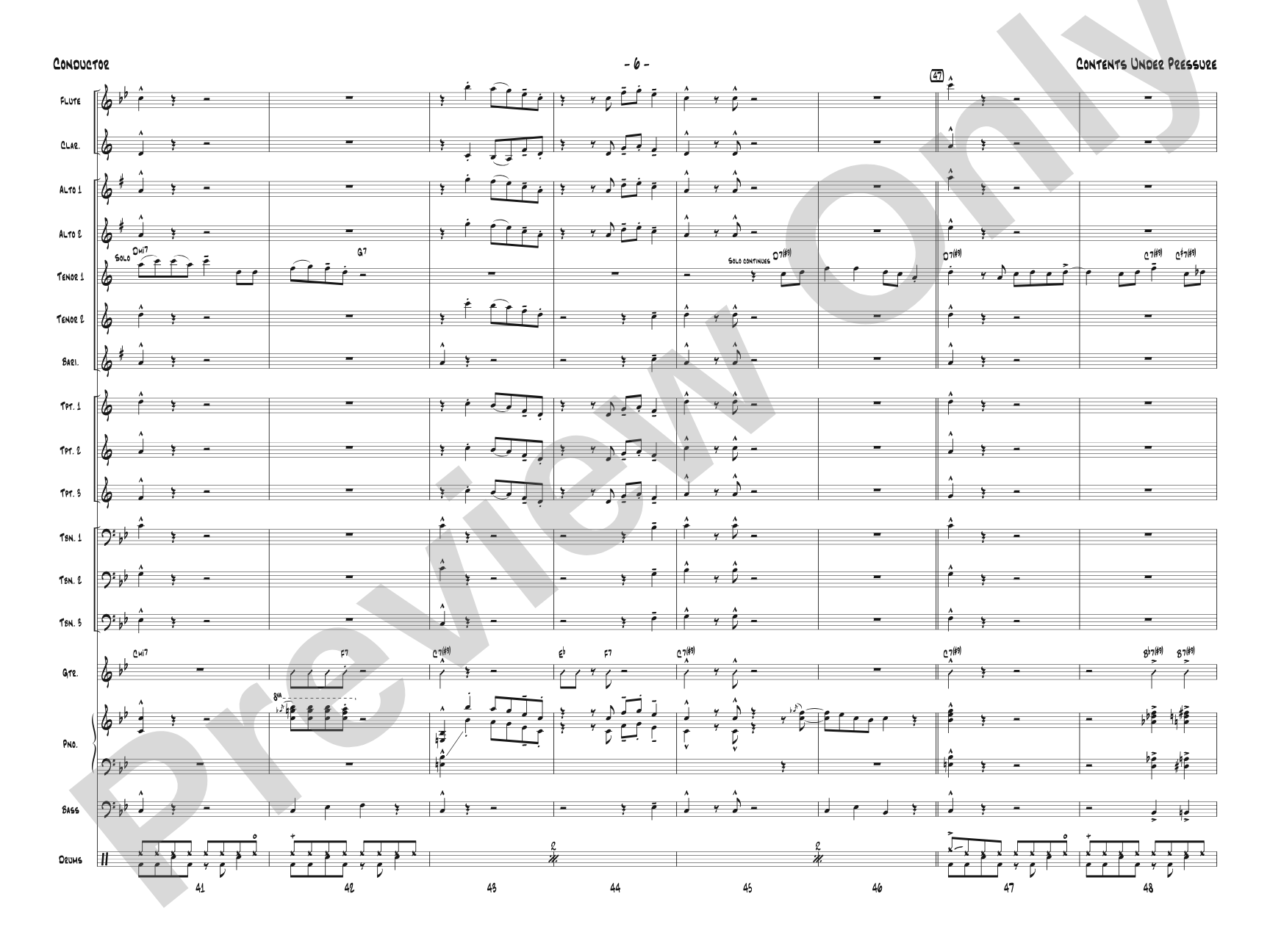
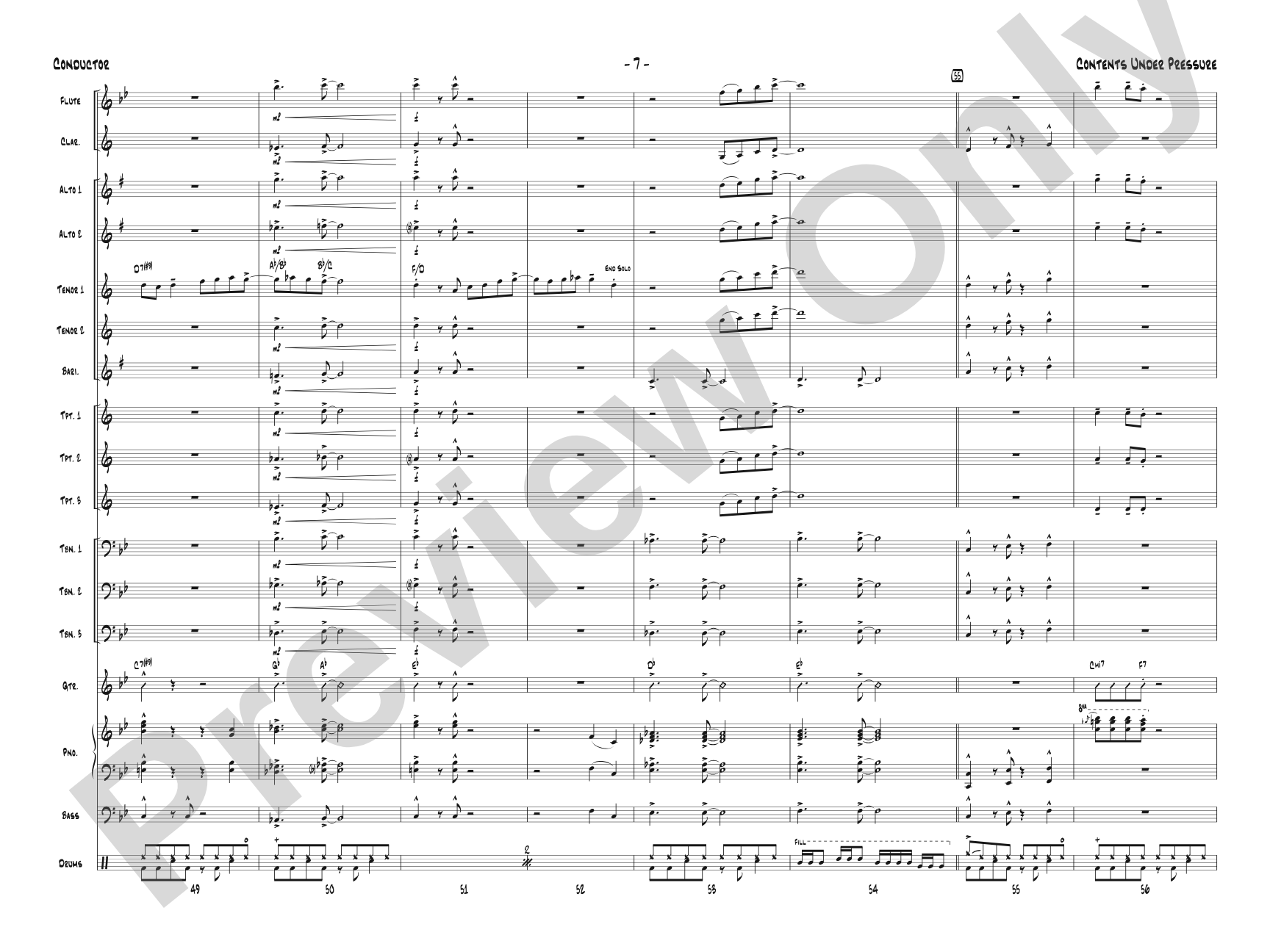
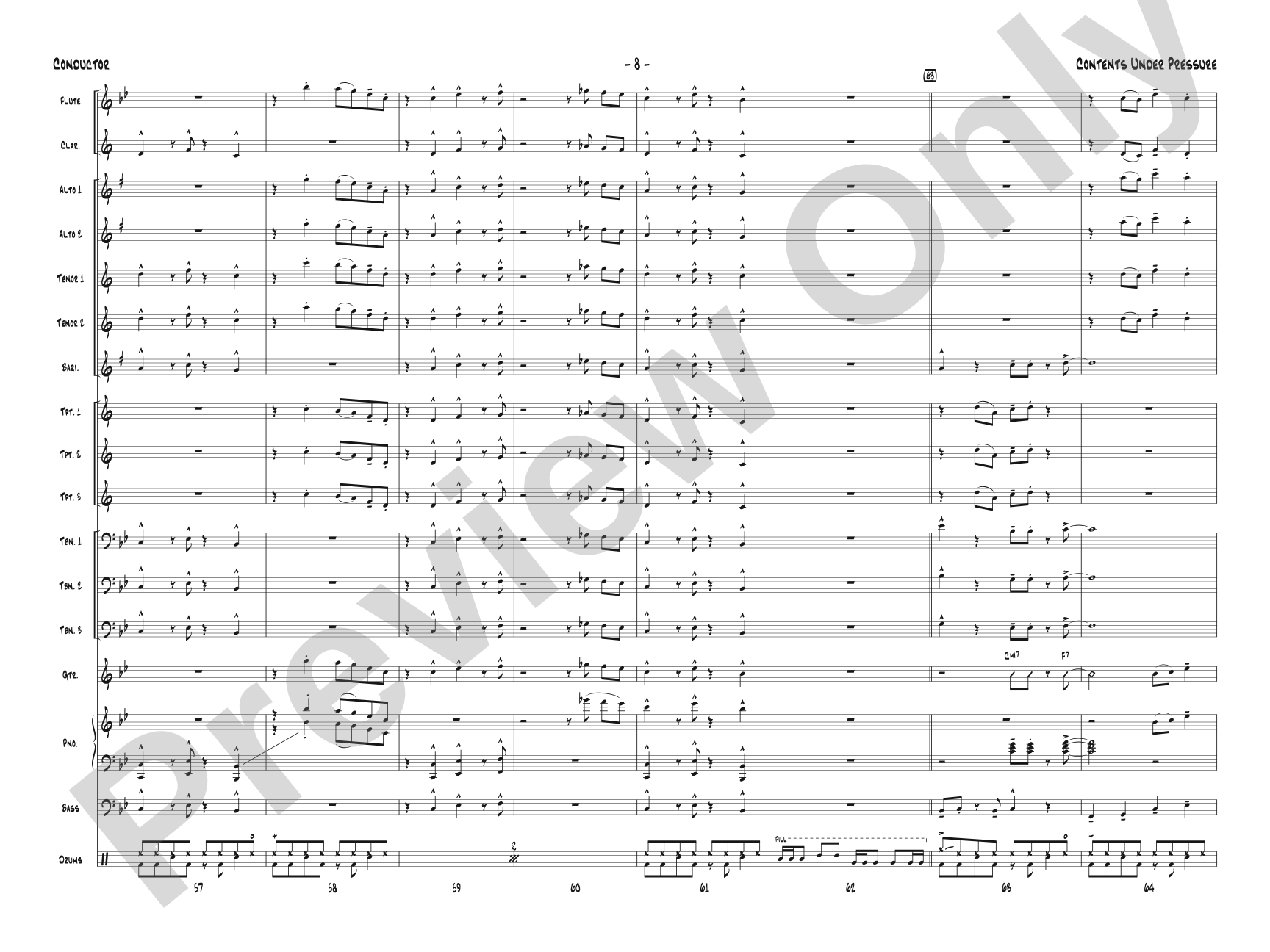
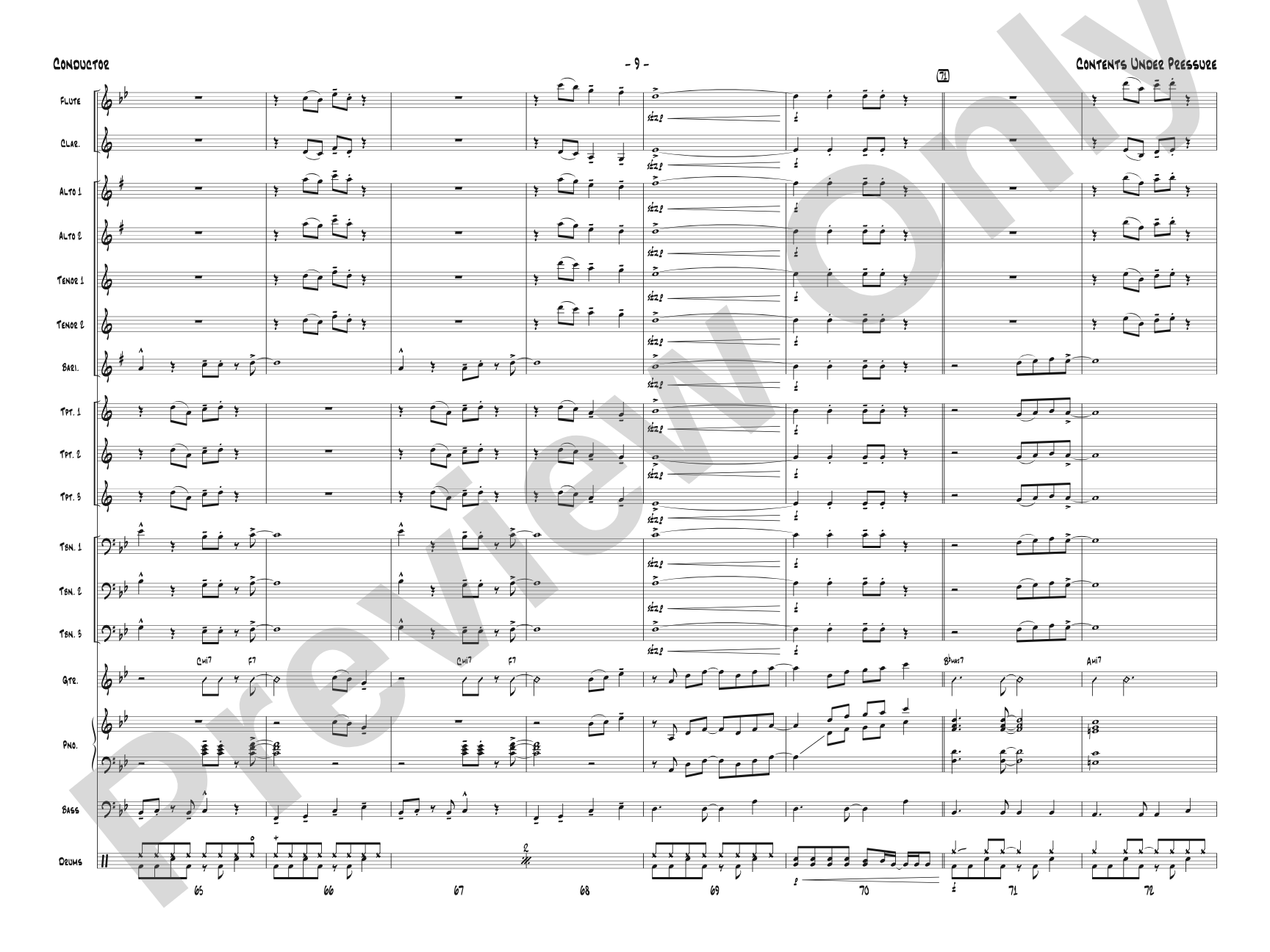
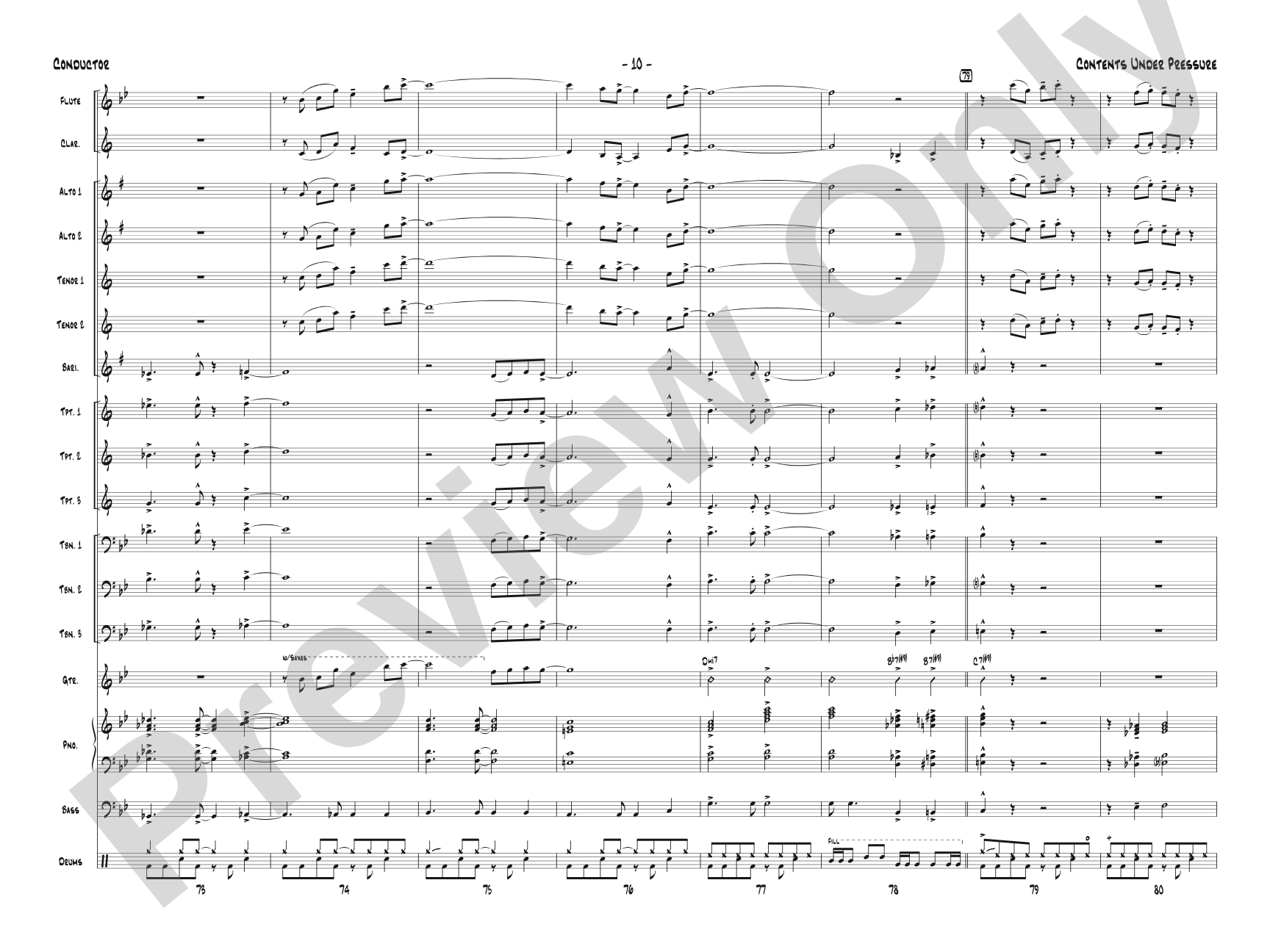
Here's a funky rock chart by Vince Gassi called "Contents Under Pressure" for young band. It's played at 120 BPM and features a written solo for tenor sax, accessible brass ranges, a catchy melody, clear articulation, and optional parts to include flute, clarinet, and vibraphone. (3:00) This title is available in MakeMusic Cloud.


Don't just read it, hear it, play along with it, and watch your students grow with it. In MakeMusic Cloud, Contents Under Pressure: Jazz Ensemble Conductor Score & Parts comes alive with professional accompaniment, adjustable tempo, and built-in practice tools that turn solo practice into real progress.
Open in the Player
Jump straight in and assign it today.
Start Your Free Trial
Open this title and explore the full library in minutes.
Sample Audio
1
Audio File
--:--
0:00
0:00
Sample Video
Additional Details
Series:
First Year Charts for Jazz Ensemble
Publisher:
Alfred Music
Page Count:
86
SKU:
00-PK-0007228
More about this title
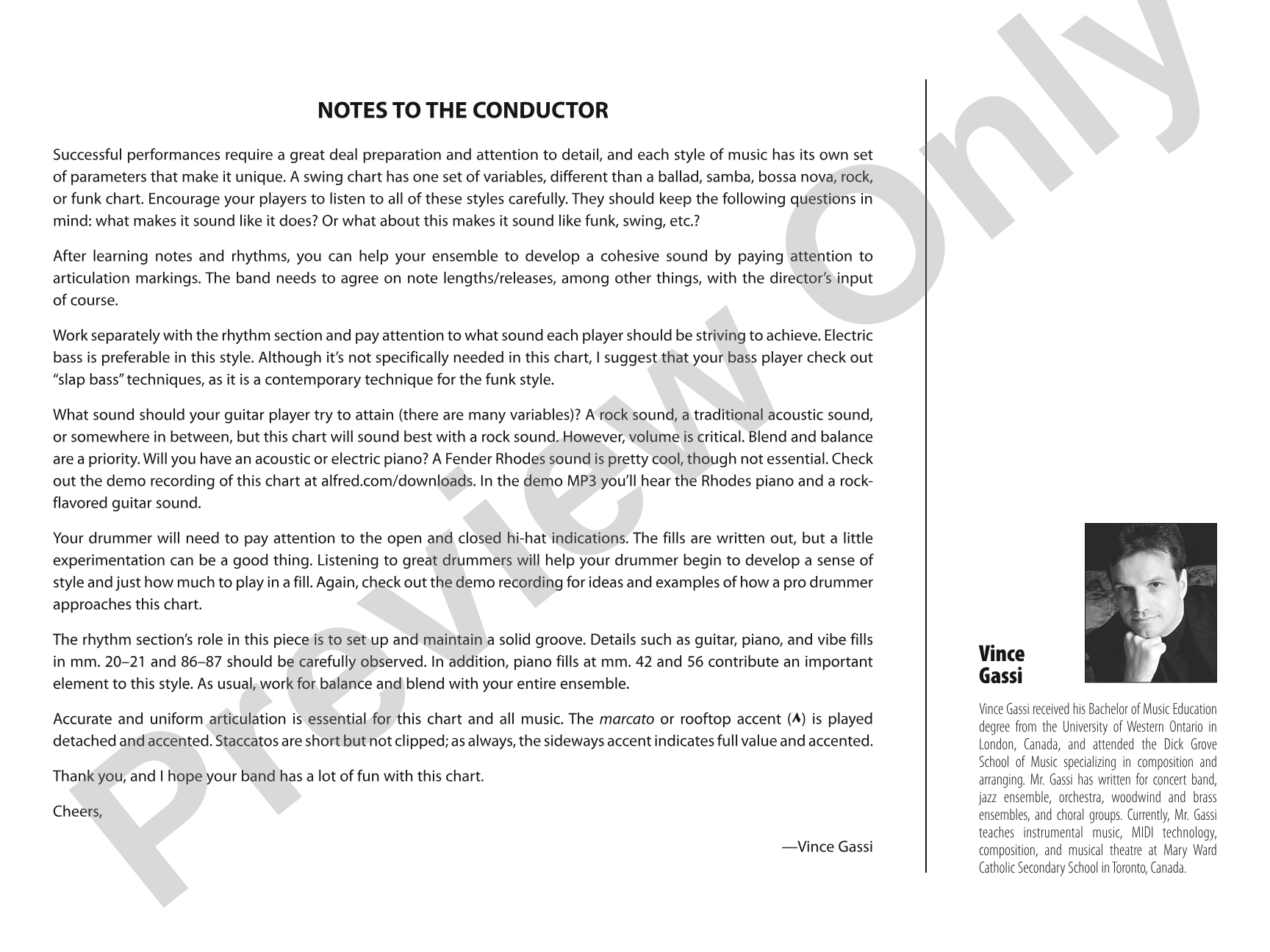
About the Composer: Vince Gassi
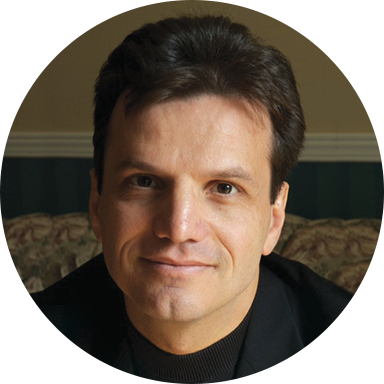
Vince Gassi has built a compositional career grounded in two decades of classroom teaching at the elementary and secondary levels. His published output exceeds 100 titles, and his work regularly appears on festival and contest programs across North America, Europe, and Japan. He holds a Bachelor of Music from the University of Western Ontario and completed graduate study at the Dick Grove School of Music in Los Angeles before earning his Ph.D. from York University in Toronto.
Beyond composing, Gassi works extensively as a guest conductor, adjudicator, and clinician. He leads seminars on arranging concepts and creative engagement for students and teachers, and his Digital Workflows workshop addresses the technical side of modern music direction. His pieces are frequent selections at the Midwest Clinic in Chicago, and his energetic, accessible compositional voice has made him a trusted voice in young band and jazz ensemble circles.
Why we love this
Gassi writes jazz charts that work for real young ensembles. The tenor sax solo is written, not left to chance, and the brass parts sit in ranges where first-year players can succeed without strain. The optional parts for flute, clarinet, and vibraphone give directors flexibility with varying instrumentation while maintaining the funky rock groove that holds student attention.
What to expect
Funky, grounded, and immediately engaging. The rock-influenced groove has momentum from the first few bars, and the written solo gives the ensemble a focal point that feels professional without overwhelming young soloists. Three minutes of pure musical energy that feels longer than its runtime.
Who it's for
This score and parts set is designed for first-year jazz ensembles seeking accessible, stylistically authentic repertoire. It works equally well for emerging programs building confidence and energy as for more experienced groups looking for contest-friendly material without technical barriers.
How to get the most out of it
- Lock the rhythm section into the 120 BPM groove from the start. The pocket is what makes this chart click.
- Shape the written tenor sax solo as a conversation with the band rather than a spotlight moment. Keep the ensemble supporting it dynamically.
- Articulate the brass figures clearly; the chart's funk appeal depends on precise tonguing and tight rhythmic hits.
- Use the optional vibraphone part to thicken texture during ensemble sections if your instrumentation allows.
How to use it
Program this for a fall concert or early-season festival to build momentum and audience engagement. Its approachable style and upbeat character make it an excellent opener or mid-set energy shift before transitioning to more introspective material.
Skills your students will build
- Playing with steady 16th-note comping and groove-based rhythmic integrity
- Reading and executing funk and rock articulation (accents, short notes, syncopation)
- Balancing ensemble blend while supporting a written solo
- Navigating optional parts and flexible instrumentation in an ensemble setting