Contents Under Pressure Cover Image

Contents Under Pressure: Jazz Ensemble Conductor Score & Parts

$42.00 USD
Sale price  $42.00 USD Regular price 
Skip to product information
Contents Under Pressure Cover Image

Contents Under Pressure: Jazz Ensemble Conductor Score & Parts

By Vince Gassi

Grade: 1 (Easy)

Item: 00-45064

makemusic Cloud badge

Need it now?

Buy Digital Version
$42.00
Shipped

One moment…

Description
Here's a funky rock chart by Vince Gassi called "Contents Under Pressure" for young band. It's played at 120 BPM and features a written solo for tenor sax, accessible brass ranges, a catchy melody, clear articulation, and optional parts to include flute, clarinet, and vibraphone. (3:00) This title is available in MakeMusic Cloud.

Don't just read it, hear it, play along with it, and watch your students grow with it. In MakeMusic Cloud, Contents Under Pressure: Jazz Ensemble Conductor Score & Parts comes alive with professional accompaniment, adjustable tempo, and built-in practice tools that turn solo practice into real progress.

Sample Pages

Sample Audio
0:00
0:00
Sample Video
Additional Details
Series: First Year Charts for Jazz Ensemble
Publisher: Alfred Music
Page Count: 86
UPC: 038081510439
SKU: 00-45064

More about this title

About the Composer: Vince Gassi
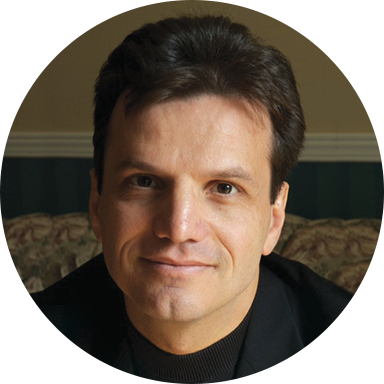
Vince Gassi

Vince Gassi has been composing for young ensembles since 2006, building a catalog of over 100 published works that balance accessibility with genuine musical substance. His background includes a Bachelor of Music from the University of Western Ontario, advanced study at the Dick Grove School of Music in Los Angeles, and a Ph.D. from York University in Toronto. For more than two decades, he has taught instrumental music at the elementary and secondary levels while maintaining an active schedule as a guest conductor, adjudicator, and clinician across North America.

Gassi's reputation rests on his ability to write music that engages young players without sacrificing quality. His pieces appear regularly on festival and contest programs internationally, and his workshops on creative engagement and digital workflows have become staples at conferences like the Midwest Clinic. His compositions have been performed across North America, Europe, and Japan, reflecting the broad appeal of his energetic and thoughtful approach to young band writing.

Why we love this

A funky rock groove at this level doesn't come around often, and Gassi nails it without pretension. The tenor sax solo is genuinely playable for a first-year player, and the optional parts (flute, clarinet, vibraphone) give you real flexibility to balance instrumentation across your section without resorting to doublers. The articulation is marked throughout, which means your young musicians get a master class in style and shaping the moment they open their parts.

What to expect

A tight, modern funk groove that bounces with youthful energy. The melody sticks in your head the moment you hear it, and the band feels immediately like it's cooking, even at this level. There's a confident attitude running through the piece without a trace of condescension toward young players.

Who it's for

Young jazz ensembles at the Grade 1 level who are ready for a groovy, contemporary chart without the complexity of advanced harmonic language or stratospheric ranges. Conductors looking to program something accessible yet stylistically authentic will find this a natural fit for first-year jazz players who need confidence and fun alongside skill-building.

How to get the most out of it

  • Establish the funk pocket with your rhythm section first. The groove at 120 BPM should feel relaxed and behind the beat; lock drums and bass together before adding harmony parts.
  • Shape the tenor sax solo by encouraging the player to listen to the recorded accompaniment during rehearsals. Even a young saxophonist can find the pocket when they hear it beneath them.
  • Balance the melody line against the rhythmic energy underneath. Brass should cut through without overwhelming, so balance mutes and dynamics in rehearsal against your rhythm section running at performance volume.
  • Use the optional parts strategically. If you're short vibraphone players, clarinet can cover that role; if you lack flute voices, the chart still breathes without them.

How to use it

This works well as an opener on a jazz festival program or a concert where you want to shift energy early and grab the audience's attention. It also pairs naturally with swing or bebop standards, providing a welcome stylistic contrast that shows your ensemble's range. At three minutes, it fits easily into a contest set or a full concert without eating up rehearsal time disproportionately.

Skills your students will build

  • Funk and swing groove interpretation in a rock context
  • Written improvisation in a jazz solo (tenor sax)
  • Clear articulation and style consistency across an ensemble
  • Balancing melody against rhythmic accompaniment
  • Reading and navigating optional instrumentation (flexible scoring)

You May Also Like
