
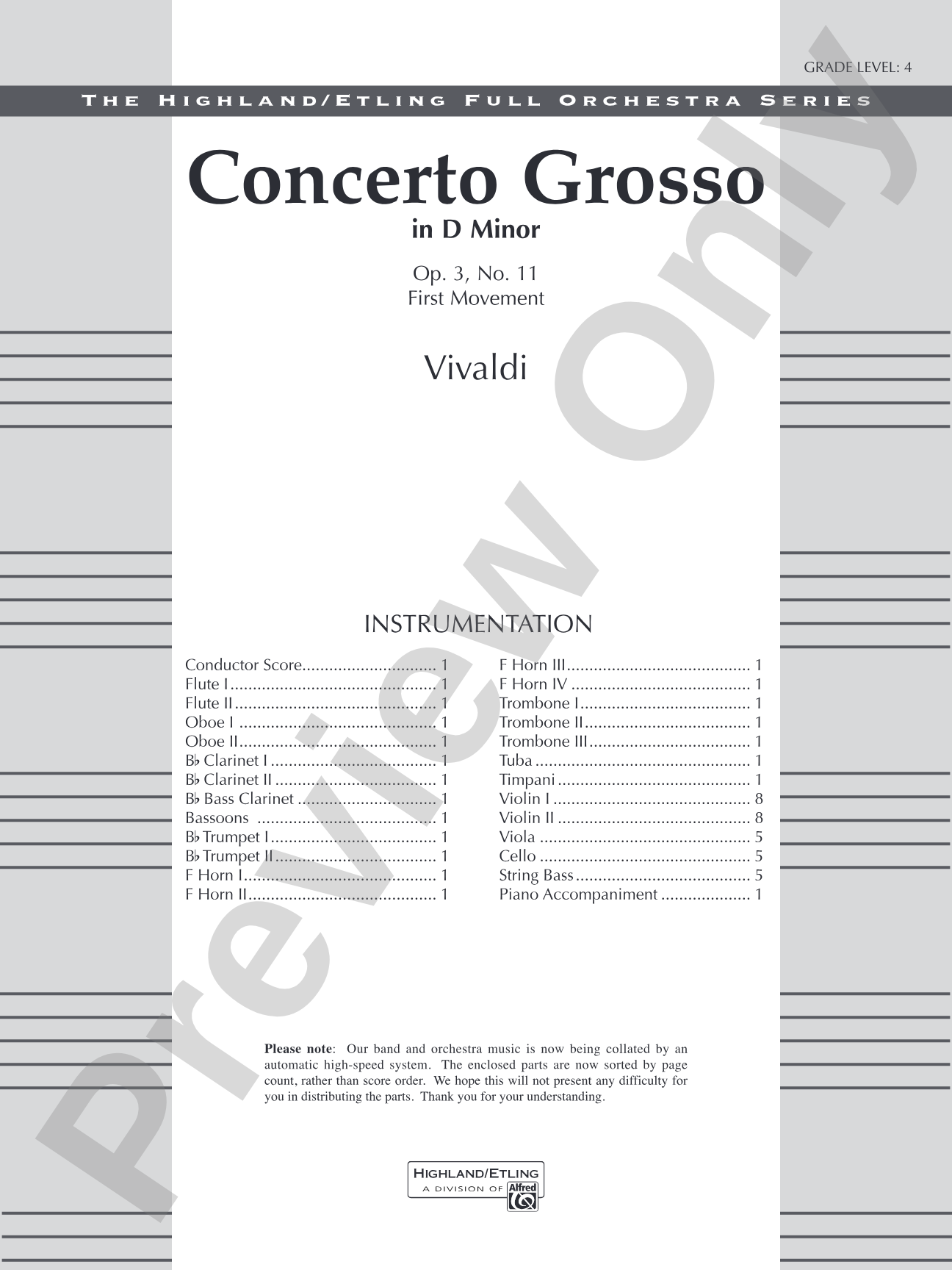
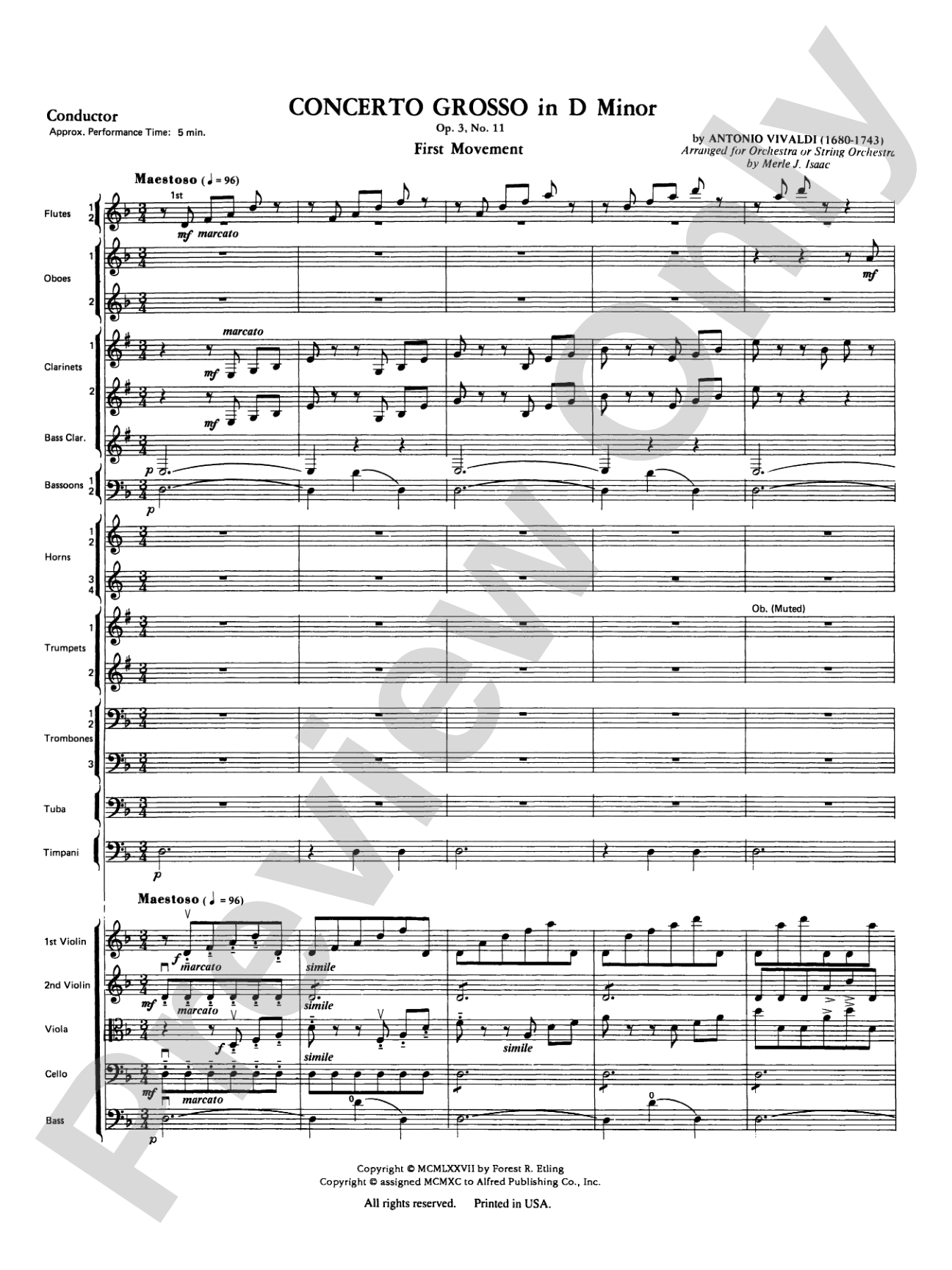
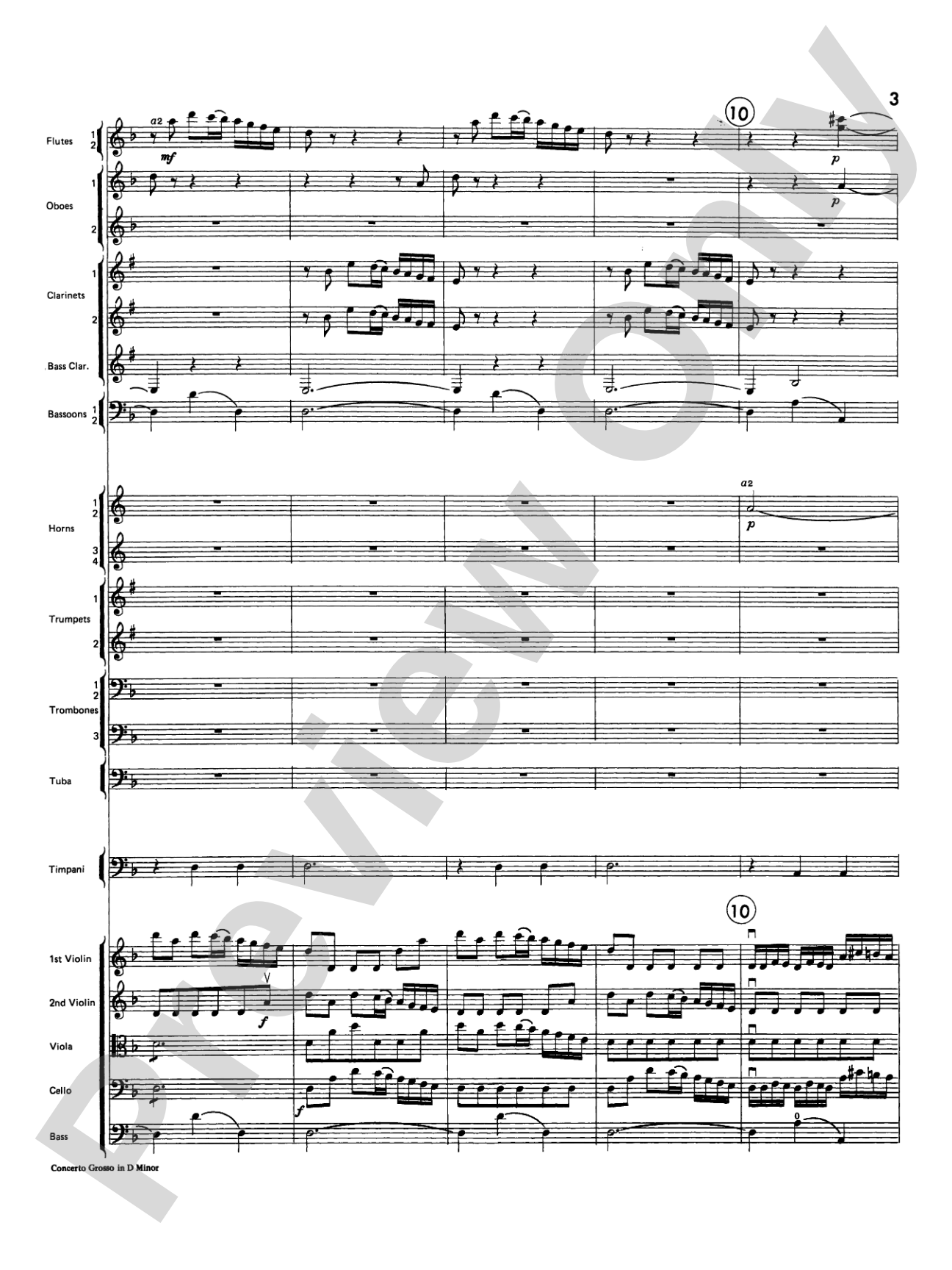
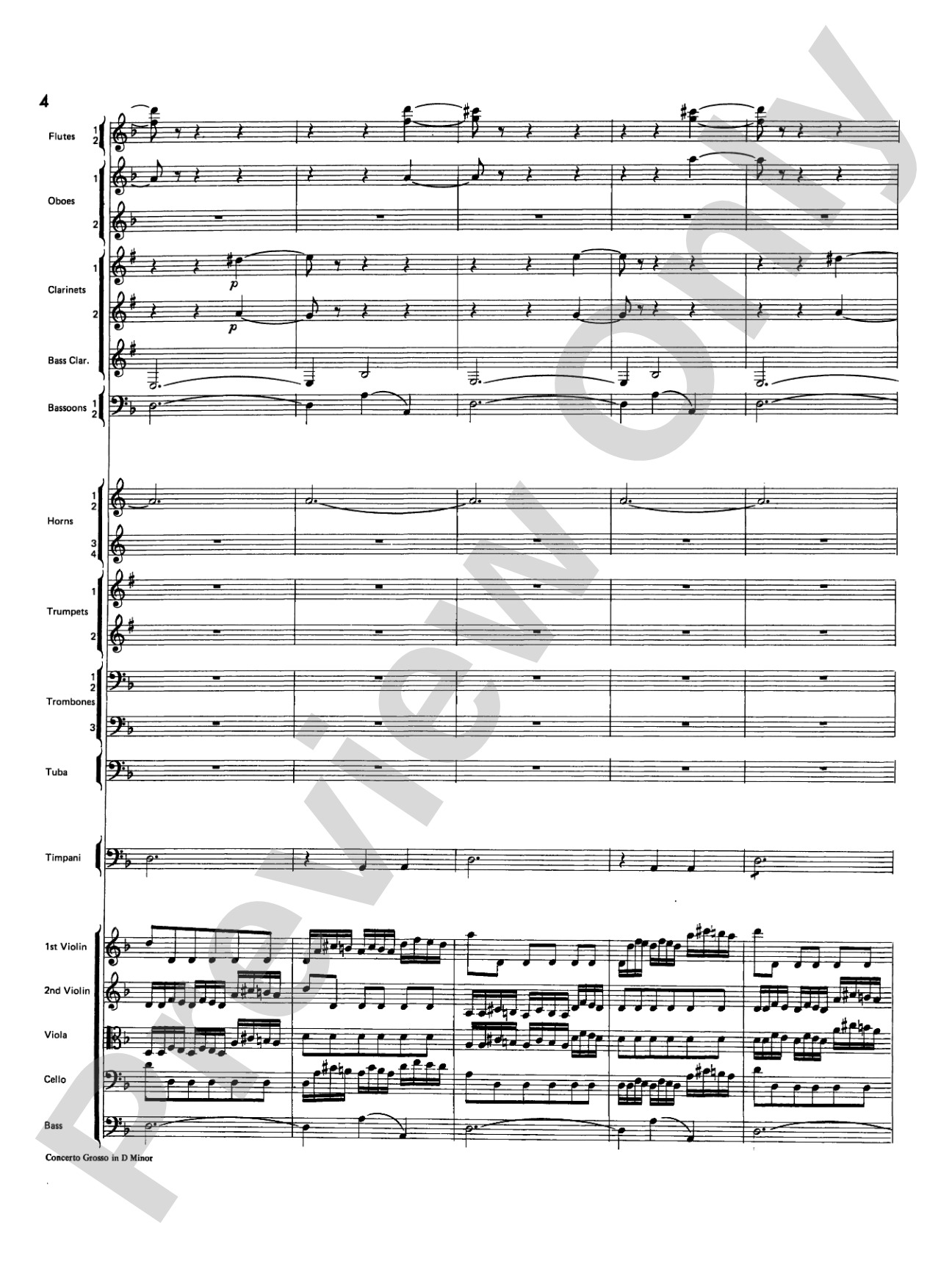
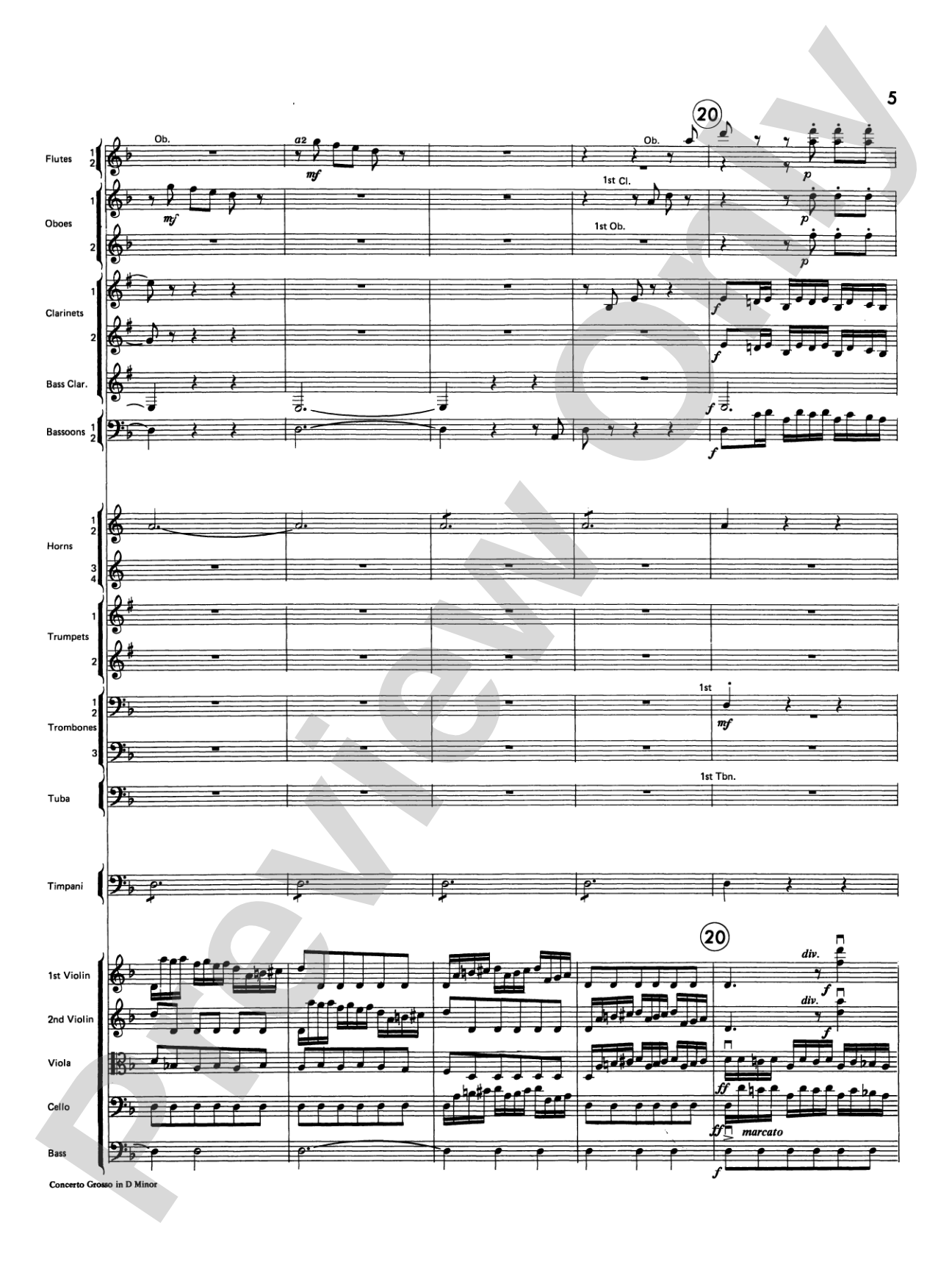
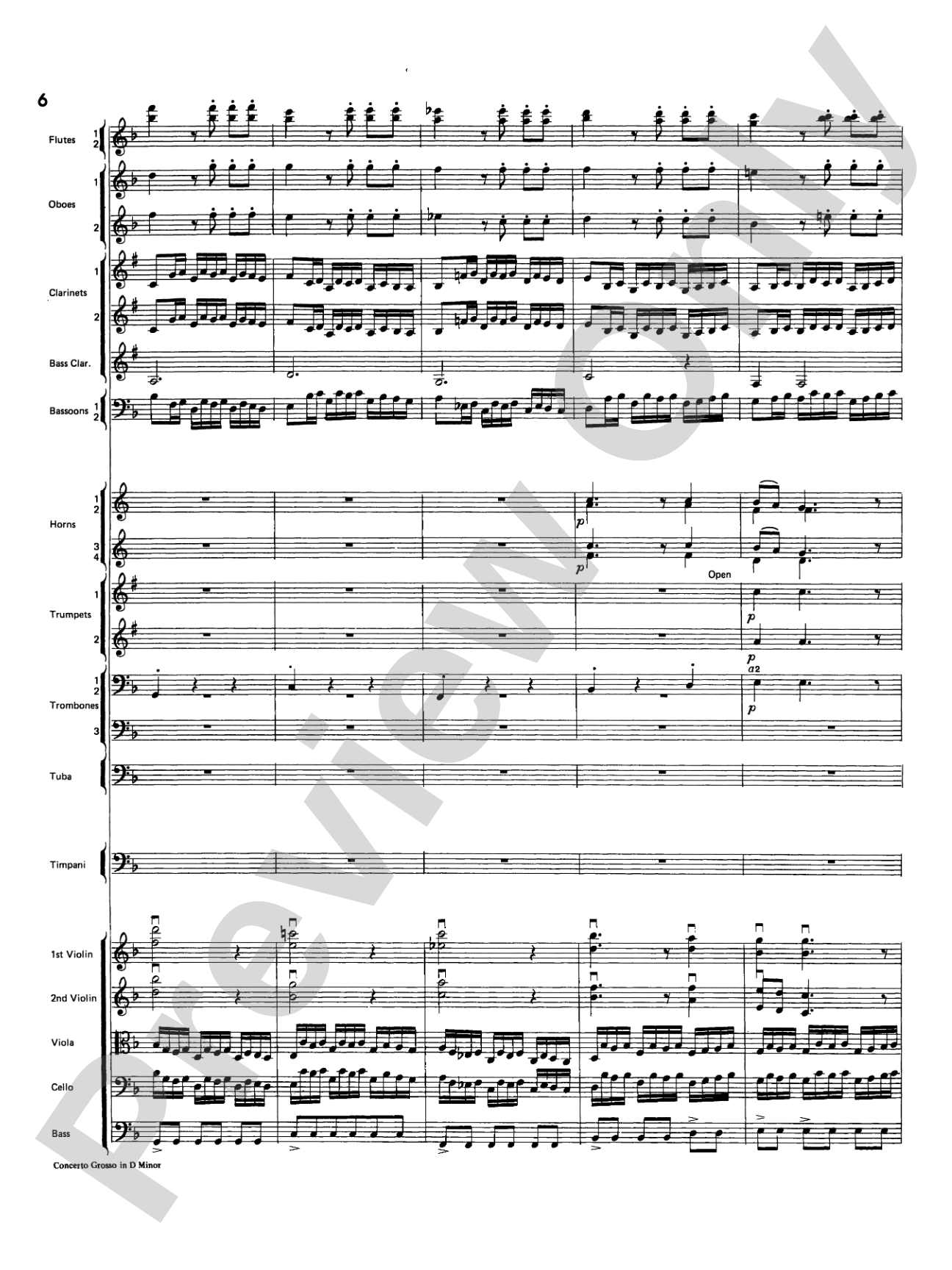
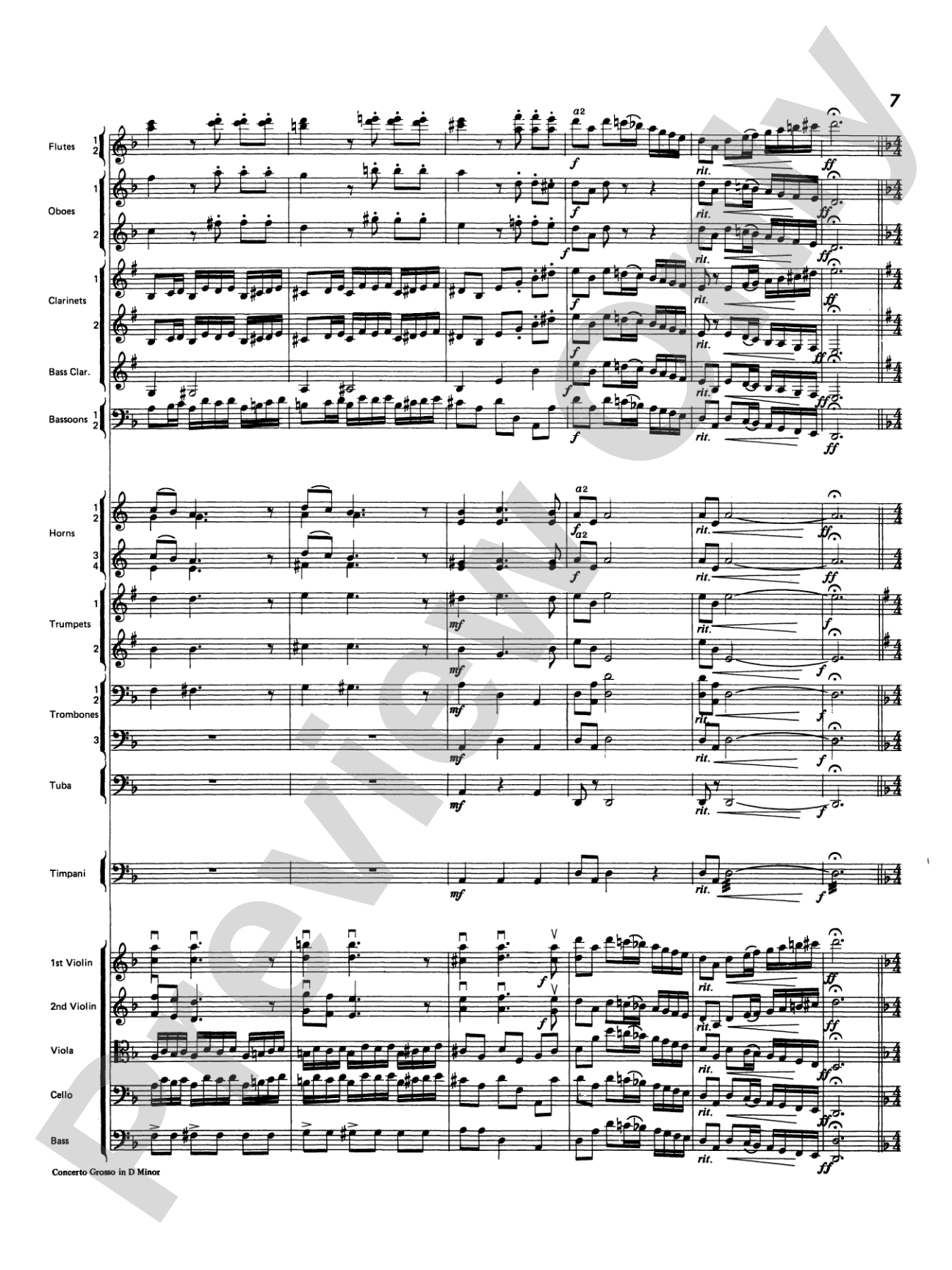
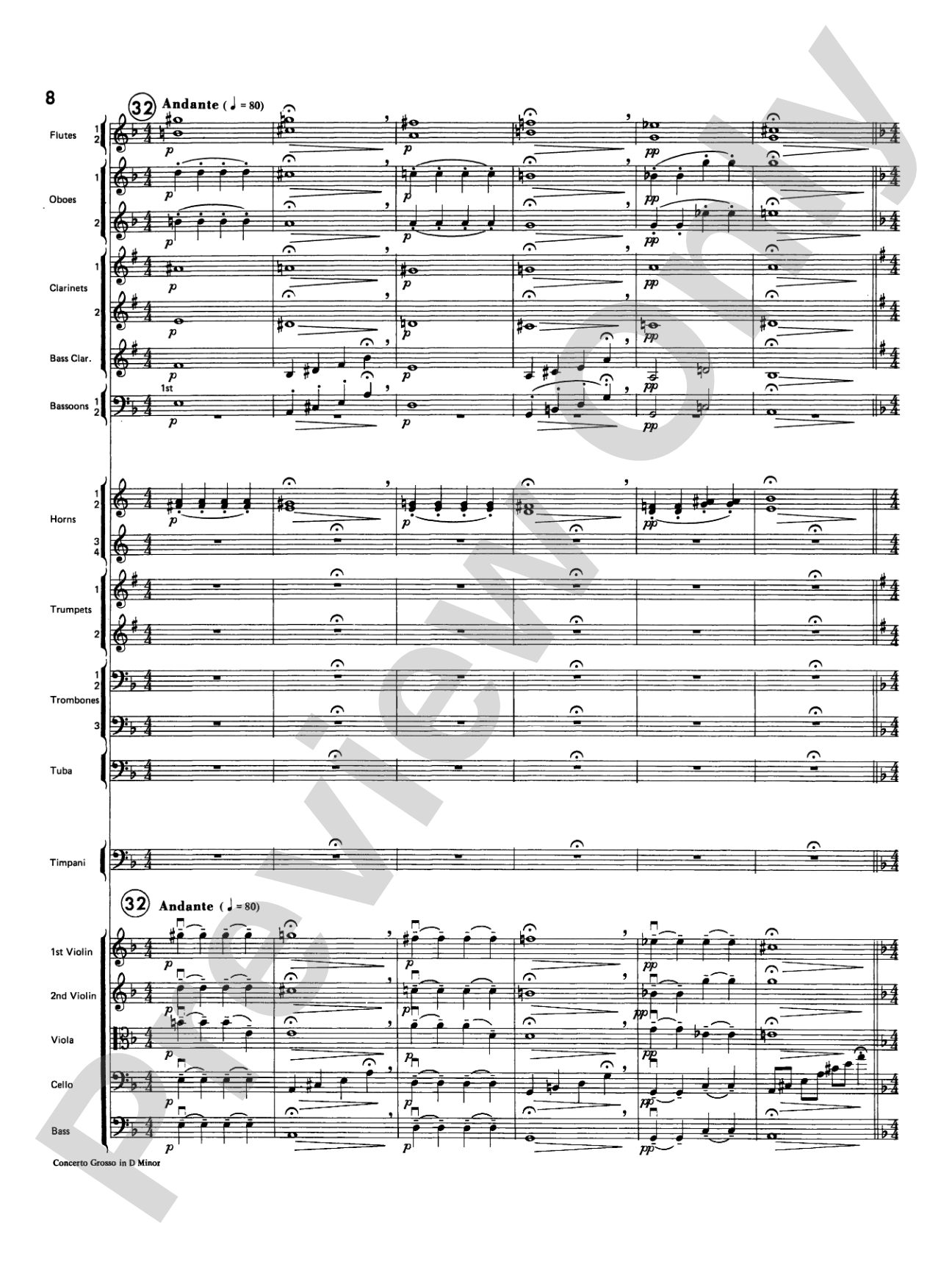
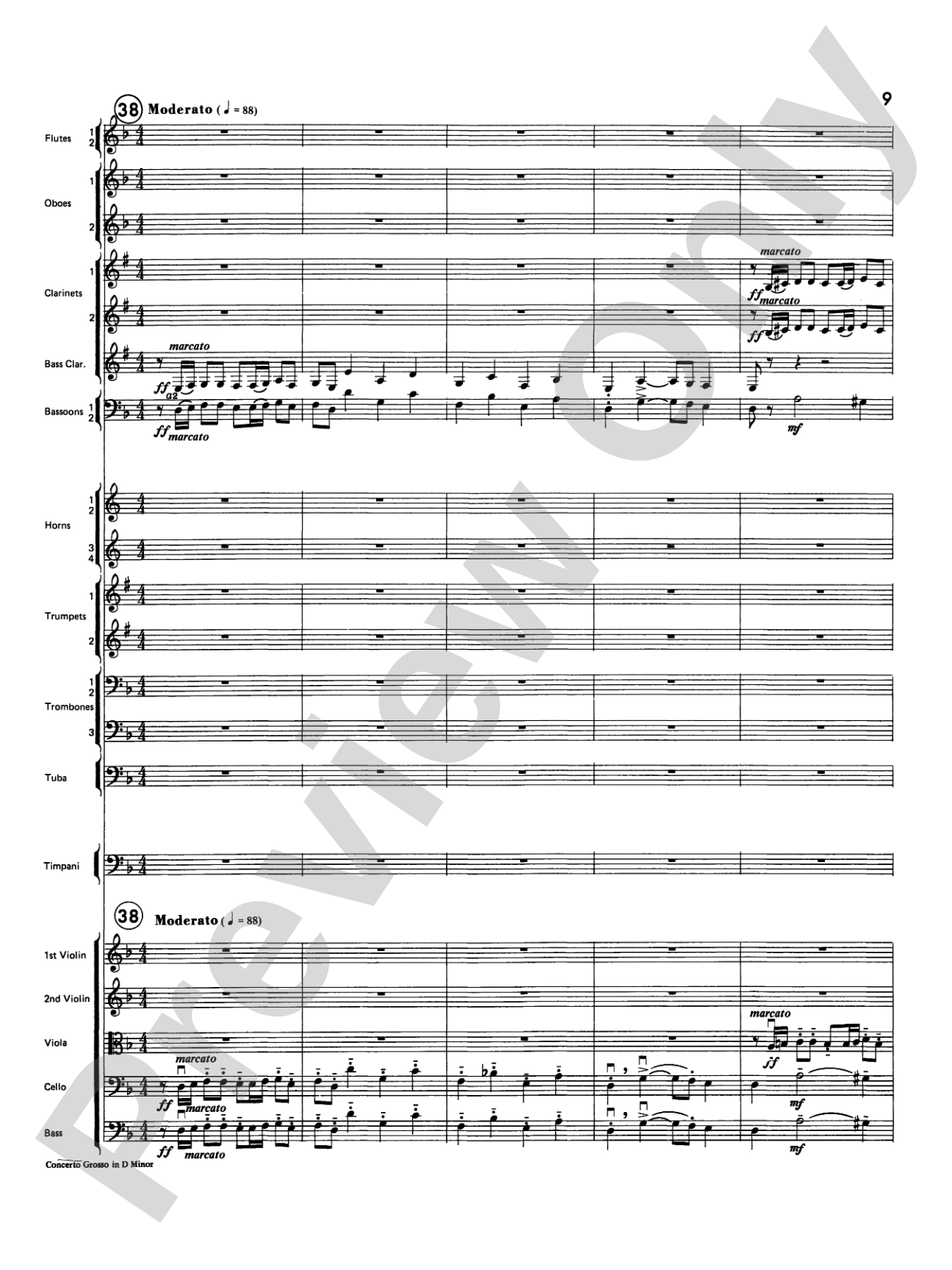
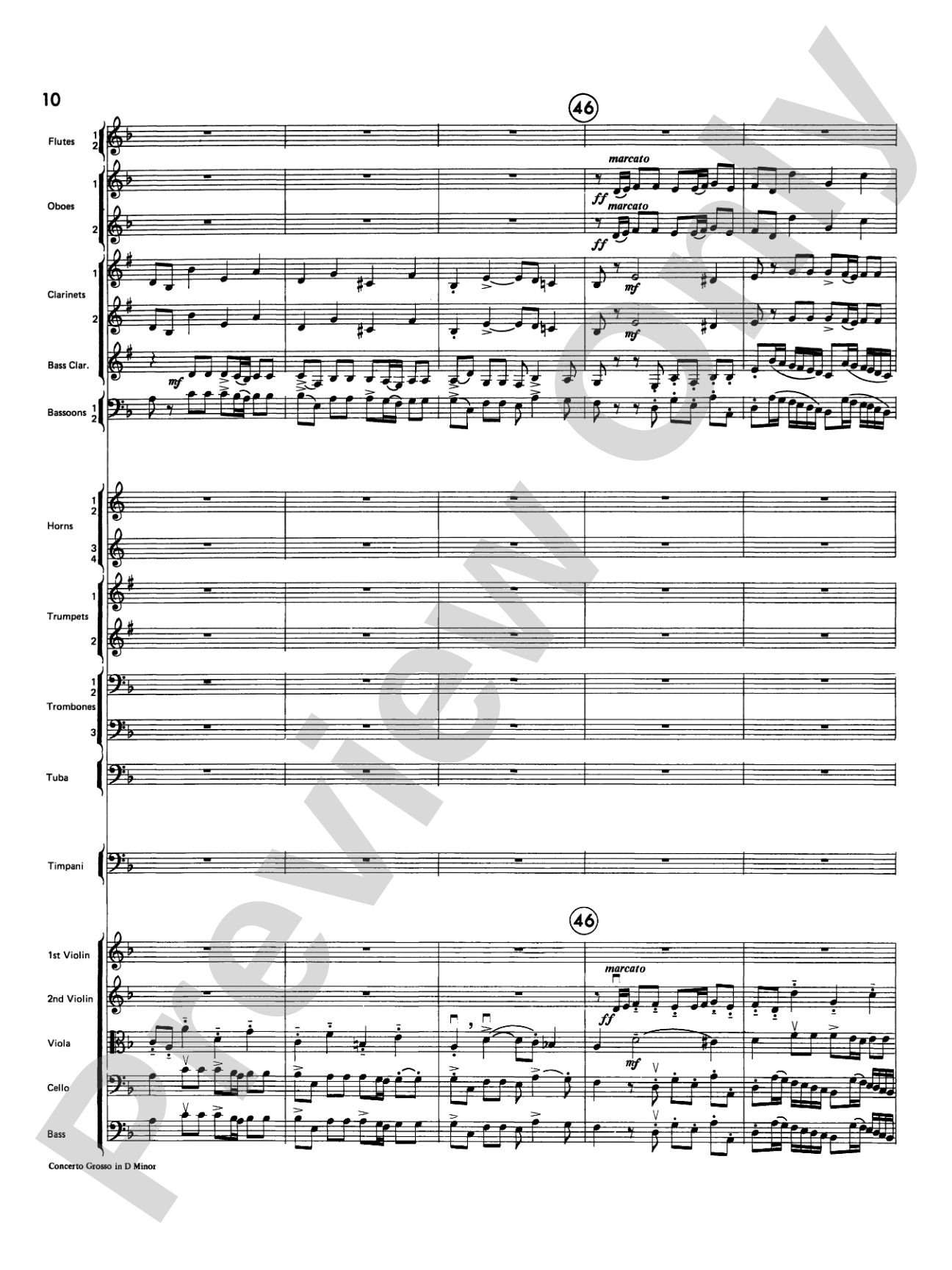
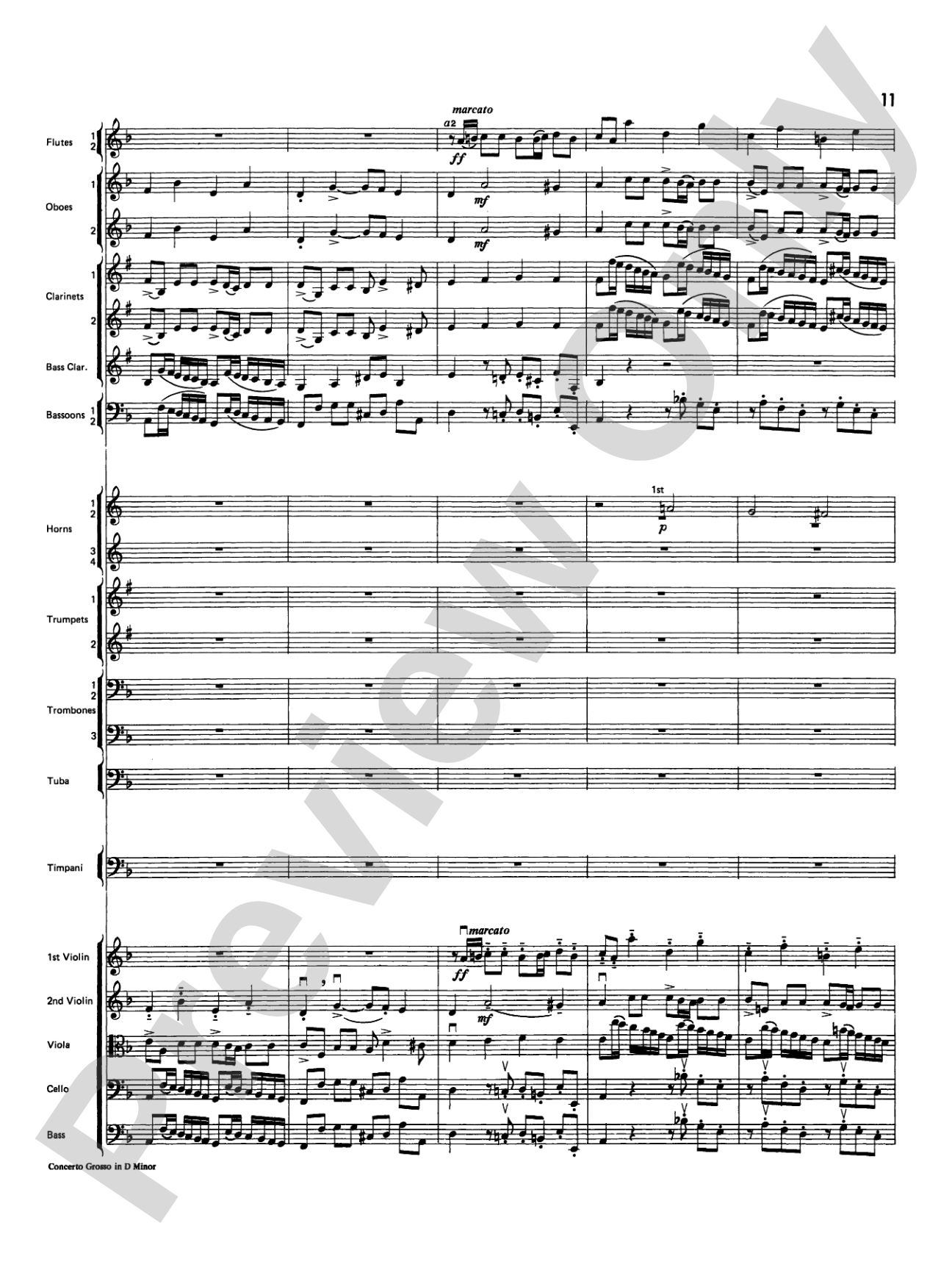
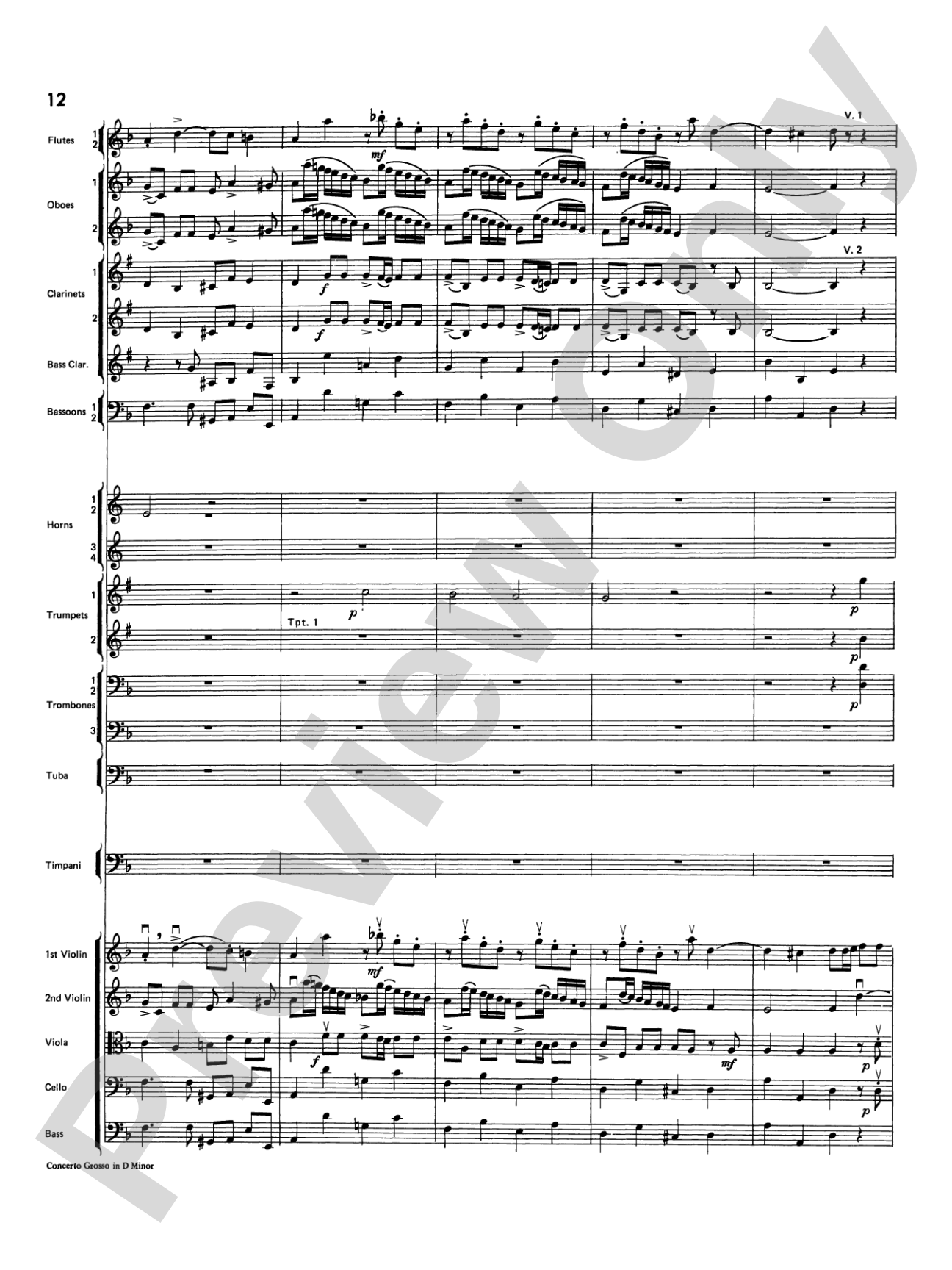
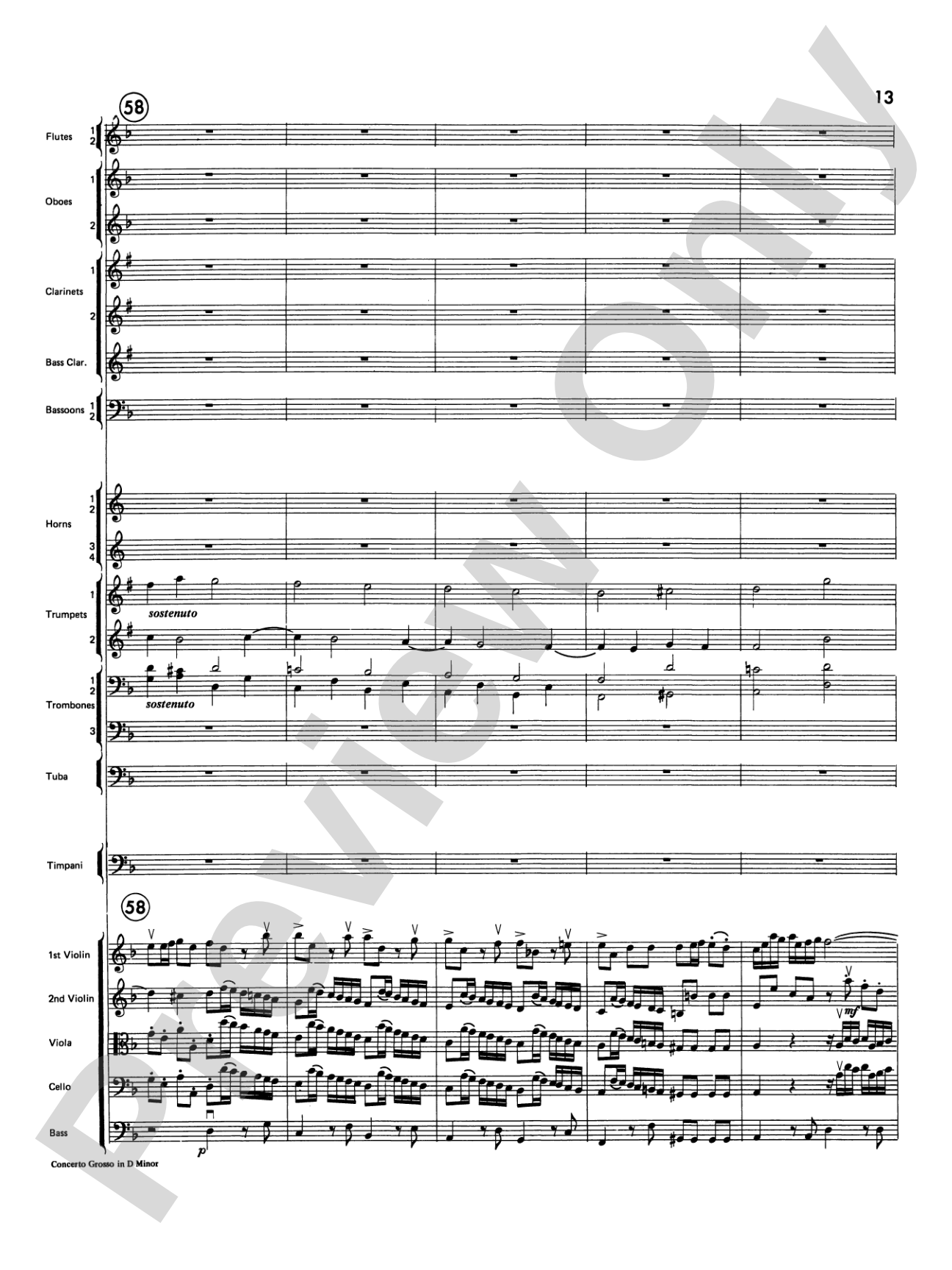
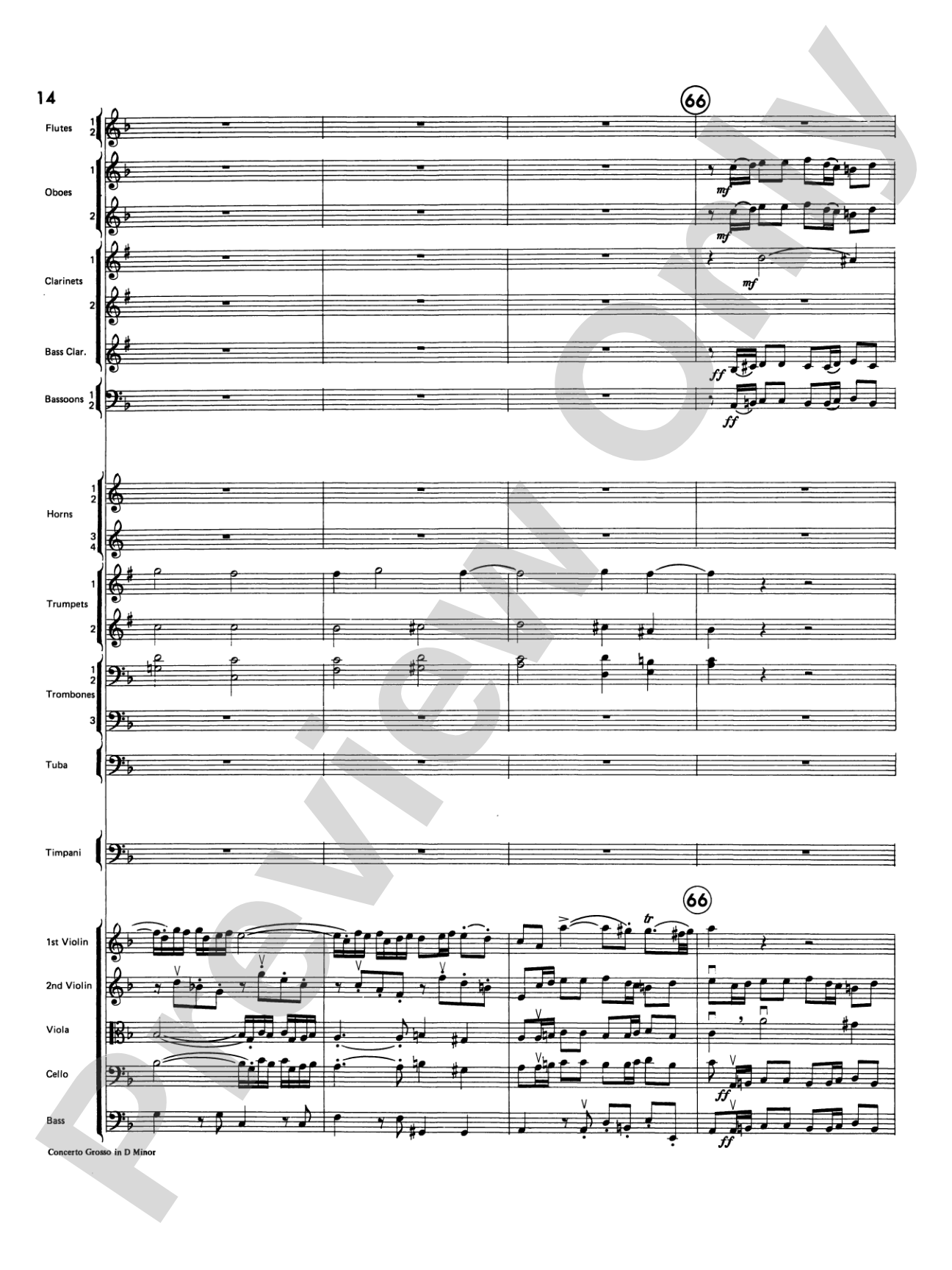
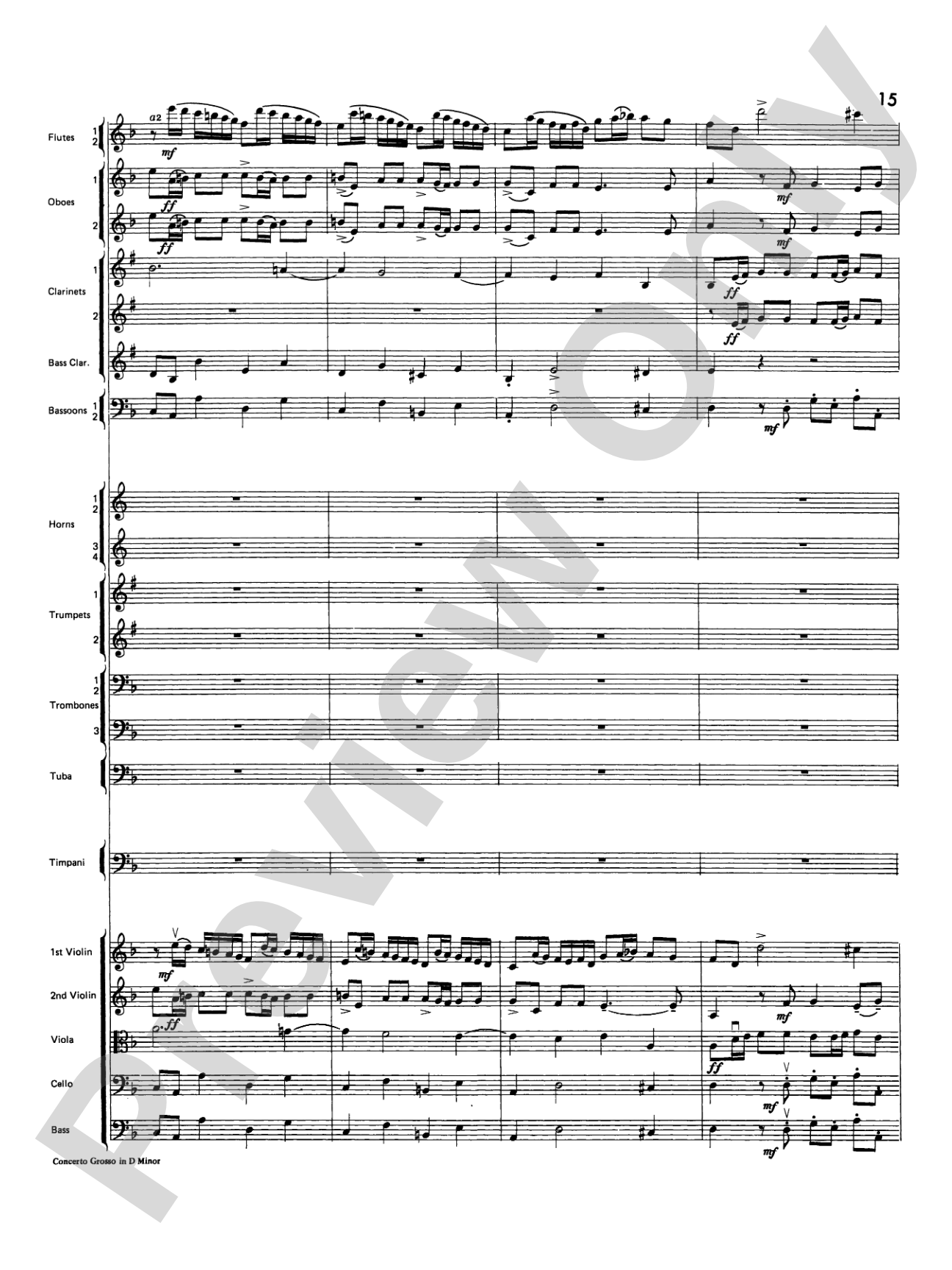
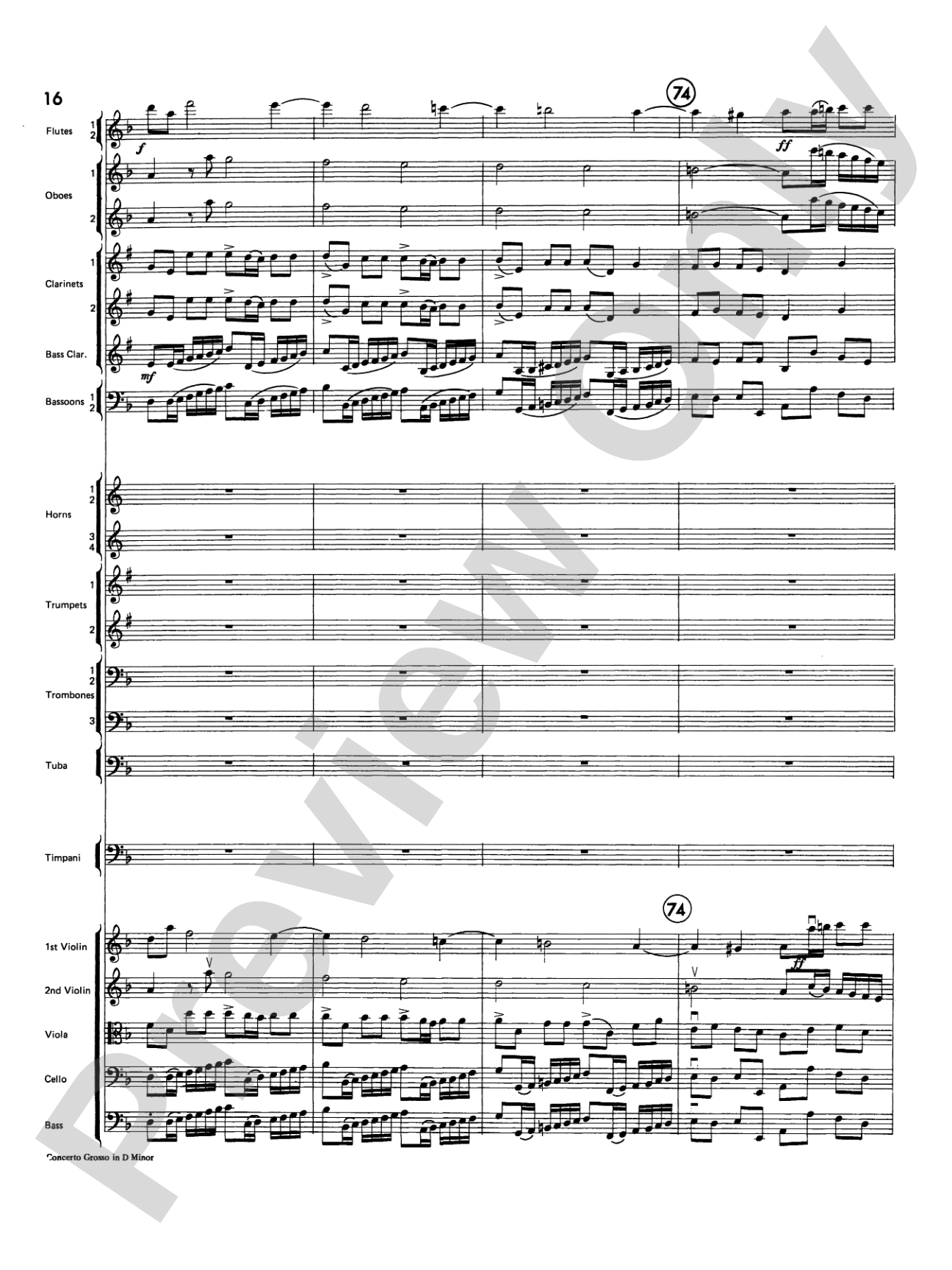
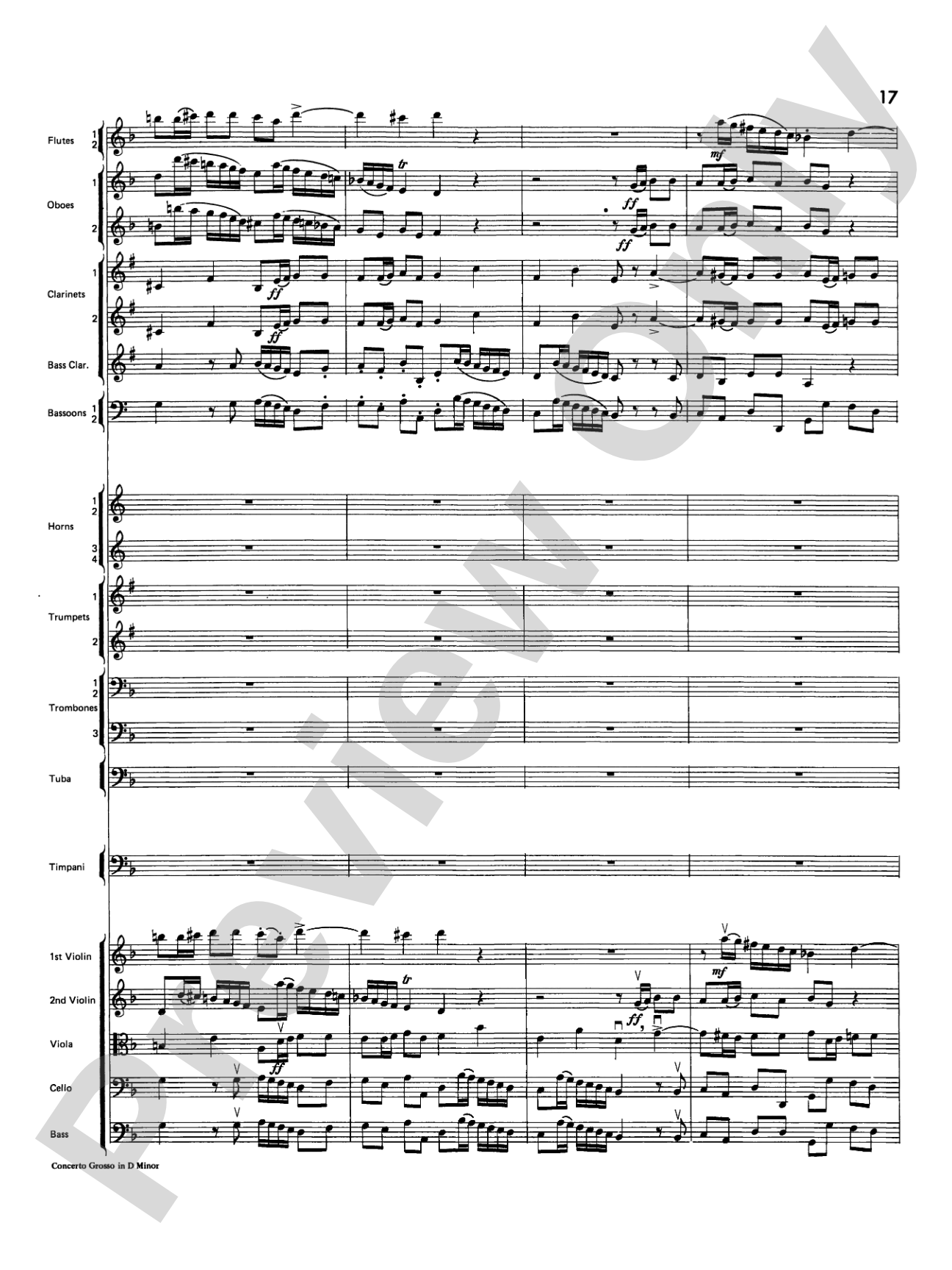
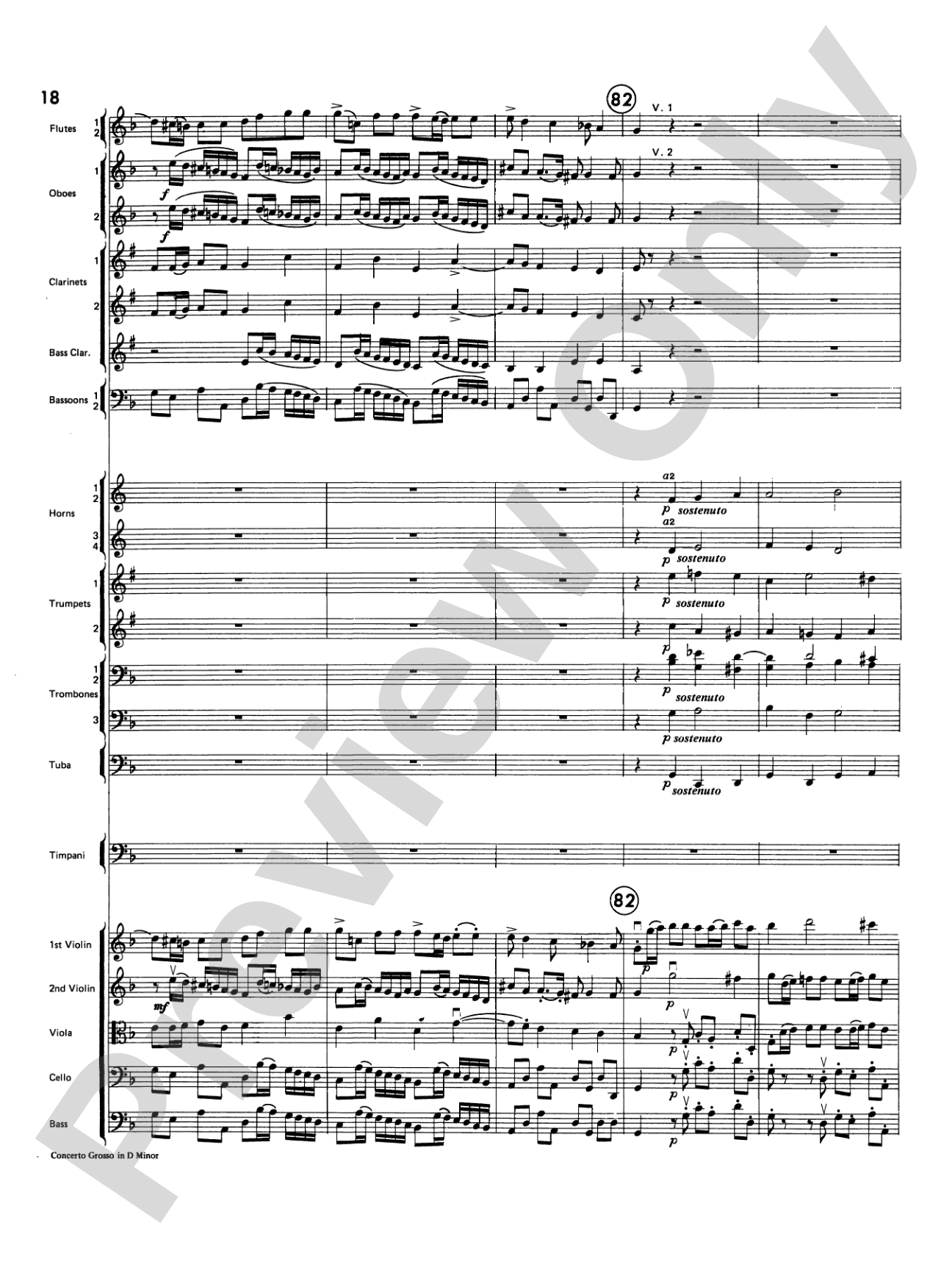
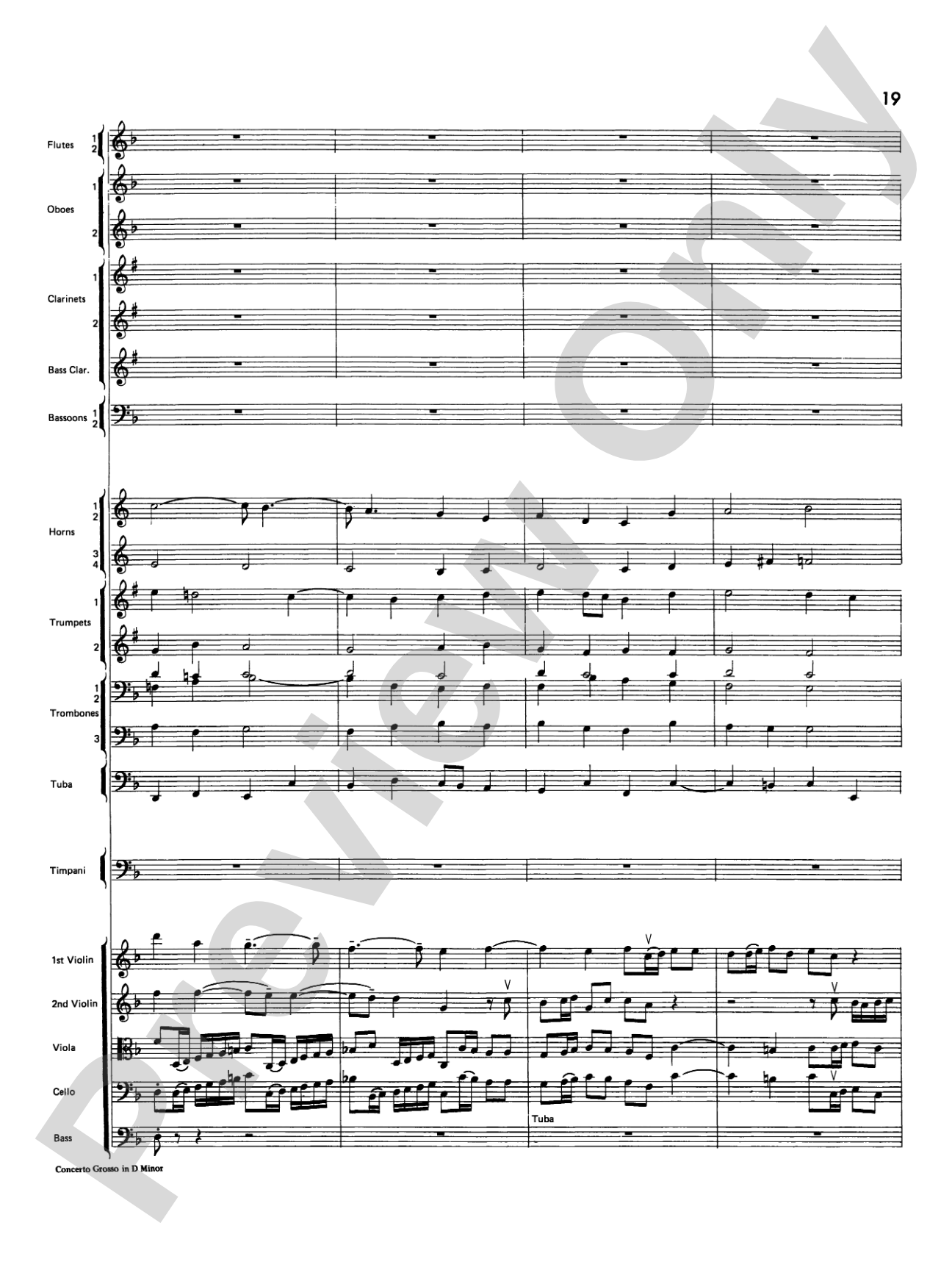
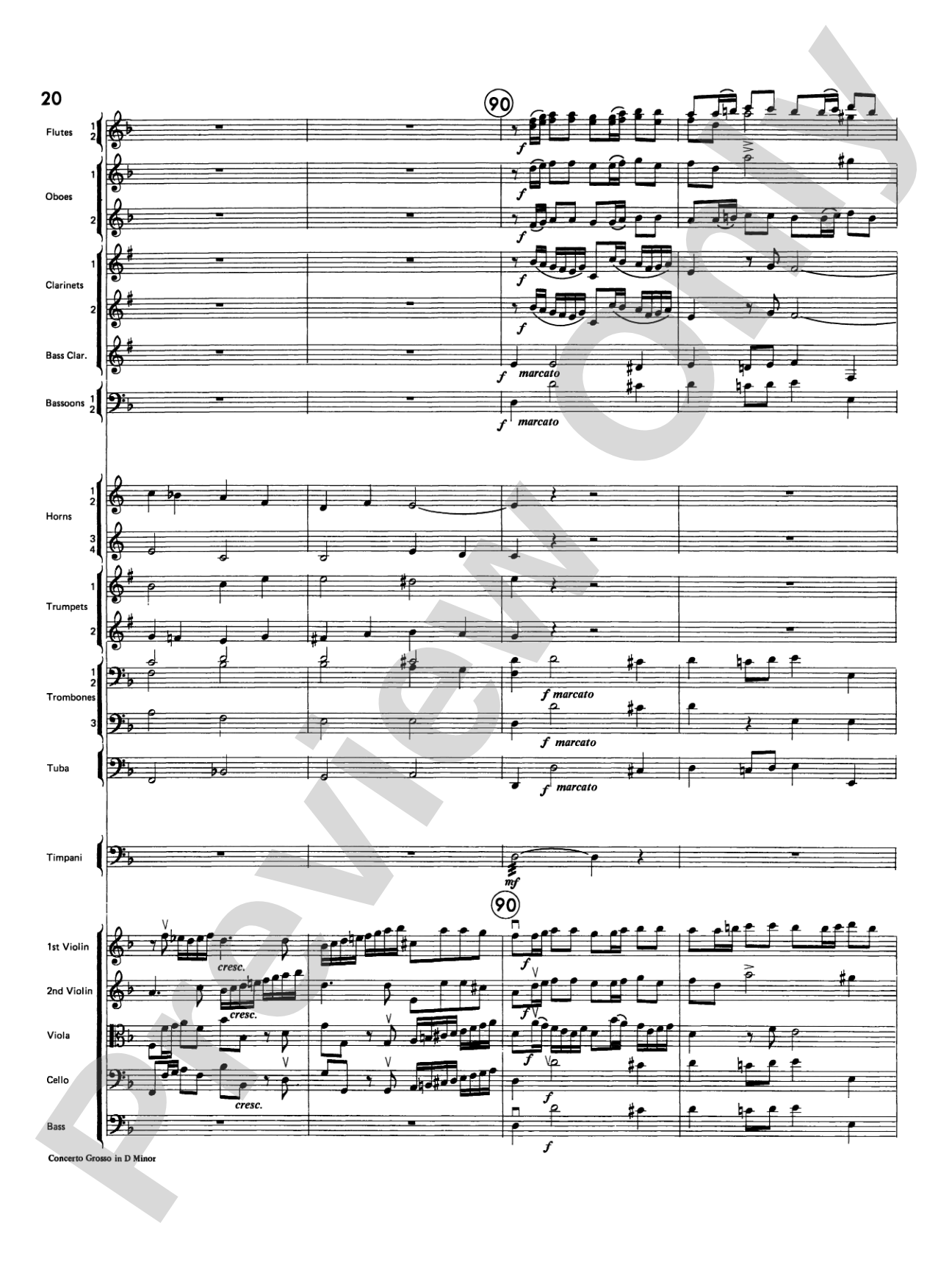
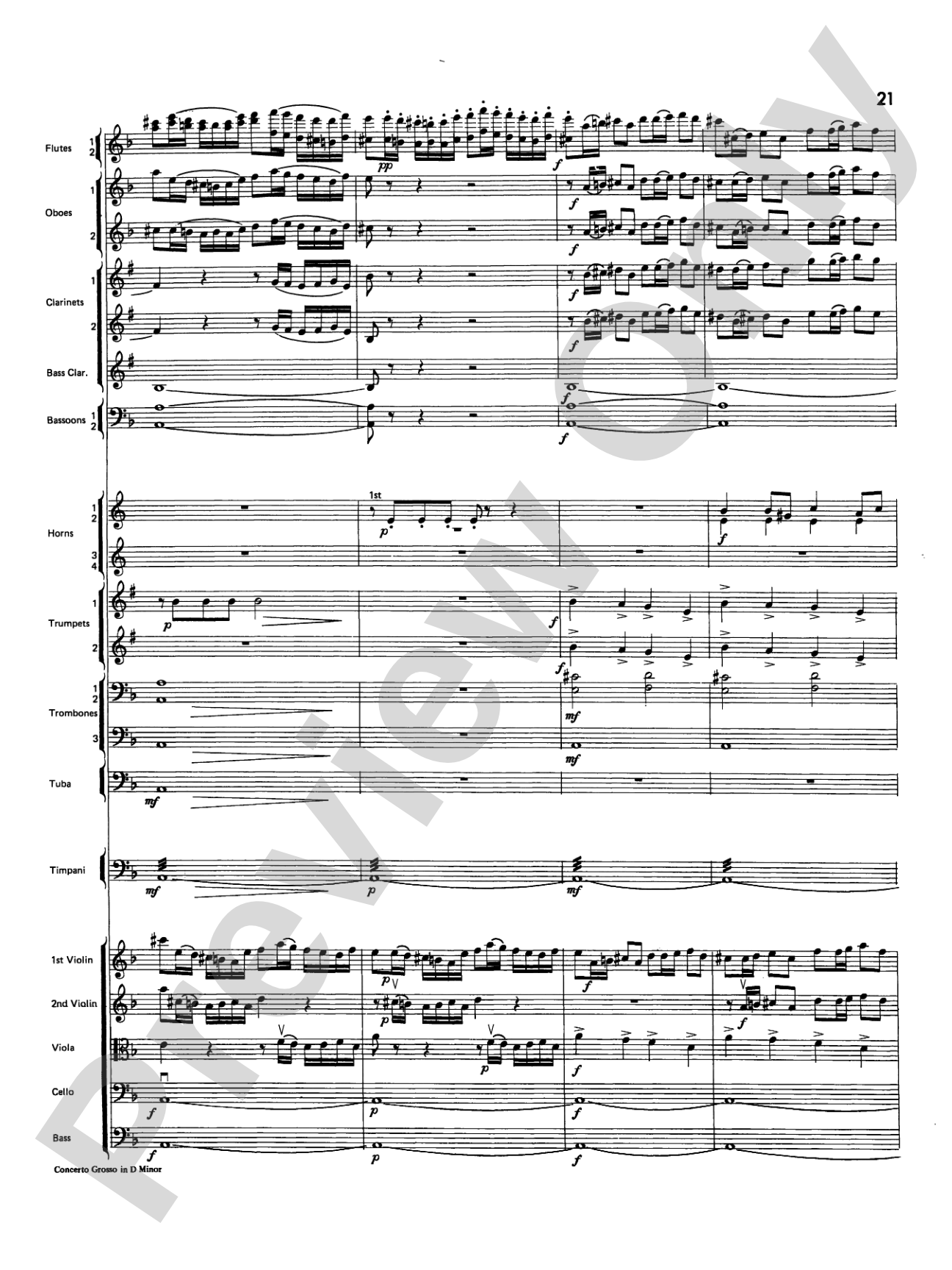
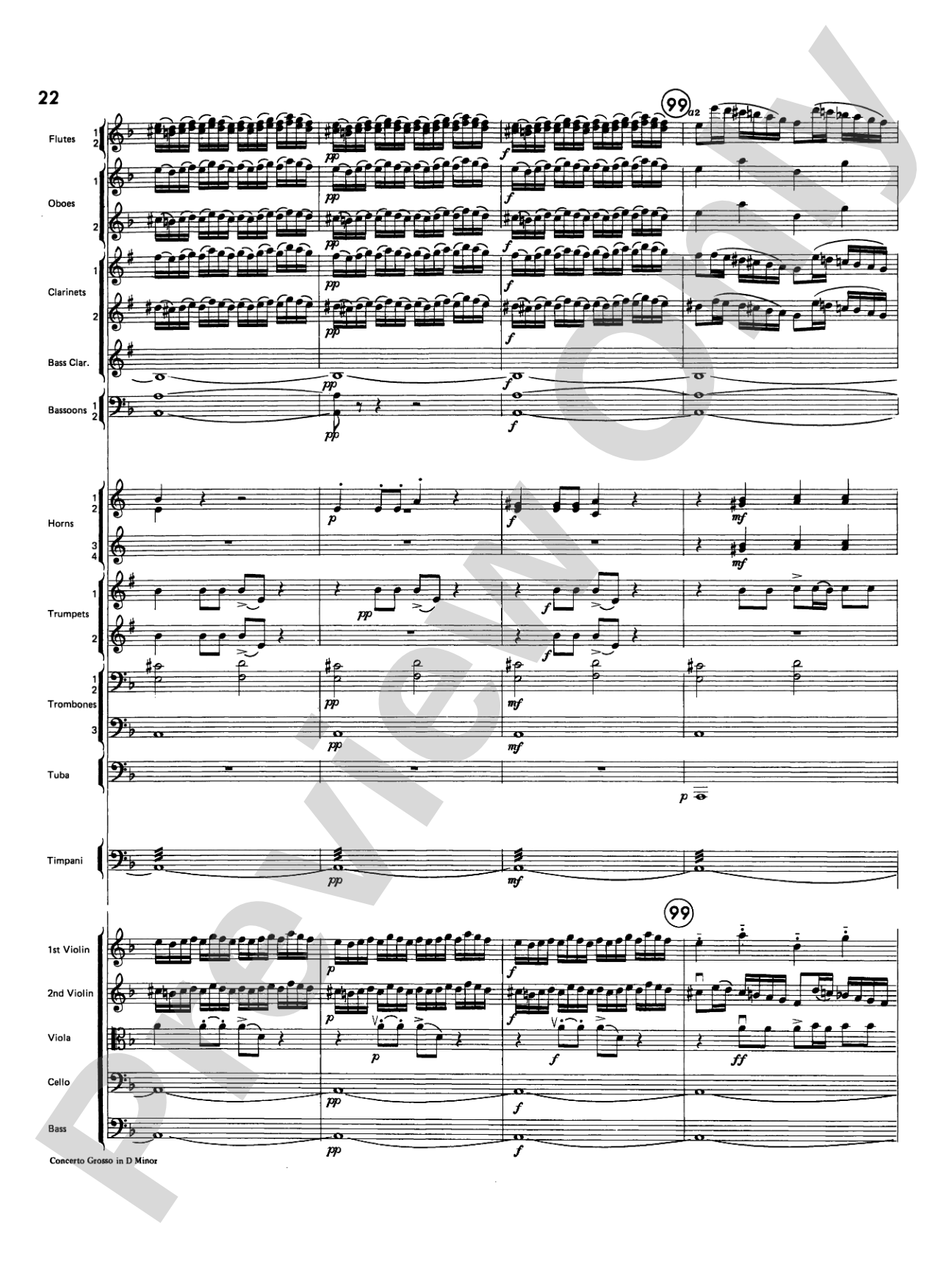
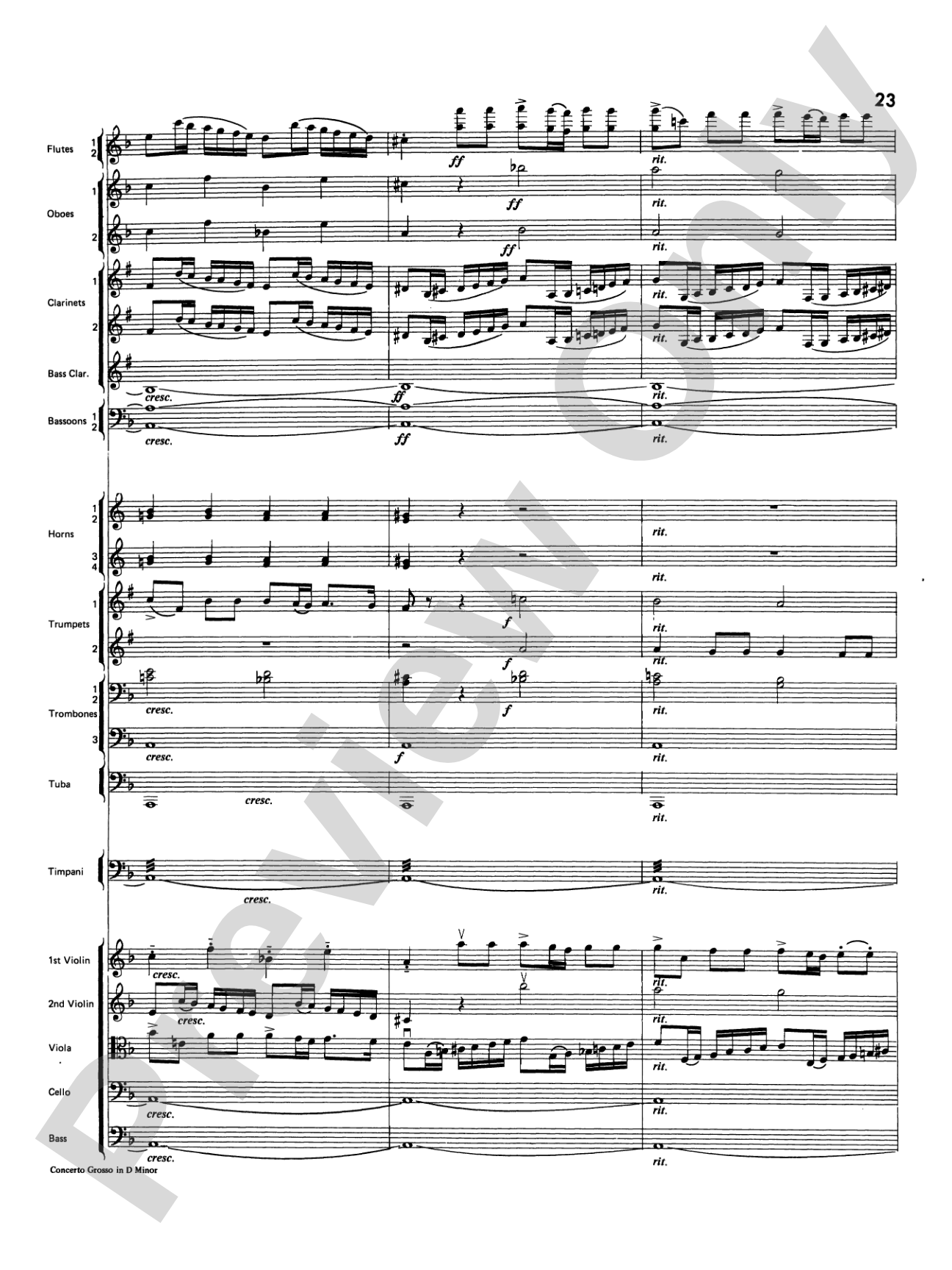
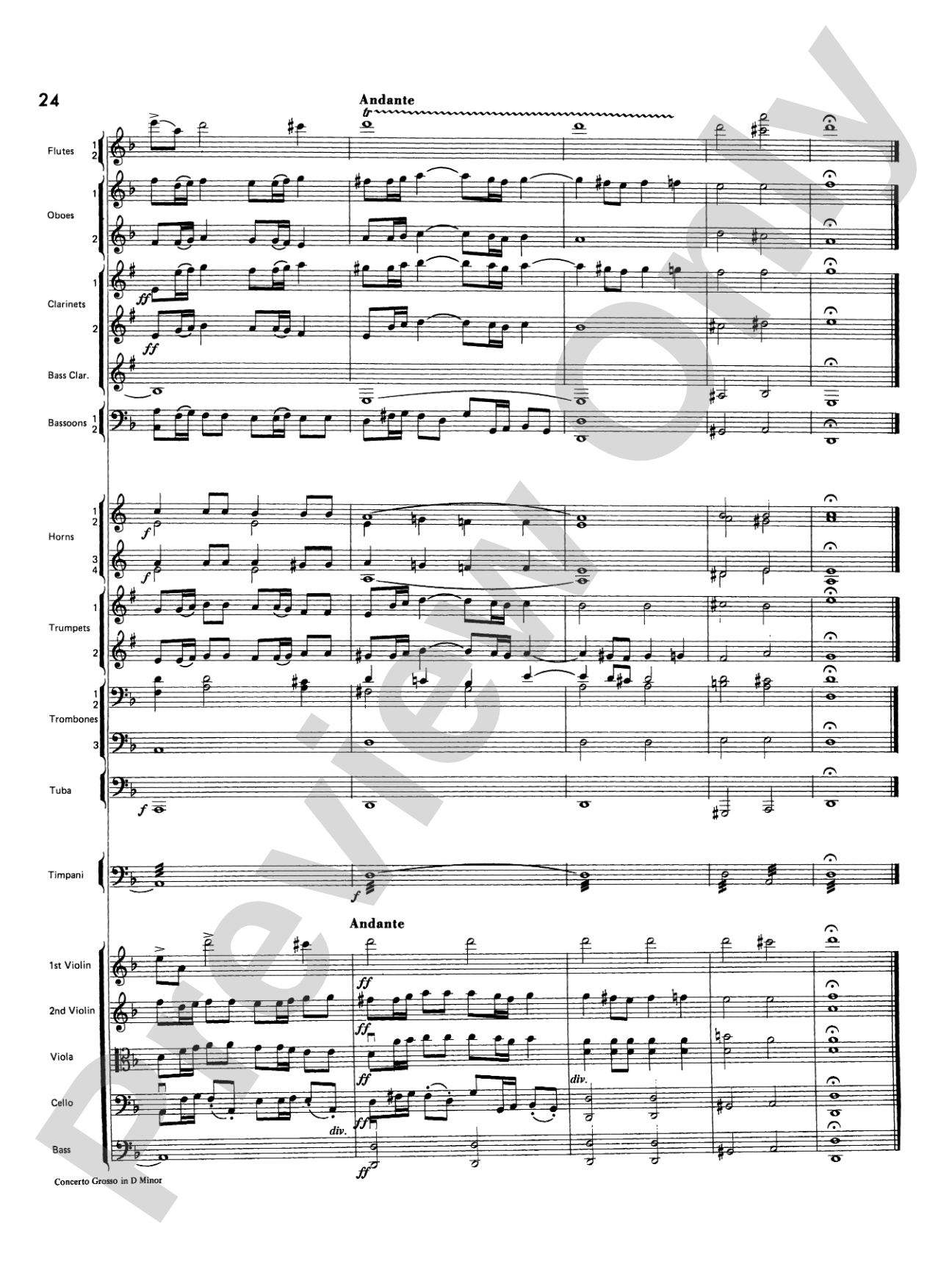

Concerto Grosso in D Minor: Full Orchestra Conductor Score & Parts
By Antonio Vivaldi / arr. Merle J. Isaac
Grade: 4
Item: 00-PK-0000038

$68.00
Pickup currently not available
Buy Extra Parts (Digital PDF Download)
Parts Added to Cart!
Description
This title is available in MakeMusic Cloud.


Don't just read it, hear it, play along with it, and watch your students grow with it. In MakeMusic Cloud, Concerto Grosso in D Minor: Full Orchestra Conductor Score & Parts comes alive with professional accompaniment, adjustable tempo, and built-in practice tools that turn solo practice into real progress.
Open in the Player
Jump straight in and assign it today.
Start Your Free Trial
Open this title and explore the full library in minutes.
Sample Audio
1
Audio File
--:--
0:00
0:00
Sample Video
No sample videos found.
Additional Details
Series:
Highland/Etling Full Orchestra
Publisher:
Alfred Music
Page Count:
86
SKU:
00-PK-0000038
More about this title
About the Composer: Antonio Vivaldi
Antonio Vivaldi (1678, 1741) shaped the Baroque concerto into one of music's most enduring forms. A master of instrumental color and rhythmic vitality, he composed over 500 concertos that became blueprints for how we still think about solo and ensemble writing today.
Vivaldi's work dominates music education because his writing sits perfectly at the intersection of technical clarity and genuine musicality. Students can grasp the harmonic structure and melodic phrasing immediately, yet the pieces reveal deeper sophistication with repeated study. His influence on orchestral pedagogy remains foundational; conductors return to his concertos again and again because they teach without preaching.
Why we love this
Merle Isaac's arrangement captures the structural elegance and forward momentum of a Vivaldi concerto grosso while keeping orchestration practical for Grade 4 ensembles. The piece balances the pedagogical value of learning Baroque conventions with genuine musical substance, so students experience authentic composition rather than simplified versions. It programs well at festivals and competitions precisely because it demands musical maturity without exceeding technical grasp.
What to expect
D minor lends this concerto a darker, more introspective character than Vivaldi's sunnier works. The piece unfolds with architectural logic: contrasting sections of tutti and solo writing, harmonic movement that traces clear paths, and rhythmic propulsion that feels both graceful and purposeful. Players experience the satisfaction of executing clean passagework and controlled dynamics in service of something genuinely expressive.
Who it's for
Orchestra directors seeking substantive Baroque repertoire for intermediate ensembles will find this arrangement exactly calibrated. Students at Grade 4 gain exposure to concerto grosso form, stylistic articulation, and the discipline of ensemble balance while building confidence in Baroque performance practice.
How to get the most out of it
- Shape the opening tutti with careful attention to dynamic gradient. Avoid uniform loudness; let the harmonic movement guide your crescendi and diminuendi so the structure emerges clearly.
- Balance the concertino (solo group) against the ripieno (full ensemble) by ear rather than strict volume markings. The contrast should be tonal quality and independence, not just decibels.
- Practice the ritornello sections as a unified gesture. Consistency in phrasing across repeated statements anchors the form and gives the ensemble security.
- Lock in the continuo figurations (typically harpsichord or cello and bass line). Strong support from the harmonic foundation allows upper voices to sing freely.
How to use it
Program this as the centerpiece of a Baroque concert or festival performance, pairing it with Baroque chamber works or earlier-period concerti to contextualize the form. It also works effectively as an opening number on mixed-era concerts, since its structural clarity cuts through and settles an audience into focused listening. Consider it for spring festival circuits, where adjudicators recognize and value solid Baroque technique.
Skills your students will build
- Reading and performing D minor tonality with consistent intonation across the ensemble
- Executing terraced dynamics (sharp contrast between full orchestra and solo groups) without gradual transitions
- Balancing contrapuntal lines in the ritornello sections and identifying harmonic movement underneath them
- Playing stylistically appropriate articulation for Baroque continuo-based writing
- Understanding concerto grosso structure through performance (tutti-solo alternation, ritornello principle)