
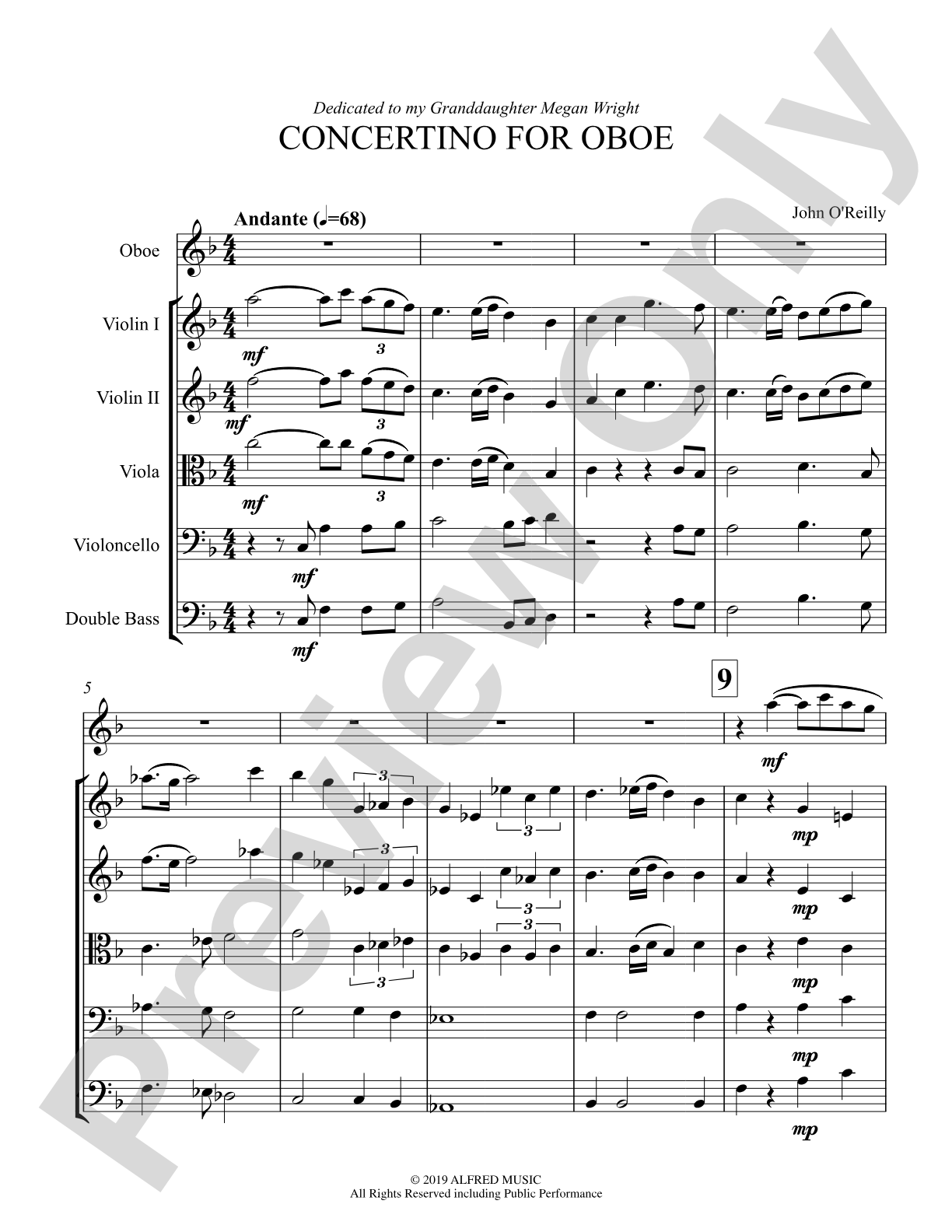
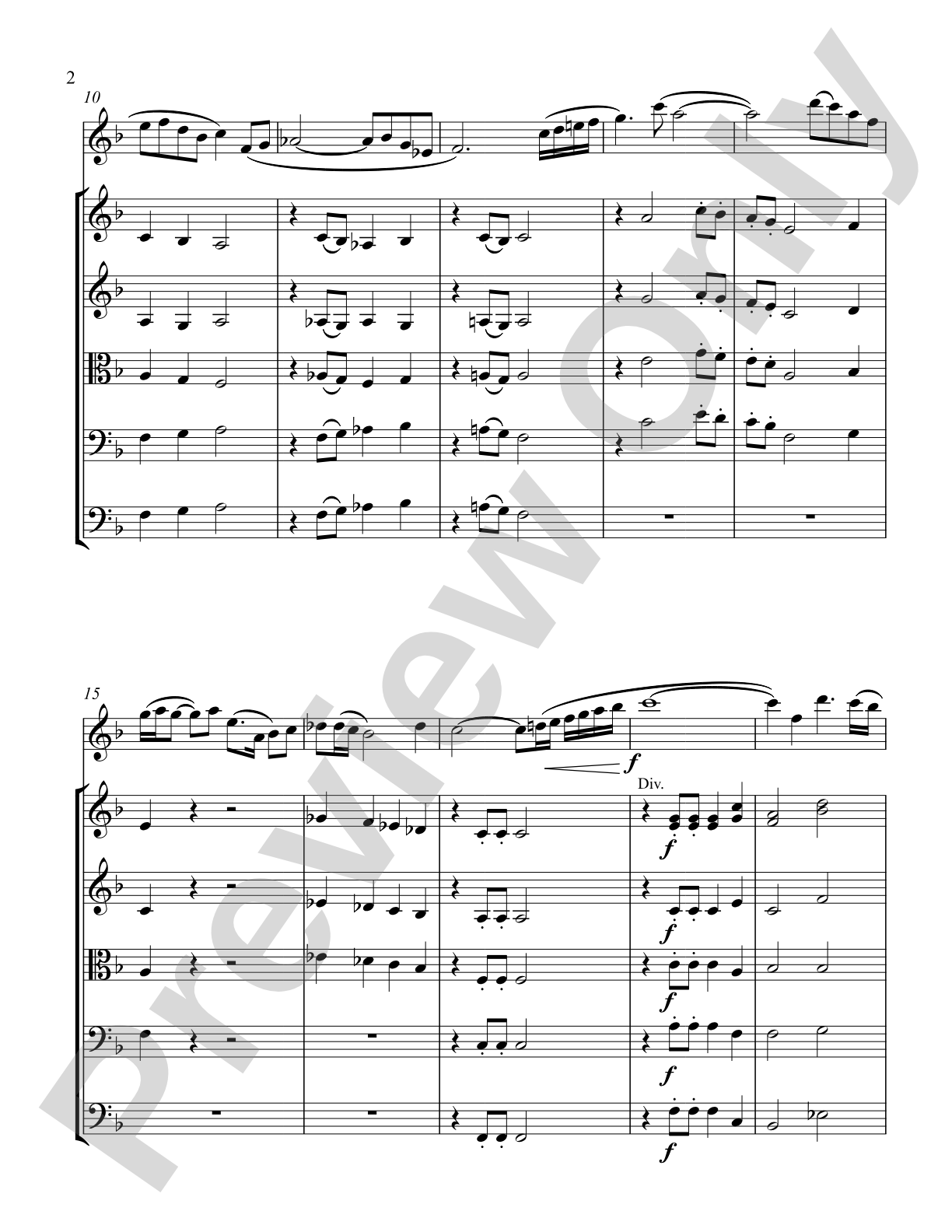
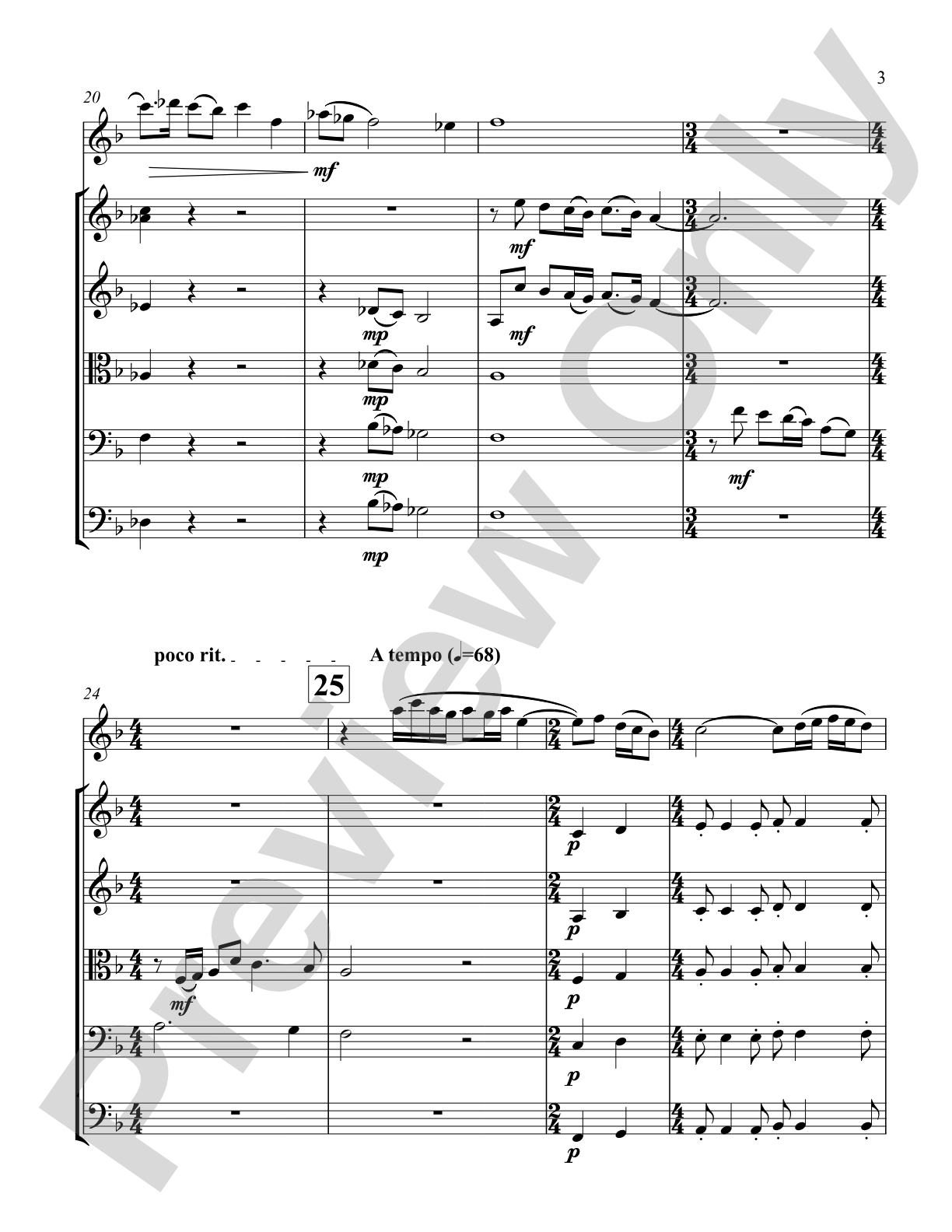
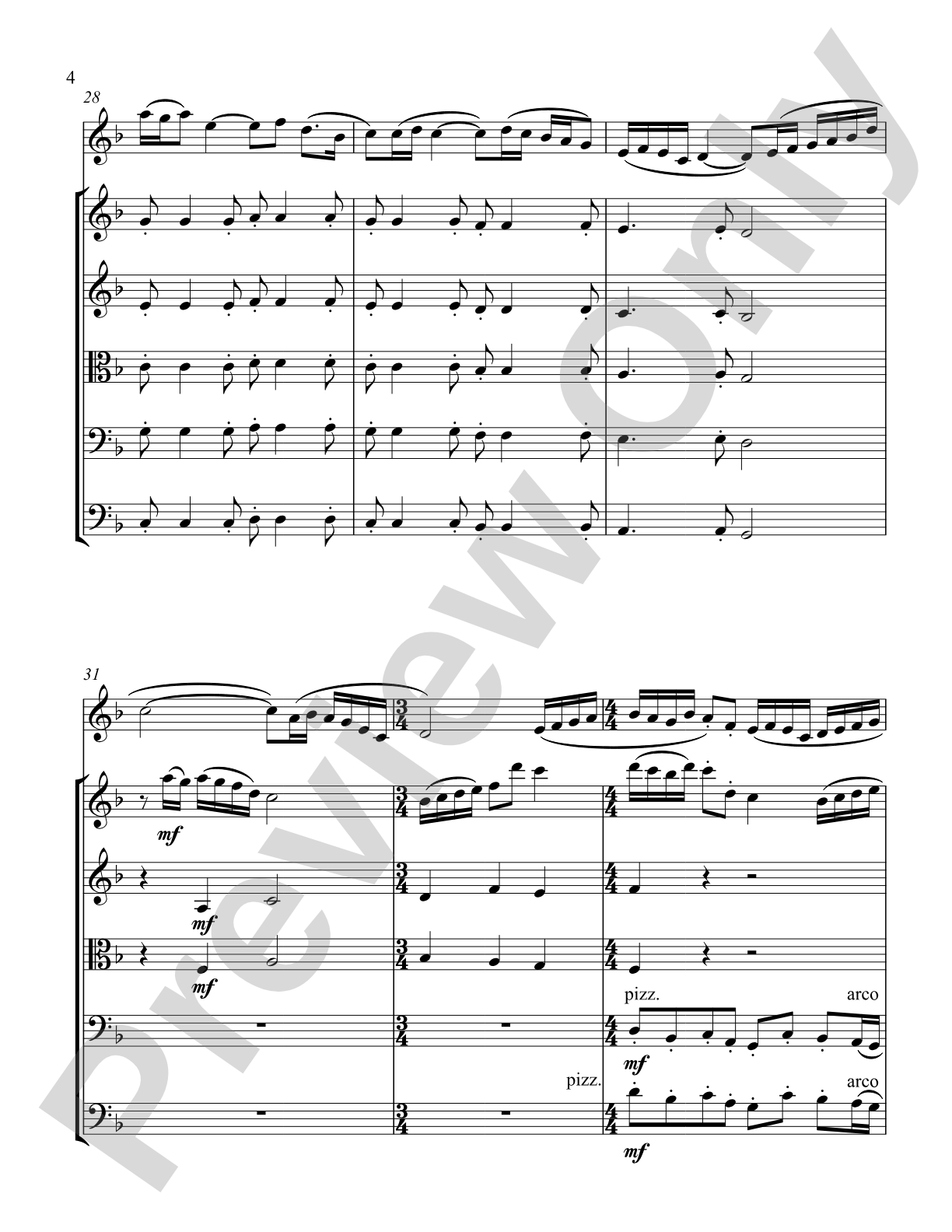
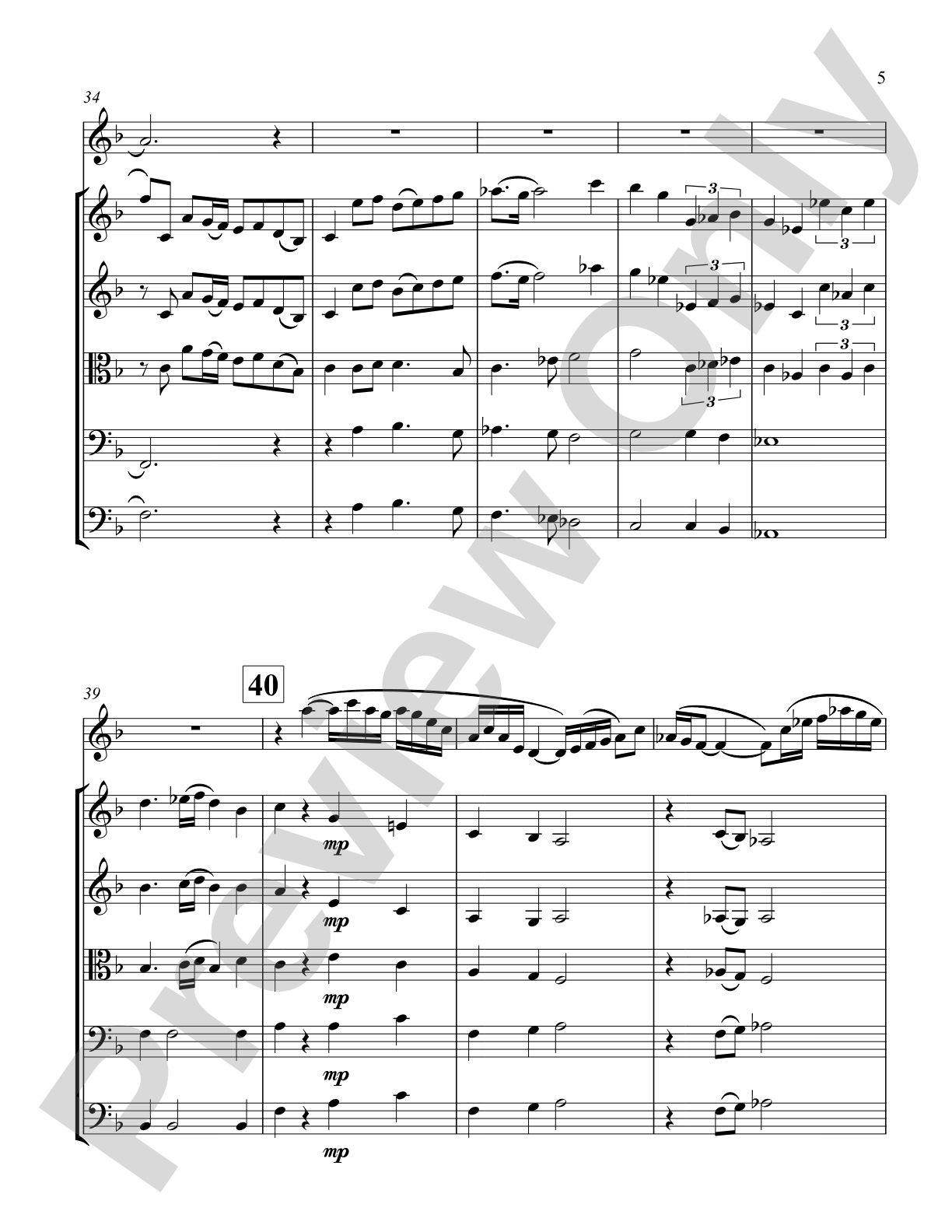
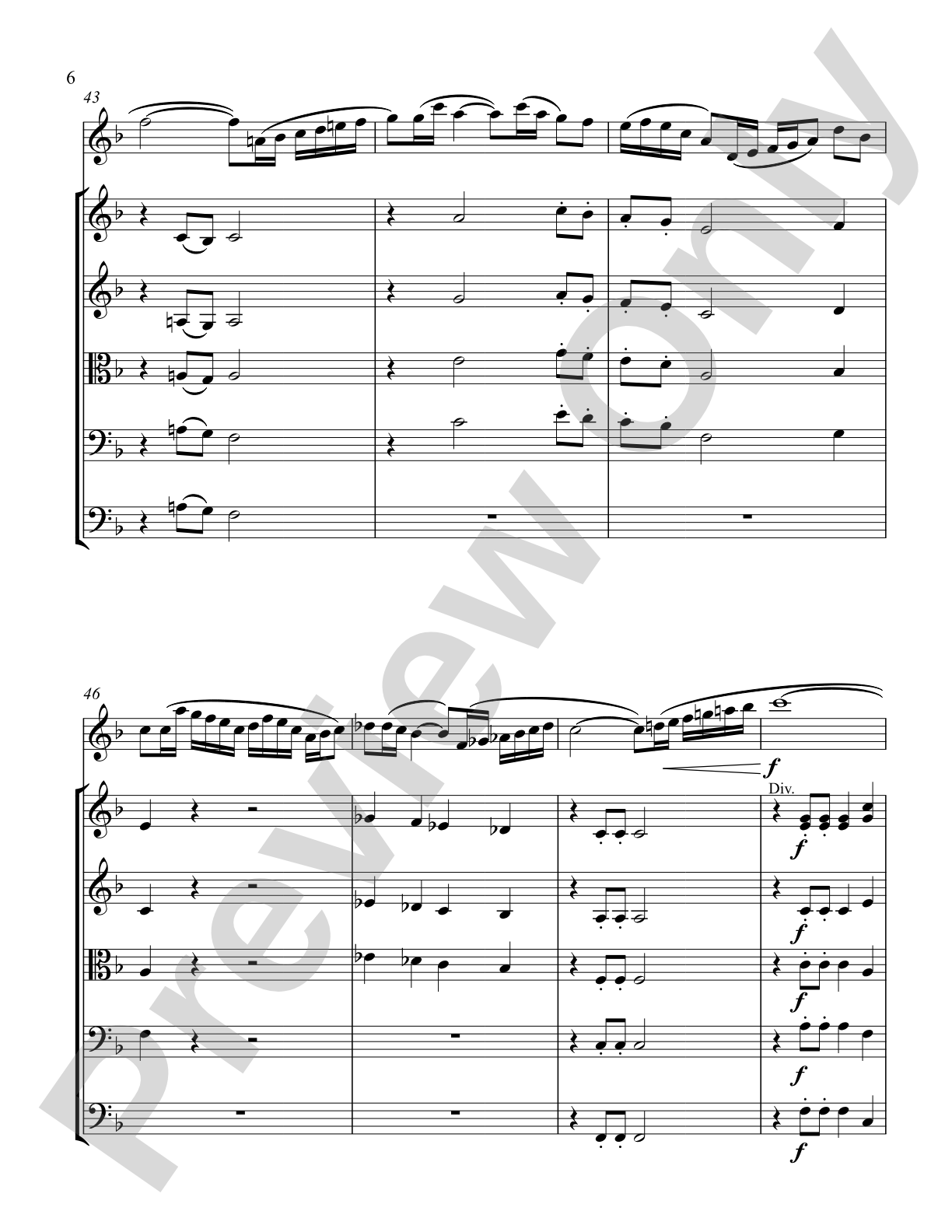
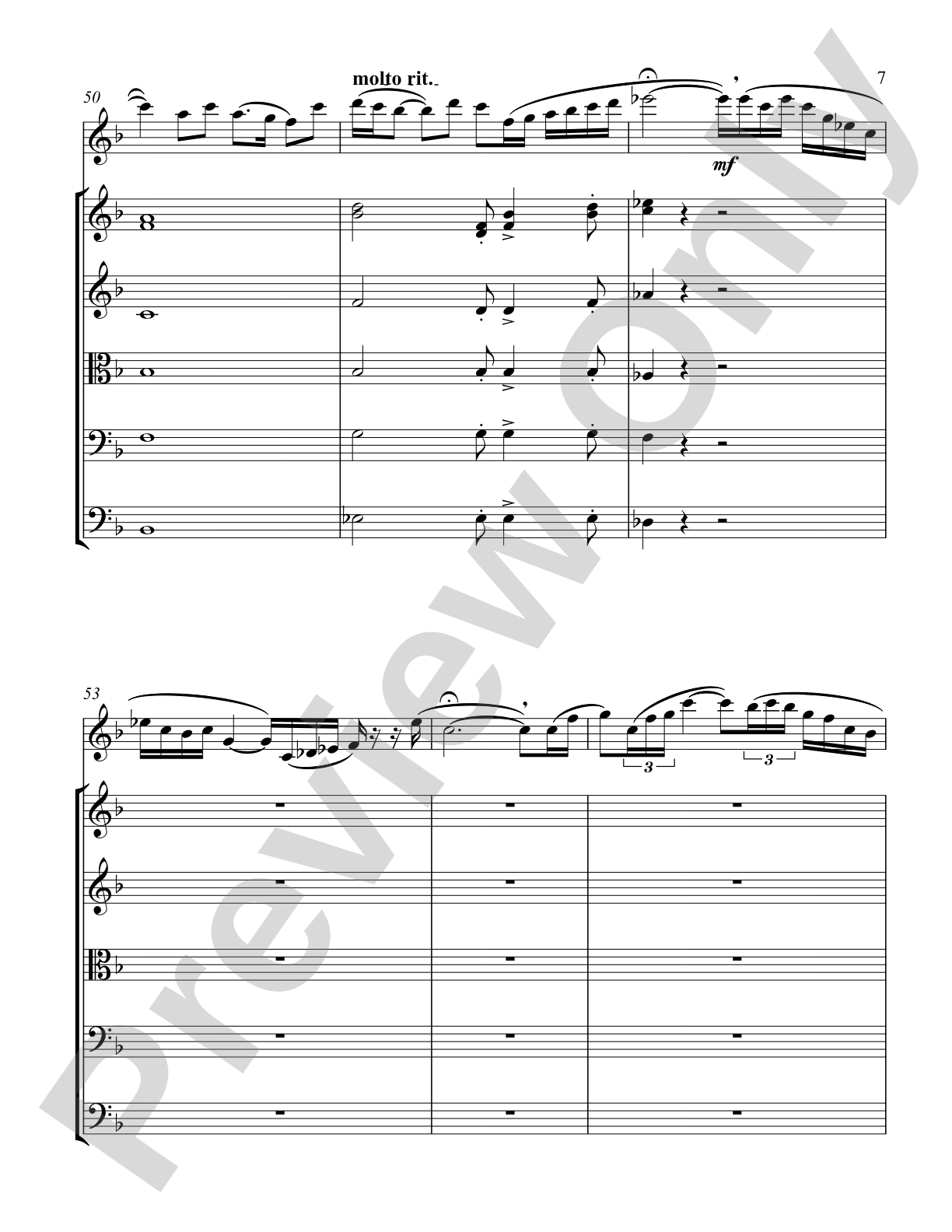
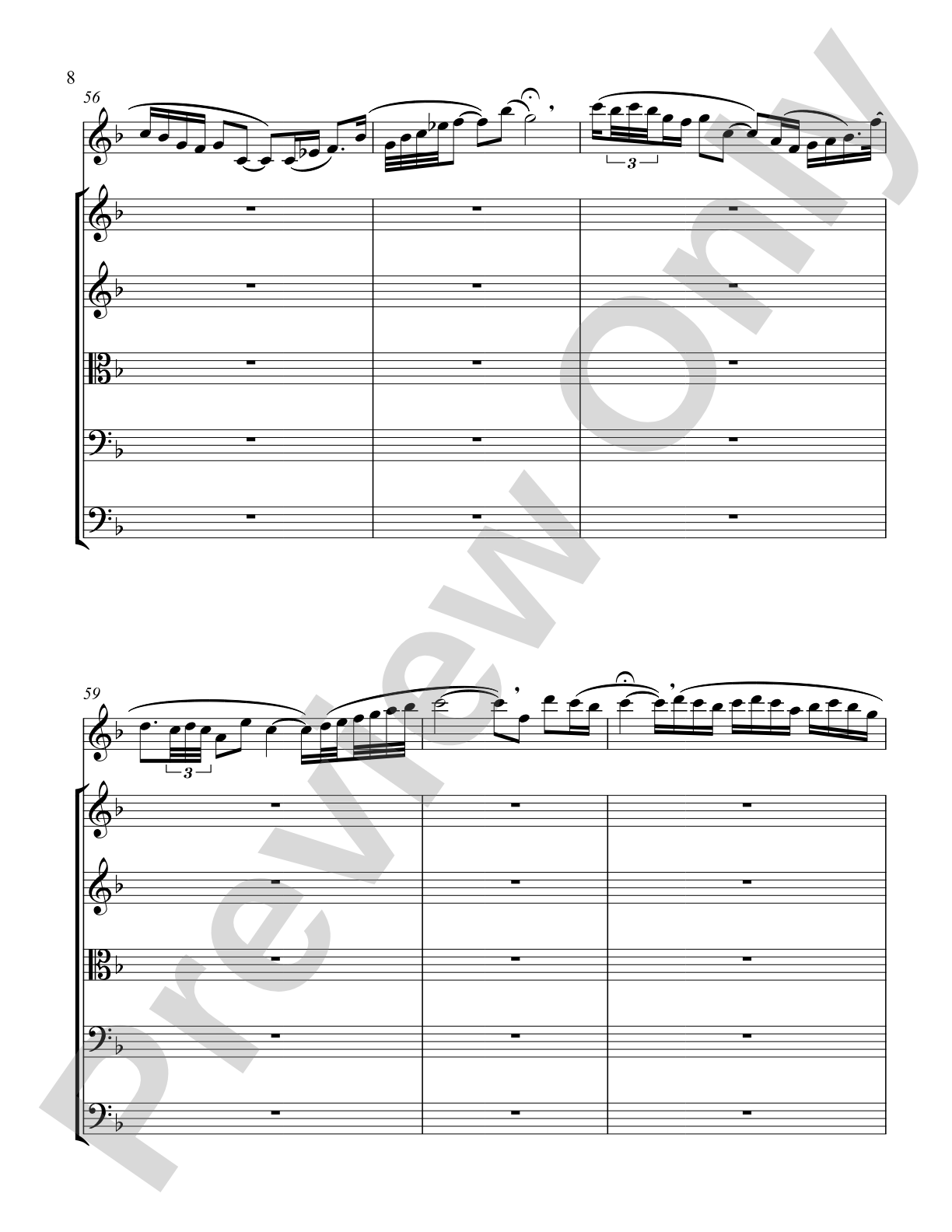
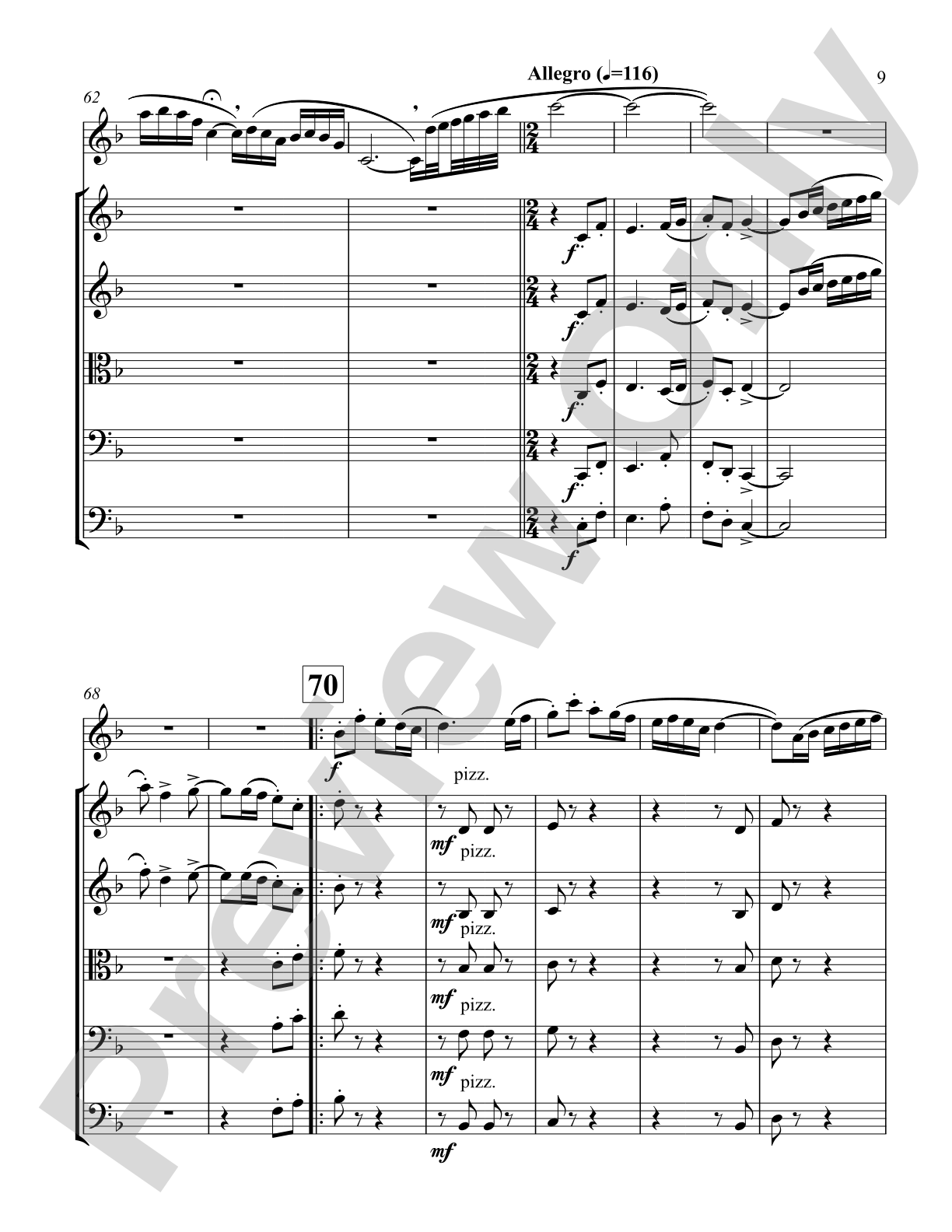
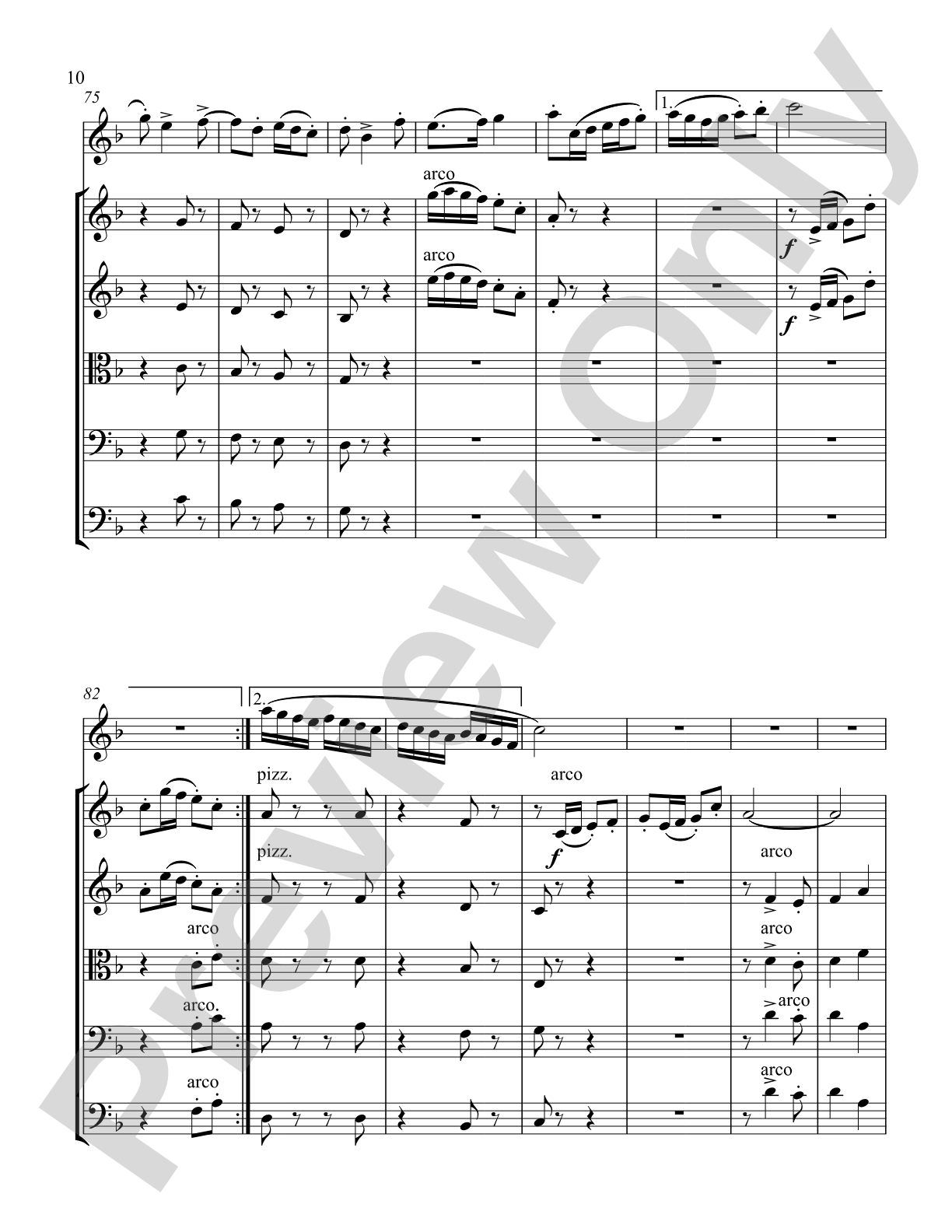
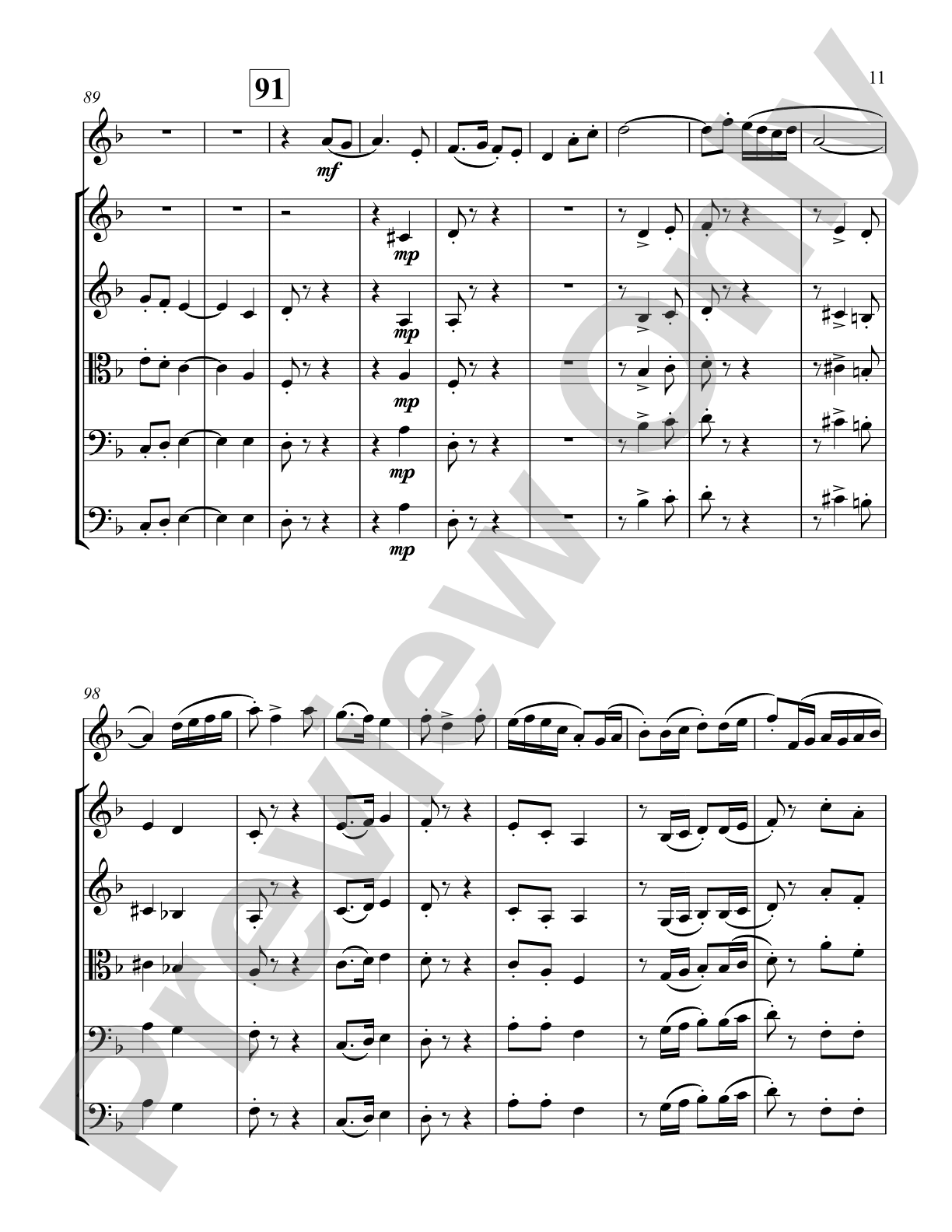
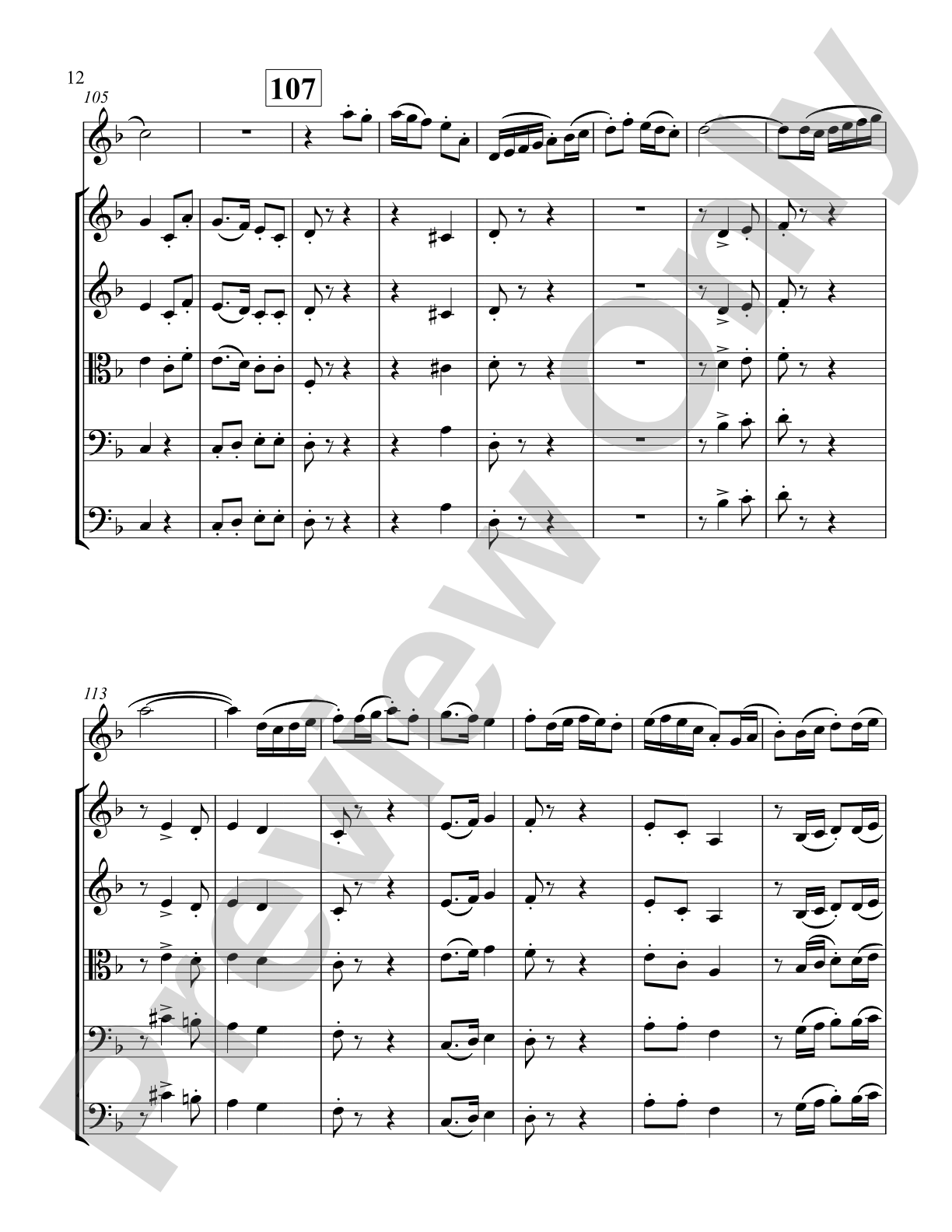
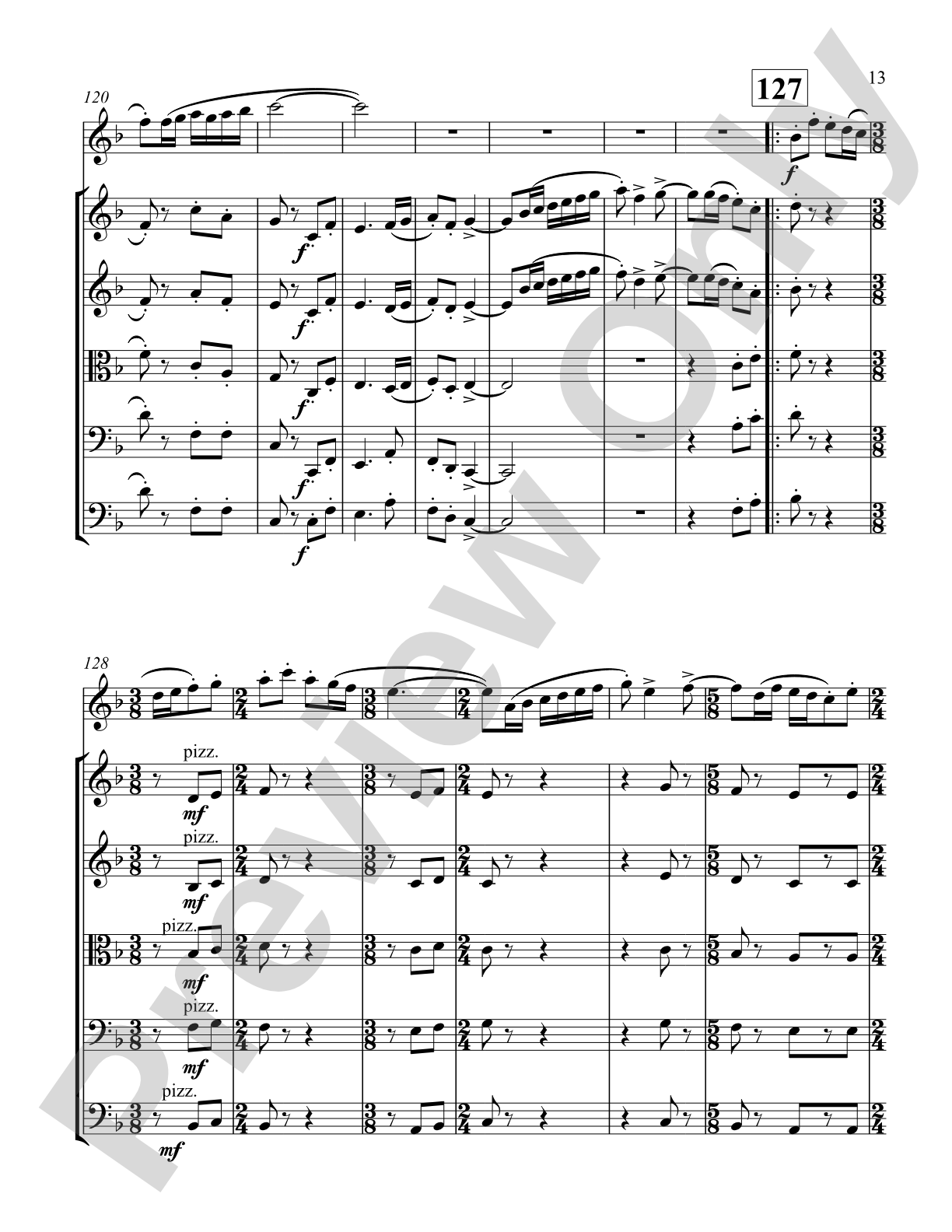
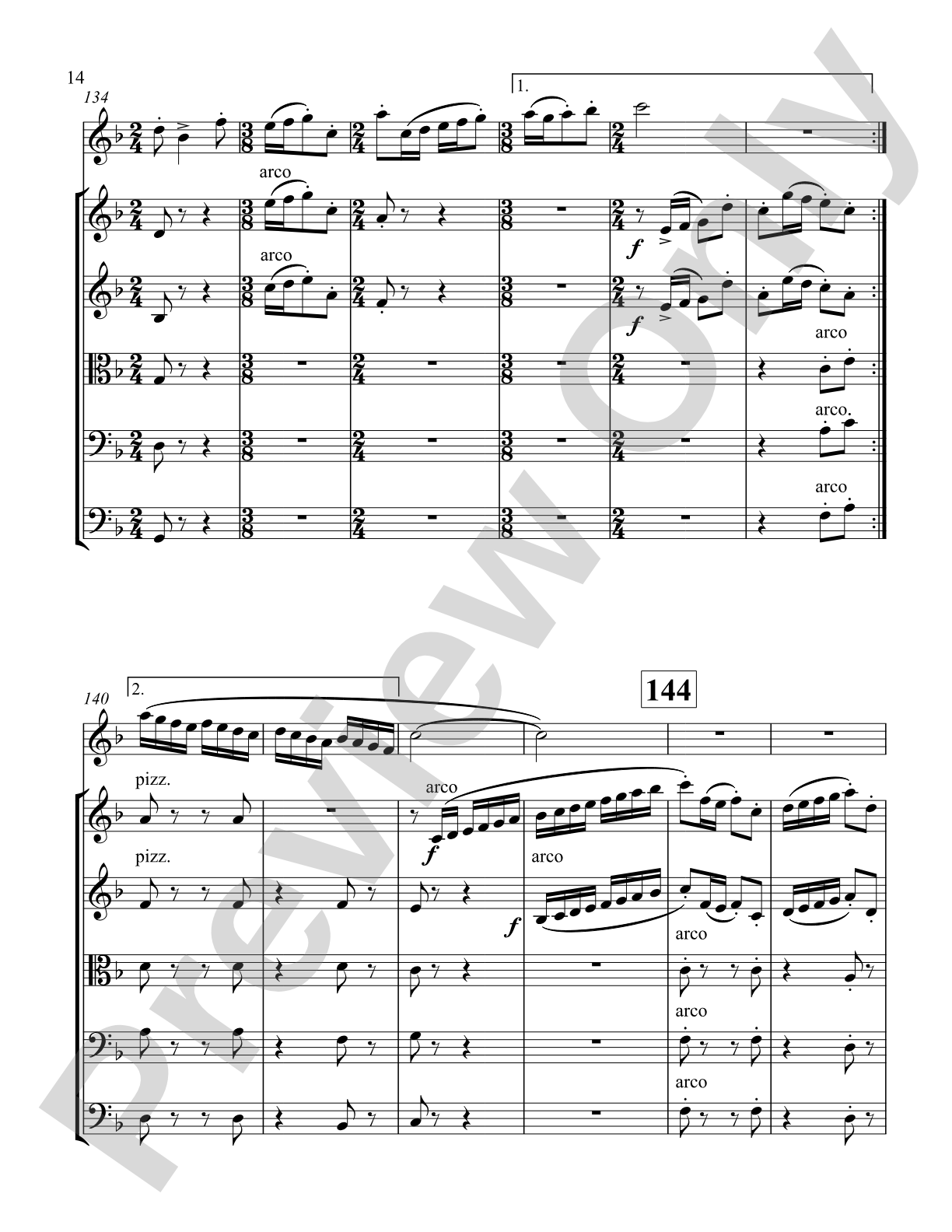
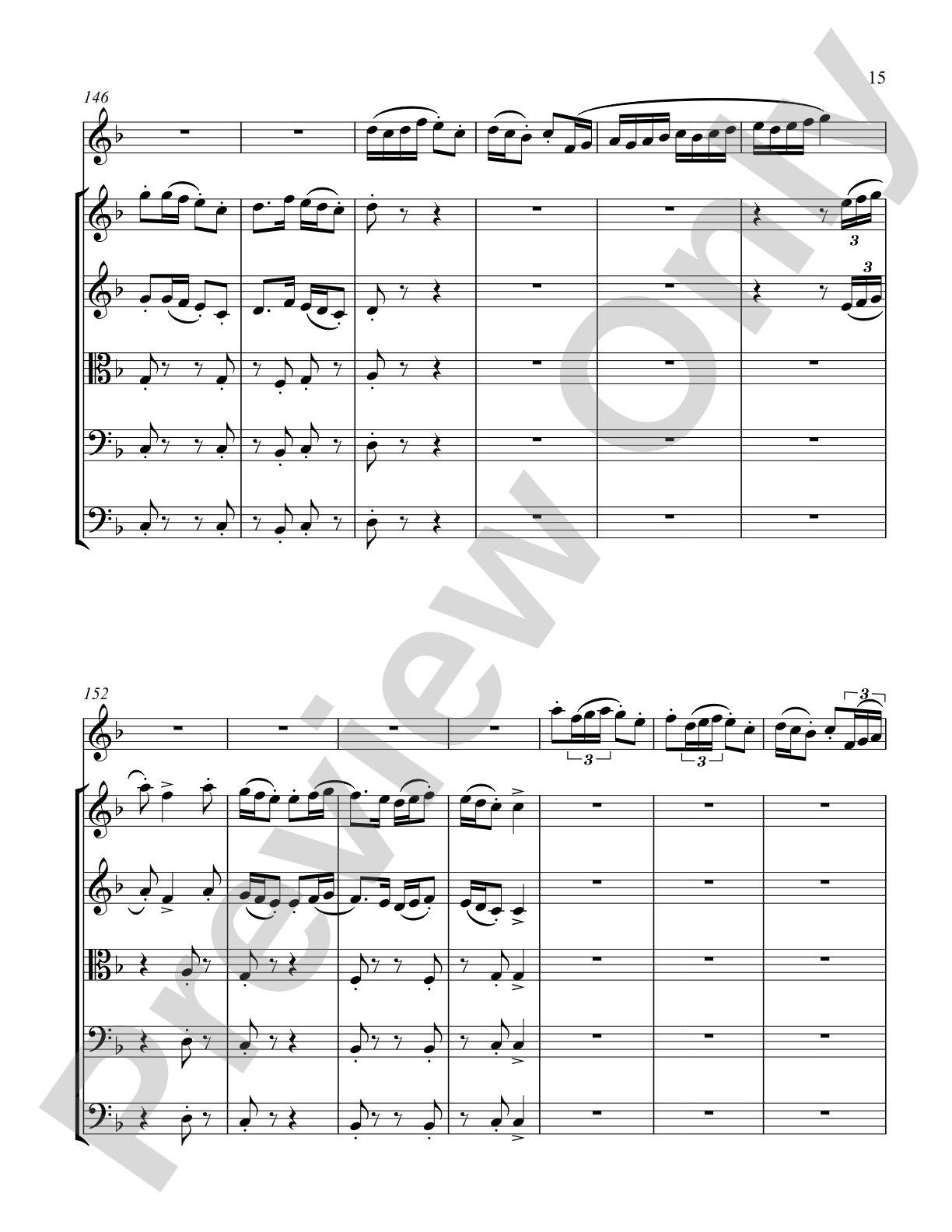
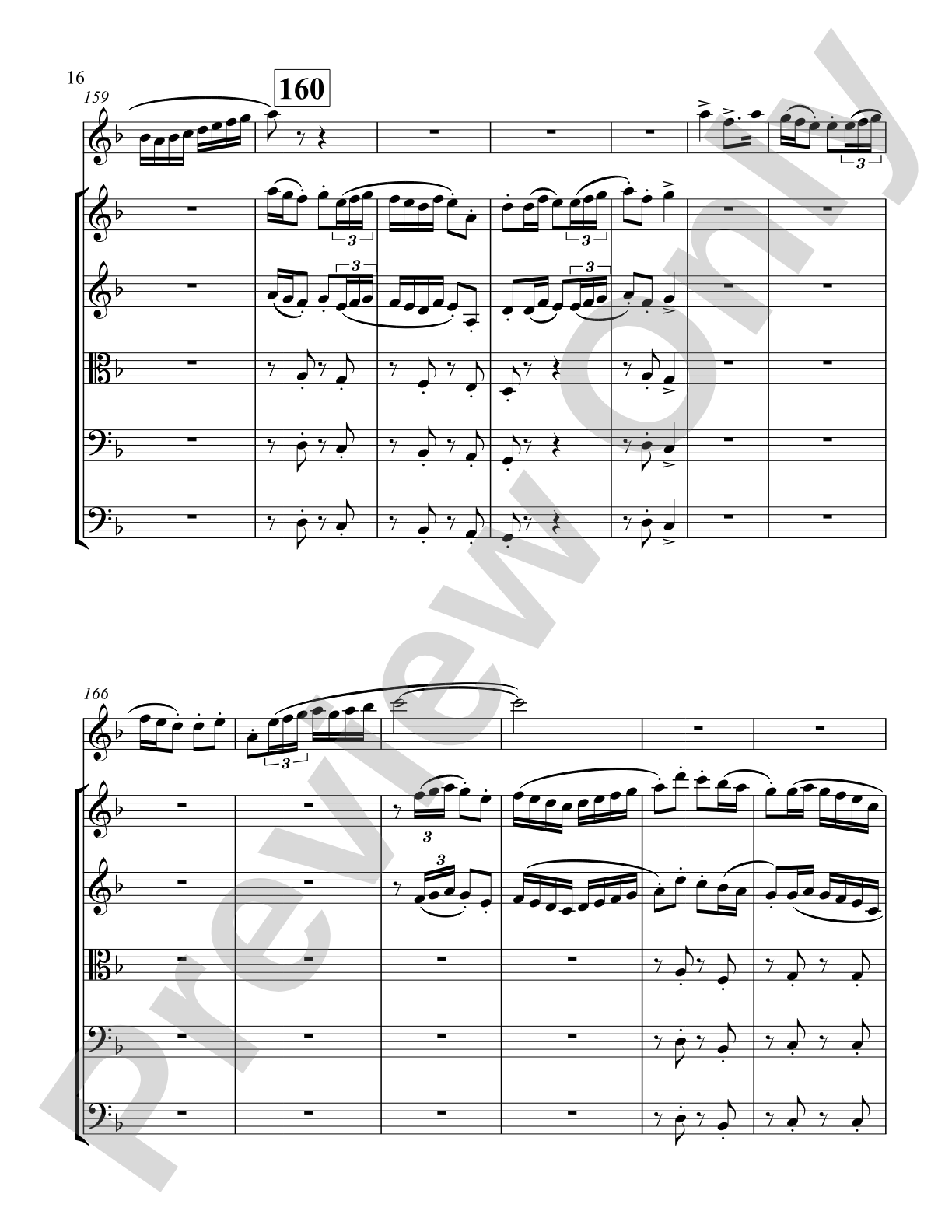

Concertino for Oboe: String Orchestra Conductor Score & Parts
By John O'Reilly
Grade: 6 (Difficult)
Item: 00-PK-0008092

$60.00
Pickup currently not available
Buy Extra Parts (Digital PDF Download)
| Product | Price | Quantity |
|---|---|---|
| Concertino for Oboe: Score | $15.00 | |
| Concertino for Oboe: Oboe Solo | $5.99 | |
| Concertino for Oboe: 1st Violin | $5.99 | |
| Concertino for Oboe: 2nd Violin | $5.99 | |
| Concertino for Oboe: Viola | $5.99 | |
| Concertino for Oboe: Cello | $5.99 | |
| Concertino for Oboe: Double Bass | $5.99 | |
| Concertino for Oboe: E-flat Alto Saxophone Solo (Alternate) | $5.99 | |
| Concertino for Oboe: B-flat Clarinet Solo (Alternate) | $5.99 | |
| Concertino for Oboe: Flute Solo (Alternate) | $5.99 | |
| Concertino for Oboe: Piano Accompaniment | $5.99 |
Parts Added to Cart!
Related Items
Concertino for Oboe: Concert Band Conductor Score & Parts |
$85.00
|
View |
Description
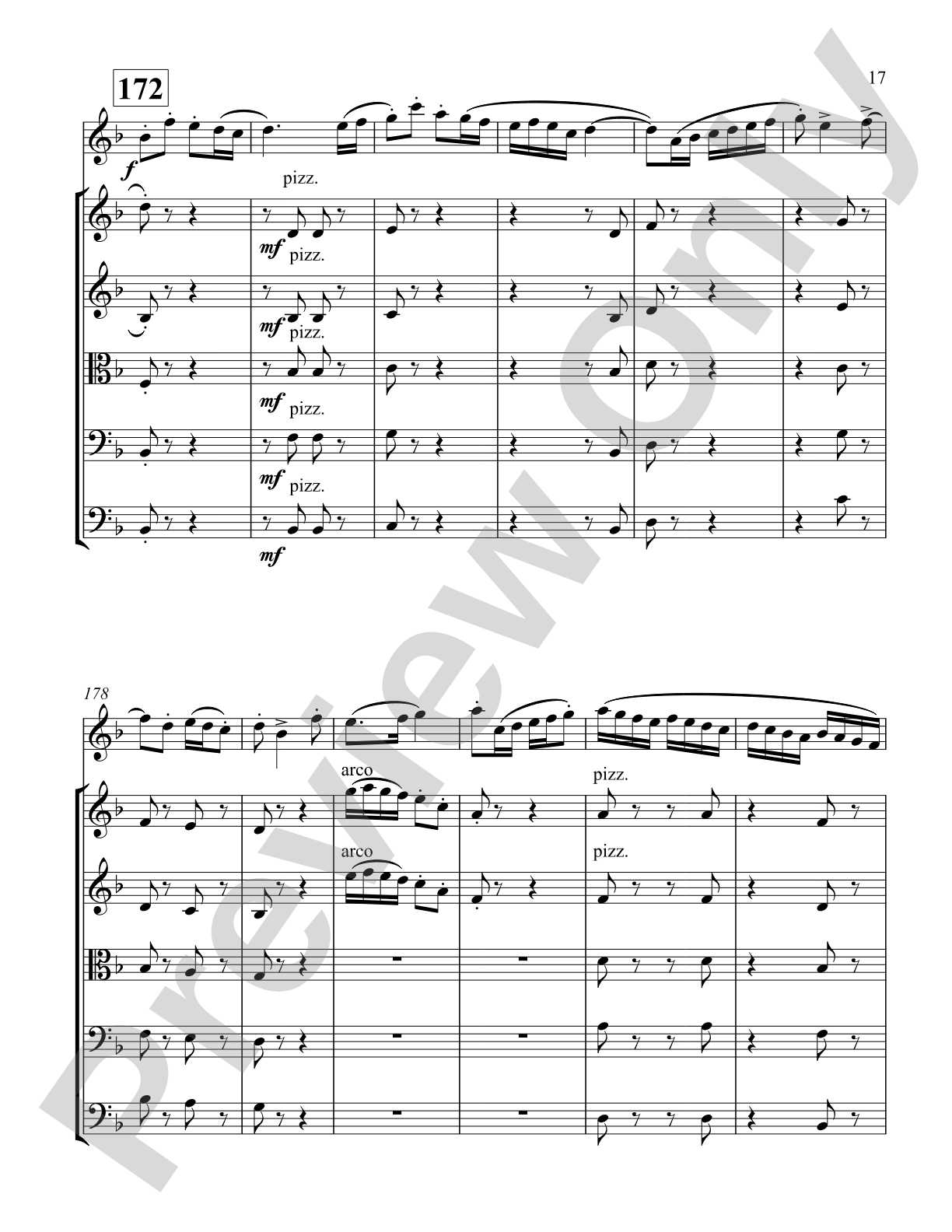
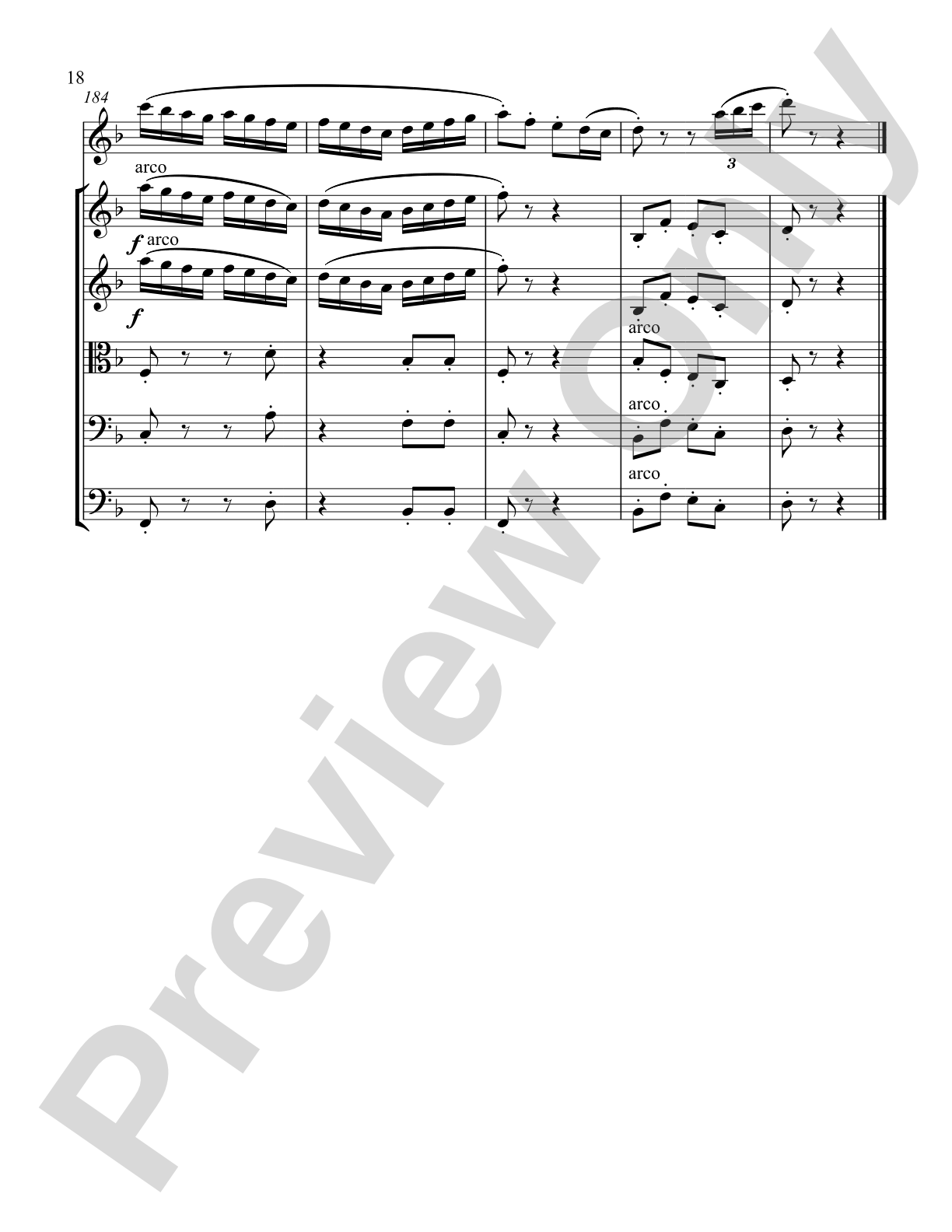
Concertino for Oboe is a two movement work for a very proficient oboist accompanied by a less experienced (grade 3--4) ensemble. The accompaniment is available for Concert Band, String Orchestra, String Quartet, and Piano. In addition, the solo part can alternately be performed by Flute, Bb Clarinet, or Eb Alto Saxophone. All of these options are included in this digital edition. Mr. O'Reilly conducted the premier performance of this composition with his granddaughter Megan Wright as the soloist with the Newsome High School band in Valrico, Florida. Megan is now an Oboe major at Florida State University.


Don't just read it, hear it, play along with it, and watch your students grow with it. In MakeMusic Cloud, Concertino for Oboe: String Orchestra Conductor Score & Parts comes alive with professional accompaniment, adjustable tempo, and built-in practice tools that turn solo practice into real progress.
Open in the Player
Jump straight in and assign it today.
Start Your Free Trial
Open this title and explore the full library in minutes.
Sample Audio
No sample audio found.
Sample Video
No sample videos found.
Additional Details
Series:
Alfred Digital String Orchestra
SKU:
00-PK-0008092
More about this title
Why we love this
This piece solves a real programming challenge: you need a showcase for an advanced oboe soloist, but your string ensemble isn't ready for a concerto that demands sophistication in every part. O'Reilly writes idiomatically for the oboe while keeping the accompaniment accessible (Grades 3-4), which means your soloist gets genuine material to sink their teeth into without exposing the ensemble's limitations. The flexibility to swap in flute, clarinet, or alto saxophone makes it valuable whether your advanced player is woodwind or not.
What to expect
The work balances warmth and virtuosity across two movements. The oboe emerges as a voice of lyrical authority over a respectful, well-written accompaniment that never upstages the soloist. The accessible string writing keeps the focus where it belongs while maintaining genuine musical substance.
Who it's for
String orchestra directors with an advanced oboe soloist (or advanced woodwind player willing to double on the solo part) and a supporting ensemble at the Grades 3-4 level. This is especially valuable for concerts where you want to feature a standout player without programming an ensemble concerto that overmatches your section players.
How to get the most out of it
- Balance the oboe solo generously. Grade 3-4 string players naturally default to supporting dynamics, so you'll need explicit cuing to ensure the solo line projects without drowning.
- Use the conductor score to map phrasing across both movements. Mark your own ideas for where the accompaniment breathes separately from the soloist, since they're not always synchronized.
- Rehearse the string sections independently first, focusing on rhythmic precision and clean ensemble attacks. Once they're steady, bring in the oboe and listen for moments where the solo line needs space.
- If you're using an alternative solo instrument (flute, clarinet, or saxophone), check the part's tessitura and articulation marking before the first rehearsal. Some passages may feel more natural on one instrument than another.
How to use it
Feature this in a chamber concert or as a centerpiece in a full orchestra concert where you want to spotlight your best oboist. It pairs well with other showcases for young soloists and works equally in a season where you're programming increasingly ambitious repertoire for developing ensembles. The two-movement structure fits comfortably into a mid-concert spot without requiring the full weight of a longer work.
Skills your students will build
- Listening and balancing around a solo line
- Maintaining steady ensemble sound while accompanying
- Reading and responding to conductor cues in a concertante format
- Coordinating rhythmic precision with limited rehearsal complexity