Comfort and Joy Cover Image

Comfort and Joy: Jazz Ensemble Conductor Score & Parts

$52.00 USD
Sale price  $52.00 USD Regular price 
Skip to product information
Comfort and Joy Cover Image

Comfort and Joy: Jazz Ensemble Conductor Score & Parts

Traditional / arr. Rick Hirsch

Grade: 3 (Medium)

Item: 00-41128

makemusic Cloud badge

Need it now?

Buy Digital Version
$52.00
Shipped

One moment…

Description
A superb holiday swinger at around 180 BPM. The melody is generously passed around the ensemble to keep everyone happy, plus there is written-out solo space for tenor, alto, piano and some drum fills, too. Lead trumpet range is to written B-flat above the staff and includes an optional vibe part. An excellent chart! (3:14) This title is available in MakeMusic Cloud.

Don't just read it, hear it, play along with it, and watch your students grow with it. In MakeMusic Cloud, Comfort and Joy: Jazz Ensemble Conductor Score & Parts comes alive with professional accompaniment, adjustable tempo, and built-in practice tools that turn solo practice into real progress.

Sample Pages

Sample Audio
0:00
0:00
Sample Video
Additional Details
Series: Jazz Band Series
Publisher: Alfred Music
Page Count: 98
ISBN10: 1-4706-7328-2
ISBN13: 978-1-4706-7328-4
UPC: 038081465470
SKU: 00-41128

More about this title

About the Arranger: Rick Hirsch
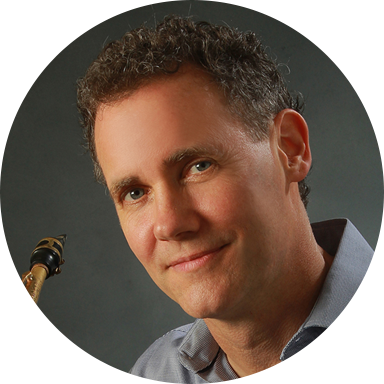
Rick Hirsch

Rick Hirsch earned degrees from UMass-Amherst and Northern Illinois University, launching his professional career as a copyist for legendary bandleaders Bob Mintzer and Toshiko Akiyoshi. His compositions and arrangements have been recorded and performed by jazz artists including Yusef Lateef and Eddie Henderson, as well as chamber ensembles and university jazz programs across the country.

Hirsch has guest-conducted All-State and District Jazz Bands throughout his career and held a faculty position at Penn State University. In 2017, his big band BIG OL' BAND released their debut album Pocono Git-Down, showcasing original work rooted in regional jazz traditions.

Why we love this

Hirsch writes with the ensemble front and center rather than buried behind soloists. The melody rotates constantly, so every section gets attractive material to play, and the solo spaces are genuinely singable and swingable rather than virtuosic showcases. At Grade 3, it delivers sophisticated swing orchestration without requiring a wall of range or technical chops.

What to expect

Bright and swinging, with the warmth of a minor-key melody offset by major-key harmony that keeps things bright and joyful. The constant melody rotation creates an ensemble conversation rather than a solo feature, and the rhythm section drives everything with forward motion and lift.

Who it's for

Jazz ensembles at the high school level and college jazz bands seeking accessible holiday repertoire that doesn't sound like a novelty. Directors building a winter concert that balances festive programming with serious musicianship will find this chart rewarding for both students and audiences.

How to get the most out of it

  • Establish the tempo lock first. At 180 BPM, the pulse needs to feel effortless and relaxed, not rushed. Have the rhythm section nail the pocket before running the full band.
  • Balance the written solos so each one breathes. The tenor, alto, and piano solos should feel like conversations with the ensemble, not competing for attention.
  • Voice the lead trumpet line with confidence. The written B-flat sits high, so check intonation and projection early in rehearsal, especially on the repeated melodic returns.
  • Let the drum fills speak. They're written for a reason and tie the arrangement together rhythmically. The drummer should practice them separately at tempo.

How to use it

Pair this with other seasonal jazz charts to anchor a winter concert that showcases the ensemble's swing feel and section balance. Its length (3:14) fits naturally into a mixed program, either as a warm-up closer or a mid-set mood brightener that won't overshadow more substantial pieces.

Skills your students will build

  • Swing phrasing and articulation at medium-fast tempos
  • Trading solos and responding to written solo space
  • Section melody coordination and balance across ensemble
  • Rhythmic precision and pocket awareness in a small-group feel
  • Reading and executing written drum figures within an ensemble context

You May Also Like
