Cloud Nine Cover Image

Cloud Nine: Concert Band Conductor Score & Parts

$70.00 USD
Sale price  $70.00 USD Regular price 
Skip to product information
Cloud Nine Cover Image

Cloud Nine: Concert Band Conductor Score & Parts

By Lauren Bernofsky

Grade: 2.5

Item: 98-B1148

Need it now?

Buy Digital Version
$70.00
Shipped

One moment…

Description
This spirited work, in 3/4, maintains a quick tempo throughout. The opening, rhythmic motif builds steadily before the full band states the main theme. A lightly scored middle section leads into a restatement of the beginning material. A wonderful piece to challenge your group, as Lauren makes use of some independent lines while staying well within the grade level. (3:15)

Cloud Nine: Concert Band Conductor Score & Parts isn't in MakeMusic Cloud just yet...but it could be. Let us know you'd like to see it, and you'll help shape what comes next. In the meantime, start a free trial and dive into thousands of interactive titles your students can play along with today.

Sample Pages

Sample Audio
0:00
0:00
Sample Video
Additional Details
Series: FJH Young Band
Publisher: The FJH Music Company, Inc.
UPC: 674398210367
SKU: 98-B1148

More about this title

About the Composer: Lauren Bernofsky
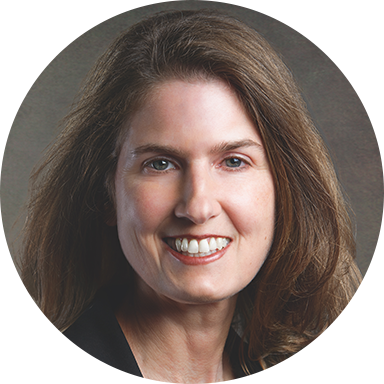
Lauren Bernofsky

Lauren Bernofsky is a prolific composer whose output spans solo works, chamber music, choral literature, and large ensemble writing across orchestral, film, operatic, and ballet genres. Recognized by conductor Lukas Foss as "a master composer," her music consistently balances emotional depth with intellectual rigor, weaving together technical sophistication and lyrical expression. Her honors include the National Flute Association's Newly Published Music Competition for her Sonatine, the Opera Puppets Award at Boston Metro Opera for Mooch the Magnificent, and recognition as the winning entry of the Dalai Lama Composition Contest for her choral work Prayer of Shantideva. Her compositions have been commissioned by ensembles ranging from The Del Mar Trio to The Bloomington Symphony, and her work has appeared on PBS television and in the International Trumpet Guild journal.

Bernofsky earned her Bachelor's degree in violin and composition from The Hartt School, her Master's in composition from the New England Conservatory, and her Doctorate of Musical Arts in composition from Boston University. She has taught at the Peabody Institute and Interlochen Center for the Arts, and regularly conducts clinics and guest conducts at national and international festivals.

Why we love this

Bernofsky writes with a keen eye for what Grade 2.5 bands can accomplish; the independent lines challenge your sections without fragmenting the ensemble sound. The piece builds architecturally, so your students experience the payoff of careful ensemble work—the opening motif's steady accumulation into the full theme statement is genuinely satisfying to execute.

What to expect

Energetic and buoyant, with a rhythmic vitality that propels the piece forward. The spirited main theme feels accessible and memorable, while the lightly scored middle section provides contrast and breathing room before the satisfying return to the opening material.

Who it's for

Grade 2.5 concert bands seeking repertoire that demands musical maturity without overextending technical capability. This works for groups ready to balance independent writing with ensemble cohesion and for conductors programming contest or festival literature.

How to get the most out of it

  • Shape the opening rhythmic motif as a deliberate crescendo across the opening section. Resist the urge to play at full volume immediately; the gradual build creates forward momentum and gives the band room to grow into the main theme.
  • Balance transparency in the middle section carefully. With lighter orchestration, intonation and rhythmic precision become audible, so take rehearsal time for the sustained passages and ensure independent lines lock without overwhelming the texture.
  • Maintain the quick 3/4 tempo consistently throughout, even as you shape phrase contours. A steady pulse helps students track their independent parts and keeps the overall architecture clear.

How to use it

Program this as a centerpiece in a contest or festival appearance; its balanced difficulty and engaging character make it a strong choice for adjudicated events. Alternatively, it pairs well on a concert program with a slower work, as its energy and bright 3/4 meter provide uplifting contrast.

Skills your students will build

  • Maintaining steady pulse in compound meter (3/4) at a brisk tempo
  • Playing independent lines while preserving ensemble balance
  • Shaping cumulative crescendos across multiple phrases
  • Sustaining transparent, intonation-sensitive voicings in lightly scored passages
  • Transitioning between textural sections and restatements with clarity

You May Also Like