


Chosen Kallah Mazel Tov: String Orchestra Conductor Score & Parts
Traditional Hebrew / arr. Deborah Baker Monday
Grade: 2
Item: 00-PK-0004797

$48.00
Pickup currently not available
Buy Extra Parts (Digital PDF Download)
| Product | Price | Quantity |
|---|---|---|
| Chosen Kallah Mazel Tov: Score | $9.00 | |
| Chosen Kallah Mazel Tov: 1st Violin | $5.99 | |
| Chosen Kallah Mazel Tov: 2nd Violin | $5.99 | |
| Chosen Kallah Mazel Tov: Viola | $5.99 | |
| Chosen Kallah Mazel Tov: Cello | $5.99 | |
| Chosen Kallah Mazel Tov: String Bass | $5.99 |
Parts Added to Cart!
Related Items
Chosen Kallah Mazel Tov: String Orchestra Conductor Score & Parts |
$48.00
|
View |
Description
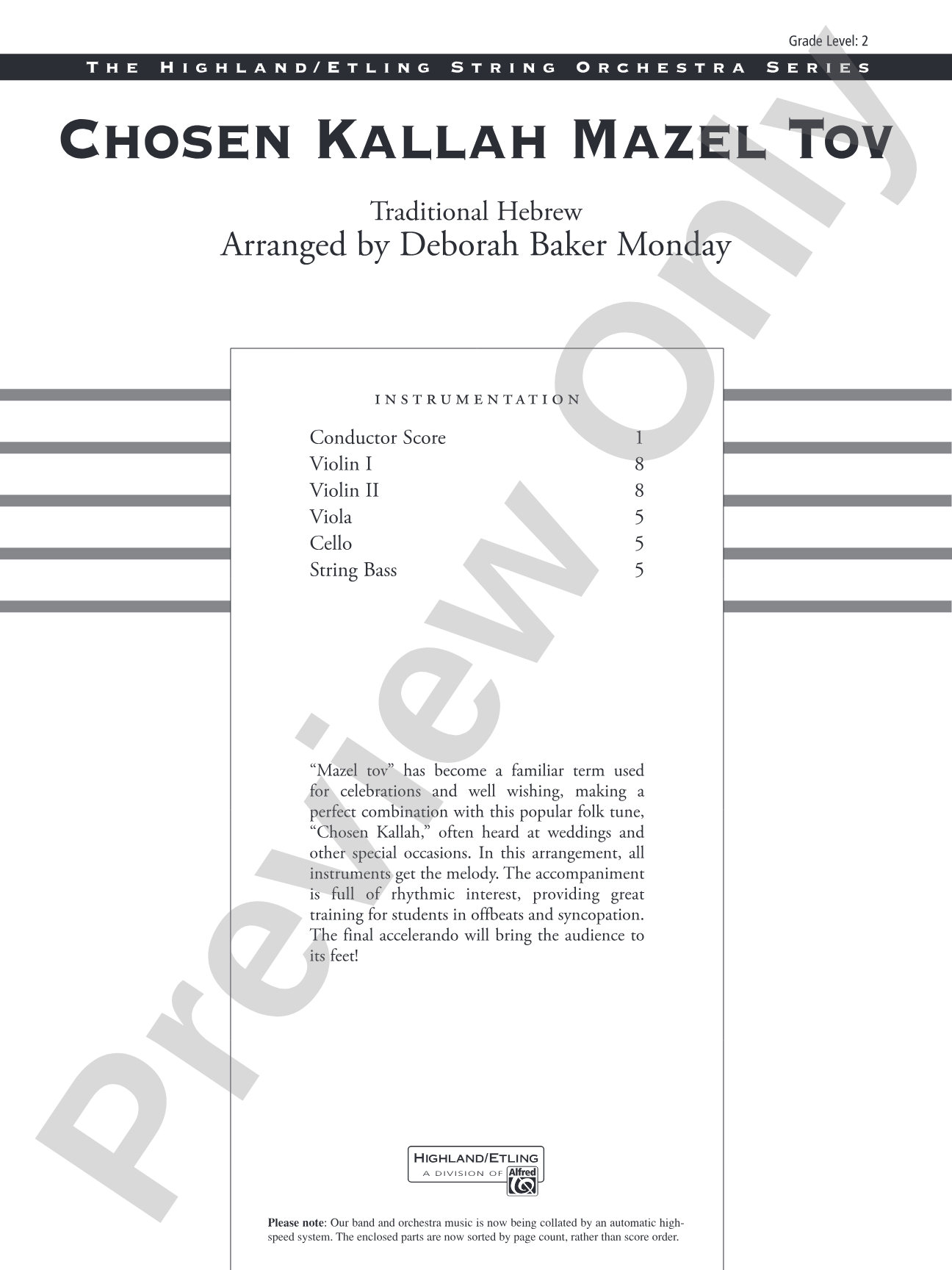
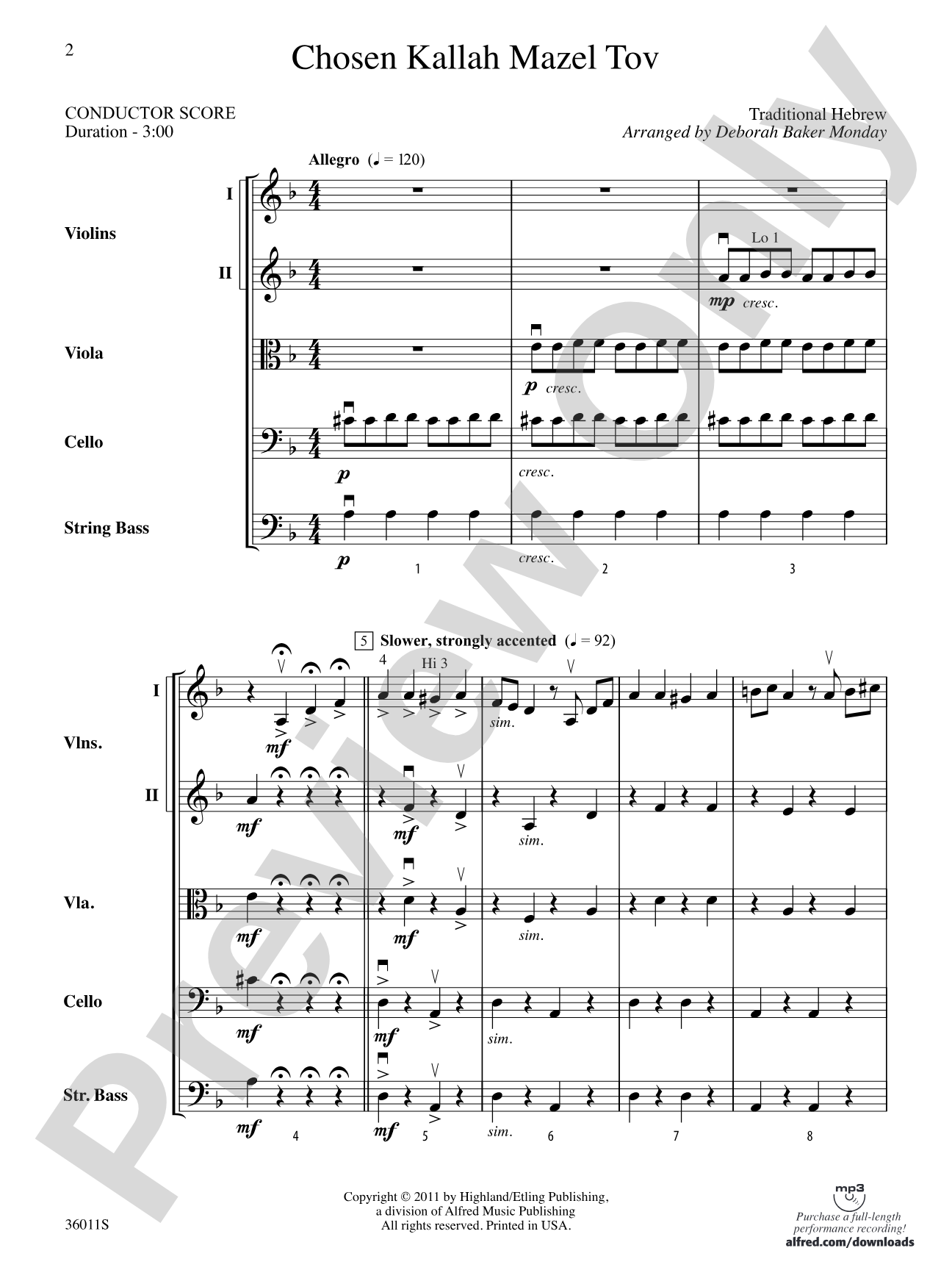
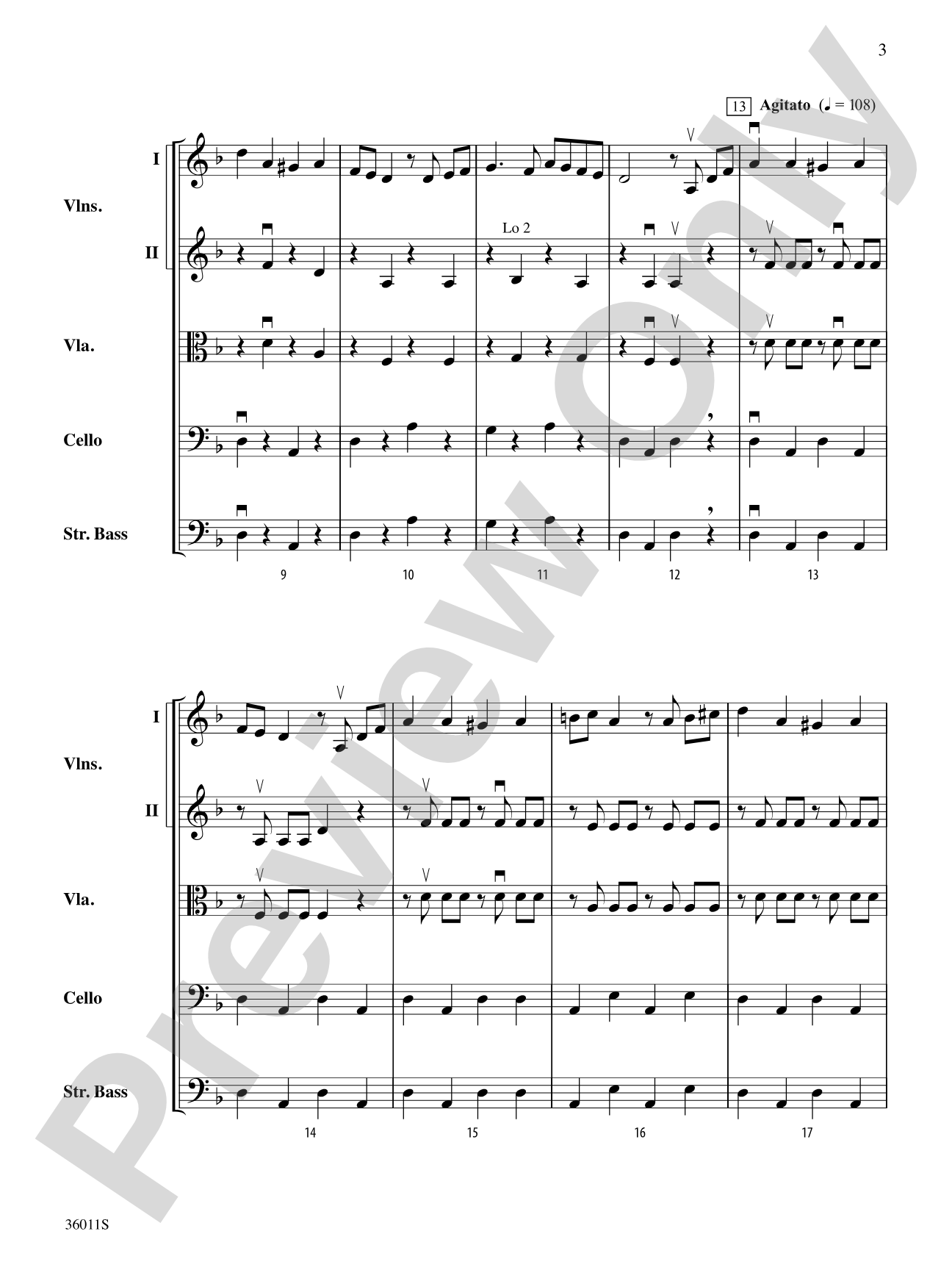
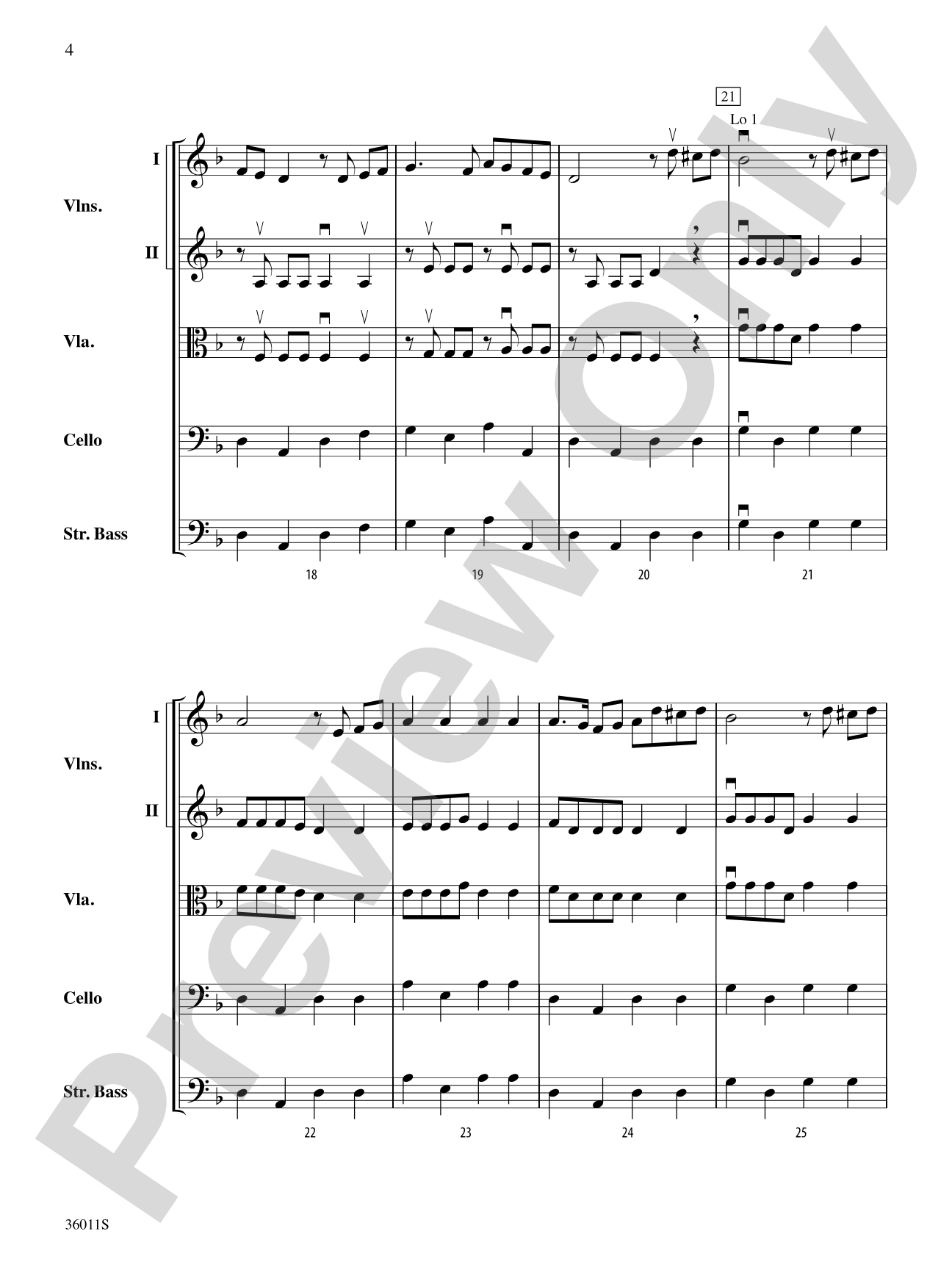
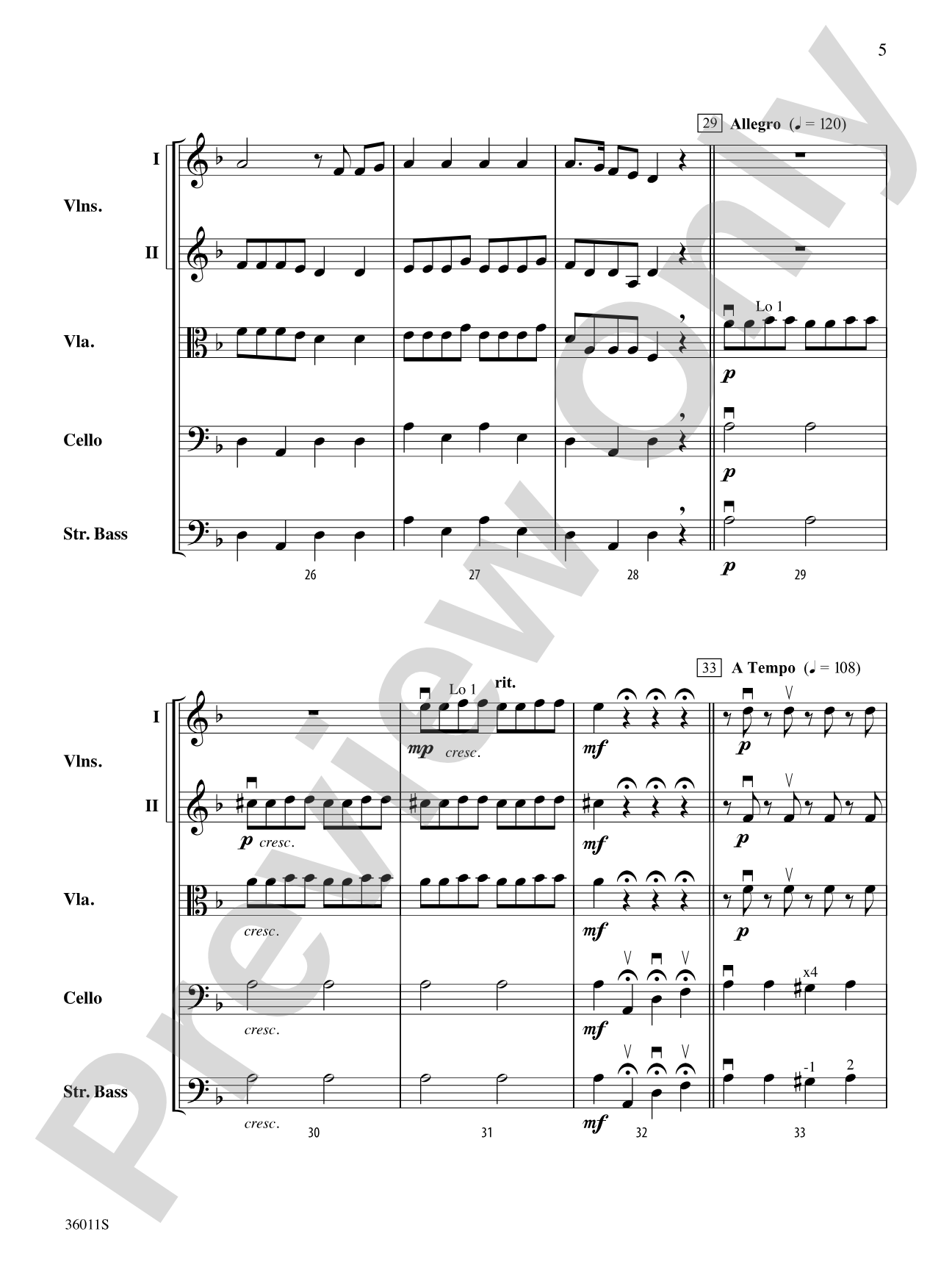
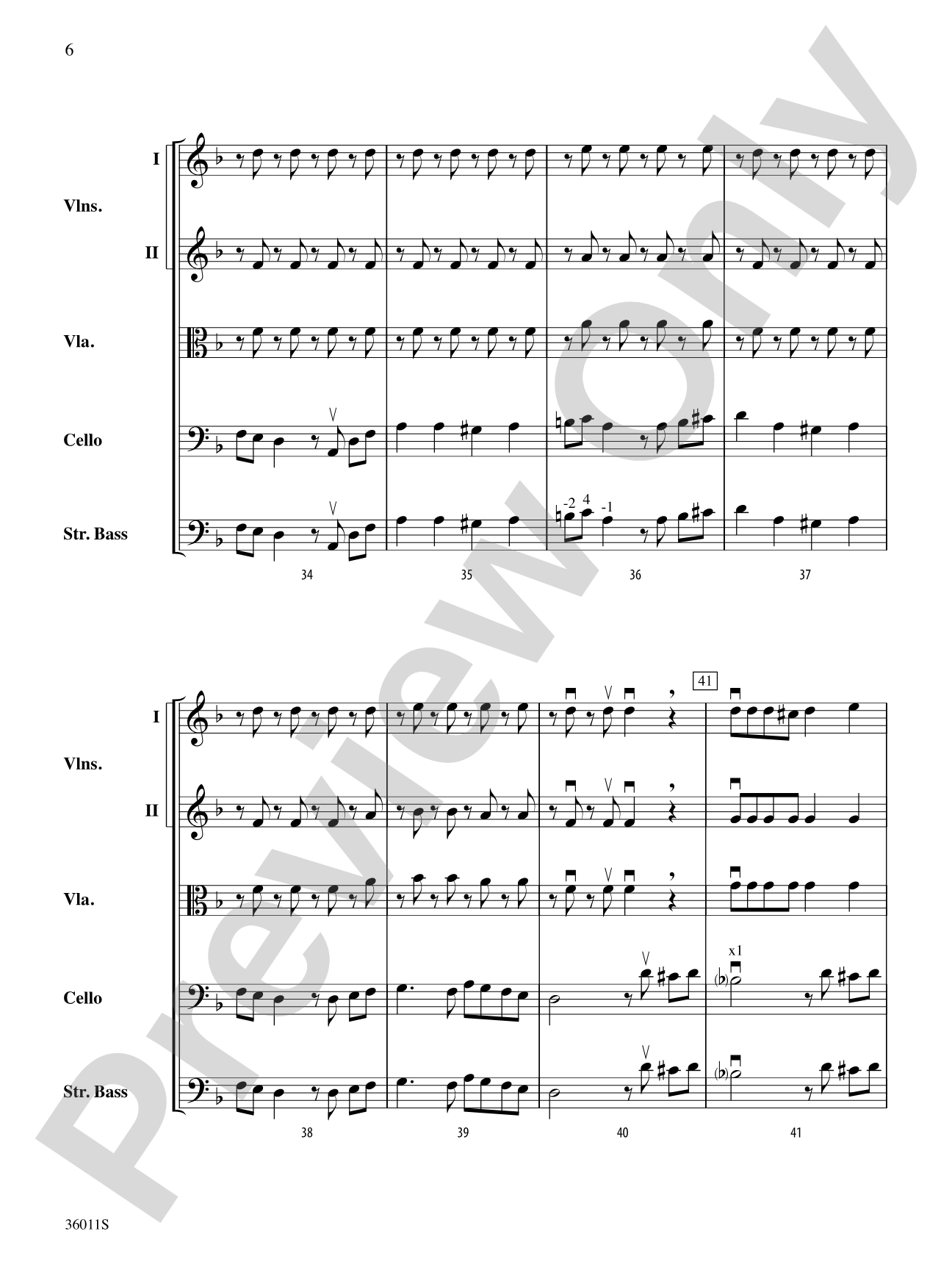
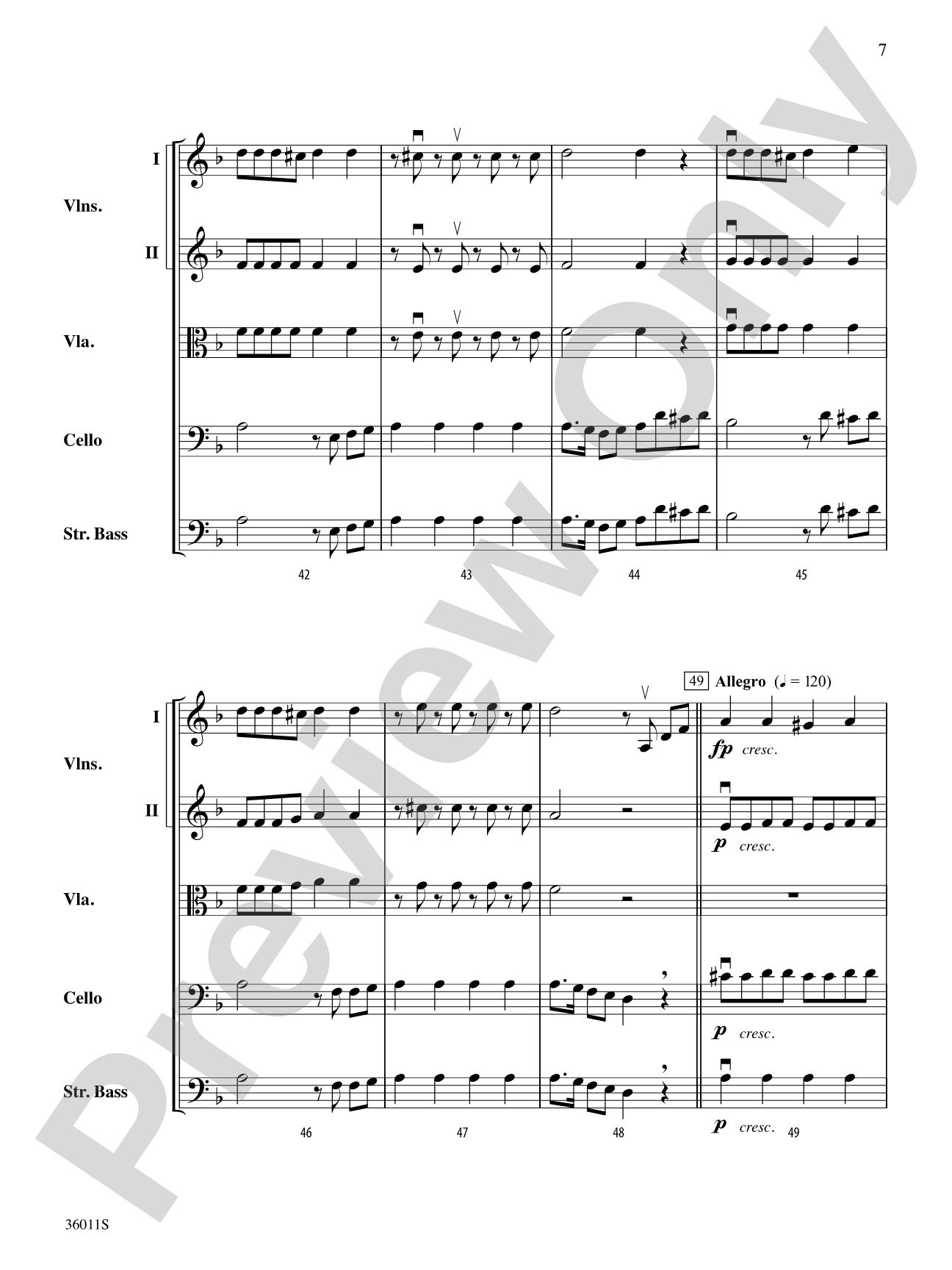
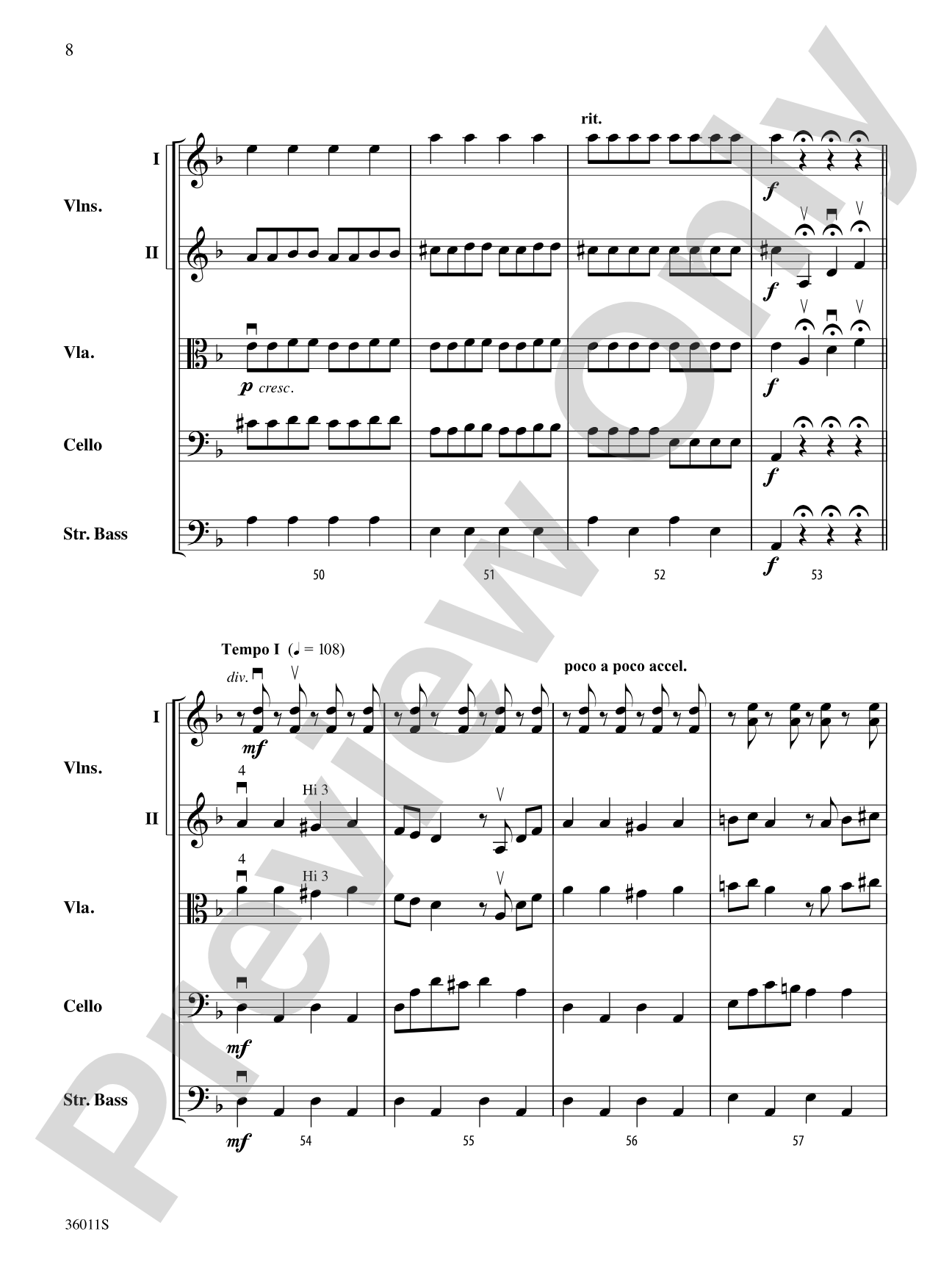
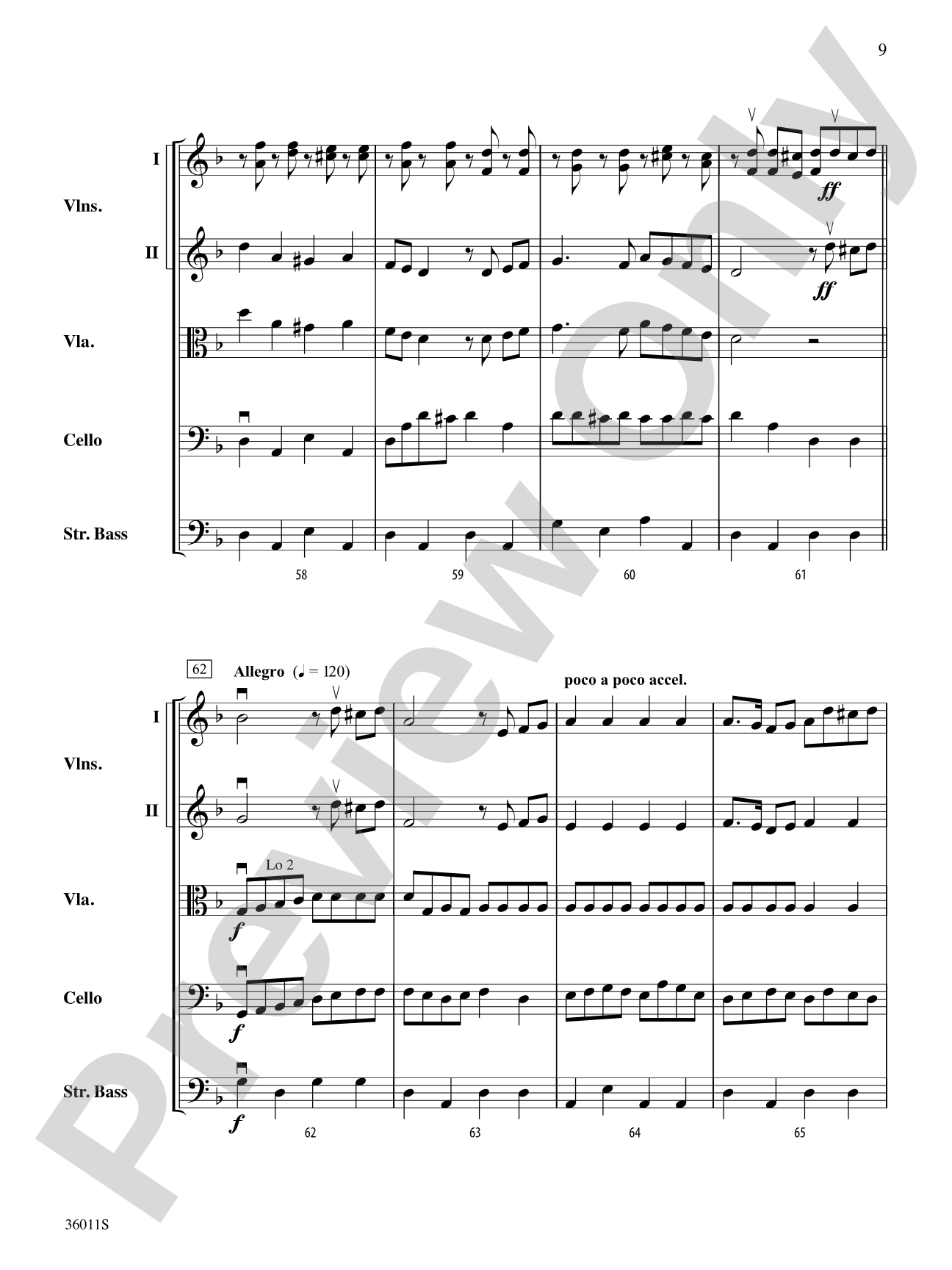
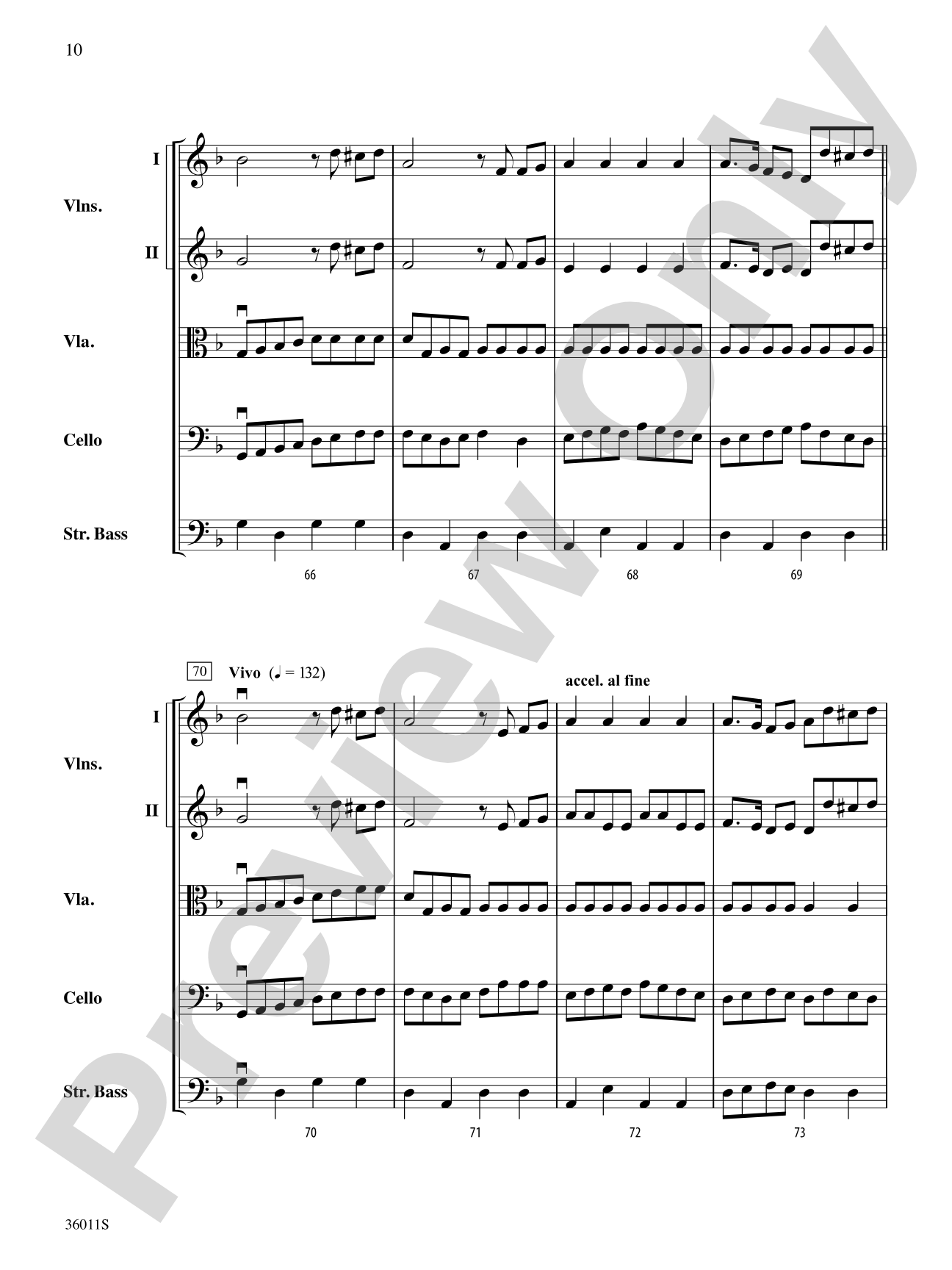
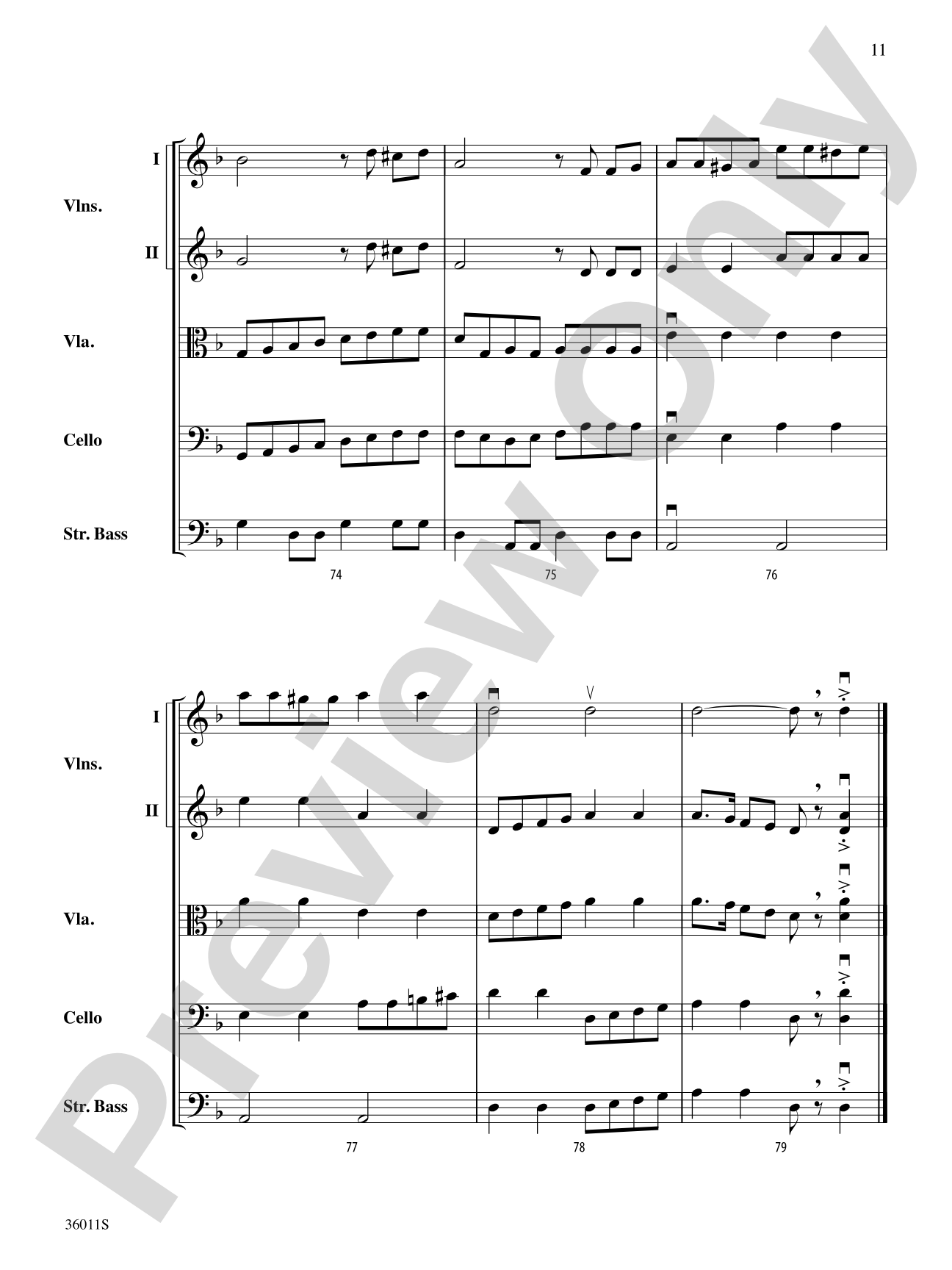
"Mazel tov" has become a familiar term used for celebrations and well wishing, making a perfect combination with this popular folk tune, "Chosen Kallah," often heard at weddings and other special occasions. In this arrangement, all instruments get the melody. The accompaniment is full of rhythmic interest, providing great training for students in offbeats and syncopation. The final accelerando will bring the audience to their feet!


Don't just read it, hear it, play along with it, and watch your students grow with it. In MakeMusic Cloud, Chosen Kallah Mazel Tov: String Orchestra Conductor Score & Parts comes alive with professional accompaniment, adjustable tempo, and built-in practice tools that turn solo practice into real progress.
Open in the Player
Jump straight in and assign it today.
Start Your Free Trial
Open this title and explore the full library in minutes.
Sample Audio
1
Audio File
--:--
0:00
0:00
Sample Video
No sample videos found.
Additional Details
Series:
Highland/Etling String Orchestra
Publisher:
Alfred Music
Page Count:
124
SKU:
00-PK-0004797
Instrumentation:
string
More about this title
About the Arranger: Deborah Baker Monday
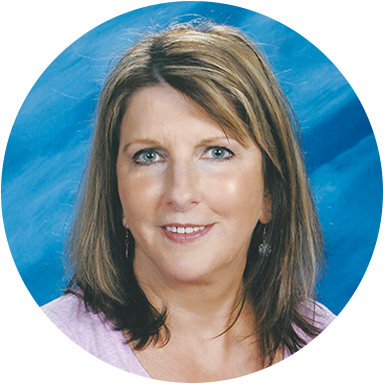
Deborah Baker Monday led the Logan City orchestra program for 25 years, building it into an award-winning ensemble before stepping back from that role. She holds a B.M.E. from Florida State University with emphasis in string education, an M.M. in composition from the University of Alabama, and completed doctoral coursework at Louisiana State University under James Yestadt. She studied composition and theory with Harold Schiffman, John Boda, Frederic Goossen, Paul Hedwall, and Dinos Constantinides.
Now active as a guest clinician, conductor, and teaching supervisor, Monday has published over 130 works with seven publishing companies, focusing on accessible arrangements and compositions for educational strings. Her contributions to string pedagogy have earned her the UtahASTA Composition Competition award twice (2006, 2011) and recognitions for Outstanding Elementary Educator and Superior Accomplishment. She regularly presents at state and national conferences, including the Midwest Clinic and Ohio State String Teachers Workshop, and continues to receive commissions for her work.
Why we love this
Monday writes with real understanding of how young string players learn rhythm and ensemble coordination. The accompaniment patterns here aren't just filler; they actively teach students to lock into offbeats and syncopation while the full orchestra carries the recognizable melody, keeping everyone musically engaged. The final accelerando is the kind of smart finishing touch that transforms a Grade 2 piece into something your audience won't forget.
What to expect
The familiar melody lands like a warm greeting, but the rhythmic underpinnings give the piece energy and momentum. By the time the accelerando arrives, what began as a gentle folk tune builds into something joyful and propulsive, capturing the celebratory spirit of the piece's heritage.
Who it's for
This arrangement reaches Grade 2 string orchestras ready to tackle syncopation and rhythmic independence without sacrificing accessibility. Directors programming a multicultural concert or seeking material with authentic cultural roots will find a piece that resonates with audiences while teaching students something musically substantive.
How to get the most out of it
- Isolate the rhythmic accompaniment patterns in rehearsal before adding the melody line; have students tap or bow their parts independently to build confidence with the syncopation.
- Conduct the accelerando with clear beat subdivisions early on, then gradually lengthen your gesture to signal the tempo lift, helping students follow the transition without losing cohesion.
- Bring out the melody through careful dynamic balancing rather than asking all sections to play equally loud; let the ear naturally hear the tune while the rhythmic layers support it underneath.
- Record a section run-through of just the accompaniment so students can hear how their rhythmic work fits into the larger texture; this builds awareness of their role beyond individual part counting.
How to use it
Program this early in a concert to establish an accessible, celebratory tone, or save it for a multicultural or cultural heritage program where it can anchor a thematic set. The bright character and short length make it effective as a program opener or as a confidence builder before more demanding repertoire.
Skills your students will build
- Recognizing and executing offbeat rhythmic figures
- Playing syncopated accompaniment patterns while tracking an independent melody
- Executing accelerando and responding to conducting cues for tempo changes
- Balancing melody and accompaniment in a full ensemble texture
- Performing folk material with rhythmic and stylistic awareness