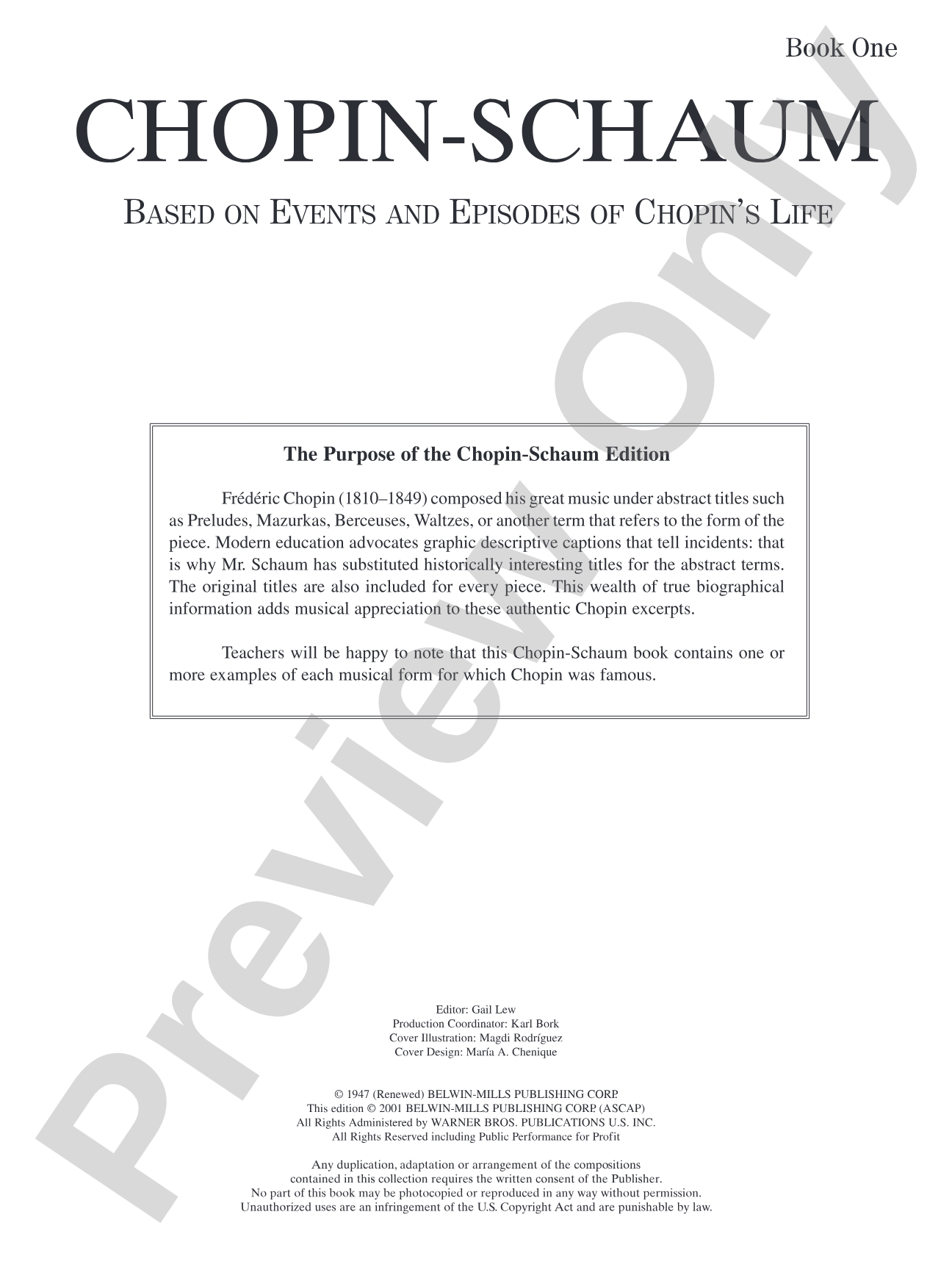
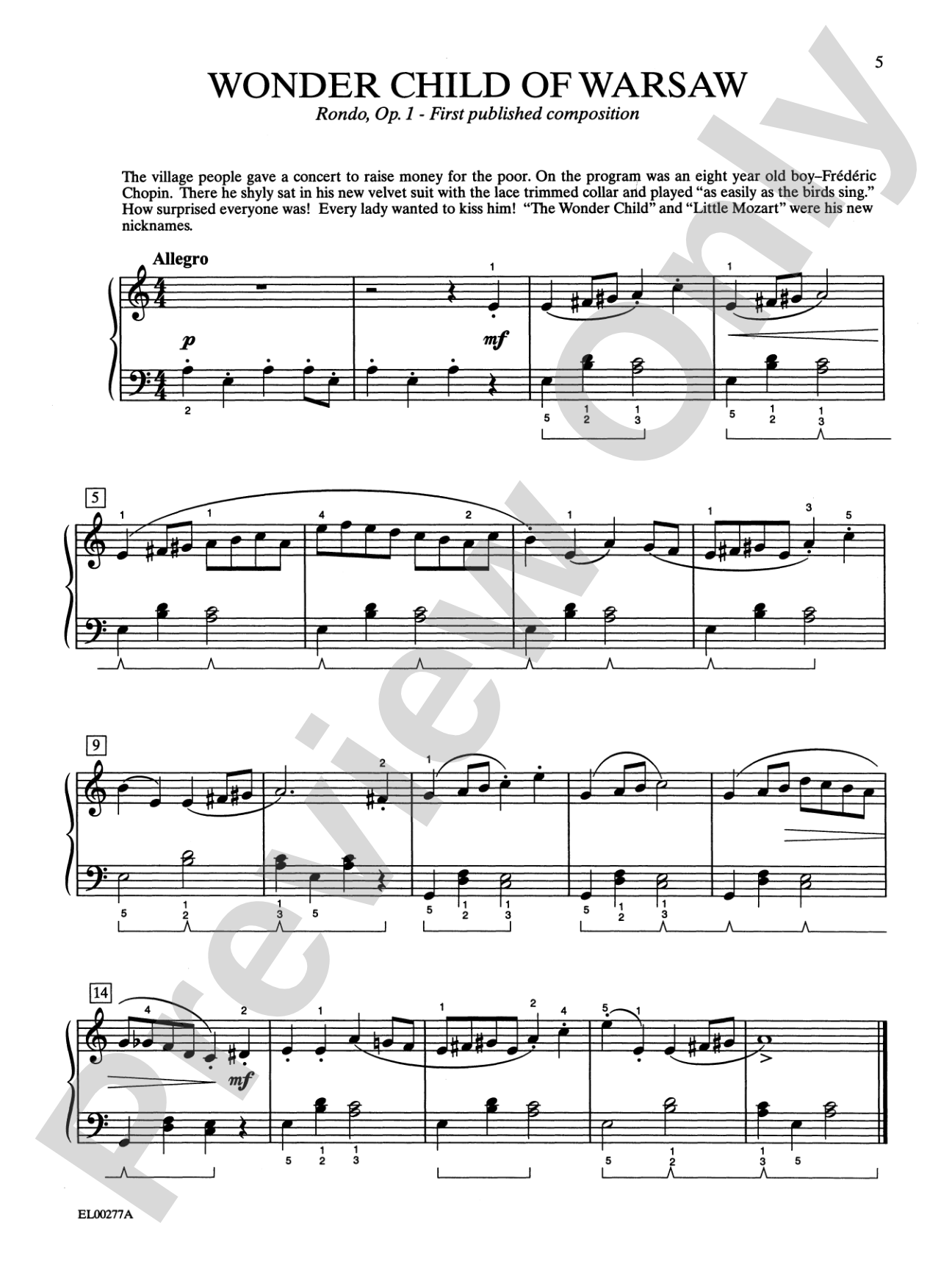
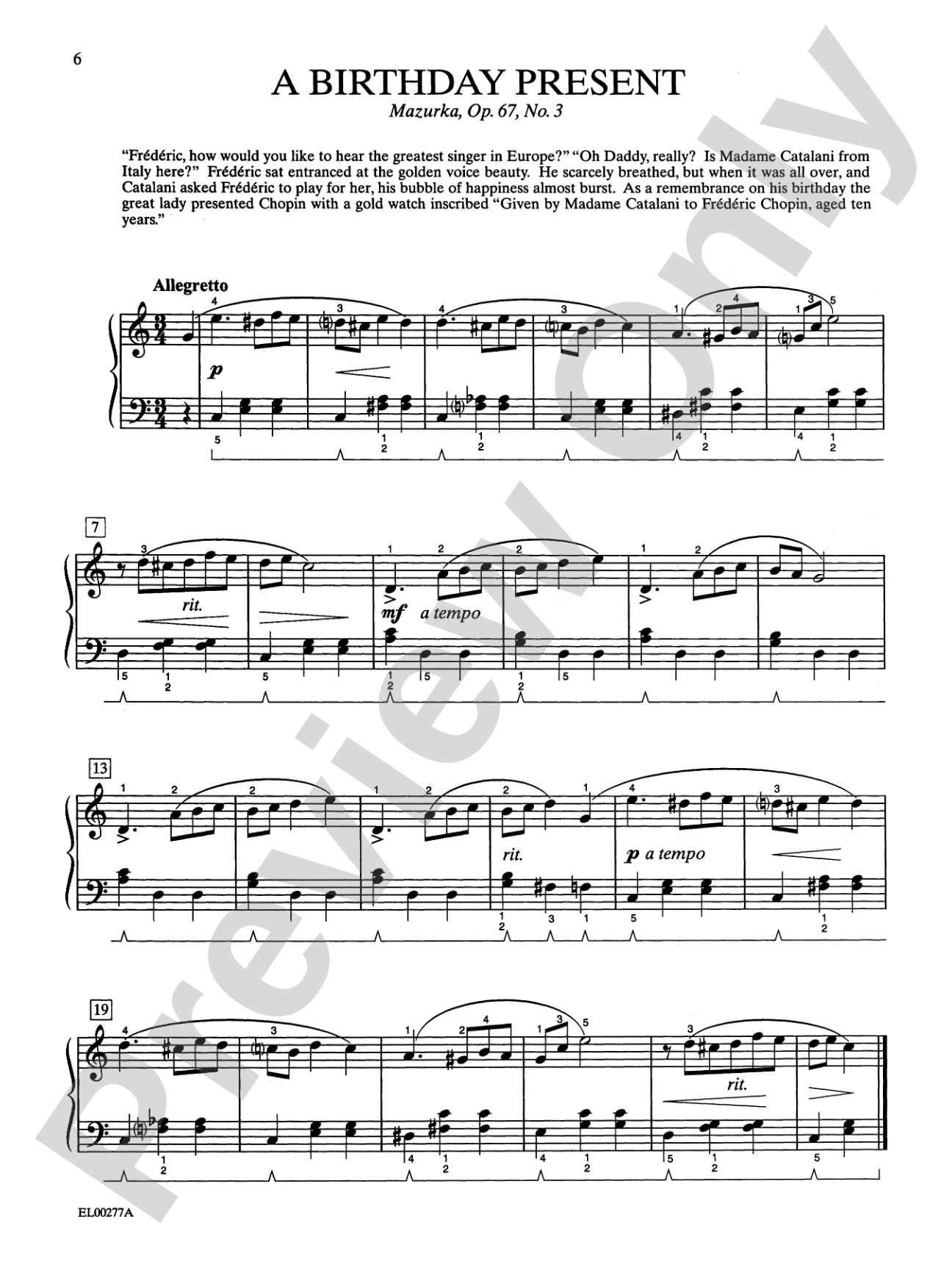
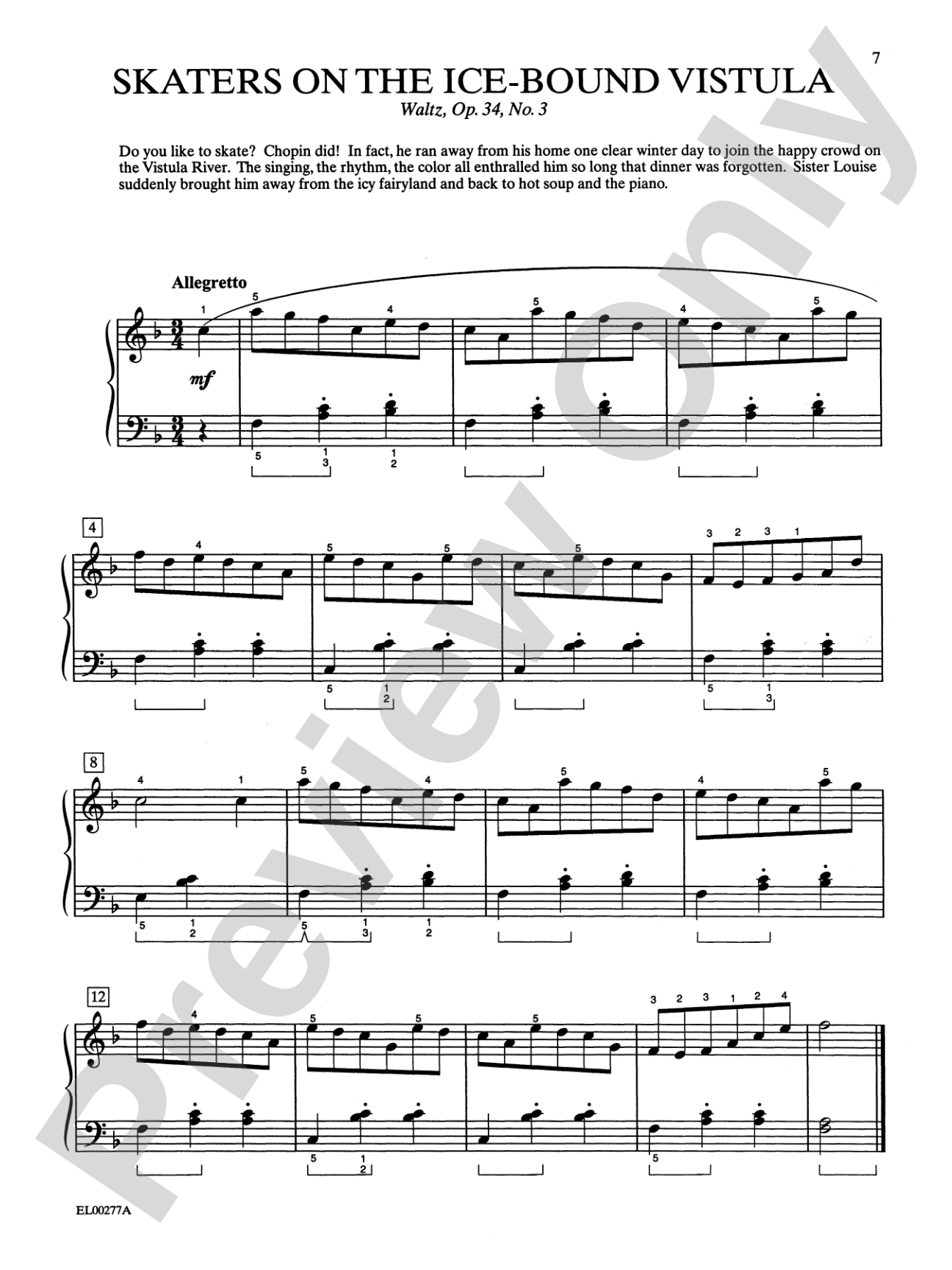
Frédéric Chopin (1810–1849) stands as one of the most influential pianists and composers of the Romantic era, revolutionizing keyboard writing through his intimate, lyrical voice. Working primarily in Paris after leaving Poland as a young man, he developed a compositional language that prized elegance and emotional depth over grandeur, creating works that demanded both technical sophistication and interpretive maturity from performers.
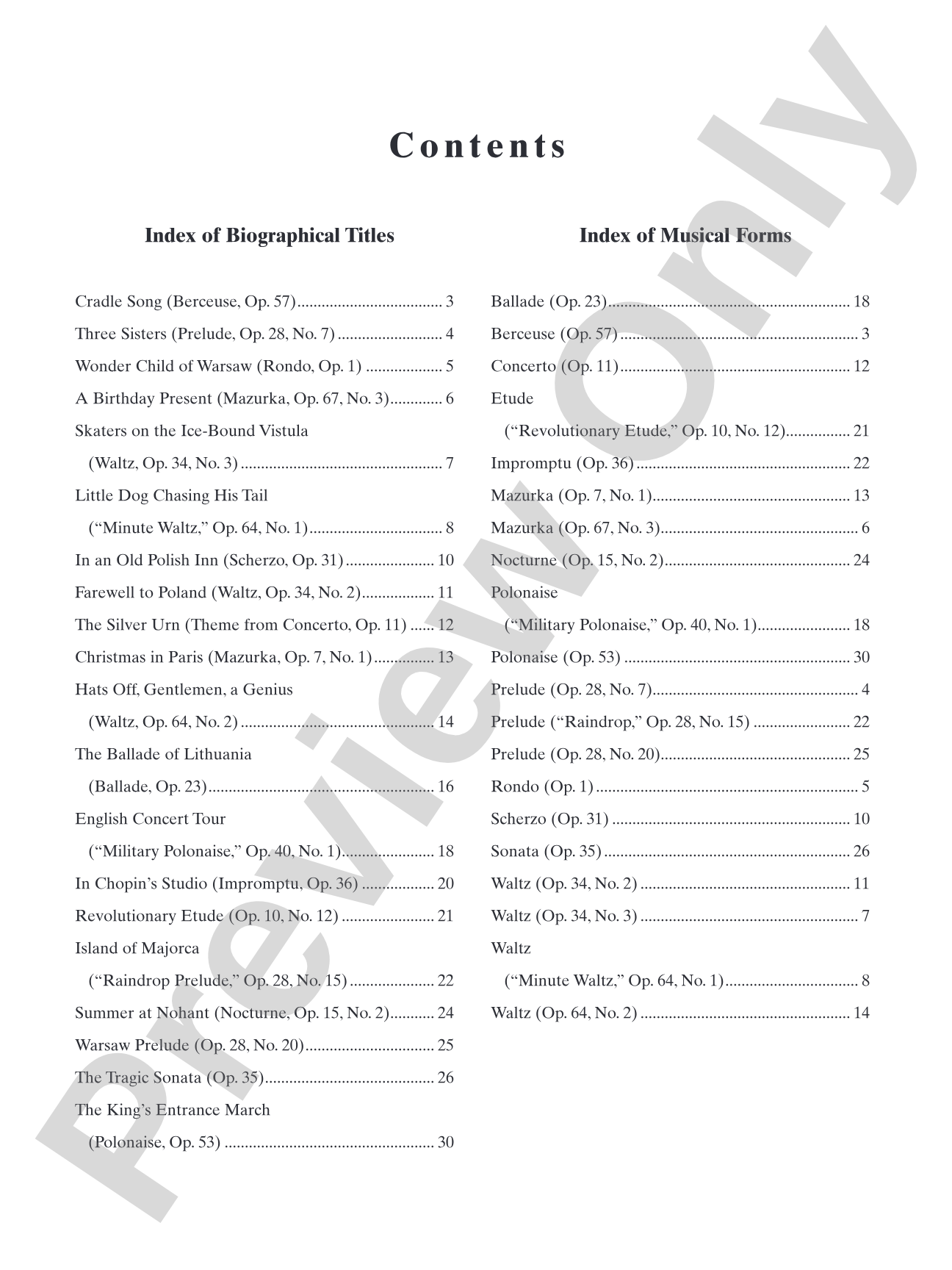
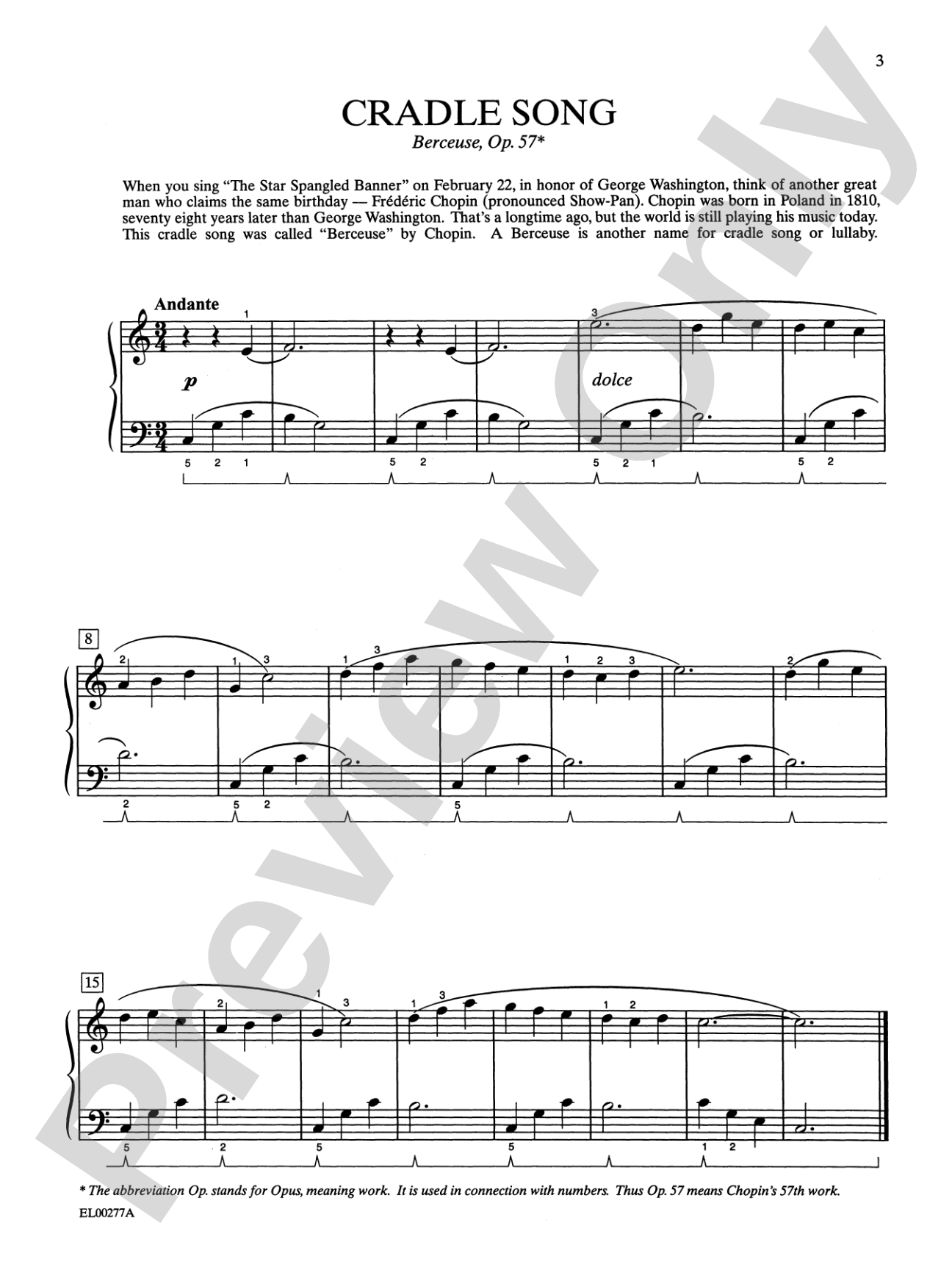
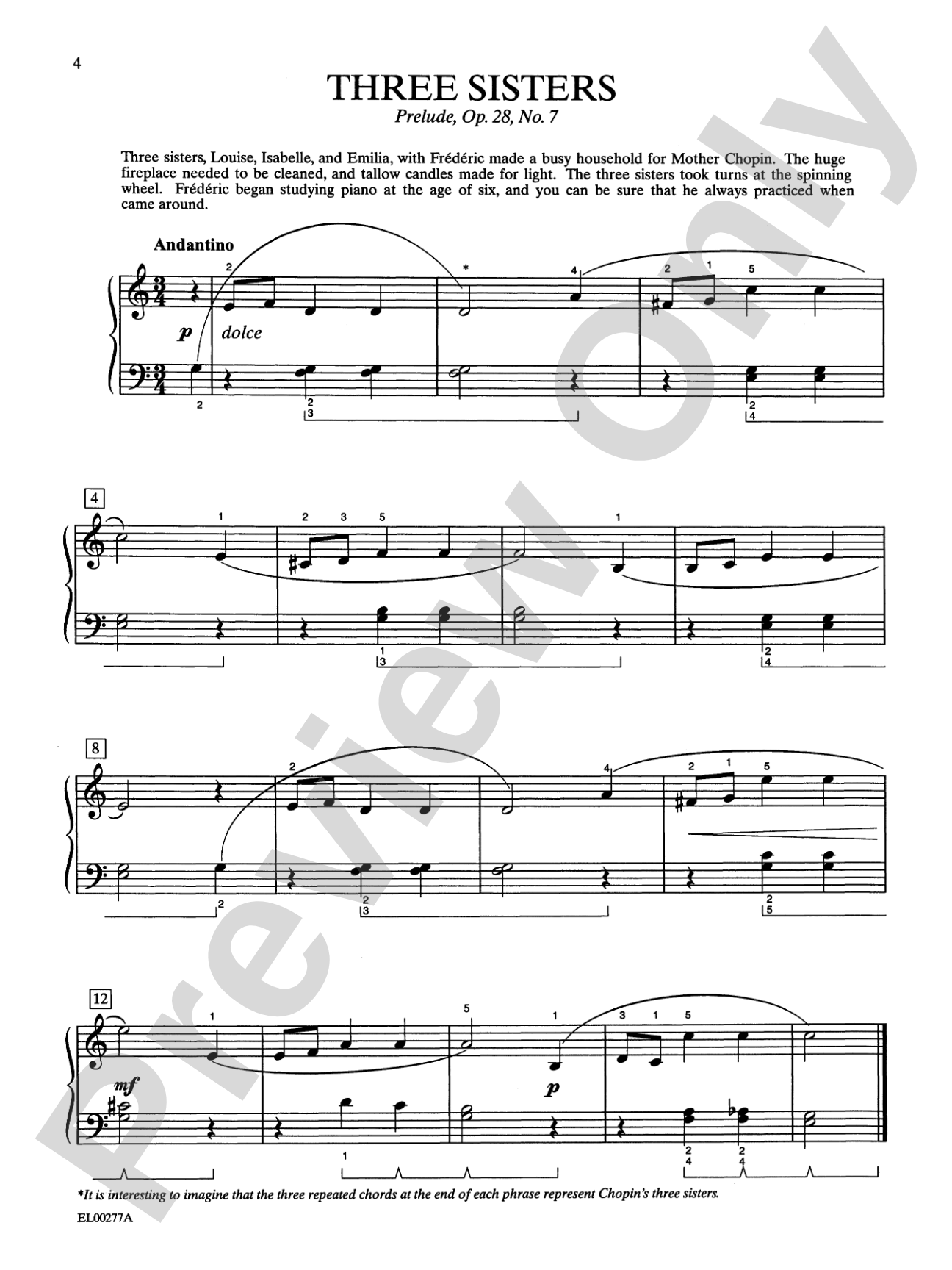
Chopin's legacy in music education is profound. His Preludes, Mazurkas, Nocturnes, and other small forms became the standard repertoire for serious piano students precisely because they distill complex musical ideas into manageable time frames. Teachers and students continually return to his work because it teaches genuine musicianship: how to shape a phrase with intention, how to listen to the inner voices of the piano, how to balance technical demands with expressive restraint.