Chisholm Cover Image

Chisholm: Concert Band Conductor Score & Parts

$60.00 USD
Sale price  $60.00 USD Regular price 
Skip to product information
Chisholm Cover Image

Chisholm: Concert Band Conductor Score & Parts

By William Owens

Level:.5

Item: 98-B1461

makemusic Cloud badge

Need it now?

Buy Digital Version
$60.00
Shipped

One moment…

Description
Return to the late 19th century with this invigorating work that conjures images of cattlemen rounding up herds and driving them north. Injected with the sound of cattlemen’s whips throughout, melody is shifted around the ensemble as the herd makes its way to its final destination.

Don't just read it, hear it, play along with it, and watch your students grow with it. In MakeMusic Cloud, Chisholm: Concert Band Conductor Score & Parts comes alive with professional accompaniment, adjustable tempo, and built-in practice tools that turn solo practice into real progress.

Sample Pages

Sample Audio
0:00
0:00
Sample Video
Additional Details
Series: FJH Starter Series
Publisher: The FJH Music Company, Inc.
UPC: 674398227976
SKU: 98-B1461

More about this title

About the Composer: William Owens
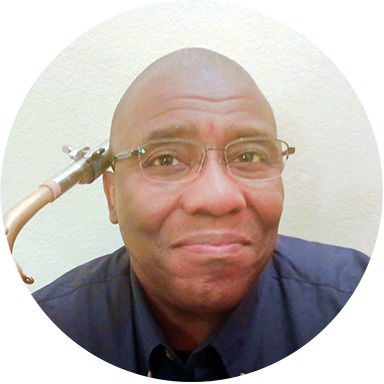
William Owens

William Owens (b. 1963) grew up in Gary, Indiana, and earned his degree from Chicago's VanderCook College of Music in 1985. A former band director in Texas with 30 years of classroom experience, Owens brings a practical, performer-centered sensibility to his compositions for young ensembles. His work has been commissioned by major music organizations including the American Bandmasters Association and Phi Beta Mu International.

Since 1993, Owens has composed over 300 works for concert band, string orchestra, and small ensemble. His music appears on required lists across the United States and abroad, and many pieces have become repertoire standards for developing bands. He holds memberships in ASCAP, TMEA, and Phi Beta Mu International Bandmasters Fraternity, and was recognized as a Distinguished Alumnus by VanderCook. He currently resides in Fort Worth, Texas.

Why we love this

Owens captures the raw energy of a cattle drive with remarkable economy and clarity. The whip cracks punctuating the action create visceral moments that young musicians find thrilling to execute, while the shifting melodic line keeps the arrangement interesting as it passes between sections. This is the kind of contest piece that gets students genuinely excited about rehearsal.

What to expect

Owens paints a vivid scene of cattlemen and their herds in motion, complete with the distinctive crack of whips cutting through the dust. The melody travels across the band as the action unfolds, creating a sense of movement and purpose that makes the piece feel less like an exercise and more like witnessing a real event unfolding.

Who it's for

Beginning concert bands and young ensembles at Level 0.5-1 who are ready for a work with programmatic appeal and scoring flexibility. Directors seeking an accessible festival piece that captures student imagination and builds sectional awareness will find this a natural fit.

How to get the most out of it

  • Shape the whip cracks as rhythmic punctuation rather than accidental outbursts. Clarity of articulation matters more than volume.
  • Listen carefully when the melody moves to a new section; the conductor should help track these transitions so no line gets lost in the ensemble sound.
  • Balance the portrayal of the herding action with musical phrasing. The drive has momentum, but allow the melodic lines room to breathe.

How to use it

This works brilliantly as a contest or festival opener because it grabs attention immediately while remaining musically substantial. Program it alongside other Americana or character-driven works to create a thematic concert section, or use it as a high-energy contrast to a ballad or march on your spring concert.

Skills your students will build

  • Dynamic control and ensemble balance across shifting melodic lines
  • Precise articulation of rhythmic punctuation (whip cracks)
  • Listening and sectional awareness as melody moves between instrument groups
  • Sustained phrasing within a programmatic context
  • Confidence in early ensemble repertoire appropriate for festival performance

You May Also Like
