
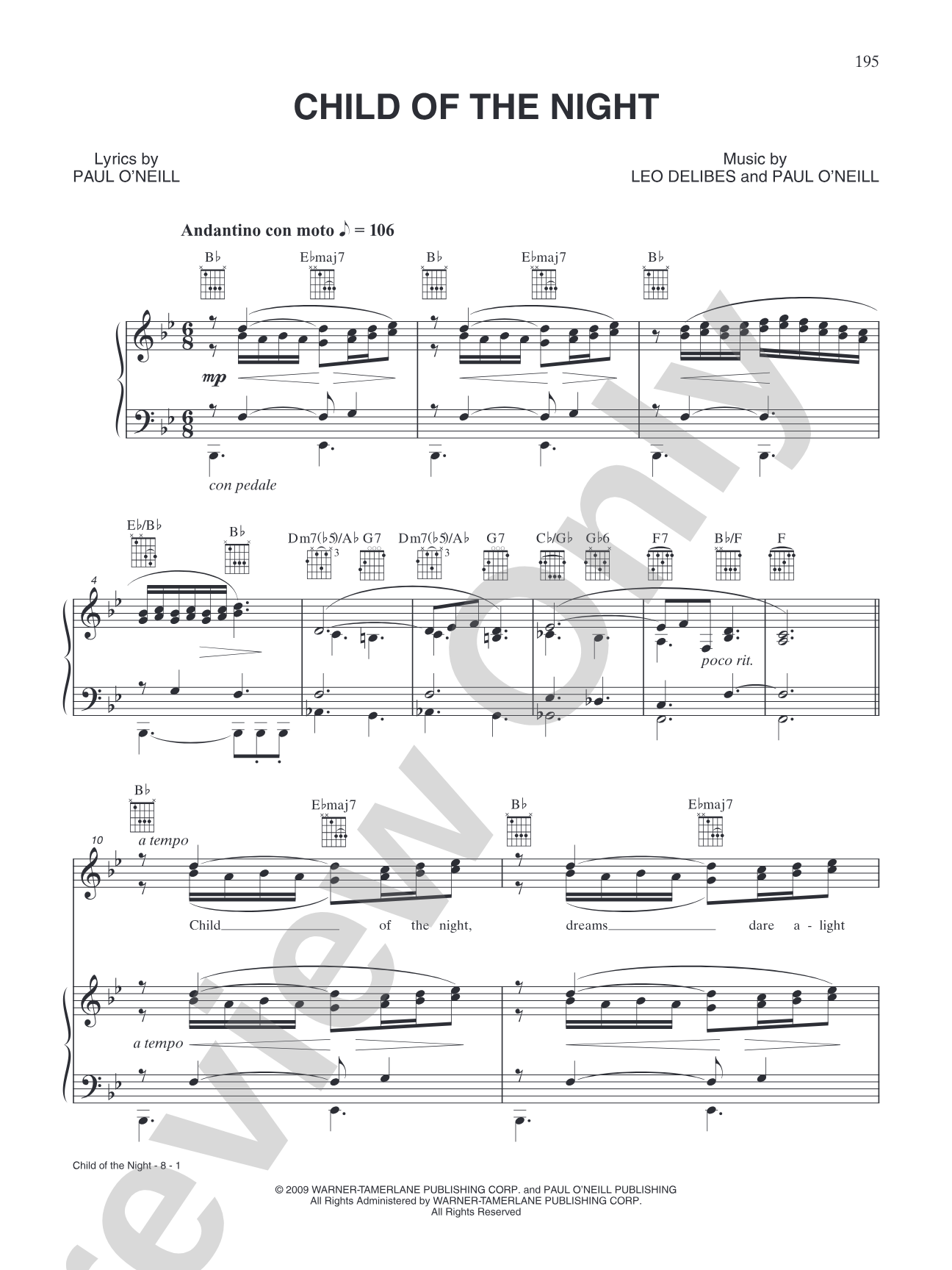
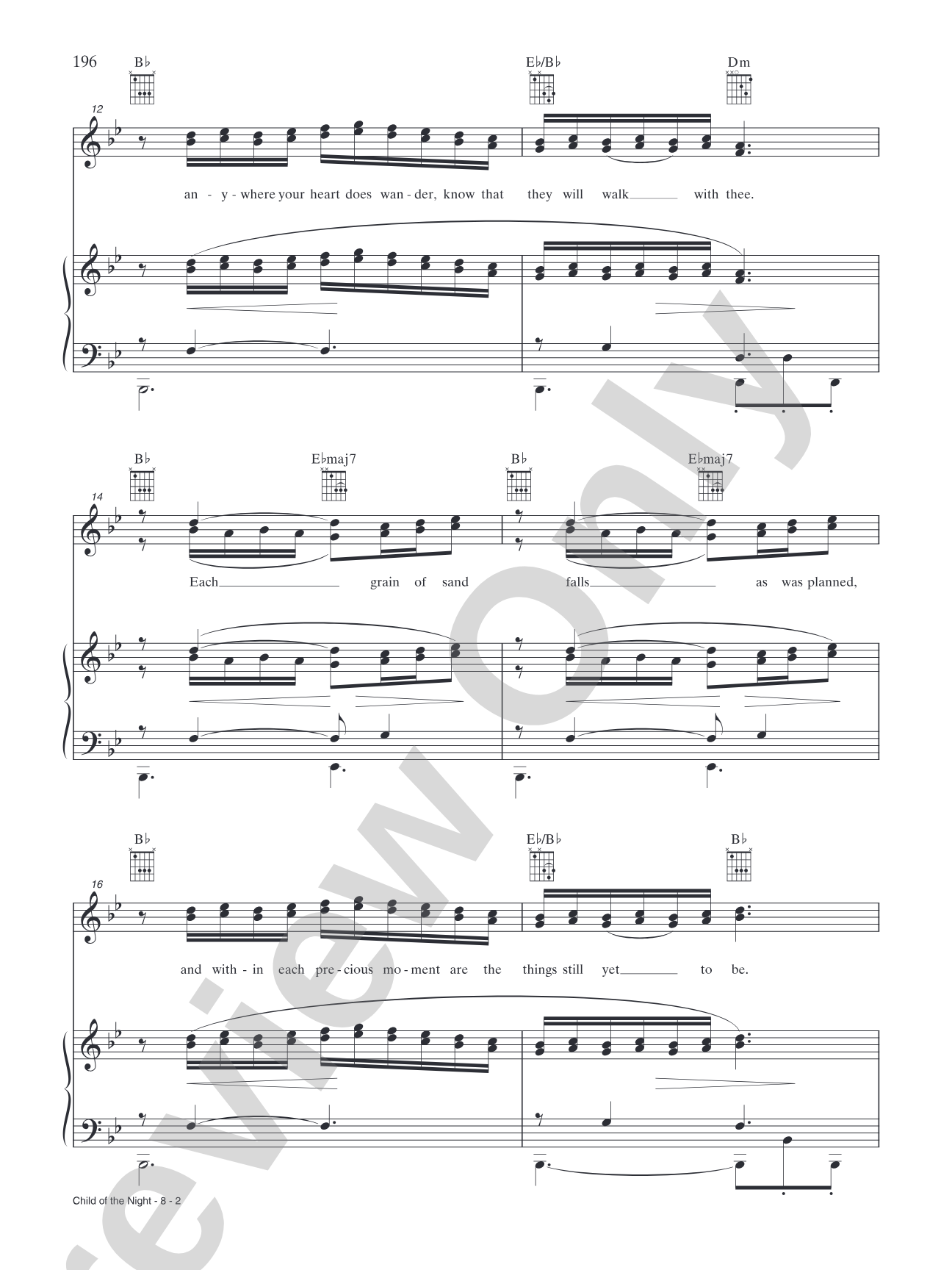

Child of the Night: Piano/Vocal/Chords
Trans-Siberian Orchestra
Item: 00-PS-0013473
$5.99
One moment…
Related Items
Night Enchanted: Piano/Vocal/Chords |
$9.99
|
View | |
Time Floats On: Piano/Vocal/Chords |
$4.99
|
View | |
Epiphany: Piano/Vocal/Chords |
$9.99
|
View | |
Remnants of a Lullaby: Piano/Vocal/Chords |
$5.99
|
View | |
Childhood Dreams: Piano/Vocal/Chords |
$4.99
|
View | |
The Mountain: Piano/Vocal/Chords |
$9.99
|
View | |
Night Castle: Piano/Vocal/Chords |
$5.99
|
View | |
The Safest Way Into Tomorrow: Piano/Vocal/Chords |
$5.99
|
View | |
Sparks: Piano/Vocal/Chords |
$9.99
|
View | |
Toccata-Carpimus Noctem: Piano/Vocal/Chords |
$5.99
|
View | |
Bach Lullaby: Piano/Vocal/Chords |
$4.99
|
View | |
Embers: Piano/Vocal/Chords |
$5.99
|
View | |
Moonlight and Madness: Piano/Vocal/Chords |
$9.99
|
View | |
The Lion's Roary: Piano/Vocal/Chords |
$5.99
|
View | |
Father, Son and Holy Ghost: Piano/Vocal/Chords |
$9.99
|
View | |
Tracers: Piano/Vocal/Chords |
$9.99
|
View | |
Mozart and Memories: Piano/Vocal/Chords |
$9.99
|
View | |
Another Way You Can Die: Piano/Vocal/Chords |
$5.99
|
View | |
Dreams We Conceive: Piano/Vocal/Chords |
$5.99
|
View | |
There Was a Life: Piano/Vocal/Chords |
$9.99
|
View | |
Believe: Piano/Vocal/Chords |
$9.99
|
View |
Description
This is a perfect gift for any music maker who loves Trans-Siberian Orchestra. Though many fans first discover them via their well-known Christmas-themed albums and concerts, these rock opera masters also produce plenty of non-seasonal works. Night Castle is one such masterpiece: an ambitious, long form epic that tells an engaging fantasy tale amid a score that features TSO's signature neo-classical art rock at its very best. Instrumental virtuosity and brilliant writing are demonstrated throughout, including plenty of pianistic music that naturally begs to be played by any fan who dabbles with the piano, even if only casually. This complete 240-page score features spiral binding that lays flat on the piano music stand, and includes the comprehensive story text and piano sheet music for every song on the album. Complete melody lines and lyrics are included, along with basic guitar chord grids.


Discover MakeMusic Cloud: thousands of interactive titles your students can play along with today.
Sample Audio
No sample audio found.
Sample Video
No sample videos found.
Additional Details
Publisher:
Alfred Music
Page Count:
240
SKU:
00-PS-0013473
More about this title
About the Composer: Paul O'Neill
Paul O'Neill founded Trans-Siberian Orchestra in 1996 and has served as the ensemble's creative visionary ever since. His compositional approach blends classical music training with rock instrumentation and storytelling ambition, drawing inspiration from opera and progressive rock traditions to craft elaborate concept albums and theatrical works.
Why we love this
This score grants pianists direct access to TSO's compositional architecture. Rather than arranging pop hits, O'Neill writes pianistic music from the ground up, so players encounter genuine keyboard writing that respects the instrument's capabilities and ranges from intimate passages to sweeping virtuosic moments.
What to expect
A cinematic journey through fantasy landscapes scored with sweeping keyboard colors, soaring vocal lines, and the unmistakable energy of rock-driven orchestration. The music alternates between intimate character moments and grand, classically influenced ensemble sections, creating a sense of epic storytelling through melody and harmony.
Who it's for
Pianists and singers who connect with TSO's aesthetic and want to perform these songs with full harmonic and melodic context. This score works equally well for casual players exploring music they love and serious musicians developing interpretations for performance or recording.
How to get the most out of it
- Study the story synopsis alongside the music. Understanding the narrative context transforms individual songs from standalone pieces into chapters of a larger dramatic arc, enriching interpretive choices about pacing and emotional intensity.
- Balance the orchestral density in your arrangement. TSO's rock opera sound depends on driving rhythms and layered textures; if accompaniment chords feel thin, strengthen them by doubling key harmonic movements or adding subtle rhythmic figures between vocal phrases.
- Lean into the neo-classical vocabulary. Expect classical chord progressions and melodic phrases woven through modern harmonic language; treat these moments with the same care you would a legitimate classical work rather than reducing them to background material.
How to use it
Feature a single song in a recital celebrating contemporary American music, or pair multiple selections to demonstrate the narrative arc of Night Castle. This repertoire speaks directly to students who might not typically connect with concert music, making it valuable for outreach programming or showcasing the musical sophistication within rock opera.
Skills your students will build
- Reading piano/vocal scores with chord notation and translating them across instruments
- Balancing melody and accompaniment in multi-line arrangements
- Interpreting dramatic context to inform musical choices about tempo, dynamics, and phrasing
- Collaborating between vocalist and pianist through cues and harmonic support