Cheep Shot Cover Image

Cheep Shot: Jazz Ensemble Conductor Score

$11.00 USD
Sale price  $11.00 USD Regular price 
Skip to product information
Cheep Shot Cover Image

Cheep Shot: Jazz Ensemble Conductor Score

By Kris Berg

Grade: 3.5 (Medium)

Item: 00-46165S

$11.00
Shipped

One moment…

Description
We're back with another chicken-titled funk chart! Written solos are provided for trumpet and tenor but you could add guitar if desired. Lead trumpet range is too written B-flat above the staff with optional high C. The chart is played around 160 BPM and has a great bass part and a sweet drum backbeat too. (4:35)

Cheep Shot: Jazz Ensemble Conductor Score isn't in MakeMusic Cloud just yet...but it could be. Let us know you'd like to see it, and you'll help shape what comes next. In the meantime, start a free trial and dive into thousands of interactive titles your students can play along with today.

Sample Pages

Sample Audio
0:00
0:00
Sample Video
Additional Details
Series: Jazz Band Series
Publisher: Alfred Music
Page Count: 20
UPC: 038081529059
SKU: 00-46165S

More about this title

About the Composer: Kris Berg
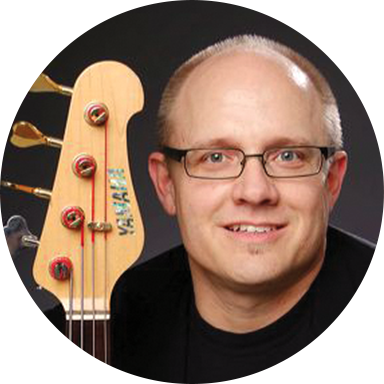
Kris Berg

Kris Berg directs the jazz studies program at Collin County Community College in Texas and holds degrees in jazz studies from the University of North Texas. His ensembles have earned multiple invitations to perform at Montreux, and he founded both the Collin Jazz Fest and the Texas All-Star Jazz Camp. Berg's arrangements have been performed internationally and published through Belwin Jazz as part of Alfred's catalog.

As a clinician for Yamaha, Berg regularly collaborates with touring jazz artists including Kurt Elling, Randy Brecker, and Peter Erskine. He authored the influential method book Bass Lines in Minutes and continues to perform and teach across the country. His writing reflects deep roots in big band tradition combined with contemporary jazz practice.

Why we love this

Berg has a gift for writing horn lines that sit perfectly in the middle of the range without asking for excessive endurance, which matters on a chart your ensemble will actually want to play repeatedly. The rhythm section here gets real work to do, particularly the bass and drums, so your students who live in the backline will stay engaged from downbeat to out. Funk charts with this level of groove polish don't come around often at the 3.5 grade level.

What to expect

Greasy and deliberate, with a locked-in rhythm section pulse that makes you want to move. The horn writing bounces against a fat bass line and that backbeat, creating a chart that feels current and alive rather than nostalgic or academic.

Who it's for

Intermediate jazz ensembles looking for a funk chart that sits squarely in the playable zone without sounding like beginner material. Directors seeking contest or festival repertoire will find this polished enough to hold its own in performance, while still giving younger soloists room to develop without overwhelming them.

How to get the most out of it

  • Settle the bass and drums into the pocket first; once that backbeat locks, the horns will find their way in naturally without rushing.
  • The trumpet solos offer space for your players to breathe and phrase conversationally, so encourage them to think like they're having a one-on-one conversation rather than displaying technique.
  • Balance the tenor saxophone and trumpet solos so neither overshadows the other, keeping the ensemble leaning slightly toward the blues feel rather than a bright, classical sound.
  • Use the 160 BPM as a target, not a ceiling; if your ensemble needs an extra 5-10 BPM to settle the pocket, take it.

How to use it

Feature this on a concert where you want an energy shift and a crowd moment; it works beautifully as a mid-set pick-me-up before tackling something more complex or ballad-oriented. The written solos make it ideal for a showcase where specific students need performance reps without the open-ended improvisation demands of a fully rubato chart.

Skills your students will build

  • Comping against a funk groove and locked bass line
  • Phrasing and inflection within written solo sections
  • Rhythmic precision in ensemble unisons at medium tempo
  • Listening to and locking with a rhythm section backbeat

You May Also Like