Chanuke, Oi Chanuke Cover Image

Chanuke, Oi Chanuke: SATB Choral Octavo

$2.95 USD
Sale price  $2.95 USD Regular price 
Skip to product information
Chanuke, Oi Chanuke Cover Image

Chanuke, Oi Chanuke: SATB Choral Octavo

Traditional Yiddish Melody / arr. Robert DeCormier / English text by Louise Dobbs

Level: Moderately Difficult

Item: 00-LG53068

makemusic Cloud badge

Need it now?

Buy Digital Version
$2.95
Shipped

One moment…

Description
This is a remarkable and challenging concert work for the holiday season from Robert DeCormier. The included pronunciation guide will help assure correct use of the traditional Yiddish text. A welcome addition to choral repertoire for Hanukkah!

Don't just read it, hear it, play along with it, and watch your students grow with it. In MakeMusic Cloud, Chanuke, Oi Chanuke: SATB Choral Octavo comes alive with professional accompaniment, adjustable tempo, and built-in practice tools that turn solo practice into real progress.

Sample Pages

Sample Audio
No sample audio found.
Sample Video
Additional Details
Series: Alfred Archive Edition: Lawson-Gould Music Publishers
Publisher: Alfred Music
Page Count: 16
UPC: 654979082354
SKU: 00-LG53068

More about this title

About the Arranger: Robert DeCormier
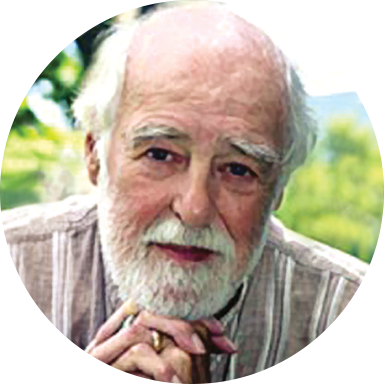
Robert DeCormier

Robert DeCormier studied at the Juilliard School and built a career spanning classical conducting, Broadway, and folk music. He served as music director of the New York Choral Society for seventeen years, conducted and arranged for Harry Belafonte, and held the position of music director for Peter, Paul and Mary from 1978 to 2010. He also taught conducting and ensembles at the Eastman School of Music from 1972 to 1977.

Beyond his conducting work, DeCormier has composed extensively for choral, Broadway, and ballet contexts, while his arrangements encompass African-American spirituals, American folk songs, and international repertoire. He founded the professional vocal ensemble Counterpoint in 2000, which recorded six albums on the Albany label and performed workshops with high school choirs throughout the Northeast. His contributions to music education and the arts earned him the Vermont Governor's Award for Excellence in the Arts in 2002 and a Lifetime Achievement Award from the New England Choral Arts Foundation in 2006.

Why we love this

DeCormier's arrangement treats this traditional Yiddish song with the sophistication of a concert work rather than a simple folk arrangement, giving your choir genuine musical substance to explore during the holiday season. The included pronunciation guide removes a common barrier to performing Jewish heritage repertoire and signals that this piece values linguistic and cultural authenticity. At the moderately difficult level, it rewards focused rehearsal without becoming inaccessible to developing choirs.

What to expect

This is concert-hall writing applied to a folk melody, creating intimacy without sentimentality. The harmonic language is rich and demands precision, lending the traditional text a reflective, almost reverent quality that suits both secular and religious concert settings.

Who it's for

High school and college choirs seeking a substantial, culturally grounded piece for winter concerts and Hanukkah observances. Choirs with access to experienced rehearsal time and the capacity to engage with Yiddish language pronunciation will gain the most from this arrangement's depth.

How to get the most out of it

  • Study the pronunciation guide carefully in rehearsal and have singers mark tricky vowel sounds and consonants directly into their scores before the first full run-through.
  • Balance the harmonic complexity across all four voices by isolating sections in parts rehearsals; this arrangement likely asks each voice to carry melodic and harmonic weight.
  • Attend to diction as a musical element, not an afterthought; Yiddish phonetics shape the emotional resonance of the text and deserve the same rehearsal time as intonation.

How to use it

Position this as a centerpiece of a Hanukkah concert or as part of a broader winter program celebrating cultural traditions across ensembles. Its moderately difficult scoring means it pairs well with lighter folk arrangements or contemporary pieces, anchoring a program with genuine musical weight.

Skills your students will build

  • Yiddish pronunciation and diction
  • Four-part harmonic independence
  • Singing culturally specific music with authenticity and respect
  • Balancing melody and harmony across a sophisticated arrangement

You May Also Like
