Celtic Kilts Cover Image

Celtic Kilts: String Orchestra Conductor Score

$6.00 USD
Sale price  $6.00 USD Regular price 
Skip to product information
Celtic Kilts Cover Image

Celtic Kilts: String Orchestra Conductor Score

By Edmund J. Siennicki

Grade: 2

Item: 00-20714S

$6.00
Shipped

One moment…

Description
Your students will love this piece with a Celtic flair! You'll love it because you can teach meter changes (6/8 and 2/4) and modes. A great teaching piece and perfect for first- and second-year students.

Celtic Kilts: String Orchestra Conductor Score isn't in MakeMusic Cloud just yet...but it could be. Let us know you'd like to see it, and you'll help shape what comes next. In the meantime, start a free trial and dive into thousands of interactive titles your students can play along with today.

Sample Pages

No sample pages found.

Sample Audio
No sample audio found.
Sample Video
Additional Details
Series: Highland/Etling Strictly Strings
Publisher: Alfred Music
Page Count: 8
UPC: 038081207414
SKU: 00-20714S

More about this title

About the Composer: Edmund J. Siennicki
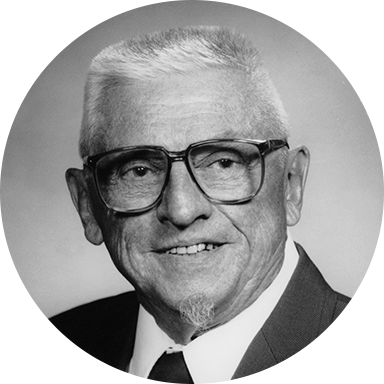
Edmund J. Siennicki

Edmund J. Siennicki was born in Cleveland, Ohio in 1920 and encountered the legendary pianist Ignacy Jan Paderewski at age 12, a formative moment that shaped his artistic direction. He earned his Bachelor's degree from Kent State University, where he composed Fight on for KSU, a piece still performed at university football games, and later received the Distinguished Alumnus Award from the School of Music in 1994.

Siennicki pursued advanced study at Teachers College, Columbia University, earning his MA while studying composition with Herbert Elwell and electronic music with Sergio Barroso; he also consulted with composer Vincent Persichetti. A skilled performer on bassoon and piano, Siennicki spent much of his teaching career in Cleveland junior high schools and held faculty positions at Michigan and Kent State University. His output includes approximately 200 published compositions, many of which have won recognition in National School Orchestra composition contests. He served twice as composer in residence at the MacDowell Colony and has received continuous ASCAP awards for over two decades. Siennicki continues to compose, visit schools, and lead clinics.

Why we love this

This score offers exactly what second-year orchestras need: a musically engaging piece that doubles as a meter-change masterclass. The Celtic character makes it memorable for your students, while the pedagogical framework lets you teach 6/8 and 2/4 alongside modal thinking without sacrificing musicality. It's the rare teaching piece that doesn't feel like a teaching piece.

What to expect

Celtic Kilts has the rhythmic energy and melodic character of traditional Scottish music without sounding academic or forced. The shift between 6/8 and 2/4 creates a natural sense of forward motion and playfulness, drawing your students into the music before they fully realize they're navigating two different time signatures.

Who it's for

This conductor score works for string orchestras in their second year of study, where students have solid note-reading skills but are ready to tackle metric complexity. It's equally valuable for directors teaching meter as a core skill or for those who want to introduce modal thinking through a piece that genuinely sounds good.

How to get the most out of it

  • Pay careful attention to the transition points between meters. Mark these shifts clearly on your own score so you can gesture them distinctly; your students will lock in faster with a conductor who signals the change, not just a rehearsal where they count through it.
  • Let the modal character inform your phrasing rather than impose traditional major/minor articulation patterns. This piece breathes differently depending on whether you're in the Dorian sound or the 2/4 section.
  • Use the eight-page length strategically in rehearsal. Work through one or two sections per rehearsal cycle rather than attempting the whole piece early; this pacing lets rhythmic understanding settle before adding expressive refinement.

How to use it

Consider programming this on a concert celebrating world music or cultural traditions; its accessible grade level and engaging character make it a solid opener or mid-program piece that holds audience attention. It also works well as a teaching demonstration when parents or administrators visit rehearsal, since the metric work and modal qualities are immediately audible.

Skills your students will build

  • Switching between 6/8 and 2/4 time signatures with rhythmic security
  • Reading and performing in modes (Dorian, Phrygian, or similar modal structures)
  • Playing with stylistic awareness of Celtic musical idioms
  • Maintaining ensemble precision through meter transitions
  • Responding to conductor cues for metric changes

You May Also Like