

Celebrated Piano Solos, Book 5: Seven Diverse Solos for Intermediate to Late Intermediate Pianists: Piano
Seven Diverse Solos for Intermediate to Late Intermediate Pianists
By Robert D. Vandall
Level: Intermediate / Late Intermediate
Item: 00-PB-0000551
$6.99
Pickup currently not available
Related Items
Celebrated Piano Solos, Book 5: Piano Book |
$6.99
|
View |
Description
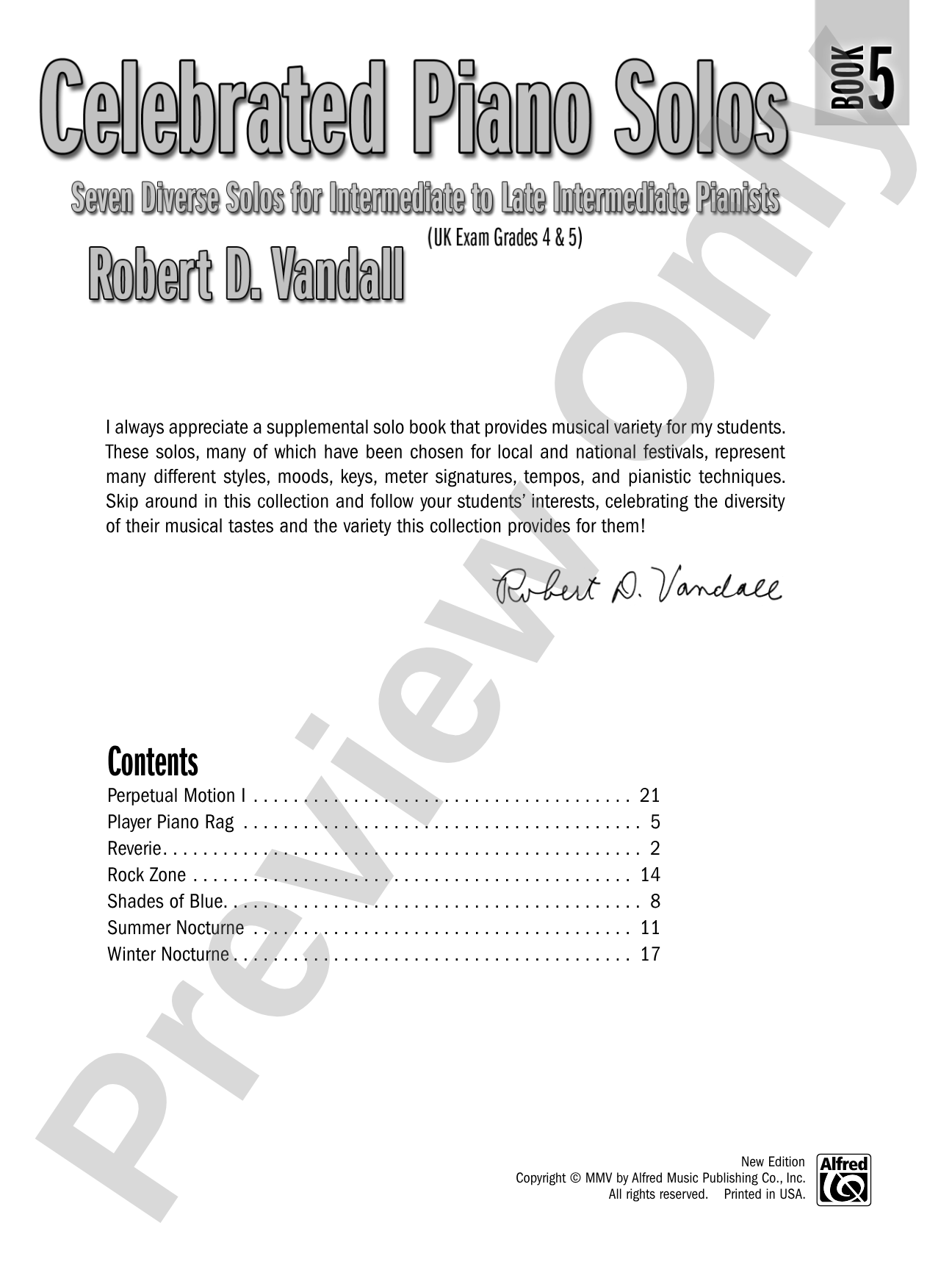
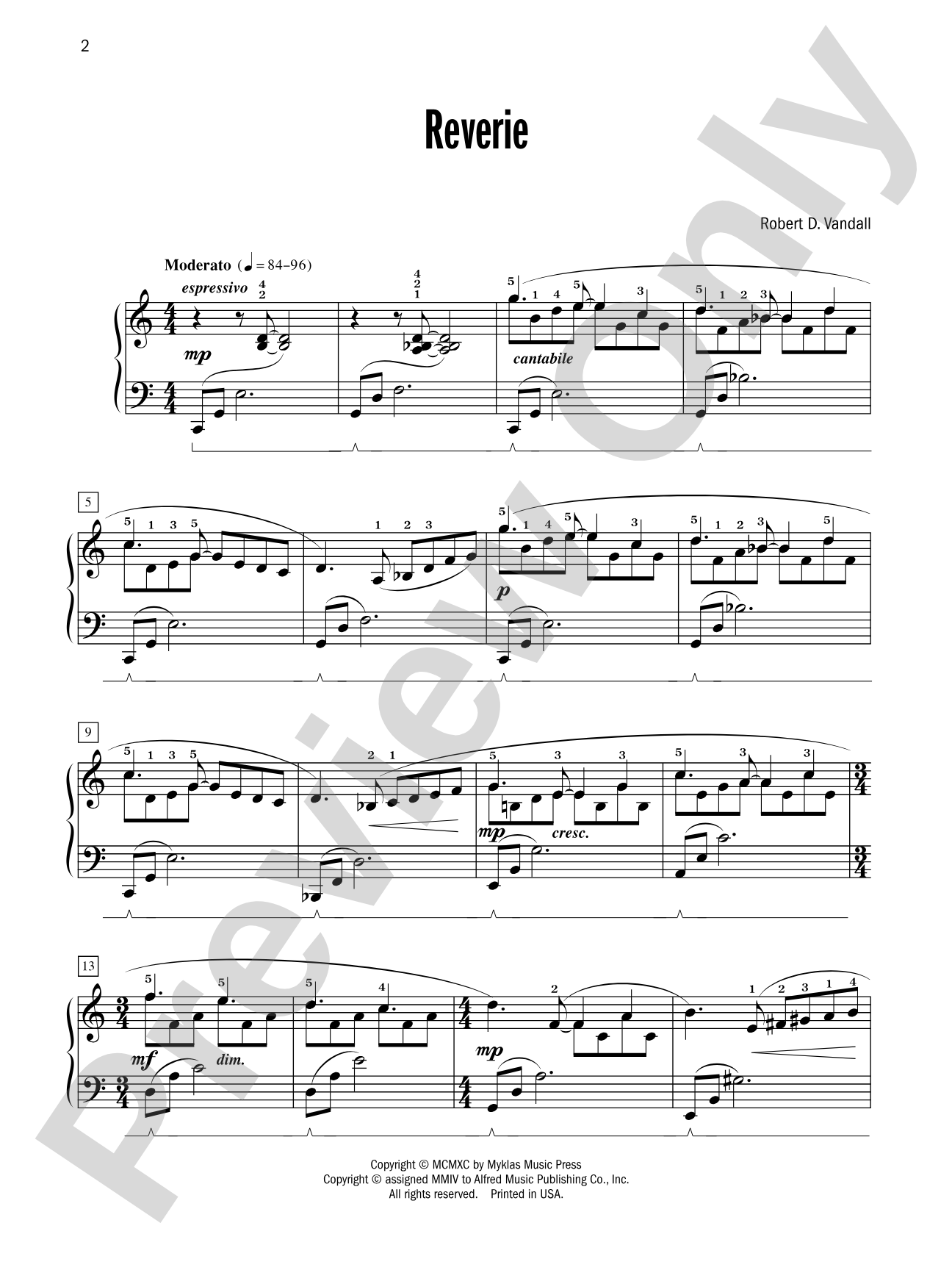
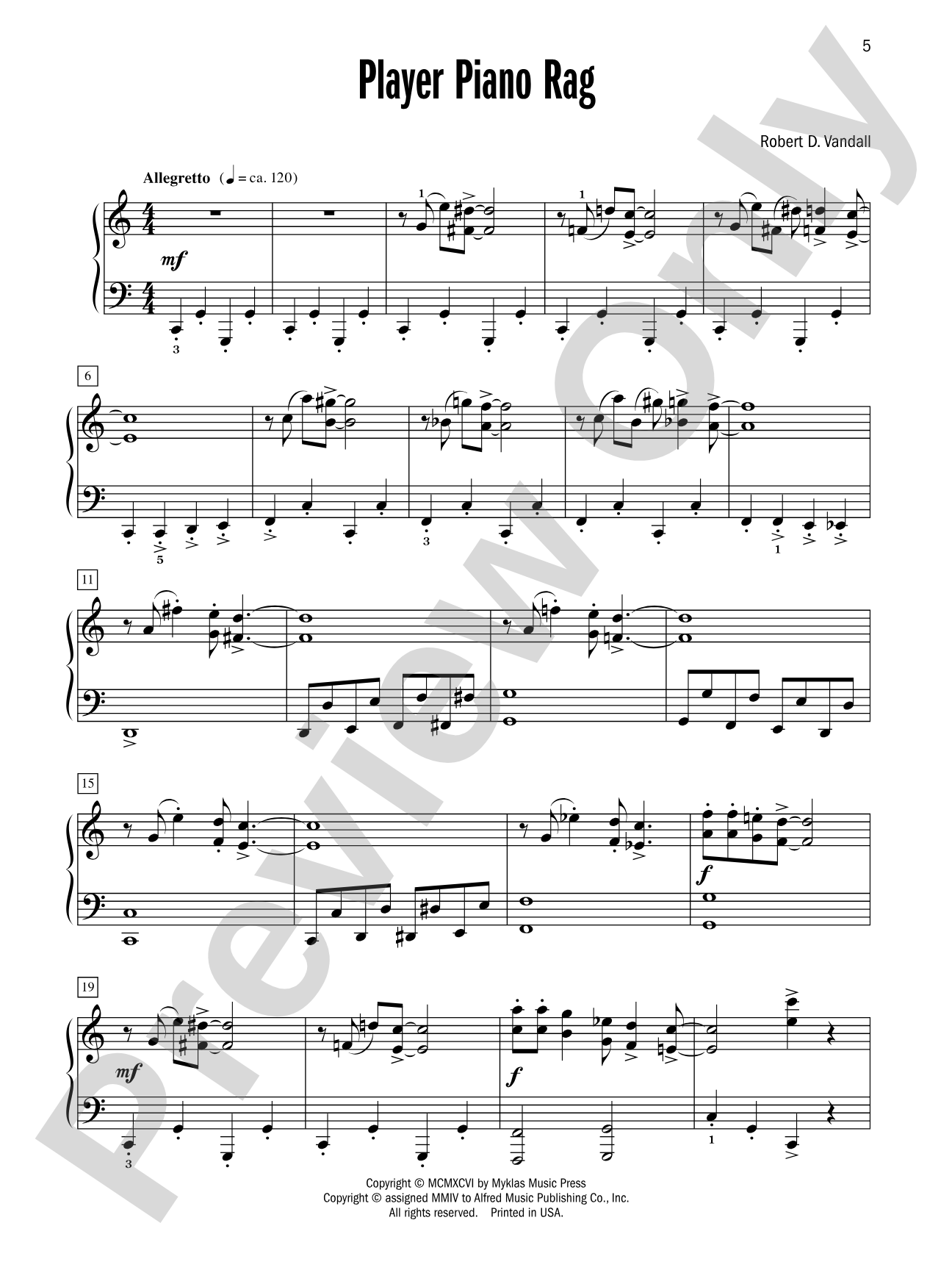
This series offers some of the best piano sheet solos by noted composer Robert D. Vandall. Originally available from Myklas Music Press, this book has been re-engraved and features an attractive new cover. Representing many different styles, moods, keys, meter signatures, tempos, and pianistic techniques, this collection includes more exciting intermediate favorites. Titles: Player Piano Rag * Perpetual Motion I * Reverie * Rock Zone * Shades of Blue * Summer Nocturne * Winter Nocturne. A Federation Festivals 2020-2024 selection.


Celebrated Piano Solos, Book 5: Seven Diverse Solos for Intermediate to Late Intermediate Pianists: Piano isn't in MakeMusic Cloud just yet...but it could be. Let us know you'd like to see it, and you'll help shape what comes next. In the meantime, start a free trial and dive into thousands of interactive titles your students can play along with today.
Request This Title
Tell us you want it.
Start Your Free Trial
Explore everything that's ready to play right now.
Sample Audio
No sample audio found.
Sample Video
No sample videos found.
Additional Details
Series:
Celebrated
Publisher:
Alfred Music
Page Count:
24
SKU:
00-PB-0000551
More about this title
About the Composer: Robert D. Vandall
Robert D. Vandall is a prolific composer whose catalog spans educational piano literature, band and orchestral works, and choral music. His gift for writing accessible yet musically substantial pieces has made him a staple in music education for decades, with compositions that balance technical instruction with genuine artistic merit.
Why we love this
Vandall's gift for variety shines throughout this collection. Seven completely different pieces mean you're not asking your students to inhabit a single mood or master one technique repeatedly; instead, they move from ragtime swagger to reflective nocturnes to modern rock idioms, building versatility and keeping enthusiasm high.
What to expect
A musical passport. One moment you're syncopating like a 1920s piano roll; the next you're suspended in quiet reflection under a summer sky. The collection swings, sighs, struts, and dreams, moving fluidly between nostalgic Americana, impressionistic warmth, and modern groove. Each piece has its own emotional color, yet all share Vandall's trademark craft and pianistic clarity.
Who it's for
Intermediate to late intermediate pianists ready to branch beyond classical repertoire into jazz, ragtime, blues, and contemporary idioms. Students preparing for festival competitions, recitals, or simply looking to expand their stylistic range will find seven pieces that reward focused practice and yield polished, performance-ready results.
How to get the most out of it
- Treat the rhythmic precision in Player Piano Rag and Perpetual Motion I as a foundation for all seven pieces. The exactness required in those styles carries into the more lyrical works, where clarity of line becomes equally essential.
- Lean into the character titles. Summer Nocturne and Winter Nocturne invite interpretive choice; encourage students to consider how season, light, and temperature shape tempo rubato and voicing choices.
- Balance the chromatic color in Shades of Blue by maintaining structural clarity. The blues vocabulary can blur harmonic lines if left to drift; anchor the form with a steady sense of where you are in each phrase.
- Rock Zone requires a different physical approach than the classical and impressionistic pieces around it. Discuss the groove, hand position changes for power chords, and how pedal technique shifts when supporting electric-guitar-inspired sonorities.
How to use it
These seven pieces work exceptionally well as a recital set, allowing a single student to demonstrate range across multiple styles in one performance. Alternatively, draw individual selections to complement different concert themes: pair Summer Nocturne or Winter Nocturne with art song or chamber music; program Player Piano Rag alongside other early jazz transcriptions; use Rock Zone to bridge classical and contemporary repertoire.
Skills your students will build
- Ragtime rhythm and syncopation (Player Piano Rag)
- Rapid scalar passage work and sixteenth-note technique (Perpetual Motion I)
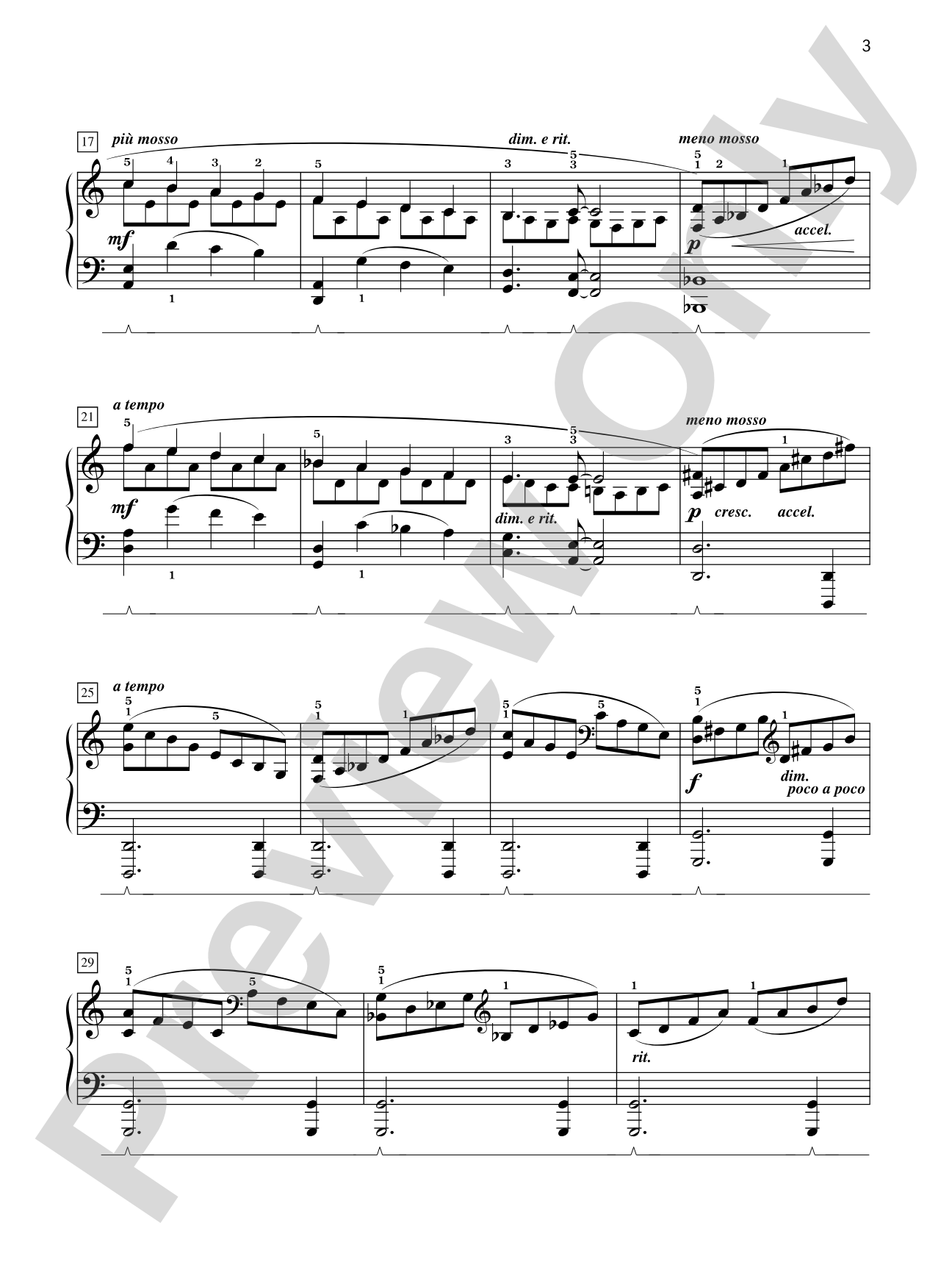
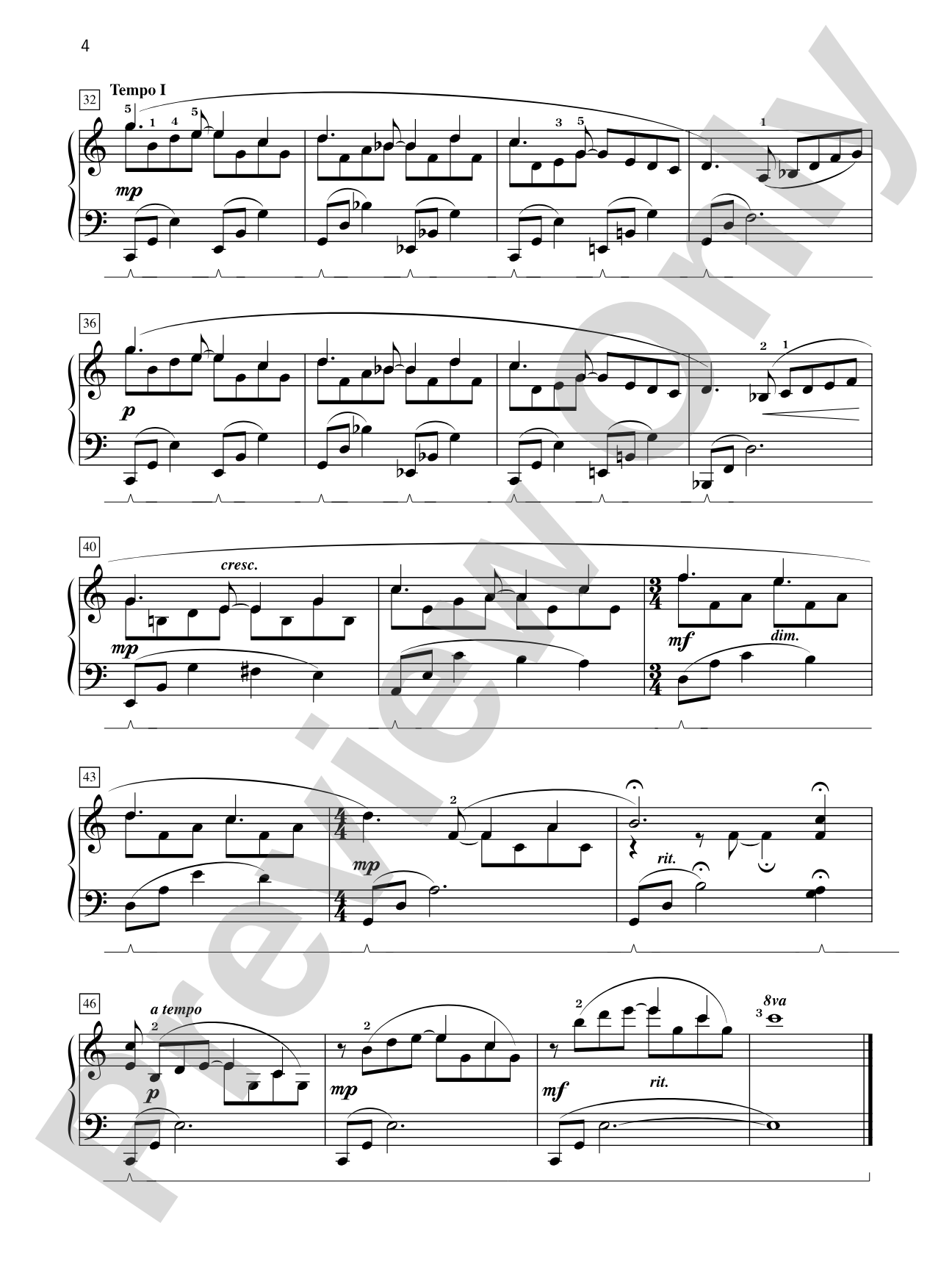
- Pedal control in impressionistic, sustained harmonic textures (Reverie, Summer Nocturne, Winter Nocturne)
- Blues scale application and jazz harmony (Shades of Blue)
- Modern rock accompaniment patterns and power chord technique (Rock Zone)
- Contrasting articulation and dynamic control across seven distinct styles
- Reading accidentals and extended harmonic vocabulary