Caverns of Sonora Cover Image

Caverns of Sonora: Concert Band Conductor Score

$13.00 USD
Sale price  $13.00 USD Regular price 
Skip to product information
Caverns of Sonora Cover Image

Caverns of Sonora: Concert Band Conductor Score

By William Owens

Grade: 2

Item: 98-B1758S

$13.00
Shipped

One moment…

Description
Evoking feelings of intrigue and majesty, this captivating work pays homage to one of the most spectacular cave systems in the world. The somber, haunting introduction quickly becomes a collage of dark harmonies and driving rhythms. Colorful and engaging, this is sure to become a student favorite.

Caverns of Sonora: Concert Band Conductor Score isn't in MakeMusic Cloud just yet...but it could be. Let us know you'd like to see it, and you'll help shape what comes next. In the meantime, start a free trial and dive into thousands of interactive titles your students can play along with today.

Sample Pages

Sample Audio
No sample audio found.
Sample Video
Additional Details
Series: FJH Young Band
Publisher: The FJH Music Company, Inc.
UPC: 241444525708
SKU: 98-B1758S

More about this title

About the Composer: William Owens
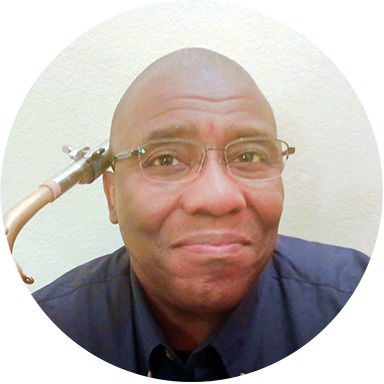
William Owens

William Owens has spent over three decades as both educator and composer, establishing himself as a trusted voice in young band literature. A 1985 graduate of VanderCook College of Music, he has created more than 300 works for concert band, string orchestra, and chamber ensembles since 1993. His compositions appear on festival lists and required music programs across North America and internationally.

Owens balances his compositional work with deep roots in music education and service to the profession. He held a 30-year tenure as a Texas band director before retiring in 2014, and maintains active involvement as a clinician and guest conductor. His work has earned recognition from the Texas Bandmasters Association, his alma mater, and memberships in ASCAP, TMEA, and Phi Beta Mu International Bandmasters Fraternity.

Why we love this

Owens understands exactly what Grade 2 musicians can accomplish without patronizing them. The opening creates real dramatic tension with those dark harmonies and haunting atmosphere, then the piece shifts into driving rhythms that keep students engaged and give them something visceral to play. It's the kind of work that sounds substantial in performance but doesn't demand technical acrobatics.

What to expect

You're descending into shadow and stone. The writing opens with a sense of discovery, almost reverent, before the mood shifts into something more urgent and muscular. There's real drama here, the kind that surprises audiences who expect Grade 2 to sound simplistic.

Who it's for

Grade 2 concert bands ready to tackle something with genuine artistic weight. This works equally well for groups preparing for festival competition or seeking a concert feature that challenges students musically without overwhelming them technically.

How to get the most out of it

  • Shape the introduction with restraint. The somber opening gains its power from control, not volume; let silence and space breathe between phrases.
  • Balance the darker harmonies so the colors emerge without muddying. Each section needs clarity even when the texture thickens.
  • Anchor the driving rhythmic sections with a solid pulse from your rhythm section; this piece rewards precision more than flexibility.
  • Reference the Caverns of Sonora itself during rehearsal. Help students visualize the geological wonder they're painting sonically.

How to use it

Program this as a concert centerpiece or festival selection where you want to showcase your band's maturity. It pairs well with lighter openers or finales, allowing you to demonstrate range and serious musical intention without monopolizing rehearsal time with unwieldy technical demands.

Skills your students will build

  • Sustaining lyrical lines through longer phrases with consistent tone
  • Balancing textural clarity when multiple harmonic layers occur simultaneously
  • Responding to shifting dynamics and mood changes within a single work
  • Maintaining rhythmic precision during sections with active subdivision patterns
  • Listening across sections to create cohesive harmonic color

You May Also Like