Catch Me If You Can Cover Image

Catch Me If You Can: String Orchestra Conductor Score & Parts

$45.00 USD
Sale price  $45.00 USD Regular price 
Skip to product information
Catch Me If You Can Cover Image

Catch Me If You Can: String Orchestra Conductor Score & Parts

By Loreta Fin

Grade: 1.5-2

Item: 76-30170

Need it now?

Buy Digital Version
$45.00
Shipped

One moment…

Description
This piece is a fun exercise in counting notes and, just as importantly, counting rests. The players have to listen carefully, and never stop counting the beat. The notes are very simple, based on the D Major Scale and Arpeggio, and the piece begins with the feel of a canon, until all the parts "catch up" with each other.

Catch Me If You Can: String Orchestra Conductor Score & Parts isn't in MakeMusic Cloud just yet...but it could be. Let us know you'd like to see it, and you'll help shape what comes next. In the meantime, start a free trial and dive into thousands of interactive titles your students can play along with today.

Sample Pages

Sample Audio
No sample audio found.
Sample Video
Additional Details
Series: Wilfin String Orchestra: Young String Ensemble Series
Publisher: Wilfin Music
Page Count: 66
UPC: 038081327099
SKU: 76-30170

More about this title

About the Composer: Loreta Fin
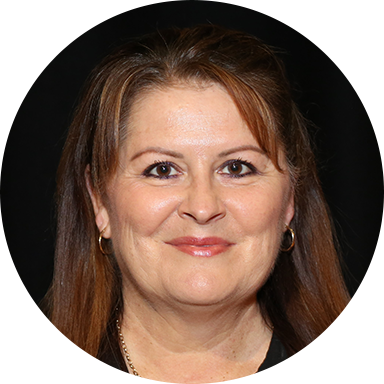
Loreta Fin

Loreta Fin is an Australian violist, educator, and prolific composer with deep roots in string ensemble pedagogy. She studied at the Sydney Conservatorium of Music and spent over 25 years as Principal Viola with the Queensland Pops Orchestra while maintaining an active chamber music presence. Since 1993, she has directed strings at Somerville House School in Brisbane, where her teaching philosophy emphasizes clarity, engagement, and age-appropriate challenge.

Fin's contributions to music education extend far beyond her school position. She has composed over 100 works for string orchestra published internationally, adjudicated major Australian competitions, and presented at both Australian and American National String Teachers' Conferences. Her leadership roles with the Australian Strings Association and subsequent appointment as State Advisor for Strings reflect her standing in the profession. Since 2015, she has regularly conducted honours ensembles across Queensland and beyond. In recognition of her sustained impact on string teaching, she received the National Award for Services to Music and String Teaching in Australia.

Why we love this

Fin understands young string players on a visceral level, and this piece proves it. The canon structure immediately engages students' ears while the straightforward D Major material keeps their hands confident, freeing them to focus on the real challenge: maintaining their place in the count through sustained rests. It's the kind of piece that feels like a game but builds the rhythmic discipline every section needs.

What to expect

Playful and purposeful. The piece opens with a gentle solo melody that gradually gathers voices, creating the feeling of a musical game of tag where instruments chase each other into harmony. By the moment when all voices align, the texture blooms into a unified, satisfying sound that rewards the careful listening and counting the journey required.

Who it's for

String orchestras in grades 1.5 to 2 benefit most from this work, particularly ensembles still building fundamental ensemble skills. It works equally well for a young beginner orchestra stepping into canon technique or a moderately experienced group that needs focused work on rhythmic independence and rest-counting discipline.

How to get the most out of it

  • Establish a steady, audible click or conductor beat in rehearsal before attempting the canon entries. Players must hear where the beat lives during their rest measures.
  • Have each part mark their own entrance point clearly in their part. Use a highlighter or bracket so violins II, violas, and cellos/basses never lose sight of when they rejoin the texture.
  • Run the piece at a tempo where students can comfortably count rests without rushing. Speed comes once the counting is secure.
  • Rotate which section begins the canon in rehearsal. This helps every player experience the opening solo figure and reinforces that leadership passes through the ensemble.

How to use it

Program this on a young strings concert where you want to spotlight rhythmic growth and listening skills without demanding advanced technical facility. It pairs well alongside folk-based arrangements and other early ensemble repertoire that emphasizes the pleasure of playing together. The accessible idiom and brief duration also make it ideal for a spring pops concert or chamber ensemble showcase.

Skills your students will build

  • Maintaining rhythmic placement through extended rest measures
  • Listening actively to other sections while holding one's own pulse
  • Executing canon entries with accurate timing and intonation
  • Reading and playing D Major scale and arpeggio patterns
  • Sustaining focus on counting the beat throughout a complete form

You May Also Like