
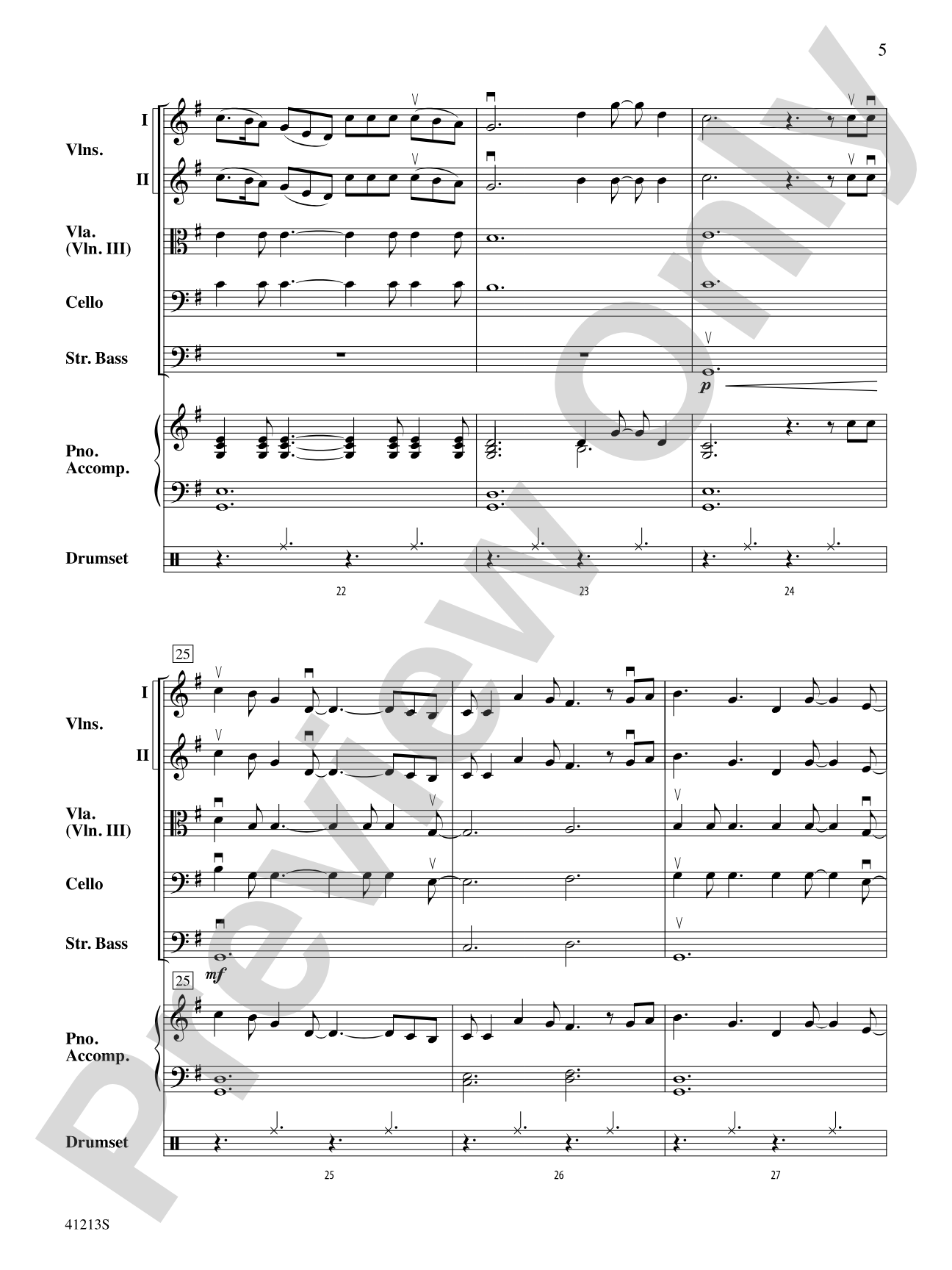
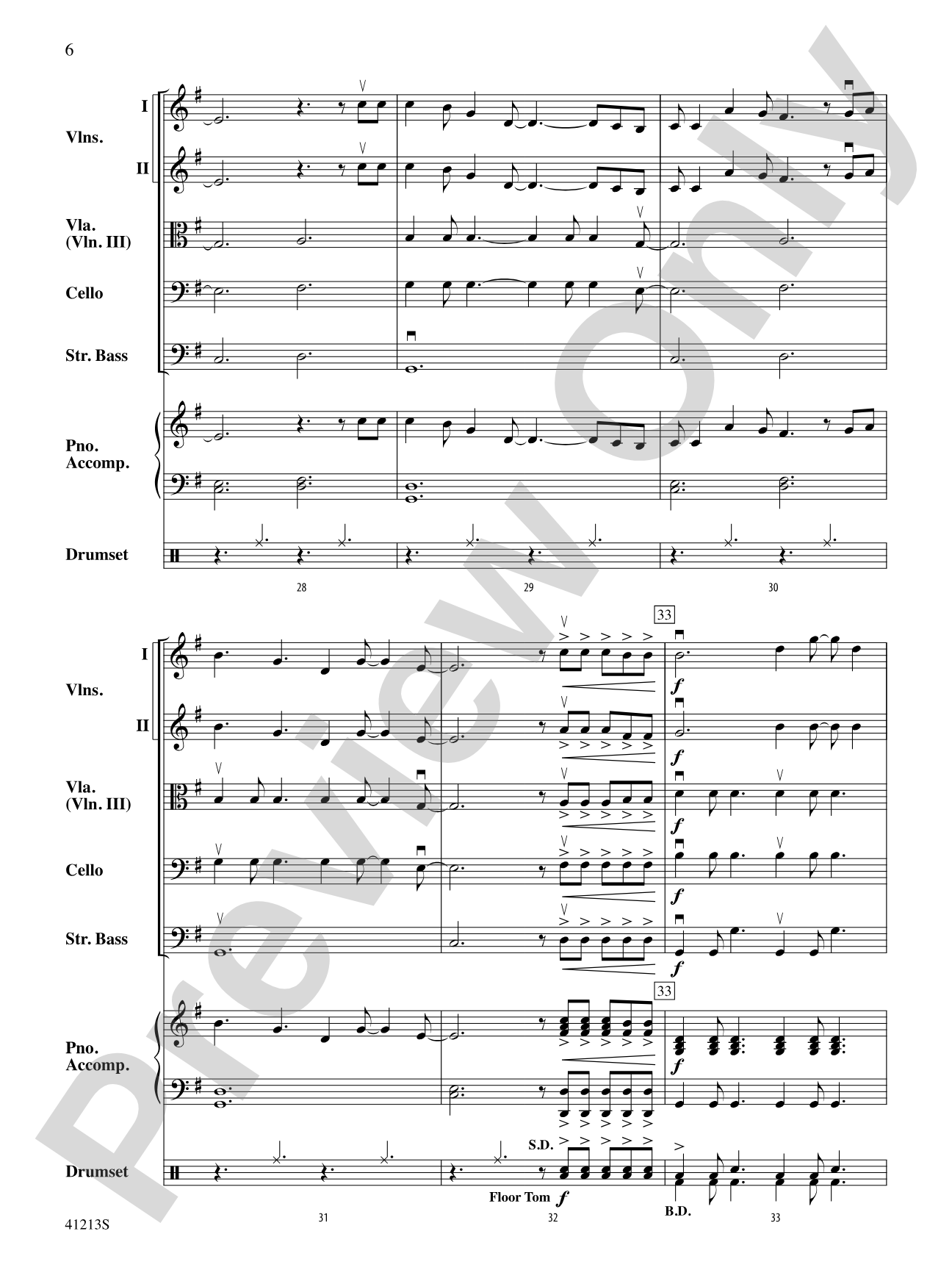
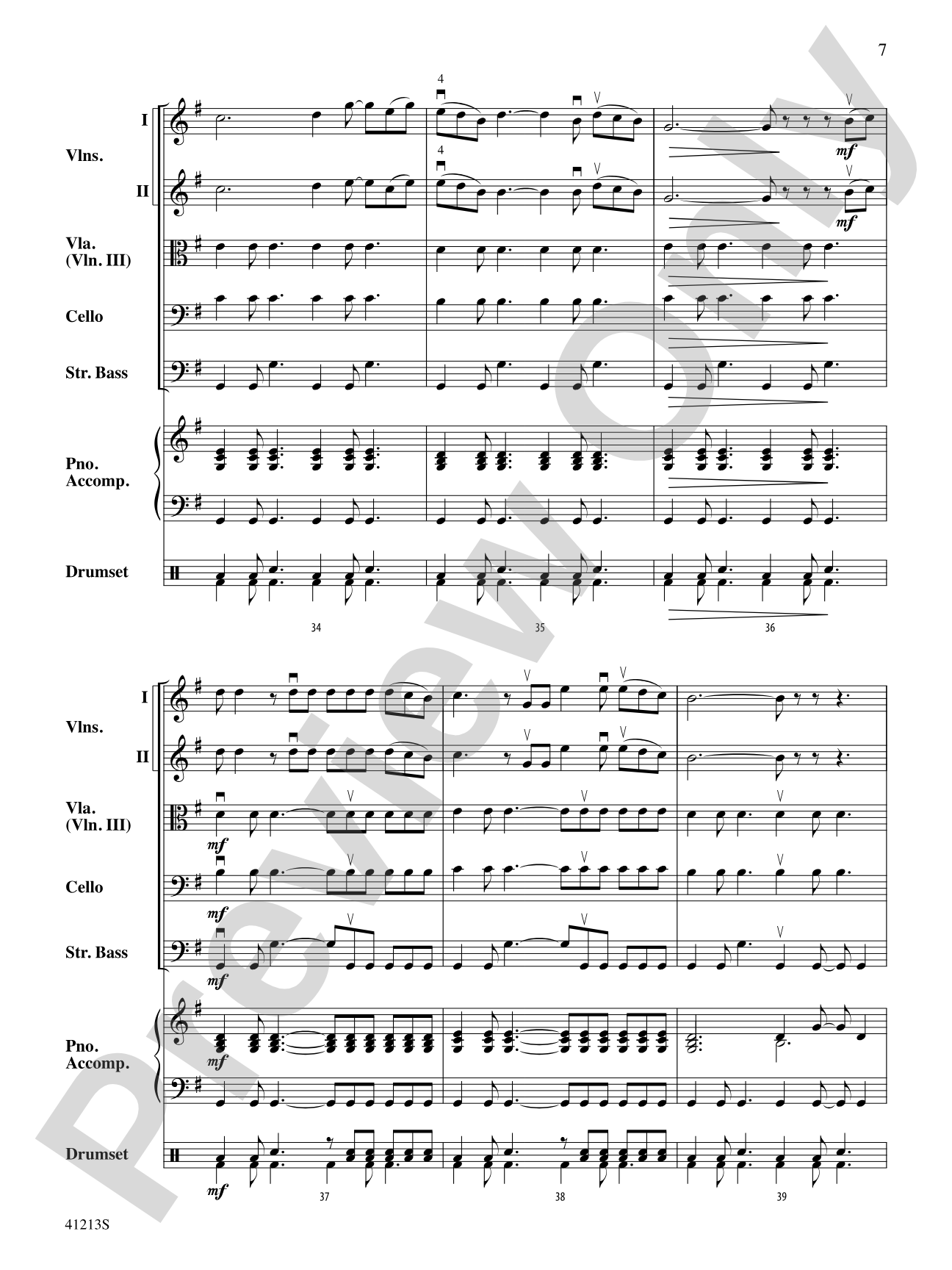
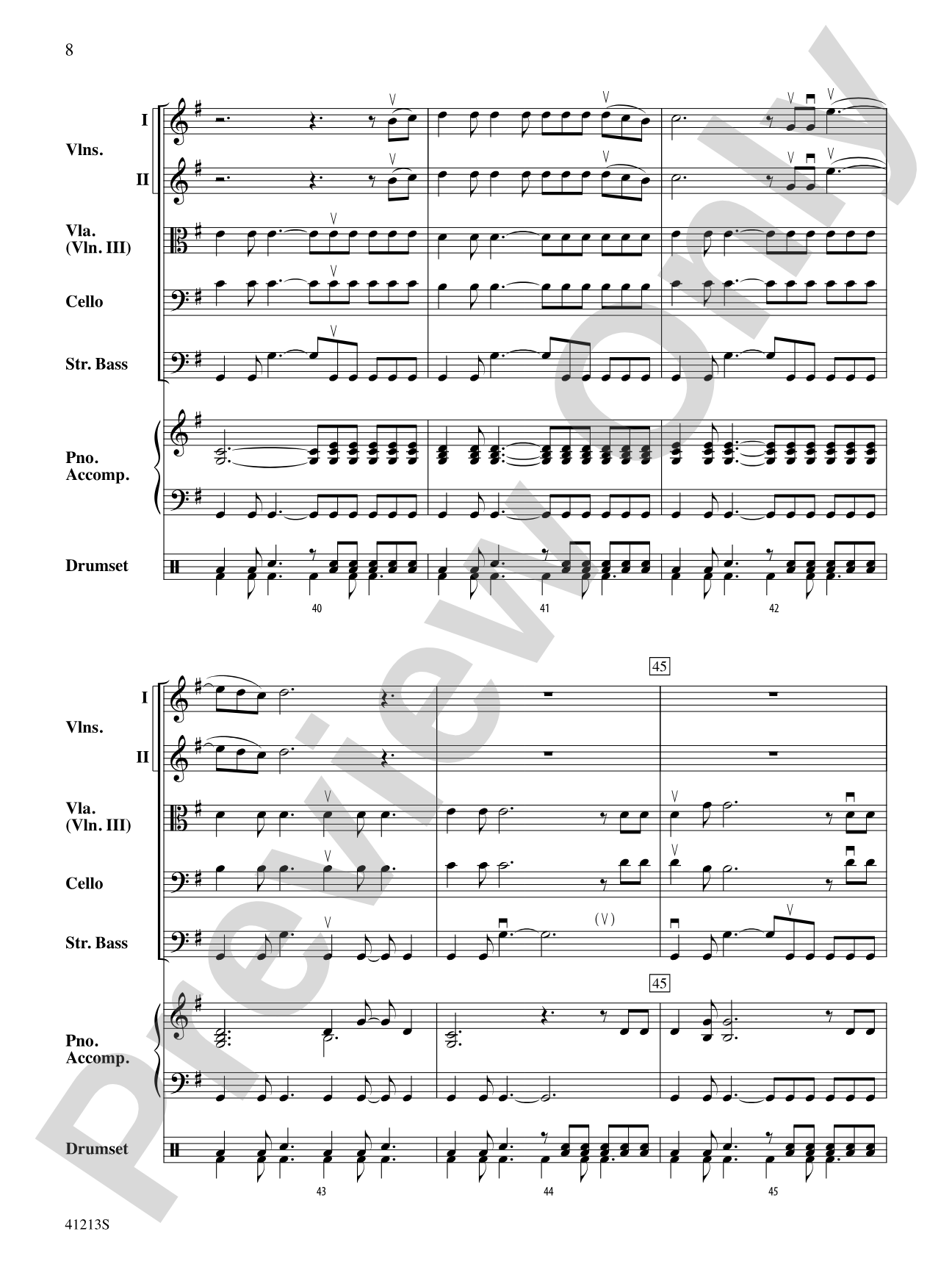
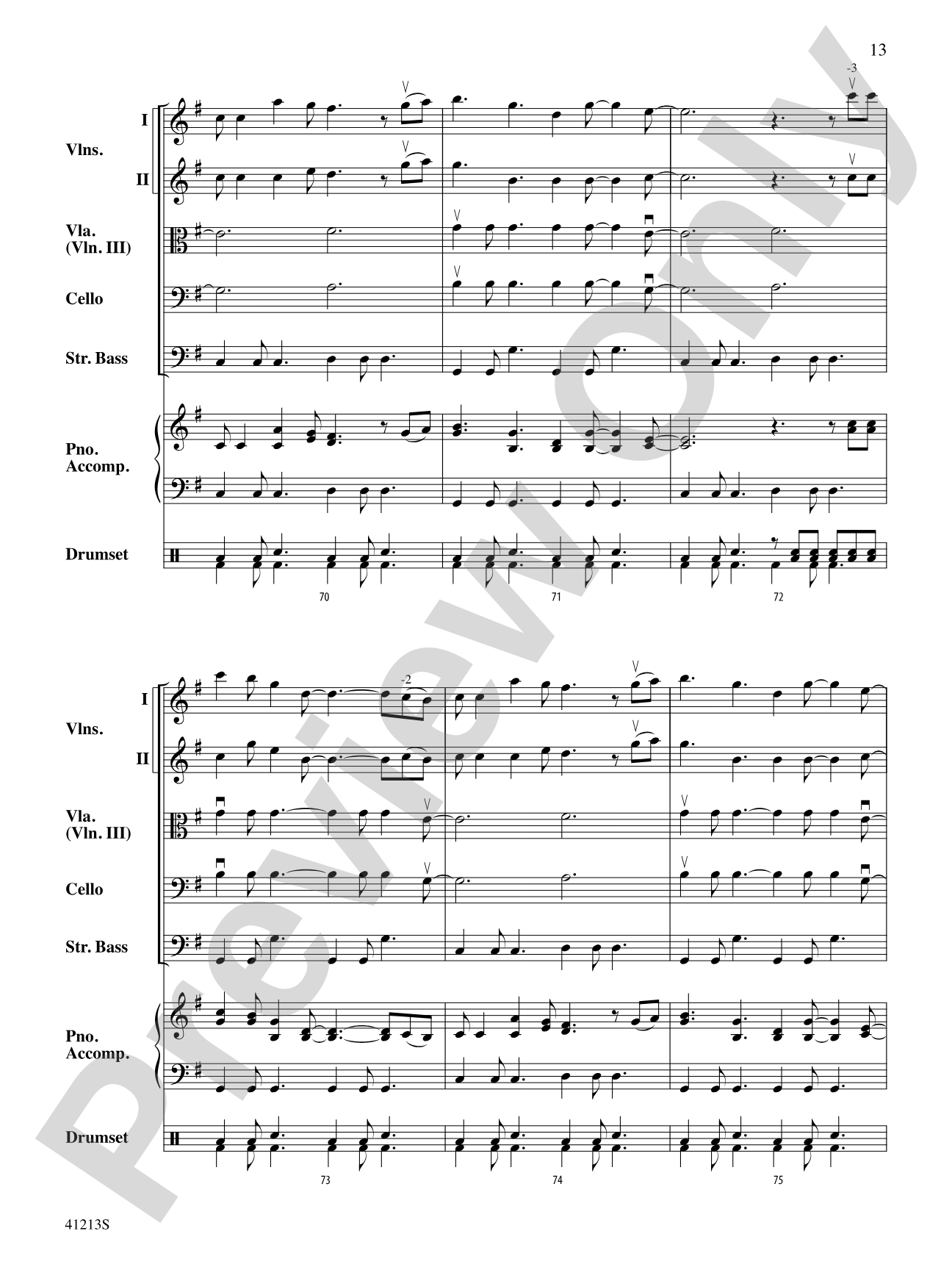
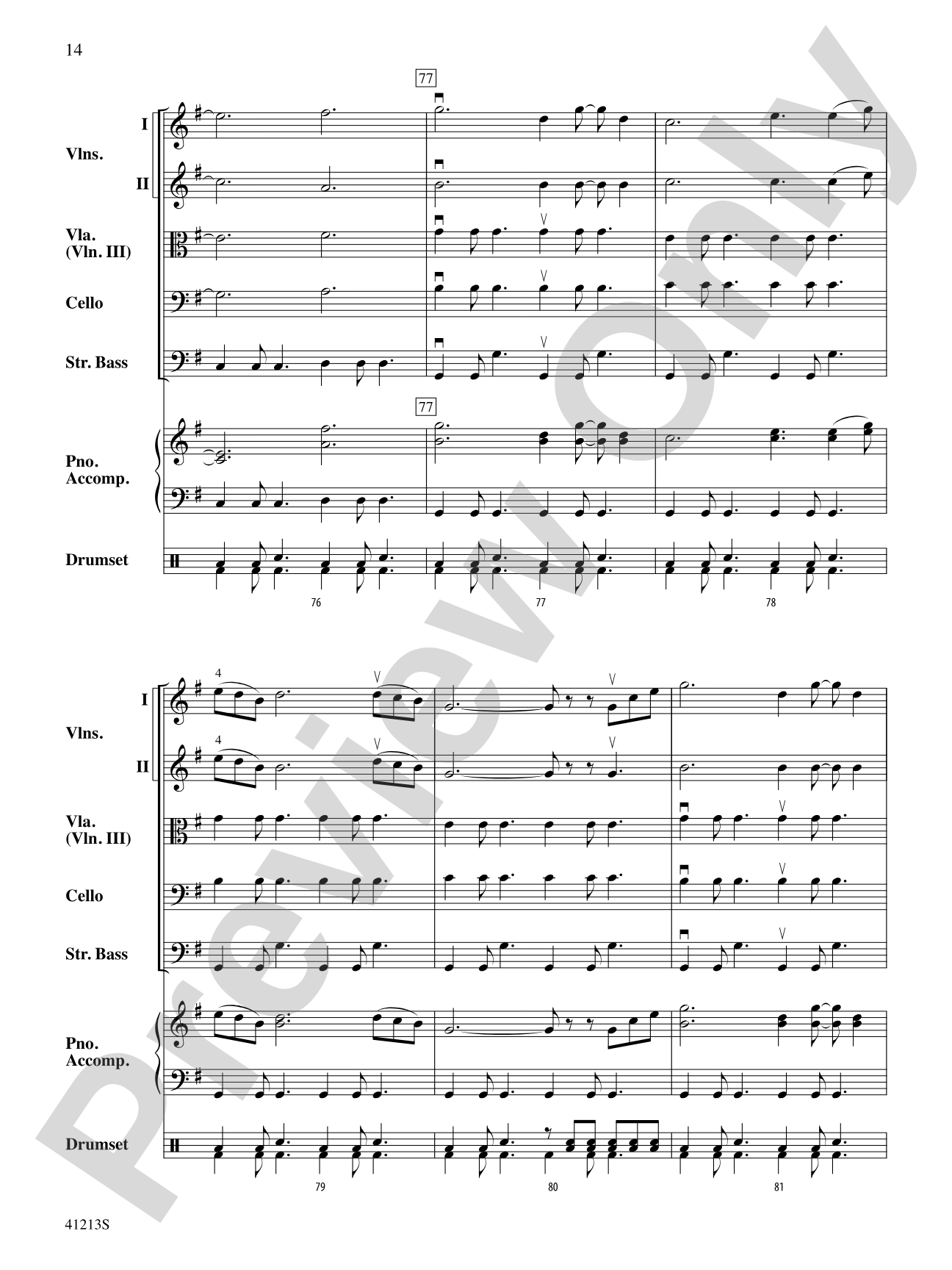
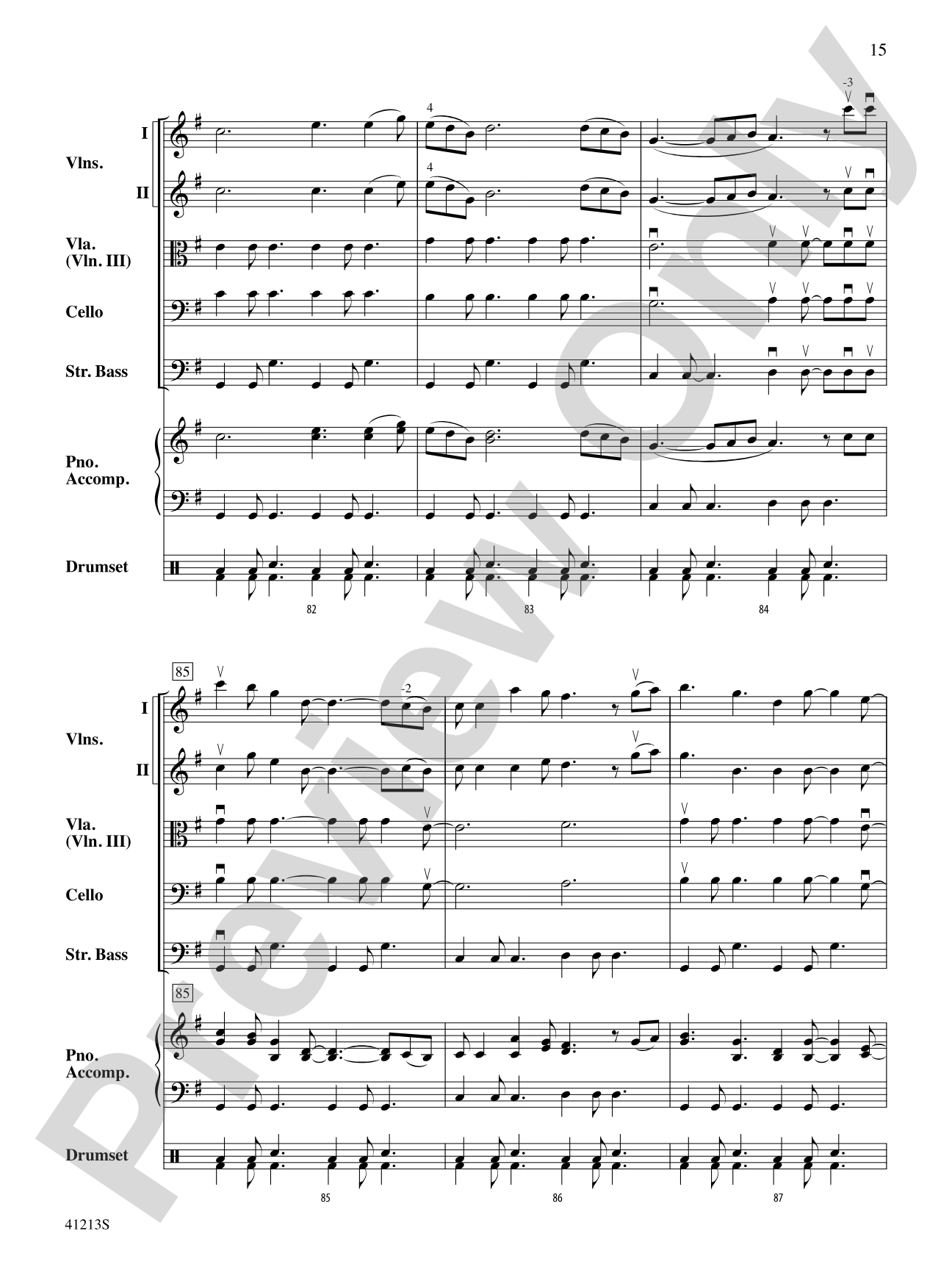
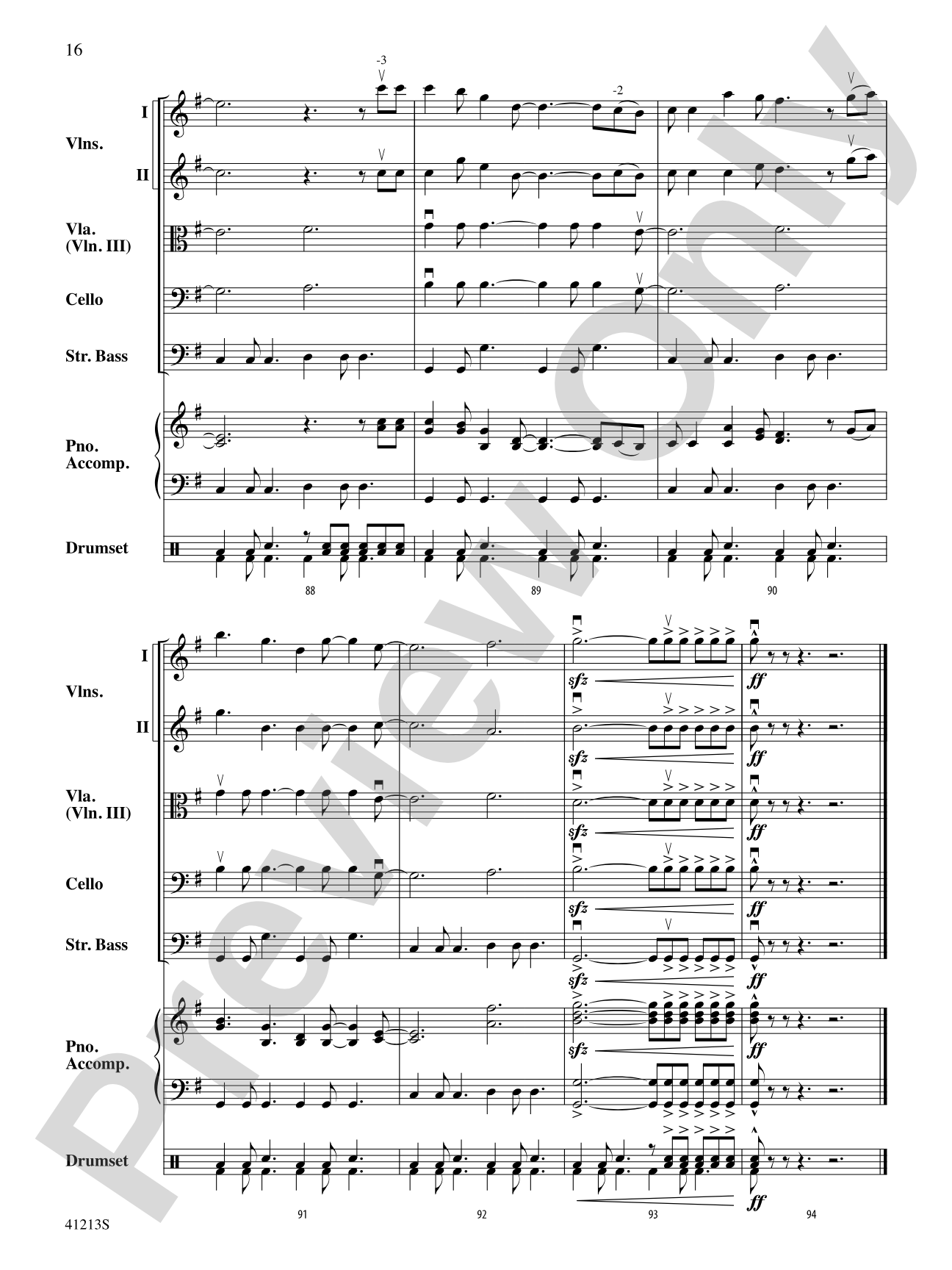

Carry On: String Orchestra Conductor Score & Parts
As recorded by fun.
Words and music by Nate Ruess, Jeff Bhasker, Andrew Dost, and Jack Antonoff / arr. Patrick Roszell
Grade: 3
Item: 00-PK-0006084

$54.00
One moment…
Description
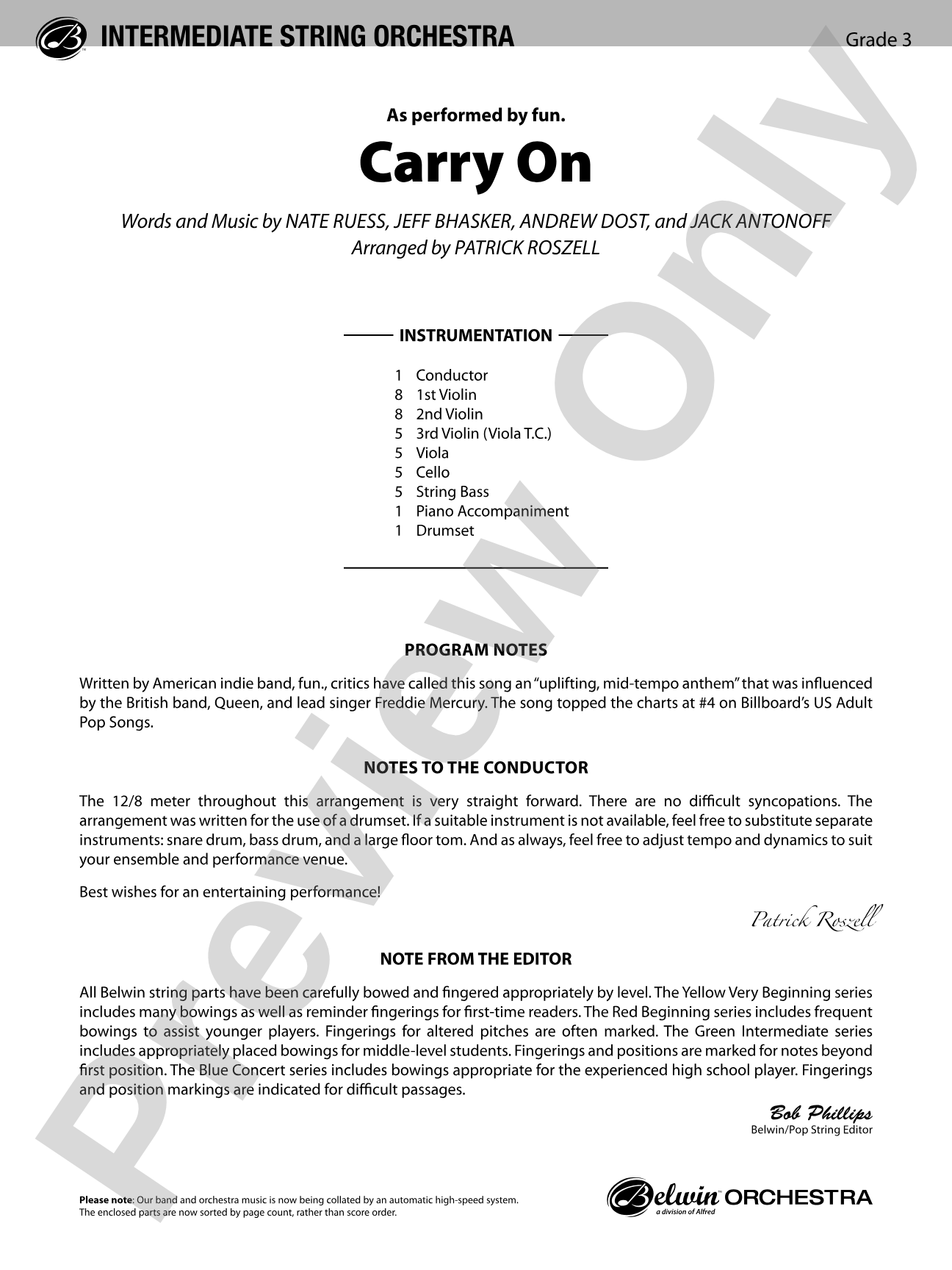
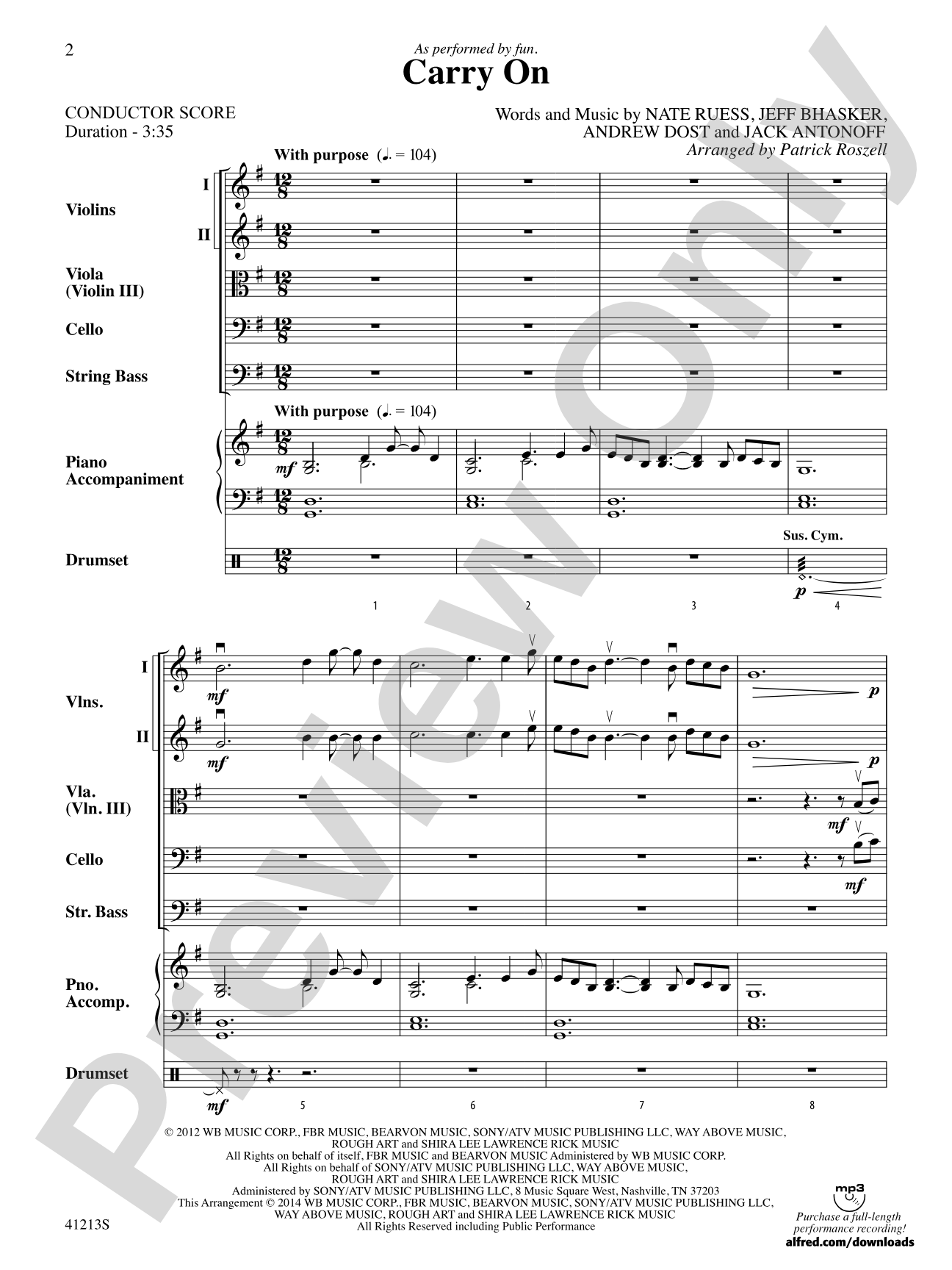
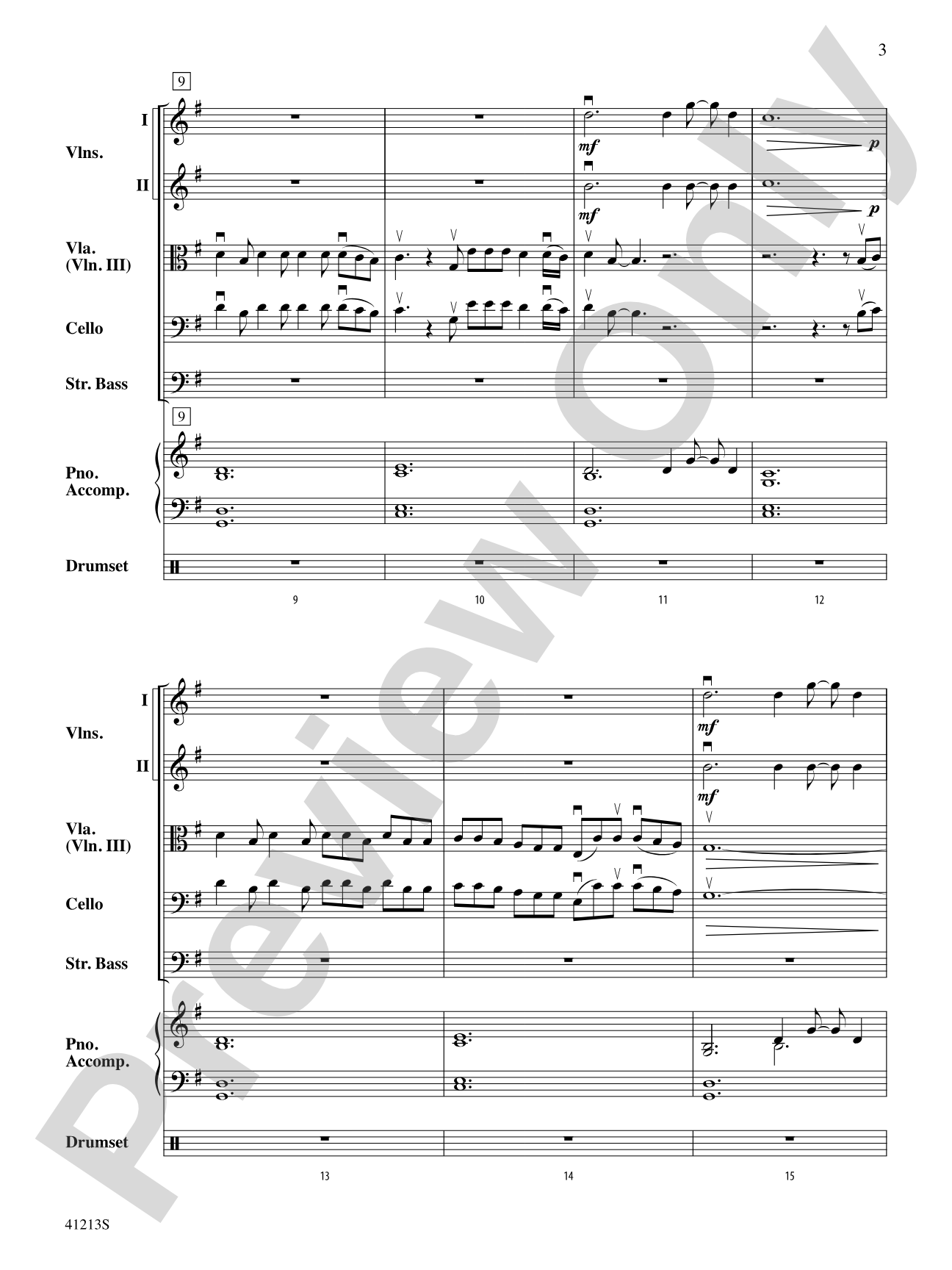
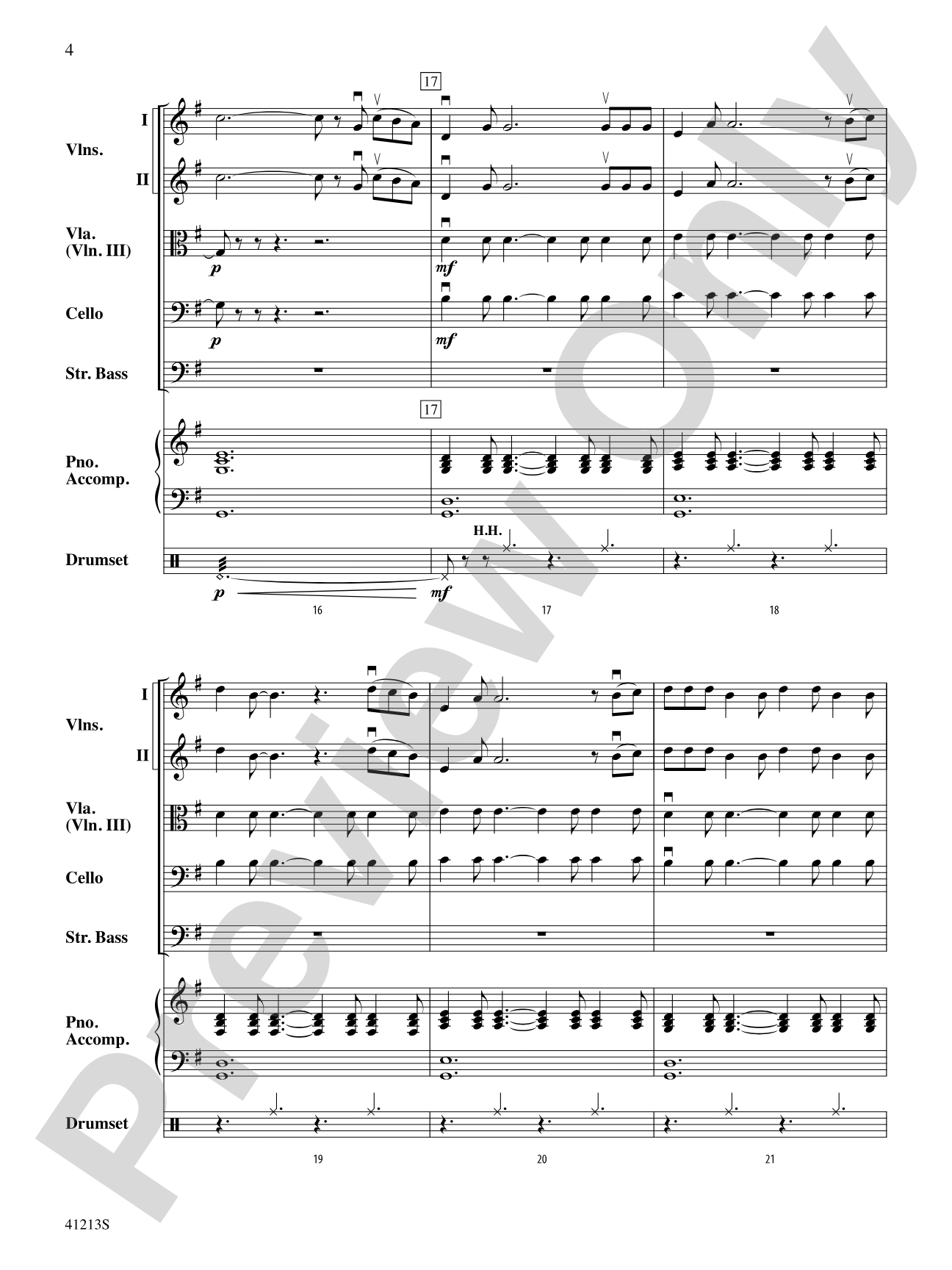
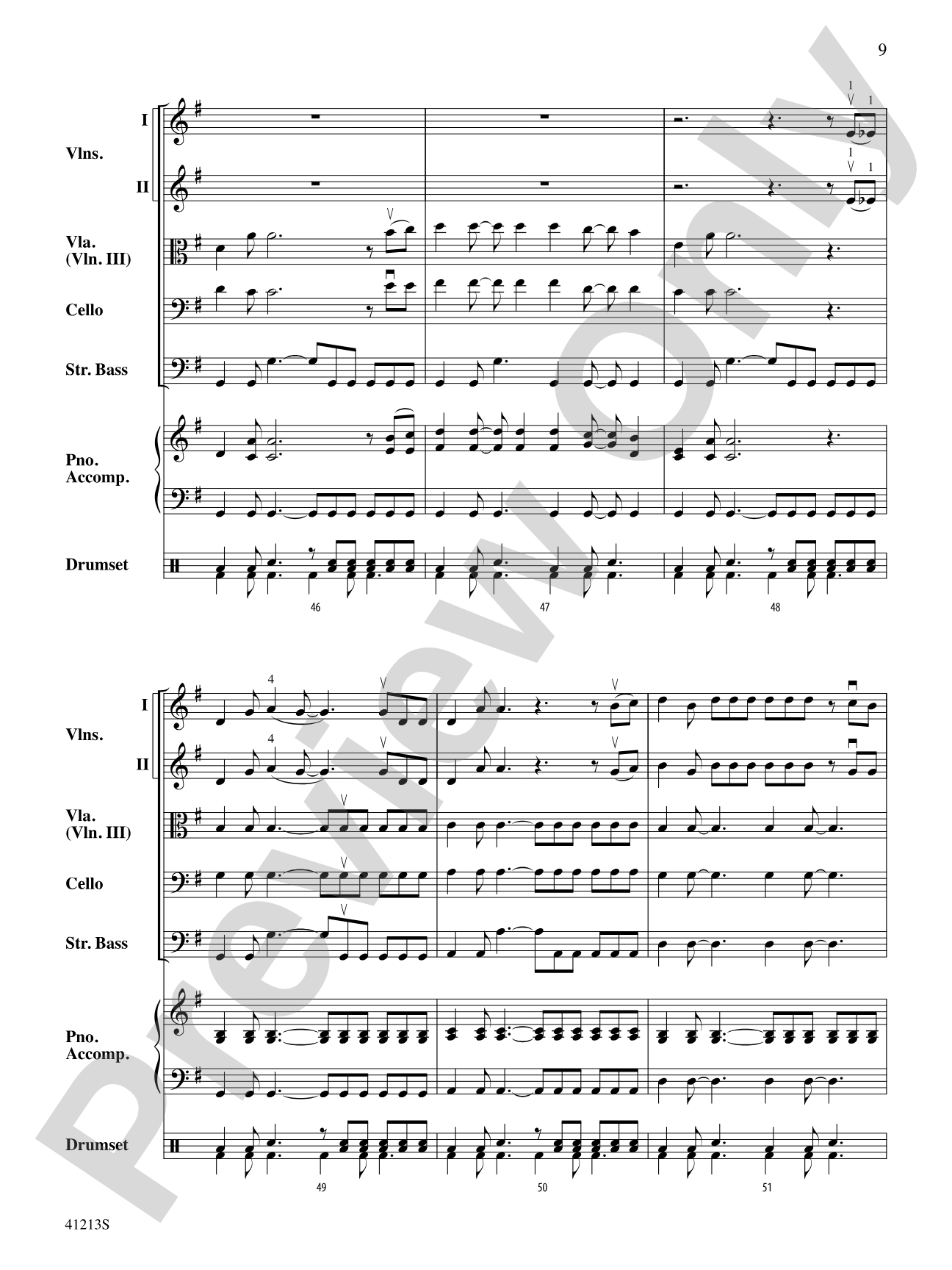
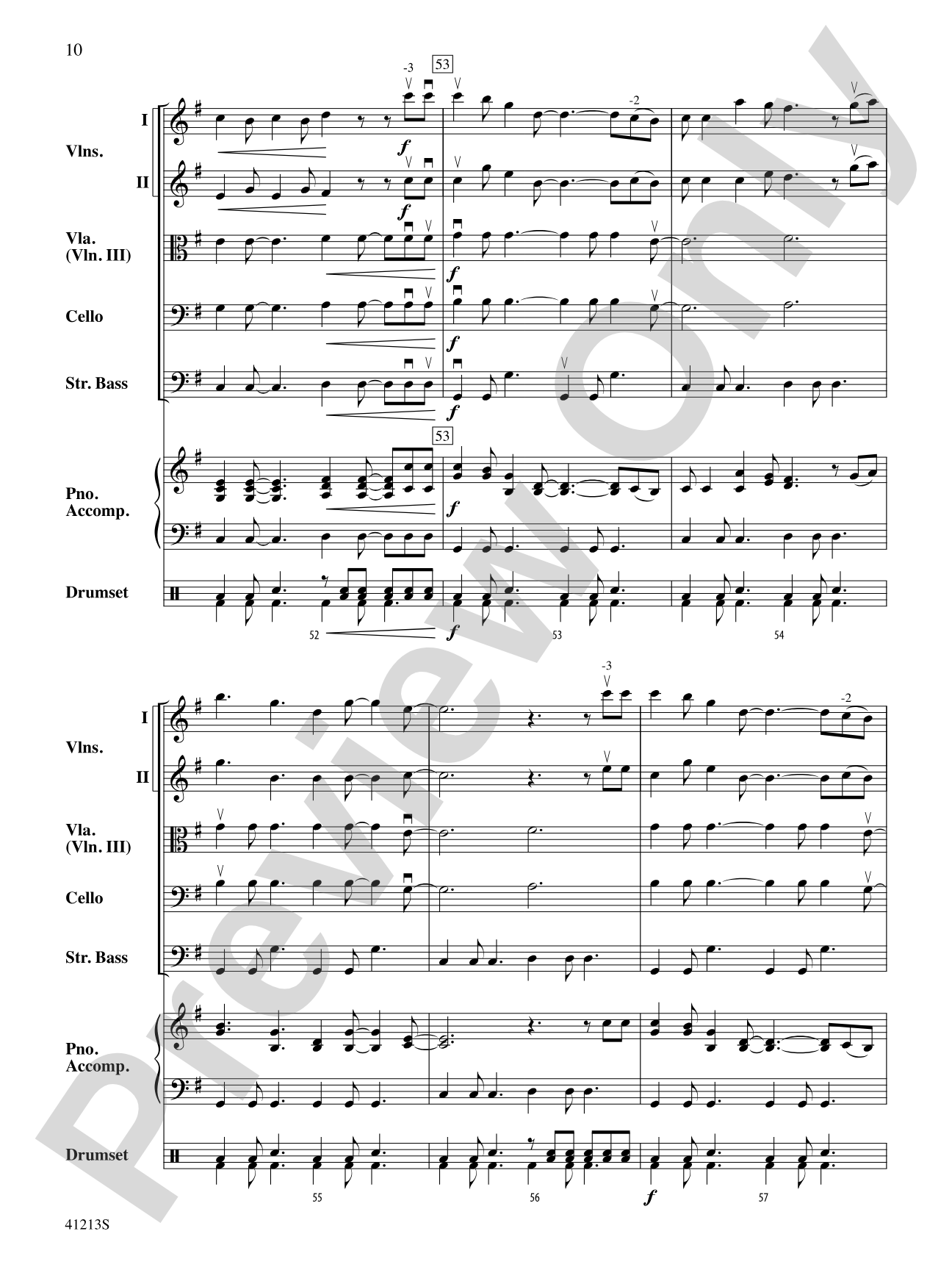
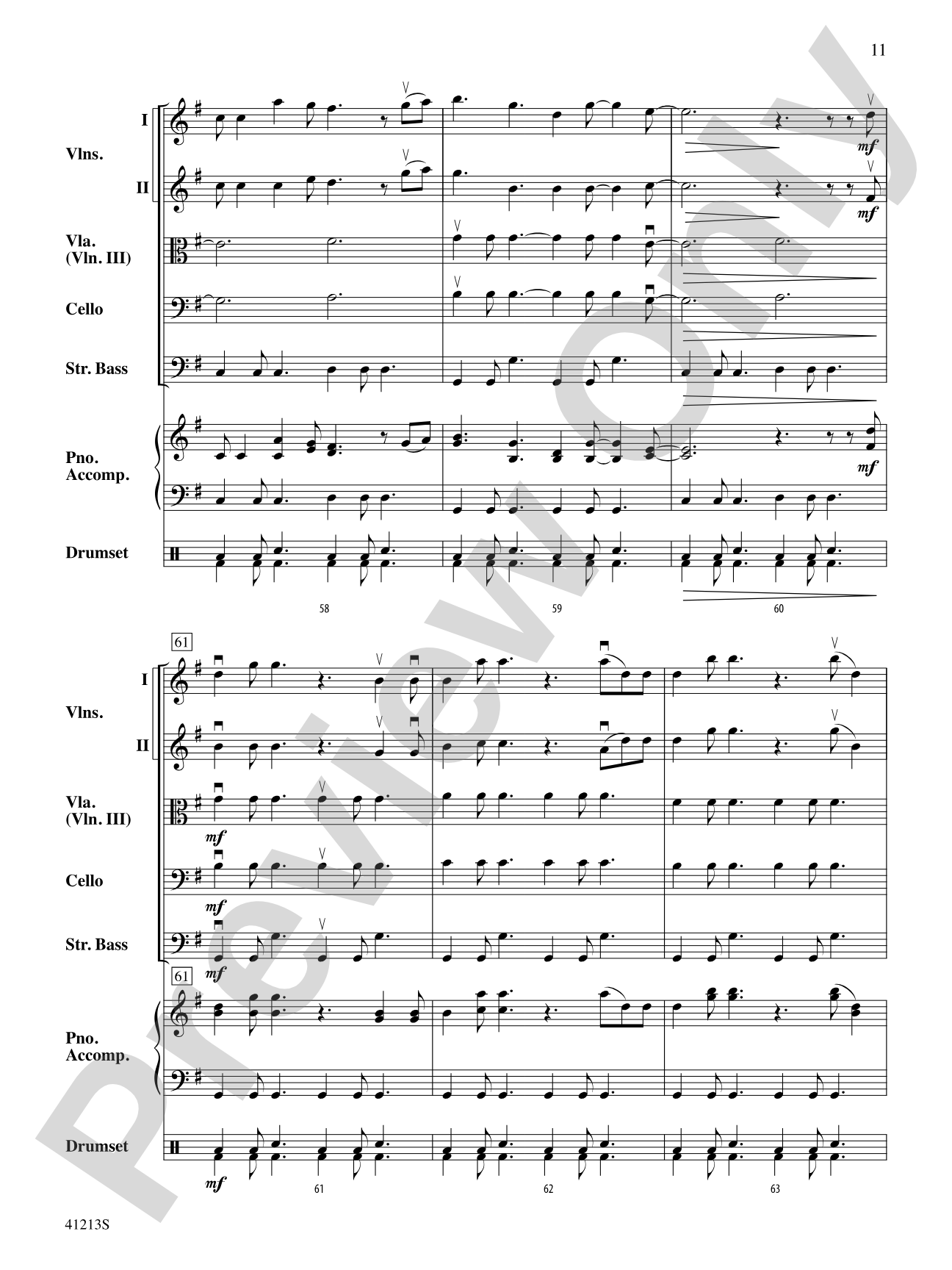
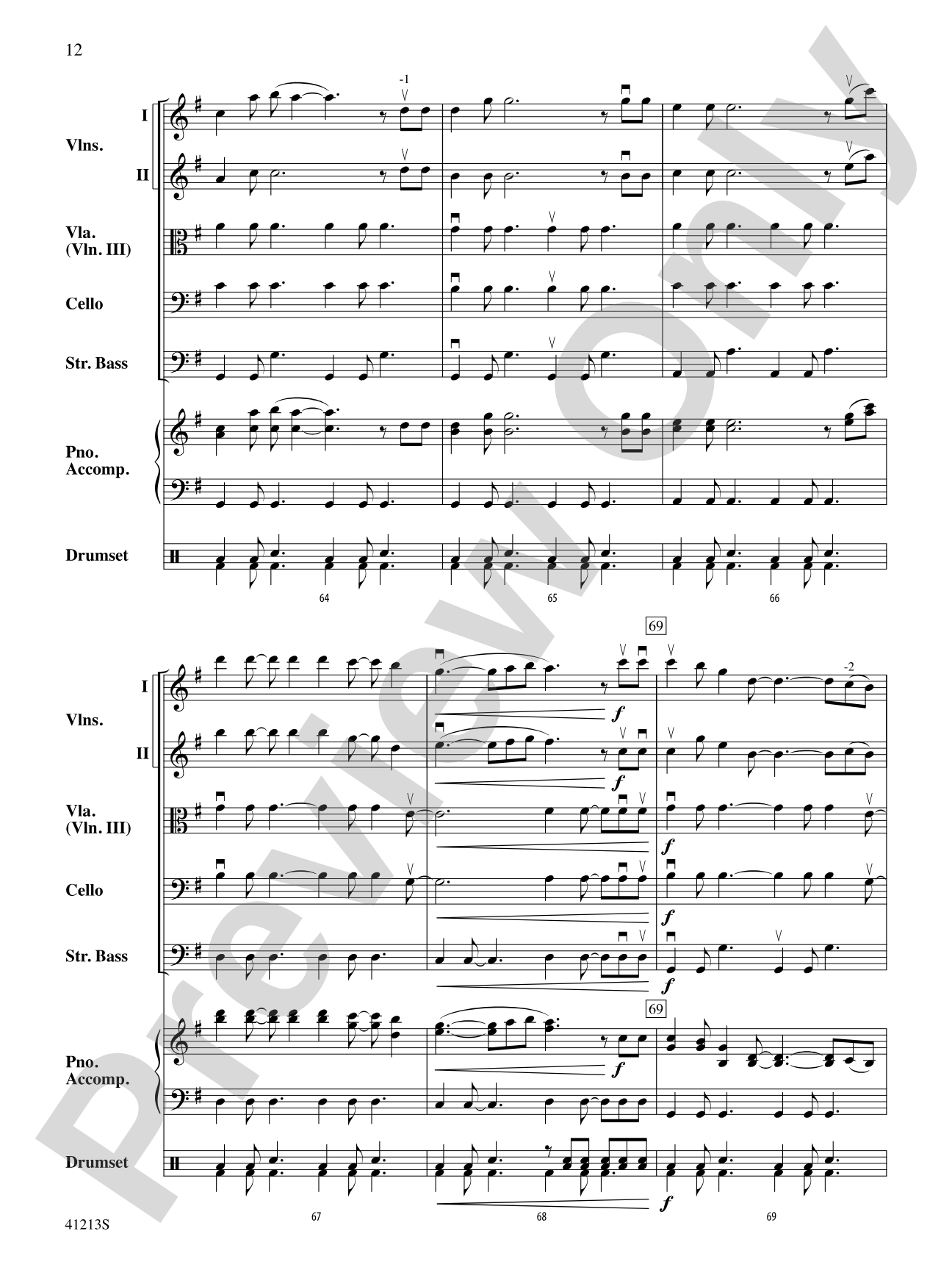
An uplifting, mid-tempo anthem encouraging you to push through and indeed carry on, this cool song is a "fun" and infectious way to introduce your students to 12/8 meter. It will be easy to teach because they know the tune. (3:35) This title is available in MakeMusic Cloud.


Don't just read it, hear it, play along with it, and watch your students grow with it. In MakeMusic Cloud, Carry On: String Orchestra Conductor Score & Parts comes alive with professional accompaniment, adjustable tempo, and built-in practice tools that turn solo practice into real progress.
Open in the Player
Jump straight in and assign it today.
Start Your Free Trial
Open this title and explore the full library in minutes.
Sample Audio
1
Audio File
--:--
0:00
0:00
Sample Video
No sample videos found.
Additional Details
Series:
Pop Intermediate String Orchestra
Publisher:
Alfred Music
Page Count:
156
SKU:
00-PK-0006084
More about this title
About the Composer: Nate Ruess
Nate Ruess rose to prominence as the lead vocalist and primary songwriter of fun., the indie pop band that dominated the early 2010s with infectious melodies and emotionally resonant lyrics. His collaborations with producers like Jeff Bhasker and Jack Antonoff shaped the sound of contemporary pop music, blending accessible hooks with sophisticated production and genuine emotional depth. As a composer and recording artist, Ruess has demonstrated a gift for writing songs that resonate across generations and genres.
Why we love this
This arrangement captures the warmth and infectiousness of the original while using it as a genuine teaching opportunity. Students arrive already knowing the melody, so you can focus their attention on the meter itself rather than fighting unfamiliar material. The 12/8 pulse feels natural once they lock in, making this one of the most painless introductions to compound meter you'll find at this level.
What to expect
Buoyant and propulsive. The 12/8 meter creates a lilting, almost lilting forward motion that feels more energetic than a slow ballad but less frantic than fast material. There's genuine warmth in the arrangement and a sense of optimism that matches the song's message perfectly.
Who it's for
String orchestras in grades 3-4 who are ready to tackle compound meter in a song they already love. This works equally well for orchestras introducing 12/8 for the first time and for groups returning to the concept with a fresh, modern context.
How to get the most out of it
- Establish the 12/8 pulse by conducting in four with triplet subdivisions until the strings hear the underlying dotted-quarter beat. Once they feel that framework, the infectious rhythmic drive falls into place naturally.
- Balance the parts carefully during the unison sections to let the melody sing through without sacrificing the supporting voices. Test different dynamic balances in rehearsal to find where the arrangement opens up.
- Keep the tempo steady and slightly forward. This song lives in its groove, and any hesitation or dragging will flatten its energy.
- Record a section rehearsal of just the rhythmic parts without the melody so students internalize the meter independent of the tune they already know.
How to use it
Open a concert with this piece to energize your audience immediately, or program it as a palate cleanser between heavier classical works. It also pairs well with other contemporary pop arrangements as part of a thematic program about resilience and growth, or use it mid-year when you introduce compound meters into your curriculum.
Skills your students will build
- Reading and conducting compound meter (12/8)
- Identifying and maintaining dotted-quarter pulse within a triplet framework
- Balancing melody and accompaniment voices in contemporary pop arrangements
- Recognizing groove-based rhythmic structures in string writing