Cantate Domino Cover Image

Cantate Domino: 3-Part Mixed Choral Octavo

$1.85 USD
Sale price  $1.85 USD Regular price 
Skip to product information
Cantate Domino Cover Image

Cantate Domino: 3-Part Mixed Choral Octavo

By Ruth Morris Gray

Item: 00-41643

makemusic Cloud badge

Need it now?

Buy Digital Version
$1.85
Shipped

One moment…

Description
The familiar Latin text has been set many times by many composers, but this dynamic and rhythmic composition rises above. Opens with a driving marcato theme, which is brilliantly contrasted by the expressive, legato B section. A dramatic choral work that delivers an impressive effect.

Don't just read it, hear it, play along with it, and watch your students grow with it. In MakeMusic Cloud, Cantate Domino: 3-Part Mixed Choral Octavo comes alive with professional accompaniment, adjustable tempo, and built-in practice tools that turn solo practice into real progress.

Sample Pages

Sample Audio
0:00
0:00
Sample Video
Additional Details
Series: Alfred Choral Designs
Publisher: Alfred Music
Page Count: 12
UPC: 038081467238
SKU: 00-41643

More about this title

About the Composer: Ruth Morris Gray
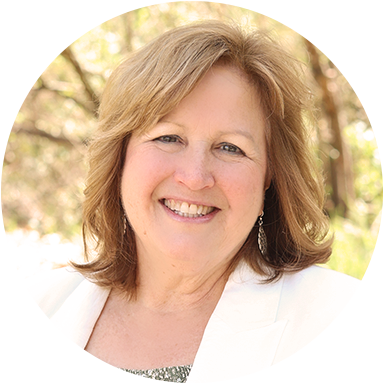
Ruth Morris Gray

Ruth Morris Gray has directed choirs at Rosemead High School since 2004, where she also teaches piano. Her catalog includes over 100 published choral compositions, reflecting decades of work in both the classroom and the concert hall.

Gray holds a Bachelor of Music in Piano Performance and Composition from Biola University and a Master of Arts in Music Composition from UC Santa Barbara. She completed her California Single Subject Music Credential at California State University, Northridge. Beyond her work as composer, educator, and conductor, she performs regularly and pursues interests in travel, swimming, reading, and cycling.

Why we love this

Gray's setting cuts through the crowded catalog of Latin sacred texts with genuine compositional distinction. The structural contrast between the driving, marcato opening and the expressive legato B section gives singers real musical territory to inhabit, and the piece delivers genuine dramatic impact without requiring advanced vocal ranges or unusual ensemble configurations. For a three-part mixed choir, this is substantial repertoire that sounds far more ambitious than its voicing suggests.

What to expect

The piece opens with kinetic urgency, driven by its marcato rhythmic profile. When the music shifts to the legato B section, the character transforms into something expressive and songful, creating a satisfying emotional arc that feels both immediate and substantial.

Who it's for

Directors working with three-part mixed choirs who want strong concert or festival programming without simplifying the musical language. This piece suits both high school choirs seeking material with genuine dramatic stakes and adult community choirs ready for engaging, accessible sacred repertoire.

How to get the most out of it

  • Shape the opening marcato theme with clean articulation and unified rhythmic precision; this driving gesture sets the dramatic tone and must feel purposeful, not merely repeated.
  • Allow the B section legato singing to breathe fully after the marcato intensity. The contrast will land harder if the first section never rushes or loses its edge.
  • Balance the soprano and alto lines carefully in sections where they diverge; SAB voicing can muddy if the upper voices aren't clearly defined.
  • Consider how dynamics support the architectural shift between sections. The marcato theme can afford brightness and forward energy; the legato passage benefits from a more inward, sustained approach.

How to use it

This works beautifully as a concert opener or centerpiece, where its rhythmic energy can energize the ensemble and audience alike. Pair it with slower sacred repertoire to showcase the range of your choir's musicianship, or program it alongside other Latin texts to create a thematic concert segment.

Skills your students will build

  • Contrast between marcato and legato articulation styles
  • Maintaining rhythmic precision in driving, energetic sections
  • Balancing upper voice independence in three-part writing
  • Building dramatic arc through dynamic and character changes
  • Latin text pronunciation and phrasing

You May Also Like
