Cango Caves Cover Image

Cango Caves: Concert Band Conductor Score

$9.00 USD
Sale price  $9.00 USD Regular price 
Skip to product information
Cango Caves Cover Image

Cango Caves: Concert Band Conductor Score

By Ralph Ford

Grade: 0.5 (Very Easy)

Item: 00-BDM02015C

$9.00
Shipped

One moment…

Description
Experience the musical journey and the magic found in these South African caves. This wonderfully imaginative work will surely instill pulse in your ensemble. Terrific concert or contest music, sure to please! (2:00)

Cango Caves: Concert Band Conductor Score isn't in MakeMusic Cloud just yet...but it could be. Let us know you'd like to see it, and you'll help shape what comes next. In the meantime, start a free trial and dive into thousands of interactive titles your students can play along with today.

Sample Pages

Sample Audio
No sample audio found.
Sample Video
Additional Details
Series: Belwin Very Beginning Band
Publisher: Alfred Music
Page Count: 16
UPC: 654979033226
SKU: 00-BDM02015C

More about this title

About the Composer: Ralph Ford
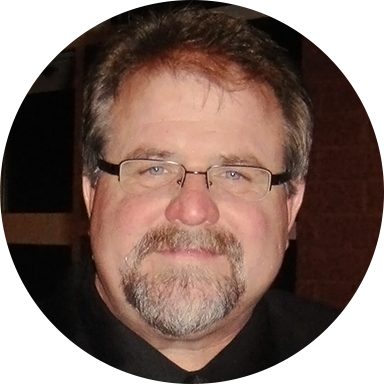
Ralph Ford

Ralph Ford has spent nearly three decades teaching at the university level while building an prolific career as a composer and arranger across multiple mediums. His work spans concert band, orchestra, jazz ensemble, and marching band repertoire, with over 250 titles published through Alfred Music's Belwin division and performed by school, community, military, and professional ensembles internationally.

Beyond the concert hall, Ford has worked extensively in broadcast and media production, creating jingles, news packages, and content for television and radio. His career in arrangement began at age fifteen in Panama City, Florida, and deepened during his undergraduate years at Troy State University, where he also directed the jazz ensemble and later served as staff arranger. He holds a Master of Science degree from Troy and continues to be a sought-after clinician and commissioned composer.

Why we love this

Ford writes with genuine understanding of what beginning bands need: strong melodic material that feels substantial, accessible orchestration that lets every section contribute meaningfully, and a narrative arc that keeps students engaged. The South African cave imagery gives your ensemble a concrete musical destination to work toward, making rehearsals feel like discovery rather than technique drills.

What to expect

Cango Caves captures the wonder of exploration and the quiet majesty of natural spaces. The orchestration unfolds like light moving through cavern passages, with moments of brightness and shadow that create texture and dimension without overwhelming young musicians. It's imaginative and vivid without being precious.

Who it's for

Beginning concert bands with developing ensemble cohesion. This grade 0.5 piece works beautifully for groups navigating their first year or two of standard repertoire, offering musical substance without excessive technical demands. It also suits younger honor bands and all-region ensembles looking for accessible concert material with genuine artistic merit.

How to get the most out of it

  • Establish a steady, confident pulse from the opening. Even at this accessible level, precision in ensemble response transforms the piece from competent to musical.
  • Balance the melodic voices carefully; the piece's magic lives in how the theme passes between sections, so ensure each transition registers clearly without dynamic swells that obscure the line.
  • Let the approximately two-minute duration work in your favor at contest. The piece makes its statement efficiently and leaves the audience wanting more, which judges consistently reward.

How to use it

Program this as a centerpiece concert selection for early-season performances when your ensemble is still building fundamental skills. The piece's narrative quality makes it ideal for a program that connects music to geography or travel, or as a confident opener that demonstrates your band's musicality to an audience unfamiliar with your ensemble's abilities.

Skills your students will build

  • Sustaining melodic lines across ensemble transitions
  • Balancing tutti textures while maintaining clarity of individual voice parts
  • Maintaining steady ensemble pulse in descriptive, non-march-like contexts
  • Responding to conducting gestures that shape musical phrasing rather than just marking time

You May Also Like