Caliente Blues Cover Image

Caliente Blues: Jazz Ensemble Conductor Score, Parts & CD

$69.00 USD
Sale price  $69.00 USD Regular price 
Skip to product information
Caliente Blues Cover Image

Caliente Blues: Jazz Ensemble Conductor Score, Parts & CD

By Jim Snidero / arr. Frank Reinshagen

Item: 01-ADV34014

$69.00
Shipped

One moment…

Description
"Caliente Blues" is a medium difficulty blues chart with a Latin groove on the head.

Caliente Blues: Jazz Ensemble Conductor Score, Parts & CD isn't in MakeMusic Cloud just yet...but it could be. Let us know you'd like to see it, and you'll help shape what comes next. In the meantime, start a free trial and dive into thousands of interactive titles your students can play along with today.

Sample Pages

Sample Audio

track 1

0:00
0:00
Sample Video
Additional Details
Series: Advance Music: Big Band Plus
Publisher: Advance Music
ISBN10: 3-892215-00-6
ISBN13: 978-3-892215-00-4
UPC: 805095340143
SKU: 01-ADV34014

More about this title

About the Composer: Jim Snidero
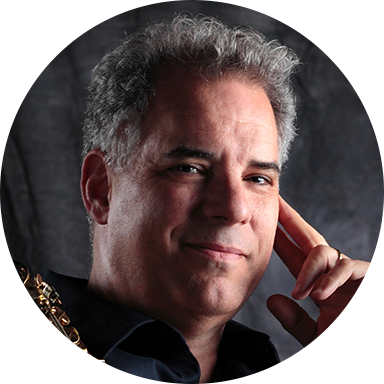
Jim Snidero

Jim Snidero has spent over three decades establishing himself as one of jazz's most accomplished alto saxophonists and composers. A protégé of Phil Woods and Dave Liebman, he studied at the University of North Texas before moving to New York in 1981, where he quickly became a sought-after sideman for everyone from Brother Jack McDuff to the Mingus Big Band, Toshiko Akiyoshi, and Frank Sinatra.

Beyond his impressive performance resume, Snidero has built a substantial catalog of recordings under his own name, all marked by musical integrity and stylistic range. Downbeat Magazine has recognized him as both a "master musician" and "alto saxophone virtuoso," and his presence in the 2017 Downbeat Critic's Poll confirms his continued influence on the international jazz scene. As a composer and arranger, he brings the same thoughtful musicianship that defines his playing to the charts he writes for ensembles.

Why we love this

Snidero knows how to write for ensemble without sacrificing groove or personality. The Latin head gives you immediate character and color, while the blues foundation keeps the chart accessible for players learning to navigate jazz changes and feel. The medium difficulty level sits in that sweet spot where students can concentrate on phrasing and articulation rather than decoding complex voicings.

What to expect

Warm, energetic, and rhythmically sophisticated. The Latin groove brings a sophisticated sophistication to a blues sensibility, creating a chart that feels both familiar and fresh. You get the soul of the blues with the shimmer and syncopation of Latin jazz.

Who it's for

This works well for intermediate to advanced high school jazz ensembles and college jazz bands seeking accessible but musically substantial repertoire. It's equally suited to community jazz ensembles with players who have solid fundamentals and are comfortable with blues changes.

How to get the most out of it

  • Lock the Latin clave into your rhythm section from the first rehearsal. The groove won't settle until piano, bass, and drums speak the same rhythmic language on the head.
  • Encourage soloists to hear the blues framework underneath the Latin texture. Once they recognize the 12-bar form, the changes become less intimidating and improvisation flows more naturally.
  • Shape the head's rhythmic figures as a section. Precision on the ensemble hits will make the Latin feel pop and keep everyone tight when soloists are trading.
  • Use the recorded accompaniment to check balance during solo sections. Hearing how your ensemble blends with a professional rhythm section reveals balance issues that rehearsal piano might mask.

How to use it

Program this as an opener or a mid-set energizer at your jazz concert. It pairs naturally with straight-ahead bebop charts or modern standards, giving your audience variety without tonal whiplash. The included CD also makes it an excellent teaching tool for demonstrating how a professional rhythm section balances against ensemble figures.

Skills your students will build

  • Maintaining swing articulation while playing over a Latin clave-based rhythm
  • Blues improvisation and soloing over medium-tempo changes
  • Ensemble cohesion on rhythmically syncopated head figures
  • Listening to and responding to rhythm section grooves during trading
  • Distinguishing between swing and Latin feel in the same tune

You May Also Like