Brincando com Fogo Cover Image

Brincando com Fogo: Jazz Ensemble Conductor Score

$11.00 USD
Sale price  $11.00 USD Regular price 
Skip to product information
Brincando com Fogo Cover Image

Brincando com Fogo: Jazz Ensemble Conductor Score

(Dancing with Fire)

By Drew Zaremba

Grade: 3.5

Item: 00-49621S

$11.00
Shipped

One moment…

Description
Brincando com Fogo by Drew Zaremba is a fiery baião Latin played at half note = 100 BPM. Lead trumpet range is to written G on top of the staff, suggested written solos for tenor 1 and trumpet 2, space for drum fills, auxiliary percussion, optional instruments to include vibes, plus non-stop action. Energy abounds! (6:16)

Brincando com Fogo: Jazz Ensemble Conductor Score isn't in MakeMusic Cloud just yet...but it could be. Let us know you'd like to see it, and you'll help shape what comes next. In the meantime, start a free trial and dive into thousands of interactive titles your students can play along with today.

Sample Pages

Sample Audio
0:00
0:00
Sample Video
Additional Details
Series: Jazz Band Series
Publisher: Alfred Music
Page Count: 36
ISBN10: 1-4706-5129-7
ISBN13: 978-1-4706-5129-9
UPC: 038081572208
SKU: 00-49621S

More about this title

About the Composer: Drew Zaremba
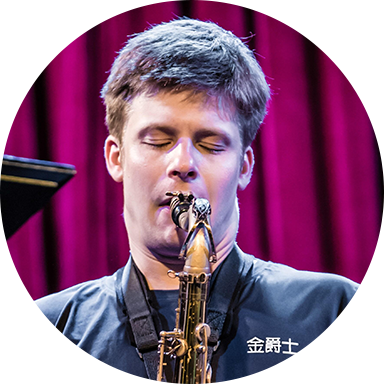
Drew Zaremba

Drew Zaremba has established himself as a composer and arranger whose work spans classical orchestras, world-renowned jazz ensembles, and crosscultural collaborations. His commissions and performances include projects with the BBC Orchestra, Metropole Orkest, Dallas Symphony Orchestra, and distinguished soloists ranging from Randy Brecker to Wycliffe Gordon. A residency in Zhuhai, China resulted in an ambitious concert series fusing Chinese opera with jazz, demonstrating his commitment to innovative musical synthesis.

Zaremba served on the faculty at the University of Northern Colorado beginning in 2018, where he teaches jazz composition and arranging. His catalog includes twenty recordings made with the University of North Texas Lab Bands, and his original compositions have received significant recognition, including the Sammy Nestico Award in 2018 and the Sherman/Barsanti Inspiration Award. His work appears through Sierra Music, UNC Jazz Press, and continues to be commissioned by ensembles including the U.S. Air Force's Airmen of Note.

Why we love this

Zaremba understands what jazz ensembles crave: infectious rhythmic energy wrapped around a clear musical idea that holds for over six minutes without losing momentum. The baião foundation gives it authentic Latin character while the scoring (with optional vibes and auxiliary percussion) rewards ensembles at this level who are still building their percussion depth. Lead trumpet gets to soar, the rhythm section has real work to do, and space for tenor 1 and trumpet 2 solos means your section leaders get moments to shine.

What to expect

Brincando com Fogo burns with relentless forward motion; the baião rhythm propels everything forward at a temperature that feels urgent but never frantic. Fiery horn lines dance over a lock-solid Latin foundation, and the ensemble's collective energy creates an atmosphere of celebration and controlled intensity.

Who it's for

Grade 3.5 jazz ensembles with solid fundamentals and players ready for Latin grooves that demand pocket precision rather than flash. Ensembles should have reliable lead trumpet, tenor 1, and a rhythm section capable of locking into a half-note groove at 100 BPM without drifting.

How to get the most out of it

  • Lock the baião feel in rehearsal by isolating the piano, bass, and drums first; once that pocket is solid, layer in the horns and let them settle into the groove rather than pushing ahead of it.
  • Give the lead trumpet explicit dynamic control during the upper-register passages heading to that written G; the part should sing without straining, and a slightly lighter touch often carries farther in the Latin texture than forcing it.
  • Map out the drum fills and solo sections ahead of time with your rhythm section; Zaremba writes "space for drum fills," which means your drummer needs to know exactly where those pockets open and close so soloists can breathe.
  • Emphasize the auxiliary percussion parts as essential, not decorative; clave, congas, or shakers establish the baião authenticity and anchor the ensemble's collective feel.

How to use it

This belongs in the second half of a concert where you want to shift the mood toward fun and propel the audience toward the exit energized. The 6:16 length makes it substantial enough to anchor a programming section alongside other Latin or contemporary jazz works, and it works especially well as a closer or just before a final ballad.

Skills your students will build

  • Playing with consistent rhythmic subdivision in a half-note baião groove at 100 BPM
  • Balancing lead trumpet range extension (written to G) with tonal control and projection
  • Responding to Latin percussion accompaniment and adjusting phrasing to match clave-based rhythms
  • Solo improvisation or written solo performance in a jazz ensemble context
  • Reading and responding to explicit drum and percussion fill cues within ensemble arrangements

You May Also Like